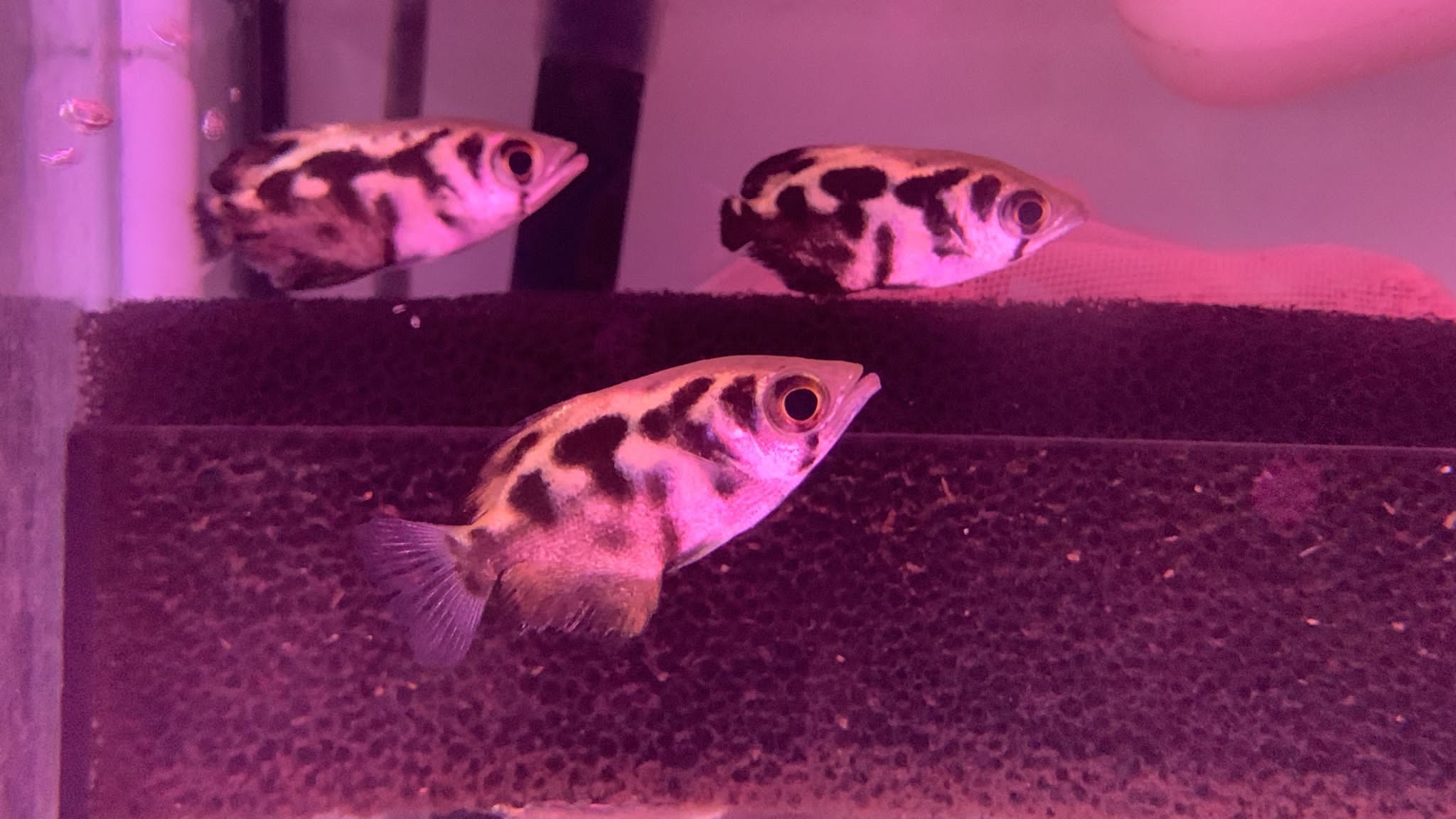
What Do Archerfish Eat? A Practical Feeding Guide
Archerfish eat a carnivorous diet built around insects and other small invertebrates, rounded out with meaty aquatic foods and, once established, high-quality pellets. The tricky part isn't the menu — it's presentation, since these fish are built to hunt at and above the water's surface, not to pick food off the substrate.
Why Feeding Archerfish Is Different
In the wild, archerfish patrol the surface of rivers, estuaries, and mangrove creeks looking for insects resting on overhanging leaves and branches. When they spot one, they aim a groove in the roof of the mouth at the target and fire a jet of water to knock it down, then snatch it once it hits the surface. Some individuals also leap clear of the water to grab prey directly off a leaf.
That hunting style shapes everything about feeding them in a home aquarium. An archerfish isn't wired to notice food that simply sinks past its face — it's scanning upward and outward for movement above the waterline. Understanding this before you buy the fish (browsable in FishyHub's freshwater livestock listings) saves a lot of frustration during the first few weeks.
Core Diet: What Archerfish Actually Eat
Insects and Land Invertebrates
This is the foundation of the diet, especially for newly acquired or juvenile fish:
- Crickets (appropriately sized for the fish's mouth)
- Mealworms
- Houseflies and fruit flies
- Small roaches
- Grasshoppers
- Spiders
- Earthworms
Live insects that wriggle or struggle trigger the natural strike-and-shoot response far more reliably than anything motionless. This is the single most useful hunting cue an archerfish responds to, and it's why live food is often the fastest way to get a shy or newly introduced fish eating.
Aquatic and Meaty Foods
These round out the diet and are easier to source consistently than live insects:
- Bloodworms
- Mysis shrimp
- Brine shrimp
- Small pieces of fresh or frozen fish, shrimp, or squid
- Clams
Prepared Foods
Many archerfish will eventually learn to accept high-quality sinking or floating pellets and frozen foods once they're established in a tank and comfortable with their surroundings. Juveniles and wild-caught individuals, however, often need a period of live-insect feeding first before they recognize a pellet as food at all.
Insect Feeders vs. Frozen/Meaty Foods
Both categories matter, but they serve different roles in a feeding plan.
| Food type | Examples | Best used for | Notes |
|---|---|---|---|
| Insect feeders | Crickets, mealworms, houseflies, fruit flies, roaches | Training shy or new fish; triggering natural shooting behavior | Gut-load before feeding; more effort to source/store |
| Frozen/meaty foods | Bloodworms, mysis shrimp, brine shrimp, fish/shrimp/squid pieces, clams | Long-term staple once fish is established | Convenient, freezer-stable, good nutritional variety |
| Prepared pellets | Sinking or floating pellets | Base diet supplement for trained adults | Should not be the sole food source |
How to Present Food So Your Archerfish Will Eat It
Presentation matters more for archerfish than almost any other aquarium species. Food dropped straight into open water is frequently ignored — not because the fish dislikes it, but because it doesn't look or behave like prey falling from above.
Effective methods include:
- Tongs or feeding sticks — hold an insect just above the surface so the fish can shoot at it or leap to grab it.
- Floating platforms — a small raft or feeding ring keeps meaty foods or pellets sitting at the surface rather than sinking immediately.
- Perched feeders — placing an insect on the tank rim or on an overhanging plant leaf mimics the natural setup and lets the fish demonstrate its spitting behavior.
- DIY "shooting range" setups — some hobbyists rig a stick, mesh screen, or small platform above the waterline specifically so insects can be placed there for the fish to knock down.
A secure, well-fitted lid isn't optional here. Archerfish are strong jumpers, and a fish lunging at food above the waterline can easily clear an open tank. The lid also needs to allow enough clearance or an opening for tong-feeding without giving the fish a launch pad to escape through.
Feeding Frequency and Amounts
Adults generally do well on 2–3 small feedings a day, offering only what they'll finish within a couple of minutes. Archerfish are notorious surface beggars — they'll hover and gape at the glass whenever anyone approaches, and that persistent begging is not a reliable signal of actual hunger. Feed by amount and schedule, not by how eager the fish looks.
Juveniles vs. Adults
Juvenile archerfish typically need:
- More frequent, smaller live-food feedings than adults
- A greater reliance on live insects to establish a feeding response
- Often a fresher-water start, since many juveniles are sold and acclimated in freshwater before a gradual move toward brackish conditions
Adults are more flexible, more likely to accept frozen and prepared foods, and can handle slightly larger, less frequent portions.
Water Parameters and Feeding Behavior
Salinity has a direct effect on appetite. Archerfish are typically kept in brackish water, with a specific gravity of roughly 1.005–1.008, rising to as high as 1.012 for adults. Juveniles can be started in freshwater, but stability matters more than which exact salinity you choose: sudden swings stress the fish and commonly suppress feeding.
If you're moving a fish from freshwater toward brackish conditions, do it gradually over one to two weeks rather than all at once. A fish that stops striking at food after a water change is often reacting to a salinity shift, not a diet problem.
A paludarium or overhanging-branch setup — with plants or perches extending above the waterline — makes natural feeding dramatically easier to replicate than a bare glass tank, since it gives the fish real targets to shoot at and gives you a natural place to perch insects.
Gut-Loading and Supplementing Feeder Insects
Farmed feeder insects like crickets and mealworms are often nutrient-poor on their own. Before feeding them to your archerfish:
- Gut-load insects with fresh greens or a commercial gut-loading diet for 24–48 hours before offering them
- Dust insects lightly with a calcium/vitamin supplement immediately before feeding
- Rotate insect species rather than relying on one type exclusively
This step is easy to skip but makes a real difference over months of feeding, particularly for calcium intake and preventing the kind of nutritional gaps that come from a monotonous diet. FishyHub's freeze-dried food and supplement selection can serve as an occasional addition alongside gut-loaded live insects.
Group Feeding and Tankmates
Archerfish often feed competitively at the surface, and a dominant individual can monopolize the best feeding spots in a group. When keeping several together:
- Spread food across multiple points at the surface rather than one location
- Watch for smaller or shyer individuals getting consistently out-competed
- Be cautious with much smaller tankmates or fry, since archerfish are opportunistic and will take an easy meal if one presents itself, even though they aren't dedicated fish-eaters
A Practical Starter Shopping List
Translating the food list into what you can actually buy:
- Crickets and mealworms — typically found in the reptile/feeder section of a pet store, or a bait shop
- Fruit flies and houseflies — culture kits are available, or they can be bred at home cheaply
- Frozen bloodworms, mysis shrimp, and brine shrimp cubes — found in the frozen fish food aisle
- Fresh fish, shrimp, or squid pieces — often just a small cut from what's sold for human consumption at a seafood counter
- Sinking/floating pellets and freeze-dried options — available in most fish food sections
Breeding your own fruit flies or feeder insects at home is noticeably cheaper over time than buying them individually, though it takes more setup effort upfront than simply purchasing feeders as needed.
Common Feeding Mistakes to Avoid
- Dropping food into open water and assuming refusal means dislike. More often it's a presentation issue — try tongs or a surface perch instead.
- Feeding only crickets or mealworms long-term. This leads to a fatty, nutrient-poor diet; rotate food types and gut-load insects.
- Overfeeding because of constant surface begging. Measure and time feedings instead of feeding on demand.
- Changing salinity too quickly when moving a fish from freshwater to brackish, which can cause appetite loss and stress.
- Using a tank without a secure lid, risking an escape during a feeding-driven leap.
- Expecting a new fish to eat pellets immediately. Most need a live-food transition period first.
- Underfeeding a shy, newly introduced fish because it seems disinterested, when it may simply not yet recognize how or where food will appear.
Signs of Feeding-Related Problems
Watch for these indicators that feeding isn't going well:
- A visibly sunken belly or thinning body over time
- Lethargy or reduced activity at the surface
- Refusal to strike at food that's presented correctly
- Persistent pickiness that worsens rather than improves after a few weeks
Any of these warrant a review of diet variety, presentation method, and water stability before assuming an unrelated health issue.
Frequently Asked Questions
Can archerfish live on pellets alone?
Generally not recommended. Pellets can supplement the diet once a fish is established, but they shouldn't replace live or frozen insects and meaty foods, especially for younger or newly introduced fish.
Do archerfish need live food forever?
No. Most archerfish can be trained onto frozen and prepared foods over time with patience. That said, occasional live feeding helps keep their natural hunting behavior sharp and gives them useful enrichment.
How do you get an archerfish to eat if it won't touch food in the water?
Present food above the surface using tongs, a floating perch, or an insect placed at the tank rim. This triggers the natural strike-and-shoot response that food sitting in open water simply doesn't.
Can you feed archerfish flakes?
Flakes are usually too small and light to hold an archerfish's interest and aren't recommended as a staple. Sinking or floating pellets and larger meaty items are a better fit for their feeding style.
Do archerfish eat other fish?
They can be opportunistic toward much smaller tankmates, particularly fry or very small fish, but they aren't dedicated fish-eaters the way some predatory cichlids are.
How much should I feed an archerfish?
Offer only what it can finish within a couple of minutes, given 2–3 times daily for adults. Because archerfish beg persistently, it's better to err toward slightly less than to feed based on how eager they appear.
Can you feed archerfish freeze-dried food?
Freeze-dried options like plankton or krill can be offered occasionally, but they're best used as a supplement rather than a primary food source, since they retain less moisture and nutritional value than live or frozen alternatives.
Do juvenile archerfish eat differently than adults?
Yes. Juveniles typically need smaller, more frequent live-food feedings and are more likely to be started in fresher water before a gradual transition toward brackish conditions as they mature.
Once you've got a feeding routine dialed in, browse FishyHub's food and supplements category for frozen, freeze-dried, and prepared options to round out your archerfish's diet.


