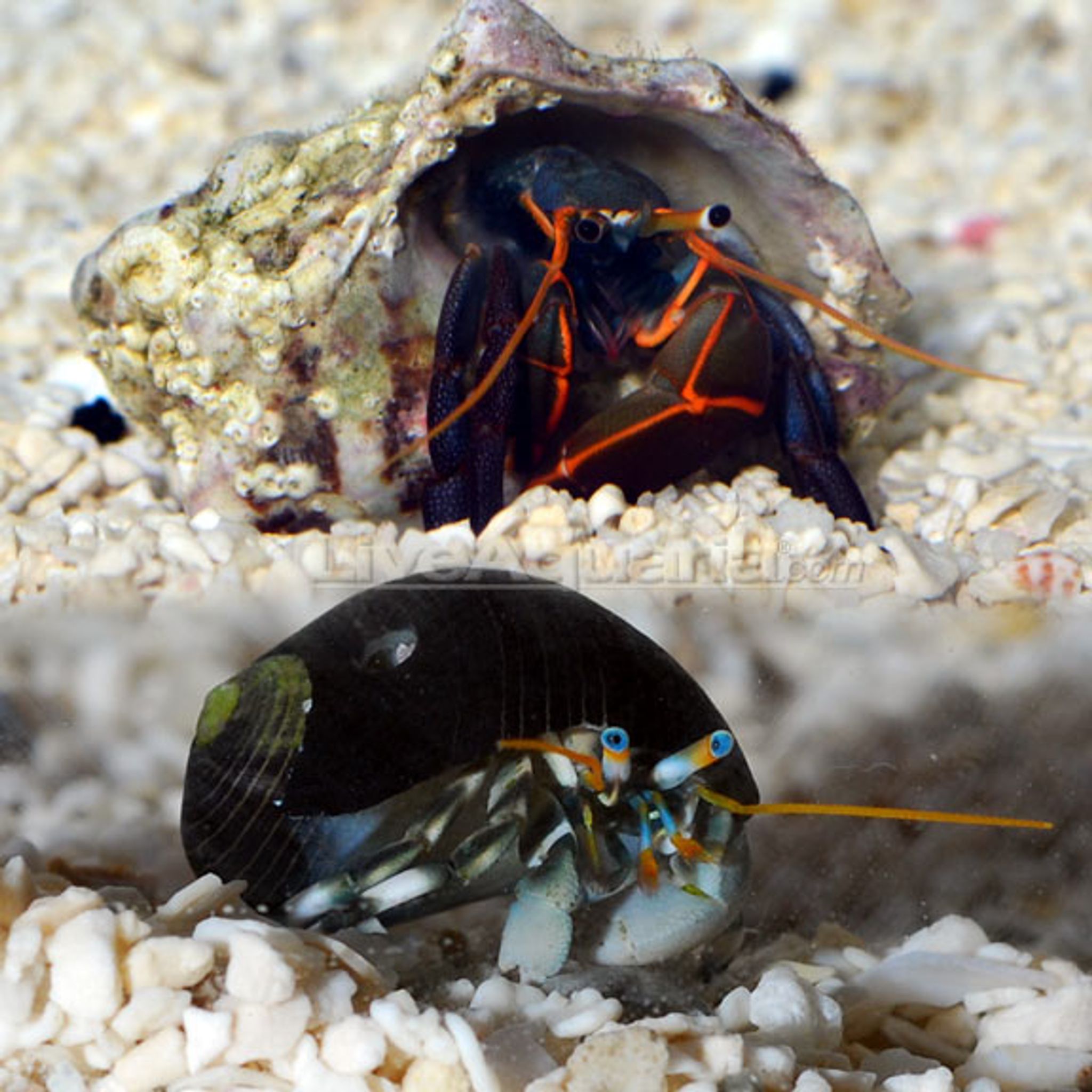

Thai Micro Crab Problems: Common Causes of Stress, Death and Poor Growth
Thai micro crabs are hardy little scavengers, but a handful of specific mistakes account for almost every case of sudden death, missing limbs, or crabs that stay pale and undersized. This guide walks through the most likely causes in order, starting with the ones that kill fastest, so you can find the actual problem instead of guessing.
Know What You're Keeping First
True Thai micro crabs are fully aquatic, gill-breathing crabs with an adult shell width of roughly 0.5–1 inch (1–2.5 cm) and a typical lifespan of 1–2 years, sometimes longer in a stable, mature tank. Consistent water quality — not any single parameter — is the biggest factor in how long they actually live.
This matters because several other animals get sold under similar "micro crab" names but are semi-terrestrial or brackish species that need land access. If your crab is climbing out of the water constantly and gasping, you may be dealing with a different species entirely, or your true Thai micro crab is telling you something is wrong with the water. A healthy Thai micro crab should stay submerged at all times — it does not need or want an emersed area, unlike vampire crabs.
Run the Diagnostic Order
When something is wrong, check things in this order rather than jumping straight to diet or décor:
- Water parameters (ammonia, nitrite, temperature, pH)
- Filtration (intake guards, flow strength)
- Molting stage (soft-shelled, stuck shell, recent shed)
- Tankmates (aggression, overcrowding)
- Diet and biofilm (starvation, "too clean" tank)
Most die-offs and stalled growth trace back to the first two or three items on this list, even when the symptoms look diet-related at first glance.
1. Water Chemistry and an Uncycled Tank
Thai micro crabs need zero ammonia and zero nitrite — they are more sensitive to both than most community fish, and a spike that a fish would merely tolerate can kill a crab within days. Target ranges:
| Parameter | Target range |
|---|---|
| Temperature | 72–82°F (22–28°C) |
| pH | 6.5–8.0 |
| General/carbonate hardness | Roughly 6–15 dGH/dKH |
| Ammonia | 0 ppm |
| Nitrite | 0 ppm |
Adding crabs to a tank that hasn't finished cycling is the single most common cause of early death. If crabs start dying within the first week or two of setup, test ammonia and nitrite before looking at anything else. Evaporation is a secondary trap: as water level drops, remaining parameters concentrate and temperature can swing faster in a smaller volume, so top off regularly rather than waiting for a full water change.
Copper warning: like all invertebrates, Thai micro crabs are killed by copper-based medications. Never treat a tank containing them with a copper-based treatment, and double-check that any conditioner or fertilizer used elsewhere in your fishroom equipment is copper-free before it touches their water.
2. Filtration Injuries
Bare intakes and impellers are the top physical cause of injury and death in micro crabs, especially juveniles, which are small enough to be pulled directly into an intake tube or nipped by an impeller. The standard fix is a sponge pre-filter or fine mesh over every intake in the tank. Browsing filters built for small, low-flow setups makes it easier to find a unit that won't overpower a nano crab tank in the first place.
Also watch for water level drops that expose the top of an intake, sudden flow increases after a filter cleaning, and gaps around intake guards that a leg or claw can slip into.
3. Molting: The Most Dangerous Window
Molting is when the crab is at its most vulnerable. For roughly 24–48 hours, a freshly molted crab has a soft shell and no real defense against tankmates, current, or handling. During this window:
- Never net or move a molting crab — the shock alone can be fatal.
- Leave the shed exoskeleton in the tank. The crab eats it to recover calcium; removing it right away weakens the next molt.
- Keep the tank stocked with dense cover (see the décor section below) so a soft-shelled crab has somewhere to hide from tankmates and current.
Failed or Incomplete Molts
A stuck old shell or lost limbs during a molt usually points to low calcium or mineral content, unstable water parameters, or insufficient trace minerals. Crushed coral, a cuttlebone piece, or a GH/mineral booster added to the tank can help correct this over a few molt cycles — results show up gradually, not overnight.
4. Diet, Starvation, and the "Too Clean" Tank
Thai micro crabs are omnivorous scavengers that rely heavily on biofilm and algae growing naturally in a mature tank. Poor growth and pale, dull coloring are commonly linked to underfeeding — but just as often, they're linked to a tank kept too spotless to support natural grazing.
Practical feeding routine:
- Offer small amounts of sinking shrimp pellets, blanched zucchini or spinach, algae wafers, or an occasional frozen bloodworm or brine shrimp every 1–2 days.
- Rely mainly on biofilm rather than heavy supplemental feeding; overfeeding fouls water and actually undermines the biofilm balance the crabs depend on.
- In newer tanks without much biofilm yet, supplemental feeding matters more — increase it slightly until the tank matures.
Building Biofilm on Purpose
If a tank is producing pale or stunted crabs despite feeding, the fix is often less cleaning, not more food. Leaf litter, seasoned driftwood, and skipping aggressive gravel vacuuming all let biofilm establish and stay established. Treat this as ongoing tank management rather than a one-time fix.
5. Tankmates and Overcrowding
Peaceful, small, slow-moving fish and similarly sized dwarf shrimp make good tankmates. Avoid:
- Fin-nippers and anything that will pick at legs or eyestalks
- Larger or aggressive fish
- Other crab or crayfish species
Overcrowding with too few hiding spots causes chronic stress and stunted growth even without outright aggression — a crab that never feels safe rarely grows or colors up well.
Décor and Setup That Actually Reduces Stress
Bare or brightly lit tanks correlate strongly with skittish, pale, poorly growing crabs. Dense planting — especially floating plants — driftwood, leaf litter, moss, and caves give crabs refuge, particularly during molts. If you're stocking a tank around crabs and compatible companions, browsing freshwater livestock and shrimp alongside supplemental foods lets you plan cover and tankmates together rather than as an afterthought.
Acclimation Matters More Than It Looks
Sudden parameter swings between bag water and tank water are a frequent cause of death in the first days after purchase. Use a drip acclimation over an hour or more rather than a quick float-and-dump. This single step prevents a disproportionate share of early post-purchase losses.
Signs of Stress and Poor Health
| Sign | Likely cause |
|---|---|
| Hiding constantly, no feeding activity | Bright/bare tank, poor water quality, or post-molt recovery |
| Pale or washed-out shell | Diet lacking biofilm/variety, stress, or recent molt |
| Lethargy, loss of appetite | Water quality issue or illness |
| Limb autotomy (self-dropped leg) | Acute stress response, often tied to tankmates or handling |
| Cloudy or white patches, foul smell | Bacterial infection, usually following an injury |
A colony that was thriving and suddenly starts dying off is rarely "just old age" — it usually points to a new stressor: a new tankmate, a medication treatment used nearby, or a recent filter change. Established Thai micro crab colonies are generally self-sustaining, so treat a sudden decline as a troubleshooting problem, not an inevitability.
Hospital Tank Setup for a Sick or Injured Crab
Isolate any crab showing shell rot, limb loss, or lethargy so tankmates don't harass it during recovery. A simple setup:
- Size: 1–2.5 gallon (4–9.5 L) bare-bottom or simple-substrate tank
- Water: mature, cycled water pulled from the main tank
- Filtration: a gentle sponge filter — low flow, no strong intake
- Heater: matched to the main tank's temperature
- Décor: one or two hiding spots (a PVC section or ceramic cave)
- Medication: none containing copper
- Monitoring: check ammonia and nitrite daily — small volumes swing fast
- Water changes: partial changes every few days, using water aged and matched to the main tank's parameters
- Observation window: roughly 14 days before considering a return to the main tank
Frequently Asked Questions
Why did my Thai micro crab die suddenly with no visible cause?
This is usually an unnoticed ammonia or nitrite spike, an uncycled tank, or a filter-intake injury. Test your water parameters immediately and inspect every intake for gaps or missing sponge guards.
Why does my crab keep losing legs?
Occasional leg loss is normal around molting, since limbs regenerate over successive molts. Repeated or ongoing loss usually signals an aggressive tankmate or an unguarded filter intake rather than the molting process itself.
Is it normal for my crab to hide all the time?
Some hiding is natural, especially right after a molt or in a bright, bare tank. Near-constant hiding with no feeding activity suggests stress from lighting, tankmates, or poor water quality and is worth investigating.
Can I keep Thai micro crabs with shrimp?
Generally yes — they're peaceful toward similarly sized dwarf shrimp. Very small shrimplets can occasionally be picked off, so provide plenty of cover for both species.
Do Thai micro crabs need land or dry areas?
No. True Thai micro crabs are fully aquatic and should stay submerged at all times. The land-access requirement applies to a different, semi-terrestrial group of crabs sometimes sold under similar names.
Why is my crab pale or losing color?
This is usually diet-related — insufficient biofilm or algae, or a lack of varied food — though it can also signal stress or poor water quality. A brief pale phase right after a molt, before the new shell hardens and colors in, is also normal.
How often should I feed them and how much?
Small amounts every 1–2 days is typical, relying mainly on natural biofilm with supplemental sinking foods filling the gaps. Overfeeding fouls the water and undermines the biofilm balance the crabs depend on.
What water change schedule keeps them stable?
Small, frequent partial water changes of about 10–20% weekly, closely matched in temperature and parameters, tend to be safer than large or infrequent changes that shock a sensitive invertebrate.
Ready to stock or restock your setup with compatible tankmates and supplies? Browse freshwater livestock on FishyHub to find crabs, shrimp, and companion fish suited to a stable, well-planted crab tank.


