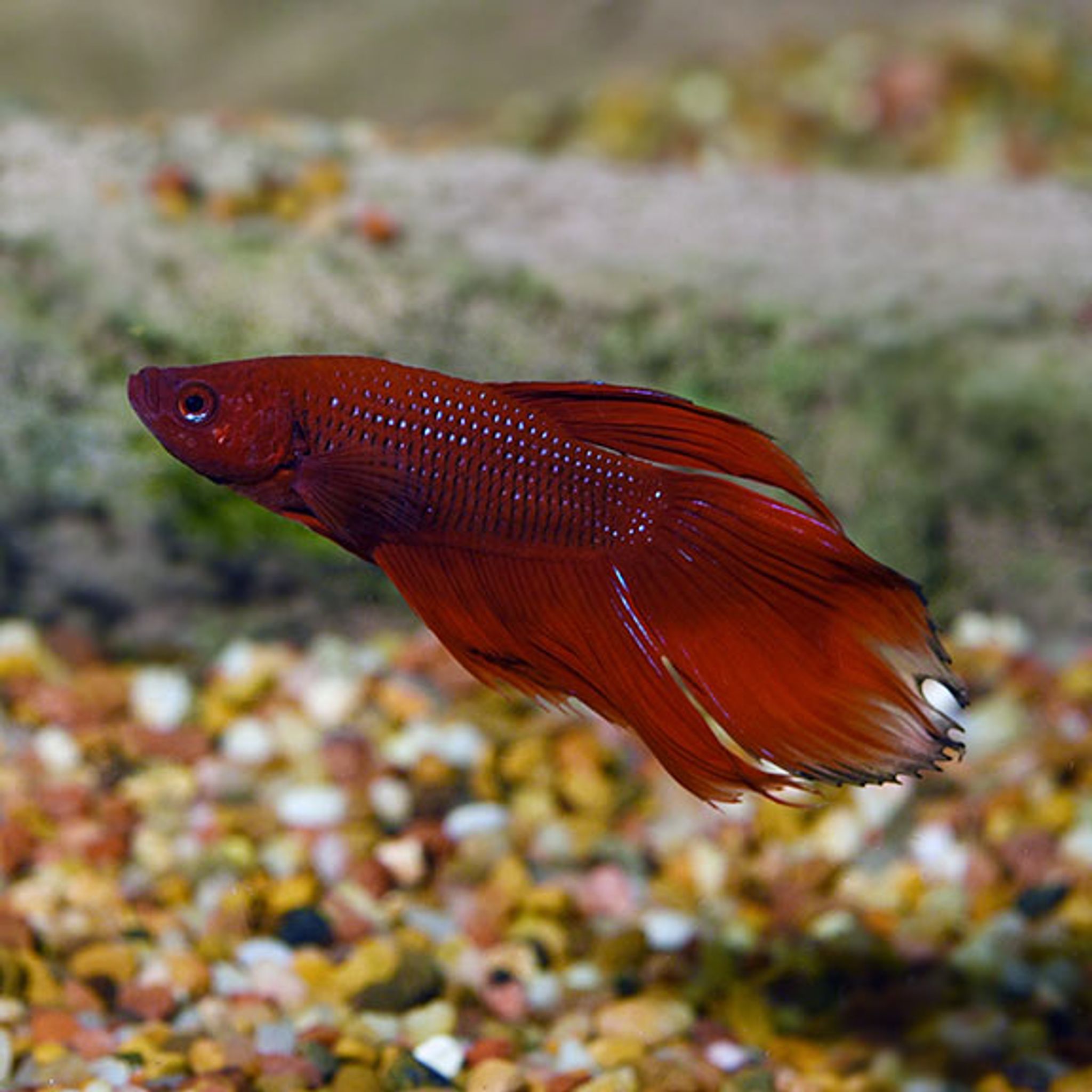

Is Marine Betta Reef Safe? Coral and Invertebrate Compatibility Explained
The marine betta is reef safe with coral, full stop — it never picks at, stings, or otherwise damages stony, soft, or LPS tissue. The real compatibility question isn't coral at all; it's whether your cleanup crew and ornamental shrimp are small enough to become a meal. This guide breaks down exactly which tankmates are at risk, which are safe, and how to stock this shy predator without losing a single snail-sized surprise.
What Exactly Is a Marine Betta?
The marine betta, or comet grouper (Calloplesiops altivelis), is a solitary reef fish found on Indo-Pacific reef slopes and lagoon patch reefs, roughly 10–150 feet deep, ranging from East Africa across to the central Pacific, north to Japan and south to the Great Barrier Reef. Despite the common name, it isn't related to the freshwater betta at all — it belongs to a different family entirely, and treating it like the familiar peaceful freshwater fish sold in betta tanks is one of the most common stocking mistakes new owners make.
Adults reach about 7–8 inches and can live 10 or more years in captivity with consistent care. The body is dark brown-to-black with scattered white or pale-blue spots, and long, elongated dorsal and anal fins give it a graceful, almost eel-like silhouette. Near the tail, a false "eyespot" mimics the head of a whitemouth moray eel — when the fish backs tail-first into a crevice, that fake head deters predators and lets the real head stay hidden while it watches for prey. This mimicry is also why the fish is drawn to tight rockwork: it isn't just hiding, it's actively using concealment as a hunting and defense strategy.
Reef Safety Verdict: Coral Is Never at Risk
Here's the clear answer buyers are looking for: the marine betta does not eat coral, sting coral, or disturb coral polyps of any kind — soft, LPS, or SPS. It is a strict carnivore that hunts small fish and crustaceans, not a grazer or polyp-picker. Some older write-ups frame the fish as only "technically" reef safe because it hides so much that it poses little visible risk either way — but that's an indirect argument about visibility, not an actual compatibility concern. The consensus among detailed species profiles is straightforward: coral is safe, period. The only real caveat with this fish is invertebrate and small-fish predation, covered below.
The Real Risk: Invertebrates and Small Fish
The marine betta is an ambush predator that will eat any crustacean or fish small enough to fit in its mouth. That's the single rule of thumb to remember — if it fits in the mouth, it's at risk; if it doesn't, it's generally safe.
Ornamental Shrimp and Small Crustaceans
Ornamental shrimp — cleaner shrimp, peppermint shrimp, and small hermit crabs — are genuinely vulnerable, especially juveniles or any shrimp caught out of hiding while soft-shelled after a molt. A freshly molted shrimp has no hard shell for protection and moves sluggishly, making it far easier prey than a hardened adult; this molting vulnerability is standard reef husbandry knowledge that's easy to overlook when troubleshooting sudden shrimp losses. Larger, established adults — a full-grown coral banded shrimp or a large hermit crab — are generally safe simply because they've outgrown the fish's mouth.
Snails, Starfish, and Sessile Invertebrates
Snails, starfish, feather dusters, and other sessile or slow-moving invertebrates are essentially unbothered. The marine betta has no interest in eating them and won't disturb them while hunting.
Compatibility at a Glance
| Tankmate type | Risk level | Notes |
|---|---|---|
| Stony, soft, and LPS coral | Always safe | Never eaten, stung, or picked at |
| Snails (turbo, nassarius, etc.) | Always safe | No interest from the fish |
| Starfish, feather dusters | Always safe | Sessile/slow inverts are ignored |
| Adult, larger hermit crabs | Usually safe | Too big to be swallowed |
| Adult coral banded shrimp | Usually safe | Size makes it hard prey |
| Small hermit crabs | At risk | Fits the fish's mouth |
| Cleaner and peppermint shrimp | At risk | Especially juveniles or molting individuals |
| Small gobies, firefish, dartfish | At risk | Small body size, easy target |
| Small clownfish | At risk | Only when small enough to swallow |
No ornamental shrimp is ever fully guaranteed safe, regardless of size — the safest approach is to assume any invertebrate small enough to fit in the fish's mouth is fair game, and stock accordingly.
Tank Setup and Water Parameters
A single marine betta needs a 55-gallon (about 208-liter) minimum tank. Keeping multiple males calls for a 6-foot-plus tank to spread out territory, a breeding pair needs 75-plus gallons, and a small group or harem needs 125-plus gallons. Underestimating this fish's adult size and long-term space needs at the time of purchase is a common mistake — plan for the 7–8 inch adult, not the smaller juvenile you're bringing home.
Water parameters are standard reef-tank targets, nothing exotic:
- Temperature: 72–82°F (22–28°C)
- pH: 8.1–8.4
- Alkalinity: roughly 8–12 dKH
- Specific gravity: 1.020–1.025
Aquascaping for a Shy, Nocturnal Fish
This fish is crepuscular to nocturnal by nature — shy and slow-moving during the day, and it uses concealment both as a temperament trait and as an active ambush strategy, tucking into crevices to watch for prey while mimicking a moray's head. Expect it to hide during bright daylight and become active at dusk, under moonlights, or with dimmed, programmable lighting. New arrivals in particular may hide for days to weeks before settling in, which is completely normal and not a sign of a sick fish.
Give it plenty of caves, overhangs, and tight crevices in the rockwork. Understocking hiding spots — or running overly bright lighting with no shaded zones or moonlight option — stresses the fish, suppresses feeding, and can leave it permanently hidden and undernourished.
Diet and Feeding
The marine betta is a strict carnivore that needs meaty foods: mysis shrimp, chopped clam, scallop, shrimp, squid, fortified brine shrimp, and quality frozen or pellet carnivore blends. Because this species is often still wild-caught, new arrivals can be reluctant feeders. If a new specimen refuses prepared food, troubleshoot with live ghost shrimp or small feeder fish/mollies to trigger a feeding response, then gradually wean it onto frozen and prepared foods over subsequent feedings.
This fish is also a deliberate, unhurried feeder — it doesn't dart in aggressively for food. Housing it with fast, boisterous, or aggressive competitors that outcompete it at feeding time can lead to slow starvation over weeks or months, since losses from being out-competed are gradual and easy to misattribute to other causes.
A Practical Quarantine Note
Because many specimens arrive wild-caught and are naturally shy, give this fish an extended, low-stress quarantine period with dim lighting and ample hiding spots rather than the bright, bare quarantine setup used for hardier species. Confirm it's reliably eating prepared or live foods before transferring it to the display tank — this reduces stress-related setbacks and gives you a chance to correct feeding issues in a controlled environment first.
Tankmate Compatibility
The marine betta does well with peaceful-to-semi-aggressive reef fish of similar or larger size, including angelfish, basslets, butterflyfish, damselfish, engineer gobies, harlequin tuskfish, hawkfish, small lionfish, tangs, and wrasses. You can browse a range of compatible options among marine fish when planning a stocking list around this species.
Avoid pairing it with fish small enough to be swallowed — small gobies, small clownfish, firefish, and small dartfish are all at risk. Also avoid overly boisterous or aggressive tankmates; a stressed, suppressed marine betta will feed poorly and may never show its natural behavior.
Stocking Order Matters
Add the marine betta after your cleanup crew is established and inverts have reached adult size, not as a first inhabitant. Introducing shrimp or crabs into a tank that already has a hungry, settled predator dramatically increases predation risk compared to letting the cleanup crew mature and establish territory first.
Pairing With Beginner-Friendly Coral and Inverts
The marine betta itself is a moderate-difficulty fish, not a true beginner choice, because of its specific dietary needs and shy nature — but it pairs conceptually well with genuinely easy, hardy coral for a beginner reef stocking list. Good choices include zoanthids, mushroom corals, and soft leather corals, all of which tolerate varied lighting and are never touched by this fish. Hardy LPS options like torch or hammer coral, browsable under LPS hard corals, are similarly safe and forgiving for less experienced reefers.
On the invertebrate side, non-shrimp cleanup crew members like turbo and nassarius snails and larger hermit crabs are beginner-friendly and safe tankmates, since none are small enough to interest this predator.
Breeding Notes
The marine betta is a protogynous hermaphrodite — the dominant individual in a group becomes male. A female lays 500–1,000 adhesive eggs on a cave wall or rock surface, and eggs hatch in about 5 days to 2 weeks. Larvae require rotifers initially, then baby brine shrimp as they grow. Captive-bred specimens are increasingly available and tend to acclimate and feed more readily than wild-caught individuals, making them worth seeking out if breeding or easier feeding training is a priority.
Frequently Asked Questions
Will a marine betta eat my cleaner shrimp?
Likely yes, if the shrimp is small enough to fit in its mouth. Adult, larger shrimp are safer, but no ornamental shrimp is ever fully guaranteed safe — freshly molted or juvenile shrimp are especially vulnerable.
Is the marine betta reef safe with coral?
Yes. It doesn't eat, sting, or otherwise damage coral of any type — stony, soft, or LPS. It's purely a fish and crustacean predator, not a coral eater.
Can I keep a marine betta with snails and hermit crabs?
Snails are safe, since the fish has no interest in eating them. Only larger hermit crabs too big to swallow are safe; small hermit crabs are at real risk.
Why does my marine betta hide all day?
This is completely normal. The fish is crepuscular to nocturnal and uses concealment as an active hunting and defense strategy. Expect more activity at dusk, at night, or under dim or moonlight settings, and be patient with new arrivals that may hide for days to weeks.
What size tank does a marine betta need?
A 55-gallon tank minimum for one fish. Multiple males need a 6-foot-plus tank, a breeding pair needs 75-plus gallons, and a small group or harem needs 125-plus gallons.
What does a marine betta eat?
A meaty carnivore diet of mysis shrimp, chopped clam, shrimp, squid, fortified brine shrimp, and quality frozen or pellet carnivore food. New wild-caught specimens may need live ghost shrimp or feeder fish to start eating before weaning onto prepared foods.
Can marine bettas live with other fish, and which ones?
Yes, with similarly sized or larger peaceful-to-semi-aggressive fish such as angelfish, basslets, butterflyfish, and wrasses. Avoid anything small enough to be swallowed, like small gobies or firefish.
How long do marine bettas live and how big do they get?
They grow to about 7–8 inches and can live 10 or more years in captivity with good care.
If you're building out a reef stocking list around this species, start with hardy, predator-proof coral and an established cleanup crew of adult snails and hermit crabs before adding the marine betta itself — you can explore compatible options across marine invertebrates to round out the setup.


