

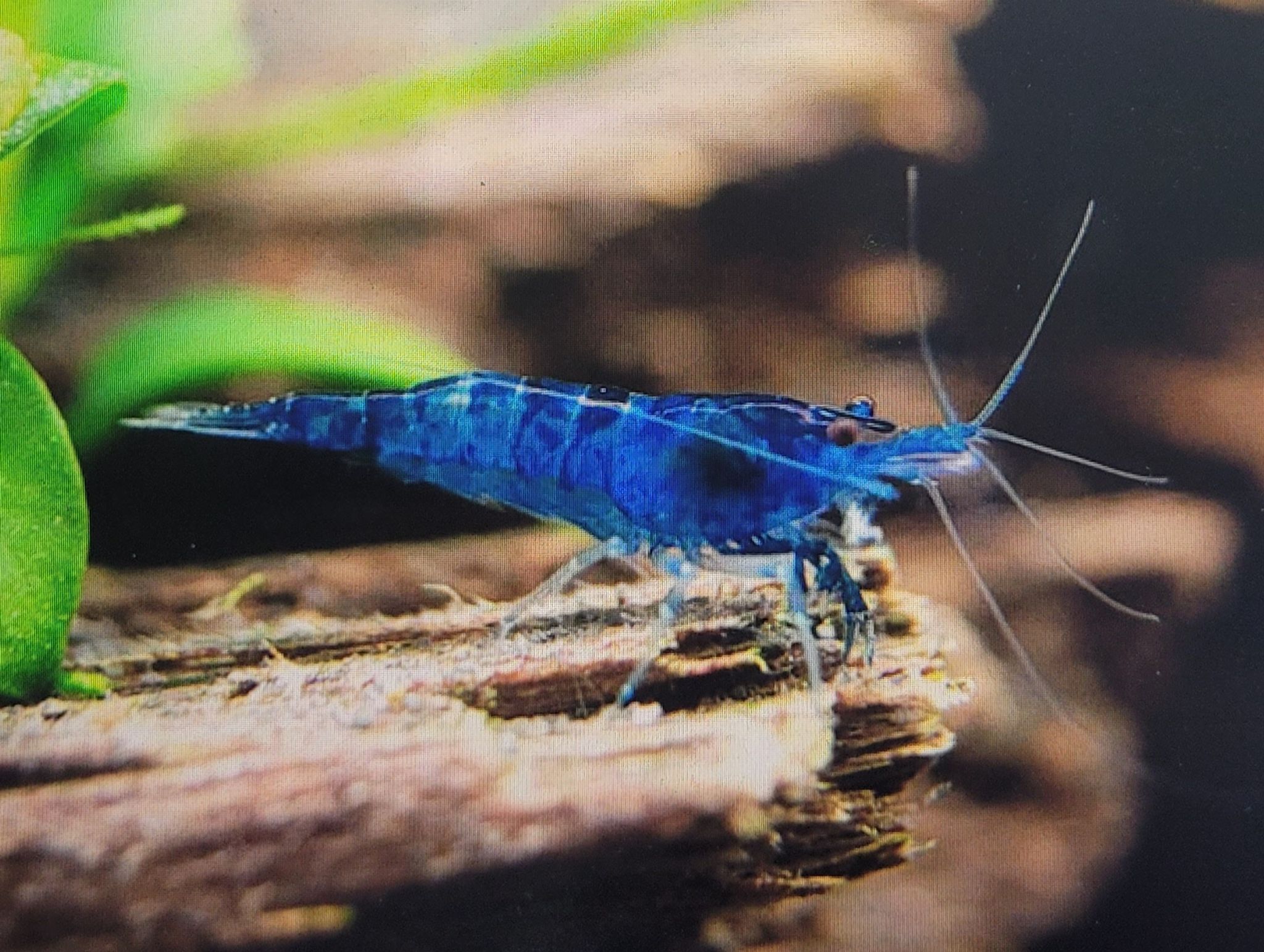

How to Set Up the Ideal Tank for Blue Dream Shrimp
Blue Dream Shrimp are one of the easiest freshwater invertebrates to keep once the tank is cycled and the water parameters hold steady. This guide walks through tank size, equipment, water chemistry, and the setup timeline that prevents the sudden die-offs new keepers run into most often.
What Are Blue Dream Shrimp?
Blue Dream Shrimp are a captive-bred color strain of Neocaridina davidi, the same species as cherry shrimp. They are not wild-caught, and they share the same hardiness and tolerance range as other Neocaridina color morphs. That makes them a solid choice for someone setting up their first shrimp tank, as long as the basics below are in place.
It's worth distinguishing Neocaridina from Caridina shrimp (such as Crystal Red or Tiger varieties). Caridina species are more sensitive to water chemistry and typically need a buffering active substrate to keep pH and KH low and stable. Blue Dream Shrimp, being Neocaridina, do fine on plain inert gravel or sand — one less variable to manage.
Choosing Tank Size
A 5-gallon (19 L) tank is workable for a small starter colony, but a 10-gallon (38 L) tank is strongly recommended. More water volume means more stability: temperature, pH, and TDS swings happen slower in a larger body of water, which directly reduces crash risk. If space and budget allow, sizing up from 5 to 10 gallons is the single easiest way to make a shrimp tank more forgiving.
Water Parameters at a Glance
Stability matters more than hitting an exact number. Test regularly and aim to keep readings inside these ranges rather than chasing a single "perfect" figure.
| Parameter | Acceptable Range | Notes |
|---|---|---|
| Temperature | 68–78°F (20–25.5°C) | 72–76°F (22–24.5°C) is the balanced sweet spot for health and steady breeding |
| pH | 6.5–8.0 | 7.0–7.5 is comfortably mid-range |
| GH (general hardness) | 4–8 dGH | Some keepers run up to 10–12 dGH without issue |
| KH (carbonate hardness) | 0–6 dKH | Helps buffer pH swings |
| TDS | ~150–250 ppm | Some sources go up to 300 ppm; consistency matters more than the exact number |
Temperature and Breeding
Warmer water (around 82°F / 28°C) speeds up breeding cycles, but it also shortens shrimp lifespan and puts more stress on adults. Heat accelerates egg development, but above roughly 89°F (31.5°C) mortality and deformity risk climbs, and breeding halts entirely near 91°F (33°C). For most hobbyists — not breeders racing for maximum output — 72–76°F is the better long-term target: it keeps shrimp healthy while still supporting regular reproduction.
Cycling the Tank Before Adding Shrimp
This is the step most beginners skip, and it's the top cause of early die-offs. Shrimp are far less tolerant of ammonia than most fish, so the tank needs a fully established nitrogen cycle — 0 ppm ammonia and 0 ppm nitrite — before any shrimp go in.
Run a fishless cycle for 4–6 weeks or more, dosing an ammonia source and testing until the tank consistently processes it to nitrate on its own. Adding shrimp to an uncycled or partially cycled tank is the single most common way a new colony collapses within days.
Substrate and Decor
Inert gravel or sand works fine for Neocaridina shrimp — no buffering substrate is required, unlike with Caridina species. A dark substrate is worth choosing specifically for Blue Dream Shrimp: it makes the blue coloration pop noticeably more than a light or neutral substrate does.
Good additions for a shrimp tank:
- Live plants — java moss, java fern, anubias, pothos (roots in water), and floating plants all provide grazing surface, biofilm, and cover for shrimplets.
- Driftwood — adds biofilm, mild tannins, and shelter, but must be pre-soaked or boiled first to avoid leaching pollutants, and should be watched for excess softening or odor once installed.
- Leaf litter — Indian almond (catappa) leaves add extra biofilm and mild antibacterial tannins as they break down.
A tank with plenty of moss and leaf litter also gives shrimp somewhere to hide right after molting, when they're briefly soft-shelled and vulnerable. Shrimp molt regularly as they grow — it's normal, and leaving the shed exoskeleton in the tank is actually beneficial, since it gets grazed and recycled for calcium.
Filtration and Water Circulation
Sponge filters are the consensus top pick for shrimp tanks. They're air-driven, produce gentle flow, carry no intake risk to shrimp or shrimplets, and offer a large surface area of biofilm for shrimp to graze on. A basic air-pump-driven sponge filter is cheap and effective for tanks up to about 20 gallons.
Canister and hang-on-back filters can work in larger shrimp tanks (20+ gallons), but the intake must be fitted with a guard or pre-filter sponge — otherwise shrimp and especially babies get pulled in. Outflow from any filter should stay gentle; shrimp prefer low-to-moderate current and don't do well getting blasted around by a strong jet. Keep just enough surface agitation for oxygen exchange without creating a "washing machine" effect in the water column.
You can browse sponge, hang-on, and external filter options in FishyHub's filters category when sizing equipment for your tank.
Air Pumps
An air pump is what drives a sponge filter and/or an airstone. Size the pump to your tank's volume and depth, and use a check valve in the line to prevent water from siphoning back into the pump during a power outage. Running the air pump also helps surface agitation and oxygenation.
Filters and air pumps should run continuously. Turning a filter off overnight is a niche practice some hobbyists mention anecdotally, but it interrupts biological filtration and oxygenation and isn't necessary or recommended for shrimp tanks.
Activated Carbon
Activated carbon is optional, not a core filtration requirement for routine shrimp keeping. It's useful short-term for pulling out tannins, odors, or medication residue after treating the tank. Remove it before dosing fertilizers or treatments, and replace it every 2–4 weeks — spent carbon stops adsorbing and can leach material back into the water.
Water Conditioner and Water Source
Use a dechlorinator on every water change and top-off to neutralize chlorine and chloramine. Look for one that also detoxifies heavy metals, and skip products loaded with slime-coat additives — those are formulated for fish and do nothing useful for invertebrates. Some shrimp keepers prefer simple sodium thiosulfate-based conditioners specifically to avoid unknown extra ingredients.
Dechlorinated tap water is usually fine as long as your local GH, KH, and TDS fall within range. If your tap water is very hard, very soft, or swings unpredictably, RO/RODI water remineralized with a shrimp-specific mineral supplement is the better option — especially in nano tanks where precise TDS control matters more.
Feeding
Shrimp graze biofilm and algae continuously, so they don't need constant feeding. Supplement 2–3 times per week with sinking shrimp-specific pellets or small amounts of blanched vegetables like zucchini or spinach. Remove uneaten food within a few hours — overfeeding is one of the leading causes of ammonia spikes and sudden crashes in shrimp tanks.
Water Changes and Acclimation
Small, frequent water changes — about 10–15% weekly, more often in smaller tanks — are safer than large infrequent ones. Always match the new water's temperature and dechlorinate it before adding it. Sudden swings in TDS or pH stress and kill shrimp faster than they affect most fish, so gradual is always better.
New shrimp should be drip-acclimated over an hour or more. Shrimp are more sensitive to abrupt parameter changes than the average aquarium fish, so rushing acclimation is a common and avoidable cause of losses right after introducing new stock.
Tankmates
Blue Dream Shrimp do best in a species-only tank, especially if you want a breeding colony — most fish will eat shrimplets on sight. If you do want tankmates, stick to very peaceful nano fish or compatible snails. Nerite and mystery-type snails generally coexist well with shrimp and help balance algae and biofilm; avoid aggressive or predatory snail species.
One rule with zero exceptions: never use copper-based medications or fertilizers not rated invertebrate-safe. Copper is lethal to shrimp even in trace amounts.
A Simple Setup Timeline
- Weeks 1–6: Fill the tank, install substrate and hardscape, run the filter, and fishlessly cycle until ammonia and nitrite both read 0.
- Week 3–4 (overlapping): Add live plants and leaf litter once the cycle is underway so they establish before shrimp arrive.
- After the cycle completes: Test GH, KH, and TDS; adjust with remineralized RO water if tap water falls outside range.
- Add shrimp: Drip-acclimate over an hour or more, then release into the tank.
- Ongoing: Weekly 10–15% water changes, 2–3x weekly light feeding, and periodic parameter checks.
Nano Tank Crash Prevention
Small volumes swing fast. In anything at or under 5 gallons, test water more frequently — every few days rather than weekly — and stay on top of these habits:
- Do small, frequent water changes instead of occasional large ones.
- Top off evaporation with plain RO or treated water, never more tank water, to avoid concentrating minerals and TDS.
- Remove uneaten food promptly.
- Keep the tank away from windows and HVAC vents, which cause temperature swings.
Cleaning and Maintenance Checklist
- Test water parameters.
- Clean algae off the glass.
- Trim overgrown plants.
- Vacuum roughly a third of the substrate at a time — never all of it, to preserve beneficial bacteria and biofilm.
- Rinse filter media in old tank water, not tap water, to protect the bacteria colony; do this roughly monthly.
- Refill with dechlorinated, temperature-matched water.
Use a small-diameter gravel vacuum or a turkey-baster-style siphon rather than a large-bore vacuum — it's much easier to avoid pulling in shrimp and shrimplets by accident.
Common Mistakes That Crash Shrimp Tanks
- Adding shrimp before the tank finishes cycling.
- Overfeeding and letting leftovers rot.
- Running a filter or vacuum without an intake guard.
- Large, sudden water changes or mismatched temperature/pH.
- Copper-based medications or fertilizers.
- New driftwood or organic matter rotting unnoticed.
- Ignoring TDS/GH drift from evaporation and topping off with tank water instead of fresh water.
- Housing shrimp with fish that eat shrimplets.
- Skipping slow acclimation for new stock.
A Note on Color and Related Varieties
Stable, low-stress conditions and a dark substrate or background bring out the deepest blue coloration in Blue Dream Shrimp. If your shrimp look pale or washed out, treat it as an early warning sign of stress or declining water quality, not just a genetic trait.
If you're comparing options, Blue Dream Shrimp sit alongside other Neocaridina and Caridina color varieties — solid reds, yellows, and other fancy morphs — that share the same core care requirements and differ mainly in color genetics and price. You can browse current stock in FishyHub's shrimp category to compare varieties.
Frequently Asked Questions
What size tank is best to start with?
A 5-gallon tank is workable, but 10 gallons is recommended for better parameter stability and a more comfortable colony size.
Do Blue Dream Shrimp need a heater?
Only if room temperature falls outside roughly 68–78°F. If your home stays within that range naturally, a heater isn't required, but a small one helps hold temperature steady.
Can I keep Blue Dream Shrimp with fish?
Only with very peaceful, tiny nano fish. Most fish will eat shrimplets, so a species-only tank is safest if you want a breeding colony to thrive.
How often should I do water changes?
Small weekly changes of about 10–15% are safer than large, infrequent ones, since shrimp are sensitive to sudden shifts in water chemistry.
Why are my shrimp dying suddenly?
The most common causes are an uncycled tank, an ammonia spike from overfeeding or rotting matter, a sudden parameter swing, or contamination from copper-based medication or fertilizer.
Do I need RO water?
Not always. Dechlorinated tap water works fine if your local GH, KH, and TDS fall within the recommended ranges. RO water with a remineralizer is worth using if your tap water is very hard, very soft, or unstable.
Is activated carbon necessary?
No. It's optional for removing tannins, odors, or medication residue, but it isn't a core part of routine shrimp tank filtration.
What's the best filter for a shrimp tank?
A sponge filter is the standard recommendation. It provides gentle flow and large biofilm surface area without any risk of pulling in shrimp or shrimplets.
Once your parameters and equipment are dialed in, browse FishyHub's freshwater livestock selection to find Blue Dream Shrimp and compatible tankmates ready to add to a fully cycled tank.