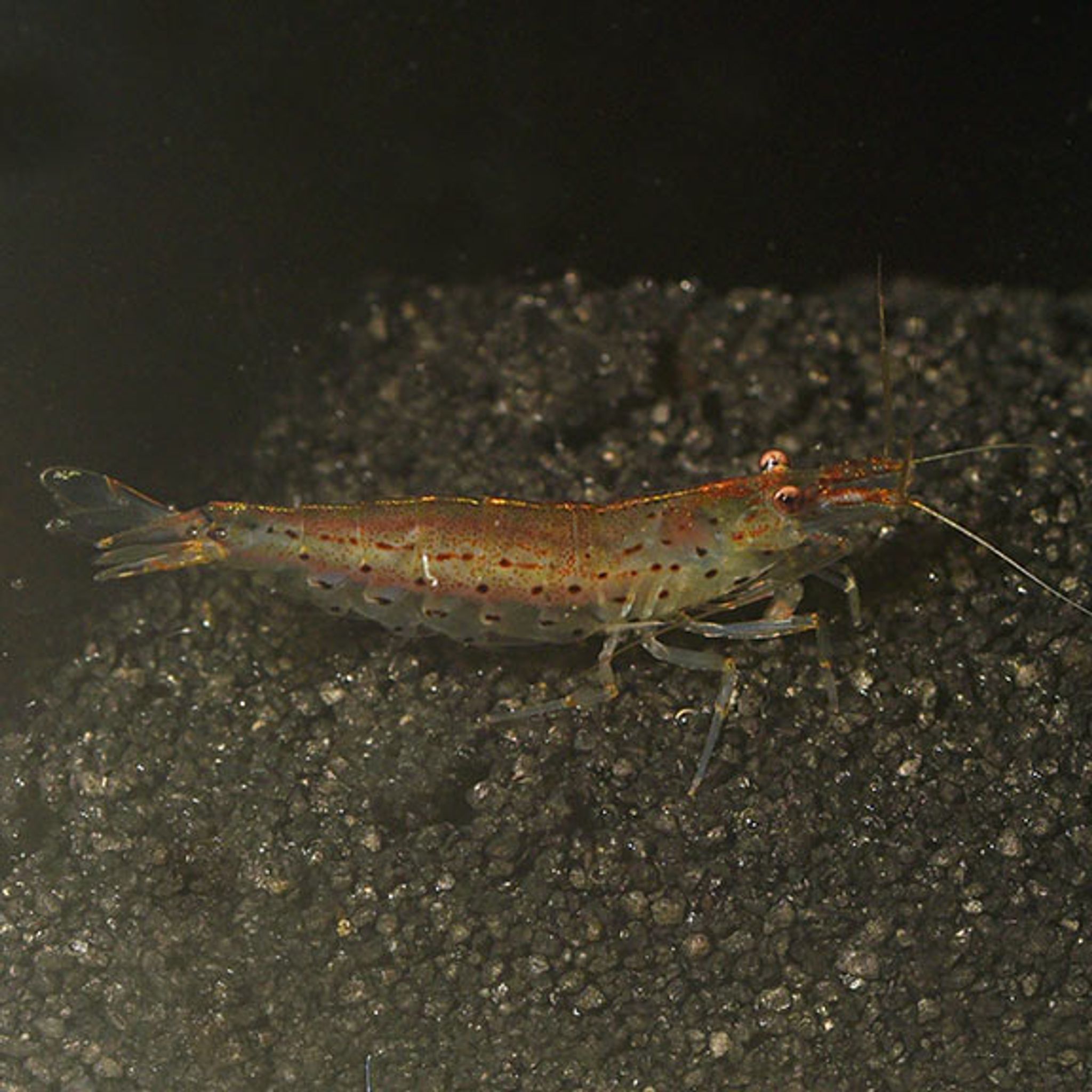

How to Set Up the Ideal Tank for Amano Shrimp
Amano shrimp (Caridina multidentata) are one of the best algae-cleanup crews for a planted freshwater tank, but they are more sensitive to unstable water than most community fish. This guide walks through the exact tank size, filtration, water chemistry, and maintenance routine that keeps a group of Amano shrimp healthy long term.
Tank Size and Setup Basics
A single small group of Amano shrimp can live in a 5–10 gallon (19–38 L) tank, but a 10–20 gallon (38–76 L) setup is a better fit for a colony-style, algae-control group. Amano shrimp swim more actively than dwarf shrimp species like cherry shrimp and do best in groups of 5 or more — some hobbyists prefer a starting group of 5–6 for a visible, stable presence, while larger tanks can support 10 or more for noticeably faster algae control.
One detail that's easy to overlook: Amano shrimp are strong jumpers and skilled escape artists. A tight-fitting lid matters more here than it does for many fish-only tanks, especially around any gaps for filter tubing or cords.
Amano Shrimp vs. Dwarf Shrimp: Choosing the Right Species
If you're deciding between Amano shrimp and a dwarf species like cherry shrimp, the trade-offs are worth knowing upfront:
| Factor | Amano Shrimp | Dwarf Shrimp (e.g., cherry shrimp) |
|---|---|---|
| Adult size | Up to 2 inches (5 cm) | About 1–1.5 inches (2.5–4 cm) |
| Parameter tolerance | Wider, more forgiving | Narrower, more sensitive to swings |
| Breeding in freshwater | Not achievable (larvae need brackish water) | Breeds readily in freshwater |
| Jumping risk | High — needs a tight lid | Moderate |
| Algae-eating strength | Excellent, including black beard algae | Good, but less effective on tough algae |
If you want a self-sustaining breeding colony, dwarf shrimp are the better choice. If you want dedicated algae control and don't mind that the population won't grow on its own, Amano shrimp are hard to beat.
Water Parameters That Matter
Amano shrimp tolerate a wider range than many dwarf shrimp, but stability matters more than hitting an exact number. Sudden swings stress shrimp far more than parameters sitting slightly outside the ideal range.
| Parameter | Target Range |
|---|---|
| Temperature | 70–78°F (21–26°C) |
| pH | 6.5–7.5 (near neutral is ideal) |
| General Hardness (GH) | 6–8 dGH |
| Carbonate Hardness (KH) | 3–10 dKH |
| Ammonia | 0 ppm |
| Nitrite | 0 ppm |
| Nitrate | Under 20 ppm |
A heater is only necessary if your room temperature falls outside that 70–78°F window — many planted community tanks already sit comfortably within range without one.
Test and Treat Your Tap Water First
Before filling any shrimp tank, test tap water for pH, GH/KH, chlorine or chloramine, and copper. Municipal water quality varies enough between areas that a liquid test kit is worth owning rather than relying on test strips alone. Always dechlorinate before adding water, and check plant fertilizers too — copper is a common hidden ingredient.
Copper is toxic to shrimp and other invertebrates even in trace amounts. Avoid copper-based fish medications entirely in a shrimp tank, and double-check any fertilizer or treatment label before dosing.
Cycle the Tank Before Adding Shrimp
Amano shrimp have essentially zero tolerance for ammonia or nitrite spikes — even less than most fish. The tank must complete the nitrogen cycle, with ammonia and nitrite reading 0 ppm consistently, before any shrimp go in. Skipping this step is the single leading cause of shrimp die-offs shortly after introduction.
A simple setup sequence looks like this:
- Set up hardscape, substrate, and filter, then run the tank fugless (fish- and shrimp-less) while dosing an ammonia source to cycle it.
- Add live plants once the cycle is underway — they help stabilize parameters and give shrimp grazing surfaces from day one.
- Test daily until ammonia and nitrite both read 0 ppm and nitrate is present (a sign the bacterial colony is established).
- Drip acclimate and add shrimp only after the cycle is fully complete.
- Maintain with weekly water changes and light feeding going forward.
Filtration for a Shrimp Tank
Filter Basics: Mechanical, Biological, and Chemical Stages
A good filter handles three jobs: mechanical filtration (trapping debris), biological filtration (housing bacteria that convert ammonia and nitrite into less harmful nitrate), and chemical filtration (optional media like carbon for polishing water). For a shrimp tank, biological capacity matters most long-term — it's what keeps the bioload stable between water changes.
Sponge filters are the consensus top pick for shrimp tanks because their intakes are gentle and won't pull in adult shrimp or shrimplets. That said, a sponge filter isn't strictly mandatory — any hang-on-back (HOB) or canister filter works fine as long as the intake is covered with a pre-filter sponge or fine mesh guard. You can browse sponge and hang-on filter options in FishyHub's filter category to compare choices.
Choosing Filter Media
Stock sponge or floss handles mechanical filtration, but adding dedicated biological media — ceramic rings, bio-balls, or ceramic noodles — increases the surface area available for beneficial bacteria beyond what comes standard. This extra capacity gives the colony more of a buffer against ammonia spikes from overfeeding or a heavier bioload.
Filter Tips and Upgrades
- Fit a pre-filter sponge over any HOB or canister intake to keep shrimp and shrimplets safe.
- Add extra biological media if your filter has room, rather than relying only on the stock cartridge.
- Keep flow gentle — Amano shrimp don't need or want a strong current pushing them around.
- A sponge filter also grows a layer of biofilm on its surface that shrimp will graze on as a supplemental food source, which is a nice side benefit beyond filtration itself.
- Double-sponge filter designs let you split one unit to help seed a second tank's biological filter faster.
Filter Cleaning and Maintenance
Rinse filter media in removed tank water, never tap water — chlorine or chloramine in tap water kills the beneficial bacteria you're trying to preserve. If you run more than one filter or piece of media, stagger the cleaning schedule so you never wipe out the whole bacterial colony in a single session.
Why Surface Agitation Matters
Shrimp are more sensitive to low oxygen levels than many fish, so good surface movement for gas exchange is important — especially in warmer, densely planted, or heavily stocked tanks where oxygen demand is higher. Whether a bubbler is "essential" is genuinely debated: a filter with strong surface outflow can provide enough agitation on its own, but a simple air stone is a cheap insurance policy, particularly in a warm or crowded tank. Amano shrimp have no issue with the extra flow it creates.
Substrate, Décor, and Plants
Substrate choice matters more for plant growth than for the shrimp themselves. Inert sand or fine gravel works perfectly well for a setup that isn't focused on heavy planting; a darker substrate also shows off shrimp coloring better and can reduce stress from feeling exposed. Active, buffering substrates are optional and more relevant to breeding-focused dwarf shrimp setups than to Amano shrimp, which won't breed in freshwater regardless.
For décor, include:
- Driftwood for grazing surfaces and cover.
- Java moss and other mosses, which shrimp use heavily for hiding and biofilm grazing.
- Rocks to break up sightlines.
- Dense live planting, which provides cover, grazing surfaces, and helps stabilize water quality.
Hiding spots matter most right after a molt, when a shrimp's new shell is soft and it's temporarily vulnerable to tankmates or stress.
Algae Control: What Amano Shrimp Can and Can't Do
Amano shrimp are prized as one of the best algae-eating cleanup crews for a planted tank, and they're among the few species willing to pick at tougher growth like black beard algae or hair algae. That said, they typically only manage light infestations. For an established outbreak, pair them with manual removal, improved flow, and reduced light or nutrient levels rather than expecting the shrimp to solve it alone.
In a nano tank, Amano shrimp pair well with small snails as top-tier cleanup crew — their adult size of up to 2 inches (5 cm) fits comfortably from nano tanks up through standard planted setups. You can browse shrimp available on FishyHub if you're stocking a cleanup crew.
Feeding and Molting
Amano shrimp are primarily algae grazers and scavengers, so they need less deliberate feeding than most fish. Supplement their grazing with:
- Blanched vegetables (zucchini, spinach)
- Algae wafers
- Quality shrimp-safe sinking foods
A few times a week is usually plenty. Overfeeding is one of the most common mistakes in a shrimp tank — uneaten food drives ammonia and nitrate spikes faster than the shrimp's own bioload ever would.
Shrimp molt periodically to grow, shedding their exoskeleton. Leave the shed shell in the tank — shrimp eat it for calcium. Expect a molted shrimp to hide for a day or two afterward, and don't panic if you find what looks like a dead, pale shrimp curled in the substrate; it's very often just a discarded shell, not a casualty.
Tankmates and Breeding Reality
Stick to peaceful community fish sized appropriately for shrimp — avoid anything large or aggressive enough to eat them. Compatibility with fish like bettas is generally fine as long as the fish is calm and well-fed, reducing any interest in hunting shrimp.
On breeding: Amano shrimp cannot complete their larval stage in freshwater. Females can carry eggs, but the resulting zoea larvae need brackish or estuarine salinity to survive — something a standard freshwater aquarium can't provide. This means male-to-female ratio advice, which matters for species that do breed at home, is largely moot for Amano shrimp. If breeding a shrimp colony is your actual goal, a dwarf species is the better pick.
Acclimation: Getting New Shrimp Settled Safely
Shrimp are sensitive to sudden pH and temperature changes during transport. Drip acclimate new arrivals over 30–60 minutes or longer, gradually mixing your tank water into their transport bag or container rather than dumping them straight in. Skipping this step — the "float and dump" approach — is a common cause of shock and early losses.
Maintenance: Water Changes and Lowering Nitrate
Keep nitrate under control with:
- Regular water changes, roughly 10–20% weekly.
- Avoiding overstocking and overfeeding.
- Letting live plants take up excess nutrients.
- Removing organic waste buildup (uneaten food, decaying plant matter) promptly.
Avoid large, sudden water changes or big parameter swings during routine maintenance — small, consistent changes are far easier on shrimp than infrequent large ones.
Vacation and Emergency Prep
Preparing for Vacation
Before leaving town, pre-portion food or set up an auto-feeder rather than leaving a helper to guess at quantities. Do a water change a few days before departure — not the day of, and skip it entirely if you just did one — and put lights on a timer so the tank's routine doesn't change while you're away. Avoid any drastic changes right before leaving.
Power Outage Safety
A battery-powered air pump is worth keeping on hand as backup aeration during an outage. Keep the lid on to retain heat, and avoid opening the tank or adding cold water. For an extended outage, filter bacteria can begin to die off from lack of oxygen; when power returns, watch parameters closely and be ready for a partial water change if ammonia or nitrite ticks up.
Moving a Shrimp Tank
When relocating a tank, bag shrimp in their existing tank water with the same acclimation care you'd use for new arrivals. Keep filter media wet and preserved in tank water during transport to protect the bacterial colony, and re-check parameters carefully once the tank is reassembled at the new location before treating it as fully stable again.
Frequently Asked Questions
Can Amano shrimp breed in a home freshwater aquarium?
No. Females can carry eggs, but the larvae (zoea) require brackish or estuarine salinity to develop, which a standard freshwater tank can't provide. Any eggs that hatch in a freshwater-only setup won't survive to become juvenile shrimp.
What size tank do Amano shrimp need?
A small group can live in a 5–10 gallon (19–38 L) tank, while a 10–20 gallon (38–76 L) or larger setup suits a colony-style group focused on algae control. Bigger tanks also make water parameters easier to keep stable.
Are Amano shrimp compatible with betta fish or other community fish?
Generally yes, provided the fish is peaceful and appropriately sized. Avoid larger or aggressive species that may see shrimp as food, and remember that shrimp are most vulnerable right after molting, regardless of tankmates.
Why did my Amano shrimp turn white/pale or seem dead?
It's most often a molt — the pale, still shape is a shed exoskeleton, not the shrimp itself. If a shrimp actually appears dead or discolored and unresponsive for more than a day or two, check water parameters, since persistent stress or poor water quality can also cause this.
Do Amano shrimp need a heater?
Only if room temperature drops outside roughly 70–78°F (21–26°C). Many planted community tanks already run within that range without added heat.
How often should I feed Amano shrimp?
A few times a week is usually enough, since they graze on algae and biofilm between feedings. Keep portions light — overfeeding is a common cause of ammonia and nitrate problems in shrimp tanks.
Do I need a sponge filter specifically?
Not strictly. A sponge filter is the easiest low-risk default because its gentle intake can't pull in shrimp, but any filter works as long as the intake is covered with a fine mesh or pre-filter sponge guard.
How do I keep my shrimp tank stable while on vacation?
Pre-portion food or use an auto-feeder, avoid maintenance right before leaving, and keep a battery-powered air pump on hand in case of a power outage. Small, consistent routines beat last-minute changes before you go.
Ready to build out your cleanup crew? Browse available shrimp on FishyHub to find Amano shrimp and other compatible species for your planted tank.


