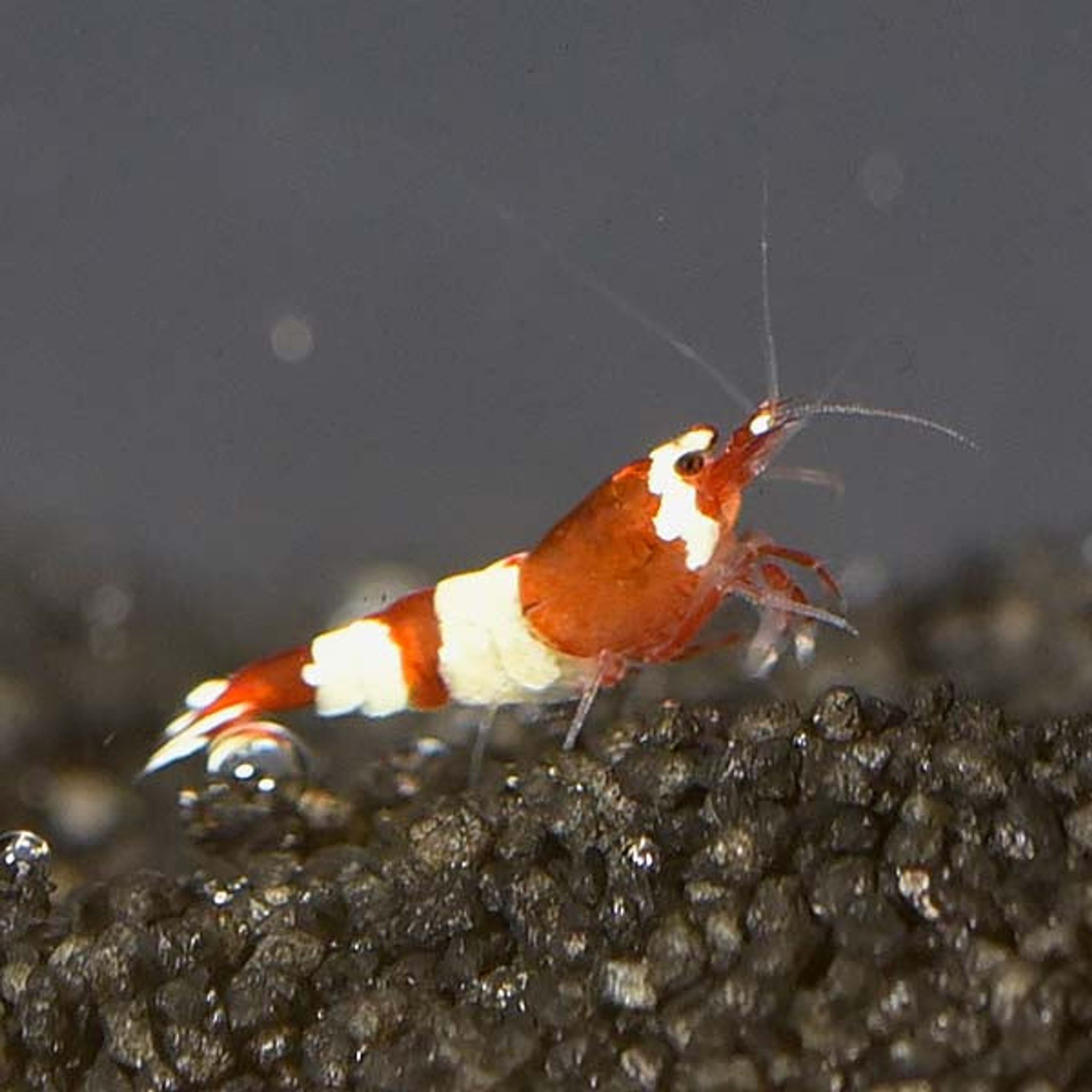
How to Know When Your Aquarium Is Fully Cycled
A tank is fully cycled when ammonia and nitrite both test at 0 ppm consistently while nitrate is present and climbing — not when the water looks clear or a certain number of weeks have passed. This guide walks through the exact numbers to check, how to confirm them with a test kit, and what to do once you've got the green light to add fish.
What "Cycled" Actually Means
A new aquarium has no established colony of beneficial bacteria, so waste compounds build up with nowhere to go. Cycling is the process of growing that bacteria colony until it can process fish waste as fast as it's produced. The nitrogen cycle runs in a predictable sequence:
- Ammonia appears first, produced by fish waste, uneaten food, or a fishless ammonia source added on purpose.
- Nitrite spikes next as ammonia-eating bacteria establish and start converting ammonia into nitrite.
- Nitrite falls as a second group of bacteria establishes and converts nitrite into nitrate, which then accumulates.
- The cycle is complete once ammonia and nitrite both hold at zero for several consecutive days — commonly 4 to 7 days — even while you keep dosing ammonia, while nitrate keeps rising in the background.
That last point is the one most readers miss: nitrate isn't a problem to solve during cycling. Its presence and steady increase is actually the proof that the whole chain is working.
The Three Numbers That Confirm a Cycle
| Parameter | Target when fully cycled | What it means if off |
|---|---|---|
| Ammonia (NH3/NH4) | 0 ppm | Any reading above 0 means the first-stage bacteria haven't caught up yet |
| Nitrite (NO2) | 0 ppm | Present nitrite means ammonia is converting, but the second-stage bacteria are still developing |
| Nitrate (NO3) | Present and rising | Zero nitrate alongside zero ammonia/nitrite usually means the cycle hasn't started, not that it's finished |
A single reading of "0 and 0" isn't enough to call it. The gold-standard confirmation is a repeat challenge test: dose ammonia to about 2–4 ppm, and confirm it drops to 0 ppm within 24 hours with no detectable nitrite and nitrate present. Repeat this for a couple of days in a row. If the colony can clear that dose every single day, it has the capacity to handle a real fish's bioload — a one-time good reading just means the tank got lucky that day.
Realistic Cycling Timelines
Expect 4 to 6 weeks for a fishless cycle with no accelerants. That's the realistic baseline to plan around, even though casual advice sometimes rounds it down to "about a month." Several things can shorten or lengthen it:
- Seeded media, bottled bacteria, or substrate/decor from an established tank can bring a cycle in under 2 weeks — sometimes much faster, since you're introducing an existing colony rather than growing one from scratch.
- Nitrite typically first appears around 1.5 to 2 weeks in, once the ammonia-eating bacteria have gotten a foothold.
- Temperature matters more than most people realize. Nitrifying bacteria are most active in the mid-70s to low 80s°F (roughly 24–28°C). A tank sitting at 68°F will cycle noticeably slower than one held in that warmer range — if your cycle seems stalled, checking and nudging up the temperature is a simple, actionable fix.
- Tank size and ammonia source also shift the timeline — larger volumes and inconsistent dosing both add variability, so treat any specific week-count as a guide, not a guarantee.
Test Strips vs. Liquid Kits
Both have a place, but they're not interchangeable for this purpose.
- Test strips are fast and convenient for routine spot-checks — dip and compare to a color chart in under a minute.
- Liquid reagent kits are more accurate, especially at the low end of the scale. The difference between a 0 ppm and a 0.25 ppm ammonia reading matters enormously when you're deciding whether to add fish, and strips' color-chart gradations aren't precise enough to split that hair reliably.
Use strips for quick daily checks if you like, but confirm the actual "fully cycled" call with a liquid kit. A comprehensive freshwater master kit that covers ammonia, nitrite, nitrate, and pH in one box is the standard recommendation for anyone setting up a new tank, and you can browse test and water-treatment supplies alongside the rest of your cycling setup.
Digital or electronic testers exist for pH and TDS, but they aren't a substitute for chemical ammonia, nitrite, and nitrate tests — those three still need a reagent-based reading.
Nitrate: How Much Is Too Much
Nitrate is the least toxic of the three nitrogen compounds, but "least toxic" doesn't mean harmless, and tolerance varies a lot by species:
- Under 20 ppm — the target for sensitive species like discus and shrimp, and a good baseline for planted or shrimp-focused tanks.
- Under 40 ppm — a reasonable ceiling for general freshwater community tanks with hardier fish.
- 50 ppm and up — treat this as a signal to do a water change regardless of whether the tank is otherwise cycled; fish have tolerated far higher concentrations in stress studies, but keeping nitrate low is still the better long-term practice.
Nitrate is colorless and odorless, so testing is the only way to know where it stands — you can't judge it by eye. The main levers for controlling it are partial water changes and live plant or algae uptake; bacteria don't process it further in a typical freshwater setup, which is why nitrate keeps accumulating even in a mature, healthy tank.
Why pH and Hardness Matter During Cycling
Nitrifying bacteria are sensitive to water chemistry, not just ammonia levels:
- Low pH (below roughly 7.0) can stall bacterial activity. Confusingly, it also makes ammonia less toxic chemically, so you might see a falsely "safe" reading while the cycle itself has actually stalled out. Check pH alongside the big three parameters, especially if progress seems to have stopped.
- KH (carbonate hardness) is your water's buffering capacity — it's what keeps pH from swinging or crashing. Low KH lets pH drift unpredictably, which adds stress to a bacteria colony that's still trying to establish itself. GH (general hardness) affects fish and plant health more directly but is worth knowing alongside KH for the full water-chemistry picture.
Adding Fish Once You're Cycled
Confirming a cycle doesn't mean it's time to fully stock the tank. Add fish gradually — a few small, hardy fish first — rather than all at once:
- Keep testing daily for the first couple of weeks after each addition, since the bacteria colony has to catch up to each new increase in bioload.
- A tank cycled for a handful of small fish isn't automatically cycled for a full stocking list. If you add a significant number of fish at once, retest daily until readings hold at zero again.
- Browse freshwater livestock with an eye toward hardy starter species, and add larger or more sensitive fish only after the tank has proven it can handle the smaller group first.
Fishless vs. Fish-In Cycling
Fishless cycling — dosing a bottled or organic ammonia source instead of using live fish — is the more common and more humane approach, since it avoids exposing fish to the toxic ammonia and nitrite spikes altogether. If you're doing a fish-in cycle instead, stock very lightly and perform frequent partial water changes to keep ammonia and nitrite from reaching harmful levels while the colony develops.
Regular Water Testing After Cycling
Once the tank is confirmed cycled and stocked, testing frequency can drop, but it shouldn't stop:
- Weekly testing is enough for a stable, established tank.
- Test more often any time stocking changes, new plants go in, or fish show symptoms of stress.
- Keep a simple log of ammonia, nitrite, nitrate, and pH readings over time. A log makes it much easier to spot slow drift — a nitrate creep, a pH slide — before it becomes a visible problem.
For new tanks still in progress, test every 1–2 days until ammonia reads 0 consistently; established tanks can drop back to weekly ammonia checks since a sudden spike is rare once the colony is mature.
Why Testing Beats Guessing
Ammonia is colorless and directly toxic to fish gills even in small concentrations — there's no visual cue that warns you before damage occurs. Cloudy water clearing up, algae appearing, or the tank simply "looking right" can hint that a cycle is progressing, but none of those are proof. Only test kit numbers confirm that the biological filter is actually established, rather than assuming it based on how much time has passed.
Aquarium Maintenance That Keeps a Cycle Stable
A completed cycle isn't a one-and-done event — it needs a maintenance routine to stay healthy:
- Partial water changes, roughly 10–25% weekly or biweekly depending on bioload, to keep nitrate and other dissolved compounds in check.
- Gravel vacuuming during water changes to remove waste before it breaks down into more ammonia.
- Filter checks on a schedule, since flow and media condition affect how well the bacteria colony can keep working. Explore filters if it's time to add extra biological or mechanical capacity to a growing tank.
Cleaning a Filter Without Killing the Colony
The beneficial bacteria live on filter media and surfaces throughout the tank, not floating in the water column, so how you clean matters:
- Rinse media in removed tank water, not tap water — chlorine or chloramine in tap water kills the bacteria you're trying to protect.
- Clean every 1–3 months, or whenever flow noticeably drops.
- Never replace all filter media at once, especially during or shortly after cycling — swap out old media in batches so a resident bacteria population always remains.
Common Cycling Mistakes to Avoid
- Adding a full stock of fish before confirming zero ammonia and nitrite — this overwhelms an immature colony and often causes a die-off known as new tank syndrome.
- Judging completion by clear water or time elapsed instead of actual test numbers.
- Cleaning filter media under tap water or replacing it all at once, wiping out the bacteria that just got established.
- Using antibiotics or excessive water conditioner during cycling, both of which can suppress nitrifying bacteria.
- Letting pH drop too low, stalling bacterial activity even as ammonia readings look deceptively safe.
- Overfeeding, which adds unnecessary ammonia load and drags the process out.
- Stopping testing too early — one good reading doesn't confirm stability; repeat the check over several consecutive days.
Frequently Asked Questions
How long does it take for a fish tank to cycle?
Typically 4 to 6 weeks without any help. It can complete in 2 weeks or less if you seed the tank with established filter media, substrate, or a bacterial supplement.
Can I add fish before the tank is fully cycled?
It's not recommended. If you do a fish-in cycle, stock very lightly and perform frequent partial water changes to keep ammonia and nitrite from spiking to harmful levels.
What does it mean if I have nitrite but no ammonia?
That's a normal mid-cycle stage. The ammonia-eating bacteria have established and are converting ammonia to nitrite as fast as it appears, but the nitrite-eating bacteria haven't caught up yet. Keep testing and do water changes if nitrite climbs high.
Do I need a fish, or can I cycle a tank fishless?
Fishless cycling, using a bottled or organic ammonia source, is the more common and humane approach. It avoids exposing fish to the toxic ammonia and nitrite spikes that happen during the buildup phase.
Why do I still have nitrate if my tank is cycled?
That's expected. Nitrate is the end product of the nitrogen cycle and isn't broken down further by bacteria in a typical setup — it's only removed through water changes or uptake by live plants and algae.
Can test strips tell me my tank is cycled?
They can flag zero ammonia and nitrite for a quick routine check, but a liquid reagent kit gives a more precise reading for the final confirmation, since the low-ppm distinctions that matter most are hard to read on a color-chart strip.
Why did my cycled tank suddenly show ammonia again?
This is usually a mini-cycle triggered by overfeeding, overstocking, an overly aggressive filter cleaning, medication use, or a sudden bioload increase. Check the filter media, cut back on feeding, and retest daily until readings return to zero.
Is a bacterial supplement necessary to cycle a tank?
No. It can meaningfully shorten the timeline, but seeded filter media or substrate from an already-established tank works just as well and costs nothing extra.
Ready to stock a freshly cycled tank? Browse freshwater livestock on FishyHub for hardy starter species suited to a newly established aquarium.


