How Long Does It Take to Cycle an Aquarium?
Cycling a new aquarium typically takes 4 to 6 weeks, though it can run as short as 2 weeks or stretch past 8 depending on your method and conditions. There's no way to safely skip this step — it's the process that grows the bacteria your fish need to survive — but you can track exactly where you are with a test kit and a bit of patience.
The Short Answer, With Context
For a fishless cycle using dosed ammonia, most tanks finish in 4–6 weeks, with a realistic range of 2–8 weeks depending on temperature, water chemistry, and whether you've added anything to jump-start the bacteria. A fish-in cycle, where fish are already living in the tank while it matures, commonly takes 6–8 weeks or longer and puts more stress on the animals involved.
You may also see claims of cycling a tank in under 24 hours. Those are real, but they only apply to one specific scenario: transplanting a large amount of mature filter media or substrate from an already-established, healthy tank. That's covered in more detail below — it isn't the typical starting point for most new tank owners.
What's Actually Happening: The Nitrogen Cycle
Cycling means growing a colony of beneficial bacteria that convert toxic waste into something far less harmful. It happens in three stages:
- Ammonia (NH3/NH4+) builds up from fish waste, uneaten food, and decay. Ammonia is highly toxic to fish even at low concentrations.
- Nitrite (NO2-) forms as one group of bacteria (historically classified as Nitrosomonas) oxidizes ammonia. Nitrite is also toxic, interfering with a fish's ability to carry oxygen in its blood.
- Nitrate (NO3-) forms as a second group of bacteria (historically Nitrobacter, though newer research shows Nitrospira does much of this work in home aquariums) oxidizes nitrite. Nitrate is far less toxic and is managed with routine water changes rather than by bacteria.
A tank is considered cycled once ammonia and nitrite both test at 0 ppm consistently, and nitrate reads above 0 ppm — checked after a full 24 hours with no water change in between, so you're seeing a true reading rather than a diluted one.
The Typical Timeline Pattern
| Timeframe | What's happening |
|---|---|
| Days 1–7 | Ammonia appears and rises after the first ammonia source is added |
| Week 2–3 | Nitrite appears and typically spikes as ammonia-oxidizers get established |
| Week 3–4 onward | Nitrate appears as nitrite starts to fall; nitrite-oxidizers are catching up |
| Week 4–6 (average) | Ammonia and nitrite both fall to 0 ppm; tank is functionally cycled |
| Week 6–8+ | Slower cycles finish; common with cooler water, low pH, or fish-in cycling |
Fishless vs. Fish-In: Choosing a Method
Fishless Cycling (Recommended Default)
Dose pure ammonia, or a decaying food/shrimp source, to roughly 2–4 ppm. Feed the bacteria consistently and test every 1–3 days. Once ammonia and nitrite both process down to 0 within 24 hours of dosing, do a large water change to clear out accumulated nitrate before adding fish.
There's disagreement over water changes during this process. Some guidance says leave the water untouched so ammonia and nitrite build up and feed the bacteria; other guidance recommends partial water changes twice weekly (30–50%) throughout to avoid extreme swings. A reasonable balance: let levels rise during the two oxidizing phases, but change water if pH crashes below roughly 6.5 or nitrite climbs above about 5 ppm, since test kits get less accurate at extremes. Resume dosing afterward.
Fish-In Cycling
This means stocking the tank very lightly with a few hardy fish and cycling around them. It's slower and harder on the animals, so it isn't recommended for beginners, but it can work with:
- Very light stocking to start
- Sparse feeding to limit ammonia production
- Frequent small water changes (25–50%) to keep ammonia and nitrite below roughly 0.25–0.5 ppm
- Gradual bioload increases over several weeks
A Quick Decision Guide
- Empty new tank, no fish yet: fishless cycling with dosed ammonia is the safest, most controllable default.
- Tank with fish already in it: fish-in cycling, with frequent testing and water changes, is your only option — go slowly.
- Access to an established, healthy tank's media or gravel: a seeded fishless cycle, which can finish in days rather than weeks.
Ideal Conditions for Bacteria to Establish
Nitrifying bacteria are aerobic and sensitive to their environment. Give them:
- Temperature: roughly 77–86°F (25–30°C) speeds reproduction. This range is only appropriate in a fishless tank — the upper end stresses or kills many fish.
- pH: 7.0–8.0 is optimal. Nitrification slows heavily below pH 6 and essentially halts near or below that point.
- Oxygen and flow: good surface agitation and water movement keep these aerobic bacteria supplied with oxygen.
- Low light: keeping the tank dim or out of direct sun early on limits algae, which competes for light and can interfere with bacterial establishment.
Testing While You Cycle
Use a liquid-reagent freshwater master test kit covering ammonia, nitrite, nitrate, and pH rather than relying on paper strips alone — strips can misread ammonia and nitrite at the low concentrations that matter most for confirming a true 0 ppm. Test every 1–3 days during active cycling so you can catch problems (or celebrate a finished cycle) as they happen. If you're stocking a betta or any other single fish once cycling is done, this same kit remains useful long-term for spot-checking parameters — a betta tolerates a fairly wide pH range but does best around 6.5–7.5 with a stable temperature in the upper 70s to low 80s°F, and is just as vulnerable to ammonia and nitrite as any other fish, which is why uncycled bettas placed straight into a bowl are one of the most common causes of early fish loss. Browse bettas only once your tank has finished cycling.
Speeding Up the Cycle, Legitimately
Ranked roughly by effectiveness:
- Seed with mature filter media, substrate, or decor from an established, healthy tank. Most of the bacterial colony lives on surfaces, not in the water column, so transplanting a sponge or a few cups of gravel can cut cycling to days.
- Dose a bottled live nitrifying bacteria product. Results vary with product freshness and storage, and it works best paired with an ammonia source to feed the new colony — don't expect it to work in a tank with nothing to process.
- Add fast-growing live plants such as pothos, hornwort, java fern, or anubias. They absorb ammonia and nitrite directly, buying time while bacteria establish and often producing a milder overall spike.
- Raise temperature toward the mid-80s°F — fishless tanks only.
- Increase aeration and surface agitation for oxygen.
- Keep the tank dark or out of direct light early on.
The 24-Hour "Instant Cycle" Claim
This is real, but it has one narrow requirement: transferring a substantial volume of mature, oxygenated filter media or substrate from a healthy donor tank into the new one. Bottled bacteria or plants alone can't replicate this speed. It also carries risk — if the donor tank harbors disease or parasites, you can introduce that into your new setup along with the bacteria.
"Cycled" vs. "Seasoned": Two Different Milestones
A tank that's cycled has enough bacteria to process a starter bioload — that's the ammonia-0/nitrite-0/nitrate-present milestone above. A seasoned tank is a different, longer-term state: months of maturity that builds established biofilm, more plant mass, and reserve bacterial capacity, so the tank handles new fish and bioload swings with minimal stress. Don't expect a freshly cycled tank at day 30 to behave like a seasoned one — it will keep maturing for months. Mild ammonia or nitrite blips during that maturing period are common and not usually a sign of failure.
Fishless Cycling's Second Half: The Nitrite Plateau
Once ammonia is dropping to 0 within 24 hours but nitrite stays stubbornly high, keep dosing ammonia lightly to keep feeding the nitrite-oxidizing bacteria. This phase routinely takes longer than the ammonia phase, because nitrite-oxidizers reproduce more slowly than ammonia-oxidizers. Giving up here and assuming the cycle has "stalled" is one of the most common mistakes — it usually just needs more time.
"My Nitrite Is High but Ammonia and Nitrate Both Read Zero — Am I Cycled?"
No. A true cycle requires ammonia and nitrite at 0 ppm, with nitrate present. Nitrite and nitrate are different compounds at different stages: nitrite is the toxic intermediate that spikes mid-cycle, while nitrate is the much less toxic end product that should be present once cycling completes. Lingering nitrite with zero ammonia usually means your ammonia-oxidizers are working but the nitrite-oxidizers haven't caught up — keep feeding a small ammonia source and testing.
Does More Filtration Mean I Can Skip Water Changes?
No. Filtration handles biological conversion of ammonia and nitrite — it doesn't remove dissolved nitrate or general mineral buildup. Even a heavily filtered, well-cycled tank still needs regular water changes to keep nitrate and overall water quality in check. Higher-surface-area filter media and good flow through it support a larger, more stable bacterial population long-term, but that's a separate benefit from water changes.
Do Shrimp or Snails Help Cycle a Tank?
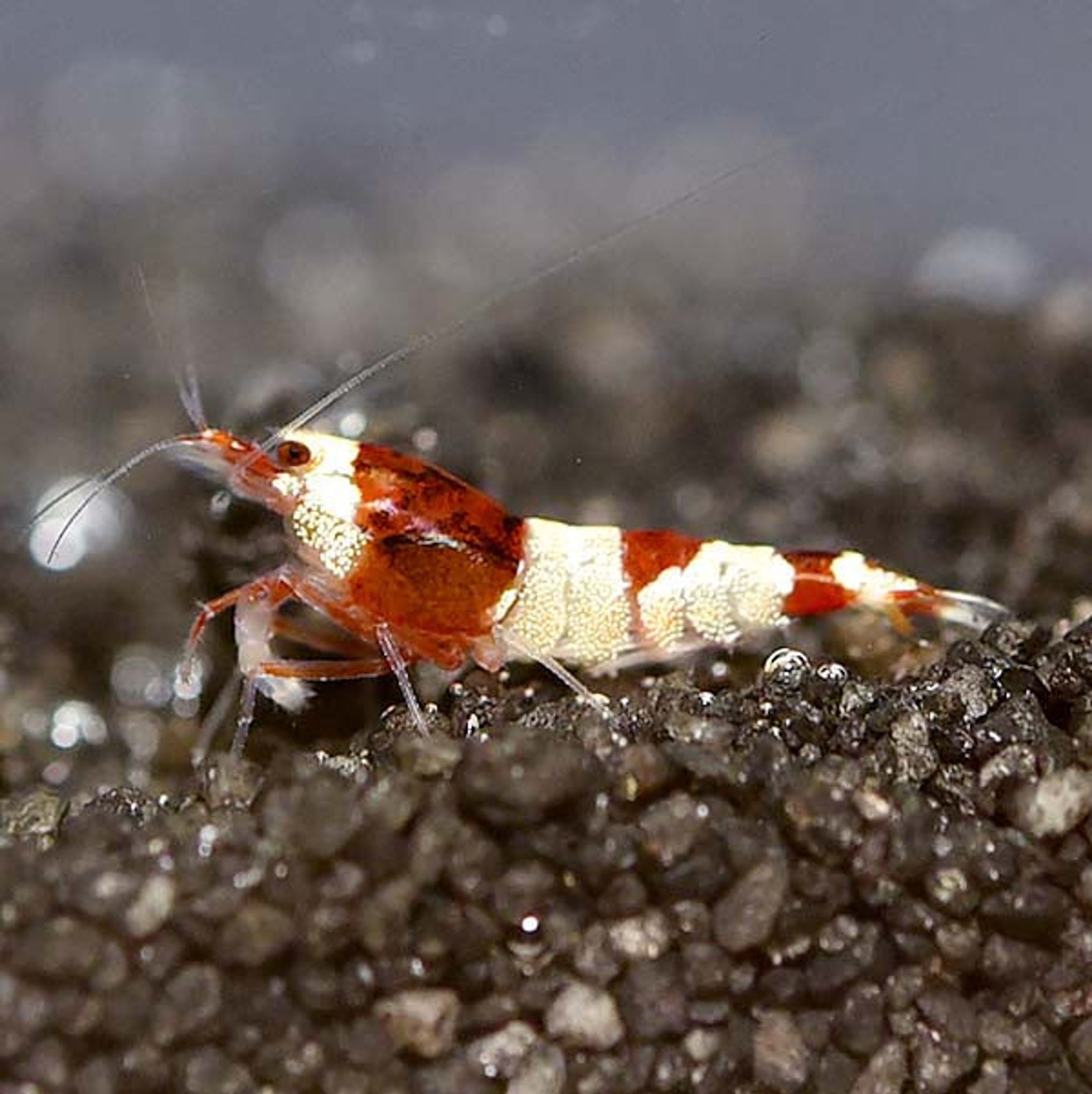
No. Adding shrimp or snails doesn't meaningfully speed up bacterial colonization, and doing so before the tank is cycled risks ammonia and nitrite toxicity for the invertebrates themselves, since they're quite sensitive to both. Add shrimp or snails after cycling is complete, not to help cause it.
Common Mistakes That Slow or Break a Cycle
- Fully stocking on day one before any bacteria exist — a leading cause of early fish death, sometimes called "new tank syndrome."
- Rinsing filter media or substrate under tap water. This kills the bacterial colony living there and can effectively restart the cycle. Rinse media only in removed tank water.
- Skipping dechlorinator when adding tap water — chlorine and chloramine kill the same bacteria you're trying to grow.
- Overfeeding during cycling, spiking ammonia beyond what bacteria or plants can process.
- Testing during a pH crash and getting a falsely low ammonia reading — ammonia test kits read inaccurately in very acidic water, so check pH first if a reading looks suspiciously good.
- Using a bacterial supplement, then immediately dosing chlorinated tap water or medication that kills it off — wasting the product.
- Mistaking biofilm for a problem. A fuzzy white or brown film on surfaces is usually harmless and can even feed shrimp and snails — it isn't the nitrifying bacteria itself, just a separate microbial layer.
- Cycling near a sunny window or under bright light, which lets algae outcompete and inhibit early bacterial establishment.
Factors That Change Your Timeline
- Tank size and target bioload: a larger tank or one aiming for heavy stocking needs a bigger bacterial colony, which can extend the practical "ready for full stock" timeline well beyond the basic zero-ammonia/zero-nitrite milestone.
- Planted vs. non-planted setups: planted tanks often cycle faster and show milder ammonia spikes, since plants absorb nitrogen directly and reduce the bacterial load needed.
- Unheated or cold-water tanks: nitrification slows notably below the ideal temperature band, so unheated setups — some goldfish tanks, for example — should expect a longer cycle than a heated tropical tank.
Recovering From a Crashed Cycle
A cycle can collapse from medication that kills bacteria, a bleach or harsh-chemical cleaning, or an extended filter or power outage that starves the colony of oxygen. Signs include a sudden ammonia or nitrite spike in a tank that was previously reading 0. Recovery steps:
- Test immediately to see how far the cycle has slipped.
- Do a partial water change if levels are dangerously high for any fish present.
- Resume dosing a small ammonia source (fishless) or feed sparingly with frequent water changes (fish-in) to restart bacterial growth.
- Reseed with fresh media or a bacterial supplement if the colony was largely wiped out, to shorten the recovery.
- Retest every 1–3 days until ammonia and nitrite return to 0 consistently.
To equip your setup for a smoother cycle from the start, browse filters and substrate options that give bacteria plenty of surface area to colonize.
Frequently Asked Questions
How do I know my tank is fully cycled?
Ammonia and nitrite both test at 0 ppm and nitrate reads above 0, confirmed over a couple of consecutive tests taken 24 hours apart with no water change in between.
Can I speed up cycling to just a few days?
Only by seeding with mature filter media or substrate from an established, healthy tank. Otherwise, plan on multiple weeks even when using bacteria supplements and warm water to help things along.
Do bottled bacteria products actually work?
Yes, live nitrifying bacteria additives can meaningfully shorten cycling time, but results vary by product freshness and storage, and they work best when combined with an ammonia source to actually feed the bacteria.
Is fish-in cycling safe?
It can work with very light stocking, frequent partial water changes, and close monitoring, but it's more stressful for fish and slower than fishless cycling — it isn't the recommended default for beginners.
Can plants alone cycle a tank?
Fast-growing plants absorb ammonia directly and can support a fish-free "planted cycle," but a bacterial colony still needs to establish for long-term stability, especially once bioload grows.
Why is my nitrite stuck high even though ammonia reads zero?
Nitrite-oxidizing bacteria typically lag behind ammonia-oxidizers in getting established. Keep dosing a small amount of ammonia and testing regularly — this phase often takes longer than the ammonia phase did.
Will adding shrimp or snails help cycle the tank faster?
No, and it's risky for them, since they're sensitive to ammonia and nitrite. Add shrimp or snails only after the tank has fully cycled.
Once your parameters hold steady at zero ammonia and nitrite with nitrate present, you're ready to start stocking. Explore freshwater livestock on FishyHub to plan your first additions.


