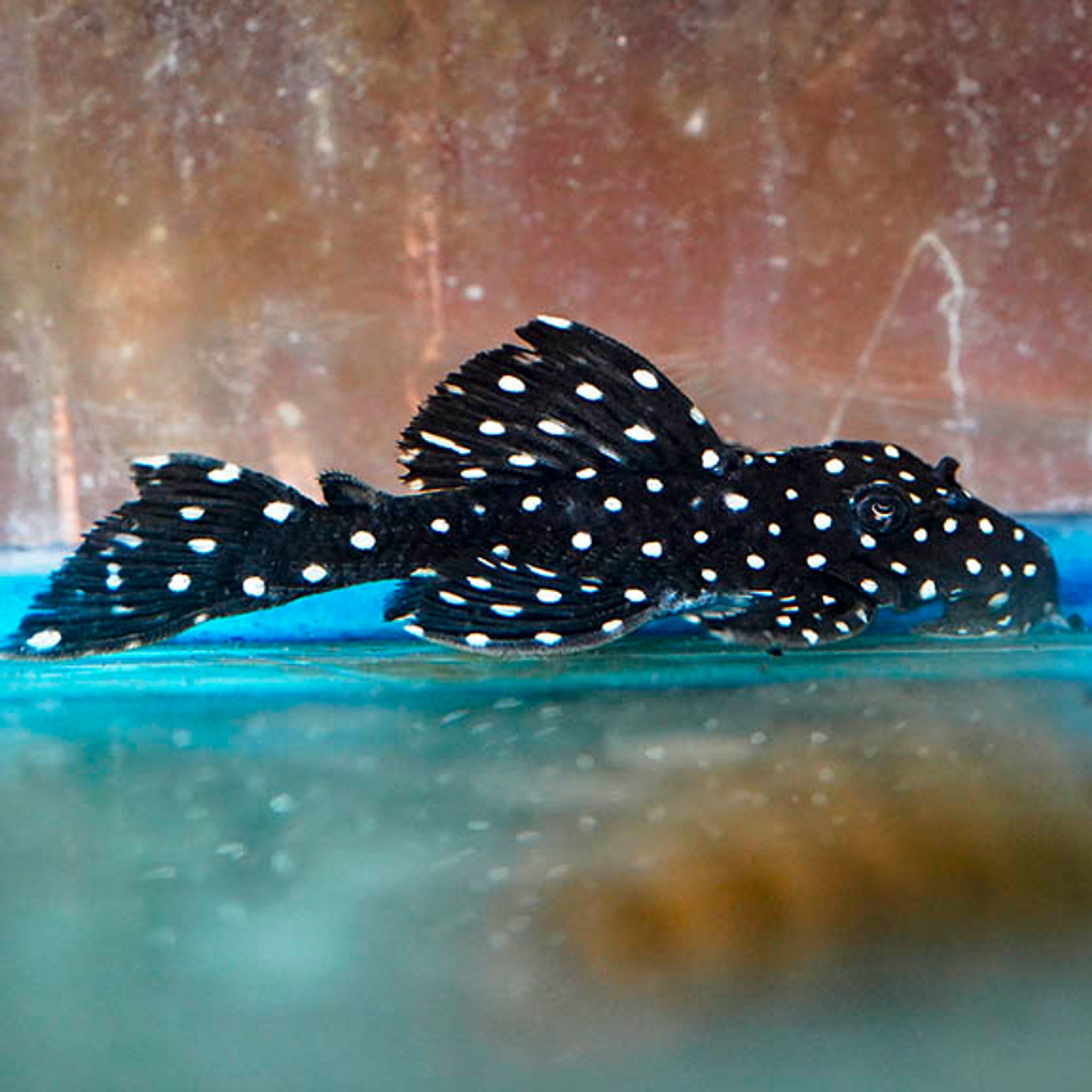

How Big Do Common Pleco Get? Growth Rate, Adult Size and Tank Planning
A common pleco sold as a 2-inch "algae eater" typically grows to 15–20 inches as an adult, with some individuals reaching close to 24 inches under ideal conditions. This guide breaks down the real growth timeline, the tank size you'll actually need at each stage, and how to plan ahead so this fish doesn't outgrow your setup.
What Is a "Common Pleco," Exactly?
"Common pleco" almost always refers to Hypostomus plecostomus or a close look-alike sold under the same generic label. It is not the same fish as:
- Bristlenose pleco – stays 4–6 inches, fits a standard tank for life
- Clown pleco – stays small, under 4 inches
- Rubber-lip pleco – moderate size, generally under 7 inches
- Sailfin pleco – also grows large, often confused with common pleco
- Royal pleco – large-bodied but a different genus with different care needs
If a store tag just says "pleco" or "algae eater" with no species name, assume it could be a common pleco until proven otherwise.
A Quick Buyer's Checklist
Before buying a small sucker-mouth catfish, check for these clues:
- Body pattern: common plecos usually show mottled brown-and-cream camouflage; bristlenose has a similar but smaller, stockier body with distinct "whiskers" (bristles) on mature males.
- Fin shape: a tall, sail-like dorsal fin often signals sailfin or common pleco genetics, not a dwarf species.
- Sold size vs. tank size in-store: if a 2-inch fish is housed in a tank with several similarly sized siblings and no size chart posted, ask staff directly what species it is and what adult size to expect.
- Snout shape: common plecos have a broader, flatter head than most dwarf species.
When in doubt, look up the exact species name before buying, or choose a fish you can positively identify as a dwarf variety.
Adult Size: What to Actually Plan For
Sources disagree on the exact ceiling, but the practical range for tank planning is clear:
- Realistic captive adult size: 15–20 inches
- Reported maximum in ideal or wild conditions: up to 24 inches
Plan your tank and long-term commitment around 15–20 inches. Treat anything beyond that as a possible bonus outcome, not something to bank on being avoided.
Growth Rate: Year by Year
Common plecos grow fastest early in life, then taper off as they approach maturity. A commonly cited curve looks like this:
| Stage | Approx. age | Approx. length | Notes |
|---|---|---|---|
| At purchase | Juvenile | 1.5–3 in | Typical size sold in stores |
| End of year 1 | ~12 months | +3–5 in gained | Fastest growth phase |
| Years 2–3 | 2–3 years | Steady growth | Rate slows noticeably |
| Years 4–5 | 4–5 years | 15–20 in (full size) | Growth largely complete |
Two factors matter as much as genetics:
- Nutrition in the first two years – a fish fed a varied, adequate diet grows faster and healthier than one relying on tank algae alone.
- Tank size and water quality – a cramped or poorly maintained tank can slow or stunt growth, which is not a benefit; stunting is linked to shortened lifespan and poor health, not a "convenient" smaller adult.
Individual variation is real. Two plecos from the same batch can differ by several inches at five years old depending on diet, tank conditions, and genetics.
Tank Size by Life Stage
Because footprint (length and width) matters more than raw volume for a bottom-dwelling, territorial fish, don't just chase gallon numbers — check the actual floor space too.
- Juvenile (under ~6 inches): a 20–30 gallon tank is acceptable short-term, but this is not a permanent home.
- Subadult/adult minimum: 75 gallons is the widely cited floor for a single adult common pleco.
- To let the fish reach full size and stay healthy: 100–150+ gallons is the responsible target; some keepers recommend 180–300+ gallons or an outdoor pond (climate permitting) for a full-grown or breeding specimen.
A standard 75-gallon tank measures about 48 x 18 x 21 inches (122 x 46 x 53 cm). A "breeder" style 75-gallon variant, closer to 48 x 24 x 17 inches, trades some height for extra floor space and swimming room — often a better shape for a large bottom-dweller than the taller standard footprint. When shopping for a minimum-size tank, compare footprints, not just the gallon rating, since two tanks holding the same volume can offer very different amounts of usable floor space.
You can browse aquarium options sized for growing bottom-dwellers, including larger glass tanks, on FishyHub.
Water Parameters and Filtration
Common plecos are hardy and adaptable, which is part of why they get sold so casually as a "beginner" fish:
- Temperature: 72–86°F (22–30°C), with the mid-70s °F considered ideal
- pH: 6.5–7.5
- Hardness: tolerant of a wide range
Hardiness is not the same as low-maintenance, though. As the fish grows, its bioload grows with it:
- Adult common plecos produce heavy waste output relative to their size.
- Filtration needs to scale up accordingly — oversized mechanical and biological filtration is worth planning for rather than treating as optional.
- Water changes need to become larger and more frequent as the fish approaches adult size, not stay at juvenile-tank levels.
You can compare filter options sized for heavier bioloads in the filters category when planning an upgrade.
Diet: More Than Algae
A common pleco is an omnivore, not a pure algae eater, and this is one of the most common misunderstandings buyers have. Algae alone cannot support a fish that will eventually weigh several pounds — especially since a growing fish's demand quickly outpaces what tank algae can supply.
A balanced diet includes:
- Blanched vegetables: zucchini, cucumber, peas, lettuce
- Sinking algae wafers or pellets as a dietary base
- Occasional protein, such as bloodworms
- Driftwood to graze on, which also appears to aid digestion for this species
Skipping the vegetable and wafer components in favor of "just algae" is a fast route to malnutrition, particularly once the fish is past its first year.
Behavior and Tank Mates
Common plecos are nocturnal and territorial, especially toward other bottom-dwellers or fellow plecos. As they reach large adult size, they can become boisterous or even aggressive in tight quarters.
- Provide a hide — a cave, PVC pipe, or driftwood structure — sized for the fish's adult body, not its current juvenile size. A hide that fits a 3-inch juvenile is useless (and stressful) once the fish is 12+ inches.
- Good tank mates: larger, robust community fish — big barbs, large tetras, or sturdy cichlids such as oscars or green terrors.
- Avoid: small, slow-moving, or fancy-finned fish, which can be harassed or rasped on at night by a large pleco's suckermouth; also avoid crowding in other territorial bottom dwellers.
Readers stocking a large-fish community around a common pleco can browse compatible options in the monster fish category.
A skittish or stressed adult pleco is also a physical risk: powerful full-grown fish can crack tank seals or glass, or knock over decor, if startled at night in a tank that feels too tight or under-furnished.
Lifespan: A Decade-Plus Commitment
Common plecos typically live 10–15 years, with well-cared-for individuals reaching close to 20. This outlasts many owners' original planning horizon — worth weighing seriously before buying a "cheap" 2-inch fish on impulse.
Contrast: Plecos That Actually Stay Small
Not every "pleco" or sucker-mouth catfish grows into a tank-buster. If the appeal was a small algae-grazing bottom dweller, consider these alternatives instead.
Zebra Pleco
Zebra plecos (Hypancistrus zebra) are a completely different, high-value dwarf pleco reaching only about 2–3 inches. They need rocky caves and crevices, strong water flow, high oxygenation, warm water, and — notably — a meaty diet, since they are not algae eaters at all. Their small size and specialized needs make them almost the opposite care profile of a common pleco.
Farlowella (Twig/Whiptail Catfish)
Farlowella species are slender, algae-grazing catfish that reach about 6 inches. They need at least a 20–30 gallon long tank, pristine and well-oxygenated water (75–79°F, pH 6–7), and are sensitive to poor water quality — a real "sucker fish" option without the giant-pleco size problem.
Royal Farlowella
A close relative of the Farlowella, the royal Farlowella reaches roughly 5–8 inches (commonly around 6 inches) and fits a 30-gallon-minimum tank. Like its cousin, it needs strong oxygenation and flow and is a peaceful algae and biofilm grazer.
Readers who like the idea of a bottom-dwelling grazer without a 20-inch endpoint can browse smaller species in the plecos, corys, and bottom dwellers category.
Common Mistakes to Avoid
- Buying a 2-inch "algae eater" without confirming the species, then discovering it's a common pleco headed past 15 inches.
- Keeping it long-term in a 10–30 gallon tank "because it's still small" — this stunts growth and spikes ammonia and nitrate as bioload increases.
- Assuming tank algae alone is sufficient feeding — leads to malnutrition as the fish outgrows the available algae supply.
- Underestimating filtration and water-change needs as the fish grows; waste output scales quickly with body size.
- Skipping an adult-sized hide or cave — causes stress and skittish behavior, which raises the risk of glass-cracking incidents.
- Housing it with small, slow, or fancy-finned tank mates that get harassed or rasped on at night.
- Having no exit plan once the fish outgrows its space — surrendering oversized plecos to shelters or stores is common and puts real strain on those resources.
Already Have an Oversized Pleco? What to Do
If your common pleco has already outgrown its tank, you have a few realistic paths:
- Upgrade the tank to 75 gallons minimum, ideally 125–150+ gallons for a full-grown adult, prioritizing floor footprint over height.
- Consider a pond if your climate allows for stable warm-season temperatures and you can manage overwintering.
- Rehome responsibly through a local aquarium club, fish store, or online rehoming network.
Do not release a pleco into local waterways or ponds under any circumstances. Common plecos have established invasive populations in warm US waters, including canals in Florida, where they burrow into banks and compete with native species. Release is illegal in many states and ecologically harmful even where it isn't explicitly banned. Rehoming through a club or store is always the better option.
Frequently Asked Questions
How big does a common pleco actually get in a home aquarium?
Most reach 15–20 inches as adults in home aquariums. Reports of individuals up to 24 inches exist under ideal or wild conditions, but 15–20 inches is the realistic figure to plan around.
How fast do common plecos grow?
Growth is fastest in the first year, typically 3–5 inches, then slows steadily over the next several years. Most reach full adult size by around 4–5 years old, though genetics and care conditions cause real variation.
What size tank does a common pleco need?
75 gallons is the widely cited minimum for a single adult. For the fish to thrive long-term, 125–150+ gallons (or larger) is the more responsible target, with floor footprint mattering as much as total volume.
Can a common pleco live in a 20 or 29 gallon tank?
Only temporarily, as a small juvenile. It needs to be moved to a much larger tank well before it reaches 6–8 inches, since continuing to house it in a small tank stunts growth and degrades water quality.
What's the difference between a common pleco and a bristlenose pleco?
A bristlenose pleco stays 4–6 inches and can live comfortably in a standard-sized tank for its whole life. A common pleco is the "giant" pleco that most casual buyers don't intend to end up with, often reaching triple the bristlenose's adult length.
What do common plecos eat besides algae?
Blanched vegetables like zucchini, cucumber, peas, and lettuce, plus sinking algae wafers or pellets, occasional protein such as bloodworms, and driftwood to graze on and aid digestion. Algae alone is not adequate nutrition, especially as the fish ages.
How long do common plecos live?
Typically 10–15 years, with some reaching close to 20 in good care. This makes them a decade-plus commitment that can outlast the original owner's planning horizon.
What should I do if my pleco has outgrown its tank?
Upgrade to 75 gallons or more, consider a pond if your climate supports it, or rehome the fish through a local aquarium club or fish store. Never release it into local waterways — common plecos are an established invasive species risk in warm US regions and release is illegal in many states.
Planning ahead makes all the difference with a fish this size. Browse dwarf and community-friendly bottom dwellers, along with tanks sized for the long haul, in FishyHub's plecos, corys, and bottom dwellers category.


