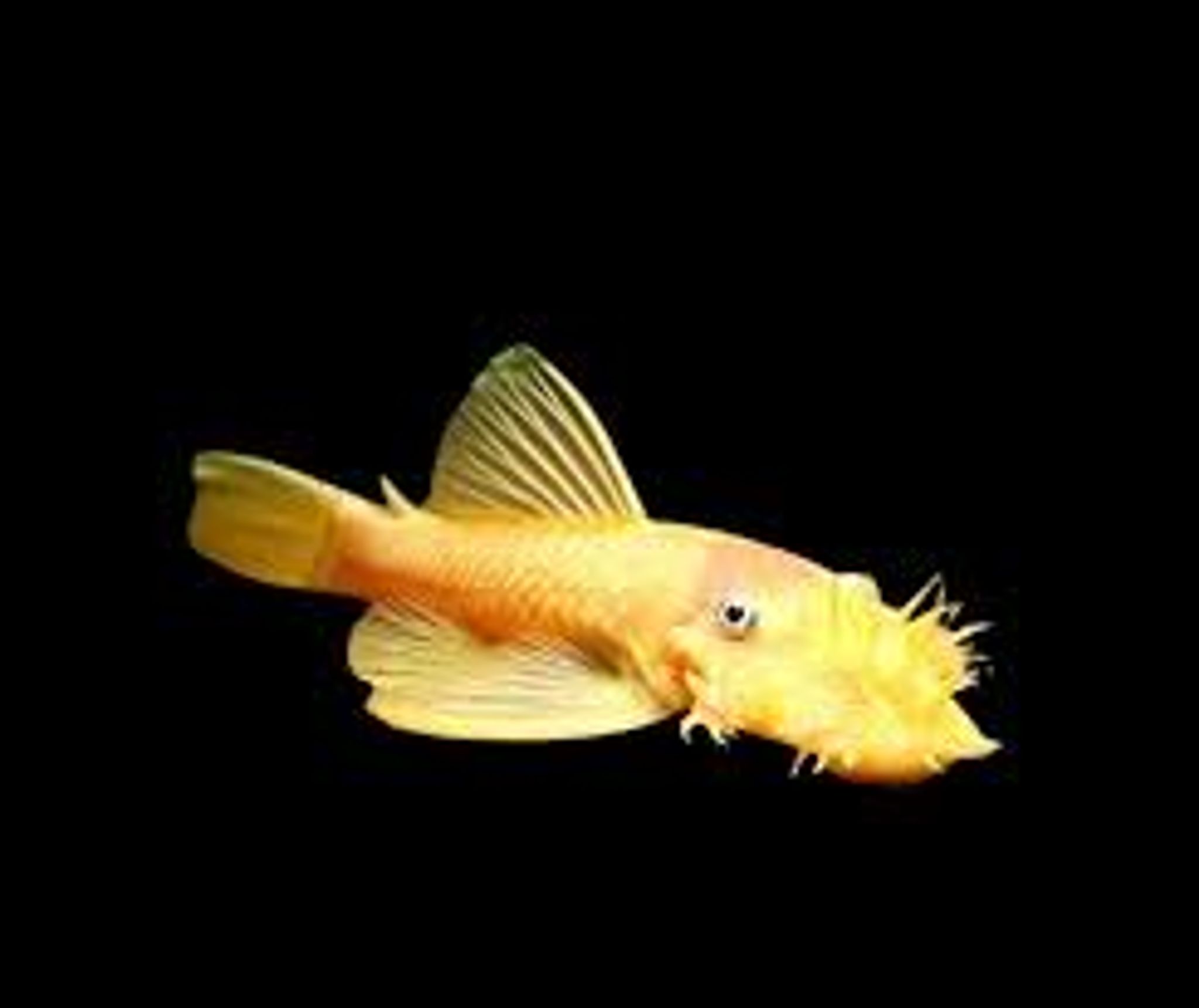

How Big Do Bristlenose Pleco Get? Growth Rate, Adult Size and Tank Planning
A full-grown bristlenose pleco reaches roughly 3 to 5 inches (7.6–12.7 cm), with large males occasionally pushing to 6 inches (15 cm). That's a fraction of the 12–24 inches a common pleco can hit, which is where most of the confusion — and the "outgrew my tank" horror stories — actually come from. Below is a full growth timeline, a size-by-tank planning guide, and how bristlenose stack up against other algae-eating catfish people often shop alongside them.
Adult Size: What to Actually Expect
Most captive-bred bristlenose (Ancistrus sp.) top out around 4 to 4.5 inches in a typical home aquarium. The 5–6 inch figures you'll see cited belong mostly to large wild-type males or wild-caught specimens with more space, more food variety, and broader genetic diversity than the average tank-raised fish gets.
- Males: typically 4–5 inches, occasionally to 6 inches in wild or exceptionally well-kept specimens. Males develop prominent, branching bristles across the snout and forehead.
- Females: typically 3.5–4.5 inches, staying on the smaller and smoother end. Females grow only a few short bristles, if any, limited to around the mouth.
One point worth flagging early: bristles indicate sex and maturity, not size. A heavily bristled male can still be smaller-bodied than a smooth female of the same age if diet or genetics differ. Don't use bristle growth as a proxy for how big a fish will eventually get.
Standard Fin vs. Longfin
Genetics and strain also shape final length. Standard-fin bristlenose tend to reach the fuller end of the range, while longfin bristlenose strains typically run somewhat smaller in body length, even though their flowing fins make them look larger in the tank.
Growth Rate: A Month-by-Month Chart
Growth in bristlenose is gradual and levels off well before most owners expect. Treat these figures as approximate averages, not guarantees — individual growth varies with diet, water quality, and tank size.
| Age | Approximate Length | Notes |
|---|---|---|
| 0–1 month (fry) | Under 0.5 in (1.3 cm) | Just past yolk-sac stage, grazing biofilm |
| 3 months | 1.2–1.6 in (3–4 cm) | Rapid early growth phase |
| 6 months | 2.5–3.2 in (6.4–8 cm) | Bristles begin emerging on males |
| 12 months | 3.2–4.5 in (8–11.4 cm) | Sexual maturity and breeding size reached |
| 18–24 months | 4–6 in (10–15 cm) | Full adult size; growth plateaus |
Two things stand out in this chart. First, most of the length is packed into the first year — a bristlenose already looks "grown" well before it's actually done growing. Second, the plateau after 18–24 months is real: bristlenose don't keep growing indefinitely the way some aquarium myths suggest, and length gains beyond that point are minimal even under ideal care.
What Determines Final Size
Genetics sets the ceiling, but several everyday factors decide whether a fish actually reaches it:
- Diet quality and consistency. Sinking algae wafers alone aren't enough once tank algae is depleted — pair them with blanched vegetables (zucchini, cucumber, spinach) and occasional protein like bloodworm or shrimp pellets. Underfeeding protein and veggies because "it's an algae eater" is one of the most common causes of stunted, thin-bodied adults.
- Driftwood access. Driftwood isn't just decor for bristlenose — rasping on it aids digestion, and fish kept without it can show poor growth over time.
- Water quality and change frequency. Stable parameters and regular water changes support consistent growth; irregular maintenance slows it, independent of what food is going in.
- Tank size. Undersized tanks can genuinely stunt growth and shorten lifespan. This is a welfare issue, not a size-control trick — never buy a small tank on the assumption it will "keep the fish small."
- Stress and crowding. Territorial conflict, especially between two males sharing one cave, causes stress-related growth issues and can damage fins and bristles.
Water Parameters for Healthy Growth
- Temperature: 72–82°F (22–28°C)
- pH: 6.5–7.5
- Hardness: low but non-zero
- Ammonia and nitrite: stable at 0 ppm
Tank Size by Bristlenose Count
Because bristlenose are bottom-dwellers, floor space matters more than tank height. A tall, narrow tank wastes the footprint they actually use.
| Setup | Recommended Tank | US Standard Size |
|---|---|---|
| Absolute minimum, one adult | 20 gallons (76 L) | 20-long |
| Realistic recommended minimum | 29–30 gallons (110–114 L) | 29-gallon or 30-long |
| Two bristlenose | 29–40 gallons (110–151 L) | 40-breeder works well |
| Small colony or mixed community | 55+ gallons (208+ L) | 55-gallon |
As a rule of thumb, add roughly 10 gallons per additional bristlenose kept together, plus enough caves that each fish can claim its own territory — territorial disputes over hiding spots are a leading cause of fin and bristle damage in shared tanks. A 29-gallon or larger glass tank with a long footprint gives them the crawling space they actually use, and it's worth buying for the fish's adult size from day one rather than planning an upgrade later.
Bristlenose vs. Common Pleco vs. Other Algae Eaters
Confusing bristlenose (Ancistrus sp.) with the common pleco (Pterygoplichthys) is the single biggest size-related mistake new owners make — they're different genera entirely.
| Species | Adult Size | Minimum Tank | Notes |
|---|---|---|---|
| Bristlenose pleco | 3–5 in (occasionally 6 in) | 20–30 gal | Compact, easy, popular starter algae eater |
| Common pleco | 12–24 in | 75+ gal | Frequent "outgrew my tank" cautionary tale |
| Leopard frog pleco (L134/L397) | 3.5–4.3 in | 30 gal | Omnivore, not a strong algae eater despite looks |
| Twig catfish (Farlowella) | 4–6 in (Royal Farlowella to 8 in) | 20–40+ gal | Herbivorous grazer, blackwater preference |
| Blue-eyed pleco (Panaque cochliodon) | Much larger, wood-eating | Large, specialist setup | Rare, striking black-and-blue coloring |
Leopard Frog Pleco
A good small-pleco alternative if you want variety without extra size commitment: 3.5–4.3 inches at maturity, a 30-gallon minimum, temperature of 75–86°F, pH 6.5–7.5, and an omnivore diet. Despite the "pleco" name, it isn't a strong algae grazer, so a varied diet matters even more than with bristlenose.
Twig Catfish (Farlowella)
Twig catfish are sometimes shopped alongside bristlenose because both graze algae and biofilm, but they're a distinct group — not plecos at all. They run 4–6 inches typically (Royal Farlowella varieties to 8 inches), need a 20-gallon minimum (40+ for the larger varieties), prefer soft, slightly acidic water below pH 7, and are sensitive to poor water quality since many are still wild-caught. They're shy, peaceful, and pair well with tetras, corydoras, angelfish, and discus. Ongoing taxonomic work continues to describe new Farlowella species, which only reinforces that twig-shaped catfish are their own family despite the superficial resemblance to plecos.
Blue-Eyed Pleco
At the opposite extreme sits the blue-eyed pleco (Panaque cochliodon), a much larger, wood-eating species from Colombia known for its striking black body and blue eyes. It's rarer in the hobby and demands far more space and a wood-heavy diet than a bristlenose — useful context for understanding just how much size variation exists across the pleco family.
You can browse bristlenose and other bottom-dwelling plecos and catfish to compare species side by side before deciding what fits your tank.
Lifespan and Long-Term Care
A well-kept bristlenose typically lives 5–7 years in average home care, with well-maintained specimens reaching 10–12 years. Wild reports of 12–15 years exist but aren't directly comparable to home aquarium conditions, so treat 5–7 years as the realistic captive baseline and anything beyond that as a bonus from consistent care.
Undersized tanks don't just cap adult length — chronic stunting from a too-small tank can shorten lifespan as well, which is the ethical case for sizing up front rather than treating "small tank, small fish" as a shortcut.
Breeding Note: Whiptail Catfish Parallel
If you're interested in eventually breeding your bristlenose, it's worth knowing that whiptail catfish (Rineloricaria), another cave-spawning loricariid relative, follow a similar pattern: males guard eggs inside a cave or pipe, and spawning is often triggered by soft water, driftwood, and a slight temperature rise. The same cave-and-condition approach that works for whiptails is a useful reference point for anyone setting up a bristlenose breeding tank.
Frequently Asked Questions
How can you tell a bristlenose pleco's age from its size?
Use the growth chart as a rough guide: under 0.5 inches suggests a fry under a month old, 2.5–3.2 inches points to around 6 months, and 3.2–4.5 inches suggests roughly a year old. Diet and tank conditions cause real variation, though, so treat any size-to-age estimate as approximate rather than exact.
Do bristlenose plecos stop growing?
Growth slows sharply after 18–24 months and effectively plateaus at that point. They don't keep growing indefinitely to match tank size, despite a common aquarium myth suggesting otherwise.
What's the difference between male and female bristlenose pleco size?
Males typically grow slightly larger, reaching 4–5 inches (occasionally to 6 inches) and developing prominent branching bristles. Females stay smaller at 3.5–4.5 inches with only a few short bristles around the mouth, if any.
Can a bristlenose pleco live in a 10-gallon tank?
Not recommended long-term. A 10-gallon tank is too small for their adult size and bioload as bottom-dwellers, though it can work as a temporary quarantine setup.
How big does a common pleco get compared to a bristlenose?
Common plecos reach 12–24 inches, compared to a bristlenose's 3–5 inches — a completely different space commitment that requires a 75-gallon-plus tank rather than a 20–30 gallon one.
Why is my bristlenose pleco not growing?
The most likely causes are poor diet variety (relying on algae alone once it's depleted), inconsistent water quality or infrequent water changes, an undersized tank, or stress from tankmates. Review feeding routine and water parameters first, then check for territorial conflict if you're keeping more than one.
What size tank do I need for two bristlenose plecos?
Plan for roughly 29–40 gallons with multiple caves or hiding spots so each fish can claim its own territory, since crowding two bristlenose without enough hiding space leads to stress and fin damage.
Ready to size up? Browse bristlenose and other plecos on FishyHub to find the right fish for the tank you're planning.


