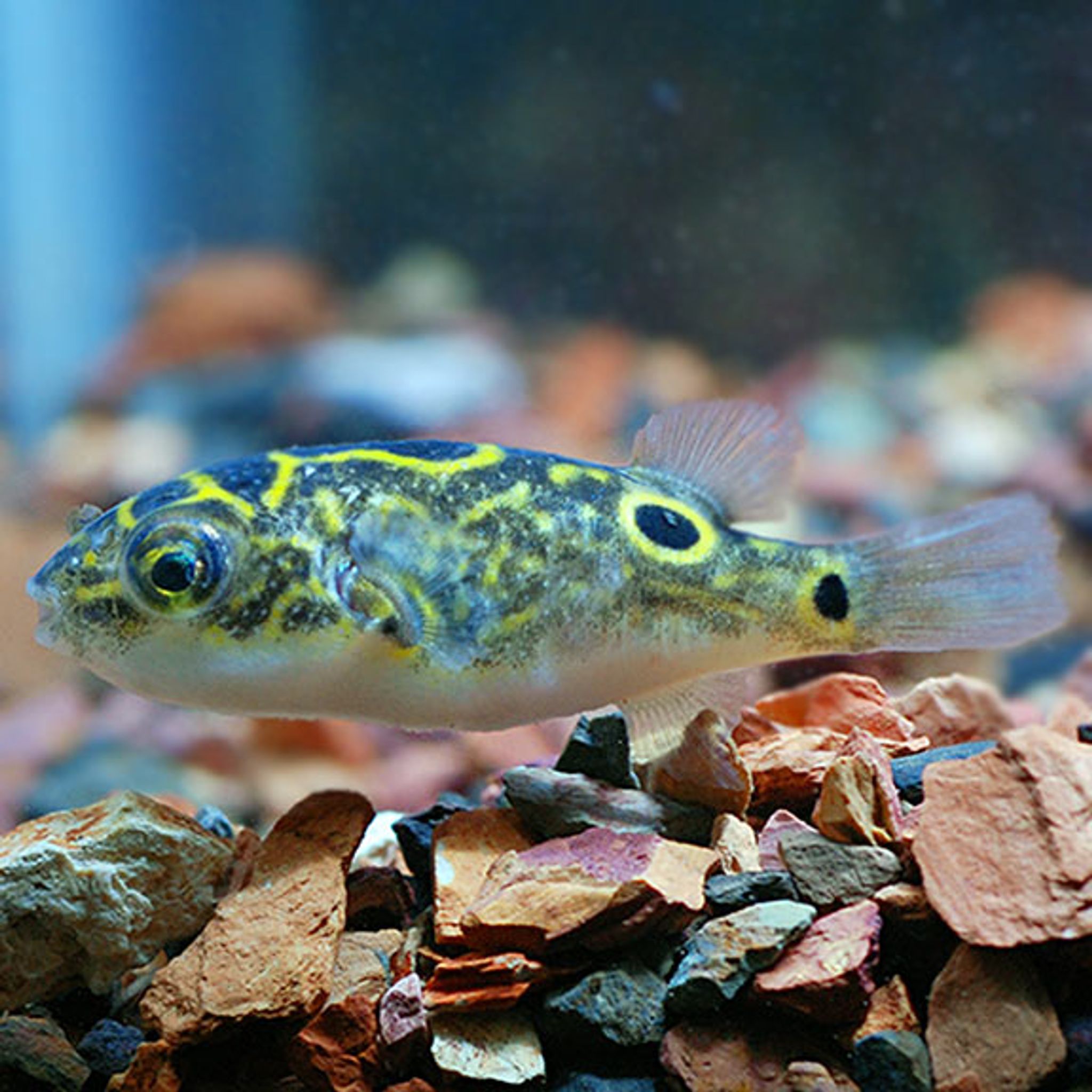
Figure 8 Puffer Care Guide: Tank Size, Diet, Water Parameters and Temperament
The Figure 8 puffer is often sold as a small, freshwater community fish, and that label causes most of the problems keepers run into. In reality it's a brackish-water species with a specialized diet and a genuinely aggressive streak, and this guide lays out the tank size, water parameters, feeding routine, and tank mate reality so you can set one up correctly from day one.
Species Snapshot
The Figure 8 puffer is scientifically listed as Tetraodon biocellatus, though it has also been reclassified as Dichotomyctere ocellatus. It's also sold under the name "eyespot puffer," a reference to the dark, ringed spots on its yellow-and-black patterned back. In the wild it inhabits slow-moving rivers, streams, and mangrove estuaries across Cambodia, Malaysia, and Indonesia, within the broader Mekong basin region — habitats where fresh river water mixes with tidal salt water.
Key facts at a glance:
- Adult size: around 3 inches, with some individuals reported up to about 4 inches
- Growth rate: juveniles typically add roughly half an inch every couple of months
- Lifespan: commonly cited at 10–15 years with good care, unusually long for a fish this size
- Toxicity: like other tetraodontid puffers, it carries tetrodotoxin and should never be handled carelessly or kept where a curious pet could mouth it
Freshwater, Brackish, or Both? Clearing Up the Confusion
This is the single most misunderstood part of Figure 8 puffer care. Many general fish profiles describe it as a "freshwater puffer" that does fine in a plain freshwater tank indefinitely. Specialty care sources disagree, and the more accurate picture sits in between: a young Figure 8 puffer can tolerate freshwater for a period of time, but the species needs low-end brackish water for long-term health as it matures. Treat it as a brackish species, not a true freshwater one.
Keeping one in permanent freshwater doesn't kill a puffer overnight, but it tends to shorten lifespan and increase stress and susceptibility to illness over time — a slow decline rather than an immediate crisis, which is exactly why the myth persists.
Don't Confuse It With Other Brackish Puffers
Figure 8 puffers stay at the low end of brackish salinity for their entire lives — they are not transitioning toward full marine conditions. That confusion usually comes from mixing them up with the green spotted puffer, a different species that is commonly moved to near-marine salinity as it grows and needs a much larger tank (55+ gallons). If a care sheet tells you to keep raising salinity toward seawater strength, it's likely describing a green spotted puffer, not a Figure 8.
Tank Size
Sources disagree somewhat on the exact minimum, but the practical guidance is:
- 20-gallon long tank — the absolute minimum for one Figure 8 puffer
- 30 gallons — the comfortable standard for a single specimen, and the better choice for anyone housing a pair or attempting tank mates
Footprint matters more than raw volume. These are active, curious swimmers, so a longer, wider tank serves them better than a tall, narrow one of the same gallon count. If you're shopping for a first setup, browse glass tanks with length as your priority measurement, not just capacity.
Water Parameters
The single biggest gap in most care advice is that parameters get scattered across paragraphs instead of listed together. Here's the consolidated version:
| Parameter | Target Range | Notes |
|---|---|---|
| Temperature | 74–82°F (23–28°C) | 76–79°F (24–26°C) is a comfortable middle range |
| pH | 7.5–8.5 | Slightly alkaline preferred; some sources cite 7.0 as a floor |
| Specific gravity (salinity) | 1.005–1.010 SG (roughly 1–12 ppt) | Low-end brackish only — never push toward marine strength |
| General hardness | Moderately hard to hard | Higher mineral content supports the alkaline pH target |
| Ammonia / nitrite | 0 ppm, always | Puffers lack scales and a substantial protective slime coat, making them very sensitive to toxins |
| Nitrate | As low as practical | Frequent partial water changes matter more than for many scaled fish |
Mixing Brackish Water Correctly
Never add salt mix directly to the display tank. The right process is:
- Dechlorinate a batch of water separately in a bucket or container.
- Dissolve a marine or reef salt mix into it — not standard freshwater aquarium salt, which doesn't replicate the mineral profile a brackish species needs.
- Test the mixed water with a hydrometer or refractometer until it reads 1.005–1.010 SG.
- Only then add it to the tank, ideally during a routine water change.
Adding salt straight into the display causes localized salinity spikes near where it dissolves, which can stress or kill fish and any invertebrates before it fully diffuses.
If you're raising the salinity of a tank that's been running as freshwater — say, acclimating a young puffer that arrived at a freshwater-labeled store — do it gradually. Raise SG in small increments (roughly 0.001–0.002 at a time) over one to two weeks rather than jumping straight to the target, and watch for any sign of stress before increasing further. Sudden salinity swings are as hard on a puffer as sudden temperature swings are on any fish.
Filtration and Substrate
Figure 8 puffers are messy, heavy waste producers, so strong filtration is not optional — undersized filtration combined with their toxin sensitivity is a fast route to an ammonia spike. Sand substrate works well, and some keepers use crushed coral or aragonite sand specifically to help buffer pH upward toward the target range.
Dense decor is more than decoration here. Driftwood, rock caves, and hardy or silk plants tolerant of brackish conditions give a puffer places to explore and hide. These fish are intelligent, and a bare tank tends to produce a stressed, reclusive puffer rather than the interactive one owners expect.
Diet: Built Around Tooth Wear, Not Just Nutrition
A Figure 8 puffer's beak-like teeth grow continuously, and diet is the main tool for keeping them worn down. Hard-shelled foods should make up the bulk of every meal:
- Snails (shell-on)
- Shrimp (shell-on)
- Small clams and mussels
- Crab legs
- Other crustaceans
Softer proteins like mosquito larvae, bloodworms, and krill can round out the diet, but dry pellets or flakes should never be a staple — they don't provide adequate nutrition and do nothing to address tooth growth. A puffer fed only soft or dry food can develop overgrown teeth severe enough to prevent normal eating, sometimes requiring a manual trim.
Feeding frequency should scale with age:
- Juveniles under 2 inches: daily
- Larger juveniles: every other day
- Full adults: 2–3 times per week
Because puffers recognize their keeper and beg persistently at the glass, overfeeding adults is a common mistake. Begging behavior isn't hunger — it's a learned response, and obesity is a real risk if every begging session ends in food.
Temperament and Tank Mates
Figure 8 puffers are smart and interactive; they'll learn to recognize the person who feeds them and beg at the glass in a way that reads almost dog-like. That same intelligence comes paired with real aggression and territoriality, and they are notorious fin-nippers.
The most common mistake buyers make is exactly what the "freshwater community fish" label encourages: housing a Figure 8 with slow, long-finned fish like bettas, angelfish, or guppies. That combination reliably ends in shredded fins.
Best practice is solitary keeping. If you want to attempt tank mates, limit the list to fast, short-finned, similarly brackish-tolerant species, and go in with realistic expectations:
- Bumblebee gobies
- Mollies
- Monos
- Other quick, brackish-tolerant fish
Even these combinations have mixed success — there's no guarantee against nipping, and you should have a backup plan (a spare tank or divider) ready in case things go wrong. Keeping two Figure 8 puffers together is riskier still, since they're often aggressive toward their own species; if attempted, it needs a large tank with heavy visual breaks and the same backup plan.
Don't assume a puffer is reef-safe or invertebrate-safe, either. Snails and shrimp are the puffer's usual diet, not potential roommates.
Brackish Tank Mates and Neighbors Worth Knowing
If you're researching Figure 8 puffers, you've likely also come across a few other names tied to brackish setups. Here's how they fit in.
Bumblebee Goby
At under 1.5 inches, the bumblebee goby is one of the few realistic candidates for a Figure 8 puffer's tank, provided the tank is large enough. It needs the same low-brackish water, is peaceful toward other small, peaceful fish, and eats a meaty diet similar to what a puffer needs. Even so, "realistic candidate" doesn't mean "guaranteed safe" — monitor closely after introduction.
Fiddler Crab
Fiddler crabs are sometimes suggested for a brackish biotope. They need partial land access — effectively a paludarium setup rather than a fully submerged tank — and are omnivorous feeders that scavenge readily. They're a reasonable addition to a dedicated brackish biotope display, but not a direct Figure 8 tank mate: a puffer can nip at a crab's legs, and a crab's claw can just as easily injure the puffer.
The Wider Puffer Family, for Comparison
Figure 8 puffers sit in the middle of a broad size range among freshwater and brackish puffers, which is useful context if you're still deciding which species fits your setup:
- Pea puffer — the true freshwater dwarf option, under 1.5 inches, no salt required, but similarly nippy in temperament
- Figure 8 puffer — 3–4 inches, low-brackish, the subject of this guide
- Green spotted puffer — larger, commonly moved to near-full marine salinity as an adult, needs 55+ gallons
- Fahaka puffer — 12–18+ inches, needs a 75–125+ gallon tank, very aggressive, strictly a solo fish and not a beginner species
- MBU puffer — a true giant among freshwater puffers, reaching 20–30 inches and requiring an enormous dedicated tank
Seen next to a fahaka or an MBU, a Figure 8 puffer's 20–30 gallon requirement looks modest — but "modest" for a puffer still means dedicated equipment and a real budget, not an impulse buy.
Breeding and Health Notes
Breeding is rarely, if ever, achieved in home aquariums. What's understood comes largely from observation: they're believed to lay adhesive eggs on a flat surface, with the male guarding the clutch for about a week until the fry become free-swimming.
On the health side, Figure 8 puffers are susceptible to the usual freshwater and brackish parasites and bacterial infections, but treatment is complicated by two traits: they often refuse medicated food, and they lack scales, which changes how they tolerate certain medications. Avoid dosing copper-based treatments at full marine strength without researching the specific product's safety for scaleless brackish fish first.
Because Figure 8 puffers are wild-caught rather than commercially bred, new arrivals may need more careful acclimation and health screening than a typical tank-raised community fish. A dedicated quarantine tank set up with brackish parameters — not a generic freshwater quarantine setup — gives a new puffer the best start, and it's worth budgeting time for a proper quarantine period before introducing one to a display tank.
Signs of Stress or Boredom
Watch for these diagnostic signs, especially in an undecorated or under-stimulating tank:
- Color darkening — a duller or darker overall appearance
- Hiding more than usual — retreating to caves or corners instead of patrolling the tank
- Refusing food — a puffer that normally begs but stops eating
- A thin or sunken belly — can point to insufficient feeding, illness, or ongoing stress, and warrants a water parameter check
Dense decor and enrichment, as covered above, are the main preventive tools against these symptoms.
Budgeting for the Real Cost
Figure 8 puffers are often bought as a "cute small fish" without factoring in the ongoing cost of brackish upkeep. Realistic recurring expenses include marine or reef salt mix, a hydrometer or refractometer, live or frozen shell-on foods bought regularly, and — if you started with something undersized — an eventual upgrade to a proper 20- to 30-gallon long tank. None of this is prohibitive, but it's more than most impulse buyers expect from a 3-inch fish, and knowing the real footprint before you buy avoids a rehoming situation later. You can compare current tank options and other freshwater livestock through FishyHub's freshwater livestock category while planning your setup.
Frequently Asked Questions
Do Figure 8 puffers need salt or brackish water?
Yes, long-term. They're often sold as a freshwater fish, but low-end brackish water — roughly 1.005–1.010 SG — is recommended for lasting health, even though young puffers can tolerate freshwater for a period.
Can I keep two Figure 8 puffers together?
It's risky. They're territorial and often aggressive toward their own species, particularly in smaller tanks. If you attempt it, use a large tank with heavy visual breaks and have a plan to separate them if aggression escalates.
What fish can live with a Figure 8 puffer?
Solitary keeping is the safest choice. If you want tank mates, stick to fast, short-finned, brackish-tolerant species like bumblebee gobies or mollies, and understand there's no guarantee of long-term peace.
What do Figure 8 puffers eat?
Hard-shelled, meaty foods: snails, shrimp, clams, and crab legs, supplemented with mosquito larvae and similar proteins. Avoid flakes or pellets as a staple, since they don't wear down the puffer's continuously growing teeth.
How big do Figure 8 puffers get and how long do they live?
They typically reach about 3–4 inches and commonly live 10–15 years with good care, which is unusually long for a fish this small.
Can Figure 8 puffers live in a fully freshwater tank forever?
It's not recommended as a permanent setup. Freshwater tolerance is more of a short-term or juvenile allowance rather than a long-term housing plan, and permanent freshwater tends to shorten lifespan and raise stress over time.
Are Figure 8 puffers poisonous?
Yes. Like other tetraodontid puffers, they carry tetrodotoxin and are not intended for human or pet consumption. Handle them carefully and keep them away from pets that might mouth them.


