

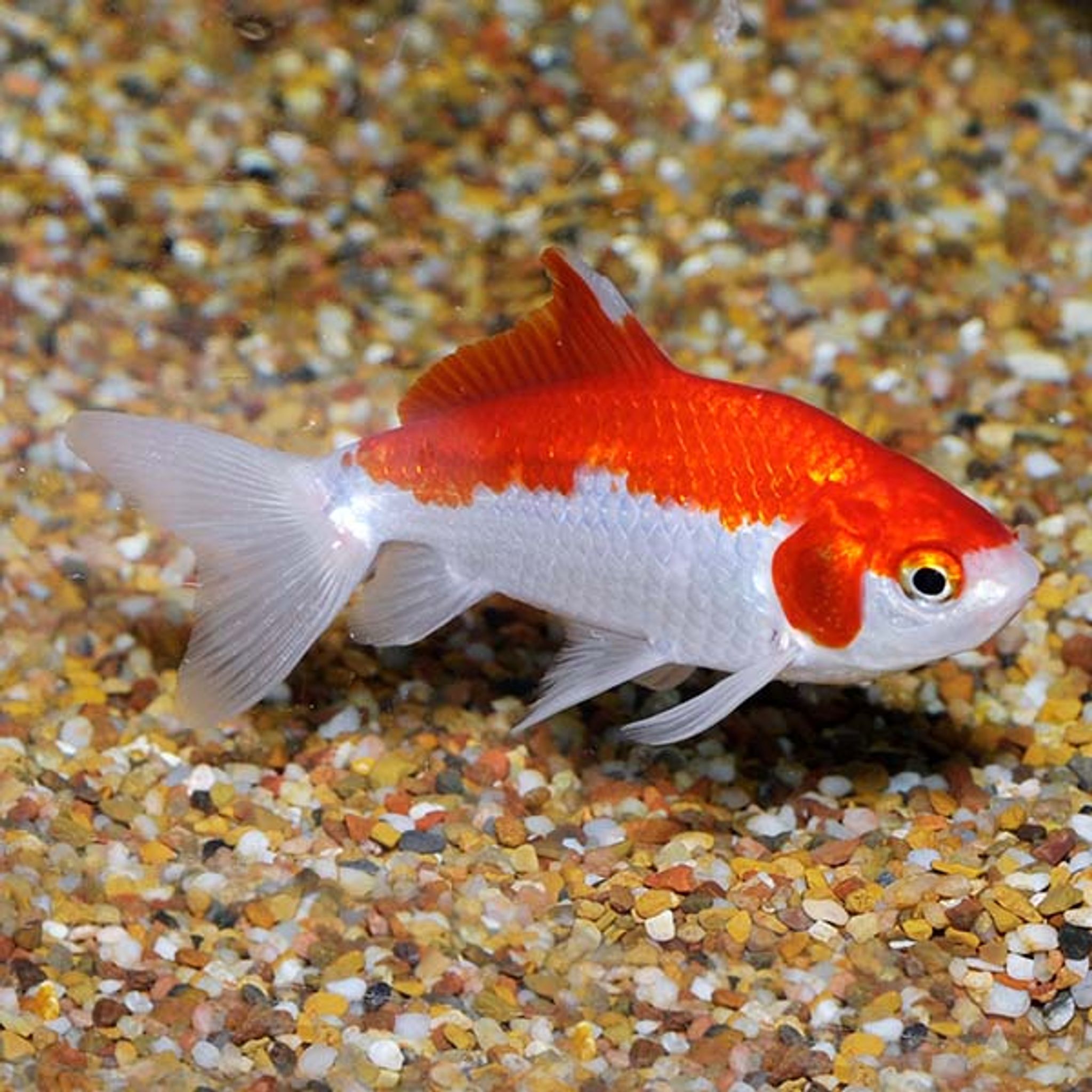

Fancy Goldfish Care Guide: Tank Size, Diet, Water Parameters and Temperament
Fancy goldfish are not the same animal as the slim, torpedo-shaped comet you might picture in a backyard pond, and they don't survive on the same setup as a bowl or an unheated 10-gallon tank. This guide covers exactly how much space they need, what water conditions keep them healthy, how to feed them without triggering buoyancy problems, and which tankmates actually work.
What Makes a Goldfish "Fancy"
Fancy goldfish are selectively bred varieties with short, rounded, egg-shaped bodies and a paired or flowing single tail, often paired with exaggerated head growths, eye shapes, or scale textures. That compact body shape comes at a cost: fancy goldfish are noticeably slower and clumsier swimmers than common or comet goldfish, whose long, slim bodies are built for speed.
This distinction matters for stocking decisions. Selective breeding for a shortened, curved spine also compresses the internal organs, including the swim bladder — which is why buoyancy issues are so common in fancy varieties and are largely a structural quirk of their body shape, not automatically a sign of disease.
Tank Size: How Much Space Does a Fancy Goldfish Need
The often-repeated "goldfish in a bowl" advice is the single biggest cause of early death in this group. Fancy goldfish produce a heavy bioload, grow to 6–8 inches (15–20 cm) of body length (more with the tail), and can live 10–20+ years — none of which is compatible with a bowl or a tiny unfiltered tank.
- Absolute minimum: 20 gallons (76 L) for one fancy goldfish.
- Recommended starting point: 30 gallons (114 L), given their adult size and waste output.
- Each additional fish: add 10–15 gallons (38–57 L).
- General rule: bigger is always better — extra volume dilutes waste and buys you a wider margin for error on water changes.
Filtration and Turnover
Because fancy goldfish are extremely messy eaters and produce waste rapidly, undersized filtration is a common mistake. Aim for a filter rated to turn over roughly 10 times the tank volume per hour. A canister or hang-on-back (HOB) filter is generally a better fit than an internal sponge filter alone once the tank exceeds a basic starter size.
| Tank size | Target turnover (10x/hr) | Filter type typically used |
|---|---|---|
| 20 gal (76 L) | ~200 GPH | Larger HOB filter |
| 30 gal (114 L) | ~300 GPH | HOB or small canister |
| 40–55 gal (151–208 L) | ~400–550 GPH | Canister filter |
| 75+ gal (284+ L) | 750+ GPH | Canister, possibly two |
You can browse filters sized for higher-turnover setups when planning a fancy goldfish tank.
Water Parameters
Stable water quality matters more than hitting an exact number, but fancy goldfish do best within these ranges:
- Temperature: 65–72°F (18–22°C). Some individuals tolerate down to about 60°F (15.5°C), but avoid letting water climb into the mid-70s°F or higher — warmer water speeds up metabolism and waste production and can worsen buoyancy problems in round-bodied fish.
- pH: aim for a stable 7.0–7.6, roughly neutral to slightly alkaline. Cited ranges vary from 6.5–7.5 up to 7.0–8.0; consistency matters more than the exact figure.
- Ammonia and nitrite: 0 ppm, always.
- Nitrate: keep under 20–40 ppm through regular water changes.
- Hardness: moderate to hard water is generally well tolerated.
Do Fancy Goldfish Need a Heater?
In most US homes, room-temperature water sits comfortably in the 65–72°F range, so a heater usually isn't required. The exception is an unheated basement or a room that regularly drops below 60°F in winter — cold swings slow digestion, weaken the immune system, and can aggravate swim bladder issues, so a heater is worth adding in those conditions.
Cycling and Water Changes
The tank must be fully nitrogen-cycled before any goldfish goes in — their waste output overwhelms an uncycled tank quickly. Once stocked, plan on:
- 25–50% weekly water changes for a properly sized, appropriately stocked tank.
- Twice-weekly changes for smaller or overstocked setups.
Skipping water changes is one of the most common goldfish-keeping mistakes; nitrate and ammonia creep up quietly and show up later as lethargy, clamped fins, or ammonia burns.
Substrate and Decor
Fine gravel or sand is safer than large gravel, which can be ingested and cause impaction — a particular risk for bubble eye and telescope varieties with poor depth perception. Avoid sharp rocks, plastic plants with hard edges, and rough ornaments that can scrape delicate fins, eyes, or eye sacs. Live plants or soft silk plants are a better choice than stiff plastic decor. You can check current substrate options sized for gravel and sand suited to a goldfish tank.
Diet: What to Feed Fancy Goldfish
Fancy goldfish are omnivorous and do best on a sinking or slow-sinking pellet formulated specifically for goldfish. Floating flakes are a common mistake with this group — poor swimmers gulp air at the surface while chasing floating food, which is a direct path to swim bladder problems.
- Staple: a quality sinking goldfish pellet.
- Vegetables: blanched peas (skin removed), zucchini, lettuce, or spinach a few times a week.
- Protein treats: bloodworms, brine shrimp, or daphnia occasionally.
- Feeding schedule: small amounts 1–2 times daily, only what the fish clear in 2–3 minutes.
- Reduce bloat risk: briefly soak pelleted food before feeding so it doesn't expand inside the fish.
- Fasting: skip feeding one day per week for adults to support digestion.
Overfeeding is arguably the single biggest contributor to constipation and swim bladder disorder in this group, so err on the side of less rather than more.
Temperament and Tankmates
Fancy goldfish are peaceful and social, and they do best housed with other same-speed fish — meaning other fancy varieties. Fast, slim-bodied common or comet goldfish will consistently outcompete them for food and should not be kept together long-term.
Compatible cold-water tankmates include:
- White Cloud Mountain minnows
- Rosy barbs (avoid more aggressive fin-nipping species)
- Bristlenose plecos as hardy bottom feeders
Avoid: tiger barbs and other fin-nippers, plus tropical species that need warmer water than a fancy goldfish tolerates well.
Types of Fancy Goldfish
Fancy goldfish are one branch of a larger family. The other branch — commons, comets, and shubunkins — keeps the slim, single-tail body built for speed, which is exactly why the two groups shouldn't share a tank: the mismatch in swimming ability means fancy fish lose out on food every time.
Within the fancy group, body shape and fragility vary a lot. A rough beginner-to-advanced tier looks like this:
| Difficulty | Varieties | Why |
|---|---|---|
| Easiest | Fantail, black moor, ryukin | Hardy, good vision (except moor), fewer fragile features |
| Intermediate | Oranda, lionhead, pearlscale | Head growths or round bodies need extra care |
| Advanced | Bubble eye, celestial eye, telescope, pompom | Poor vision, fragile eye sacs or growths, weaker swimmers |
Fantail Goldfish
One of the hardiest and most beginner-friendly fancy types. It has a short, rounded body and a paired double tail, making it a sensible first fancy goldfish for someone new to the hobby.
Black Moor Goldfish
A velvety black, telescope-eyed variety. Its protruding eyes mean poor eyesight, so smooth decor and calm tankmates are important. Black moors can lose their black coloring and shift toward gold or orange as they age or under bright lighting — this is a normal color change, not a health problem.
Ryukin Goldfish
Recognizable by a pronounced dorsal hump behind the head and a deep body, which means it appreciates a bit more tank depth than flatter-bodied varieties. Ryukins come in calico, red-and-white, and solid color forms.
Veiltail Goldfish
Has a long, flowing tail fin — paired or unpaired — that can trail as long as the body itself. That length makes the delicate fin prone to tearing on rough decor and vulnerable to fin rot if water quality slips.
Telescope Goldfish
Similar to the black moor in having eyes on protruding stalks, but available in multiple colors. The same low-vision precautions apply: soft substrate, no sharp decor.
Bubble Eye Goldfish
Carries fluid-filled sacs beneath each eye and lacks a dorsal fin, making it an even weaker swimmer than most fancy types. These sacs are extremely fragile — avoid rough decor, strong current, and any fast tankmate that could puncture them.
Pearlscale Goldfish
A round, golf-ball-shaped body covered in domed, pearl-like scales. That body shape makes pearlscales especially prone to swimming and buoyancy difficulty, so careful, modest feeding matters even more than usual.
Celestial Eye and Pompom Goldfish
The celestial eye has upward-facing eyes and no dorsal fin, making it a weak swimmer that needs calm tankmates. The pompom has fleshy nasal growths that rough substrate or decor can damage.
You can browse available fancy goldfish varieties, including ryukins, to see what's currently in stock.
Smallest and Most Expensive Varieties
Pompoms and some compact lionhead or ranchu strains stay smaller than large-bodied orandas or ryukins, generally in the 4–6 inch (10–15 cm) range — though "small" is relative, since every fancy goldfish still needs 20+ gallons regardless of adult size. At the other end of the price spectrum, everyday pet-store fancy goldfish typically run a few dollars up to $20–30, while ultra-refined, show-quality ranchu, tosakin, and other competition-bred lines can sell for hundreds to thousands of dollars.
Swim Bladder Disease: The Most Common Fancy Goldfish Ailment
Because a fancy goldfish's compact, curved body compresses the swim bladder, buoyancy disorders are the most frequent health issue in this group. Symptoms include floating sideways or upside down, sinking to the bottom, or struggling to stay level in the water column.
Common causes:
- Overfeeding
- Gulping air from floating food
- Constipation
- Sudden cold temperature swings
Treatment:
- Fast the fish for 24–72 hours.
- Offer a skinned, blanched pea once feeding resumes.
- Check and, if needed, gently raise water temperature toward the higher end of the safe range.
- Switch to pre-soaked sinking pellets going forward to prevent recurrence.
An Epsom salt bath — roughly 1 tablespoon per 5 gallons, in a separate container for a short soak — can help relieve bloating-related pressure. This is distinct from aquarium salt, which is a general tonic sometimes used at low doses; Epsom salt is used specifically and temporarily for constipation or bloating and should not be dosed into the main display tank long-term.
Can Fancy Goldfish Live in a Pond?
Hardier fancy varieties, such as fantails, can overwinter in outdoor ponds across many temperate US climates, provided the pond is deep enough that it doesn't freeze solid. More delicate varieties — bubble eye, celestial eye, and telescope — are better kept indoors, since their poor eyesight and fragile eye structures leave them vulnerable to injury and predators outdoors.
Quarantine Before Adding New Fish
New goldfish should spend 2–4 weeks in a separate quarantine tank before joining a display tank. This step catches parasites or illness before they spread and is worth setting up even for a single new fish, since goldfish are commonly sold from crowded retail tanks.
Common Mistakes to Avoid
- Keeping a fancy goldfish in a bowl or small unfiltered tank.
- Feeding only floating flakes instead of sinking pellets.
- Overfeeding, which drives constipation and swim bladder issues.
- Housing fancy goldfish with fast comets, commons, or tropical fish.
- Using sharp gravel or decor with bubble eye, telescope, or celestial eye varieties.
- Skipping water changes and letting nitrate creep upward.
- Assuming "coldwater fish" never needs a heater, even in a room that regularly drops below 60°F.
Frequently Asked Questions
How big of a tank does one fancy goldfish need?
Twenty gallons (76 L) is the absolute minimum, but 30 gallons (114 L) is the more practical starting point given how large and messy adult fancy goldfish become. Add 10–15 gallons for each additional fish.
Do fancy goldfish need a heater?
Usually not in a typical US home, since room temperature commonly falls within the ideal 65–72°F range. A heater becomes worthwhile only if the room regularly drops below about 60°F.
Can fancy goldfish live with common or comet goldfish?
It's not recommended long-term. Slim-bodied commons and comets are much faster swimmers and will consistently outcompete fancy goldfish for food.
Why is my goldfish floating on its side or sinking to the bottom?
This is usually swim bladder disorder, caused by overfeeding, constipation, gulped air from floating food, or a cold temperature swing. Fast the fish for a day or two, offer a skinned pea, and check water temperature and quality.
What do fancy goldfish eat?
A sinking, goldfish-specific pellet as the daily staple, supplemented with blanched vegetables like peas and zucchini and occasional protein treats such as bloodworms or brine shrimp. Feed sparingly, once or twice a day.
Can fancy goldfish live outdoors in a pond?
Hardier varieties like fantails can, as long as the pond is deep enough not to freeze solid in winter. More delicate types — bubble eye, celestial eye, telescope — are safer kept indoors due to poor vision and fragility.
How long do fancy goldfish live?
Typically 10–15 years with good care, and sometimes 20+ years under excellent conditions — far longer than many first-time owners expect.
What water parameters are ideal for fancy goldfish?
Temperature 65–72°F (18–22°C), pH around 7.0–7.6, 0 ppm ammonia and nitrite, and nitrate kept under roughly 20–40 ppm through regular water changes.
Ready to set up a tank the right size for a fancy goldfish? Browse current fancy goldfish varieties available on FishyHub to find a hardy starter type or a specific fancy variety for your setup.