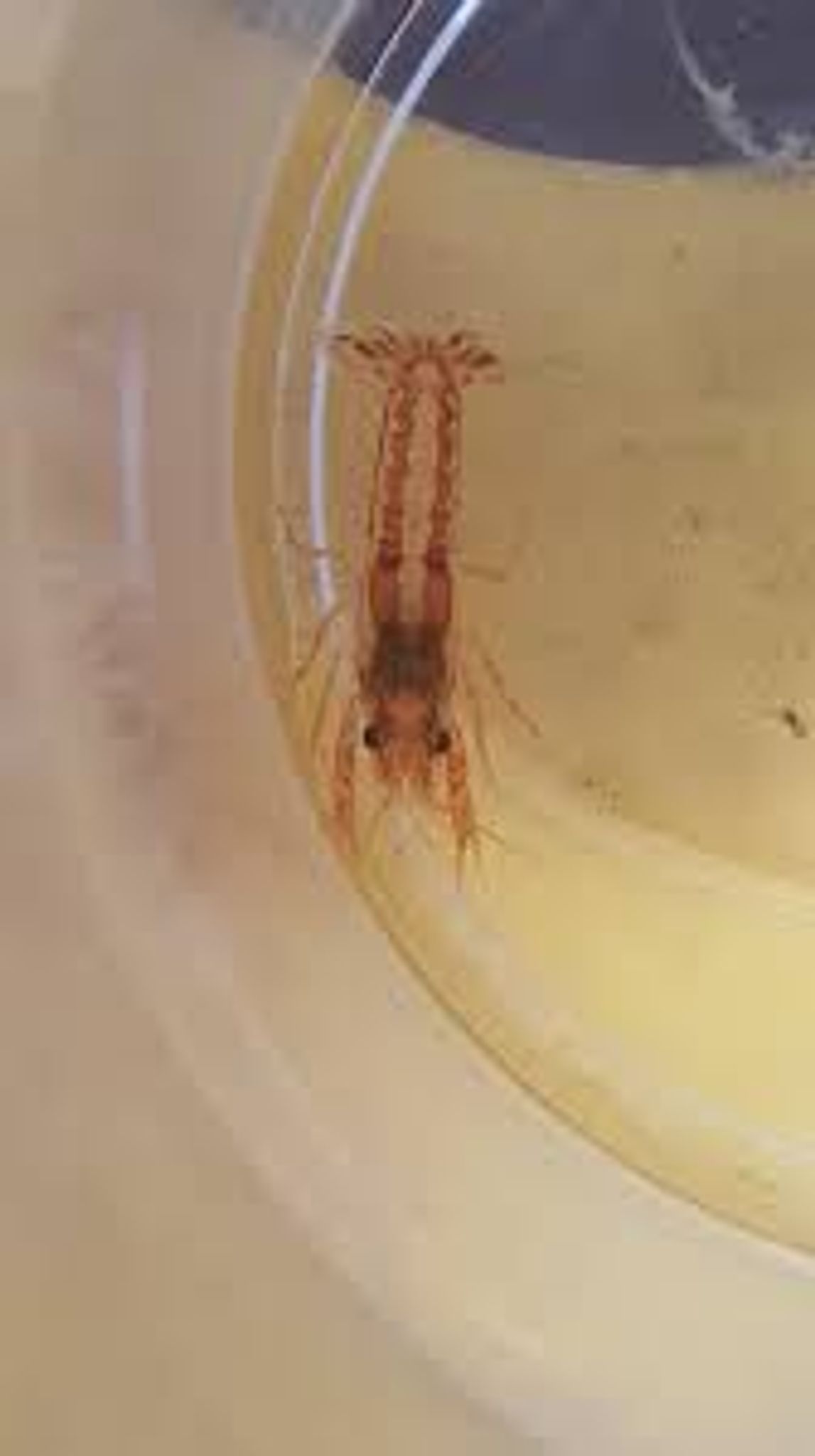

Electric Blue Crayfish Problems: Common Causes of Stress, Death and Poor Growth
A healthy electric blue crayfish should be active, growing steadily, and molting cleanly every few weeks to months. When yours is hiding constantly, fading in color, losing limbs, stuck mid-molt, or turns up dead with no obvious warning, the cause almost always traces back to water chemistry, mineral supply, or tank setup rather than bad luck. This guide walks through the most common problems by symptom, explains the crayfish-specific biology general fish-care advice misses, and gives you a fix for each.
Why Electric Blue Crayfish Are Different From Fish
The electric blue crayfish is a color morph of the Florida crayfish, not a separate "true blue" species, and that matters for two reasons. First, captive-bred lines sold under this name vary in hardiness — some batches show more fragility or slower growth than expected, which can be a sign of inbreeding within a color-morph line rather than anything you did wrong. Second, crayfish carry a hard exoskeleton that must be shed and rebuilt on a schedule, and their water chemistry needs (mineral-rich, moderately hard, slightly alkaline) sit outside what most community-fish care sheets recommend.
Baseline Parameters for Health
| Parameter | Healthy range | Why it matters |
|---|---|---|
| Temperature | 65–75°F (18–24°C), up to ~78°F (25.5°C) short-term | Swings stress the crayfish and disrupt molting |
| pH | 7.0–8.0 | Crayfish do best toward the higher end than typical "fish-safe" ranges |
| GH/KH | Moderate to high | Soft, low-mineral water leads to weak, thin shells |
| Ammonia | 0 ppm | The single biggest killer of aquarium crayfish |
| Nitrite | 0 ppm | Damages gills even at low levels |
| Nitrate | Under 20–40 ppm | Slow creep causes stunting, not sudden death |
Note that "community-safe" pH advice aimed at tropical fish (sometimes as low as 6.7) is not automatically crayfish-optimal. Crayfish pull calcium and other minerals from the water column to harden a new shell after every molt, so consistently soft or low-pH water leaves them with permanently weak exoskeletons even if fish in the same tank look fine.
Molting Problems: The #1 Source of "Something's Wrong" Reports
Most crayfish "problems" reports are actually molt-related, and most of that is normal behavior misread as illness.
Normal pre-molt behavior: refusing food and hiding for several days to a week before shedding. This is not cause for concern on its own.
Signs of an actual molt problem:
- Death during the molt itself
- Getting stuck half-in, half-out of the old shell (incomplete molt)
- Lost limbs or claws that fail to regenerate over successive molts
- A visibly soft, discolored, or wrinkled new shell that never firms up
These point to one or more of:
- Low calcium/mineral levels — supplement with a cuttlebone or a mineral/calcium additive, and keep GH on the higher side
- Low iodine — iodine is required for the new shell to harden properly; a dedicated invertebrate mineral or iodine supplement covers this
- Poor water quality — any ammonia or nitrite during the vulnerable soft-shell window is far more dangerous than usual
- Insufficient hiding cover — a crayfish is essentially defenseless while soft, and without a cave or dense décor to retreat into, stress alone can derail the molt
Do not remove a shed exoskeleton when you find one — crayfish eat their old shell to reclaim calcium, and it's a normal, beneficial part of the cycle.
Shed Shell or Dead Crayfish? The Most Common False Alarm
A freshly molted exoskeleton looks like a complete, dead crayfish — eyestalks, claws, antennae, all present — because the animal essentially climbs out of its old body. This causes constant panic among new keepers. To tell the difference:
- Shed shell: hollow, very light for its size, often slightly translucent or pale, no smell
- Dead crayfish: has weight and mass, may already smell foul, body is not hollow when you pick it up
If you're not sure, leave it in place for a few hours — a shed shell will often get eaten, while a dead animal will start to smell.
Why Isn't My Crayfish Growing?
Stunted or absent growth means molts are becoming less frequent or less successful. The usual culprits:
- Undersized tank — 10 gallons (38 L) is a bare minimum for one crayfish, 20+ gallons (76+ L) is recommended for better growth and stress reduction
- Nitrate creep — infrequent water changes let nitrates build slowly over months; this doesn't kill outright but suppresses growth and molt success over time
- Poor diet — not enough protein or calcium in the rotation
- Overcrowding or aggressive tank mates — the crayfish spends energy competing for food or avoiding harassment instead of growing
Stress and Death: The Core Triggers
Beyond molt failure, these are the water-quality and environmental triggers that consistently show up across crayfish keepers' reports:
- Ammonia spikes — the leading killer, usually from overfeeding, overstocking, an undersized filter, or a crashed biological cycle
- Chlorine/chloramine poisoning — untreated tap water damages gills and can kill quickly; always treat new water with a dechlorinator before it goes in the tank
- Copper exposure — copper is lethal to crayfish and all crustaceans at doses fish tolerate; never use copper-based medication in a crayfish tank, and check that your tap water, pipes, and any fertilizer you dose aren't a hidden copper source
- Temperature swings — keep changes within 2–3°F (about 1–1.5°C) of the tank
- pH swings — inconsistent water-change habits cause more harm than a stable pH that's slightly outside the "ideal" range
- Low dissolved oxygen right after a large water change — fresh tap water is often oxygen-poor
- Sudden TDS/hardness shock — a big mismatch between tap water mineral content and tank water
Crayfish-Specific Causes Fish Owners Don't Expect
- Cannibalism — a crayfish will eat a freshly molted or otherwise weakened tankmate, including another crayfish; this is a very common explanation for a crayfish that simply "disappears"
- Territorial fighting — two crayfish in a tank too small for both will fight, and claw or limb loss is the typical result
- Escape and desiccation — crayfish are strong climbers and notorious escape artists; a "mystery death" is often an escapee found dried out on the floor or behind the stand days later
- Lack of hiding spots — chronic stress from no shelter shows up as poor molting and general decline rather than instant death
- Incompatible tank mates — fin-nipping or claw-nipping fish stress the crayfish, while small or slow fish and shrimp are at risk of being eaten by it
Fish (or Crayfish) Dying After a Water Change
A water change should be a routine, low-stress event, but it's one of the most common times keepers report a sudden death. The usual causes:
- Chlorine/chloramine exposure from unconditioned tap water
- Ammonia spike from disturbing beneficial bacteria or biofilm during a heavy gravel vac
- Temperature, pH, or TDS mismatch between the new water and the tank
- Low oxygen in the newly added water, especially right after the change
Prevention: always dechlorinate, match temperature closely, favor smaller and more frequent changes over large infrequent ones, and gently agitate the surface after a change to reintroduce oxygen.
Crayfish Gasping or Clinging Near the Surface After a Water Change
This is rare for crayfish compared to fish, but when it happens the root causes are the same list above — treat it as an emergency check of chlorine, ammonia, temperature, and oxygen, not a separate condition. A dechlorinator dosed correctly and a smaller change size going forward will usually resolve repeat episodes.
My Crayfish Died — What Happened?
Work through this checklist in order:
- Water quality — test ammonia, nitrite, nitrate, pH, and temperature immediately
- Molting failure — check for a stuck or incomplete shed nearby
- Cannibalism or fighting — look for missing limbs on a survivor, or simply an empty tank with no remains
- Physical trauma — injuries from tank mates or décor
- Bad acclimation — a recent new addition dropped straight into different water parameters
- Disease — visible fungus, unusual spots, or lesions on the shell
- Diet — chronic underfeeding or malnutrition
- Old age — crayfish have a finite lifespan and a natural end is possible with no other cause found
Finding a Dead Crayfish in the Tank
Test ammonia and nitrite right away — a decomposing body spikes both quickly in a small aquarium. Confirm it's actually dead and not a shed shell (see the check above), then remove the body, do a partial water change, and gravel-vacuum the area where it was.
How to Dispose of a Dead Crayfish
Safe options are a sealed bag in household trash, burial in soil, or using the remains as compost/plant fertilizer. Never flush a crayfish — it's a sewage and ecological risk. If the cause of death isn't clear, don't feed the body back to other tank inhabitants, since it may carry disease.
Diet and Color Fading
Crayfish are omnivorous scavengers. A working rotation looks like sinking pellets or algae wafers as a base, blanched vegetables a few times a week, and occasional protein such as shrimp pellets or bloodworms. Overfeeding is the more common mistake — uneaten food is a major ammonia source — while underfeeding pushes the crayfish to eat plants, tank mates, or excessively pick at its own molt.
Fading or pale color is usually one of:
- Diet lacking astaxanthin/carotenoid-rich foods — look for a gel food or pellet formulated for color enhancement
- Stress or poor water quality
- A normal, temporary dulling right after a molt, before the new shell colors back up
Common Mistakes to Avoid
- Housing two crayfish together in a tank too small for both, assuming fish-tank-mate logic applies
- Adding tap water without a conditioner because "it's just a small change"
- Panicking over a shed shell and removing a healthy crayfish's cover while it's still soft
- Skipping hiding spots, leaving the crayfish chronically stressed
- Using copper-based medication or fertilizer anywhere near the tank
- Overfeeding "to be safe" and fouling the water
- Doing one huge emergency water change to fix bad parameters, which often adds a second shock on top of the first
- Ignoring slow nitrate creep for months, leading to gradual decline instead of a dramatic event
Warning Signs Worth Acting On Immediately
- Clamped or curled tail
- Lying on its side
- No response to touch
- Foul smell from the tank
- Visible white fungus on the shell
- Missing limbs that never regenerate over multiple molts
- Refusing food for more than a week outside a molt cycle
- Gasping at the surface (rare, but signals very poor water or oxygen)
Acclimation Matters More Than You'd Think
Crayfish are sensitive to sudden shifts in temperature, pH, and hardness when first introduced. Drip-acclimate new arrivals over 30–60 minutes rather than the float-and-dump method — this is especially important given how much crayfish depend on stable mineral levels for shell health. When you're ready to add one, you can browse freshwater livestock for available stock and check current parameters before you buy.
Tank Mates: A Frequent Source of "Problems"
Community-tank crayfish issues are common enough to deserve their own checklist:
- Fish that nip claws or antennae stress the crayfish and can leave it with permanent damage
- Small, slow-moving fish or shrimp are at risk of being eaten by the crayfish itself, especially at night
- A second crayfish in anything under a large, heavily decorated tank is a fight (and eventual cannibalism) waiting to happen
If you're stocking a mixed tank, favor fast, mid-water fish that won't linger near the substrate, and provide enough caves that every crayfish (or crayfish and bottom-dweller) has its own retreat.
Getting Your Setup Right From the Start
Most of the problems above trace back to three fixable things: stable, mineral-adequate water; a tank sized and decorated for one territorial animal; and a consistent, moderate feeding and water-change routine. A reliable dechlorinator and mineral supplement go a long way toward preventing molt failures and water-change shock — you can find both under water conditioning and additives, along with calcium- and color-boosting foods in freeze-dried food.
Frequently Asked Questions
Why did my electric blue crayfish die suddenly with no warning?
Usually an acute water-quality event, most often an ammonia or chlorine spike, or a molt that went wrong. Test your parameters immediately, and also rule out an escape — a crayfish that climbed out and dried out nearby can look like an unexplained tank death.
Is it normal for my crayfish to stop eating and hide for days?
Yes, this is typical pre-molt behavior and not a concern on its own. It only becomes worrying if it drags on well past when a molt should have happened, or if the crayfish looks unwell once it does molt.
Why isn't my crayfish growing?
Growth depends on successful, regular molting, which in turn depends on diet, tank size, and water quality. Check that you're supplementing calcium and iodine, keep the tank at 20+ gallons if possible, and make sure nitrate isn't creeping upward between water changes.
Can I keep two electric blue crayfish together?
It's risky. They're territorial and will fight or cannibalize each other, especially right after one molts and is soft-shelled. It's only realistic in a large tank with many separate hiding spots and close monitoring for injuries.
Why does my crayfish look pale or losing its blue color?
This is often diet-related — add a food with astaxanthin or other carotenoids to the rotation. It can also signal stress or poor water quality, or simply be a temporary dulling right after a molt before the new shell colors up.
What should I do if I find my crayfish dead after a water change?
Test ammonia and chlorine right away, and think back to whether the water was properly dechlorinated and temperature-matched. Going forward, switch to smaller, more frequent water changes rather than large occasional ones.
Is the thing on the tank floor a dead crayfish or a shed shell?
Check for eyestalks and pick it up — a shed shell has both eyestalks intact but is hollow and very light, while a dead crayfish has real weight and often a smell. Sheds are normal and safe to leave for the crayfish to eat.
How do I safely dispose of a dead crayfish?
Bag it and put it in household trash, bury it, or use it as compost. Never flush a dead crayfish, and avoid feeding it to other tank inhabitants if you aren't certain what caused its death.


