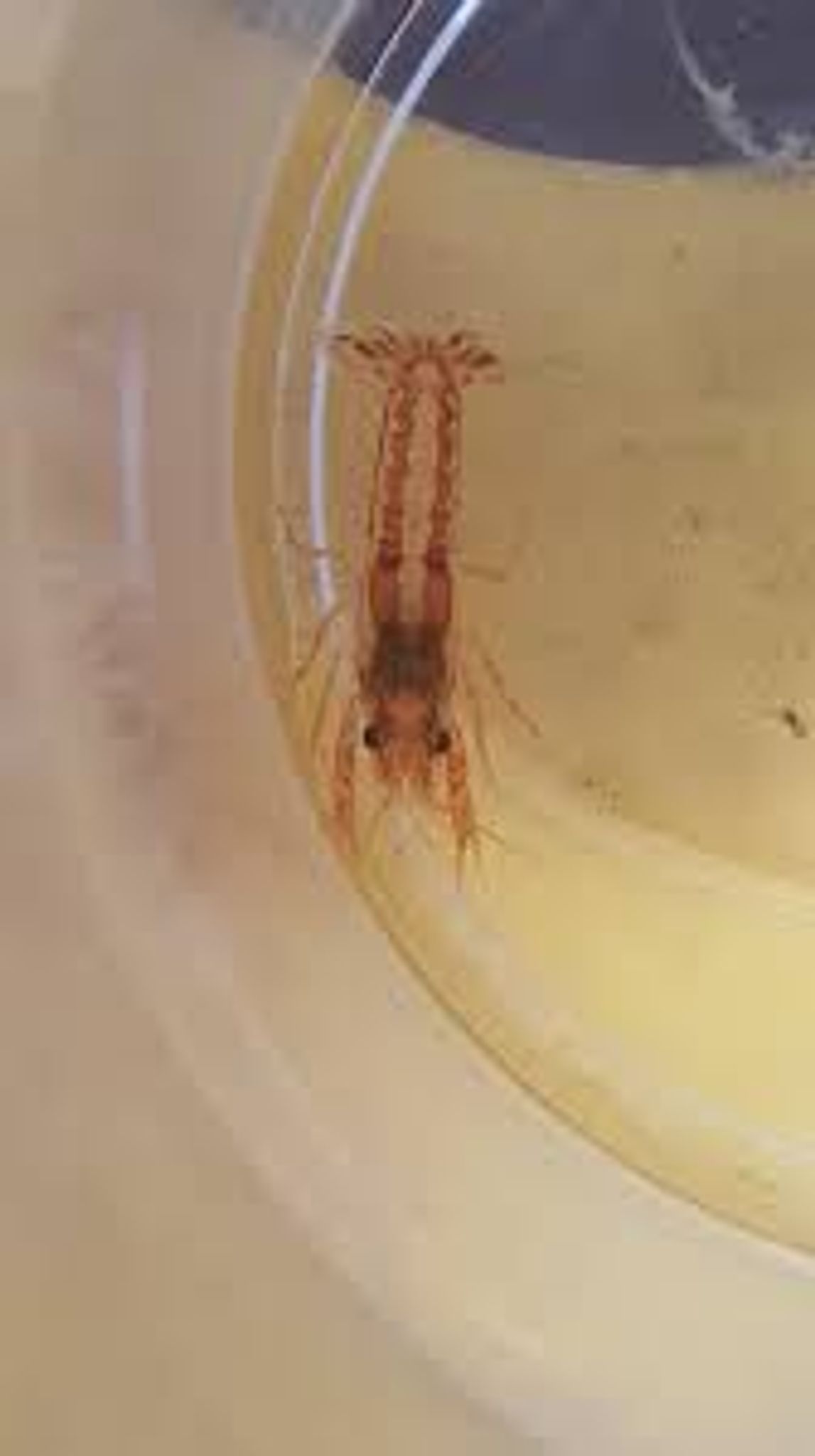

Electric Blue Crayfish Care Guide: Setup, Feeding, Water Parameters and Breeding
The Electric Blue Crayfish is one of the hardiest, most visually striking freshwater invertebrates available, but its territorial streak and escape-artist habits trip up a lot of new owners. This guide covers what it needs — tank setup, water chemistry, feeding, molting, tank mates, and breeding — plus how it compares to other pet crayfish.
What Is an Electric Blue Crayfish?
The Electric Blue Crayfish (Procambarus alleni) is a color morph native to Florida's wetlands, marshes, and roadside ditches south of the panhandle, sold under names like Blue Lobster, Florida Crayfish, and Sapphire Crayfish. It's prized for its saturated cobalt-blue coloring and easy care relative to fish that demand tighter water chemistry.
Adults reach 4–5 inches, typically within 1–2 years depending on diet and water quality. They reach sexual maturity much earlier, around 1 inch in body length. Expect a lifespan of commonly 3–5 years, up to 6 with excellent care — failed molts and poor water conditions are what cut a crayfish's life short.
Tank Setup
Tank Size
- 20 gallons (76 L) is the absolute floor for one adult.
- 30 gallons (114 L) or more is the recommended standard — more room for decor and a buffer against water quality swings.
- Juveniles can start in a 10–20 gallon (38–76 L) tank and be upgraded as they grow.
- Housing more than one crayfish: budget 30+ gallons as a baseline, adding meaningful gallons per additional animal.
Substrate and Décor
Use sand or fine gravel, a few inches deep, so your crayfish can sift and burrow daily. Round out the layout with plenty of hiding spots: caves, PVC pipe sections, overturned clay pots, ceramic hides, and driftwood all work. Aim for at least one hide per crayfish — this isn't optional decoration, since a crayfish without shelter during a molt is exposed to attack from tankmates or other crayfish.
Live rooted plants are a losing battle; crayfish uproot and eat them. Stick to floating plants or hardy species like java fern and anubias tied to driftwood or rock instead.
Filtration and Water Changes
Electric Blue Crayfish are messy, wasteful eaters, so run a strong hang-on-back or canister filter sized generously for the tank, paired with weekly 20–30% water changes to keep waste and nitrate in check.
The Lid Is Not Optional
This species is a strong, persistent climber and a notorious escape artist that exploits any gap around cords or tubing. A tight-fitting lid with sealed gaps is mandatory — most "my crayfish disappeared" stories are escapes, not deaths.
Water Parameters
Cycle the tank fully before adding a crayfish. Invertebrates are highly sensitive to ammonia and nitrite, and adding one to an uncycled tank is one of the fastest ways to kill it.
| Parameter | Safe range | Target/sweet spot |
|---|---|---|
| Temperature | 65–80°F (18–27°C) | 70–75°F (21–24°C) |
| pH | 6.5–8.0 | 7.0–7.5 (neutral to slightly alkaline) |
| General hardness (GH) | roughly 6–8 | mid-range, not soft |
| Carbonate hardness (KH) | roughly 4–6 dKH | stable within that band |
| Ammonia | 0 ppm | 0 ppm |
| Nitrite | 0 ppm | 0 ppm |
| Nitrate | under 20–40 ppm | under 20 ppm |
A few quick notes: P. alleni tolerates a wide pH band, but stability matters more than hitting an exact number. It's also more nitrate-tolerant than most invertebrates, but keeping nitrate under 20 ppm is cheap insurance for long-term shell and molt health. And many US municipal water supplies run soft with low GH — a factor owners rarely connect to failed molts. If your tap water tests low on GH, supplement with a mineral additive, crushed coral, or a calcium-rich substrate to keep shell-building minerals available.
Diet and Feeding
Electric Blue Crayfish are omnivorous scavengers. Feed adults daily or every other day. A solid diet looks like:
- Base food: sinking pellets or wafers formulated for shrimp and crayfish.
- Vegetables (blanched): zucchini, carrot, peas, spinach, cucumber.
- Occasional protein: bloodworms, shrimp, or snails.
- Calcium sources: cuttlebone, crushed eggshell, or a mineral rock, all supporting healthy shell formation.
Feed an amount your crayfish clears within a couple of hours, and remove uneaten food within 24 hours — leftover protein fouls water fast. The base of the diet should stay pellets and vegetables, with protein as a supplement, not a staple.
Molting
Molting is how a crayfish grows, and it's the most vulnerable period of its life. Frequency slows with age: hatchlings and juveniles molt every few days to a couple of weeks (6–10 times in year one), while adults molt roughly every 4–8 weeks.
Pre-molt signs include reduced appetite, hiding, and lethargy — normal, not illness, unless paired with other stress signals. Never remove the shed exoskeleton; the crayfish eats it to reclaim calcium for its new shell. And don't handle a freshly molted crayfish for a couple of days — its new shell is soft and it's essentially defenseless until it hardens.
Handling Pet Crustaceans
Minimize handling. The safe grip is behind the claws, pinning the carapace just behind the pincers with thumb and forefinger so it can't reach around to pinch you. Never handle a soft-shell (recently molted) crayfish — the stress can injure it and delay hardening. These are intelligent, expressive animals that benefit from occasional enrichment, like rearranging hides or scattering food to encourage natural foraging.
Tank Mates
Electric Blue Crayfish are territorial and solitary by nature, and will eat or attack most fish, shrimp, and snails they can catch. Underestimating this is the top reason mixed-tank owners lose stock.
- Best practice: a species-only tank, with one crayfish per tank.
- If you want fish tankmates: fast, upper-water-column species have the best odds — think danios or larger tetras — but no combination is guaranteed safe.
- Shrimp and snails: expect them to be eaten. If you want to keep dwarf shrimp long-term, do it in a separate tank rather than alongside a crayfish.
- Multiple crayfish: requires generous space (40+ gallons for a group), same size and opposite sex pairings, and many separate hides — and still carries real risk of fighting or cannibalism, especially around molting.
Fast-swimming schoolers like danios are the closer-to-safe option if you insist on a fish tankmate, but plan for losses.
Sexing Crayfish
Flip the crayfish gently and check the underside near the last pair of walking legs:
- Males: narrower abdomen, noticeably larger claws (roughly 20% bigger than a female's), and L-shaped claspers just behind the walking legs.
- Females: rounder, broader abdomen and a circular seminal receptacle located between the last two pairs of legs.
Breeding and Life Cycle
- Mating: the male flips and pins the female to transfer a sperm packet, taking a few minutes to about an hour.
- Berried female: move the egg-carrying ("berried") female to her own 10-gallon-plus tank. She may carry 50 to several hundred eggs under her tail.
- Incubation: roughly 3–4 weeks (20–30 days), faster in warmer water.
- Hatching: fry cling to the mother's pleopods (swimming legs) for days to a couple of weeks.
- Independence: once fry are independent, remove the mother (or the fry) promptly — she and other tankmates will eat the young if left together too long.
- Juvenile growth: raise fry separately on fine foods like crushed pellets and algae, with many hides to limit sibling cannibalism, through frequent molts toward maturity around 1 inch, several months later.
Do Crayfish Need to Leave the Water?
No. Electric Blue Crayfish are fully aquatic. If you see one climbing toward the surface or trying to get out, treat it as a warning sign — usually low dissolved oxygen, poor water quality, or an attempted escape — not natural land-visiting behavior. Check filtration, surface agitation, and water parameters first.
Popular Aquarium Crayfish for Beginners
The two most beginner-friendly crayfish are the Electric Blue Crayfish and the CPO (dwarf Mexican crayfish), both manageable in standard tank sizes at moderate temperatures. Larger species like red claw crayfish and yabbies need considerably more space and specialty temperature ranges — a step up, not a starting point.
Related Crayfish Species at a Glance
| Species | Origin | Adult size | Standout trait |
|---|---|---|---|
| Marron | Australia | Up to 8+ in | Farmed food species; needs a big, cool-temperate setup |
| Appalachian brook crayfish (Cambarus bartonii) | Eastern US streams | 2–3 in | Cool-water native, unheated tank |
| Signal crayfish | Pacific Northwest US | 4–7 in | Invasive/regulated in parts of the US; never release |
| Rusty crayfish | Ohio River basin, US | 3–5 in | Invasive/regulated in many states; never release |
| Cherax boesemani | New Guinea | 4–6 in | Vivid multicolor pattern, warm stable water |
| Procambarus milleri | Mexico | 2–3 in | Smaller dwarf type, less common in the trade |
| Procambarus cubensis | Cuba | 2–3 in | Compact, similar care to dwarf Procambarus |
| Red claw crayfish | Australia | Up to 6 in | Needs 55+ gallons and warmer water |
| Cherax pulcher | New Guinea | 4–5 in | Ornate "peacock" coloring, warm-water specialist |
| Tasmanian giant crayfish | Tasmania, Australia | Up to 15+ in | Huge, slow-growing, cold-water; unsuitable for home tanks |
| Yabby (Cherax destructor) | Australia | 4–8 in | Fast-growing, needs significant space as an adult |
If you want a smaller pet, the CPO is the closer match; if you want something larger, red claw or yabby species are worth researching separately, but neither substitutes for the space an Electric Blue Crayfish itself needs.
Common Mistakes and Troubleshooting
- Adding a crayfish to an uncycled tank — ammonia/nitrite poisoning is the top killer of new invertebrates.
- Skimping on hides — unsheltered crayfish get attacked during molts.
- A loose-fitting lid — check every gap around cords and tubing; most disappearances are escapes.
- Assuming any small fish, shrimp, or snail is "safe" — most mixed-tank losses trace back to underestimating predation.
- Removing the molted shell — this robs the crayfish of calcium it needs to harden its new exoskeleton.
- Overfeeding protein — excess bloodworms or meaty foods foul water quickly; keep the diet pellet- and vegetable-based.
- Low-mineral tap water — soft water causes weak shells and failed molts; supplement calcium if yours tests soft.
- Not separating a berried female in time — tankmates, or her own mate, will eat eggs or fry left in a shared tank.
- Rough handling or handling a soft-shell crayfish — increases stress and injury risk.
Legality and Sourcing Notes
Electric Blue Crayfish are widely sold and legal in most of the US, but a handful of states restrict certain crayfish species over invasive-species concerns — check local regulations before purchasing, and never release any crayfish into local waterways; this is how invasive populations like rusty and signal crayfish took hold outside their native ranges.
A wild-caught or bait-shop crayfish should be quarantined separately for several weeks before joining a display tank — it carries a real risk of pathogens, including crayfish plague, that can spread to other invertebrates.
Frequently Asked Questions
How big do Electric Blue Crayfish get?
Adults reach 4–5 inches, typically within about 1–2 years depending on feeding and water quality.
Can I keep two Electric Blue Crayfish together?
Only with real risk. It requires a large tank (30–40+ gallons), plenty of separate hides, and even then fighting or cannibalism around molting is common. One crayfish per tank is the safest approach.
What fish can live with an Electric Blue Crayfish?
Fast, upper-water-column fish like danios or larger tetras have the best odds, but there's no guaranteed-safe tank mate. Shrimp and snails will almost certainly be eaten.
Do Electric Blue Crayfish need land or to leave the water?
No, they're fully aquatic. If one is climbing toward the surface or trying to escape, check oxygenation and water quality first.
How often should I feed my crayfish?
Daily or every other day for adults, in an amount they clear within a couple of hours, removing leftovers to protect water quality.
Why did my crayfish stop eating and hide?
Almost always a sign it's about to molt, which is normal rather than a symptom of illness, unless paired with other clear stress signs.
How do I tell if my crayfish is male or female?
Check the underside near the last pair of walking legs: males have narrow, L-shaped claspers and larger claws, while females have a rounder abdomen and a circular seminal receptacle.
How long does it take crayfish eggs to hatch?
About 3–4 weeks (20–30 days) after the female becomes "berried," with warmer water speeding incubation somewhat.
Is it legal to keep Electric Blue Crayfish?
Generally yes, and they're widely sold across the US, but a few states restrict certain crayfish species over invasive-species concerns. Check your state's regulations, and never release any crayfish into local waterways.
Ready to set up or restock an invertebrate tank? Browse crayfish, shrimp, and other freshwater invertebrates on FishyHub to find compatible stock and start planning your next tank.


