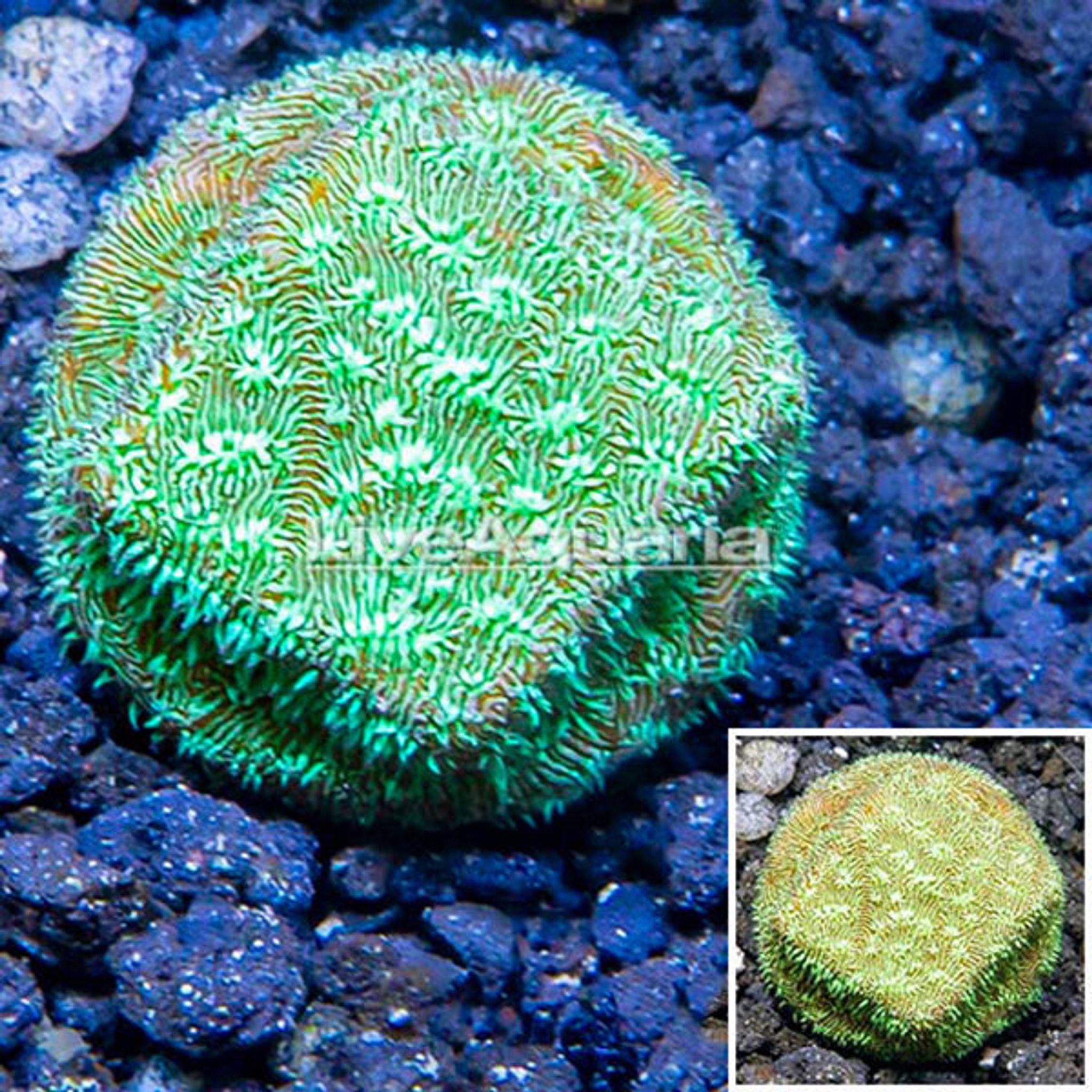

Common Leptoseris Problems: Tissue Loss, Fading, Pests and Recovery
If your Leptoseris is peeling back from the skeleton, losing color, or just sitting there without growing, the cause is almost always one of a handful of well-known triggers. This guide walks through each symptom in order of likelihood, what to test, and what to actually do about it.
Why Leptoseris Is Different From Most SPS
Leptoseris is a plating, foliose scleractinian coral that naturally grows on deep or shaded reef slopes, cave ceilings, and vertical rock faces rather than in bright, high-flow lagoons. That makes it appealing to US reefers as an "SPS-adjacent" option for the shaded and vertical zones in a mixed-light tank where an Acropora would struggle or bleach outright.
Because it evolved for lower light and gentler water movement, most Leptoseris problems trace back to keepers treating it like a typical SPS coral: too much light too fast, flow blasted directly at the plate, or reactive dosing instead of stable chemistry. Understanding that baseline is the key to diagnosing everything below.
Target Parameters at a Glance
Stability matters more than hitting an exact number. The table below reflects the consensus range for this species.
| Parameter | Target Range | Notes |
|---|---|---|
| Temperature | 76–82°F (24–28°C) | Avoid swings of more than 1–2°F per day |
| Salinity | 1.025–1.026 SG | Check with a refractometer, not a hydrometer |
| Alkalinity | 8–9 dKH | Day-to-day swing under 0.5–1 dKH matters more than the exact figure |
| Calcium | 400–450 ppm | Track alongside alkalinity, not in isolation |
| Magnesium | 1250–1400 ppm | Low magnesium destabilizes alkalinity and calcium tests |
| Nitrate | Low but not zero | Undetectable nitrate can stall coloration |
| Phosphate | Under ~0.03 ppm | Higher levels favor algae over coral growth |
| Lighting (PAR) | 50–100, up to 150 for established colonies | Introduce any increase gradually over 2–4 weeks |
Lighting and Placement
Leptoseris does best in low-to-moderate light: roughly 50–100 PAR, with some well-acclimated, already-colorful colonies tolerating up to 150 PAR. New frags should always start at the low end regardless of how the colony looks on arrival.
Good placement options include:
- Lower rockwork and the tank floor's shaded pockets
- Vertical rock faces, since the plate naturally grows outward rather than upward
- Cave ceilings and overhangs shaded from direct fixture output
Any new light or fixture upgrade needs a gradual ramp — start dim and step up over 2–4 weeks. A sudden jump in intensity is the single most common cause of bleaching and fading in this species, more so than almost any other stressor on this list. Reef-capable LED lighting with adjustable intensity makes this ramp far easier to control than a fixed-output fixture.
Flow: Gentle, Never Direct
Leptoseris wants gentle to moderate, indirect flow — enough movement to keep detritus from settling into the folds and ridges of the plate, but not enough to visibly ripple or tear tissue at the growing edge. Aiming a powerhead straight at the coral "to keep it clean" is a common mistake that actually damages the tissue it's meant to protect. Redirect flow so it washes across the plate rather than pounding into it.
Feeding
Leptoseris is primarily photosynthetic, drawing most of its energy from zooxanthellae. Supplemental feeding isn't required, but offering a fine particulate or planktonic food 1–2 times per week can noticeably improve color saturation and encrusting growth, especially in nutrient-poor systems running very low nitrate and phosphate.
Troubleshooting Tissue Loss and Recession
When tissue recedes and exposes bare white skeleton, work through causes in this order, from most to least likely:
- Trapped detritus under the plate or in surface folds
- Chronically low flow underneath the coral, allowing waste to accumulate
- Unstable alkalinity, calcium, or salinity — even brief swings can trigger recession
- Physical contact damage from placement too close to rock or other corals
- Pest irritation from nudibranchs, flatworms, or other small invertebrates
Recovery Steps
- Identify and correct the trigger first — don't skip straight to treatment.
- Turkey-baste the underside and folds weekly to clear trapped detritus.
- Improve flow slightly so waste doesn't resettle.
- Test alkalinity and calcium daily for several days to confirm they've stabilized rather than relying on a single reading.
- Consider a short coral dip, iodine-based or broad-spectrum, only if infection or bacterial involvement is suspected.
Recession that stops spreading after these steps is a good sign the trigger has been addressed. Continued spread means the underlying cause hasn't actually been resolved, and it's worth rechecking flow and chemistry rather than escalating to stronger treatments.
Troubleshooting Fading and Bleaching
Fading and outright bleaching are almost always a light or heat stress response. The usual triggers are:
- Light intensity increased too quickly after an upgrade
- Placement too high or too close to the fixture
- A temperature spike, even a brief one
Fix: relocate the coral to a lower-PAR, shadier spot immediately, and confirm temperature and alkalinity have been stable, not just currently in range. Expect partial color to return over the following weeks as photosynthesis stabilizes. Full pigment recovery depends on zooxanthellae density rebuilding, which can take a month or more — giving up on a faded piece after only a few days is one of the most common avoidable mistakes.
Identifying and Handling Pests
The most frequently reported pest on foliose and plating corals like Leptoseris is a coral-eating nudibranch. Signs include:
- Scalloped or chewed edges along the plate margin
- Damage that appears to progress overnight
- The culprit itself, usually visible only with a flashlight after lights-out, since these nudibranchs are nocturnal
Flatworms and other small parasites are occasionally reported on SPS-adjacent species as well, and coral-eating shrimp or crabs sometimes hitchhike in on new frags.
Response:
- Inspect at night with a flashlight and remove pests manually.
- Dip every new arrival before it goes into the display.
- Quarantine new frags for a minimum of 2–4 weeks before adding them to the main tank.
Skipping quarantine is how nudibranch eggs or juveniles get established in a display before symptoms ever show up.
When Tissue Turns Brown, Jelly, or Slimy
Brown jelly or slimy tissue is usually a secondary bacterial or infection response, most often triggered by prior injury, poor flow, or trapped detritus rather than a primary disease. The instinct to reach for antibiotics or aggressive dips immediately is a common mistake — rule out detritus, flow, and parameter swings first. If the tissue is actively sliming and spreading, isolate the coral, improve flow around the affected area, and consider a short iodine-based dip while you address the underlying trigger.
Growth Stagnation (Not Dying, Just Not Growing)
A Leptoseris that isn't bleaching or losing tissue but also isn't encrusting or spreading is usually dealing with chronic, low-grade stress rather than one obvious problem. Common contributors:
- Alkalinity that's technically "in range" but inconsistent week to week
- Light that's slightly insufficient for the placement
- Long-term, very low-grade nutrient starvation
Rather than making one dramatic change, audit parameter logs from the past several weeks to spot the pattern before adjusting anything.
Reef Chemistry Foundation: Why the Big Three Matter
Calcium, alkalinity, and magnesium are the "big three" foundation parameters every stony coral draws on to build its aragonite skeleton. Unlike nitrate and phosphate, they get consumed continuously by every stony and soft coral plus coralline algae in the tank, so they fall faster than most keepers expect — especially in smaller aquarium volumes compared to the ocean's effective infinite buffer.
That constant depletion is exactly why so many tissue-recession and fading cases trace back to chemistry: a swing in alkalinity or calcium doesn't have to be dramatic to stress a sensitive coral like Leptoseris.
Supporting cast alongside the big three:
- Ammonia should always read undetectable.
- Phosphate should stay low to avoid nuisance algae and stunted coral growth.
- Temperature stability matters as much as the target range itself.
Test the big three at every water change and at least weekly in between — chasing a single bad reading with one large corrective dose, instead of tracking the trend over several days, is a common way keepers accidentally cause the swings they're trying to fix. A dependable water conditioner or additive routine, dosed consistently rather than reactively, goes a long way toward keeping these numbers steady.
How Leptoseris Compares to Other Low-Light Plating Corals
If you already keep other shade-tolerant plating corals, Leptoseris fits into a similar niche but isn't identical:
- Pavona tolerates a slightly wider light range and is generally more forgiving of flow variation.
- Turbinaria can handle brighter placements and is often hardier against minor parameter swings.
- Leptoseris is the most light-sensitive of the three and benefits most from a genuinely shaded, low-flow spot rather than a moderately bright one.
If you're placing a new piece near an existing plating coral collection, start Leptoseris in the dimmest available spot and adjust upward only after it shows healthy encrusting growth.
Shipping and Transport Stress: A Distinct Recovery Scenario
Newly arrived Leptoseris frags face a different set of stressors than established colonies, and fading or mild recession in the first week or two is often shipping-related rather than a tank problem:
- Temperature-acclimate the bag before opening it, matching bag and tank temperature gradually.
- Drip-acclimate over 30–60 minutes to adjust salinity slowly rather than in one dump.
- Give the coral a 1–2 week no-touch observation window in a low-flow, low-light quarantine spot before final placement or handling.
Mild dulling during this window with no active tissue loss is normal adjustment, not a failing coral. You can browse acclimated, quarantine-ready pieces in FishyHub's coral livestock selection when sourcing a new frag.
Tank Age and Stability
A newer reef tank is far more prone to the alkalinity and calcium swings that drive most Leptoseris problems, simply because biological and chemical buffering systems haven't matured yet. If you're troubleshooting recession or fading in a tank under six months old, weigh general system immaturity as a contributing factor alongside any single test result — daily testing for a week will usually reveal more than one isolated reading ever could.
Frequently Asked Questions
How do I tell if my Leptoseris is dying versus just adjusting to a new tank?
Ongoing tissue recession or spreading bare white skeleton is a genuine concern that needs a fix. Mild color dulling for the first 1–2 weeks after acclimation, with no actual tissue loss, is normal and typically resolves on its own.
What PAR/lighting should I run for Leptoseris?
Aim for roughly 50–100 PAR in a shaded or lower-tank position, introduced gradually over 2–4 weeks. Well-established, already-colorful colonies can sometimes handle up to 150 PAR, but new frags should always start low.
Can Leptoseris recover from bleaching?
Yes, provided the stressor — usually light or heat — is removed promptly and core parameters stay stable afterward. Partial color often returns within a few weeks, while full pigment recovery can take a month or more.
What's eating the edges of my Leptoseris at night?
A coral-eating nudibranch is the most likely culprit, recognizable by scalloped, chewed margins. Check with a flashlight after lights-out and remove any you find by hand.
Why does my Leptoseris have brown jelly or slimy tissue?
This is usually a bacterial or infection response secondary to injury, poor flow, or detritus buildup rather than a primary disease. Isolate the coral, improve flow, and consider a short iodine-based dip while addressing the root cause.
Do I need to feed Leptoseris?
Feeding isn't required since the coral is primarily photosynthetic, but offering fine particulate foods 1–2 times weekly can improve color and encrusting growth, particularly in ultra-low-nutrient systems.
What flow is right for a plating coral like this?
Gentle and indirect — enough to keep detritus from settling into the plate's folds, but not enough to visibly ripple or tear the tissue edge. Never aim a powerhead directly at the coral.
How often should I test alkalinity, calcium, and magnesium for a Leptoseris tank?
Test all three at minimum weekly, and always at every water change, since these parameters are the ones most tied to recession and fading in this species.
Whether you're troubleshooting an existing colony or sourcing a healthier replacement frag, FishyHub's LPS hard coral category is a good place to compare plating and foliose options suited to shaded, lower-light placements.


