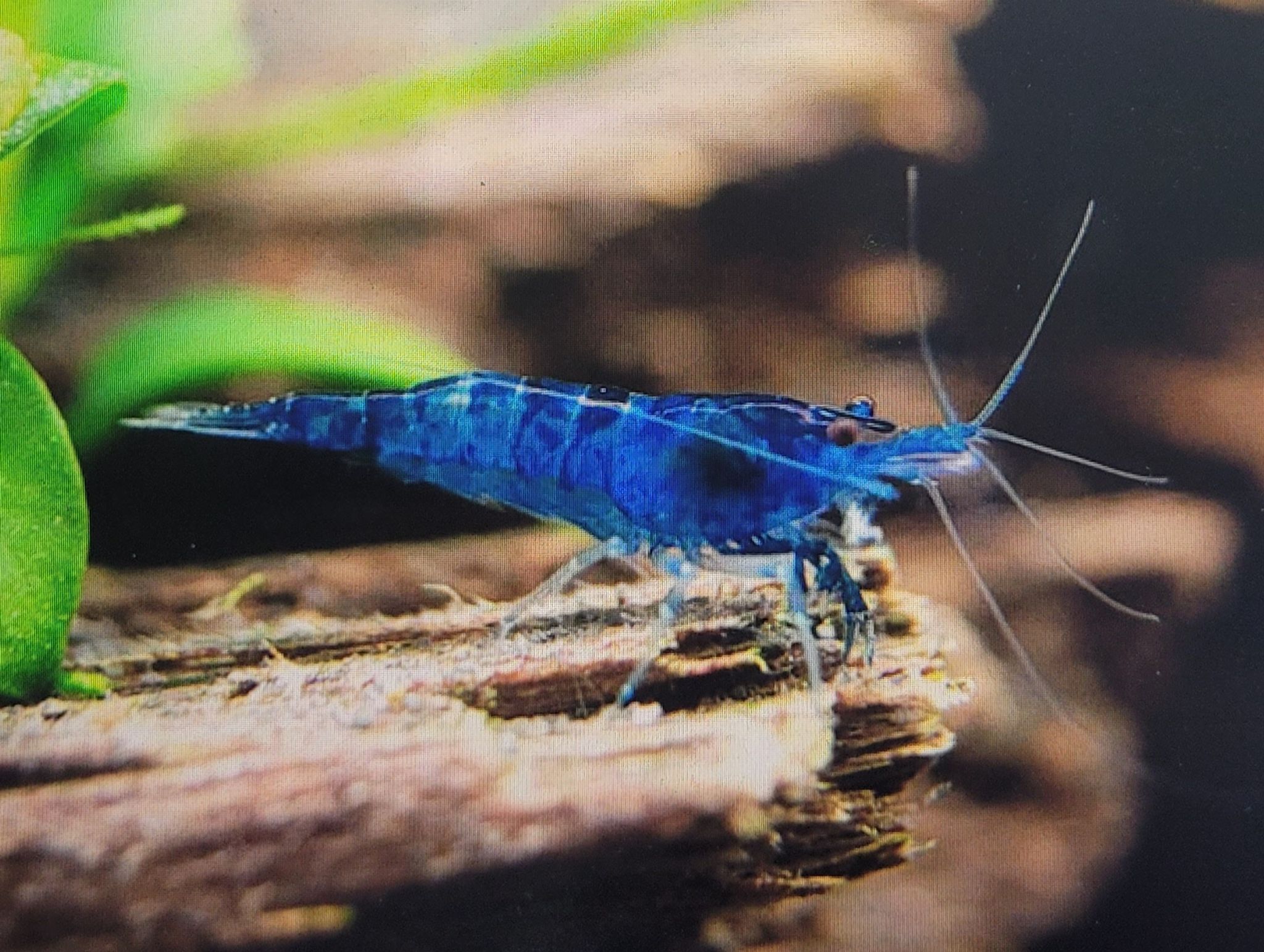
Blue Dream Shrimp Problems: Common Causes of Stress, Death and Poor Growth
Blue Dream shrimp are a hardy color strain of Neocaridina davidi, but "hardy" only means tolerant of stable conditions — not immune to sudden change. If yours are dying one by one, stuck mid-molt, or simply not growing or breeding, the cause almost always falls into one of a handful of categories: water chemistry, acclimation, molting stress, predation, or disease. This guide walks through them in the order most keepers should check.
Start With a Diagnostic Path, Not a Symptom List
Before troubleshooting individual symptoms, separate the problem into one of two tracks, because the fixes are different:
- Acute mass die-off — several shrimp dead within a day or two. Suspect ammonia, copper, or a chemical/TDS shock.
- Chronic poor growth or slow decline — shrimp survive but don't grow, color, or breed well over weeks. Suspect diet, mineral instability, low-grade predation, or overcrowding.
A quick sequence to follow for either track:
- Test ammonia and nitrite first, always.
- Review anything that changed in the last 48 hours (water change size, new fertilizer, new fish, cleaning routine).
- Inspect shrimp for stuck shells, discoloration, or filaments on the legs.
- Check for tankmates that could be eating shrimp or shrimplets.
- Review feeding amount and maintenance habits over the past few weeks.
Water Parameters: The Foundation
Blue Dream shrimp tolerate a fairly wide range, but stability matters more than hitting an exact number.
| Parameter | Acceptable range | Notes |
|---|---|---|
| Temperature | 65–78°F (18–26°C) | Mid-70s is ideal; above 82°F (28°C) stresses and can kill; below 60°F (16°C) slows metabolism and molting |
| pH | 6.5–8.0 | Around 7 is comfortable for most; above ~7.5 sharply raises ammonia toxicity |
| GH | 4–8 | Needed for shell/mineral development |
| KH | 3–10 dKH | Buffers pH swings |
| Ammonia | 0 ppm | The single biggest killer of shrimp |
| Nitrite | 0 ppm | Toxic at any detectable level |
| Nitrate | Under 20 ppm | Keep it low with regular, small water changes |
Sources disagree on whether a trace of ammonia (around 0.05 ppm) is briefly tolerable. For planning purposes, treat 0 ppm as the only real target — but understand that a short blip during cycling isn't automatically fatal. What matters is duration, and whether that ammonia coincides with high pH or high temperature.
Why Ammonia Is So Dangerous
Ammonia comes from shrimp waste, uneaten food, decaying plant matter, an incomplete nitrogen cycle, or medication overdose. Unlike fish, shrimp don't show gill or eye damage from ammonia exposure — instead you'll see:
- Frantic, erratic swimming, followed by lethargy
- Loss of appetite
- Inability to grip glass, plants, or decor
- Fading or dulling color
The toxic form of ammonia (un-ionized NH3) increases sharply with both higher pH and higher temperature. That means the exact same ammonia test reading is far more dangerous in a warm, alkaline tank than in a cooler, slightly acidic one. Keepers with hard, high-pH tap water need to be especially vigilant about testing ammonia, since their water chemistry amplifies its toxicity.
New and Nano Tanks Are Higher Risk
Small tanks (especially under 10 gallons/38 L) are more prone to fast swings because there's less water to buffer any change:
- Evaporation concentrates minerals and total dissolved solids (TDS) quickly.
- A single dead shrimp or snail can crash water quality within a day.
- Temperature swings happen faster in a small volume, especially near a window, heating vent, or AC draft.
Nano tanks aren't off-limits, but they demand more frequent testing and tighter maintenance. Beginners are usually better served starting with a 10–20 gallon (38–75 L) tank rather than anything under 5 gallons — more stable, more forgiving of small mistakes. Test ammonia every few days during the first month of a new setup.
Acclimation: The Step Keepers Rush
Shrimp are considerably more sensitive to sudden shifts in TDS and pH than most fish. The standard fish approach of floating the bag and dumping shrimp in — even after a quick temperature float — is a common cause of shock deaths in the first 24–48 hours after arrival.
Drip acclimation over 1–2 hours or more is the safer method: a slow line drips tank water into a container holding the shrimp and their transport water, gradually equalizing parameters instead of shocking them all at once. If you're stocking a new tank, browse the freshwater shrimp selection and plan for a slow acclimation before shrimp ever touch the display tank.
Copper: A Silent Killer
Copper is lethal to shrimp even in trace amounts that fish tolerate without issue. Before dosing anything, check:
- Tap water (some municipal supplies and old copper plumbing contribute trace copper)
- Plant fertilizers, many of which include copper as a micronutrient
- Medications — some fish treatments contain copper compounds
When treating a shrimp tank, always confirm a product is invertebrate-safe first.
Molting Problems
A shrimp that dies with no obvious wound or disease is often a molting casualty, not a mystery illness. Common failure patterns:
- Stuck in the old shell — the shrimp can't fully back out
- White ring of death — a pale band forms around the body during a failed molt, usually fatal
- Soft or discolored new shell — the shrimp molts but the new exoskeleton doesn't harden properly
These almost always trace back to unstable GH/KH, a calcium or mineral deficiency, or a rapid TDS swing from an oversized water change. Keep water changes small — 10–15% at a time — and match the temperature and parameters of the new water to the tank as closely as possible. Save large corrective water changes for emergencies, not routine maintenance.
Overstocking and Bioload
Shrimp are frequently kept at high densities, but that only works with strong biofiltration and frequent maintenance. New keepers should stock conservatively and add shrimp gradually as the tank matures, rather than filling a brand-new setup all at once. A well-established sponge filter or other gentle biological filter, browsed in the filters category, supports a larger population than a small tank's bare cycle can handle on its own.
Predation: The Most Overlooked Cause
Many "mystery deaths" and cases of poor population growth are simply fish eating shrimp or shrimplets. Most fish — even ones commonly labeled "shrimp-safe" — will eat baby shrimp given the opportunity; only the smallest, most peaceful species and truly passive tankmates (like nerite or mystery snails and other peaceful shrimp) are genuinely safe companions. If your adult shrimp look fine but the population never grows, predation on shrimplets is a more likely explanation than water quality.
Disease: Green Fungus-Like Parasite
Beyond ammonia, a parasitic alga (often mistaken for a true fungus) is a real threat. It typically shows up on the underside of the shrimp and the swimming legs (pleopods) as pale filaments that progress to green or yellow-green growths. It inhibits movement and feeding and is fatal if left untreated — and it's easy to misdiagnose as poor water quality since the shrimp simply stops eating and moving normally.
Treatment options include:
- Malachite-green-based products (invertebrate-safe formulations only)
- Careful, low-dose hydrogen peroxide treatment
- Tannin-rich water from Indian almond leaf or alder cone soaks over several weeks
- Salt dips for mild, early cases
Prevention beats treatment: quarantine new shrimp for 2–4 weeks before adding them to an established colony, and keep up with regular substrate cleaning. Check the medication options for invertebrate-appropriate treatments before dosing anything.
Shrimp Survival Checklist
A short list to prevent problems before they start:
- Feed a varied, moderate diet — overfeeding is a leading cause of ammonia spikes, especially in small tanks
- Run gentle filtration (sponge filters) and guard fine intake tubes so shrimplets aren't pulled in
- Maintain a stable, planted substrate rather than bare glass
- Avoid chemical shocks — no soap or bleach residue on tanks or equipment, ever
- Rinse used tanks and gear with hot water and vinegar instead of detergents
- Quarantine new plants and livestock before adding them to an established tank
- Keep the tank away from windows, heat vents, and AC drafts
Freshwater Shrimp Species Overview
Blue Dream is one color morph of Neocaridina davidi, the same species as Cherry Shrimp. Other Neocaridina colors (Yellow, Orange, Rili, Blue Velvet) share this same relative hardiness. Stricter Caridina species — Crystal Red, Bumble Bee, and similar — demand tighter, more stable parameters and are generally considered less forgiving. Ghost shrimp and Amano shrimp are different genera again, each with their own tolerances. The troubleshooting in this guide applies broadly across Neocaridina colors, Blue Dream included.
Crossbreeding and Color Purity
Blue Dream, Cherry, Yellow, and other Neocaridina color strains are the same species and will interbreed freely. Mixing colors in one tank usually produces "wild type" or muddy-colored offspring over a few generations. This isn't a health problem — it's purely a color-purity issue. Keepers who want to maintain a pure Blue Dream line should keep separate colonies rather than mixing color morphs together.
Saving Eggs From a Dead or Molted-Out Berried Female
If a berried (egg-carrying) female dies, or sheds her shell while still carrying eggs, those eggs won't survive without intervention. In some cases the eggs can be manually removed and placed in a DIY egg tumbler, where gentle airflow keeps them oxygenated and rotating. Hatching this way typically takes roughly 3–5 weeks. It's a fiddly process with no guarantee, but it's the only option once the eggs are detached from a female.
Worms in the Tank
Not every worm is a pest:
- Detritus worms — small, thread-like, feed on waste; cosmetic nuisance only
- Planaria — flatworms that prey on shrimp eggs and molting or weak shrimp; a genuine breeding threat
- Bloodworms — a food item, not a pest, unless they're accidentally introduced live
Control is mainly mechanical: vacuum the substrate, reduce feeding, and trap or manually remove planaria. Use chemical dewormers cautiously, since many contain copper or other ingredients toxic to shrimp.
Frequently Asked Questions
What's the very first thing to check when Blue Dream shrimp start dying?
Test ammonia and nitrite immediately. Sudden die-offs are most often caused by an ammonia spike or an uncycled or recently crashed tank, and both are quick to rule in or out with a test kit.
Can Blue Dream shrimp handle a wide temperature range?
They're reasonably hardy across roughly 65–78°F (18–26°C), but sudden swings cause more stress than the absolute number does. Keep changes gradual and avoid extremes above about 82°F (28°C).
Why do my shrimp die after a water change?
It's usually a change that was too large, causing a rapid TDS or pH shift — especially dangerous if a shrimp is mid-molt. Keep changes to 10–15% and match temperature and parameters as closely as possible.
Is it normal to find dead shrimp with no visible cause?
Often it's a failed molt — a stuck shell or "white ring of death" — caused by mineral or GH/KH instability, rather than a visible disease. Predation by tankmates is another common explanation with no obvious sign left behind.
Can I keep Blue Dream shrimp with fish?
Only with genuinely peaceful, small species. Most fish, even ones marketed as "shrimp-safe," will eat shrimplets, which shows up as chronic poor population growth rather than obvious adult deaths.
What is the green fuzzy stuff on my shrimp's legs?
It's likely a parasitic alga, often mislabeled a fungus, that impairs movement and feeding and is fatal if untreated. It needs quarantine and a targeted treatment, not just a water change.
Do I need to acclimate shrimp differently than fish?
Yes. Shrimp are far more sensitive to sudden TDS and pH shifts, so slow drip acclimation over an hour or more is safer than the standard bag-floating method used for fish.
Can different color Neocaridina shrimp, like Blue Dream and Cherry, breed together?
Yes — they're the same species and will crossbreed, producing duller or mixed-color offspring over generations. It's not a health issue, just a concern for keepers who want to maintain pure color lines.
Most Blue Dream shrimp problems come down to a small number of root causes: unstable water chemistry, rushed acclimation, oversized water changes, or an overlooked predator. Work through the checks in this guide in order, and browse FishyHub's shrimp category when you're ready to restock or start a new colony.


