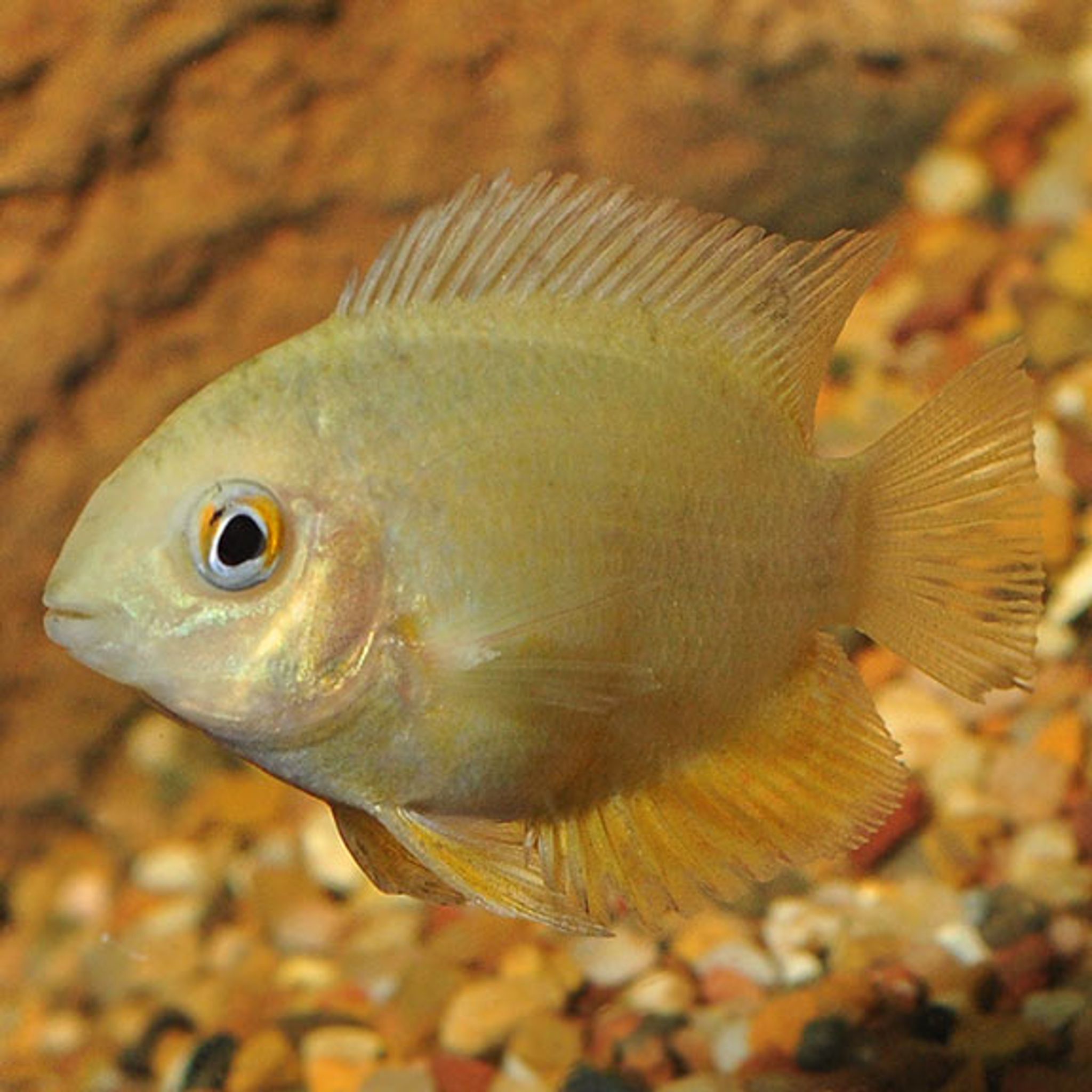
Best Tank Mates for Severum: Compatible Fish and Species to Avoid
The best tank mates for a severum are medium-to-large, peaceful or semi-aggressive fish that like the same warm, soft water. Good choices include angelfish, electric blue acaras, eartheaters, silver dollars, larger rainbowfish, pearl gouramis and bristlenose plecos. Skip anything small enough to swallow, any real bully, and hard-water fish such as African rift-lake cichlids. Below you'll find the rules we use to pick companions, a compatibility table, and sample stocking lists for 55, 75 and 125 gallon tanks.
Severum Basics: Why Tank Mate Choice Matters
The severum is a South American cichlid. The common species is Heros severus, and close relatives such as the red-shoulder severum (H. efasciatus) are sold under the same name. Gold, turquoise and rotkeil severums are line-bred color forms, and they behave just like wild-type fish. Red-shoulder types may be a little more robust.
- Adult size: usually 8–10 in (20–25 cm). Some profiles give about 7.5 in (19 cm).
- Lifespan: often 10 years or more, so you're planning a community that has to last a decade.
- Temperament: among the calmer cichlids of its size, usually rated peaceful to semi-aggressive. That changes when a pair spawns. A pair guarding eggs or fry can get sharply aggressive and may claim half the tank.
- Diet: an omnivore that will eat any fish, shrimp or snail small enough to fit in its mouth.
The Four Rules for Choosing Severum Tank Mates
Every fish on our list passes all four of these checks.
- Size: nothing under about 4 in (10 cm) as an adult. A juvenile severum may look harmless beside neon tetras, but it will eat them once it's grown.
- Temperament: no heavy hitters. A highly aggressive cichlid stresses a severum just as much as a severum stresses a tetra. Look for fish in the peaceful to semi-aggressive range.
- Water chemistry: warm and soft to neutral. Severums do best at 75–84°F (24–29°C), pH about 6.0–7.5, and softer water (roughly 4–15 dGH). Water overlap matters as much as temperament. Denison barbs prefer cooler water, and uaru want it warmer, so each only fits one end of the severum's range.
- Tank volume: plan for adult sizes. 55 gallons (208 L) is the minimum for one adult, 75 gallons (284 L) or more for a pair or a community, and 100–125 gallons (379–473 L) or more for several adult severums or large cichlid companions.
Where sources disagree on pH and tank size: you'll see pH ranges from 6.0–6.5 up to 7.5. For a mixed community, keep pH stable between 6.5 and 7.2, which suits almost every fish below. Some guides give 45 gallons as the minimum for a single severum. We recommend a 55 gallon, 48 in (122 cm) long tank, because the extra footprint gives an adult room to turn and patrol.
Best Tank Mates for Severum
Other New World Cichlids
Cichlids from Central and South America match the severum best on water and temperament.
- Angelfish: a classic pairing from similar waters. Use a tall, large tank and add them at similar sizes.
- Electric blue acara: one of the best temperament matches, since it's calm, sturdy and about the right size.
- Geophagus (eartheaters): peaceful sand-sifters. They need a sand substrate.
- Uaru: a good match on temperament, but they want warmer water (82–86°F / 28–30°C) and a very large tank. Keep the heater at the top of the severum's range.
- Keyhole and chocolate cichlids: mellow, medium-sized South Americans.
- Blood parrot: a hybrid with a small mouth and similar body size, so it rarely starts trouble.
- Oscar: possible in 125 gallons (473 L) or more if both fish are a similar size when introduced. How well it works depends on the individual fish, and the oscar may end up dominant.
- Other severums: only if raised together from juveniles, a bonded pair, or in a very large tank.
You can browse suitable species in FishyHub's American cichlids section.
Dither and Schooling Fish
Dither fish are active schoolers that swim in the open. They make a severum feel safer and more likely to come out, and they spread out any aggression.
- Silver dollars: keep them in groups of 5 or more, in 75 gallons or more. They're one of the best dithers you can pick.
- Larger rainbowfish: hardy, colorful, and fast enough to stay out of trouble. See the rainbowfish selection.
- Giant danios and Congo tetras: big enough and quick enough to live alongside a severum.
- Black skirt tetras: borderline. They're thick-bodied but small, so only add them if your severum is mellow.
- Denison barbs: fine in size, but they prefer cooler water, so the two species only overlap at the low end of the severum's range.
Larger Gouramis
- Pearl and blue (three-spot) gouramis: peaceful and a good size for a severum community.
- Moonlight and kissing gouramis: workable, but both grow large and can get pushy, so keep an eye on them.
Bottom Dwellers
- Bristlenose and other medium plecos: they clean up algae and get along with almost everything.
- Hoplo catfish: armored, sturdy, and not bothered by cichlids.
- Larger or bronze Corydoras: borderline. Keep a proper group and watch that they aren't picked on.
- Clown loaches: only in a big tank with a large group, since they need both.
Tank Mate Compatibility at a Glance
| Species | Verdict | Minimum tank | Key condition |
|---|---|---|---|
| Electric blue acara | Excellent | 75 gal (284 L) | Add with plenty of cover |
| Angelfish | Good | 75 gal (284 L) | Add at similar size; avoid fin nippers |
| Geophagus | Good | 75 gal (284 L) | Sand substrate |
| Silver dollars (5+) | Excellent | 75 gal (284 L) | School of 5 or more |
| Pearl gourami | Good | 55 gal (208 L) | Floating cover |
| Bristlenose pleco | Excellent | 55 gal (208 L) | Its own cave and driftwood |
| Uaru | Good with caveats | 125 gal (473 L) | Warm water, 82–86°F (28–30°C) |
| Oscar | Risky | 125 gal (473 L) | Similar size at introduction |
| Convict / salvini cichlid | Risky | 75–100 gal (284–379 L) | Caves; never a spawning convict pair in a modest tank |
| Tiger barbs | Risky | 75 gal (284 L) | Groups of 8 or more; no long-finned mates |
| Bolivian ram, kribensis, small corys | Risky | Large tank only | Only with a mellow severum |
| Neon tetras, shrimp, snails | Avoid | — | They get eaten |
| African rift-lake cichlids | Avoid | — | Hard, alkaline water and heavy aggression |
Species That Split Opinion
- Convict and salvini cichlids: some lists include them, while others warn about their breeding aggression. Only consider them in 75–100 gallons or more with plenty of caves, and never keep a spawning convict pair in a modest tank.
- Tiger barbs: the size is fine, but they nip fins, and long-finned angelfish and gouramis are the usual targets. Keep them in groups of 8 or more, which spreads out the nipping, and don't mix them with long-finned fish.
- Bolivian rams, kribensis and small corys: some keepers say they're fine, but a full-grown severum may bully or eat them. Skip them unless the tank is large and your severum is calm.
- African butterflyfish and red-tail sharks: they show up on some lists, but they're a low priority. Butterflyfish may get picked at, and red-tail sharks defend territory against other bottom fish.
Fish to Avoid With Severums
- Nano fish: neon tetras, small rasboras, guppies and anything else under about 4 in (10 cm).
- Shrimp and snails: they'll become snacks.
- African rift-lake cichlids: they need hard, alkaline water and are far more aggressive.
- Highly aggressive large cichlids: anything that will harass a calm severum constantly.
Sample Stocking Plans by Tank Size
| Tank | Sample stocking list |
|---|---|
| 55 gal (208 L), 48 in long | 1 severum, 5 larger rainbowfish or giant danios, 1 bristlenose pleco, 1 pearl gourami |
| 75 gal (284 L) | 1 severum, 6 silver dollars, 1 bristlenose pleco, plus either a pair of pearl gouramis or 1 electric blue acara |
| 125 gal (473 L) | A severum pair or 2 raised together, 1 electric blue acara or a small Geophagus group, 7–8 silver dollars, a school of Congo tetras, 1–2 bristlenose plecos, a group of hoplo catfish |
Introduction order: add dithers and bottom fish first so they settle in before any cichlid does. Then add the severum last, or add all the cichlids together. If you're adding a new cichlid to a tank where a severum is already established, rearrange the decor on the same day so no one keeps an existing territory.
Setting Up a Peaceful Severum Community
- Break up sightlines with driftwood, rock caves and other visual barriers. Give each bottom fish its own cave.
- Plants: severums graze soft plants. Use tough species such as anubias, Java fern and bolbitis, or floating plants.
- Filtration and bioload: a tank full of large fish produces a lot of waste. Aim for roughly 5–10× turnover of the tank volume per hour, and do weekly 25–30% water changes.
- Feeding: give a mixed diet of quality pellets with plant content, blanched vegetables and occasional frozen foods. Make sure slow eaters such as plecos and hoplos get food too, for example by dropping sinking wafers after lights-out.
- Quarantine: keep every new fish in a separate tank for 2–4 weeks before it joins the display.
- Backup plan: keep a spare tank or a tank divider on hand before a pair starts spawning.
For bottom-dweller options, the plecos range covers bristlenose and other medium-sized species.
Common Mistakes and Troubleshooting
- Buying juvenile severums with small community fish. The severum outgrows them, often within a year.
- Mixing with African rift-lake cichlids. Their water and temperament needs are very different.
- Two severums in a 55 gallon. This often ends in constant fighting. Plan on 75–100 gallons or more for two.
- Ignoring a spawning pair. If they claim half the tank, add barriers, move the other fish, or rehome the pair.
- Adding a new cichlid into an established territory without rearranging the decor first.
- Missing the warning signs: clamped or torn fins, constant hiding, a fish holding in a top corner, or missing scales. Act quickly and separate the fish with a divider.
How to Save a Sick or Dying Cichlid
Bullying stress from a bad tank mate is one of the most common triggers for illness, so the first step is often to remove the aggressor.
- Isolate the sick fish in a cycled hospital tank set to the same temperature.
- Test the water for ammonia, nitrite and nitrate, and do water changes to fix any problems.
- Correct the diet. High-fiber foods such as blanched vegetables help with constipation and bloat.
- Watch the symptoms and treat the specific cause rather than dosing medications blindly.
- Consult an aquatic veterinarian if treatment isn't helping.
Frequently Asked Questions
Can severums live with angelfish?
Usually, yes. Both come from similar South American waters and like the same warm, soft conditions. Use a large tank, add them at similar sizes, and keep fin nippers out.
Can a severum live with an oscar?
Sometimes, in a tank of 125 gallons (473 L) or more. Introduce them at similar sizes and watch closely, because the oscar may become dominant. The outcome depends a lot on each fish's personality.
Will severums eat neon tetras?
Yes. A grown severum will eat neons and any other nano fish, so leave all small species out of a severum tank. The same goes for shrimp and snails.
Can I keep two severums together?
Yes, if they're a bonded pair or were raised together from juveniles. Plan on 75–100 gallons (284–379 L) or more, add plenty of visual barriers, and have a divider ready in case they spawn.
Can severums live with African cichlids?
No. Rift-lake Africans need hard, alkaline water and are much more aggressive, so neither species would be comfortable. Stick with New World companions.
Do severums need dither fish?
They aren't required, but they help. A school of silver dollars or rainbowfish makes a severum less shy and spreads out any aggression.
Building Your Severum Community
Pick companions that are at least 4 in (10 cm) long as adults, calm, and happy in warm, soft water, and then give everyone enough room, cover and filtration. You can browse angelfish, acaras and other compatible species in FishyHub's Angelfish, Discus, Rams & Cichlids category.

