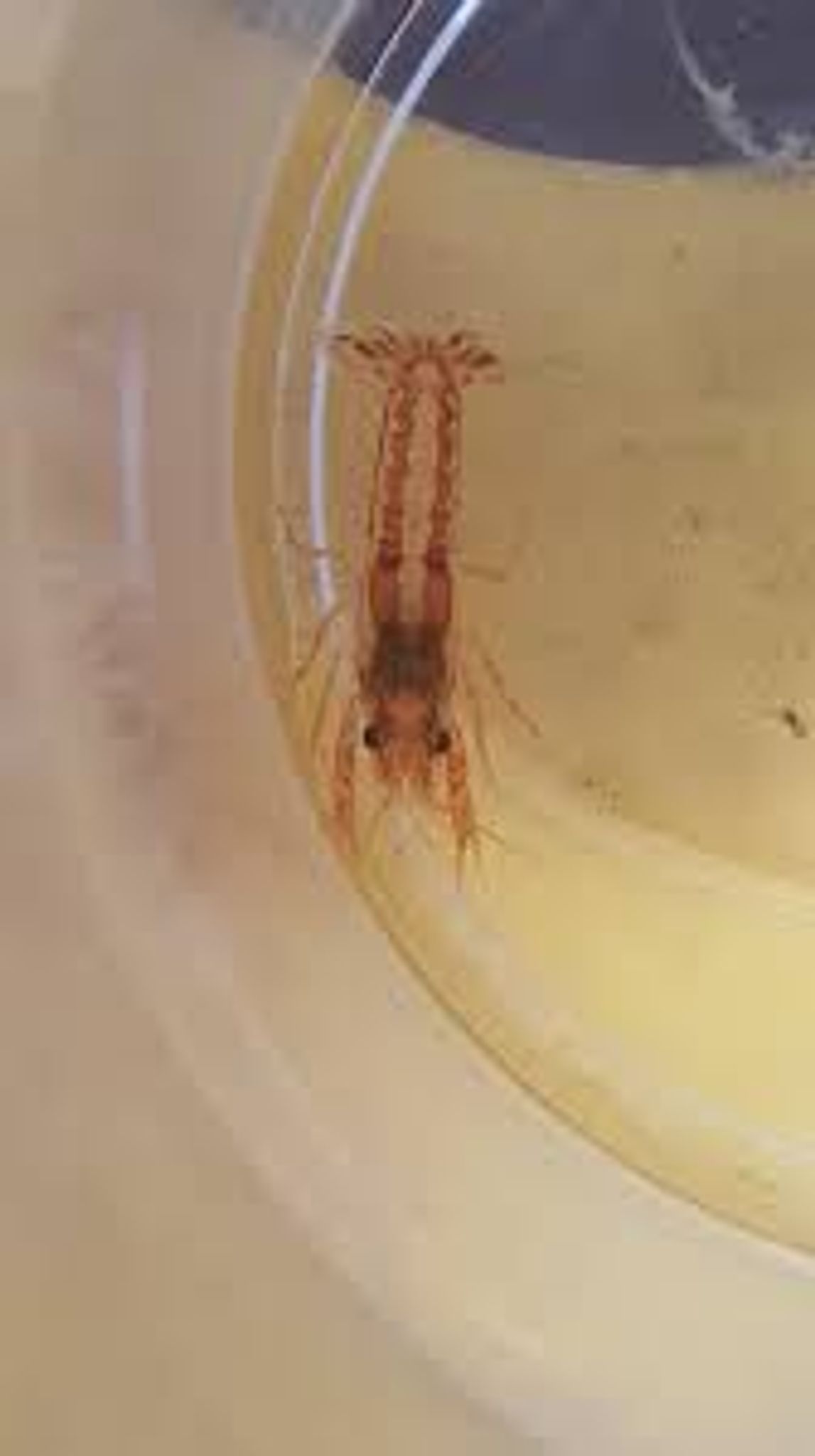

Best Tank Mates for Electric Blue Crayfish: Safe Fish and Invertebrate Companions
Electric blue crayfish (Procambarus alleni) are opportunistic predators first and community-tank residents second, so the honest answer is that a species-only tank is always the safest choice. If you still want to try tankmates, only a narrow group of fast, upper-water-column fish give you reasonable odds, and this guide lays out exactly which ones, why bottom-dwellers and invertebrates fail, and how to stack the deck in your favor.
Why "Peaceful" Doesn't Mean Safe
Crayfish are not aggressive in the way a cichlid is aggressive. They're opportunistic scavengers that eat whatever they can catch, including their own molted exoskeleton, dead or dying fish, and healthy tankmates when they're hungry or feeling defensive. A fish's temperament toward other fish is irrelevant here — what matters is speed and where it spends its time in the water column.
This is the single most common mistake hobbyists make: assuming that calm, non-aggressive species like neon tetras or corydoras are safe because they're "peaceful." Peacefulness has nothing to do with it. A slow-moving or bottom-hugging fish will eventually end up within claw range, and the crayfish will treat it as food.
Baseline Setup Before You Consider Any Tankmate
Regardless of whether you add companions, an electric blue crayfish needs the same foundation:
- Tank size: 20-30 gallons (75-115 L) minimum for a solo crayfish; 40-55+ gallons (150-210+ L) if you plan to add fish. A long, shallow footprint is better than a tall one — it gives fish more room to outrun the crayfish and more sightlines to spot it coming.
- Water parameters: temperature 65-75°F (68-75°F/20-24°C ideal), pH 6.5-7.5 (near neutral), moderate hardness around 3-10 dKH.
- Filtration: crayfish are heavy waste producers, so strong biological filtration and regular water changes are non-negotiable.
- Hiding spots: multiple caves, PVC pipe sections, or dense hardscape — at least one hide per crayfish, more if you're adding tankmates.
Sources disagree somewhat on the minimum size for adding fish, with ranges anywhere from 30 to 55 gallons. A sensible middle ground: treat 30 gallons as the crayfish-only minimum, and don't add any fish until you're in the 40-55+ gallon range, since more space and better sightlines reduce how often a fish and crayfish cross paths.
Fish That Give You the Best Odds
If you decide to try tankmates, the rule is simple: speed and water-column position matter more than anything else. Only fast swimmers that stay in the upper-to-mid water column stand a reasonable chance.
| Fish | Water column | Why it can work |
|---|---|---|
| Zebra danios and other danios | Top/mid | Fast, constantly active, rarely linger near the bottom |
| White Cloud Mountain minnows | Top/mid | Quick, cold-tolerant, small enough to dart away |
| Short-finned livebearers (guppies, platies, swordtails, mollies) | Mid | Agile and quick, but avoid fancy long-finned strains |
| Rasboras and pencilfish | Mid | Fast schooling fish that stay well off the substrate |
| Rainbowfish | Mid/top | Quick swimmers, generally too alert to get cornered |
| Silver dollars | Mid | Large and fast enough that a crayfish can't realistically catch them |
| Hatchetfish | Surface only | Stay at the very top, but need a tight-fitting lid since they jump |
| Comet or shubunkin goldfish | Mid/top | Single-tail, fast-swimming varieties in unheated setups only |
None of these are a guarantee. Every one of these pairings is best described as "a workable option with reasonable odds," not a promise. Individual crayfish personalities vary, and a hungry or freshly molted crayfish can still turn on a tankmate that had coexisted peacefully for months.
You can browse small community fishes like danios, rasboras, and platies if you're planning a compatible fast-swimming group.
A Middle-Ground Option: Otocinclus
Otocinclus catfish are small, fast, and mostly stick to glass and hardscape rather than open substrate, which puts them in a gray area. They're not a flat "yes," but they're also not as doomed as a slow corydoras. If you try them, treat it as a calculated risk and watch closely, especially in the first weeks.
Species to Avoid
The following categories fail consistently and shouldn't be added regardless of how the crayfish "seems":
- Bottom-dwellers and slow swimmers: corydoras, loaches, plecos — anything that spends time on the substrate is in the crayfish's hunting zone.
- Long-finned or slow fish: bettas, fancy guppies, fancy goldfish — trailing fins are an invitation, and slow movement seals the deal.
- Cichlids: small cichlids get eaten; larger, more aggressive cichlids can injure or kill a crayfish, especially right after a molt when its shell is soft.
- Nippy or curious fish: tiger barbs and similar species provoke defensive attacks by pestering the crayfish.
- Red tail and rainbow sharks: these are bottom-territorial fish, and their turf overlaps directly with the crayfish's — treat this pairing as a coin-flip at best, not a recommendation.
Never Add Invertebrates or Amphibians
This is worth stating plainly: shrimp and snails of any kind should never be added as tankmates. They are default prey — too slow and too defenseless to escape a crayfish, no matter what marketing language calls a shrimp "crayfish-safe." Adding shrimp or snails as a so-called cleanup crew is one of the most common mistakes hobbyists make; the shrimp or snails simply become food. If you want algae control, a fast upper-column fish is a better (though still imperfect) option, or manual cleaning.
Dwarf and African clawed frogs are also unsafe. Their skin is thin and easily damaged, and a weakened or injured frog will be eaten.
Can Two Crayfish Live Together?
No — not in a typical home aquarium. Keeping two electric blue crayfish together, or any two crayfish of any species, is a common mistake that leads to territorial fights, and one animal is often injured or killed, especially right after a molt when its shell is soft and it can't defend itself. If you attempt this at all, 40+ gallons with heavily divided territory and multiple separate hides is the bare minimum, and even then results are inconsistent — plenty of attempts still end badly.
Molting: The Highest-Risk Window
A freshly molted crayfish is soft-bodied, defenseless, and an easy target for anything sharing the tank — including other crayfish. This is one of the most commonly reported problems among owners: losing a fish, or losing the crayfish itself, right after a molt.
To reduce risk:
- Provide abundant hiding spots — caves, PVC pipe, dense decor — so the crayfish can retreat and stay hidden while its new shell hardens.
- Consider temporarily blocking tankmates' access to the molting area if you notice signs a molt is imminent (reduced activity, a duller shell color).
- Never remove the old exoskeleton — the crayfish eats it to recover calcium.
Feeding Strategy to Reduce Predation
Crayfish are naturally most active at night. Feeding directly and during lights-out plays to that instinct and reduces how often the crayfish goes hunting for tankmates during the day. Combine this with a varied diet — a sinking pellet, occasional protein, and a gel food — so the crayfish isn't hunting out of hunger. You can find crayfish-appropriate foods in the freeze-dried food selection.
What About Live Plants?
Crayfish are highly destructive diggers and clippers, and a delicate planted aquascape rarely survives one for long. If you want any greenery:
- Use hardy plants like java fern or anubias, tied to driftwood or rock rather than planted in substrate.
- Add floating plants or dense surface cover — this also gives upper-column fish extra refuge and shadow to hide in, complementing the "stay off the bottom" survival strategy.
- Otherwise, accept a mostly hardscape-dominant layout with rockwork and wood instead of a substrate-planted design.
Marmorkrebs (Marbled Crayfish): A Related Caution
Readers researching crayfish tankmates broadly often come across marmorkrebs, or marbled crayfish, as an alternative. A few things are worth knowing before considering one:
- Marmorkrebs are all-female and parthenogenetic, meaning a single individual can self-clone and produce enormous numbers of offspring without a mate.
- They share the same predatory, destructive temperament as electric blue crayfish, so the same guidance applies: species-only tanks are safest, and the same incompatible list (snails, bottom-dwelling fish, long-finned fish, shrimp) holds true.
- Because of their explosive reproductive potential, marmorkrebs are banned or restricted in some US states as an invasive-species risk. Check your state's regulations before acquiring one, and never release any crayfish into local waterways.
Practical Notes for US Buyers
Some states also place restrictions on Procambarus species generally, not just marmorkrebs, so it's worth a quick check of your state's fish and wildlife regulations before purchasing any crayfish. It's also worth thinking about sex when planning behavior: males of most crayfish species tend to run more territorial and aggressive than females, which can factor into how risky a tankmate attempt turns out to be.
If you do add fish, a few introduction habits reduce risk:
- Rearrange decor before introducing new fish so the crayfish doesn't treat the whole layout as already-claimed territory.
- Where possible, add fish to the tank before the crayfish, or at least give new fish time to learn the layout with fewer obstacles in their way.
- Quarantine new fish before adding them, to avoid introducing disease or parasites into an established crayfish tank.
- Watch closely for the first 48 hours after any new introduction, since that's when problems tend to surface fastest.
Frequently Asked Questions
Can electric blue crayfish live with shrimp?
No. Shrimp are prey to crayfish, and claims about "crayfish-safe" shrimp species are inconsistent across sources. It's not recommended under any circumstances.
What is the best fish to keep with an electric blue crayfish?
Fast, mid-to-top swimmers like zebra danios or White Cloud Mountain minnows give the best odds of coexistence. Nothing is guaranteed safe, so treat any pairing as an experiment rather than a certainty.
Can two electric blue crayfish live together?
Generally not recommended in a typical home tank. Territorial fights and cannibalism, especially right after a molt, are common outcomes even in larger setups.
Do electric blue crayfish eat snails?
Yes. Snails are commonly eaten and should not be added as tankmates or as a cleanup crew.
What size tank do I need for a crayfish with tankmates?
Aim for at least 40-55 gallons (150-210+ L), with a longer, shallower footprint preferred over a tall tank. A solo crayfish can be kept in 20-30 gallons (75-115 L).
Can electric blue crayfish live in a planted tank?
Not reliably. They dig, clip, and uproot plants, so a delicate aquascape usually doesn't survive. Use hardy plants anchored to hardscape, such as java fern or anubias tied to wood or rock, or plan for a hardscape-dominant layout instead.
Is a marbled crayfish (marmorkrebs) a good alternative for a community tank?
No. Marmorkrebs show the same predatory and destructive behavior as electric blue crayfish, and they carry additional legal restrictions in some US states due to their self-cloning reproduction and invasive-species risk.
Why did my crayfish suddenly attack a fish it ignored before?
This is often tied to molting, since vulnerability makes a crayfish more defensive, or simple hunger. Make sure feeding is consistent and hiding spots are plentiful to reduce sudden aggression.
If you're setting up a species-only crayfish tank or building out a compatible fast-swimming community, browse freshwater livestock on FishyHub to compare options that fit your tank size and setup.


