

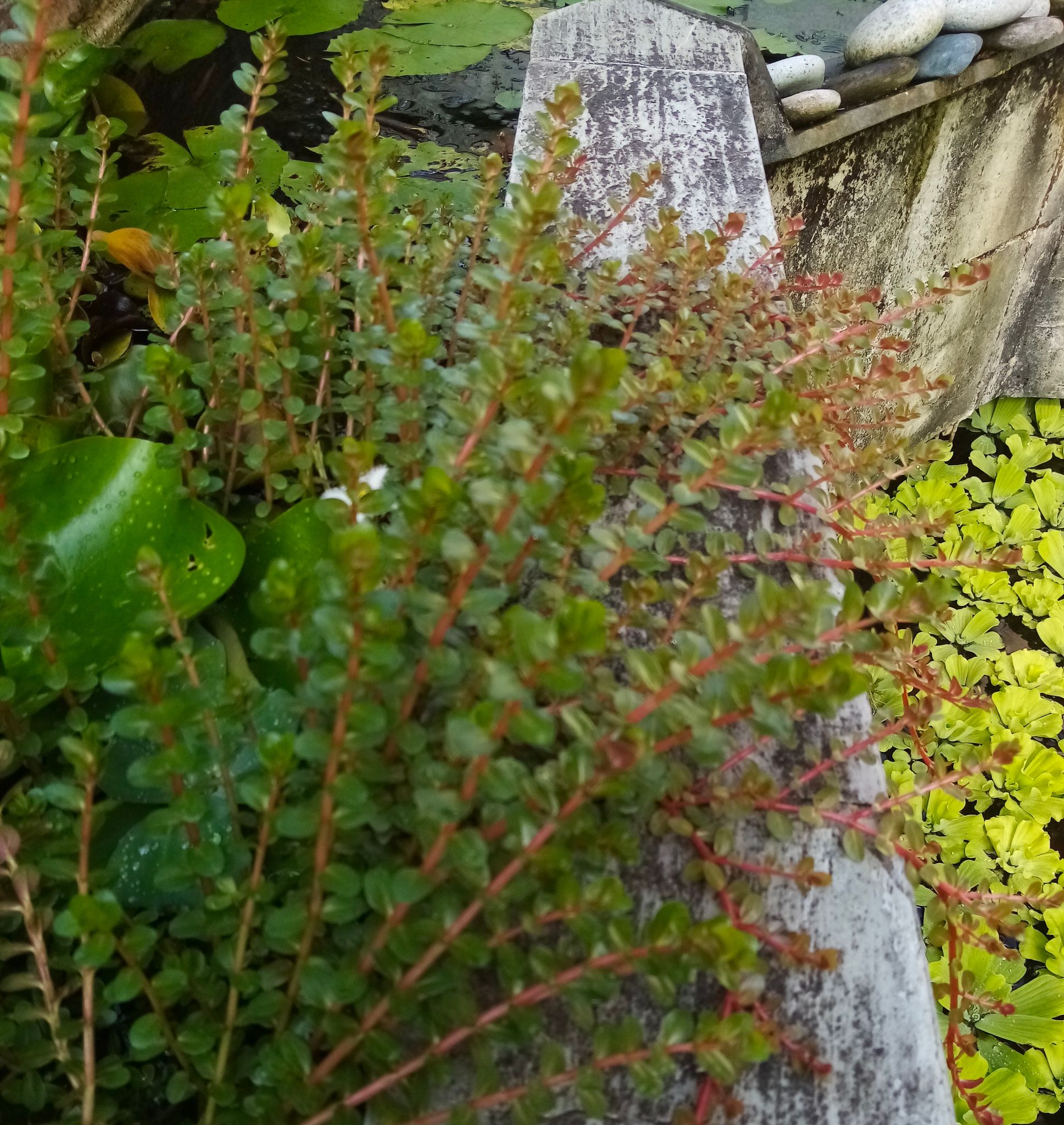

Best Tank Mates and Aquascaping Uses for Rotala H'ra
Rotala H'ra is one of the more forgiving red stem plants to keep alive, but getting its sunset colors to show and choosing tank mates that won't wreck the layout takes a bit more thought. This guide covers where it came from, what it needs, which fish and invertebrates actually work with it, and how to plant and trim it so it forms a bushy sweep instead of a bare, leggy mess.
What Is Rotala H'ra?
Rotala H'ra is a stem plant collected from Gia Lai province in Vietnam and sold under names like "Rotala sp. Hra" or "Rotala Vietnam H'ra." It is best understood as a Vietnamese variety of Rotala rotundifolia rather than a distinct species. That distinction matters practically: because it shares rotundifolia's genetics, it also shares its water tolerance, which is why this plant adapts to a wider parameter range than most demanding red stems.
Its most distinctive trait isn't color — it's growth habit. Instead of pushing straight upward like a typical stem plant, Rotala H'ra arches, overhangs, and branches horizontally. That habit is what gives it a "bushy sweep" look rather than the stiff vertical hedge you get from plants like ludwigia or rotala macrandra.
Care at a Glance
Rotala H'ra is easy to keep alive but demanding if the goal is vivid color. Green, healthy growth in a basic setup is easy; sunset-red foliage requires deliberate light, CO2, and nutrient management.
| Parameter | Range | Notes |
|---|---|---|
| Temperature | 68-82°F (20-28°C) | Stability matters more than the exact number |
| pH | 6.0-8.0 (sweet spot 6.5-7.5) | Tighter band gives the best color and sturdiest stems |
| Hardness | Roughly 3-12 dKH | Moderate general/carbonate hardness is fine |
| Lighting | Medium-to-high, ~50-120+ PAR | 8-hour photoperiod is sufficient |
| CO2 | 20-30 ppm supplemental | Optional for survival, close to mandatory for color |
| Growth rate | 1-2 inches (2.5-5 cm) per week | Under strong light, CO2, and nutrients |
| Minimum tank size | 15-20 gallons (57-76 L) | Smaller works with more frequent trimming |
Lighting and CO2: What's Actually Required
Sources disagree on exact PAR numbers, with figures ranging from "medium light" up to 80-120+ PAR. The practical takeaway: more light, matched with more CO2 and iron, intensifies color — it isn't a hard survival requirement. A tank running medium light and no CO2 will keep the plant alive and green. A tank running strong light, 20-30 ppm CO2, and consistent iron dosing is what produces the orange, salmon, pink, and ruby-red tones this plant is known for, often with brighter new-growth tips.
What You'll Actually Get Without CO2
If you're running a low-tech, no-CO2 tank, set realistic expectations: Rotala H'ra will likely survive and grow, but stems will be looser, growth will be slower, and color will lean green to olive rather than red. It's still a usable background or midground plant in that setup — just budget for more green mass and less of the signature sunset hue.
Water Chemistry and Substrate
Give it a nutrient-rich planted substrate — an aqua soil or a mineral substrate supplemented with root tabs — to support the fast growth rate. On top of substrate nutrition, regular liquid fertilizer dosing is important, since iron and phosphate levels are the primary drivers of red and orange coloration. When those nutrients run short, new growth reverts to washed-out green rather than staying red.
Parameter stability is worth emphasizing on its own: sudden pH or hardness swings are a more common cause of stem melt than any single parameter sitting slightly outside the ideal range. A steady 6.5-7.5 pH tank will usually outperform one that technically sits in range but fluctuates.
Best Tank Mates for Rotala H'ra
Because Rotala H'ra plants in individual, somewhat delicate stems, the main compatibility risk isn't aggression toward fish — it's fish or invertebrates that dig, uproot, or barrel through a stem patch.
Fish That Work Well
- Small schooling fish — peaceful community species that stay in open water and rarely bother plants.
- Small peaceful bettas — fine in a planted community as long as the tank isn't overcrowded with fin-nippers.
- Bottom dwellers that don't dig aggressively — many peaceful corydoras-type species sift substrate gently rather than excavating it.
Invertebrates Worth Adding
- Dwarf shrimp, including Neocaridina types, graze biofilm off leaves without damaging them and look striking against the plant's red-orange background.
- Mystery snails and nerite snails are commonly overlooked tank mates for this plant, but they're a natural fit — they're algae- and biofilm-grazers that don't touch healthy plant tissue, making them a safe, low-maintenance addition to a Rotala H'ra layout.
What to Avoid
Skip large or boisterous fish — big cichlids, goldfish, and other plant-uprooting species that dig substrate or push through dense stem growth. These fish will undo weeks of careful planting in a single afternoon.
Shoppers building out a compatible community can browse dwarf shrimp and schooling tetras on FishyHub as a starting point for a peaceful, plant-safe stocking list, and gentle bottom cleanup crews are easy to round out with corydoras.
Planting and Aquascaping Placement
Rotala H'ra's arching, horizontal branching makes it best suited to midground-to-background placement, where it can sweep outward rather than being crowded by taller plants. Use it to build a sloping bush shape or a soft background wall instead of a stiff vertical hedge.
Planting Technique
- Plant individual stems, not thick clumps, using tweezers.
- Space stems about 1-2 inches (2.5-5 cm) apart.
- Angle stems slightly rather than planting them perfectly vertical, so the horizontal branching has room to fill in without shading neighboring stems.
Planting too densely is one of the most common early mistakes: thick clumps block light from reaching lower leaves, which leads to leggy, bare-bottomed stems later on.
Using Color and Contrast in a Layout
Because Rotala H'ra reads as a warm red-orange, think about how it interacts with other colored plants nearby. Placed next to other reds, it can either reinforce a bold red zone or clash if the tones are too similar and compete for visual attention. A common approach is to use it as a color-transition plant — bridging a green foreground with darker background elements, or sitting between two contrasting colors so the eye moves naturally through the layout rather than jumping between clashing tones.
Emersed and Riparium Use
Many buyers receive Rotala H'ra with rounder, coin-shaped emersed leaves grown out of water. Submersed in an aquarium, those leaves typically melt back within 1-3 weeks and are replaced by the narrower, needle-like submersed leaf form. This same emersed form can also be grown successfully above the waterline in a paludarium or riparium setup, where it tends to stay lower and denser than its submersed growth — a useful option if you want the color without a fully flooded tank.
Trimming and Propagation
Because of its arching habit, an untrimmed Rotala H'ra patch quickly turns into a tangled mat that shades out its own lower growth. Regular trimming isn't optional maintenance here — it's what keeps the plant looking intentional rather than overgrown.
Top-and-replant method:
- Once stems near the surface, cut the top few inches off.
- Replant the cutting elsewhere in the layout (or in the same spot for density).
- The remaining base stem branches out from the cut node, producing a bushier plant over time.
Repeating this "hedge trim" at a consistent height across a patch is what produces the dense, rounded bush shape most aquascapers are after. Skipping trims for too long lets stems shade their own lower leaves, which go bare and never recover without a full reset.
Common Mistakes to Avoid
- Panicking over emersed melt. Round leaves dying back after planting is a normal transition, not plant failure — expect new needle-like growth within a couple of weeks.
- Blaming the plant for staying green. If light, CO2, or iron are insufficient, green growth is expected — it's a nutrient and light issue, not a defective plant.
- Overcrowding at planting. Thick clumps cause bare-bottomed, leggy stems.
- Ignoring parameter swings. Sudden pH or hardness shifts are a more frequent cause of melt than being slightly outside the ideal range.
- Housing it with diggers. Large cichlids and goldfish will uproot stems faster than the plant can root back in.
A Note on DIY Backgrounds and Enclosures
If you're building a DIY background or riparium enclosure around a Rotala H'ra layout, be careful with paint. Only use paint specifically rated non-toxic and safe for plastic or acrylic surfaces near the tank — the wrong paint can leach chemicals into the water or damage acrylic panels over time. This is worth a mention because it's easy to reach for whatever paint is on hand, but it's not something to guess on.
Frequently Asked Questions
Is Rotala H'ra hard to grow for beginners?
It's moderate: easy to keep alive, harder to get vivid color from. A basic low-tech setup will keep it green and healthy, but it shines once light, CO2, and fertilization are dialed in.
Does Rotala H'ra need CO2?
Not strictly to survive, but essentially yes if the goal is strong red, orange, or pink coloring rather than plain green growth. Without CO2, expect slower, looser, greener growth.
What fish and shrimp work well with it?
Peaceful, non-digging community fish, schooling species, small peaceful bettas, dwarf shrimp such as Neocaridina types, and plant-safe snails like mystery and nerite snails all pair well. Avoid large cichlids, goldfish, and other heavy diggers.
Why did my new Rotala H'ra melt after planting?
That's a normal emersed-to-submersed transition, not a sign the plant is dying. The round emersed leaves melt back over 1-3 weeks and are replaced by narrower submersed leaves, assuming light, CO2, and nutrients are adequate.
How do I keep it bushy instead of leggy?
Trim tops regularly and replant the cuttings, space stems properly at planting, and make sure enough light reaches the lower leaves. Untrimmed stems shade themselves and go bare at the base.
Is Rotala H'ra the same as Rotala rotundifolia?
It's best treated as a Vietnamese variety or selection of rotundifolia rather than a separate species, which is why its care requirements track closely with standard rotundifolia.
What's the minimum tank size?
Roughly 15-20 gallons (57-76 L) is comfortable, mainly so trimming isn't a constant chore. It can be kept in smaller tanks with more frequent maintenance.
Ready to build out a Rotala H'ra layout with compatible livestock and a nutrient-rich base? Start with a planted-tank substrate in FishyHub's substrate category and pair it with peaceful, plant-safe tank mates from the full livestock selection.