1–40 of 108
Showing 40 of 108 products
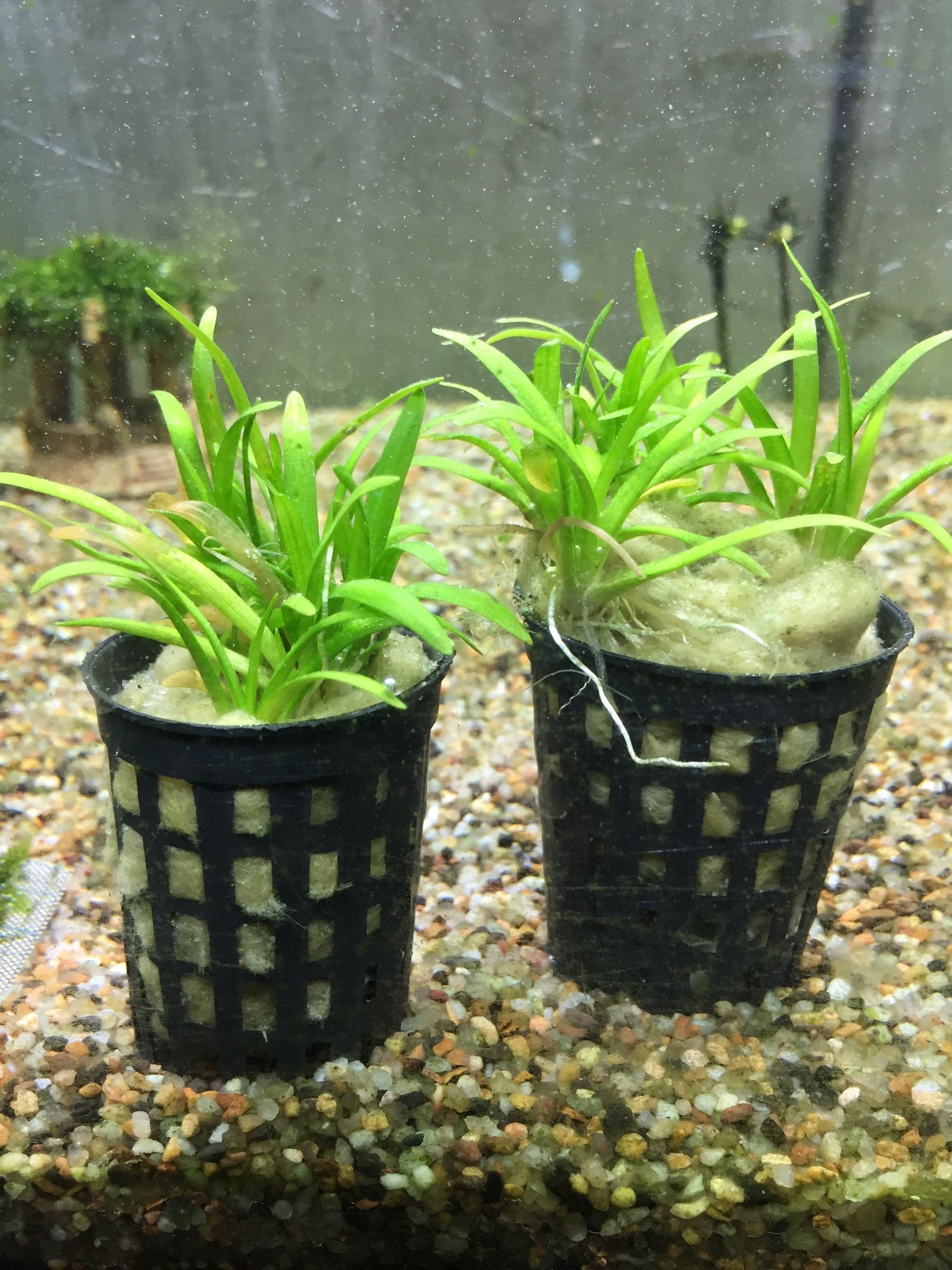
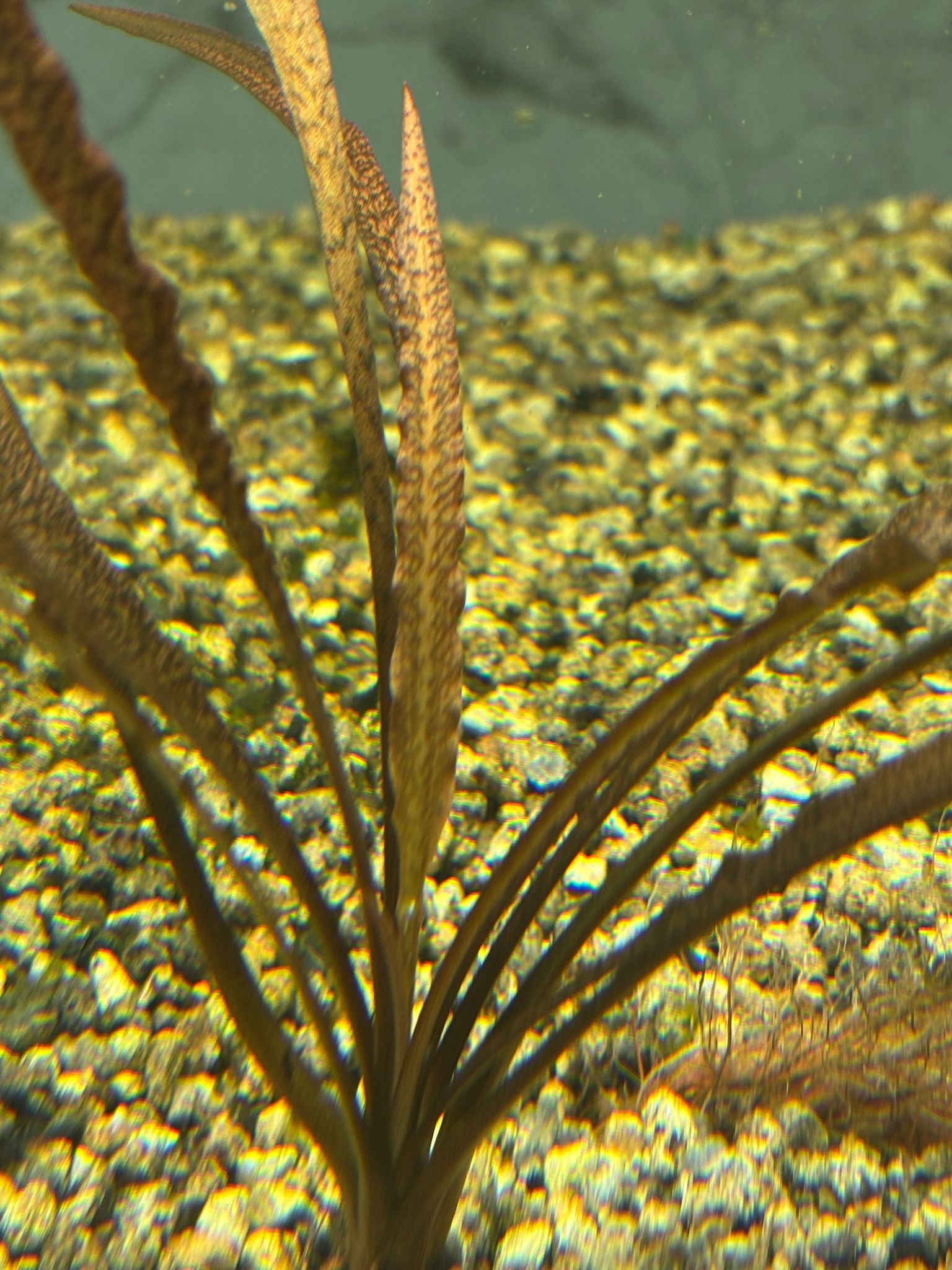
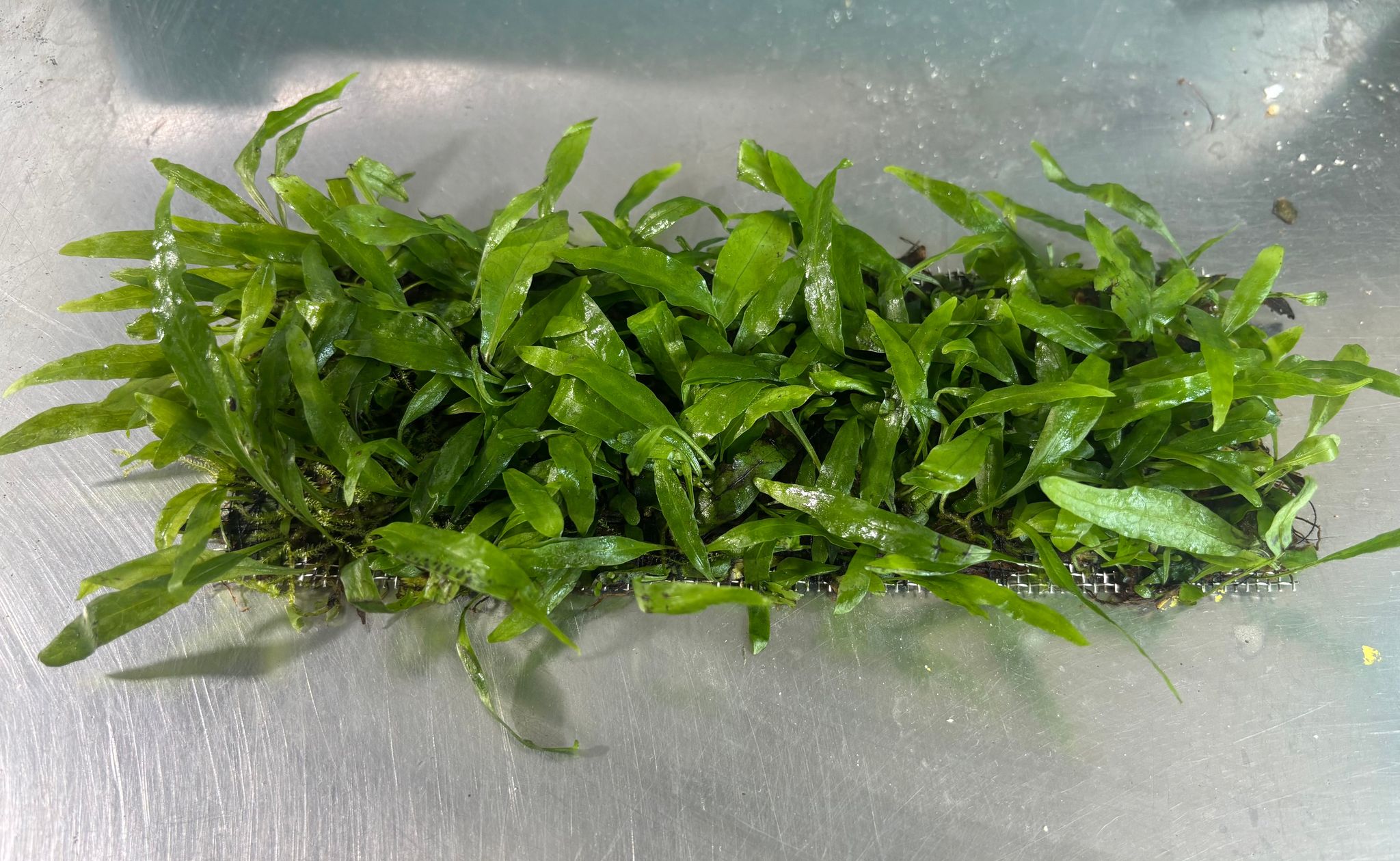
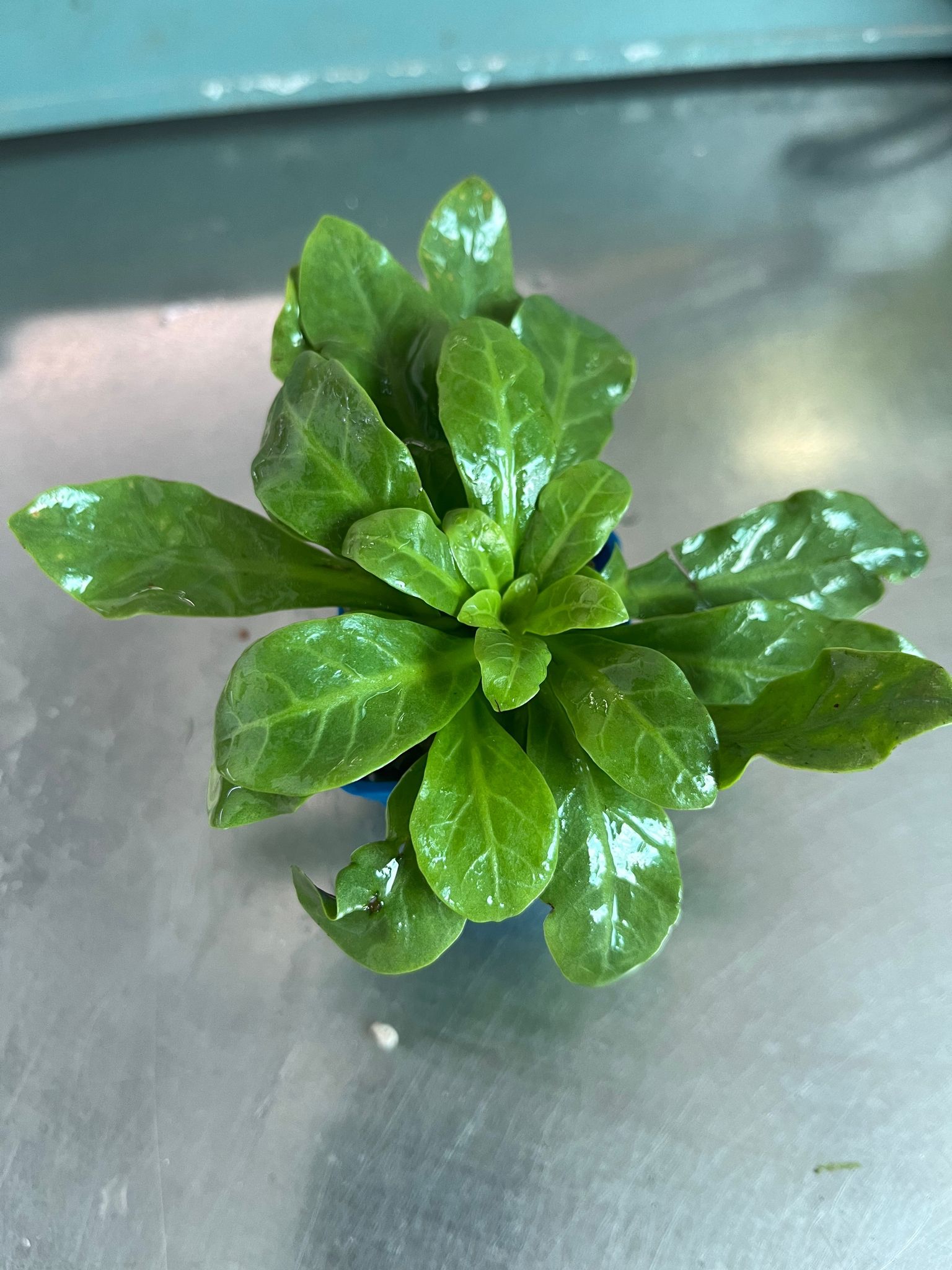
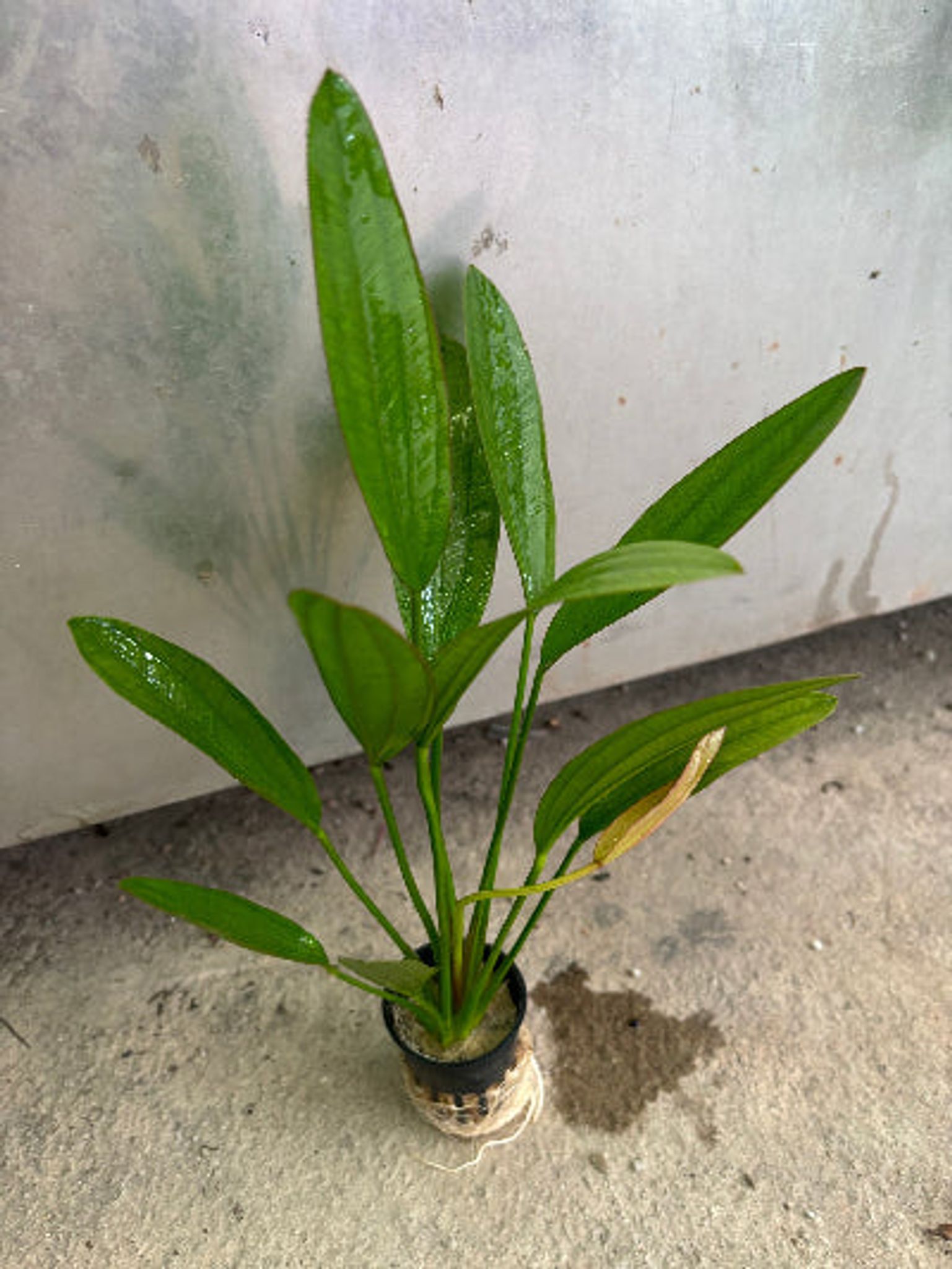
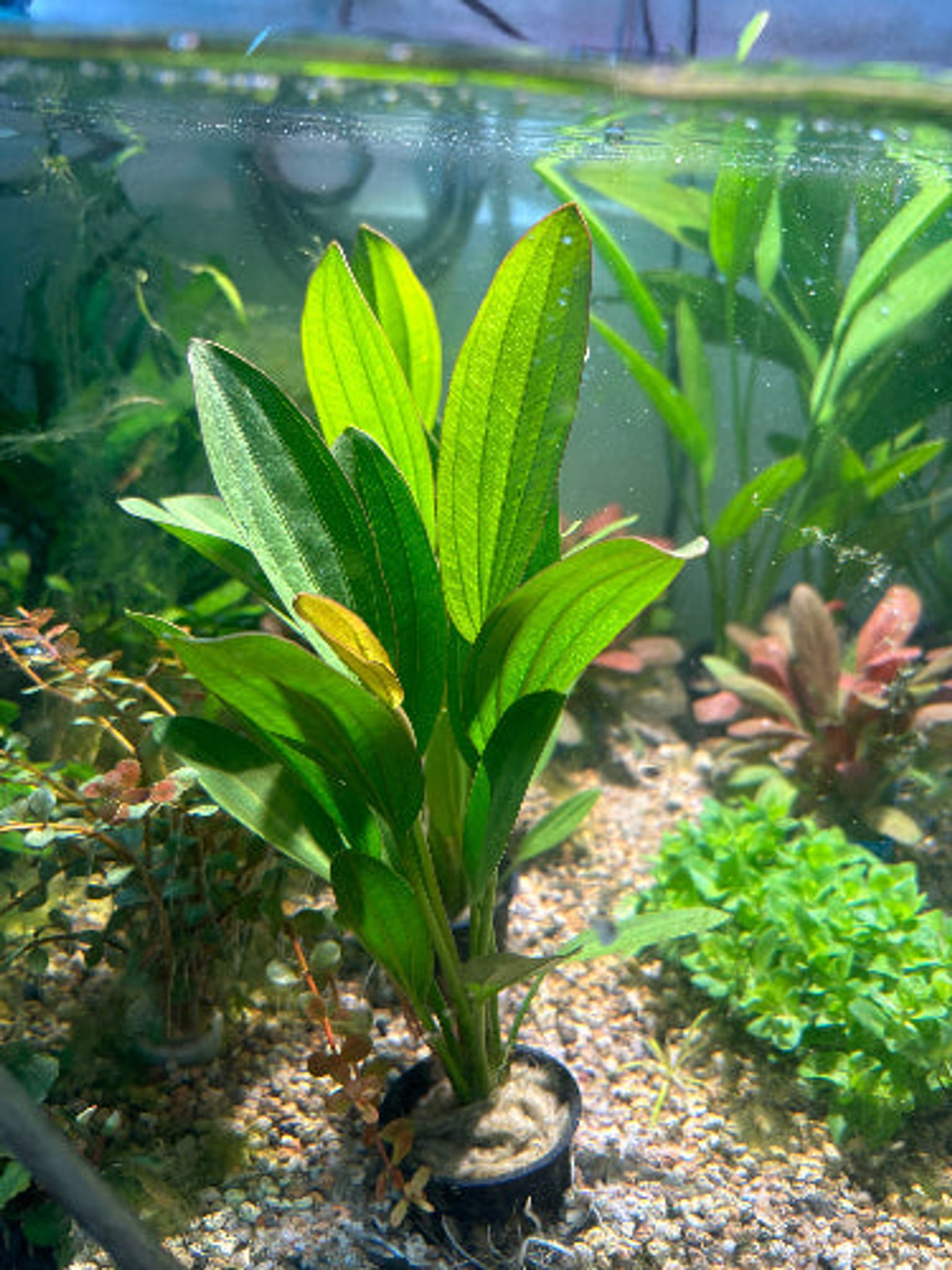
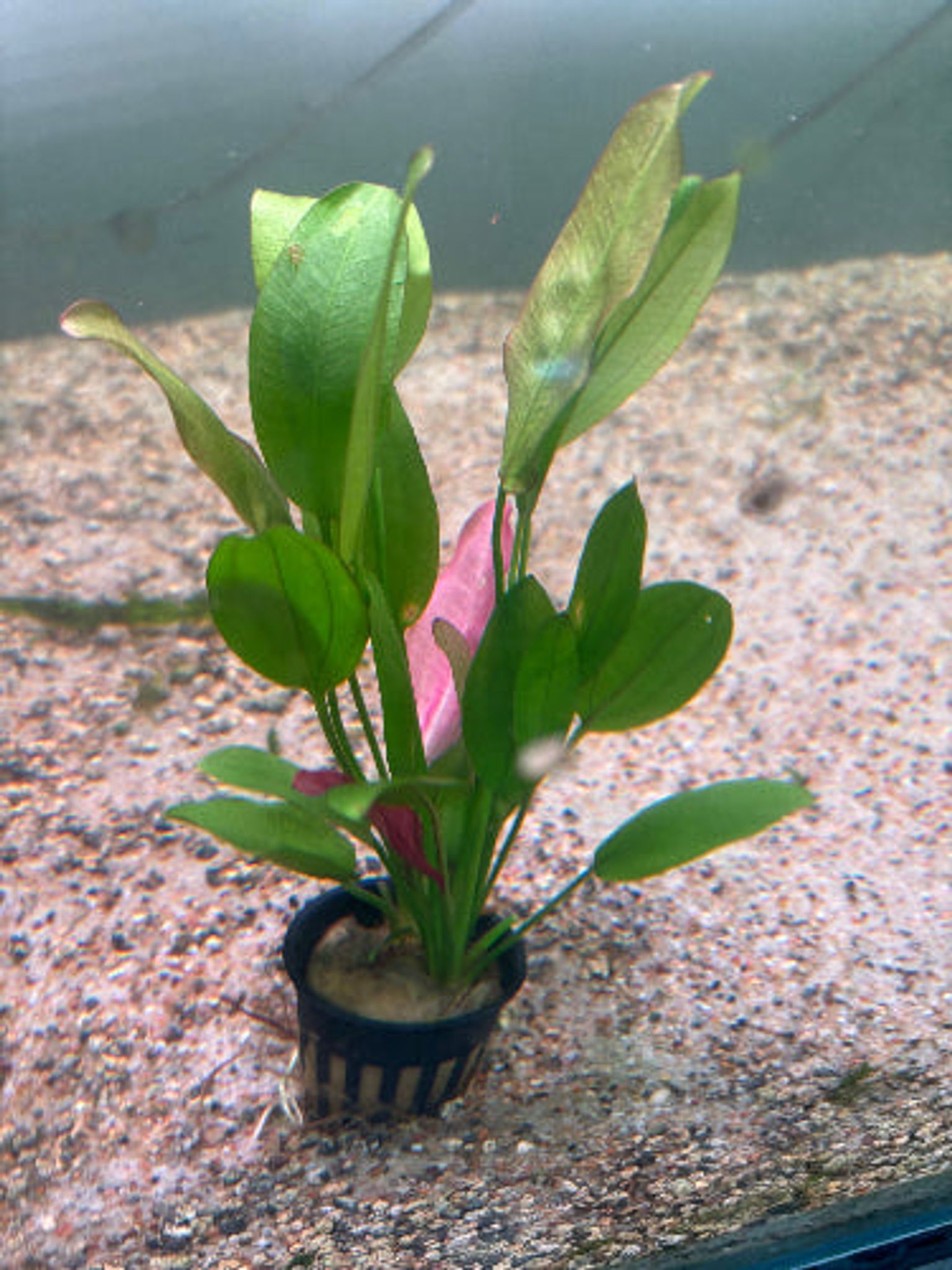
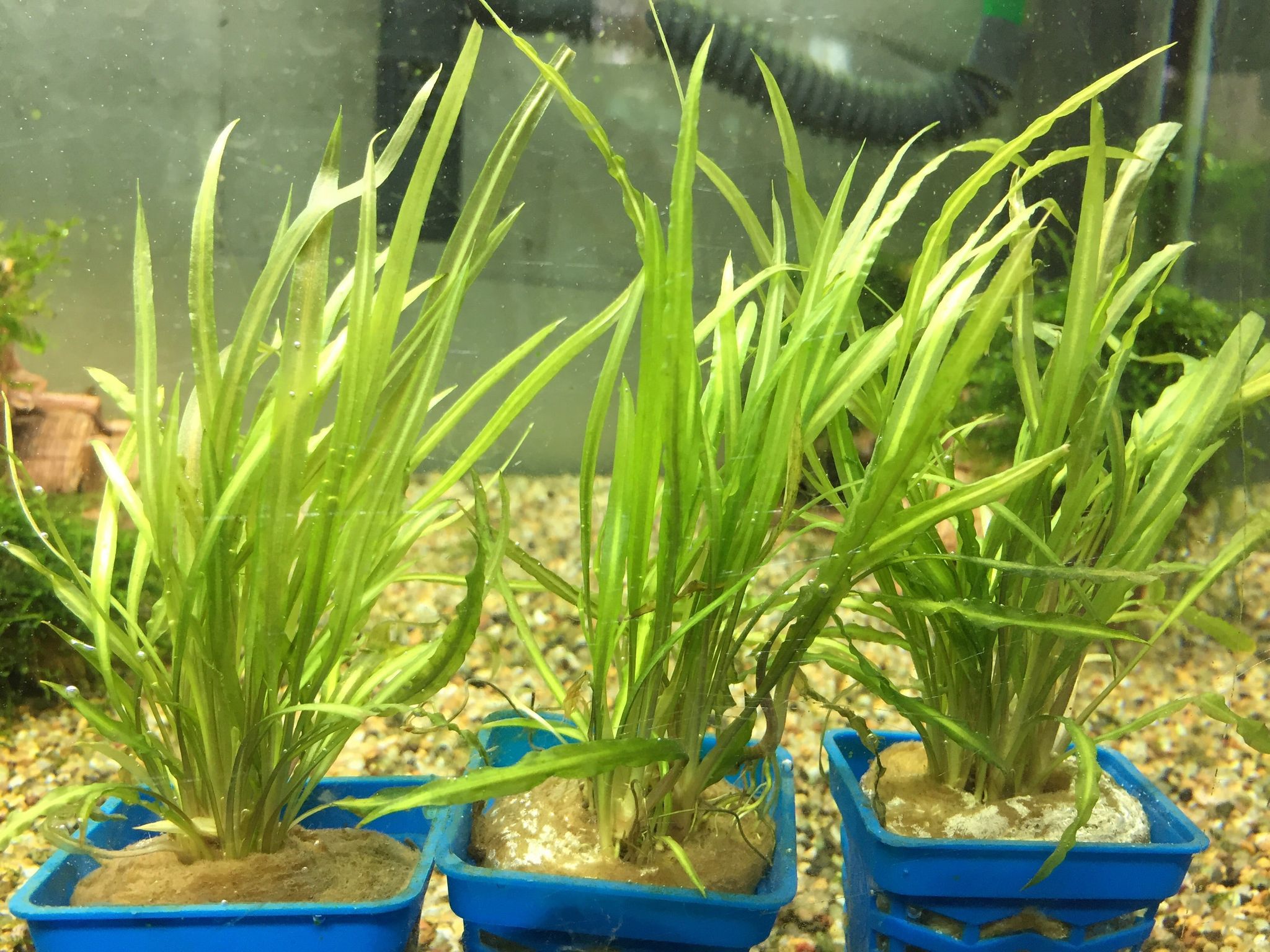
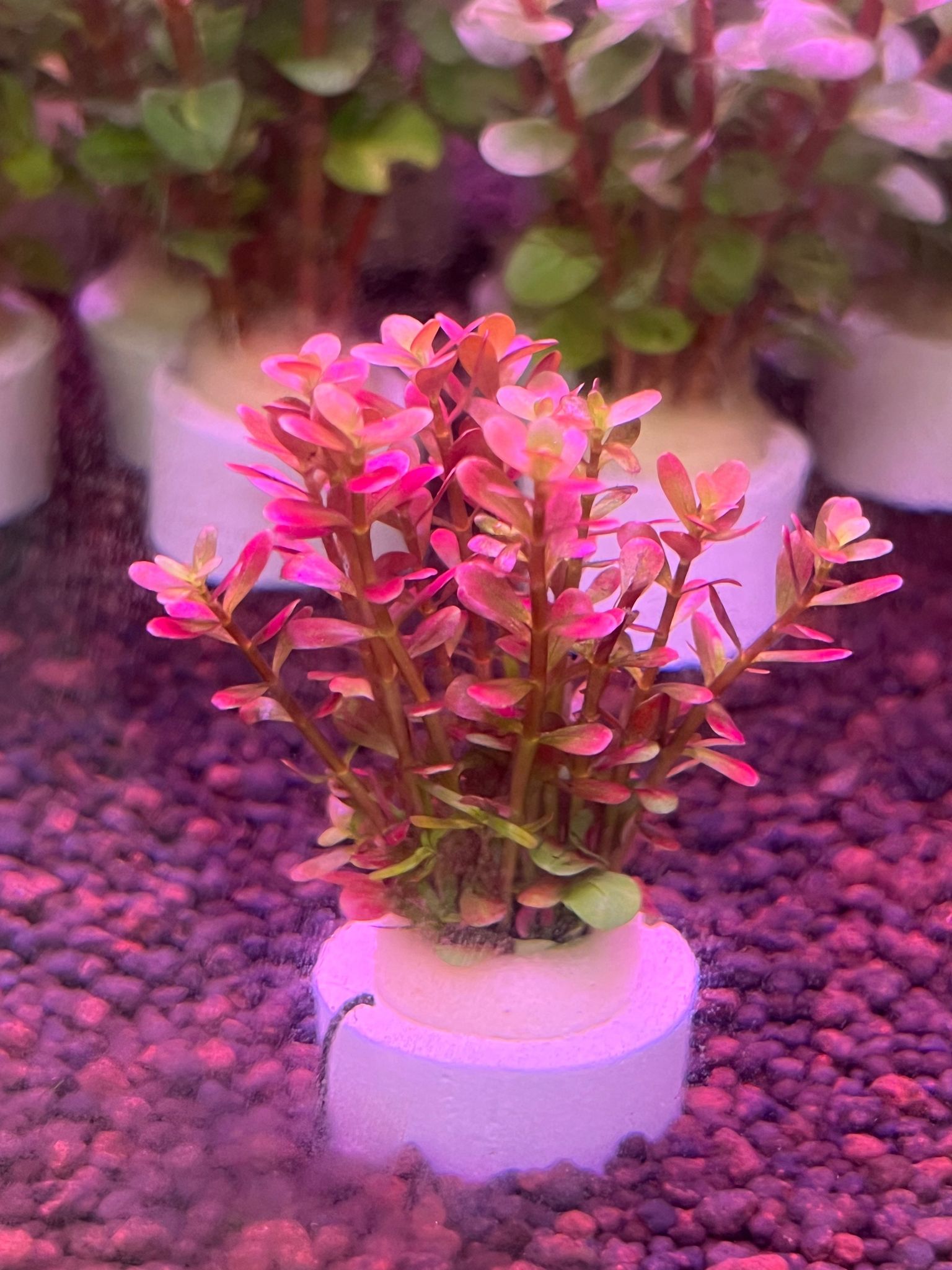
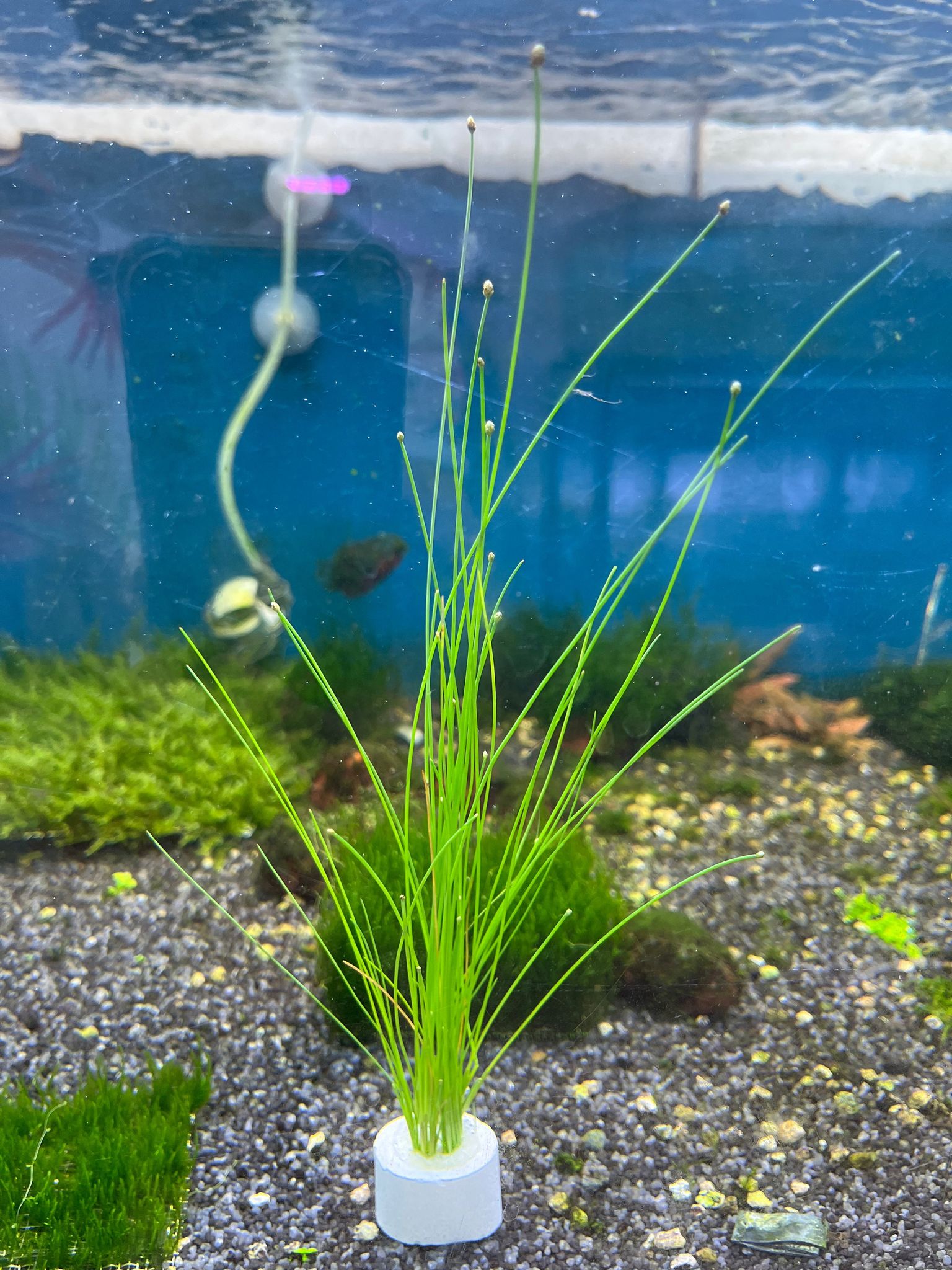
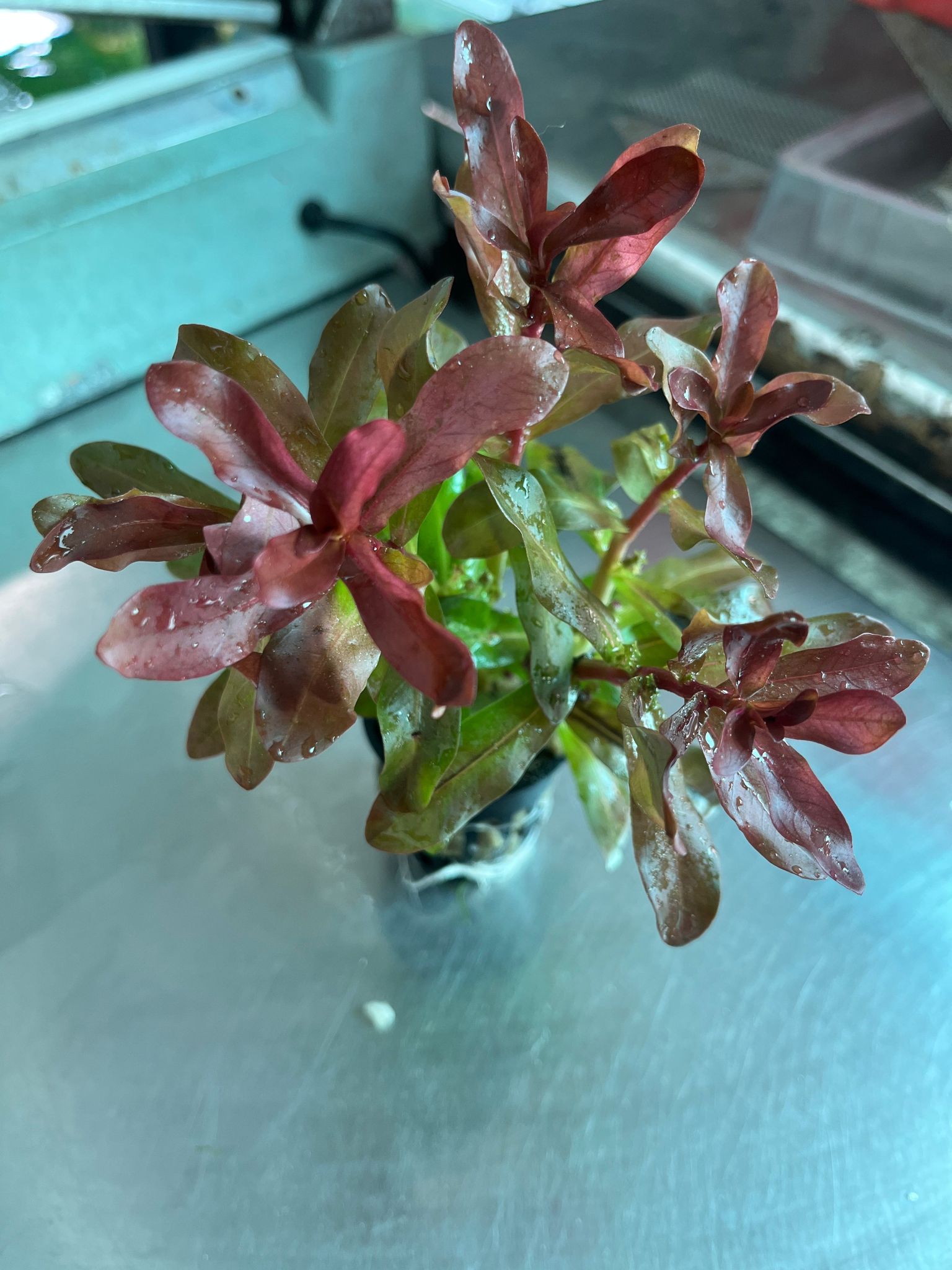
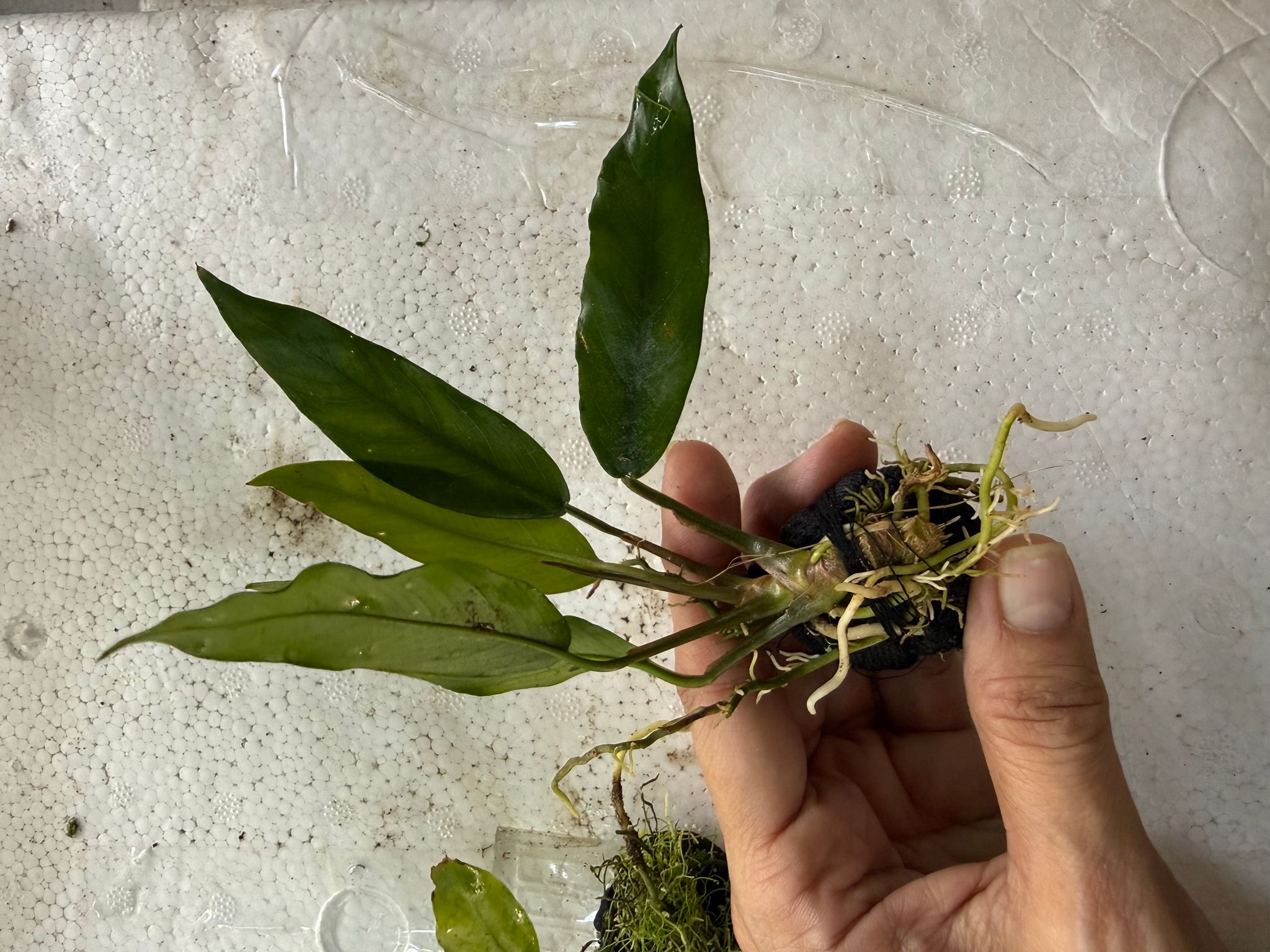
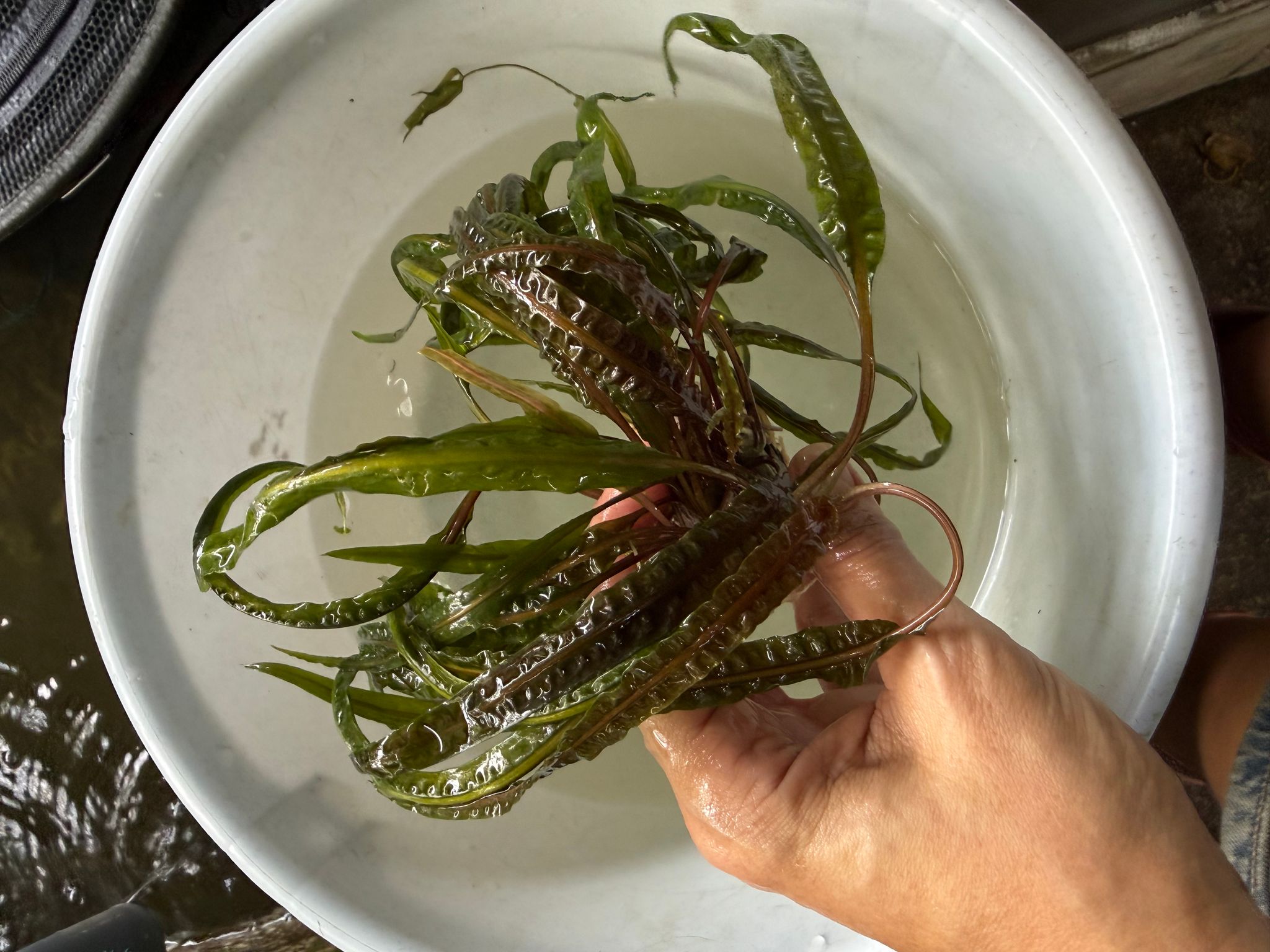
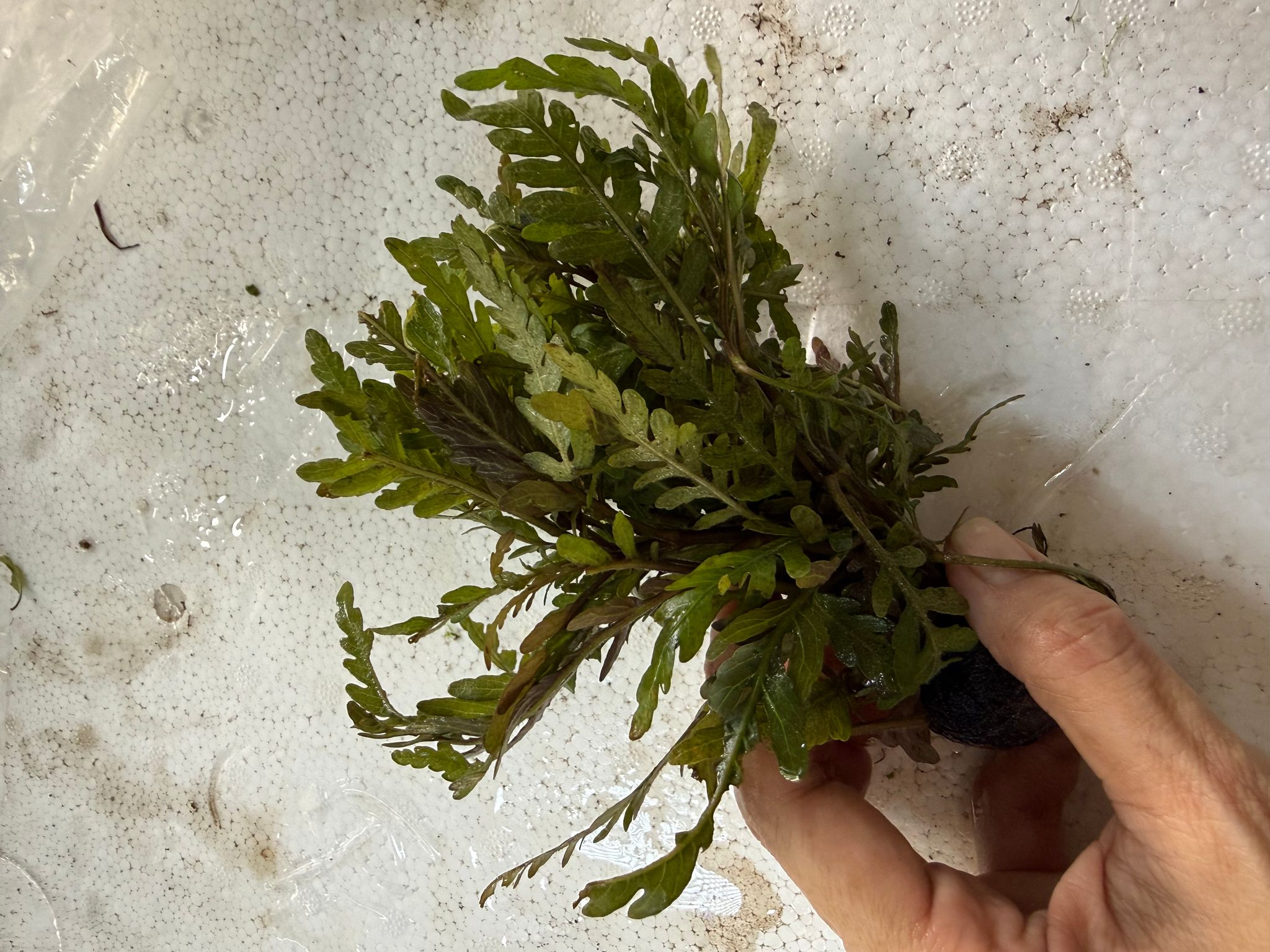
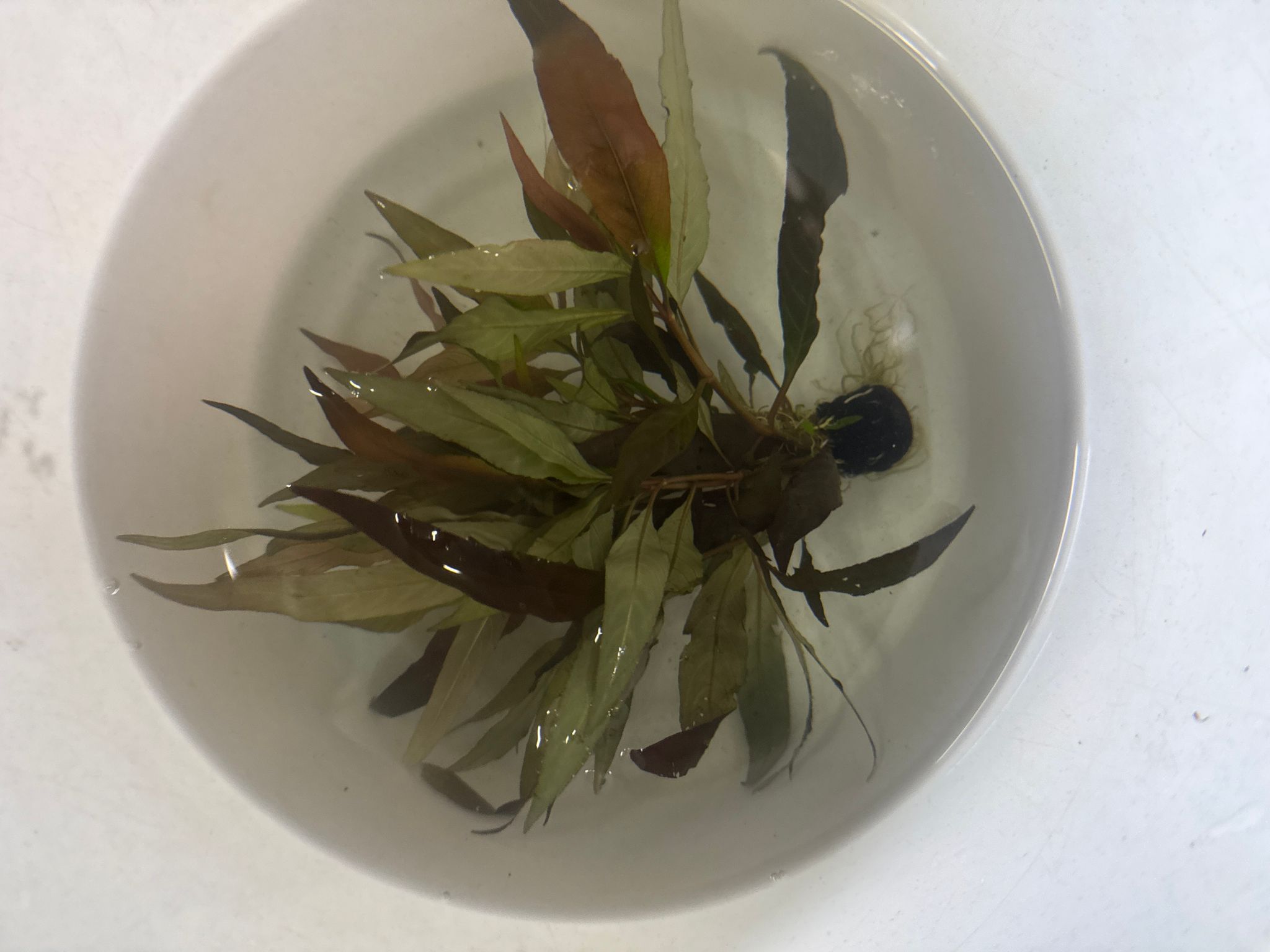
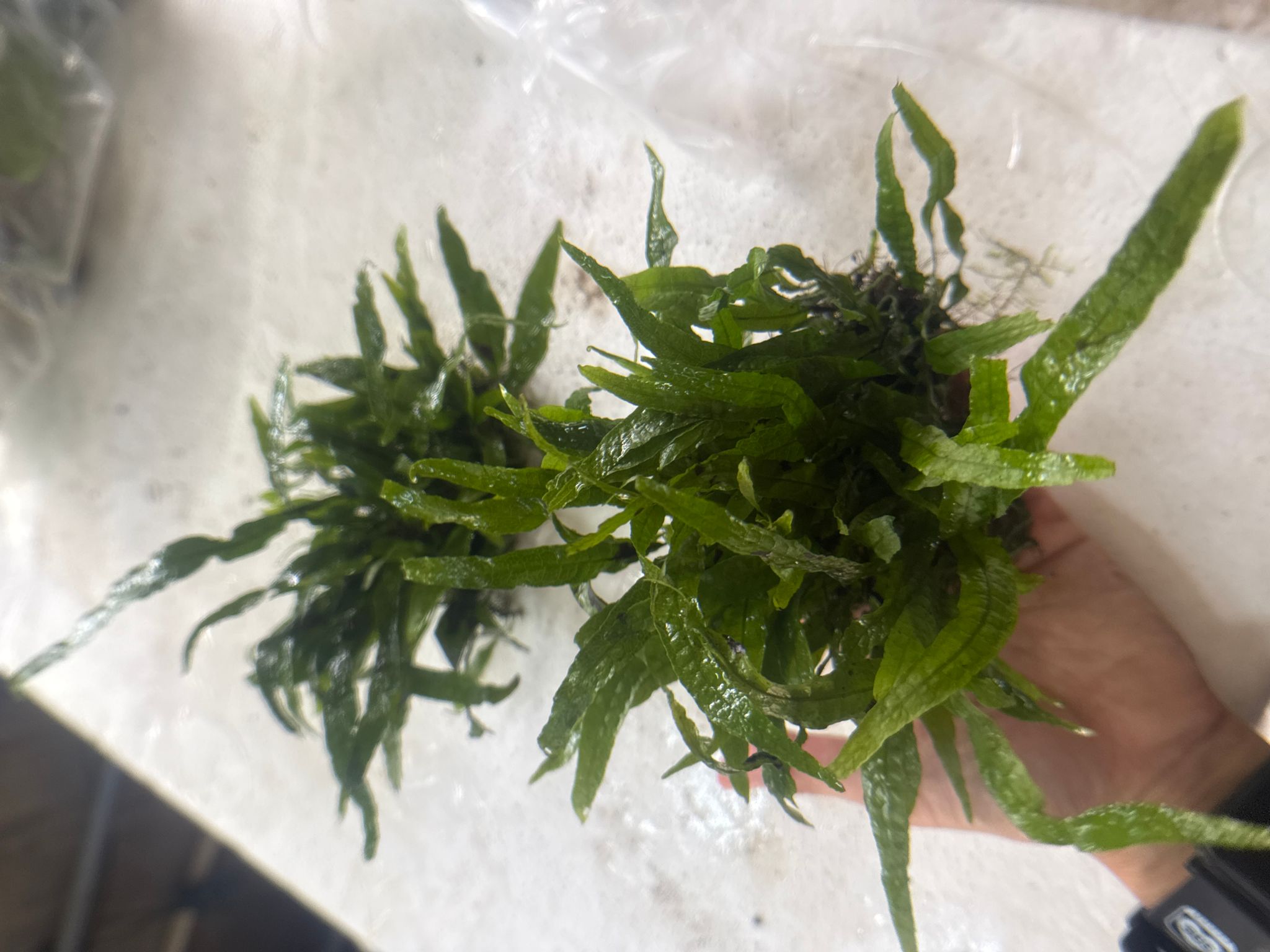
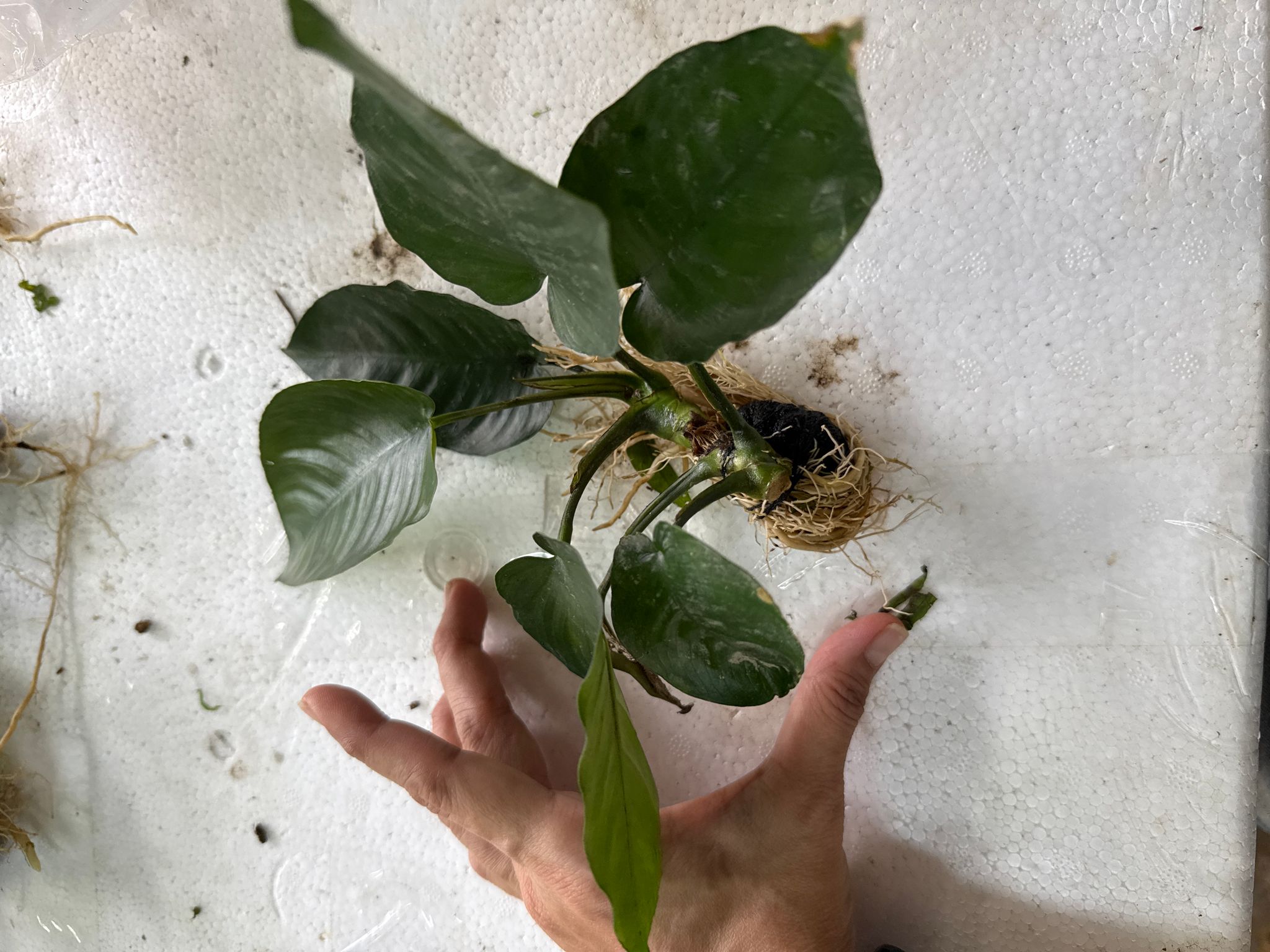
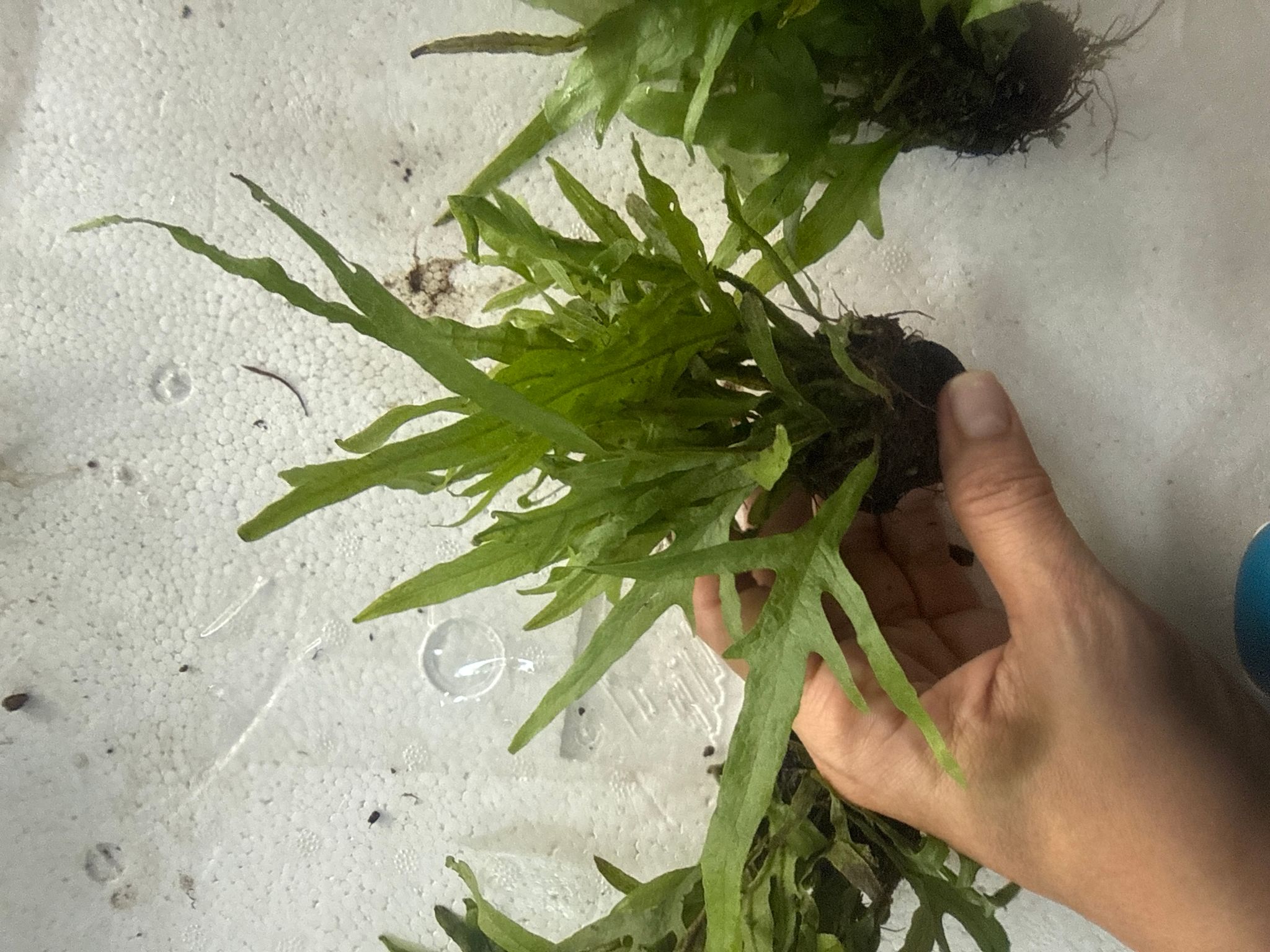
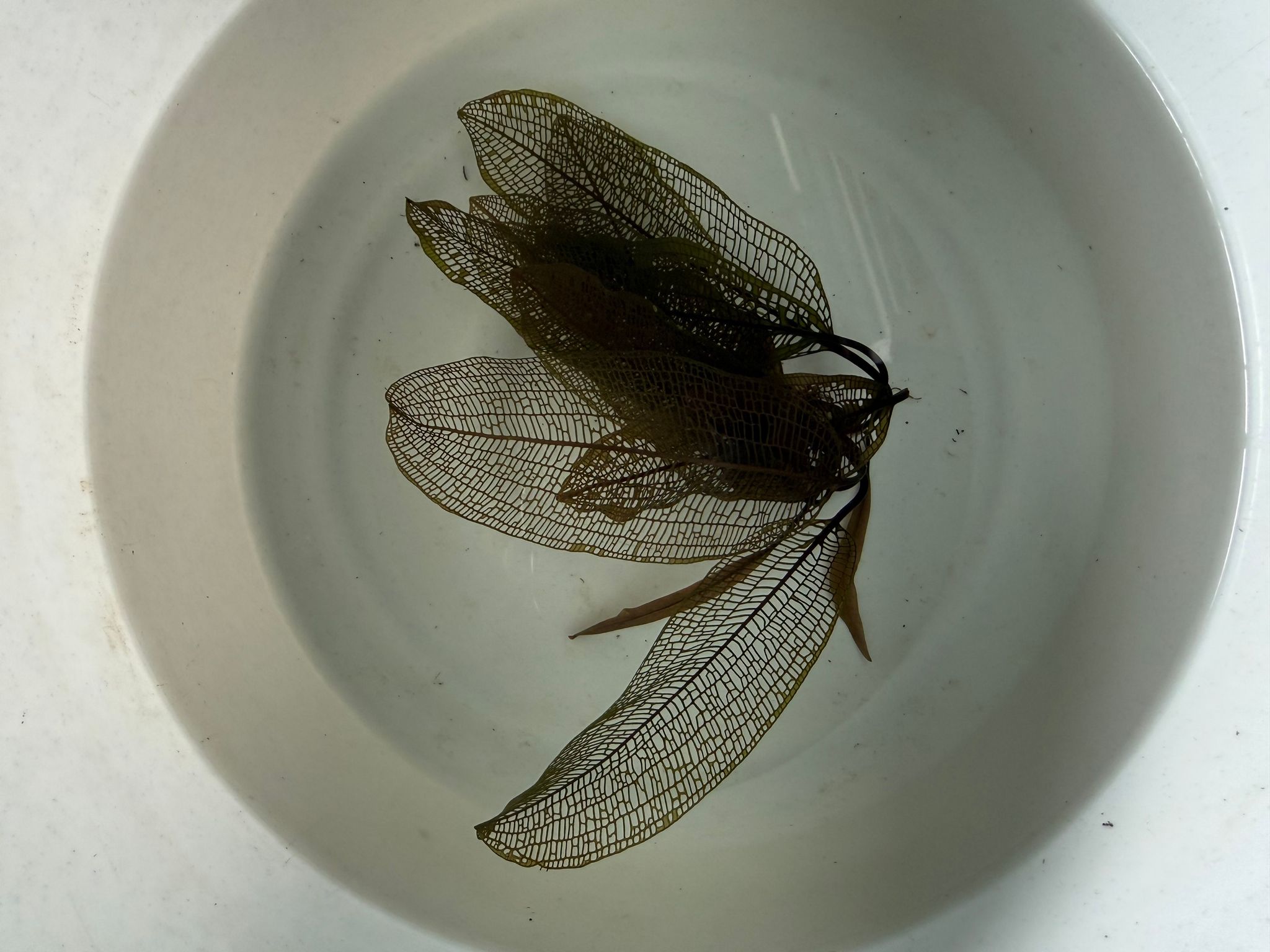
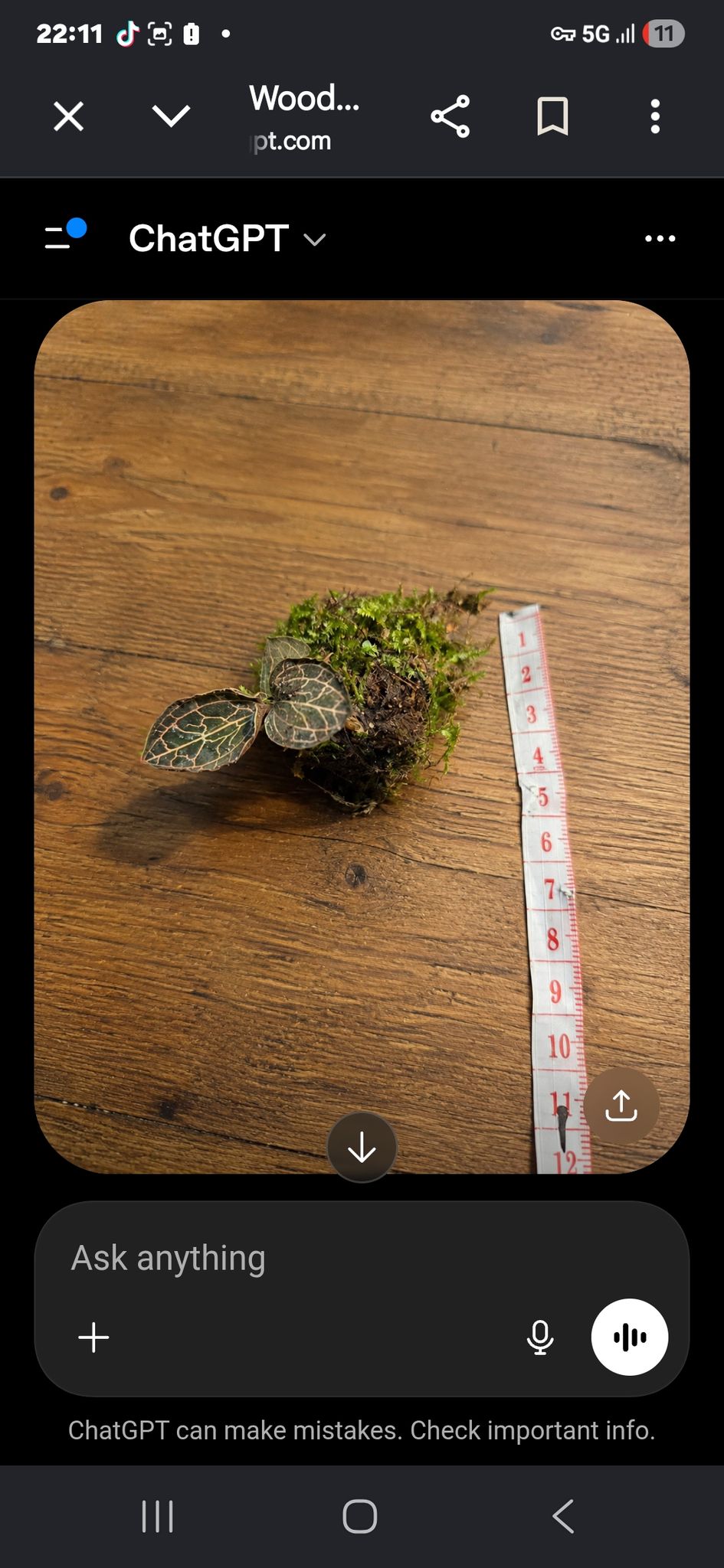
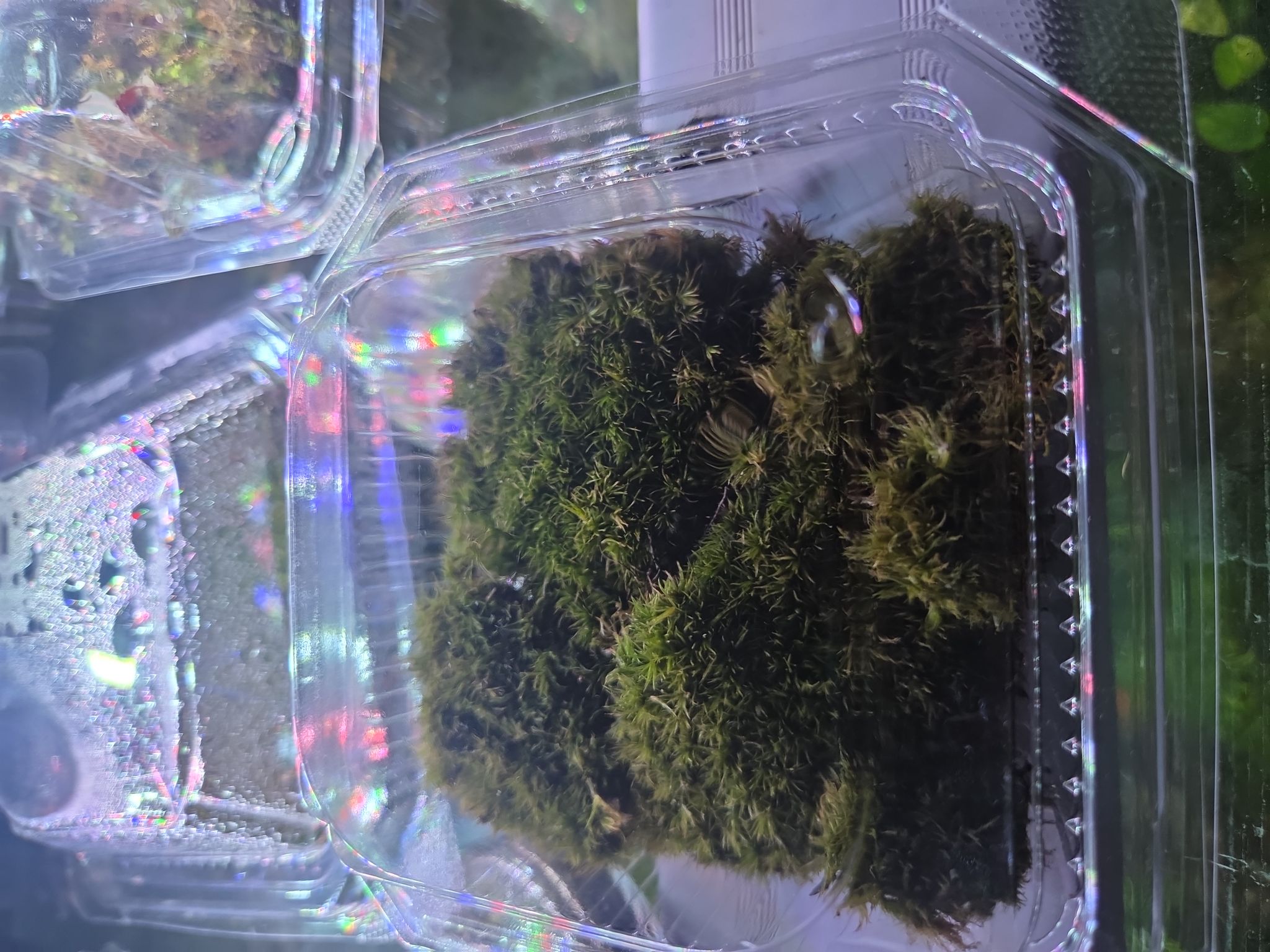
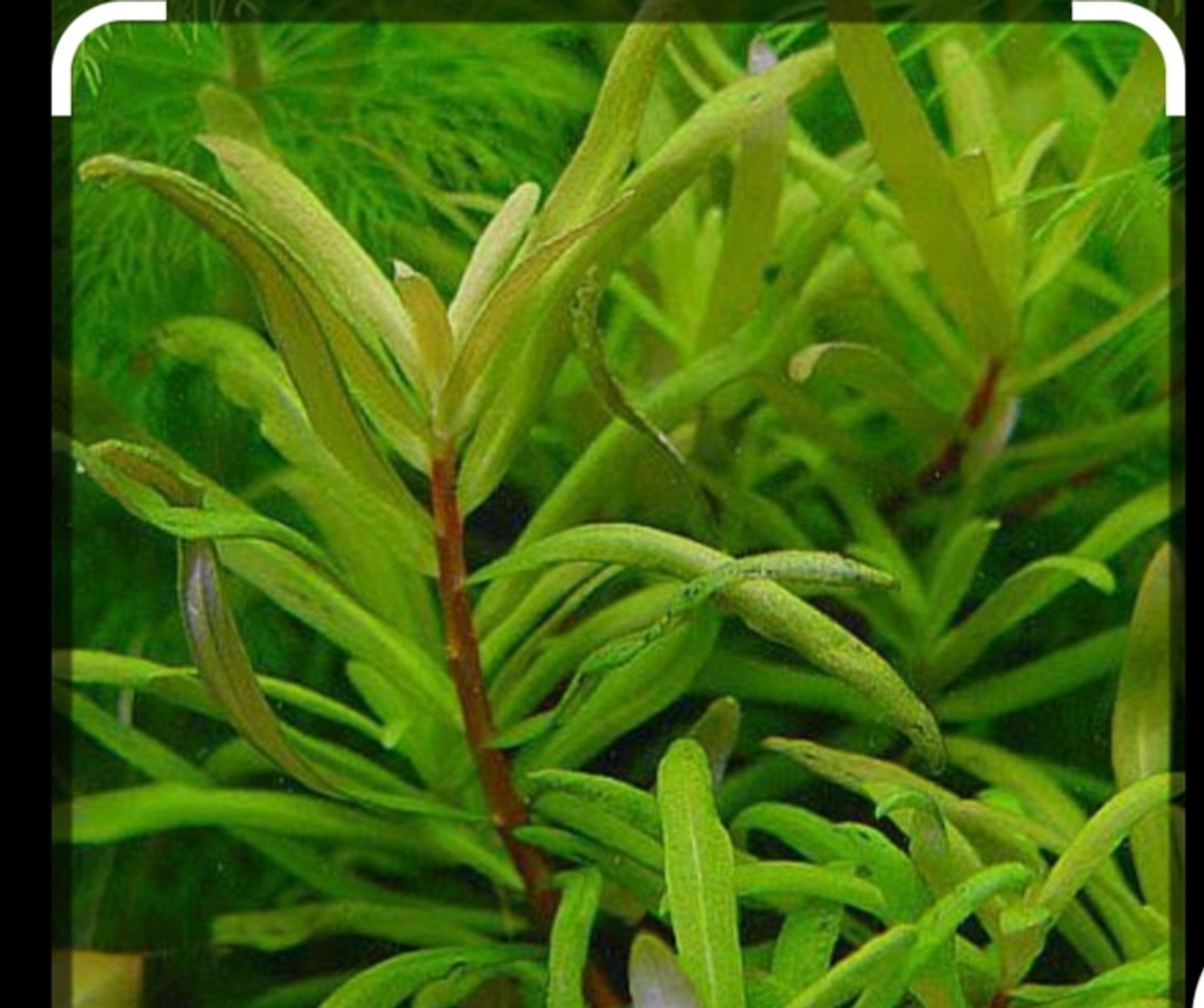
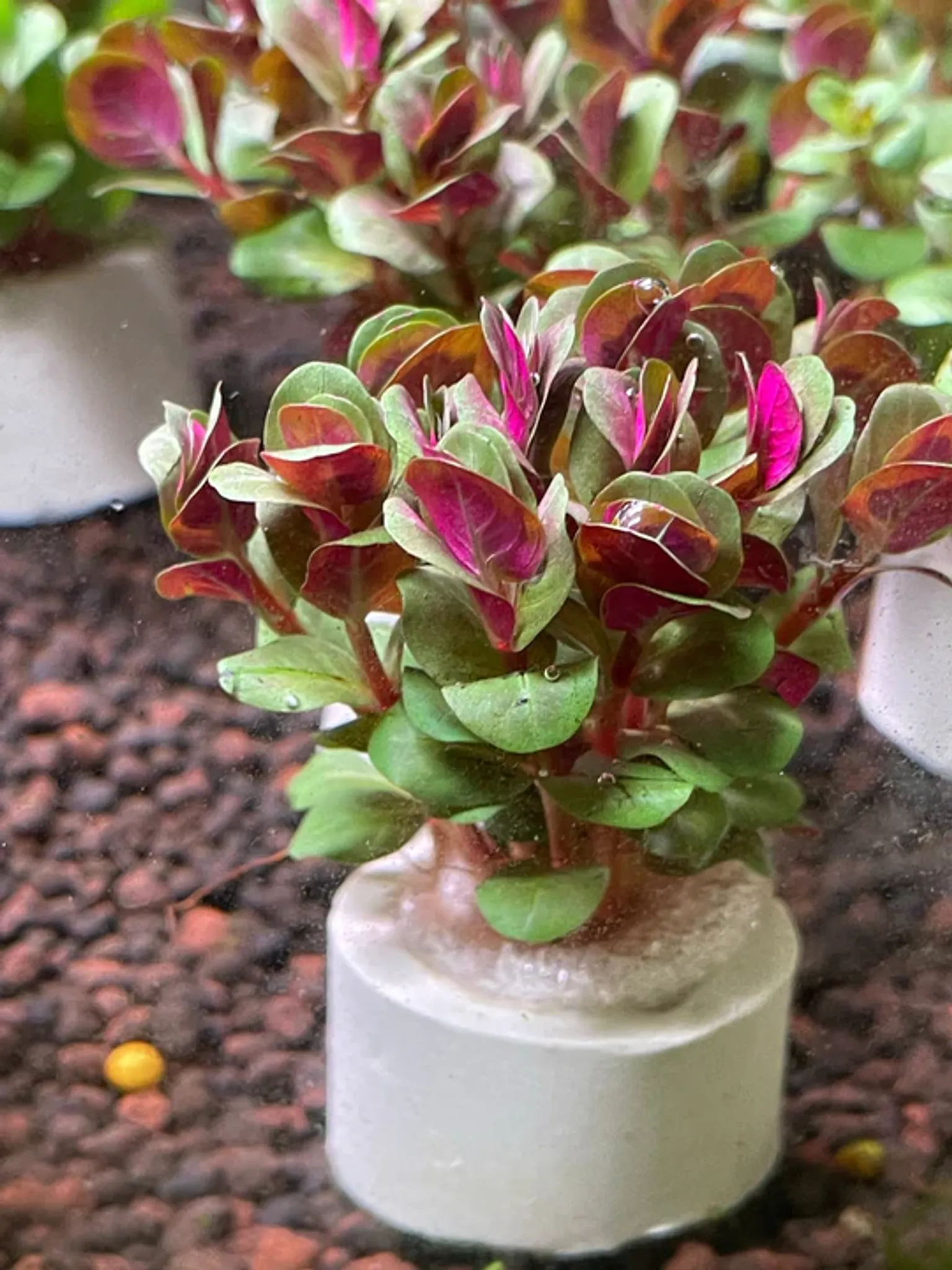

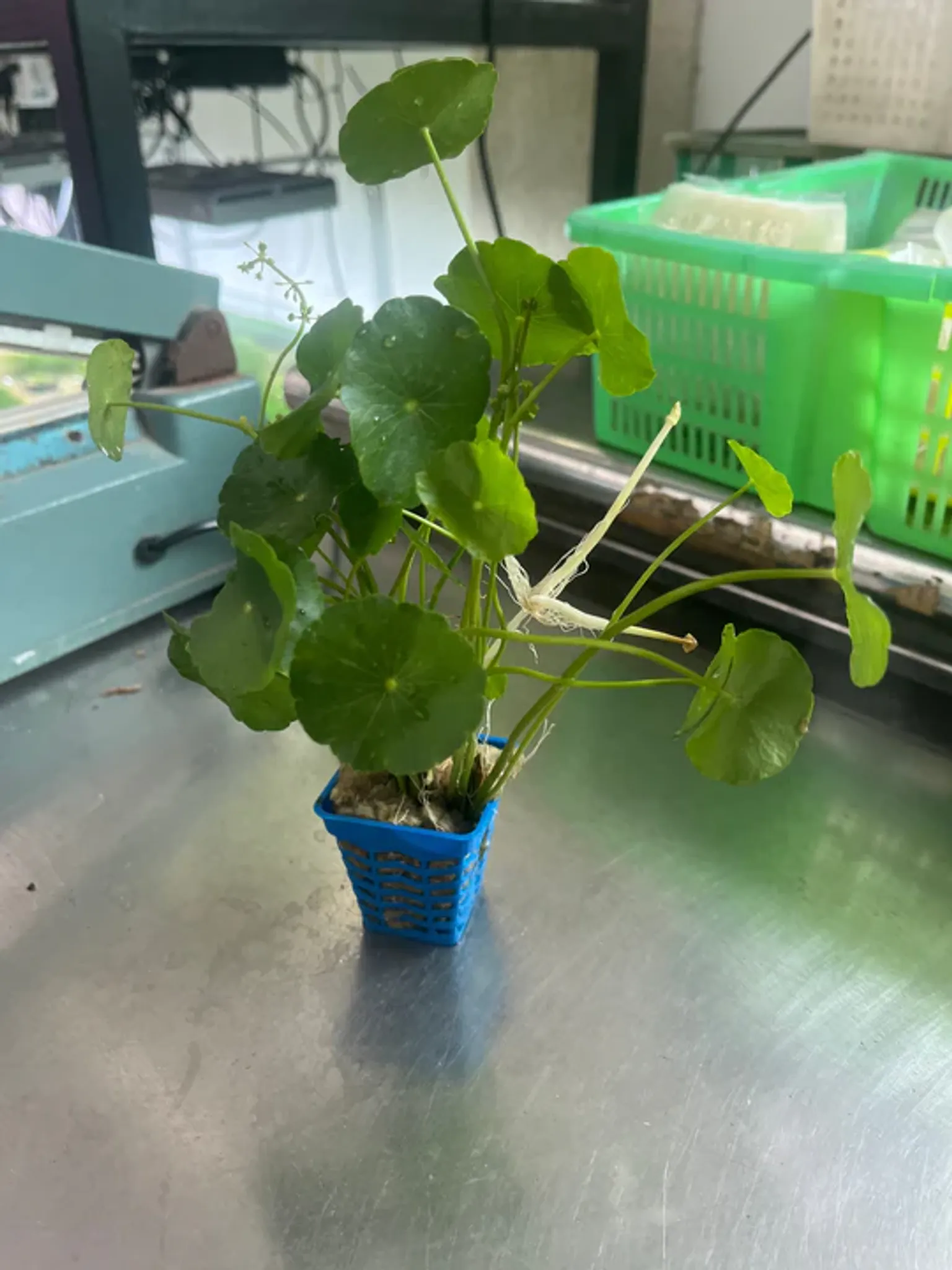
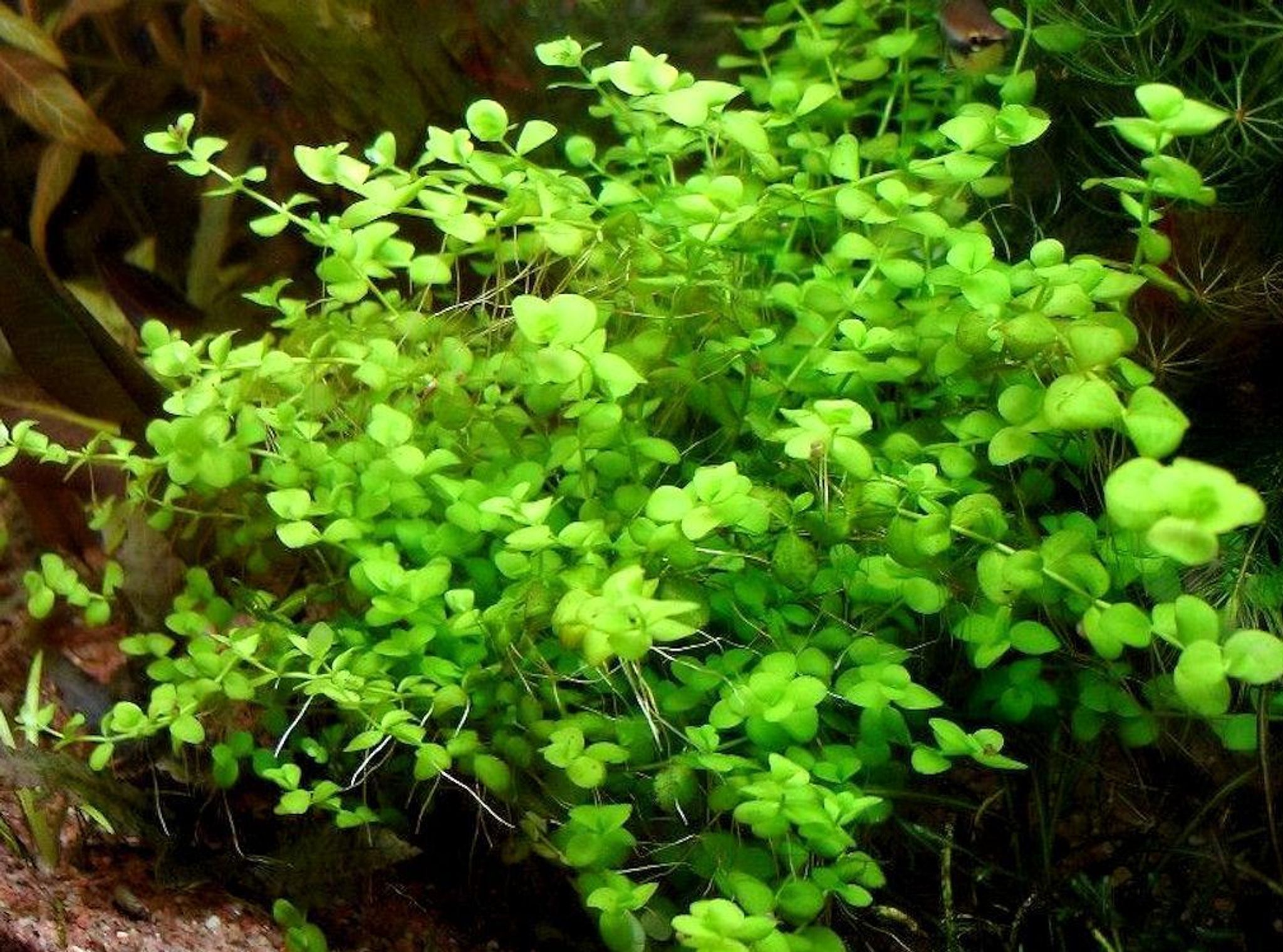
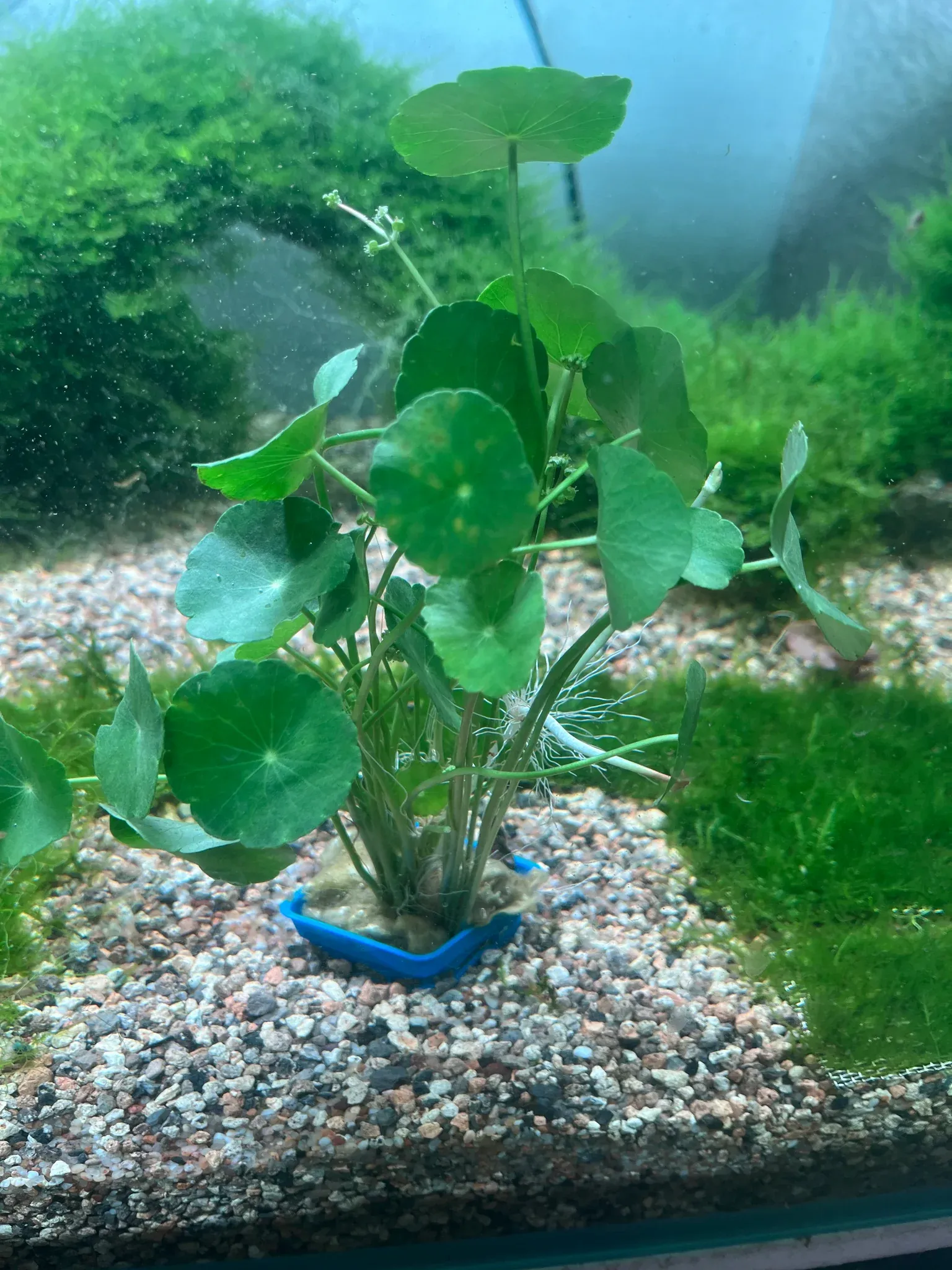



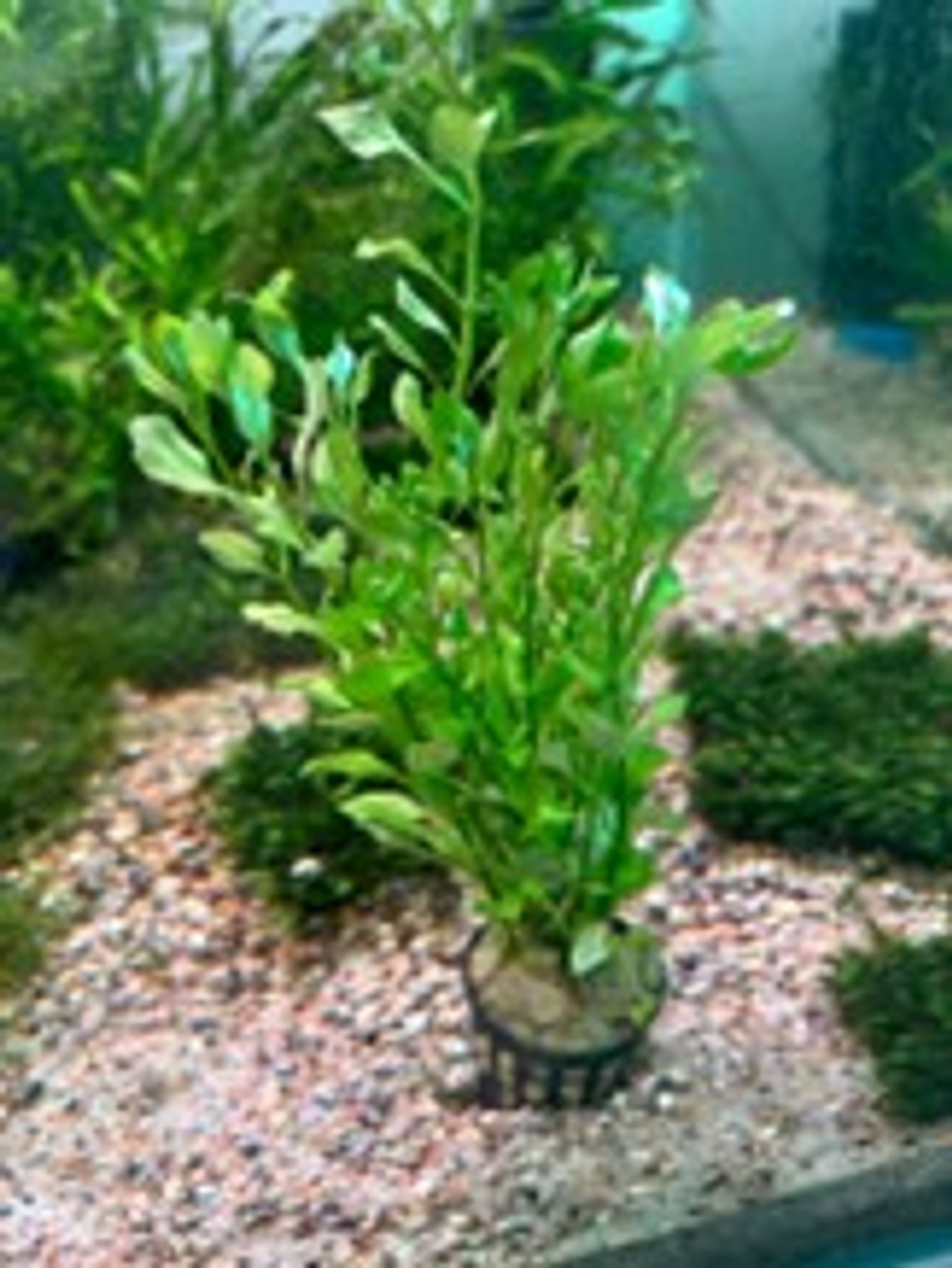

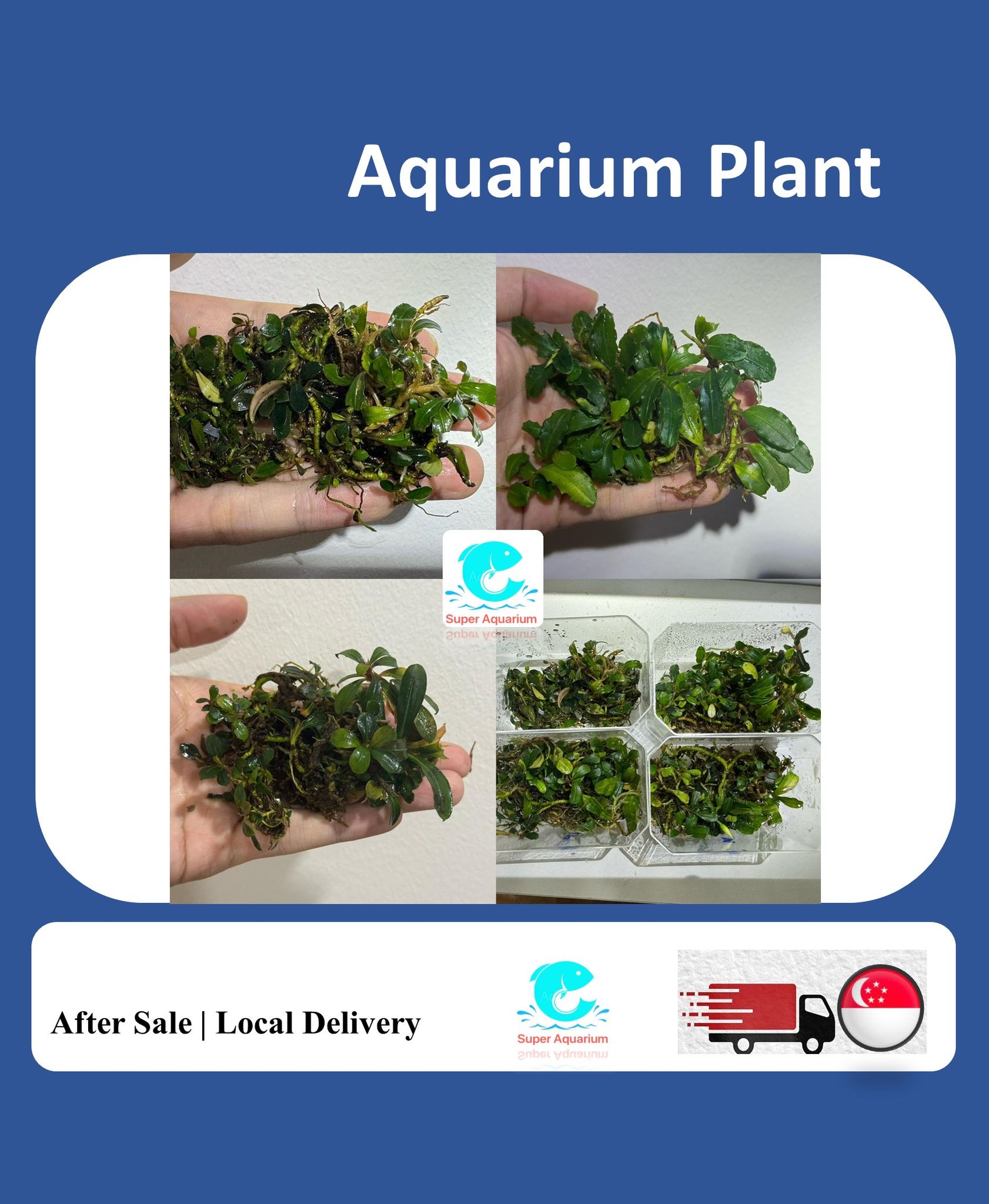
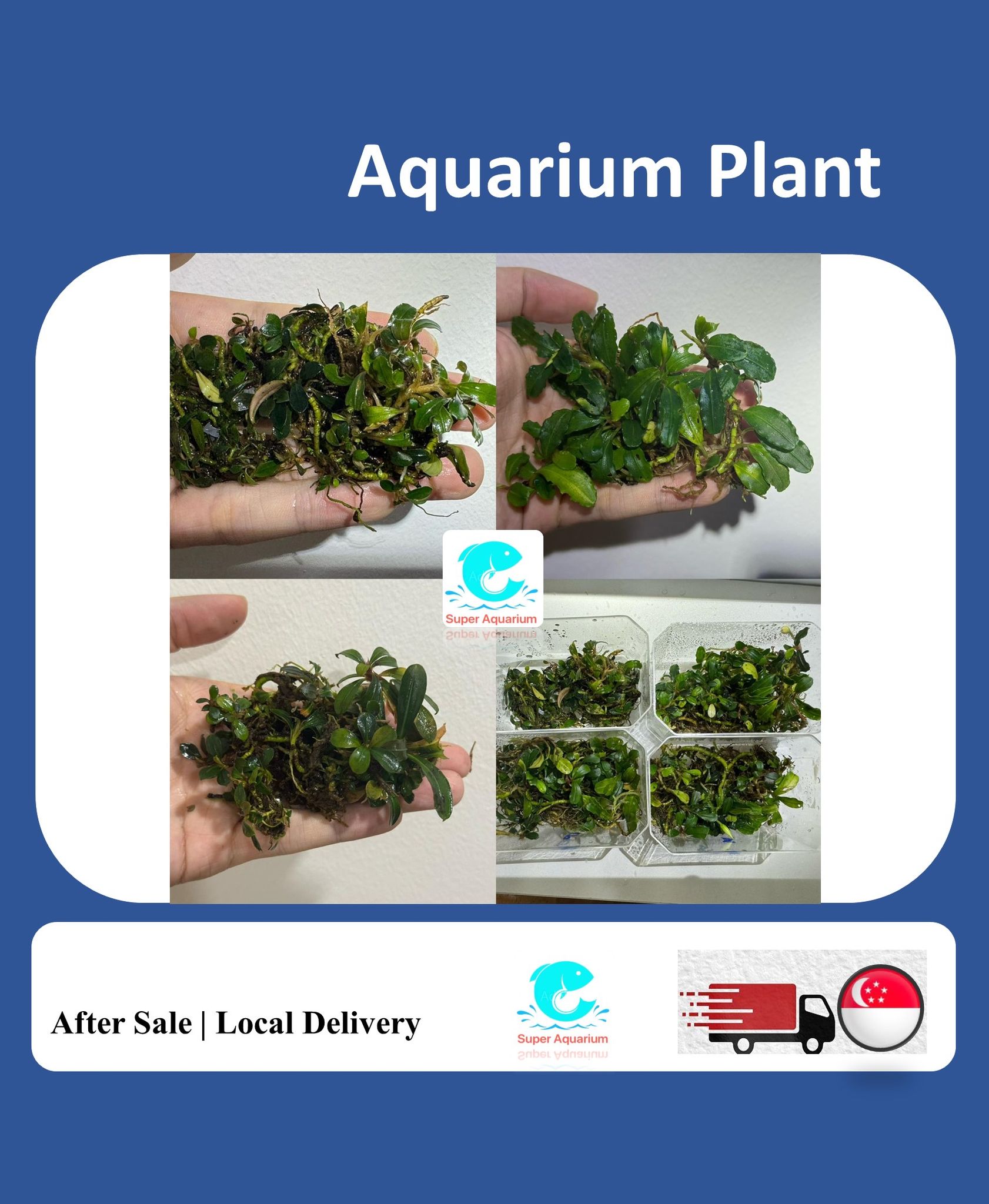
Explore midground aquarium plants for sale in Singapore from aquatic plant shops, growers and specialist sellers on FishyHub. Compare medium-height aquatic plants, compact rosette plants and aquascaping species suited to the middle layer of planted aquariums.
Midground plants help connect low foreground plants with taller background growth. They are useful for softening rocks and driftwood, creating depth and filling the middle of an aquascape without blocking the overall view.
Midground aquarium plants are generally medium-height species positioned between the foreground and background of a planted tank.
Their role is to create a smooth visual transition between low carpeting plants and taller stems or Vallisneria at the rear of the aquarium.
Popular midground plants include Cryptocoryne, compact Anubias, Bucephalandra, smaller Java Fern varieties and other medium-growing aquatic plants.
Cryptocoryne species are classic midground plants with a wide range of leaf shapes, sizes and colours. Many form attractive rosettes and can work well in low-tech planted aquariums.
Smaller and medium-sized Anubias varieties can be used around rocks and driftwood to create structure in the midground. Their broad leaves provide strong contrast against finer stem plants and carpets.
Bucephalandra is popular for detailed aquascaping because of its compact growth, varied leaf shapes and attractive colours. It can be attached to hardscape and used to soften the middle layer of the aquarium.
Compact Java Fern varieties can work well in the midground, especially when attached to driftwood or rock. Their vertical leaf shape adds height without reaching the scale of many background plants.
Other aquatic plants may also work well in the midground depending on mature size and trimming. Always check expected height so the plant remains in proportion to the surrounding layout.
Beginners may prefer hardy midground plants that tolerate simpler lighting and do not require frequent trimming.
Depending on the setup, easier choices may include:
Exact difficulty varies by species, but many midground plants are well suited to beginner planted aquariums.
Many popular midground species can grow without pressurised CO2.
Anubias, Java Fern, Cryptocoryne and many Bucephalandra varieties are commonly used in low-tech aquariums because they can perform well under moderate lighting and simpler conditions.
High-tech planted tanks can support a wider range of compact species and may encourage denser, faster growth.
Added CO2, stronger lighting and balanced fertilisation can improve growth for more demanding plants, but may also increase maintenance.
Midground plants are important for creating depth and making the transition between different layers of an aquascape feel natural.
They can be placed around the base of rocks, between pieces of driftwood or in small groups to connect open foreground areas with taller background planting.
Nature-style aquascapes often use midground plants to soften hardscape and create a gradual sense of depth.
Compact Cryptocoryne, Bucephalandra and Anubias can be especially useful around stone and wood where a lower but substantial plant mass is needed.
Jungle-style aquariums can use medium-height plants to create dense layers between the open foreground and taller background growth.
Combining different leaf shapes can produce a more natural, overgrown appearance while still preserving some structure in the layout.
Compact midground species can work particularly well in nano aquariums when mature size is chosen carefully.
Small Anubias, Bucephalandra and compact Cryptocoryne varieties can provide texture without overwhelming a small tank.
Midground plants can provide valuable grazing surfaces and shelter for freshwater shrimp.
Epiphytes attached to wood and rocks can also increase usable habitat without covering the entire substrate.
Broad-leaved midground plants can work well in Betta aquariums by providing cover and resting areas.
Anubias and Java Fern can be particularly useful when attached to smooth hardscape, while leaving enough open water for swimming.
Medium-height plants can create sheltered zones and visual barriers for peaceful community fish.
They can be combined with open swimming areas for Tetras, Rasboras, Gouramis and other community species.
Driftwood provides an excellent base for midground planting.
Anubias, Bucephalandra and Java Fern can be attached directly to wood, helping the hardscape look more established while keeping their rhizomes above the substrate.
Compact plants can be positioned around rocks to soften edges and make stone arrangements blend more naturally into the aquascape.
Smaller epiphytes can be attached directly to the rock, while rooted plants can be placed in substrate pockets around the base.
Many midground plants do not require pressurised CO2.
Hardy plants such as Anubias, Java Fern and many Cryptocoryne can grow in low-tech tanks, while more demanding species may benefit from added CO2.
Lighting requirements vary considerably between species.
Many slower-growing midground plants tolerate moderate lighting, while more colourful or demanding species may need stronger light to maintain compact growth.
Rooted midground plants may obtain nutrients from the substrate, while epiphytes generally grow attached to hardscape.
Choose substrate according to the plant species being used, and avoid burying the rhizomes of Anubias, Bucephalandra or Java Fern.
Nutrient requirements depend on plant growth rate and how each species feeds.
Rooted plants may benefit from nutrients in the substrate, while epiphytes often obtain much of their nutrition from the water column. Fertilisation should be adjusted according to actual plant growth.
Foreground plants are usually lower and positioned near the front glass, while midground plants provide greater height and structure behind them.
Using both layers helps create depth without allowing taller plants to dominate the front of the aquarium.
Midground plants are generally shorter than background species and are intended to create the transition into taller growth.
Background plants frame the rear of the aquarium, while midground plants help hide the bases of those taller stems and make the layout feel more layered.
Midground plants often look more natural when arranged in uneven groups rather than straight rows.
Place taller specimens toward the rear of the middle zone and smaller plants closer to the foreground to create a gradual transition in height.
Maintenance depends on the species selected.
Fast-growing plants may need regular trimming, while Anubias, Java Fern and Bucephalandra generally grow more slowly and need much less frequent shaping.
Some aquatic plants lose older leaves while adjusting to new aquarium conditions or transitioning from emersed to submerged growth.
Persistent decline may also be related to unsuitable lighting, water conditions, damaged roots, nutrient deficiencies or incorrect planting.
When comparing midground aquarium plants for sale, look for:
Minor older-leaf damage does not necessarily mean a plant is unhealthy if the roots, rhizome and new growth remain in good condition.
Midground plant prices in Singapore vary depending on species, cultivar, portion size, growth form and seller.
Common Cryptocoryne or Anubias may be relatively affordable, while uncommon Bucephalandra varieties or larger established clumps can cost more.
FishyHub brings midground plant listings from aquatic plant shops, growers and aquarium sellers across Singapore together in one marketplace, making it easier to compare plants from multiple sources.
When comparing midground plants, consider:
Seller inventory changes regularly, so available species, cultivars and portion sizes may vary over time.
Cryptocoryne, Anubias, Bucephalandra and compact Java Fern varieties are popular choices, depending on tank size and lighting.
Selected Cryptocoryne, Anubias and Java Fern are commonly considered beginner-friendly in suitable low-tech setups.
Not all do. Many common midground species can grow without pressurised CO2, while more demanding plants may benefit from it.
Yes. Small and medium Anubias varieties work well around rocks and driftwood in the middle of an aquascape.
Yes. Many Cryptocoryne species form medium-height rosettes that work naturally between foreground and background plants.
Yes. Bucephalandra can be attached to rocks or wood and is especially useful for adding compact texture around hardscape.
Yes. Their leaves, roots and hardscape can provide grazing surfaces and shelter for freshwater shrimp.
There is no fixed height. The ideal size depends on aquarium dimensions and the surrounding plants, but midground species should generally create a transition without obscuring the background.
Explore midground aquarium plants for sale on FishyHub and compare Cryptocoryne, Anubias, Bucephalandra, Java Fern and other medium-height aquatic plants from sellers across Singapore. Compare size, growth habit, lighting and CO2 requirements to find suitable plants for the middle of your aquascape.
