1–40 of 141
Showing 40 of 141 products

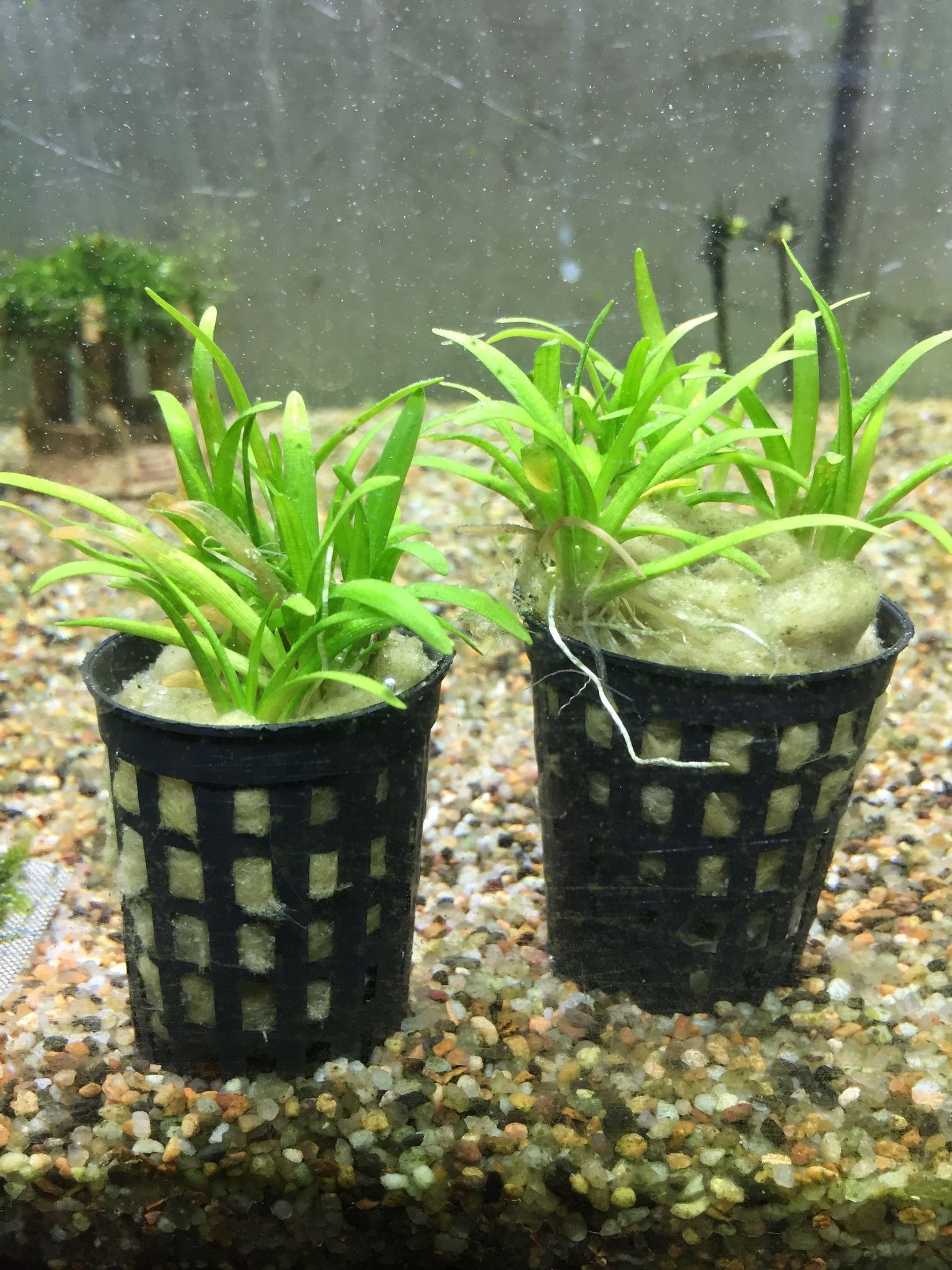
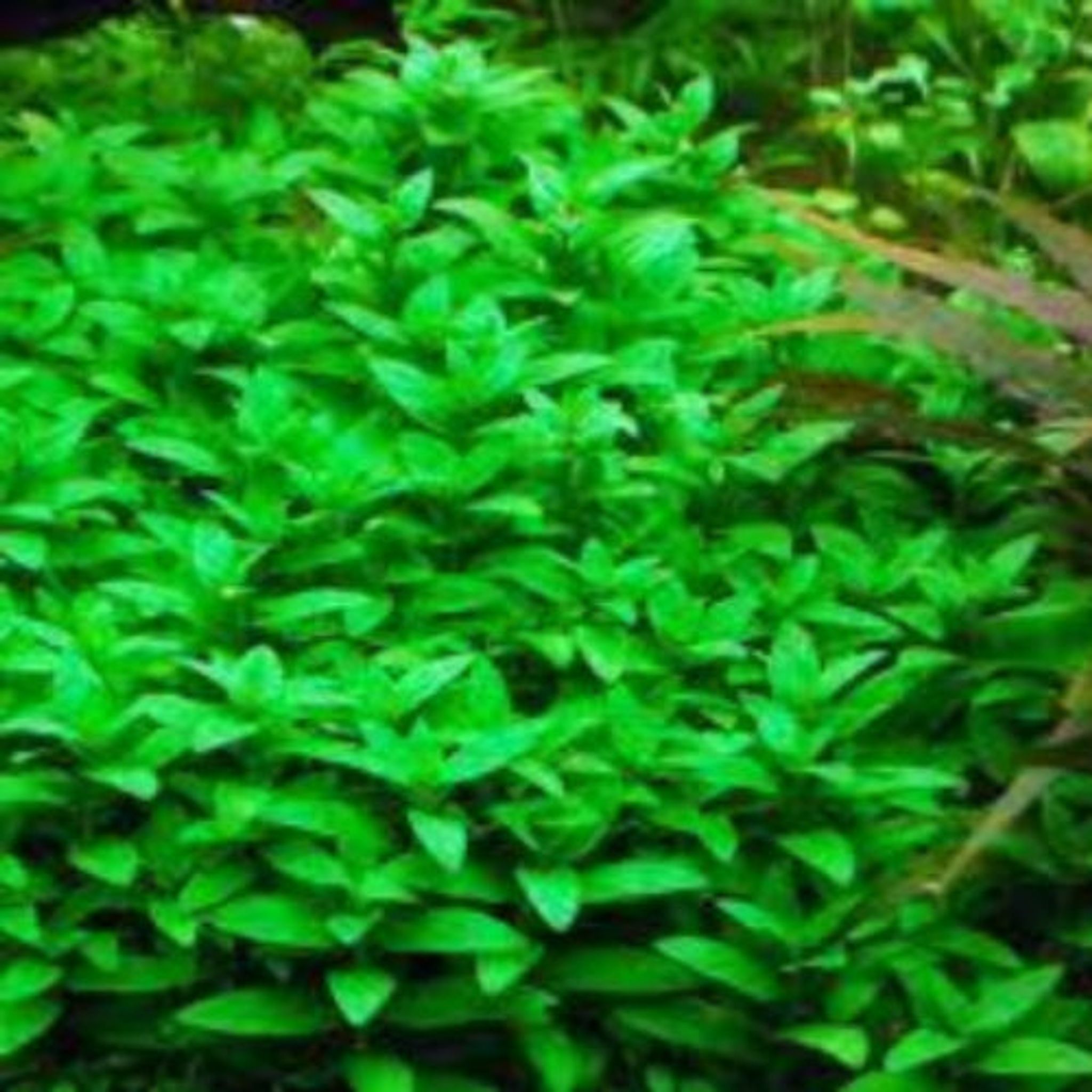
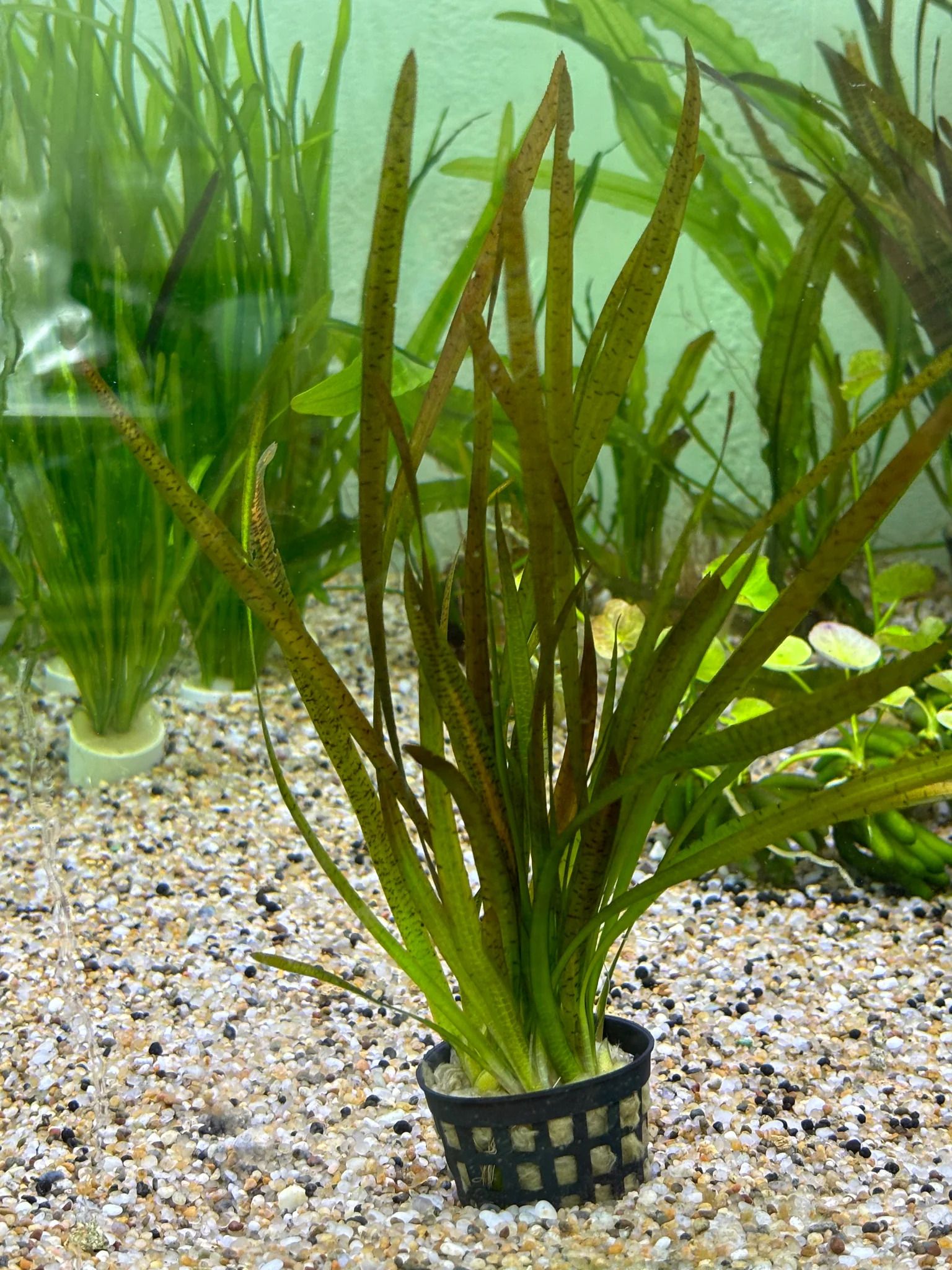
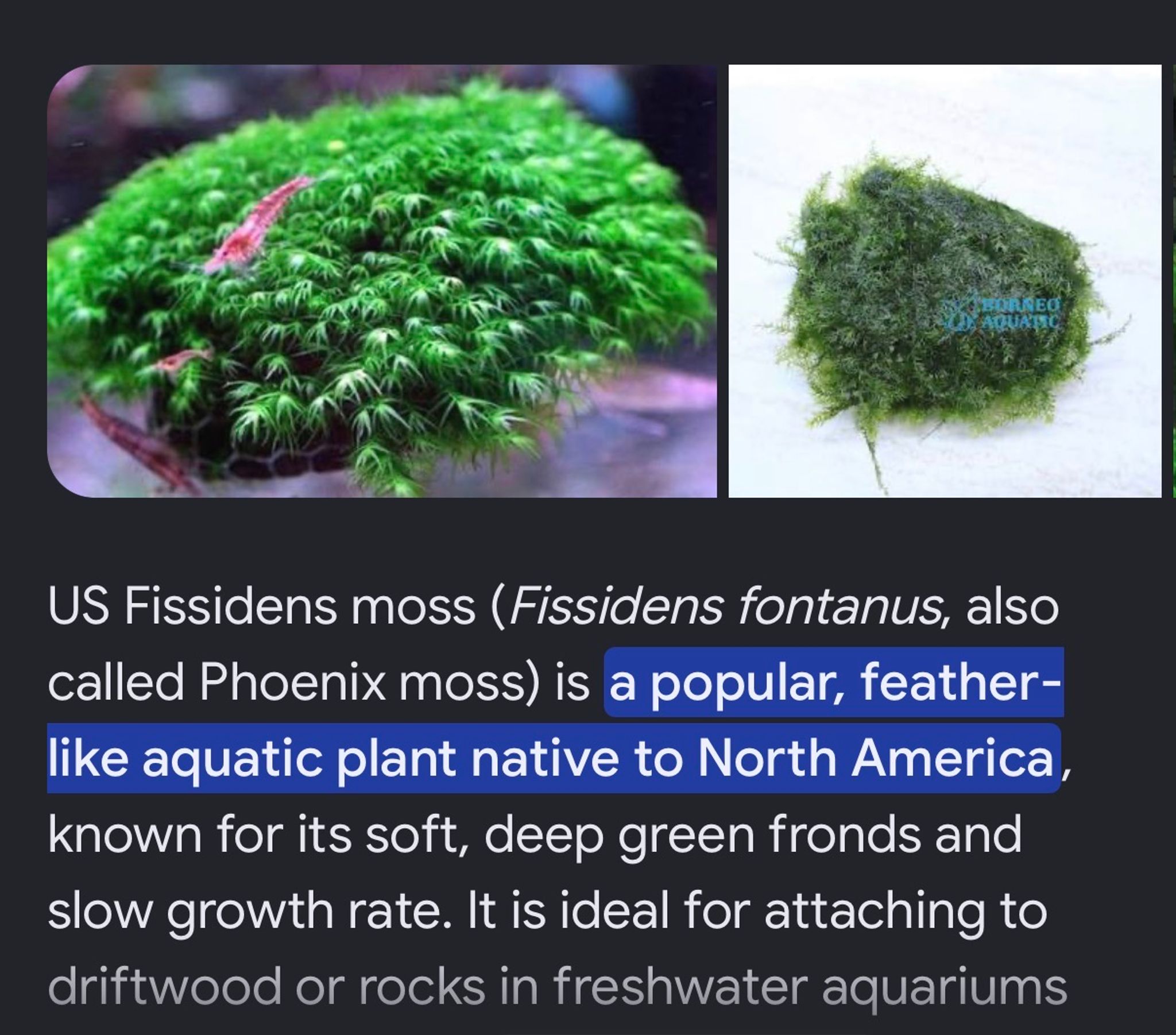

1779870078496.jpeg?signature=4631af2d29a5420b8e6bbff6b8321869b927ad672283c5e86cd1035a726e4946)
%20%E2%80%93%20Perfect%20for%20Shrimp%2C%20Fry%20%26%20Algae%20Control!1779869496919.jpeg?signature=b0443582facd263b8220f686b80398b3d301cdcd450d8129c47ffe7d9e924545)
%20%E2%80%93%20Perfect%20for%20Shrimp%2C%20Fry%20%26%20Algae%20Control!1779869257562.jpeg?signature=67e738877140f7cd816961bbfb8aeb05879101747eb72122621cb0b981b261b5)
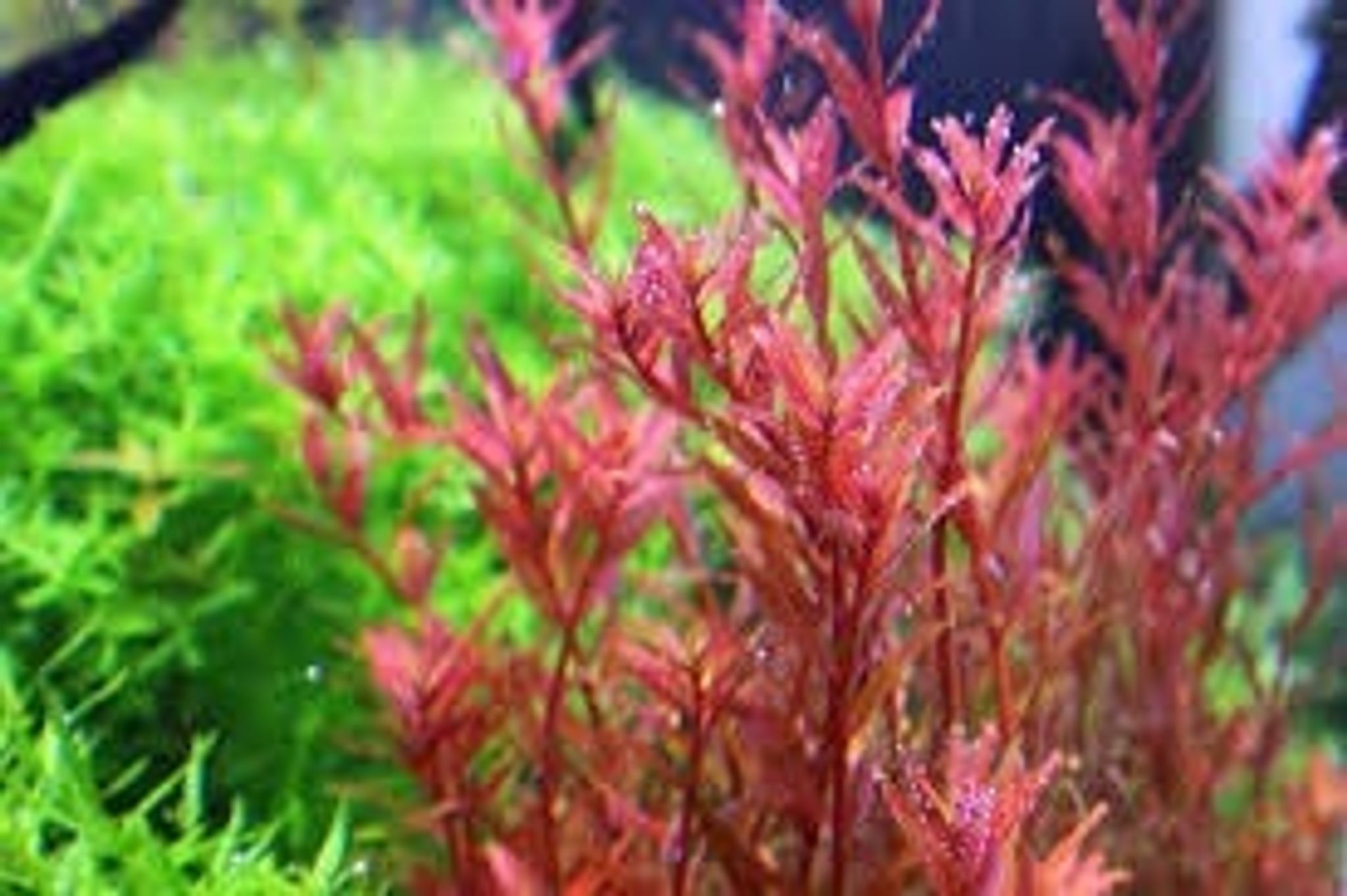
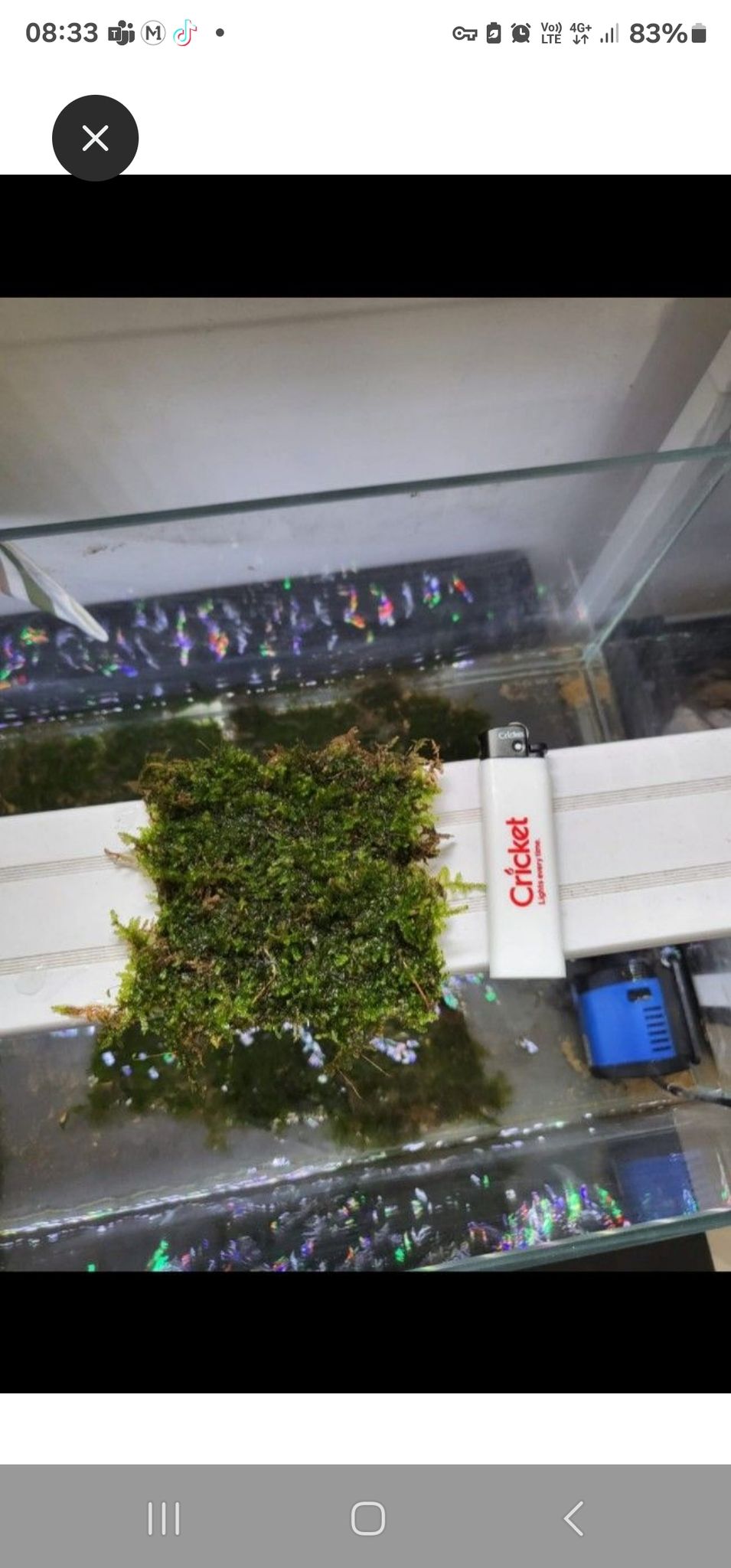
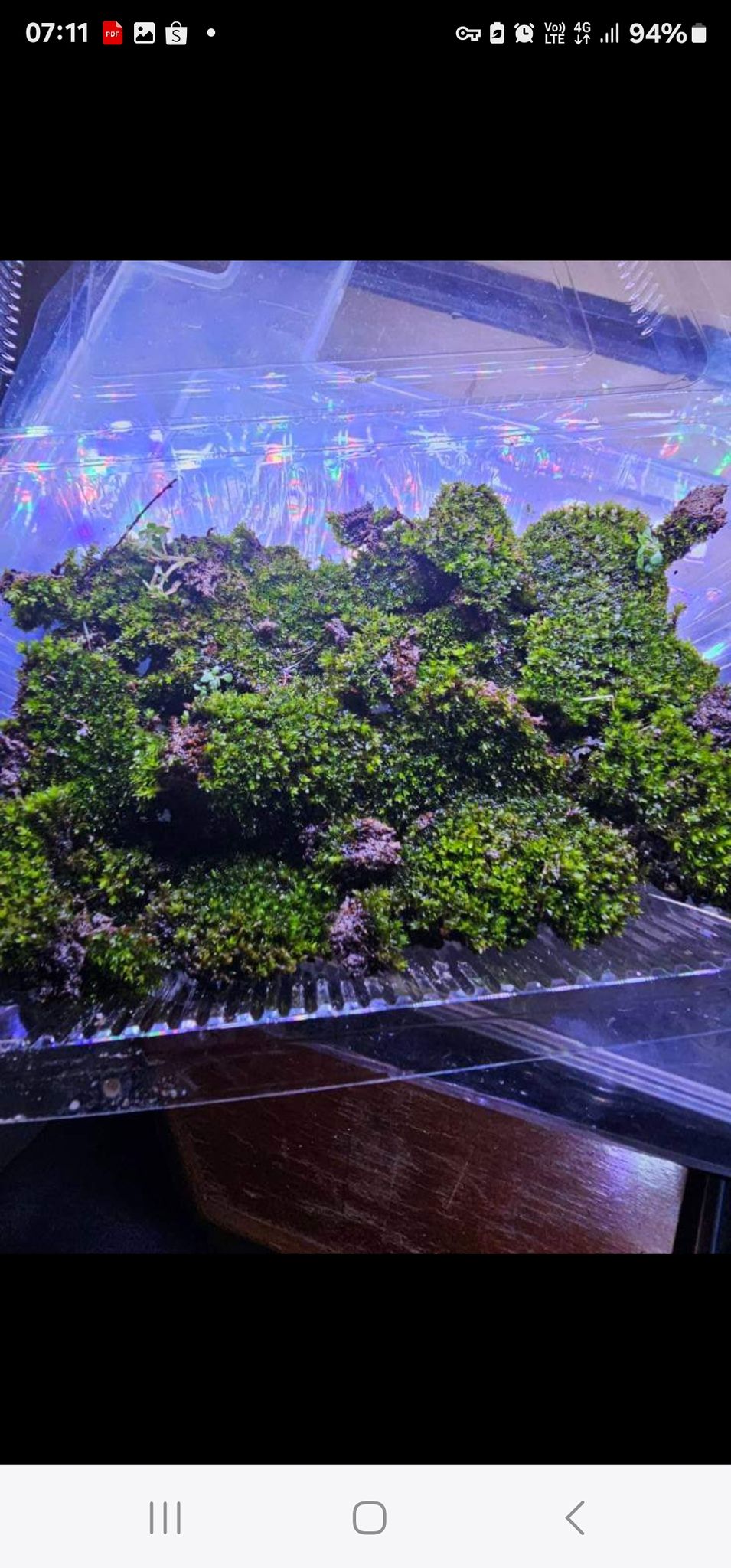
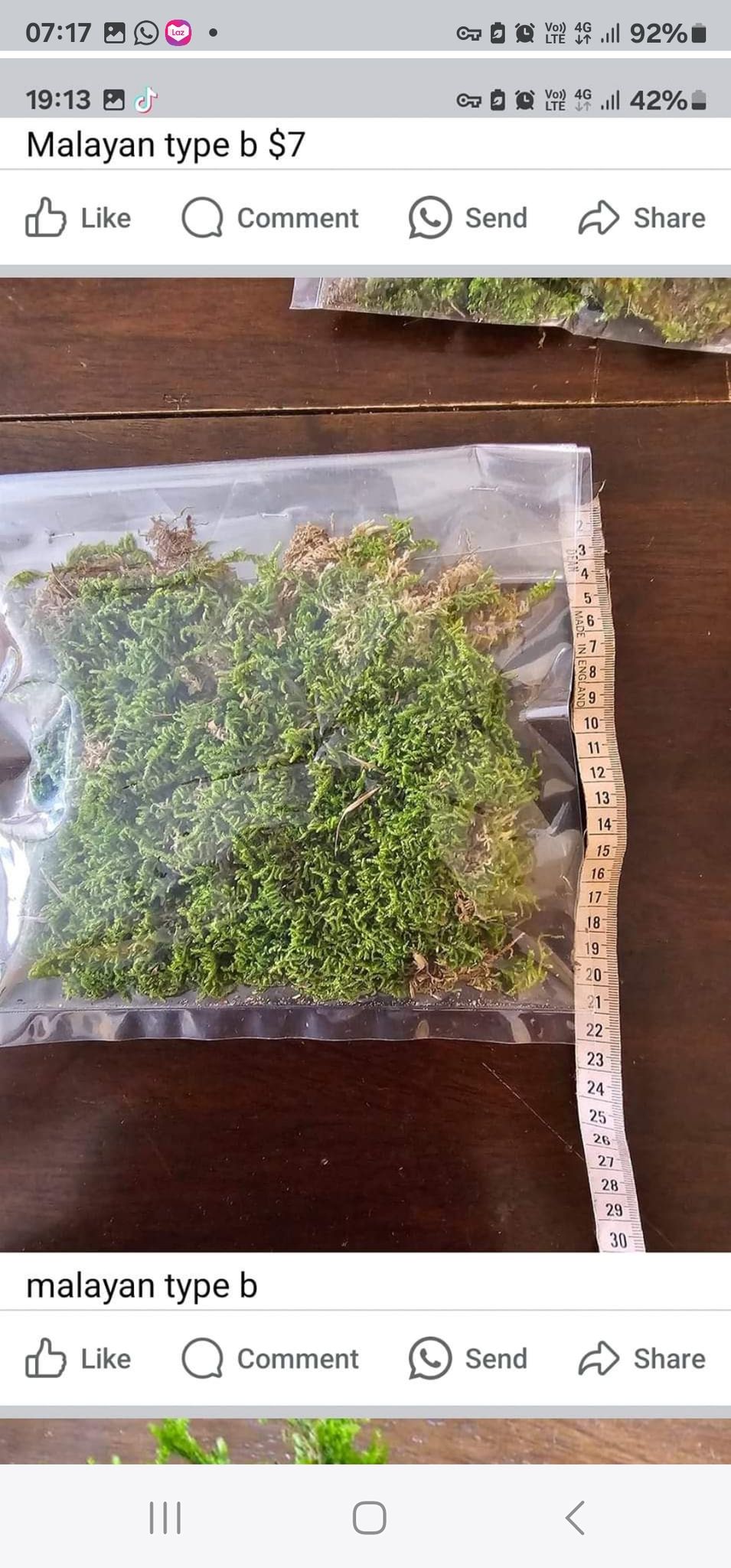
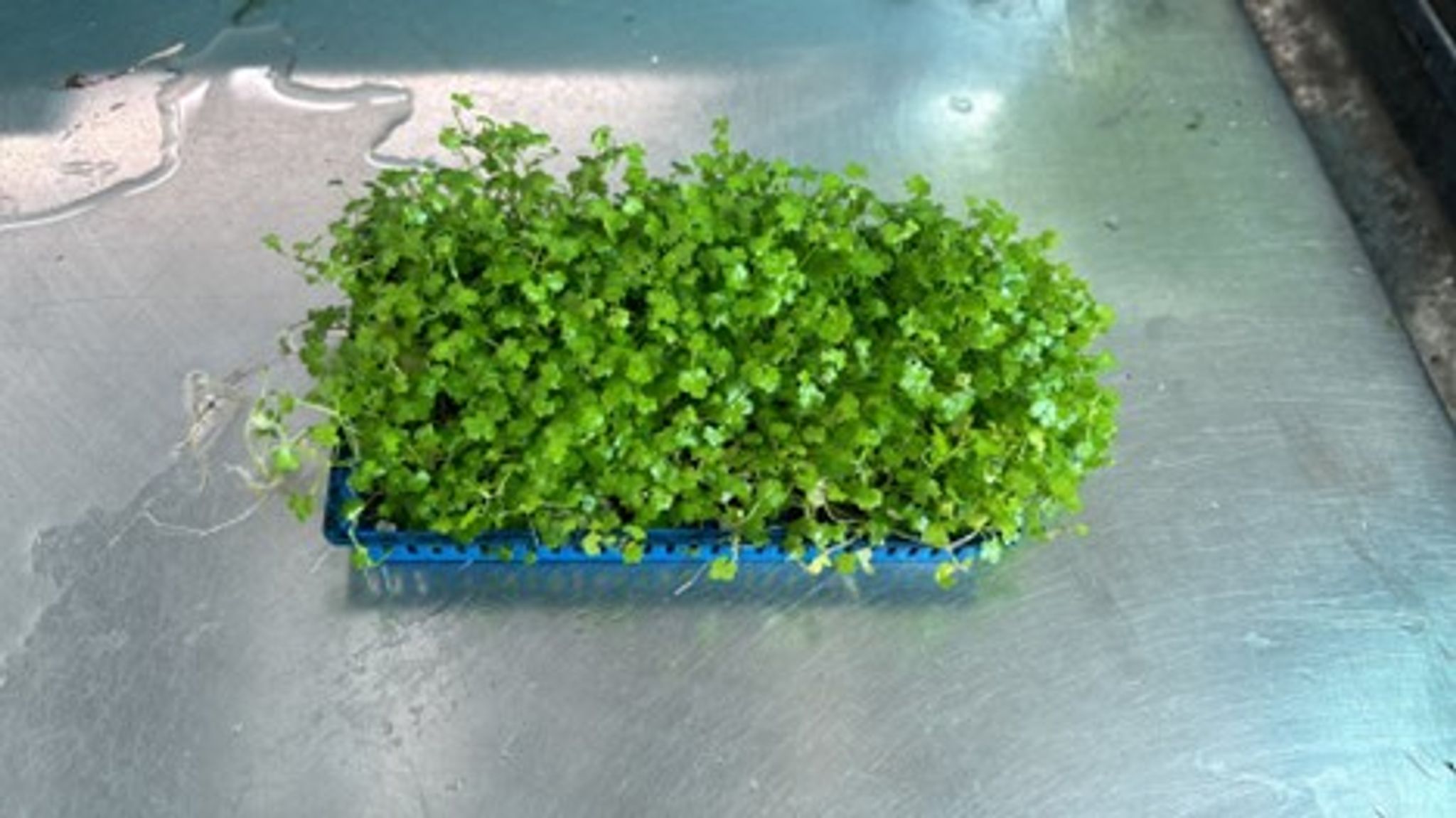
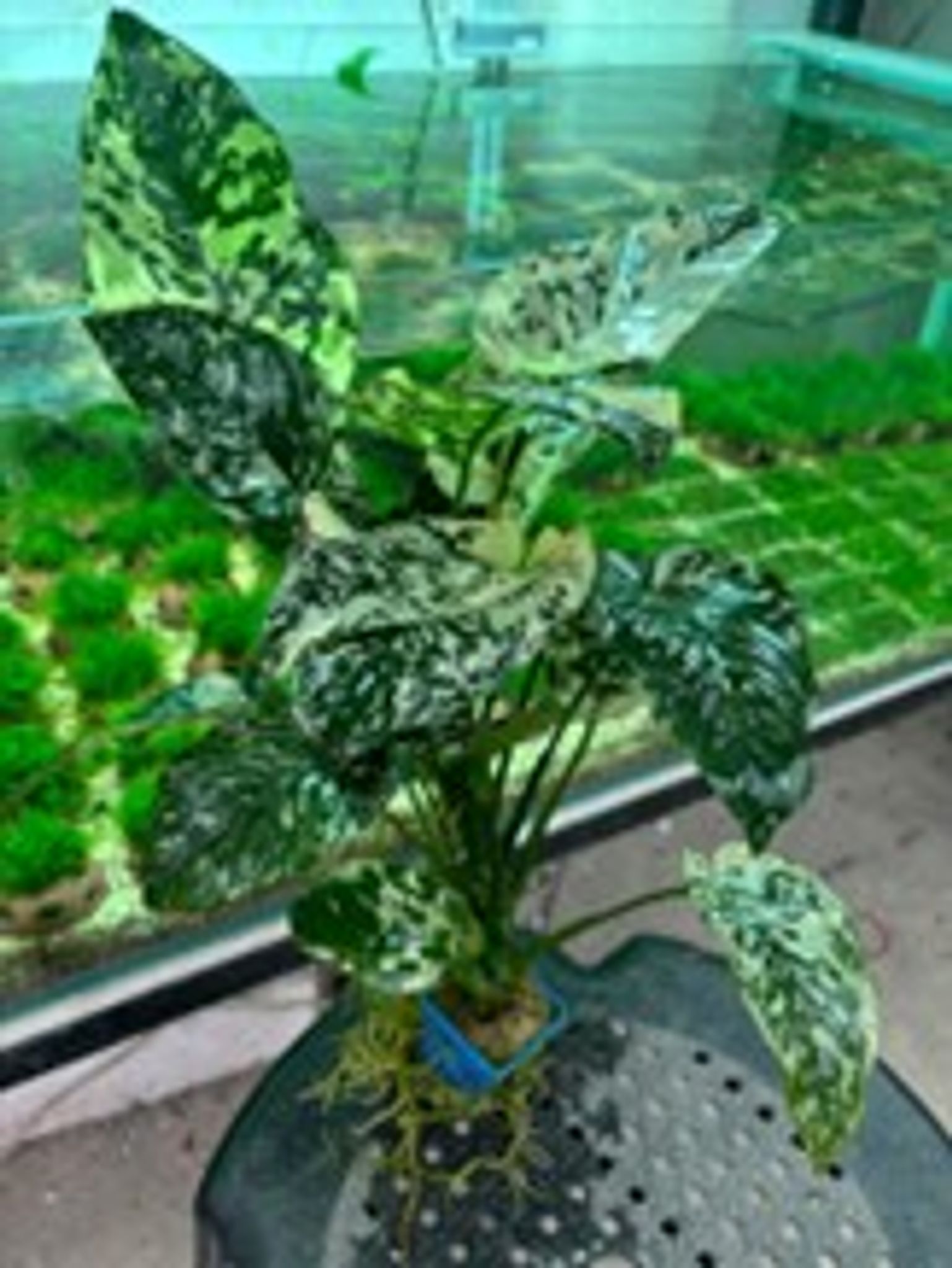

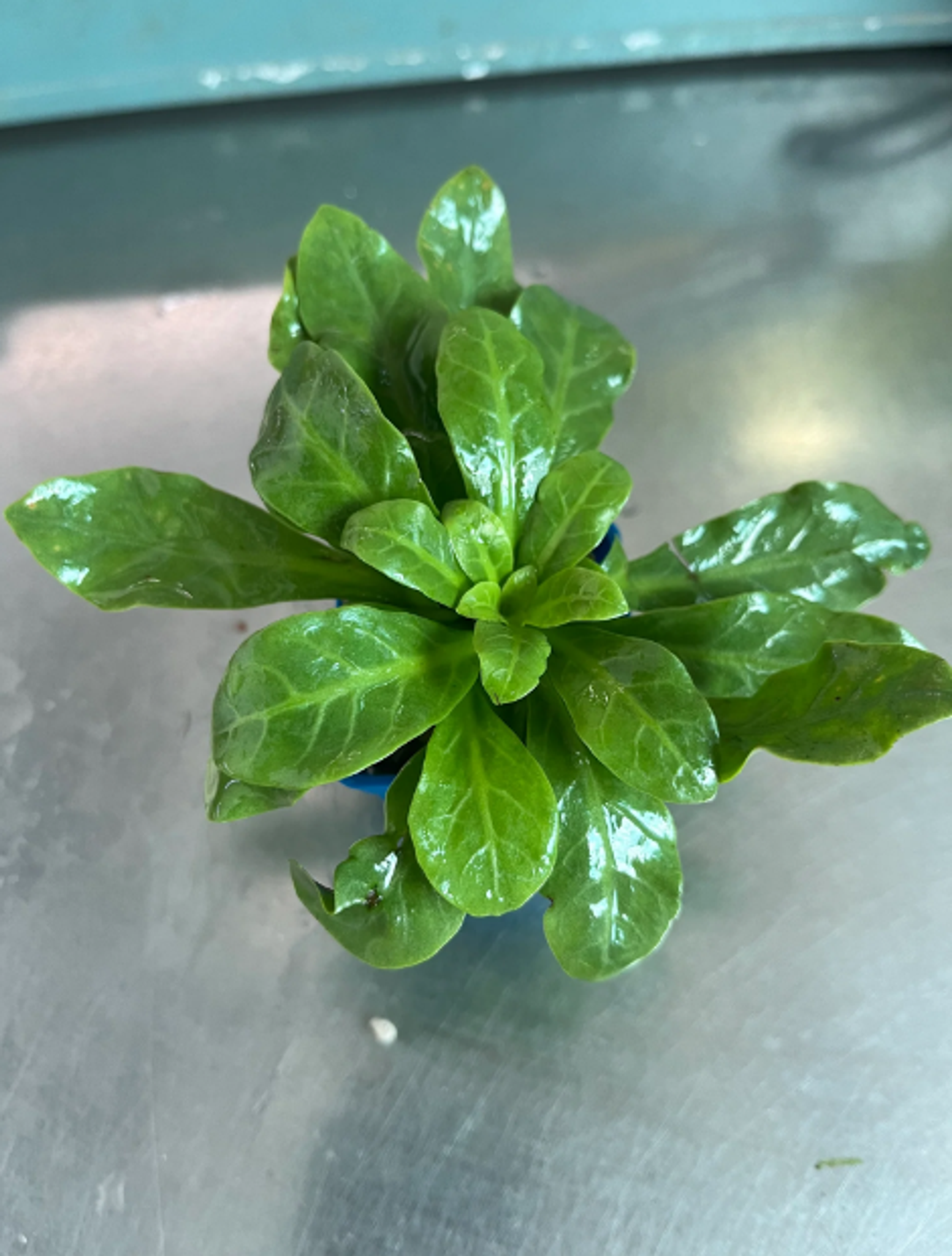

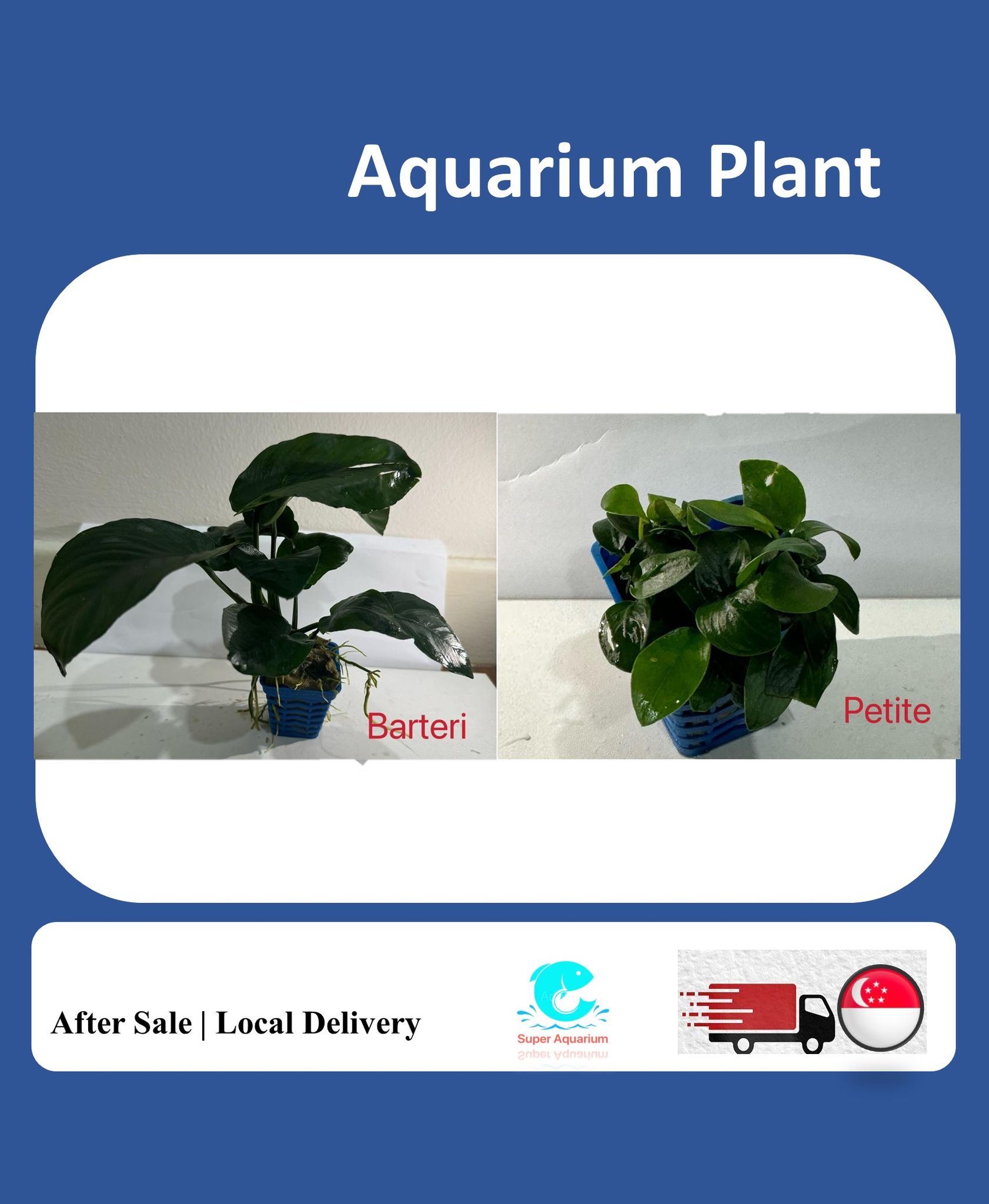
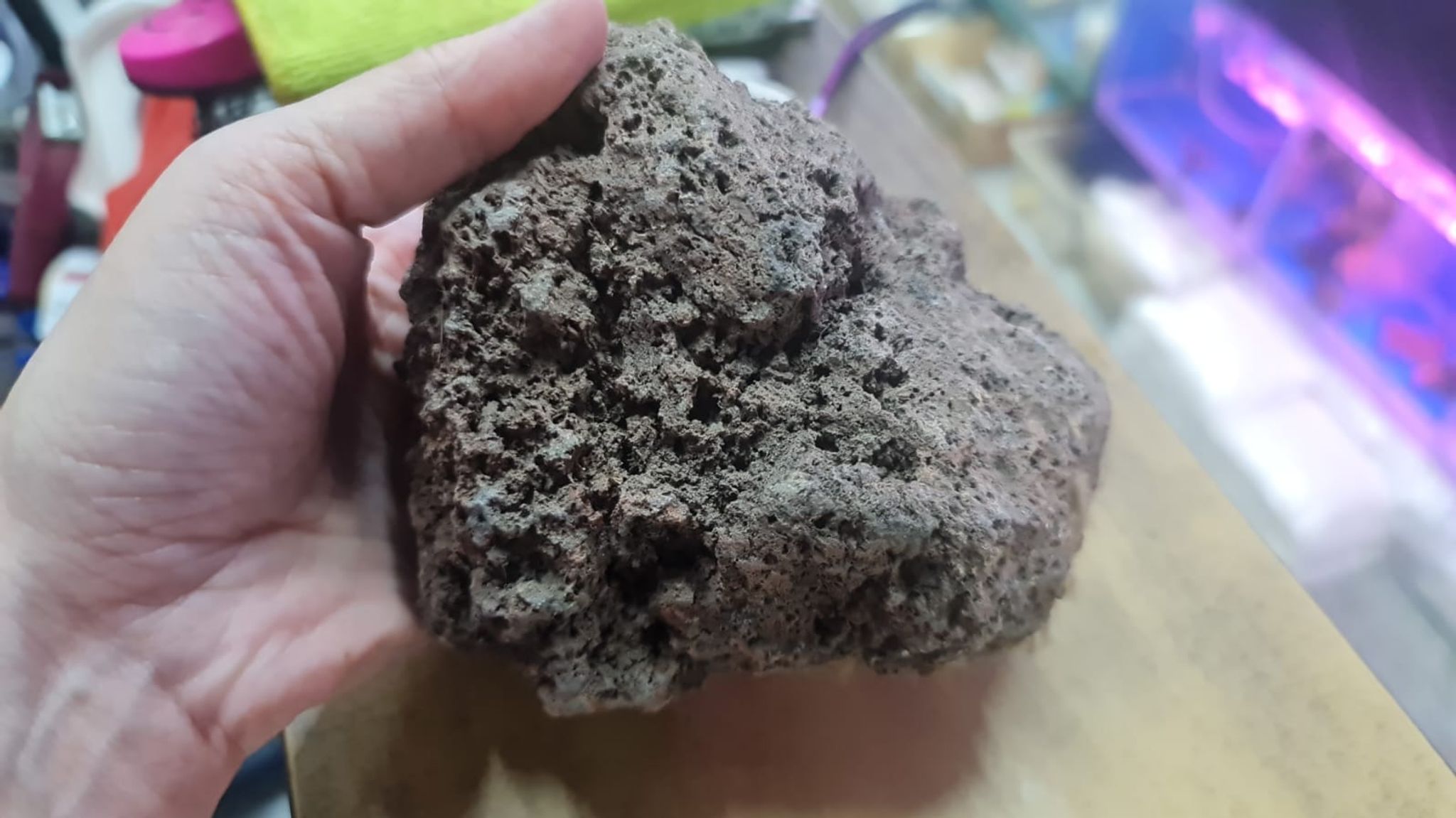
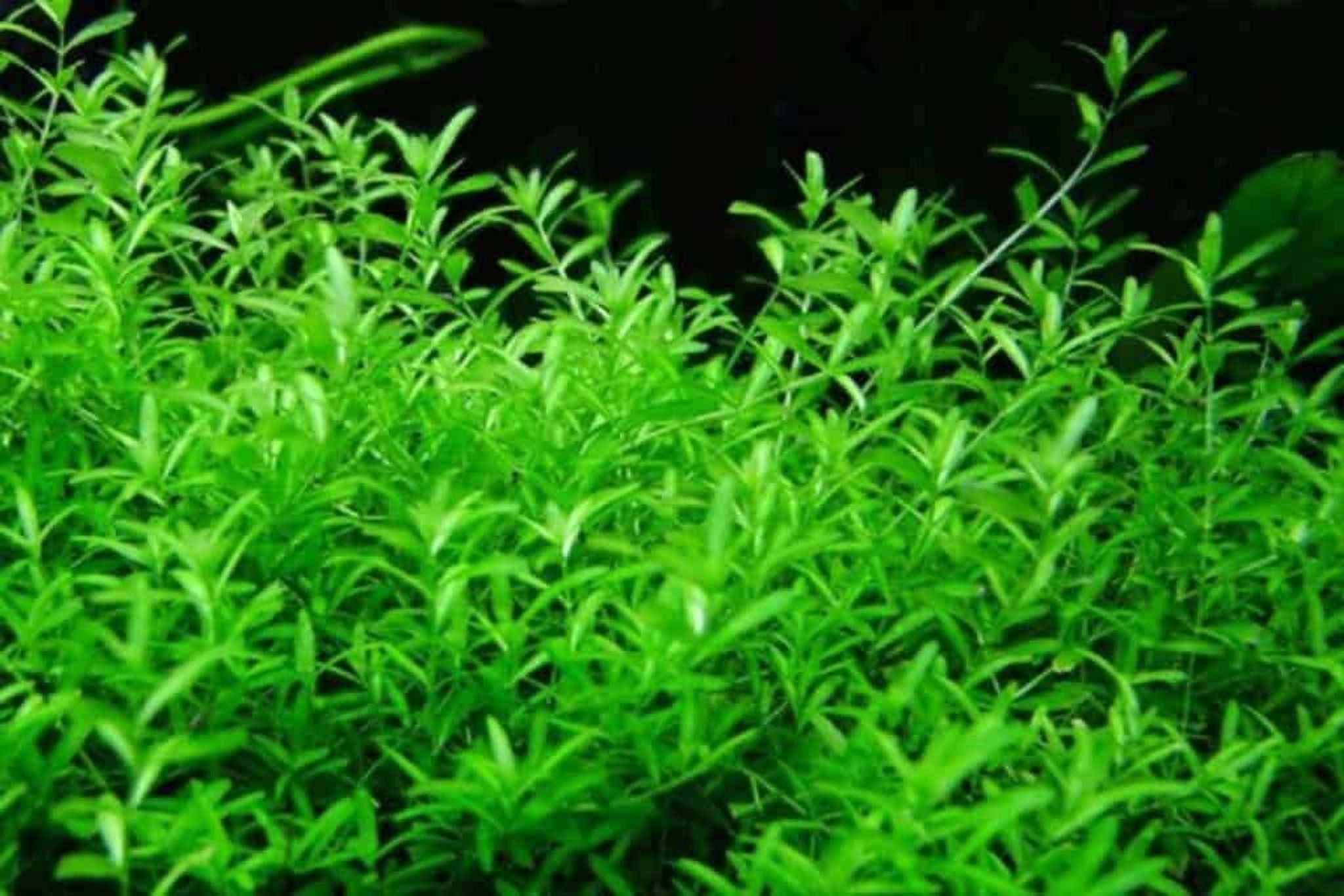

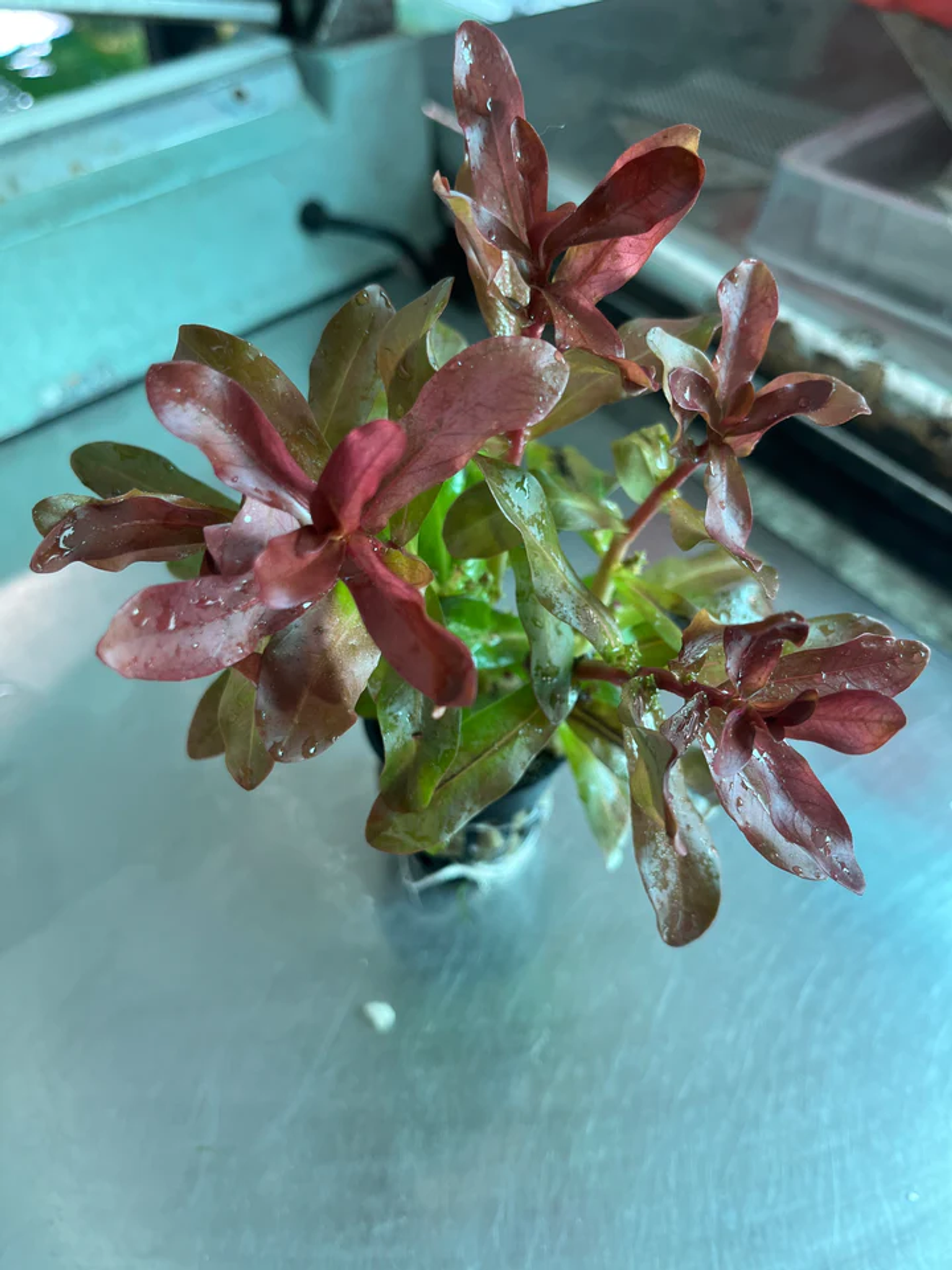

Explore foreground aquarium plants for sale in Singapore from aquatic plant shops, growers and specialist sellers on FishyHub. Compare low-growing plants, carpeting species and compact aquascaping plants suited to the front of planted aquariums.
Foreground plants are used near the front of an aquarium to create a low, open layer that does not block the view of taller plants and hardscape behind them. They are especially popular in aquascapes where a grassy or carpeted effect is desired.
Foreground aquarium plants are low-growing species placed toward the front of a planted tank.
They help create depth by keeping the front of the aquarium visually open while taller midground and background plants rise behind them.
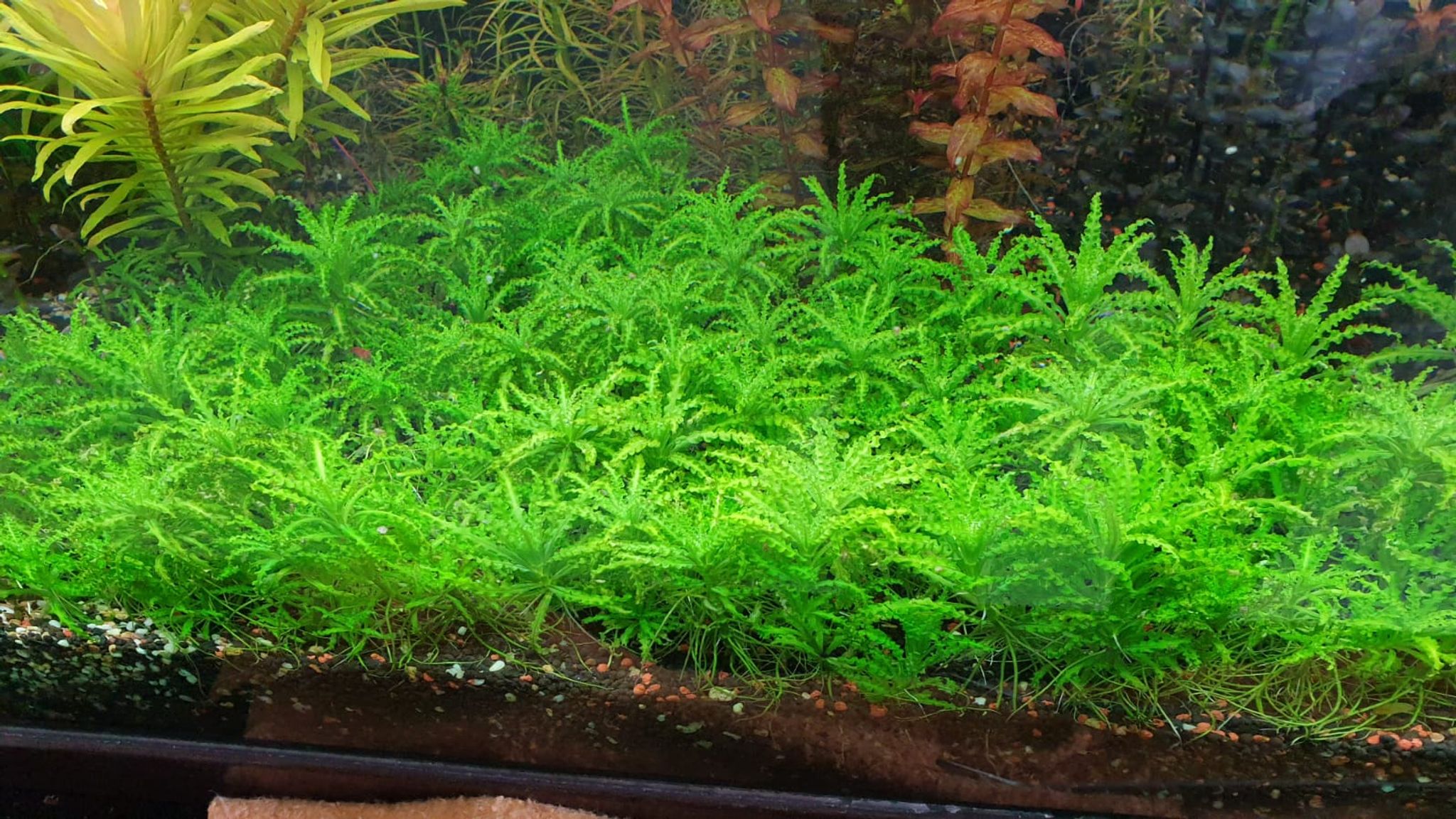
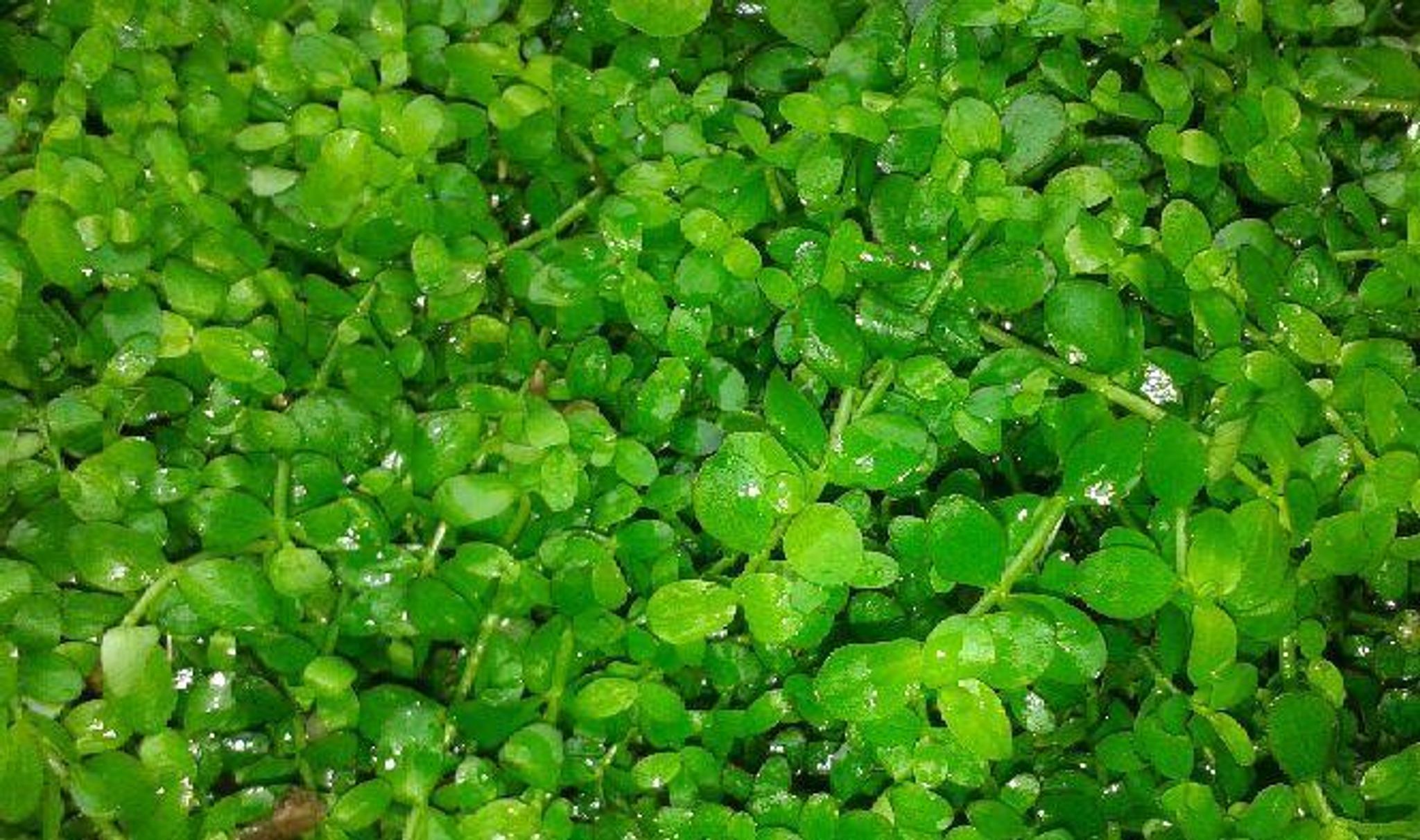
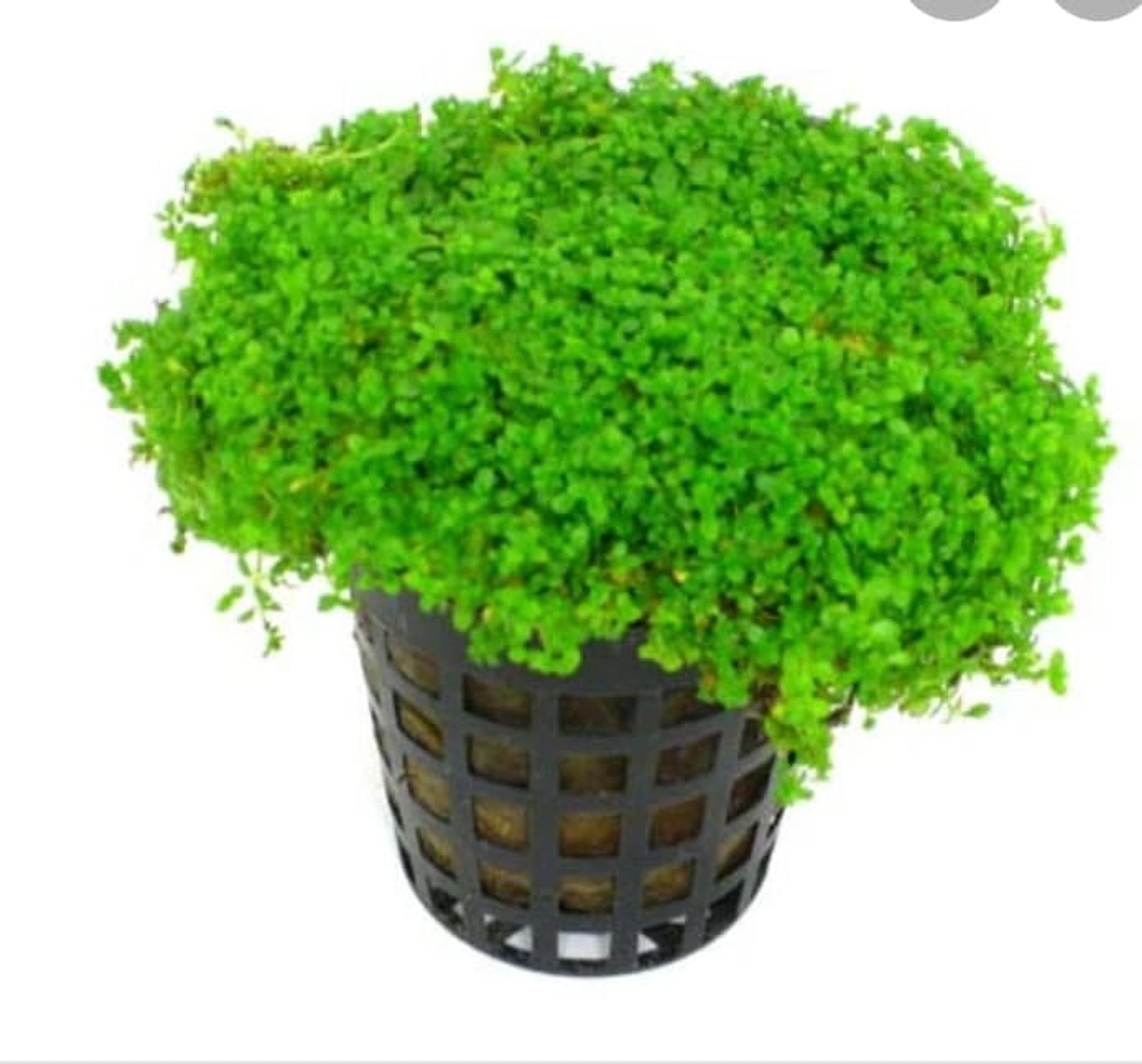
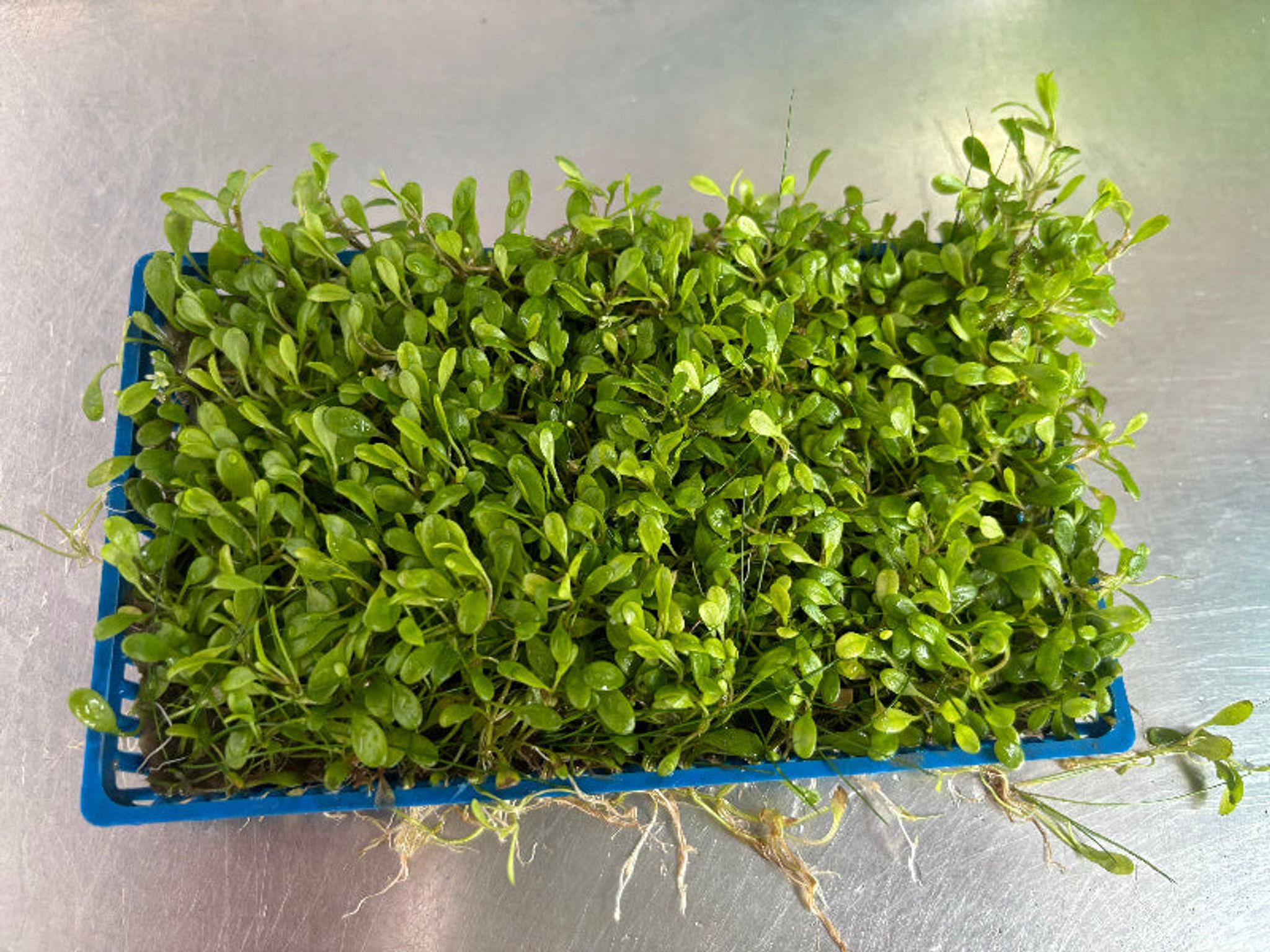
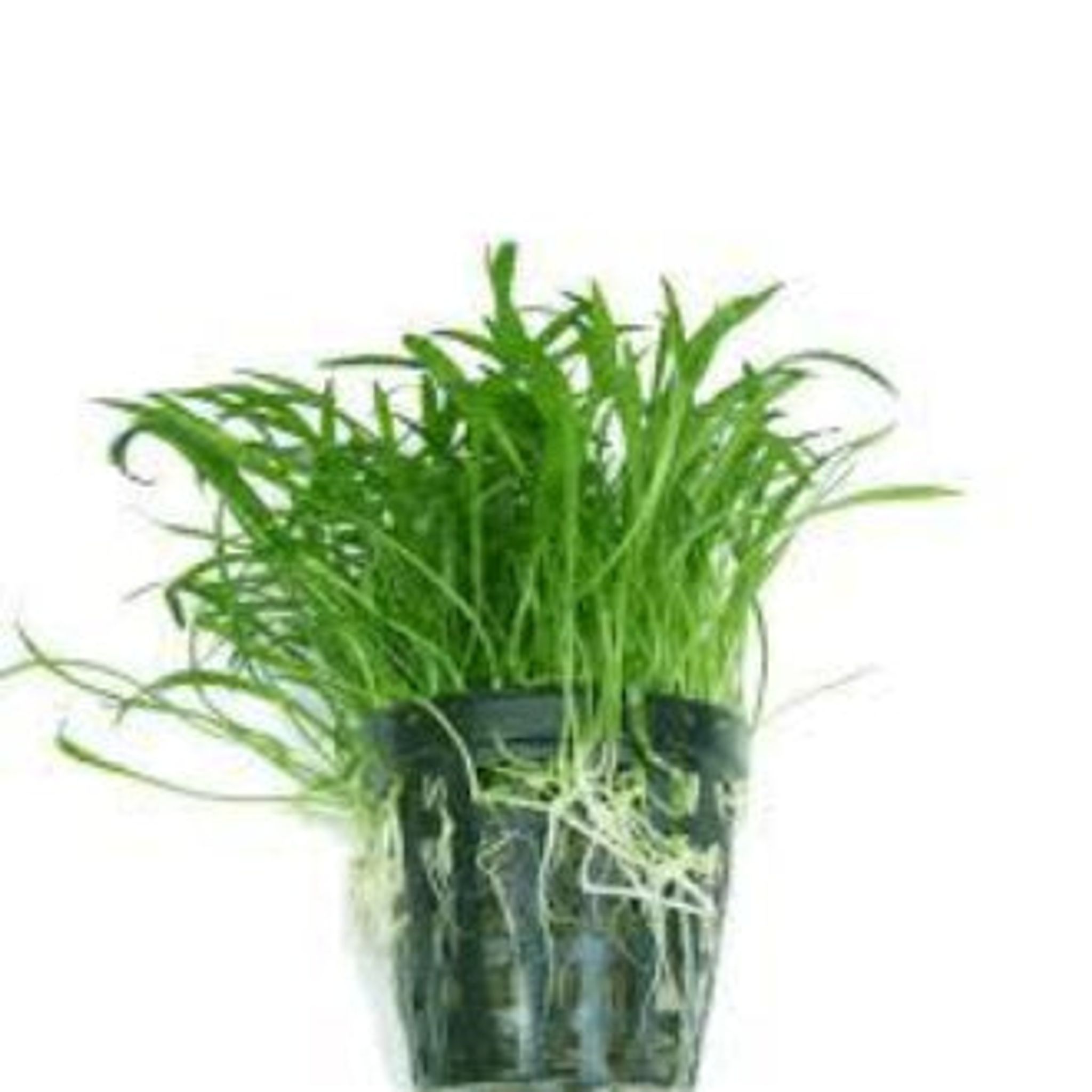
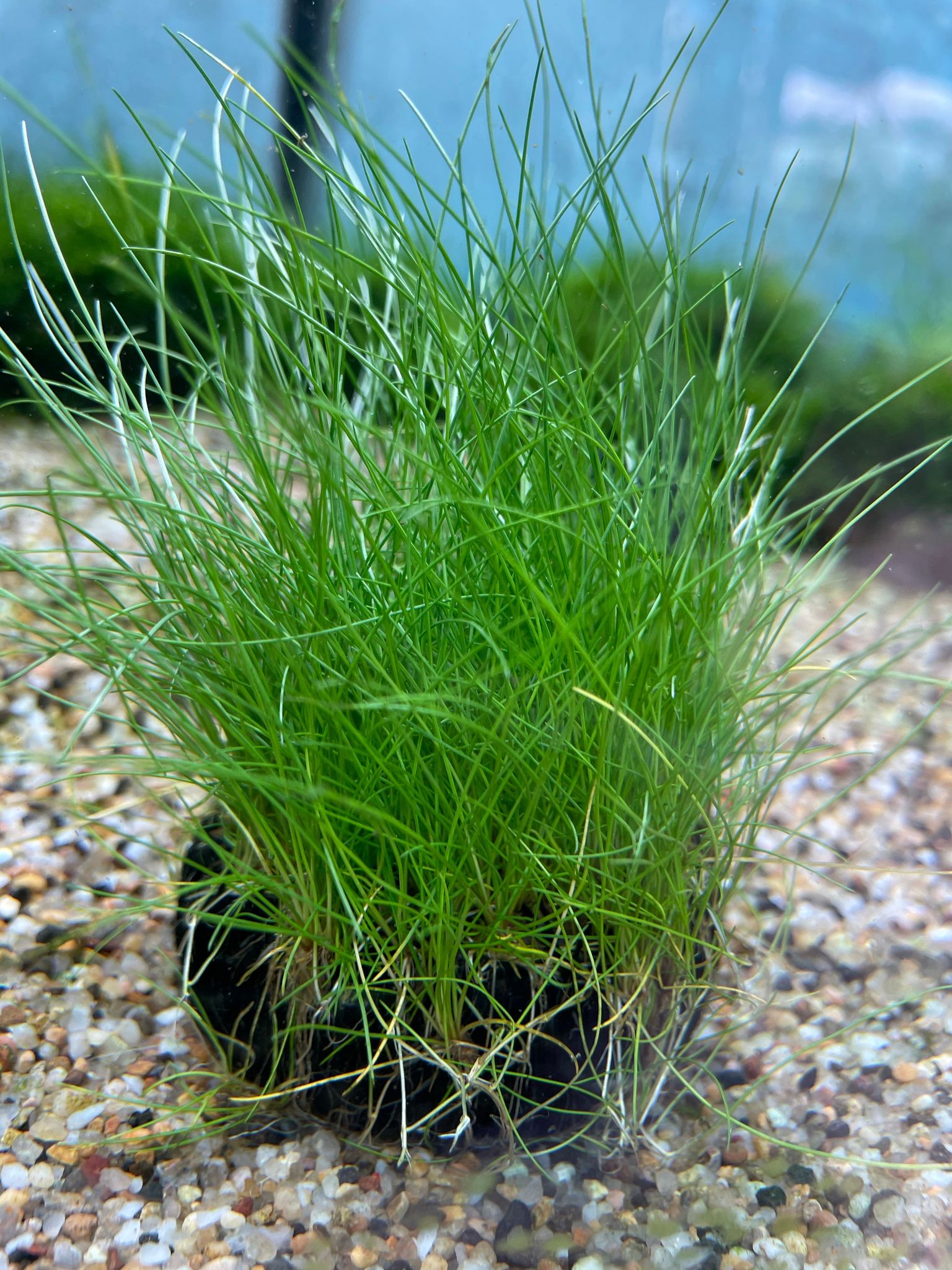
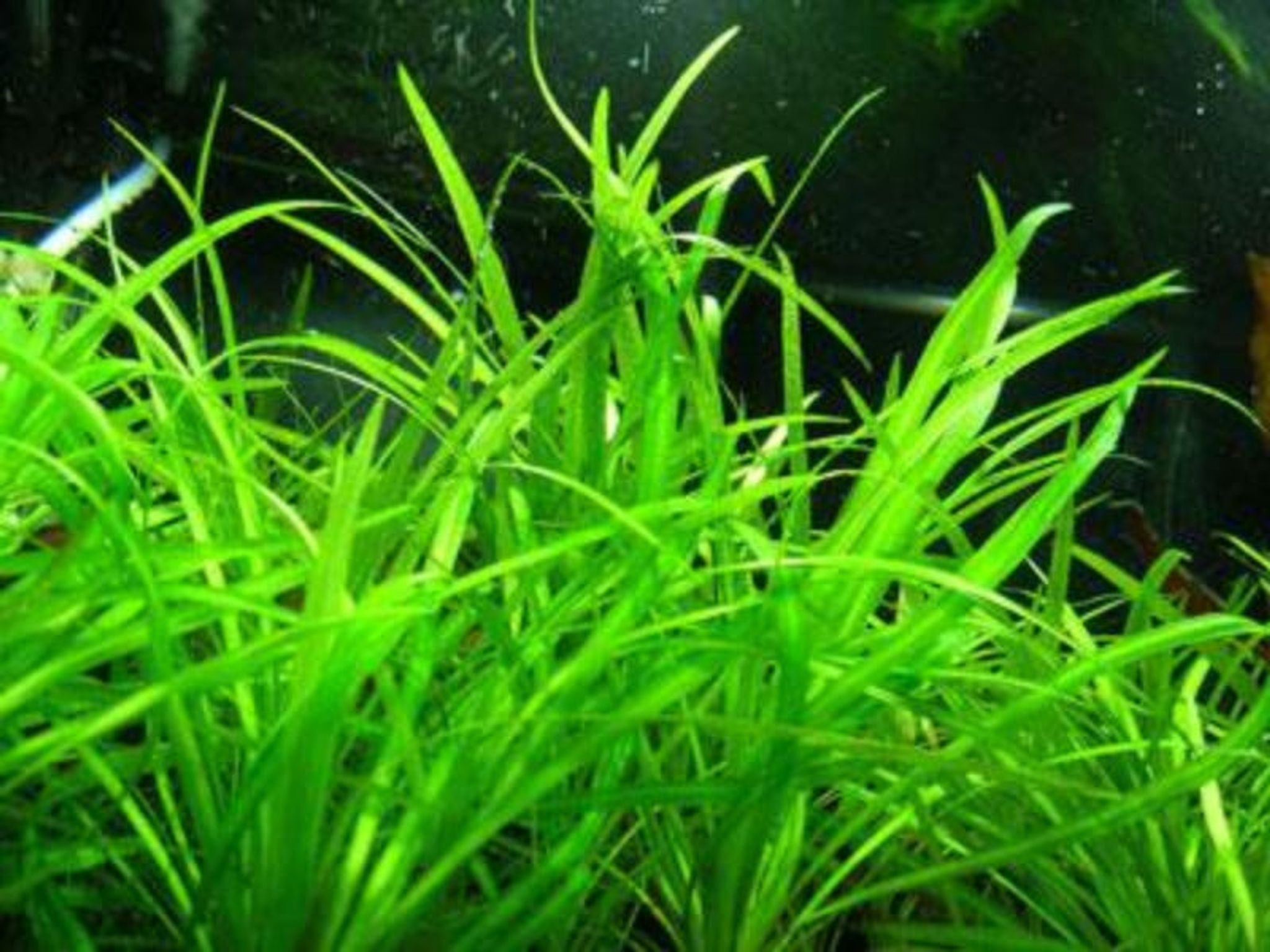
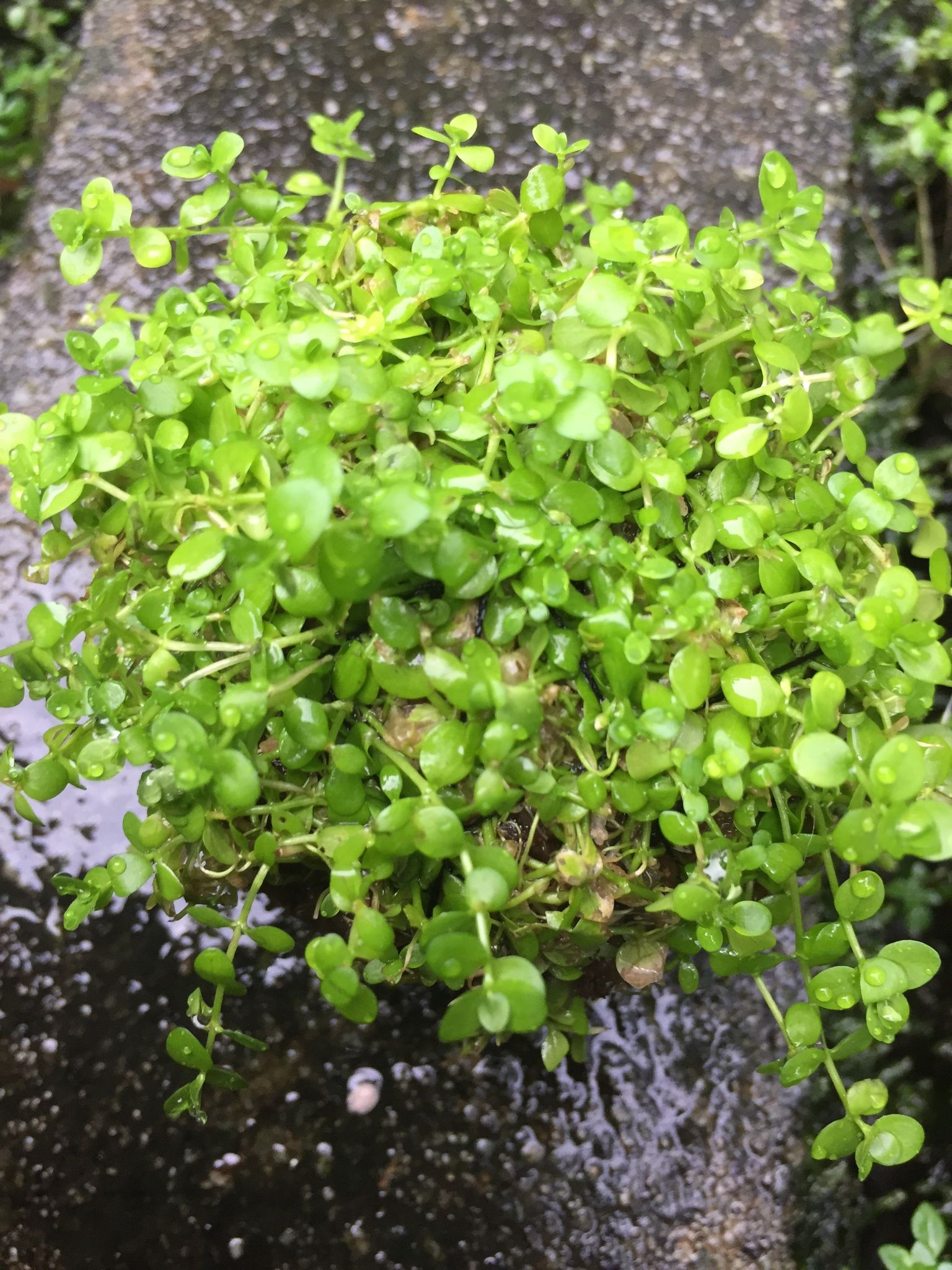
Popular foreground plants include Monte Carlo, Dwarf Hairgrass, Glossostigma, Marsilea and other compact species used to create low carpets or small planted clusters.
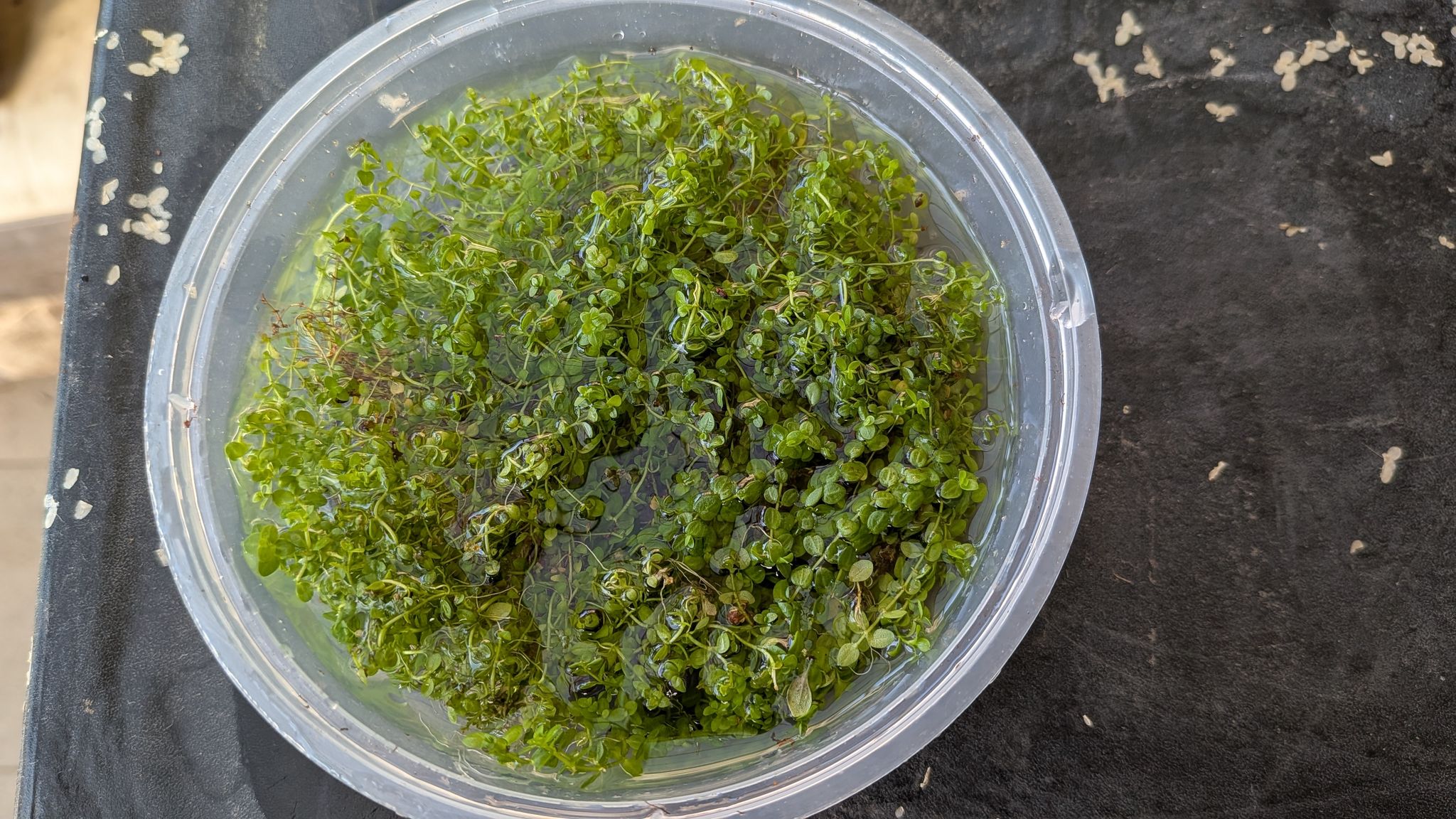
Monte Carlo is one of the most popular carpeting plants in aquascaping. It produces small round leaves and can spread across the substrate under suitable lighting, nutrition and CO2 conditions.
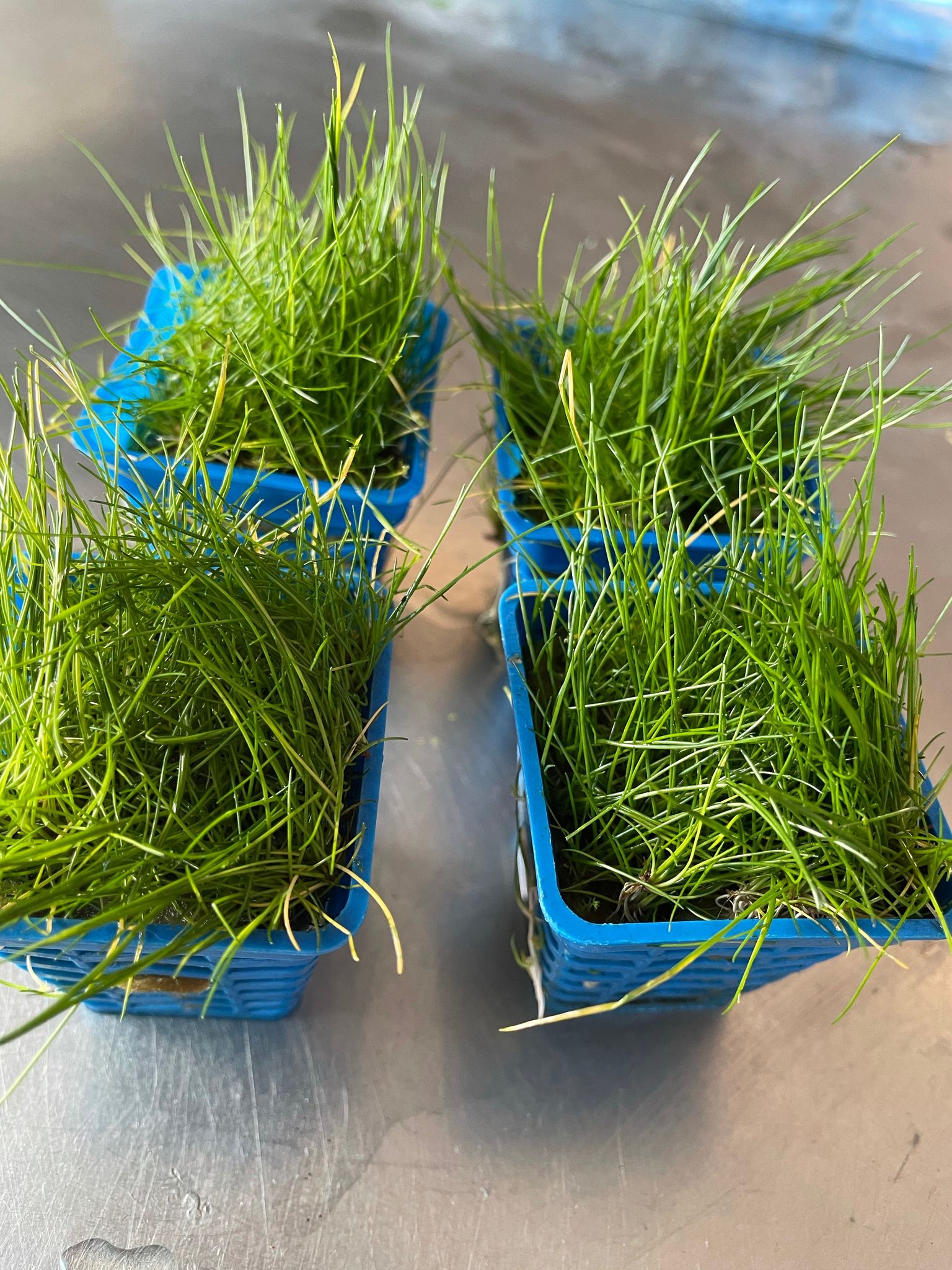
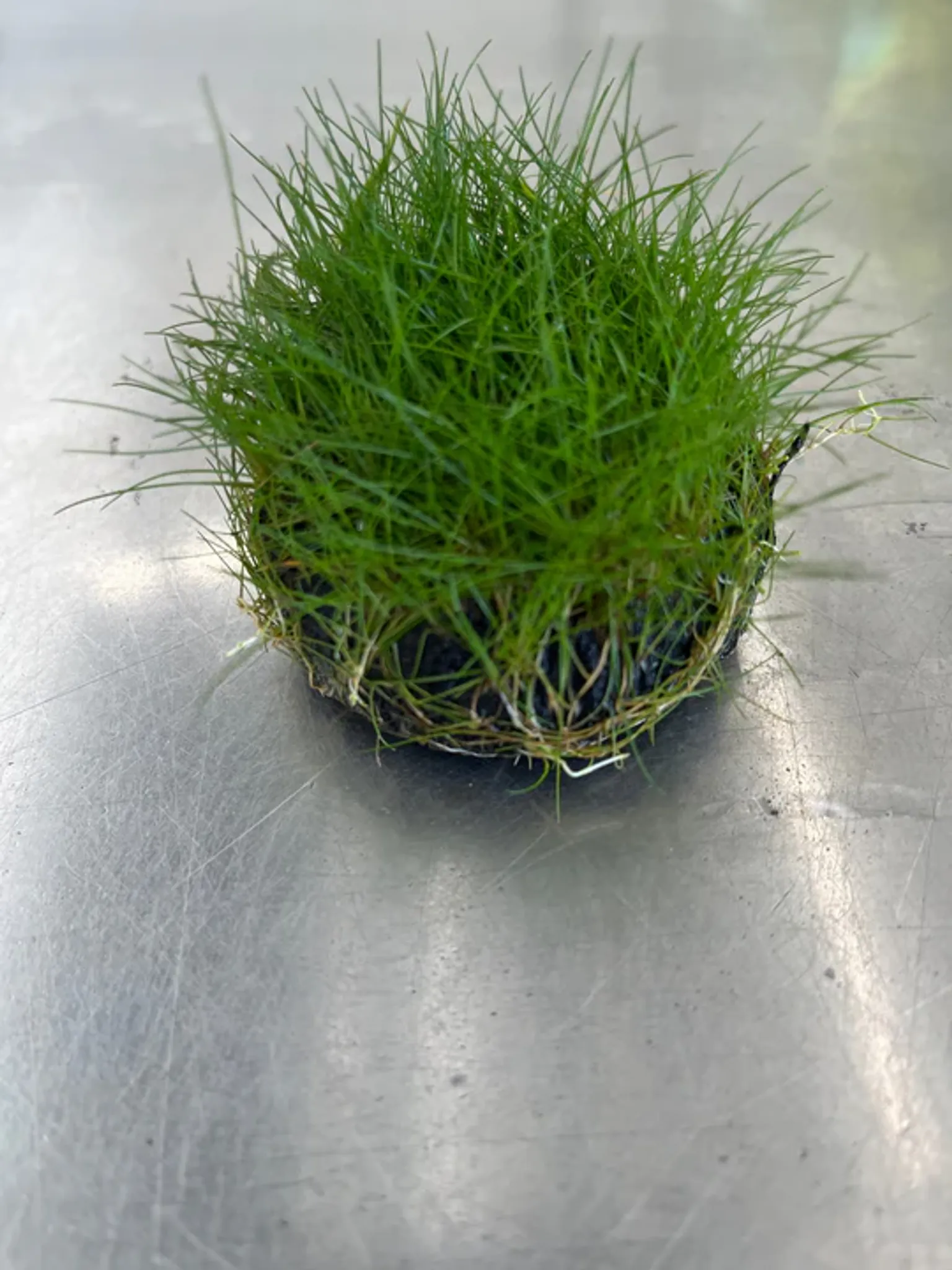
Dwarf Hairgrass creates a fine grassy appearance and can spread through runners to form a natural-looking foreground. It works especially well in Iwagumi and minimalist planted tanks.
Glossostigma is a classic carpeting plant with small leaves and a very low growth habit. It can create a dense green foreground when provided with suitable growing conditions.
Marsilea species can form low spreading growth and are often used where a softer, more natural carpet is preferred. Growth form can vary depending on lighting and aquarium conditions.
Other compact plants may also work in the foreground depending on mature height and growth habit. Always check the expected size before placing a new species at the front of the aquarium.
Carpet plants are used to create a continuous layer of low growth across the substrate.
They are especially common in Iwagumi, nature-style and minimalist aquascapes where open space, stone placement and a clean foreground are part of the overall composition.
Some foreground plants are easier to manage than others.
Depending on the setup, beginner-friendly choices may include:
True carpeting plants can sometimes be more demanding than they appear, so beginners should choose according to lighting and CO2 availability rather than appearance alone.
A foreground does not always need a dense high-tech carpet.
Lower-demand plants can be used in small groups or patches to create a natural front layer without pressurised CO2. Growth may be slower and less compact than in a high-tech setup.
Many classic carpet plants perform best in aquariums with stronger lighting, suitable nutrients and pressurised CO2.
High-tech conditions can help plants spread more quickly and remain lower and denser, but they also require closer maintenance and trimming.
Not all foreground plants require injected CO2.
However, demanding carpet plants such as Monte Carlo and Glossostigma often grow more compactly and spread more reliably when suitable CO2 is available.
Foreground plants grow close to the substrate, so light must travel through the full depth of the aquarium to reach them.
Deeper tanks and dense upper planting can reduce the light available at substrate level. More demanding carpet plants may therefore need stronger or better-positioned lighting.
Many foreground plants grow directly through the substrate and benefit from a material that allows roots to establish securely.
Aquascaping soil is commonly used for demanding planted tanks, while some lower-demand plants can also grow in sand or fine gravel with suitable nutrient support.
Many carpeting plants establish better when divided into small portions and planted across the intended area rather than placed as one large clump.
Leaving small gaps gives individual portions room to spread and can create a more even carpet as the plants establish.
Growth speed depends on plant species, lighting, CO2, nutrients and how densely the aquarium was planted initially.
Fast-growing carpet plants can fill gaps relatively quickly under favourable conditions, while low-tech setups may take much longer to develop full coverage.
Regular trimming helps keep carpeting plants low and prevents thick layers from becoming overcrowded.
Trimming frequency depends on growth rate. High-tech carpets may need frequent shaping, while slower-growing foreground plants require much less attention.
Iwagumi aquascapes often rely heavily on a low foreground carpet to keep the rocks as the main visual feature.
Dwarf Hairgrass, Monte Carlo and other compact species are commonly used to create a simple grassland-like effect around the stone layout.
Nature-style aquascapes often combine carpeting plants with rocks, driftwood and taller species to create layers of depth.
A foreground can be completely carpeted or broken into irregular patches for a more natural appearance.
Small foreground plants are particularly useful in nano tanks because their fine leaves and compact growth help preserve the illusion of scale.
Choose species that remain appropriately small so the front of the aquarium does not become overcrowded.
Carpet plants can create additional grazing surfaces for freshwater shrimp and give young shrimp places to move through low vegetation.
Leave some open substrate or feeding areas so food can be monitored and removed if necessary.
Low-growing plants can create an attractive planted floor while leaving the upper aquarium open for schooling fish.
They can work especially well in tanks with Tetras, Rasboras and other peaceful fish that spend more time in the middle of the water column.
Corydoras spend much of their time near the substrate, so dense carpeting across the entire aquarium may reduce open foraging space.
A mixed layout with planted sections and open smooth substrate can provide both greenery and accessible areas for bottom-dwelling fish.
Foreground plants stay relatively low and occupy the front of the tank, while midground plants create a transition into taller background growth.
Choosing plants according to mature height helps preserve the intended depth of the aquascape.
Foreground plants are selected to remain low, while background plants provide height and frame the rear of the aquarium.
Using both creates a layered effect, with the eye moving from a low planted foreground toward taller growth at the back.
Vertical growth can occur when a plant is reaching for more light or when growing conditions do not encourage compact spreading.
Lighting, plant density, CO2 availability and the exact species can all influence whether a foreground plant stays low or grows taller.
Newly planted aquarium plants may lose older leaves while adjusting to submerged conditions.
Persistent decline can also be related to insufficient light, unsuitable water conditions, nutrient deficiencies, poor planting or other environmental stress.
When comparing foreground aquarium plants for sale, look for:
Some tissue-culture or emersed-grown plants may change appearance after being planted underwater, so a short adjustment period can be normal.
Foreground plant prices in Singapore vary depending on species, portion size, cultivation method, rarity and seller.
Common carpet plants may be relatively affordable, while larger portions, uncommon cultivars or tissue-culture cups can cost more.
FishyHub brings foreground plant listings from aquatic plant shops, growers and aquarium sellers across Singapore together in one marketplace, making it easier to compare plants from multiple sources.
When comparing foreground plants, consider:
Seller inventory changes regularly, so available species and portion sizes may vary over time.
Monte Carlo, Dwarf Hairgrass, Glossostigma and Marsilea are popular foreground choices, although the best option depends on lighting, CO2 and tank size.
Difficulty varies by setup, but some Marsilea species and other lower-demand foreground plants may be easier than demanding dense carpets.
It can sometimes grow without injected CO2, but growth is generally slower and may be less compact than in a well-balanced CO2-injected setup.
It can grow without pressurised CO2 in some setups, but suitable CO2 often encourages faster spreading and denser growth.
Plant small portions across the substrate and provide suitable light, nutrients and CO2 where required. Healthy plants can gradually spread into the gaps.
Yes. Low plants can provide grazing surfaces and additional cover for freshwater shrimp.
Some can, but nutrient availability and root support vary by plant species. Certain plants may perform better with nutrient-rich substrate or additional fertilisation.
Trimming frequency depends on the species and growth rate. Fast-growing high-tech carpets may need regular trimming, while slower foreground plants require much less.
Explore foreground aquarium plants for sale on FishyHub and compare Monte Carlo, Dwarf Hairgrass, Glossostigma, Marsilea and other low-growing aquatic plants from sellers across Singapore. Compare growth habit, lighting, CO2 requirements and prices to find suitable plants for the front of your aquascape.
