41–44 of 44
Showing 4 of 44 products
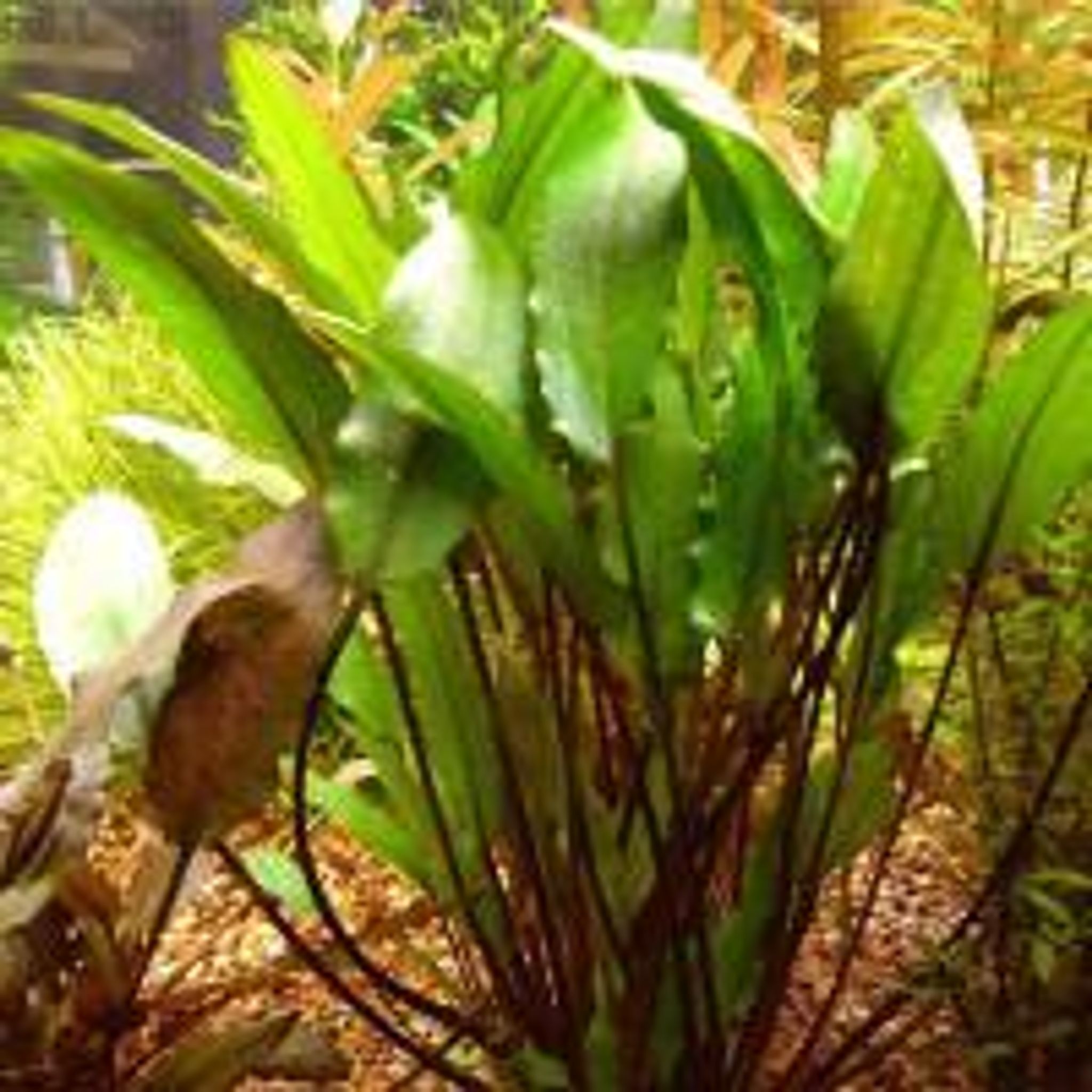
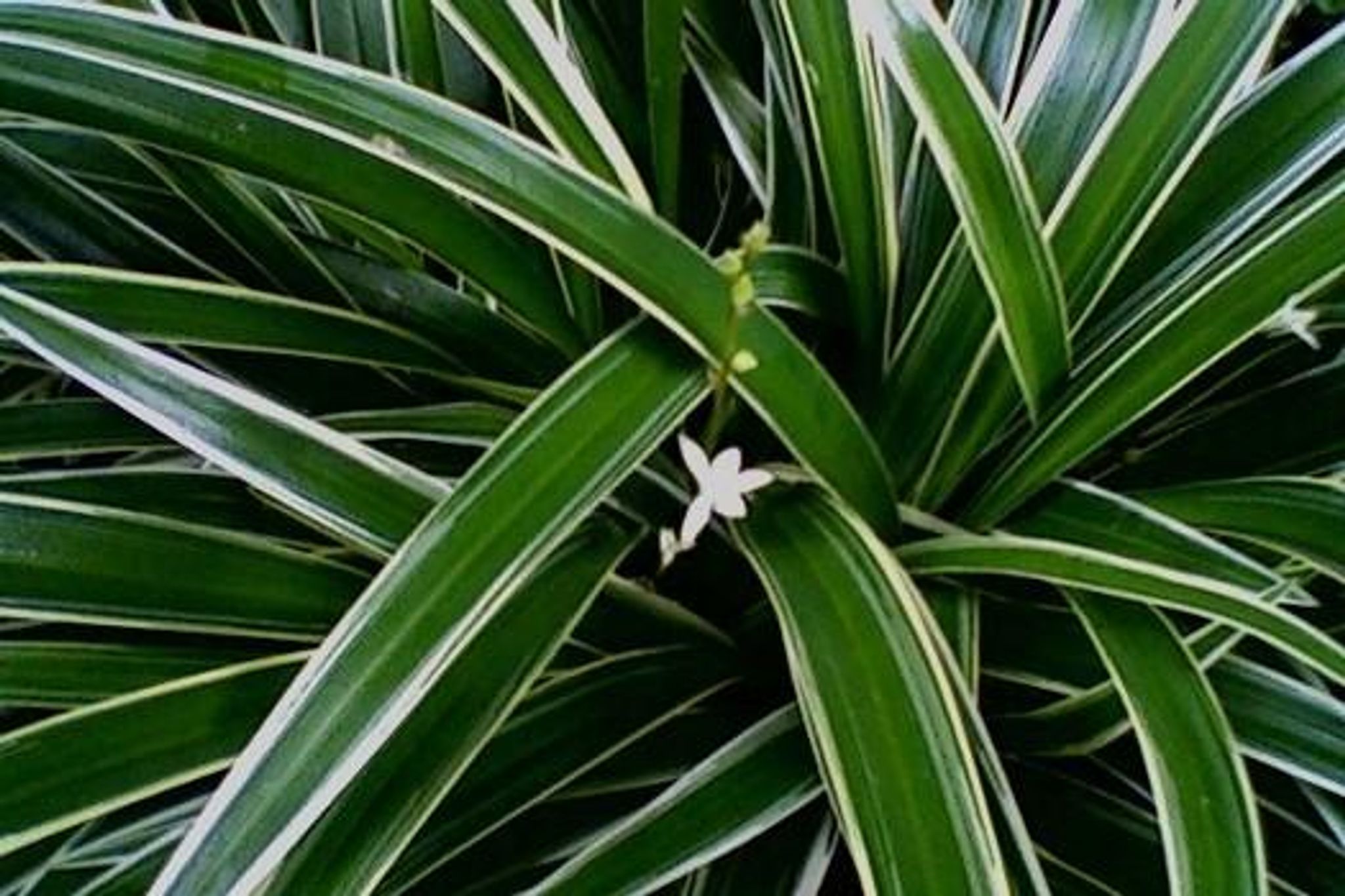
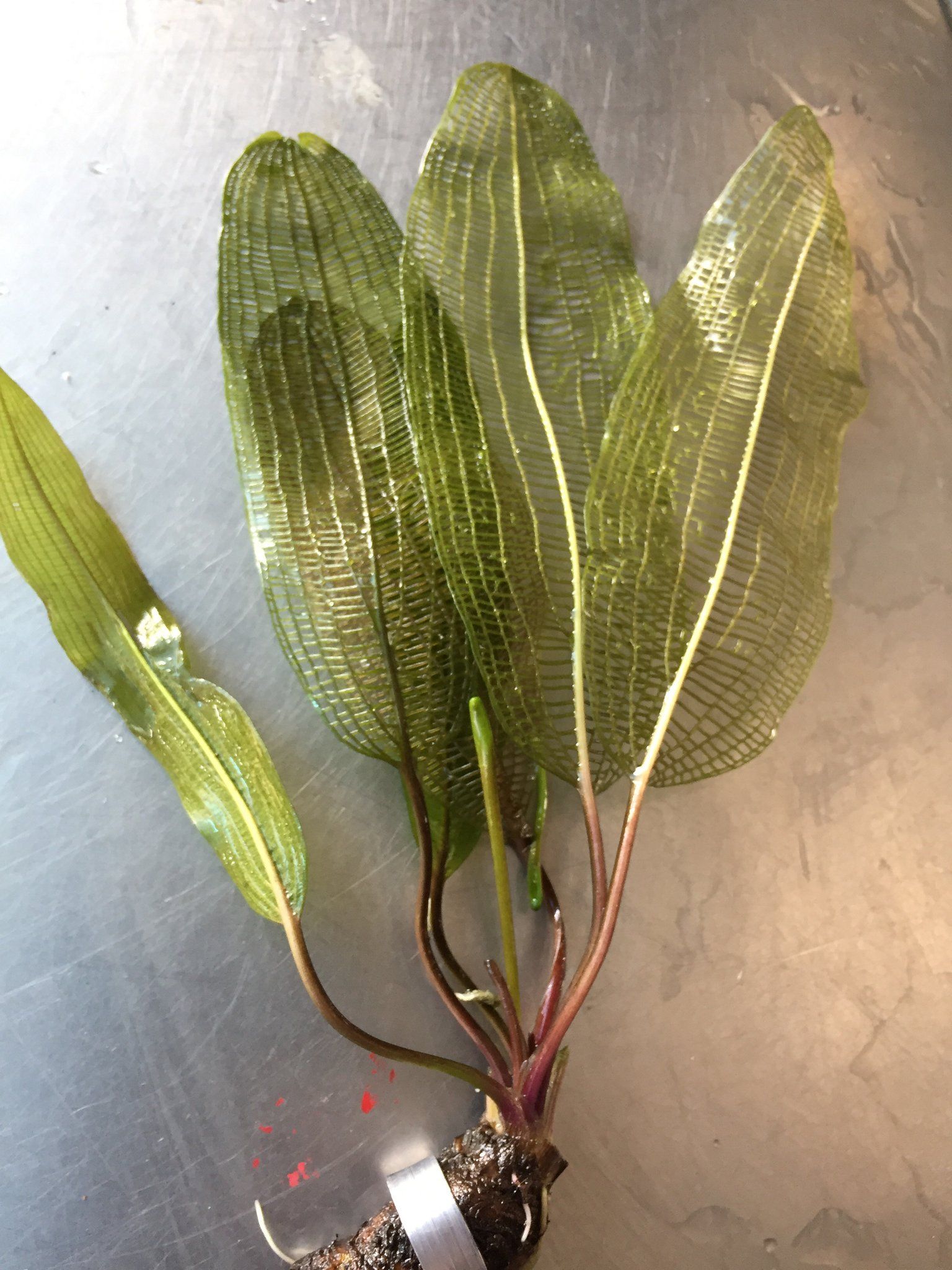
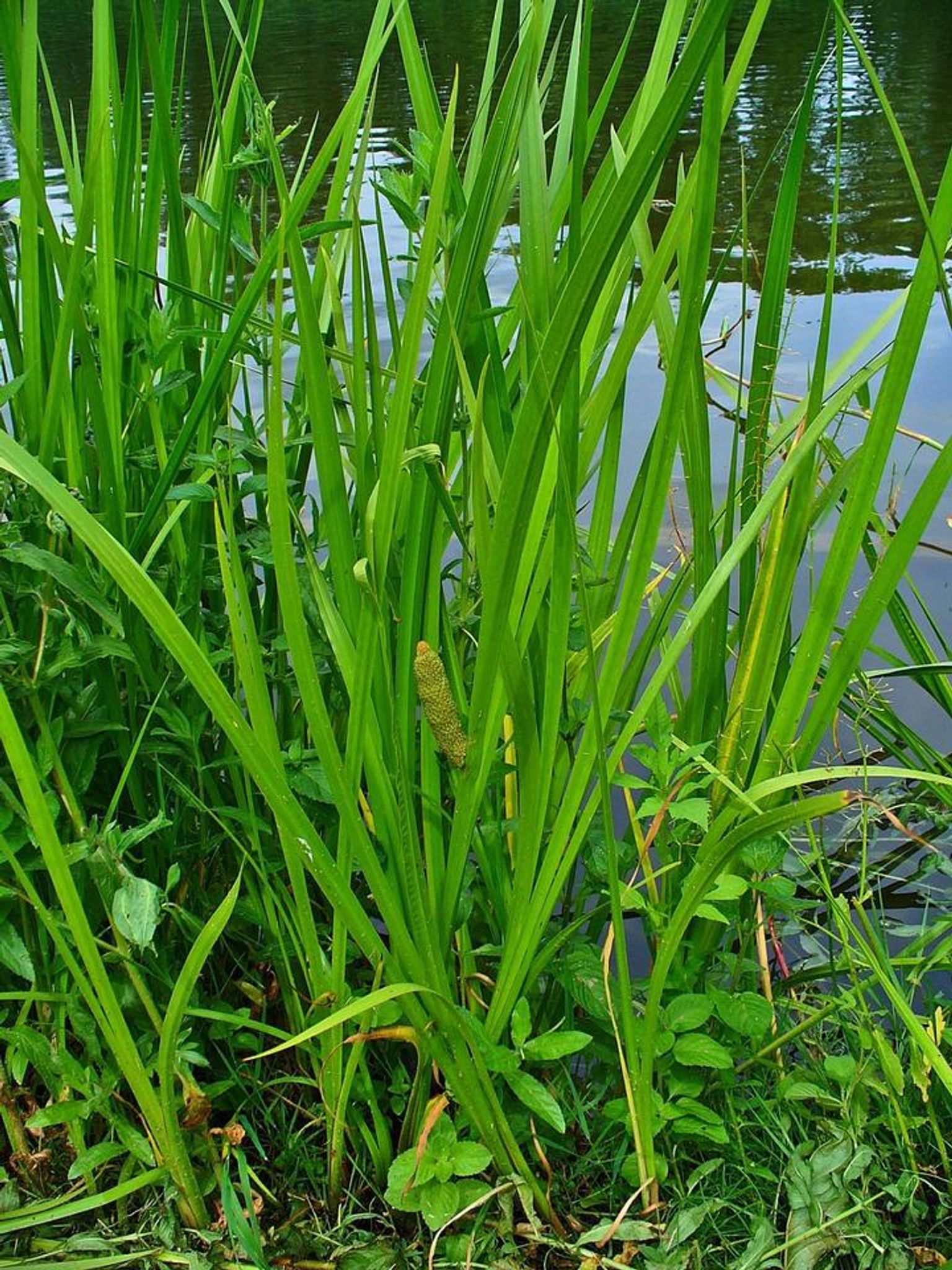
Explore background aquarium plants for sale in Singapore from aquatic plant shops, growers and specialist sellers on FishyHub. Compare tall aquatic plants, stem plants and other species designed to add height, depth and structure to planted aquariums.
Background plants are typically placed along the rear or sides of an aquarium, where they can create a lush backdrop without blocking the main viewing area. They are especially useful for adding vertical interest, hiding equipment and giving fish a greater sense of cover.
Background plants are taller aquatic plants that are generally positioned toward the back of a planted tank.
They help frame the aquascape, create depth and provide a visual transition between the substrate and the top of the aquarium. Many fast-growing species are also useful for absorbing nutrients and creating dense cover.
Background plants come in many shapes, colours and growth forms. Popular choices include Vallisneria, Rotala, Hygrophila and a wide range of tall stem plants.
Vallisneria is a classic background plant with long ribbon-like leaves that can create a natural wall of greenery. It is popular in community tanks, biotope-inspired aquariums and larger planted setups.
Rotala species are popular stem plants that can add fine texture and, in some varieties, red or orange coloration to the background. They respond well to regular trimming and can be shaped into dense groups.
Hygrophila species are known for relatively fast growth and are often used to fill larger background areas quickly. Many varieties are suitable for beginner and intermediate planted tanks.
Ludwigia species can provide strong colour contrast, with many varieties developing red, orange or bronze tones under suitable conditions. They are commonly planted in groups toward the rear of the aquarium.
Limnophila species can produce soft, feathery foliage and create a dense background when grown well. Their fine leaves can add texture behind broader-leaved plants.
Bacopa species have thicker stems and rounded leaves, creating a different texture from finer background plants. They can be used in rows or groups and are often suitable for relatively straightforward planted setups.
Tall plants are ideal for filling vertical space and reducing the appearance of an empty rear wall.
They can also help hide filter pipes, heaters and other equipment while making the aquarium feel more natural and enclosed.
Beginners may prefer hardy background plants that tolerate a wider range of conditions and do not require constant adjustment.
Depending on the setup, easier options may include:
Exact difficulty varies by species, so check lighting, CO2 and nutrient requirements before purchasing.
Many background plants can be grown in low-tech aquariums without pressurised CO2.
Low-tech setups generally favour hardier species and slower expectations for growth and coloration. Good lighting, stable conditions and appropriate fertilisation can still produce attractive results.
High-tech planted tanks can support a wider range of demanding stem plants and more intense colour development.
Stronger lighting, CO2 injection and consistent fertilisation can encourage faster growth, but this usually means more frequent trimming and maintenance.
Red and orange background plants can create strong contrast against green foreground and midground species.
Selected Rotala and Ludwigia varieties are popular choices, although colour intensity depends on species, lighting, nutrient balance and overall growing conditions.
Fast-growing stem plants can help fill empty space quickly and are useful when establishing a new planted aquarium.
Their rapid growth can also help absorb available nutrients, but they may need regular trimming to prevent them from shading slower-growing plants.
Smaller aquariums can still use background plants, but species choice and trimming become especially important.
Fine-leaved stem plants and compact varieties can preserve a sense of scale, while overly large species may quickly dominate a nano tank.
Larger planted aquariums can use tall species to create broad walls of vegetation and dramatic depth.
Vallisneria, large stem groups and other taller species can help frame the tank while leaving open swimming space toward the front.
Tall plants can provide shelter and visual barriers for peaceful community fish while leaving the front of the aquarium open for swimming.
Tetras, Rasboras, Gouramis and other community species often benefit from planted areas where they can retreat when they feel threatened.
Dense background plants can provide grazing surfaces and shelter for freshwater shrimp.
Fine-leaved plants may be especially useful for smaller shrimp, although enough open area should remain for feeding and maintenance.
Most stem plants are planted directly into the substrate toward the rear or sides of the aquarium.
Leaving some space between individual stems can improve water circulation and reduce overcrowding as the plants grow. Rooted species should be planted at the appropriate depth without burying crowns or sensitive growth points.
Regular trimming helps control height and encourages many stem plants to become bushier.
Healthy cuttings can often be replanted to thicken the background, while older lower stems may eventually be removed if they become bare or shaded.
Not all background plants require pressurised CO2.
Hardy species can grow in low-tech setups, while more demanding stem plants may benefit considerably from added CO2 and stronger lighting.
Background plants can become shaded if lighting does not reach the rear of the aquarium effectively.
Choose lighting that provides suitable coverage across the full tank, especially for deeper aquariums or demanding red stem plants.
Fast-growing background plants can consume significant nutrients as they develop.
Depending on the species and substrate, plants may obtain nutrients through the water column, their roots or both. Fertilisation should be adjusted to plant growth rather than added blindly.
Background plants are generally taller and are used to frame the rear of the aquarium, while midground plants create a transition between the front and back of the layout.
Choosing plants based on mature height helps prevent smaller species from disappearing behind faster-growing neighbours.
Foreground plants remain low and are intended for the front of the tank, while background plants create height and vertical structure.
Combining the two can create stronger depth, with lower plants leading visually toward taller growth at the rear.
When comparing aquarium plants for sale, look for:
Some aquarium plants may change leaf form after being moved from emersed growth to fully submerged conditions, so a period of adjustment can be normal.
Background plant prices in Singapore vary depending on species, portion size, growth form, rarity and seller.
Common fast-growing stems may be relatively affordable, while less common cultivars, premium red plants or larger established portions may cost more.
FishyHub brings background plant listings from aquatic plant shops, growers and aquarium sellers across Singapore together in one marketplace, making it easier to compare plants from multiple sources.
When comparing background plants, consider:
Seller inventory changes regularly, so available species, colours and portion sizes may change over time.
Vallisneria, Rotala, Hygrophila, Ludwigia and other tall stem plants are commonly used at the back of planted aquariums.
Selected Vallisneria, Hygrophila, Bacopa and other hardy species can be good beginner choices when matched to suitable lighting and water conditions.
Not all do. Many hardy background plants can grow without pressurised CO2, while demanding stem plants may grow better with added CO2.
Many Hygrophila and stem plant species can grow quickly under suitable conditions and may need regular trimming.
Selected Rotala and Ludwigia varieties are popular for adding red, orange or bronze tones to the background of planted tanks.
Yes. Tall plants can help visually soften or hide heaters, filter pipes and other equipment positioned toward the rear of the tank.
Trimming frequency depends on species and growth conditions. Fast-growing stem plants may need frequent trimming, while slower species require less attention.
Yes, but compact species and regular trimming are important so taller plants do not overwhelm a small aquarium.
Explore background aquarium plants for sale on FishyHub and compare Vallisneria, Rotala, Hygrophila, Ludwigia and other tall aquatic plants from sellers across Singapore. Compare plant height, colour, growth rate and care requirements to find suitable species for the back of your planted aquarium.
