1–12 of 12
Showing 12 of 12 products
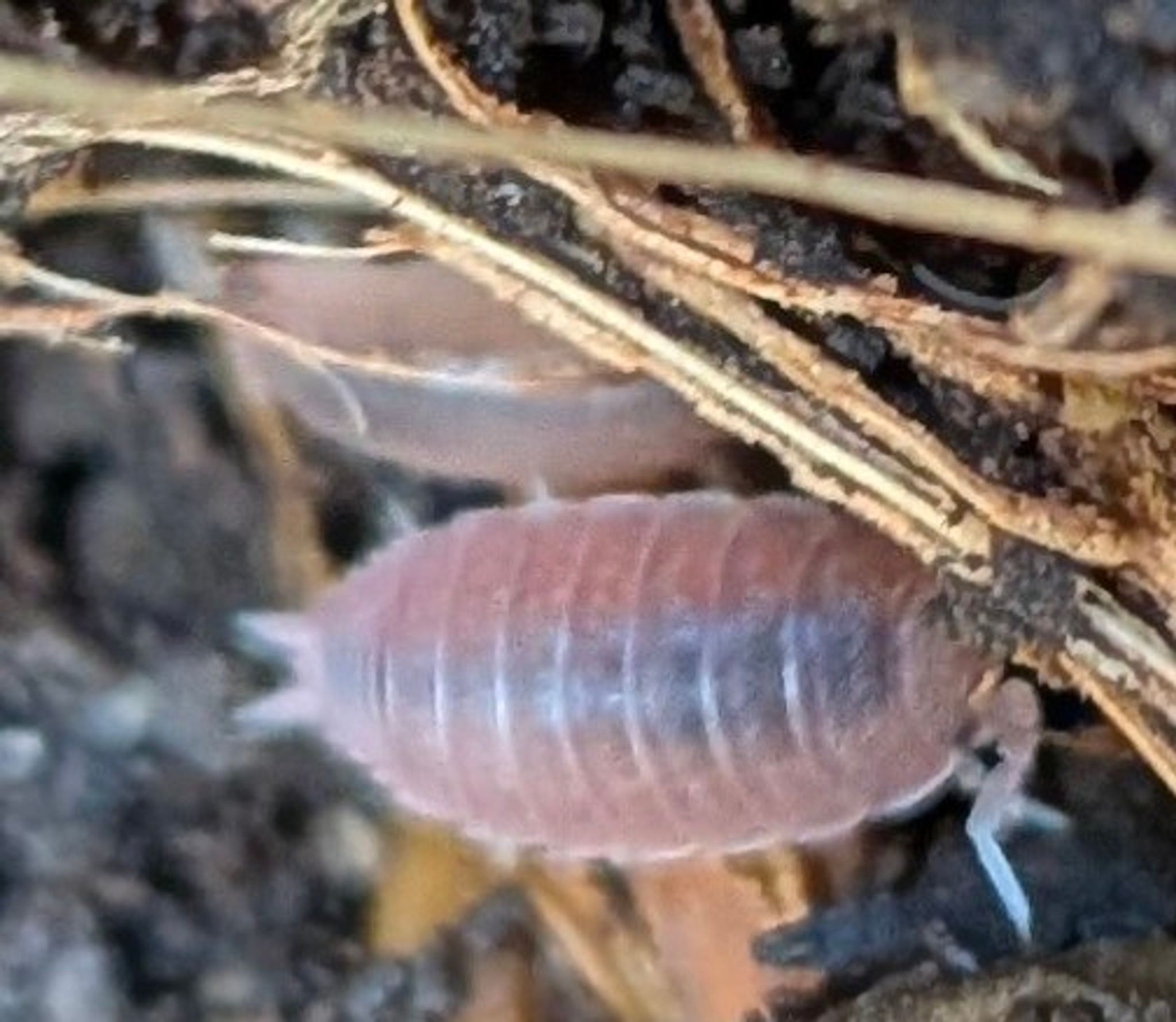

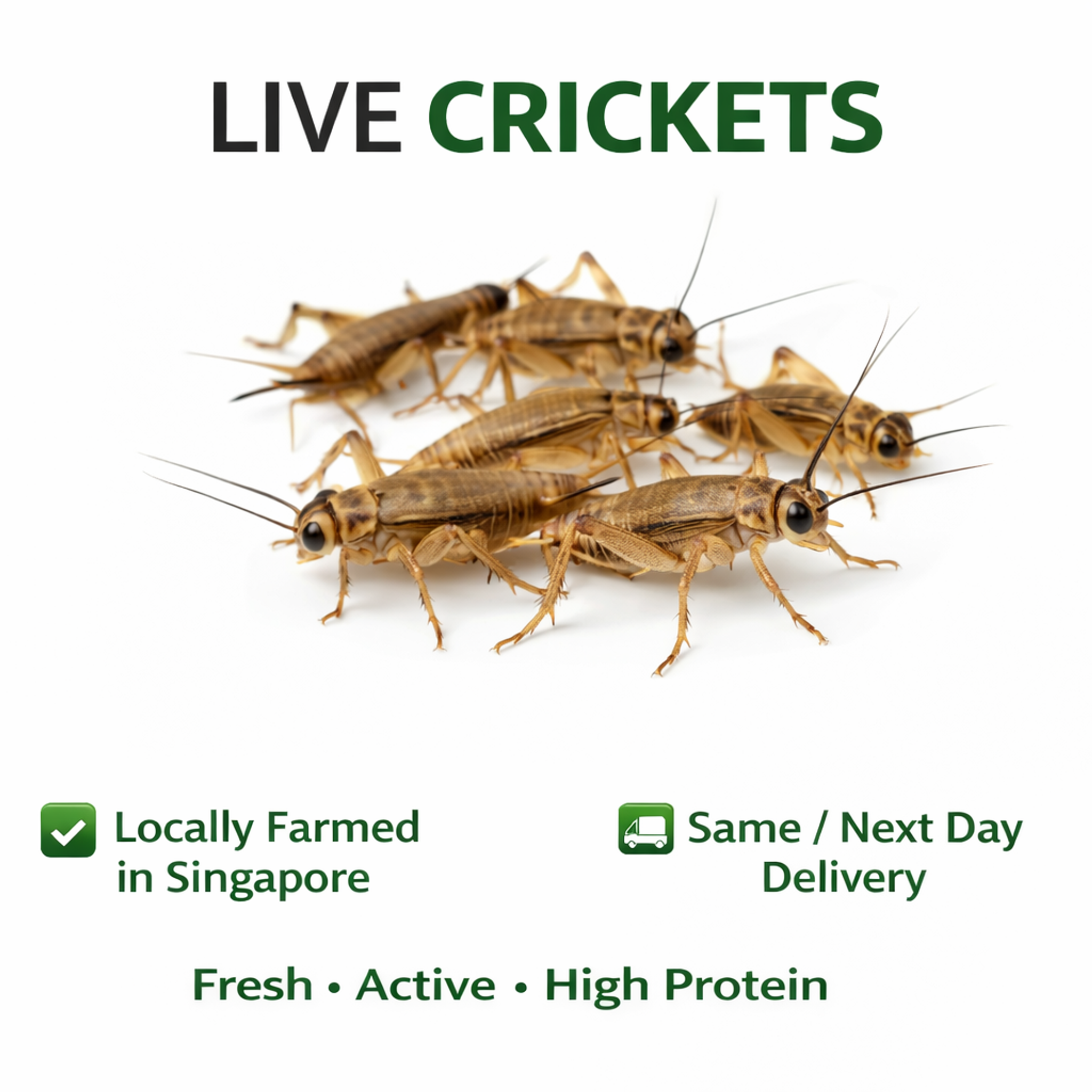
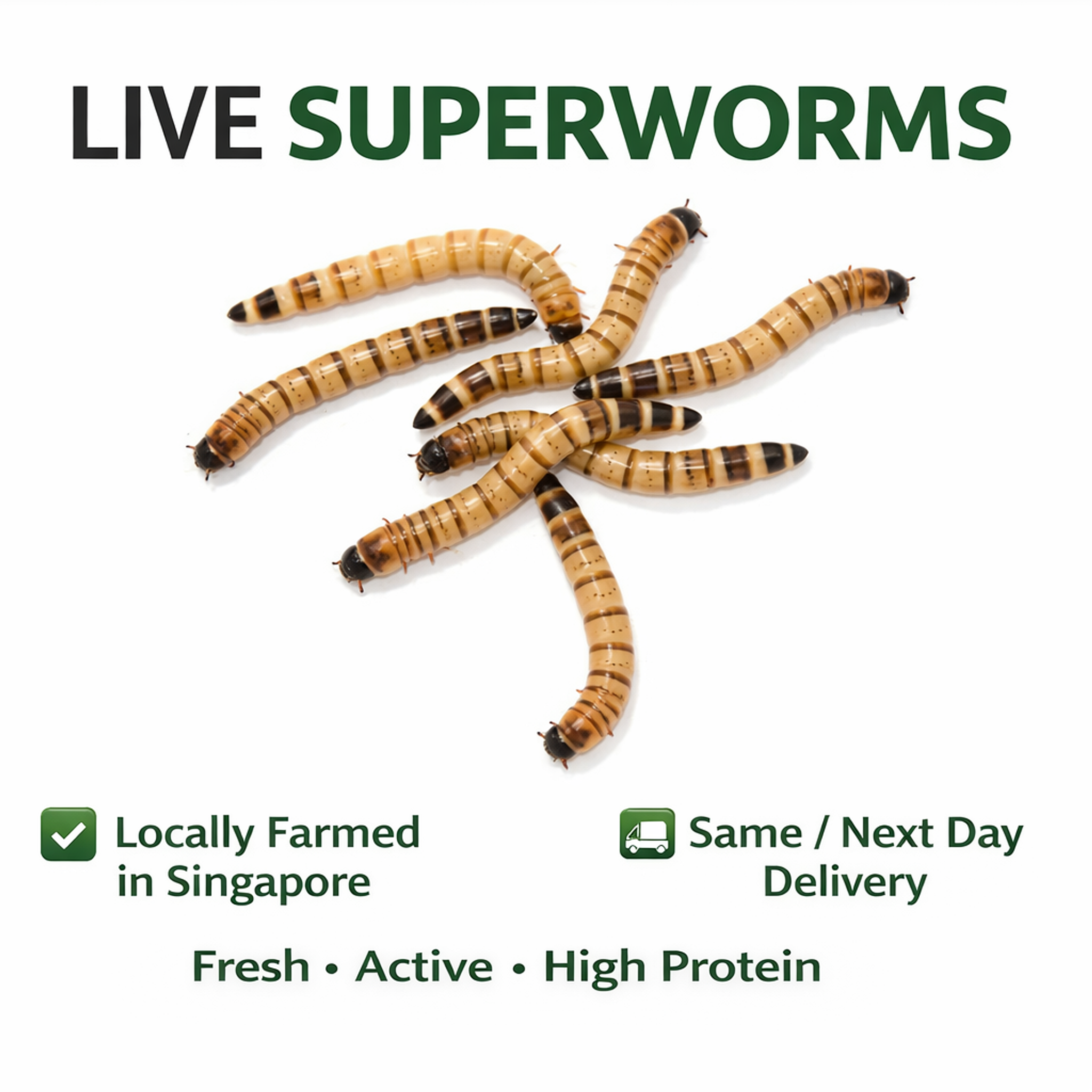


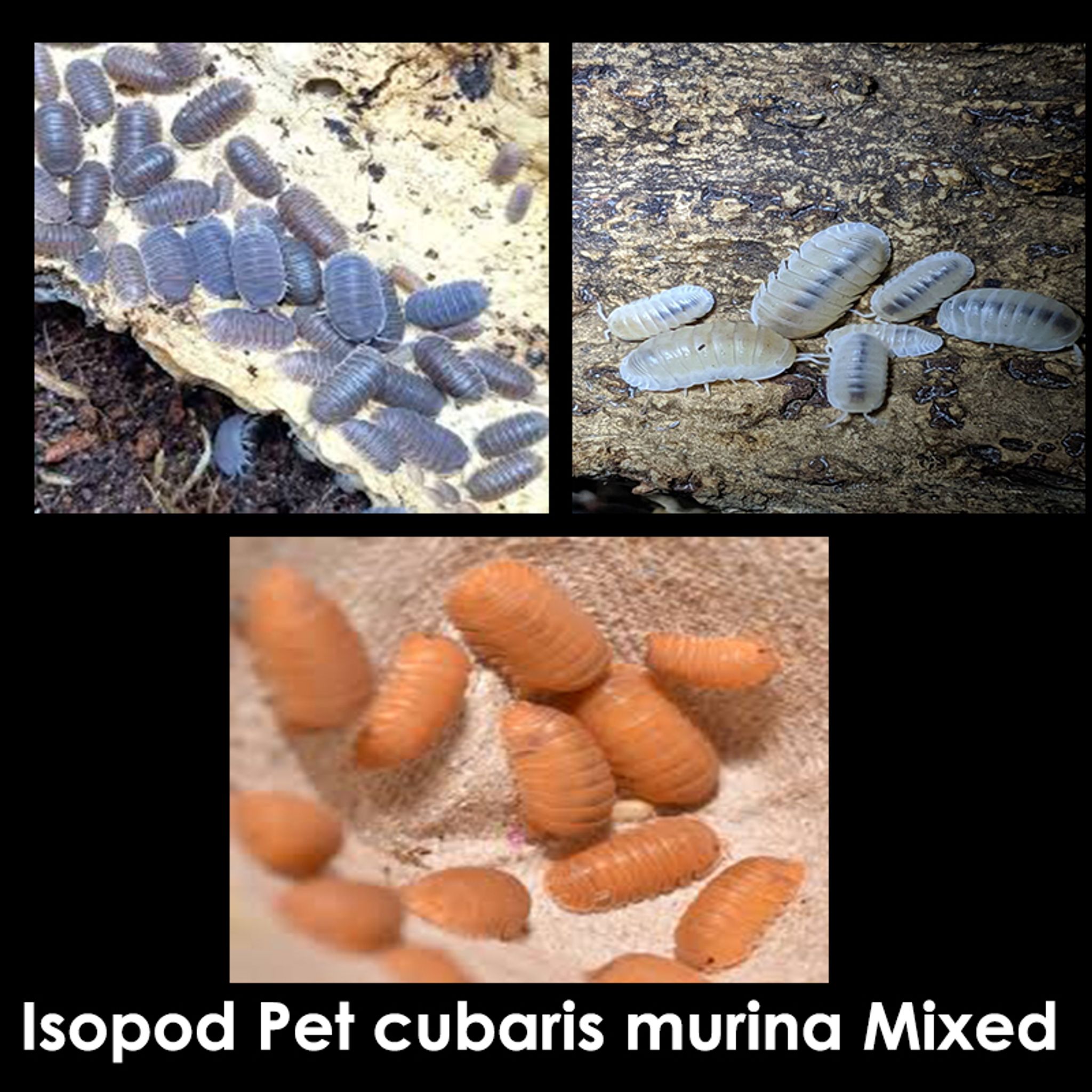
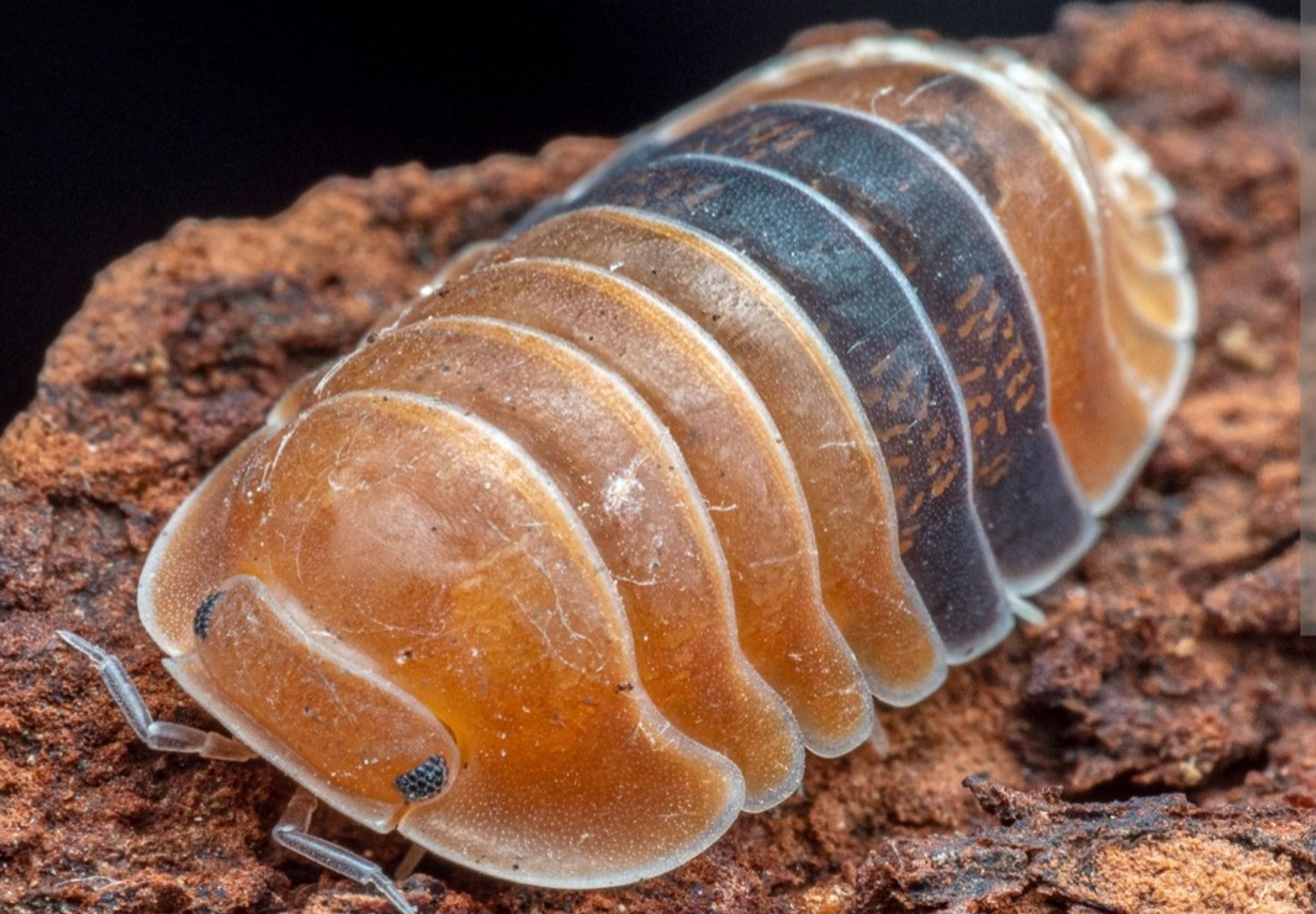
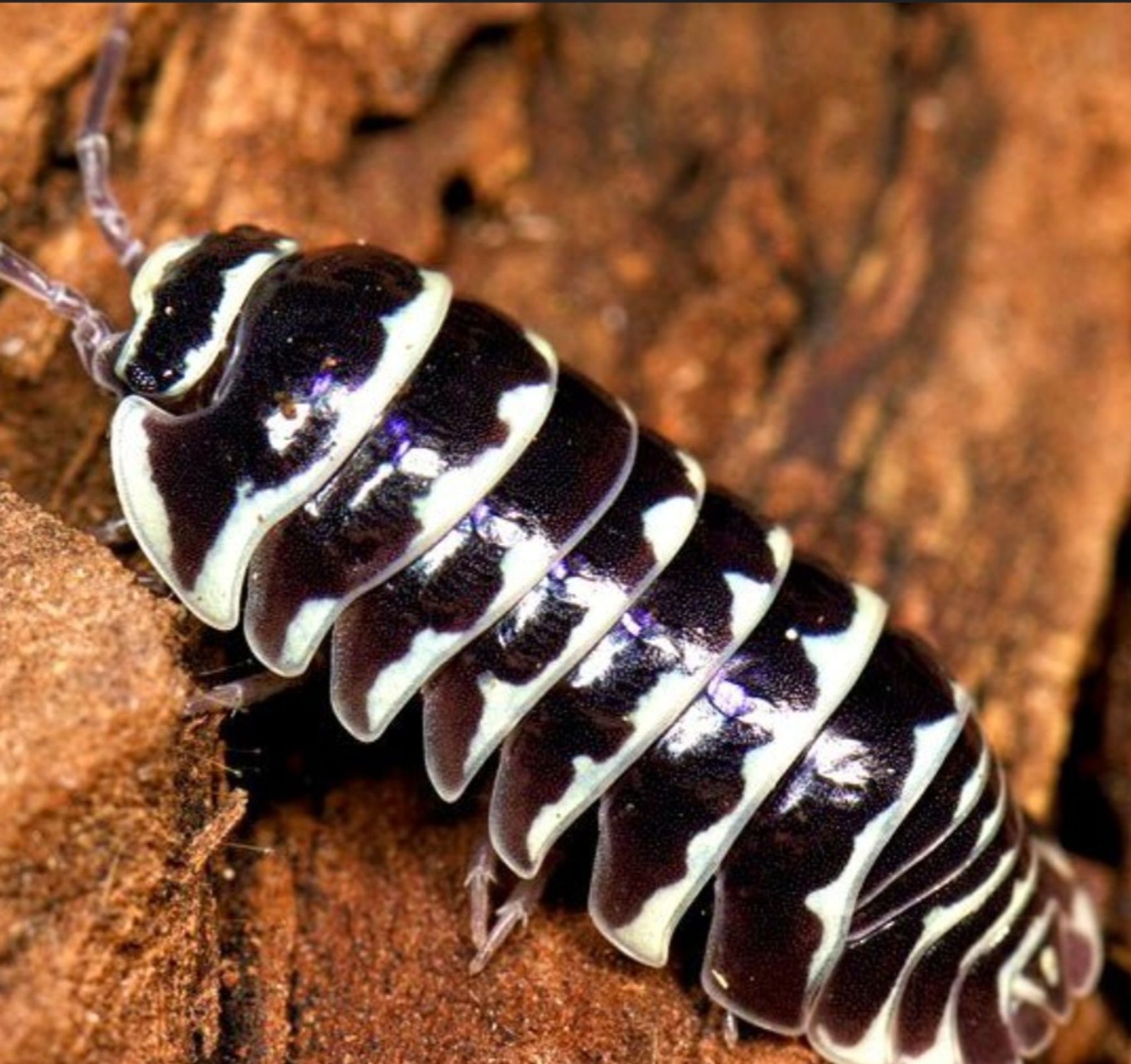
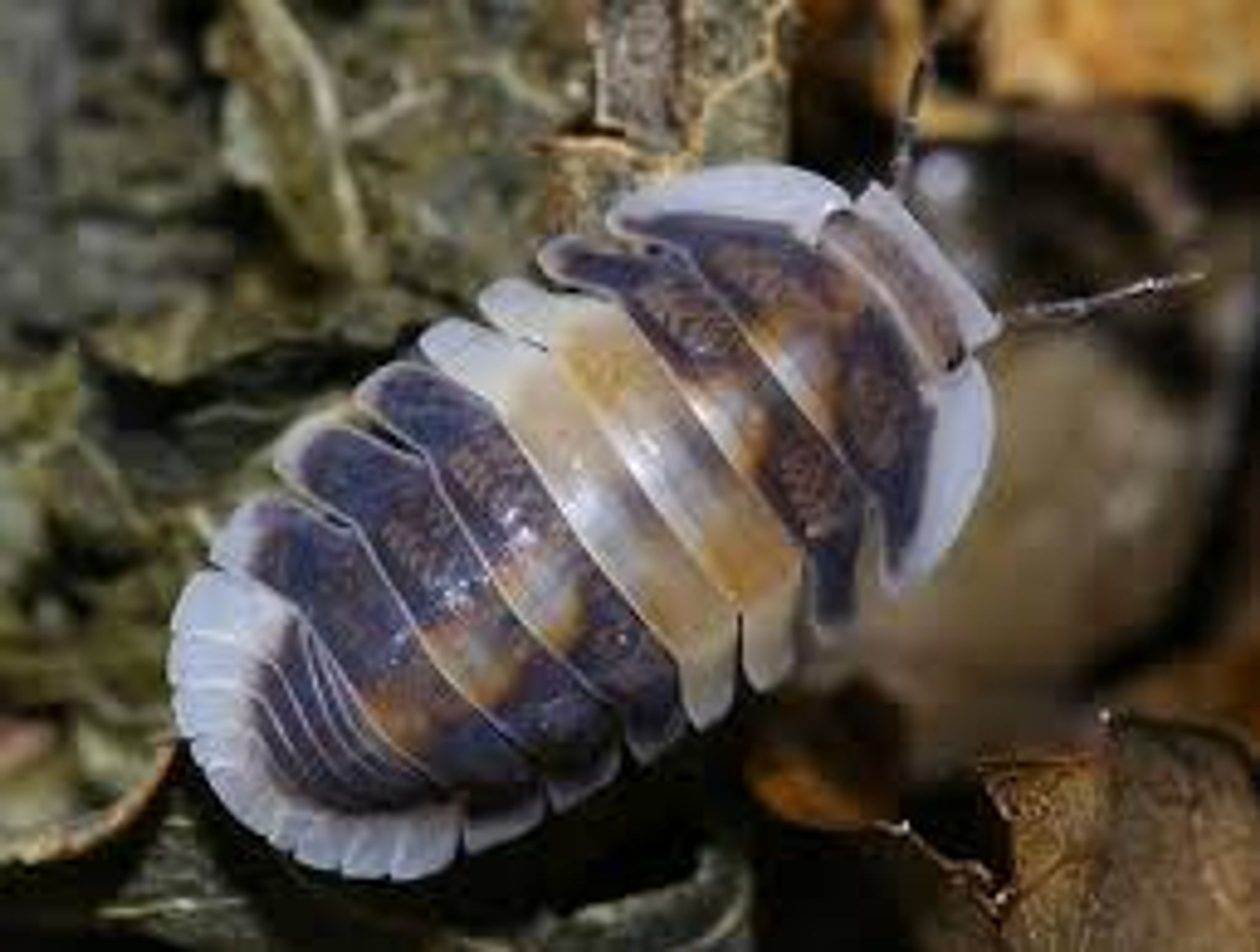
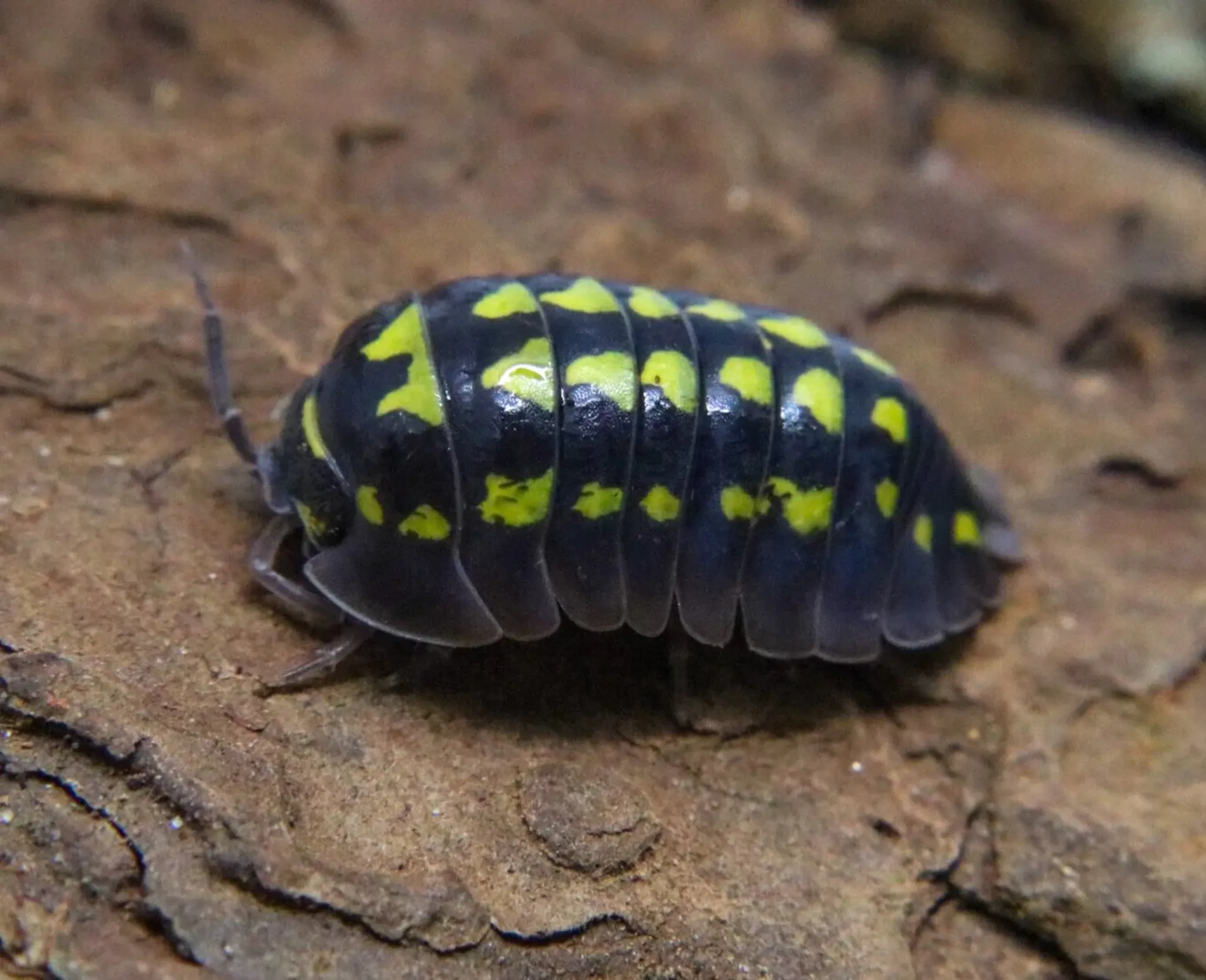
Explore isopods and terrarium insects for sale in Singapore from breeders, hobbyists and specialist sellers on FishyHub. Compare colourful isopods, bioactive cleanup crews and other terrestrial invertebrates for terrariums, vivariums and display colonies.
Isopods are small terrestrial crustaceans popular in bioactive enclosures and increasingly kept as display animals in their own right. Different species vary in colour, size, humidity preference, breeding speed and care requirements, so choosing the right species is important.
Isopods have become popular among terrarium keepers because they combine practical bioactive functions with fascinating behaviour and a huge range of colours and patterns.
Depending on seller availability, FishyHub may feature beginner-friendly species, decorative morphs and specialist isopods for experienced keepers.
No. Isopods are crustaceans rather than insects.
Although terrestrial isopods live on land, they are more closely related to aquatic crustaceans than to beetles, ants or other true insects.
Many hobbyists now keep isopods primarily for their appearance rather than only as cleanup crews.
Selective breeding and naturally colourful species have produced colonies with striking spots, stripes, contrasting colours and unusual body shapes.
Isopods are commonly introduced into bioactive terrariums to help process decaying plant material, shed skin and other organic matter.
They form part of a broader living ecosystem alongside microorganisms, plants and often springtails. They still need suitable food, moisture and shelter rather than surviving entirely on waste.
A cleanup crew usually refers to small invertebrates that help break down organic material inside a bioactive enclosure.
Isopods and springtails are frequently used together because they occupy slightly different ecological roles. A cleanup crew reduces waste accumulation but does not eliminate normal enclosure maintenance.
The isopod hobby includes many species and captive-bred forms with very different appearances and care requirements.
Some are hardy and reproduce quickly, while others grow slowly or require tighter control of humidity, ventilation and diet. Research the exact species before purchase.
Beginner-friendly isopods are generally species that tolerate a reasonable range of enclosure conditions and establish colonies reliably.
Even hardy species need appropriate substrate, moisture, ventilation, leaf litter and food to thrive.
Isopods can be kept in dedicated display colonies rather than only inside reptile or amphibian enclosures.
A well-designed colony allows keepers to observe feeding, moulting, breeding and social behaviour at close range.
Isopods are often used in bioactive reptile enclosures where environmental conditions overlap with the needs of the chosen isopod species.
The cleanup crew should be selected around the temperature, humidity and substrate conditions required by the main animal.
Some isopods can work well in humid amphibian enclosures.
Avoid assuming every species thrives in constantly wet conditions, as many isopods still need ventilation and access to comparatively drier areas.
Isopods can form part of the ecosystem in planted terrariums by helping break down leaf litter and other decaying material.
Food availability should still be managed because hungry colonies may investigate softer plant material depending on the species.
In addition to isopods, terrarium keepers may maintain various insects and other invertebrates for display, ecosystem roles or specialised husbandry projects.
Care varies dramatically between species, so housing, diet, ventilation and temperature should always be researched individually.
Some insects are kept primarily for their appearance, behaviour or life cycle.
Species-specific enclosures make it easier to provide the correct substrate, climbing space, food and environmental conditions.
Some insects may also be kept or cultured as food for insect-eating reptiles, amphibians, fish or other animals.
Nutritional suitability and appropriate feeder size depend on the animal being fed, so feeder selection should be matched to the target species.
Singapore's warm, humid climate can suit many tropical invertebrates, but indoor enclosure conditions may still differ significantly from outdoor weather.
Air-conditioning, ventilation, enclosure design and moisture levels can all affect temperature and humidity, so monitor the actual enclosure rather than relying on general climate assumptions.
A typical isopod enclosure may include:
The balance between moisture and ventilation is one of the most important parts of successful isopod husbandry.
Isopod substrate should provide moisture retention, organic matter and space for the colony to burrow and forage.
Leaf litter and decomposing plant material are especially important because many species naturally feed on decaying organic matter.
Moisture requirements vary substantially between species.
Many keepers provide a moisture gradient rather than keeping the entire enclosure equally wet, allowing the animals to choose suitable conditions.
Good ventilation helps prevent stagnant conditions while still allowing the enclosure to retain enough moisture.
The ideal balance varies by species, so more moisture does not automatically mean a completely sealed enclosure.
Isopods primarily consume decomposing organic material but benefit from a varied diet.
Leaf litter, decaying wood and suitable supplemental foods may all contribute to colony nutrition depending on the species.
Calcium is important for the exoskeleton of terrestrial isopods.
Keepers often provide an appropriate calcium source as part of a balanced colony setup rather than relying on substrate alone.
Many isopods reproduce readily when environmental conditions and food supply are appropriate.
Breeding speed differs greatly between species, with some colonies expanding quickly while specialist species may establish much more slowly.
A starter colony needs enough individuals to establish successfully without overwhelming the available enclosure resources.
The ideal starting number depends on species, age distribution and breeding speed, so follow species-specific guidance rather than using one fixed number for every isopod.
Isopods and springtails are frequently kept together in bioactive enclosures.
Springtails help process very small organic matter and fungal growth, while isopods handle larger pieces of decaying material. Together they can form a more diverse cleanup crew.
Different species can sometimes survive in the same enclosure, but mixed colonies are not always ideal.
One species may eventually outcompete another for food or shelter, making separate colonies preferable when maintaining specific bloodlines or decorative morphs.
Isopods are commonly kept with reptiles, amphibians and other compatible terrarium animals as part of bioactive systems.
Compatibility depends on the enclosure environment and the main animal, and some animals may also eat members of the isopod colony.
A healthy established colony may show:
Behaviour and breeding rates differ by species, so an uncommon slow-breeding isopod should not be judged by the same expectations as a fast-growing cleanup-crew species.
Introduce newly purchased isopods into a prepared enclosure with appropriate moisture, hiding areas and food already available.
Avoid abrupt environmental changes, particularly for specialist species with narrower humidity or temperature preferences.
Isopod prices in Singapore vary according to species, morph, rarity, colony size, breeder and availability.
Common bioactive species may be relatively accessible, while rare decorative isopods and slower-breeding specialist species can command higher prices.
FishyHub brings listings from isopod breeders, terrarium hobbyists and specialist invertebrate sellers across Singapore together in one marketplace, making it easier to compare available species and colonies.
When comparing listings, consider:
Availability changes regularly, particularly for rare morphs and specialist invertebrate species. Buyers should also verify current ownership and import requirements for unfamiliar exotic invertebrates where applicable.
No. Isopods are crustaceans, although terrestrial species live entirely on land.
They are commonly used as part of a bioactive cleanup crew to help process decaying organic material.
Yes. Many hobbyists keep colourful or unusual isopods in dedicated display colonies.
Yes. They are commonly maintained together in bioactive terrariums and perform complementary cleanup roles.
Moisture requirements vary by species, and many benefit from a moisture gradient rather than an enclosure that is uniformly wet.
They mainly consume decomposing organic material such as leaf litter and decaying wood, supplemented with suitable foods depending on the species.
Some species establish and reproduce quickly, while specialist or slow-growing isopods can take considerably longer.
They sometimes can, but one species may eventually outcompete another, so dedicated colonies are often preferable for maintaining specific species or morphs.
Explore isopods and terrarium insects for sale on FishyHub and compare bioactive cleanup crews, decorative isopods and other terrestrial invertebrates from breeders, hobbyists and specialist sellers across Singapore. Compare species, morph, colony size, care requirements and price to find suitable invertebrates for your terrarium.
