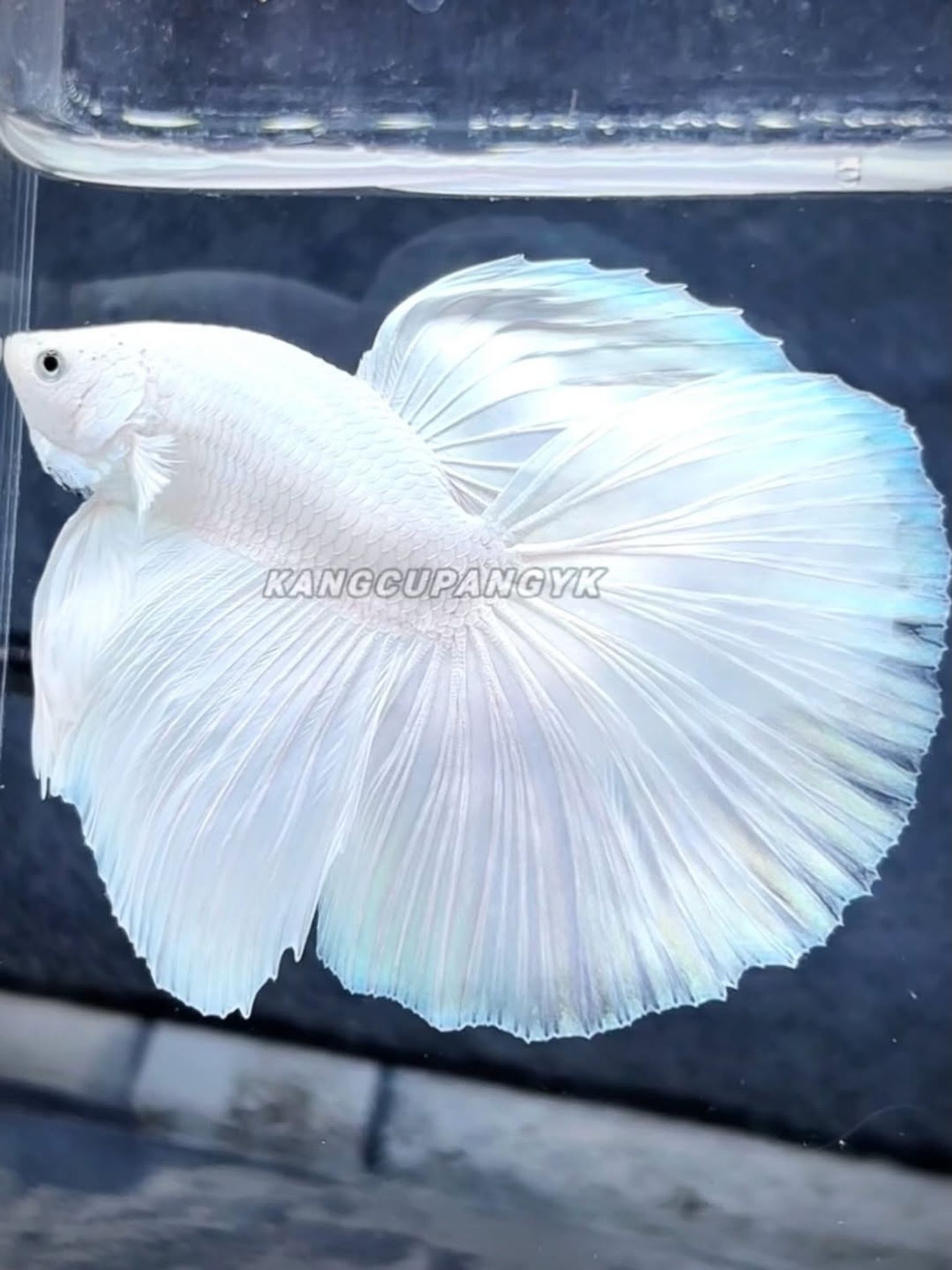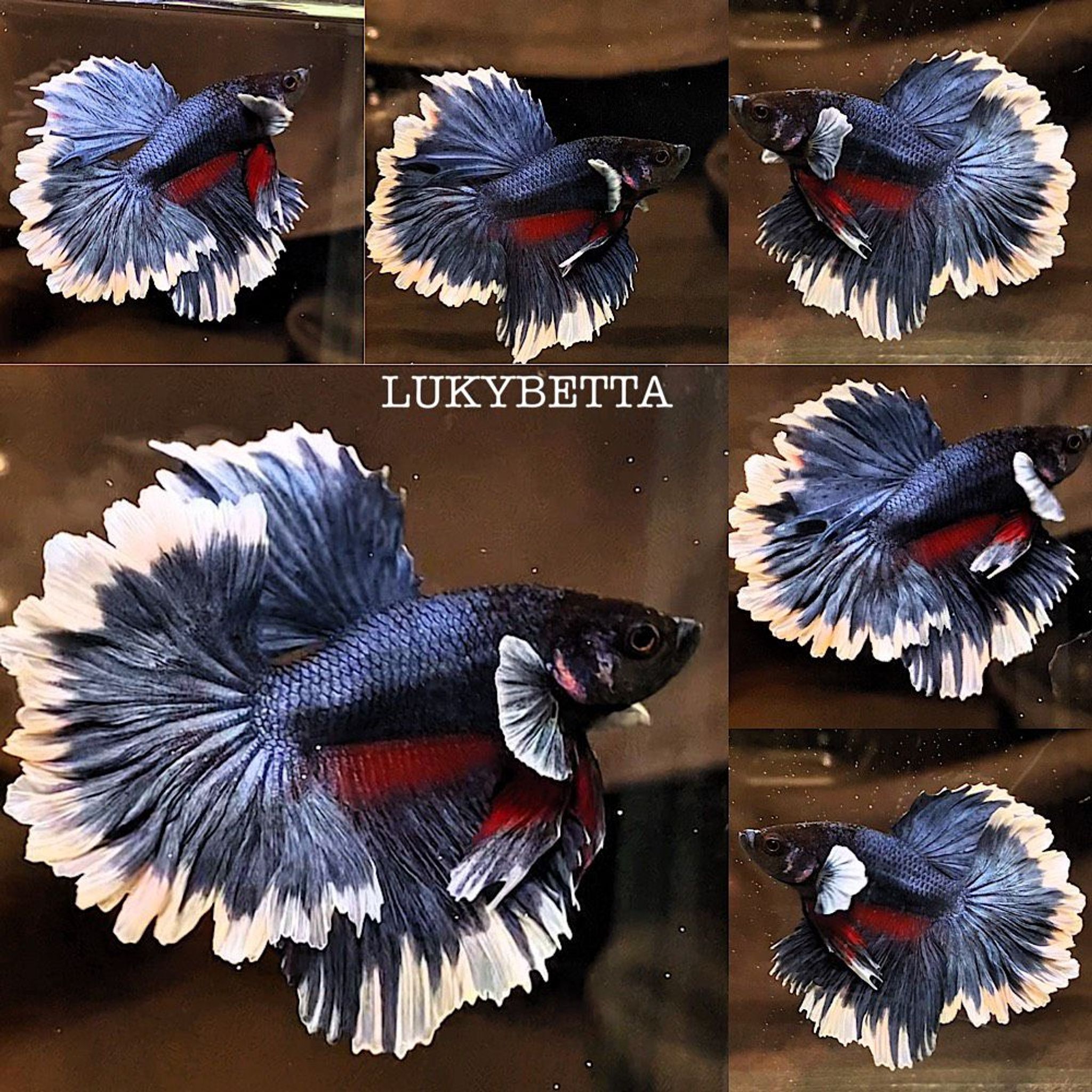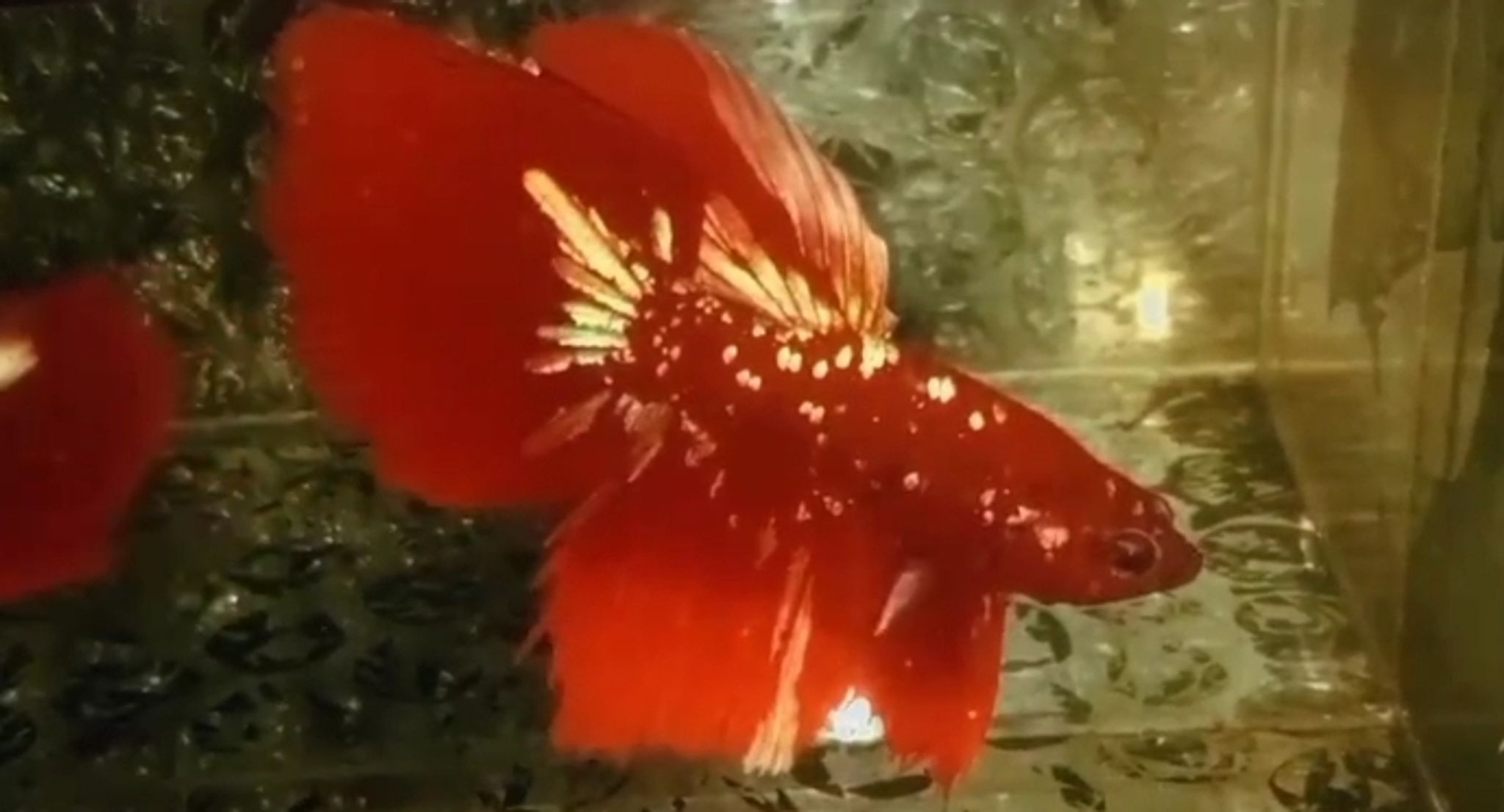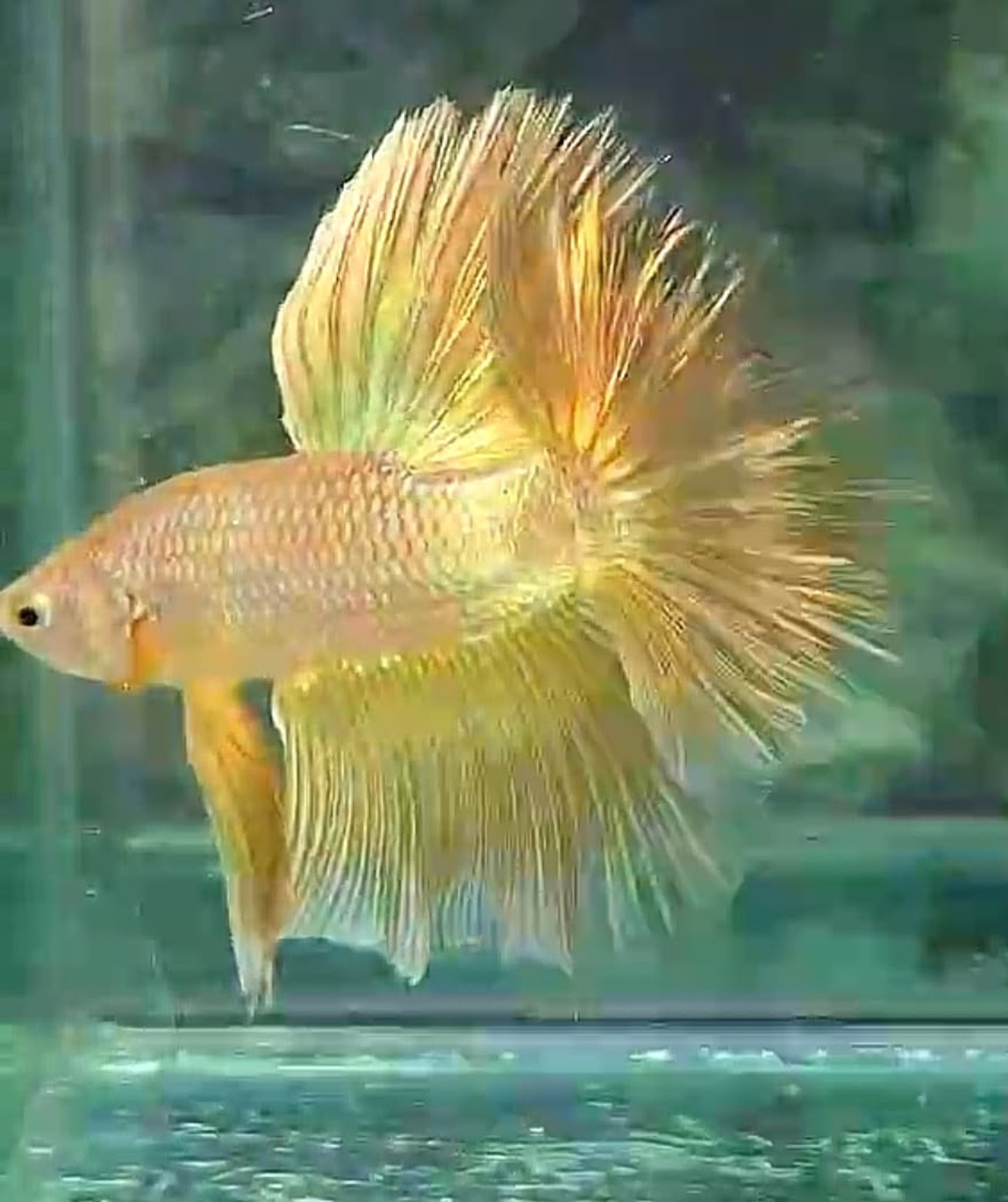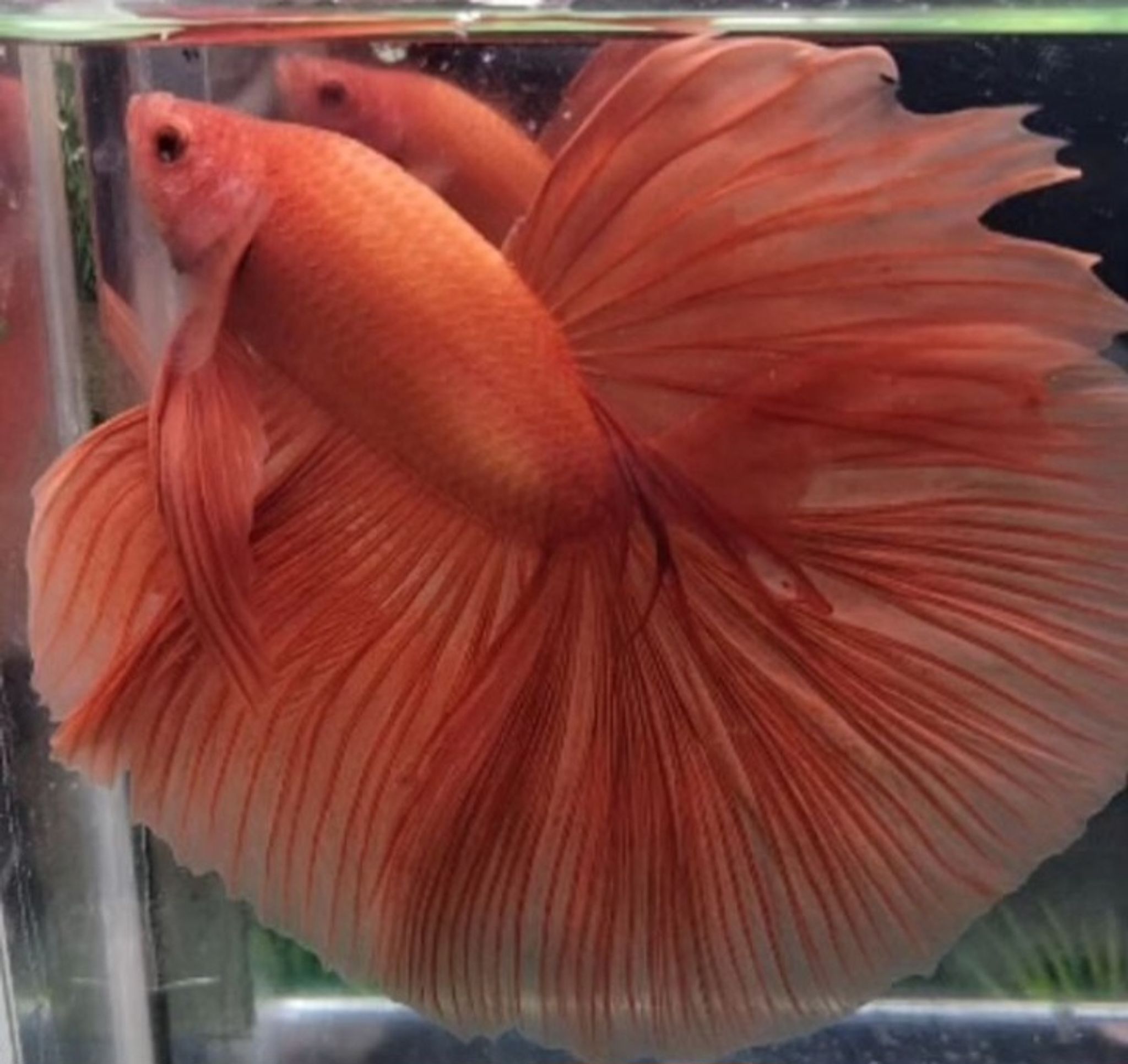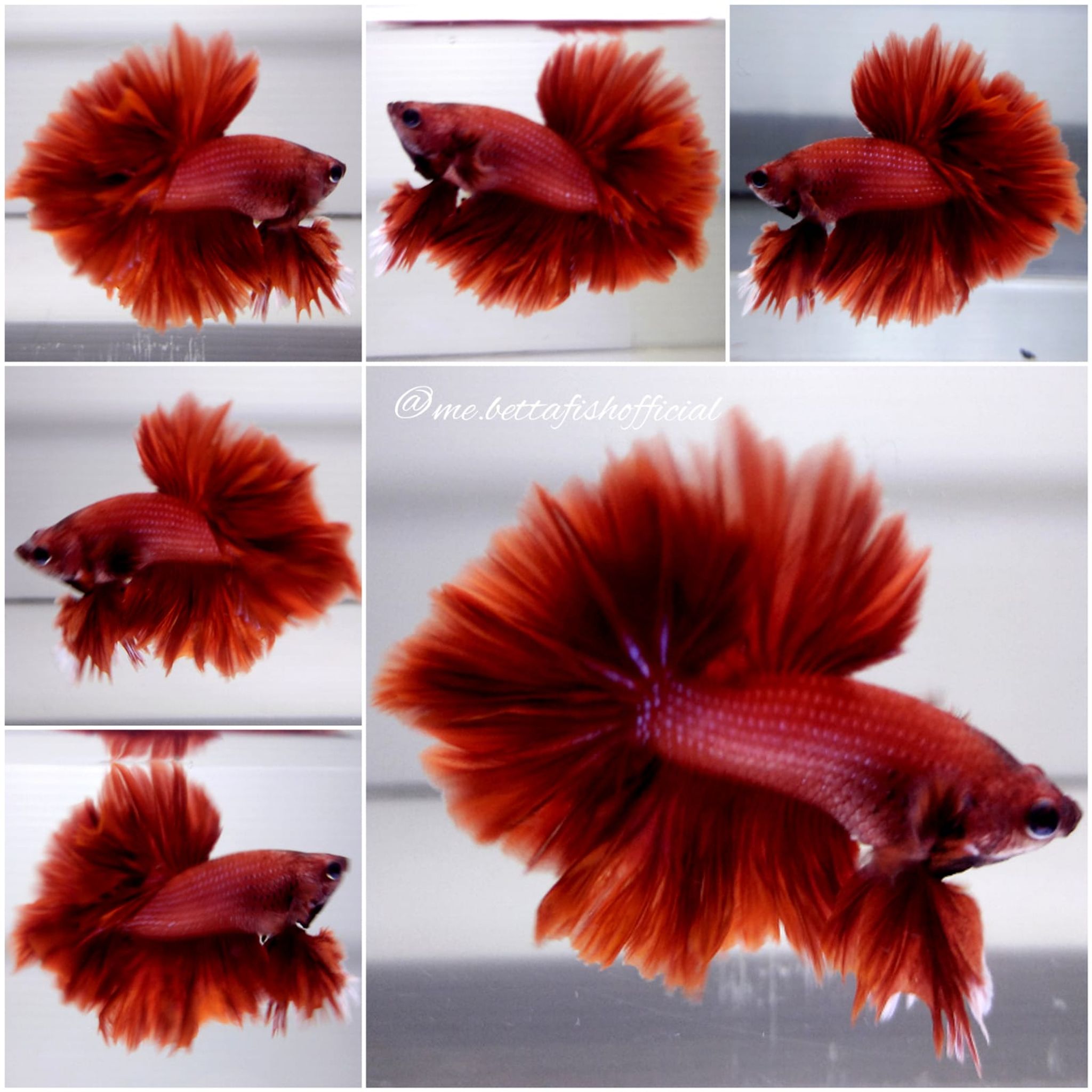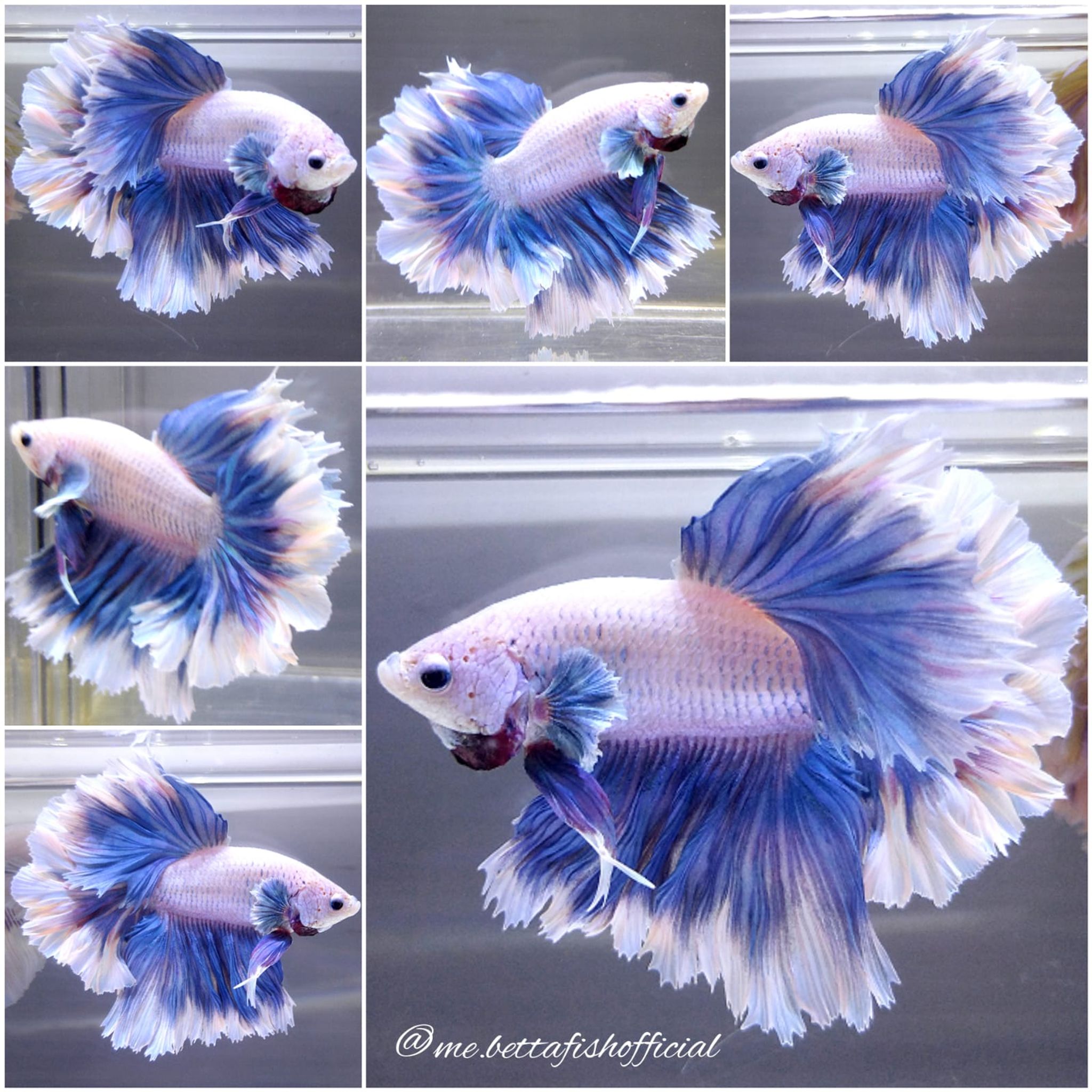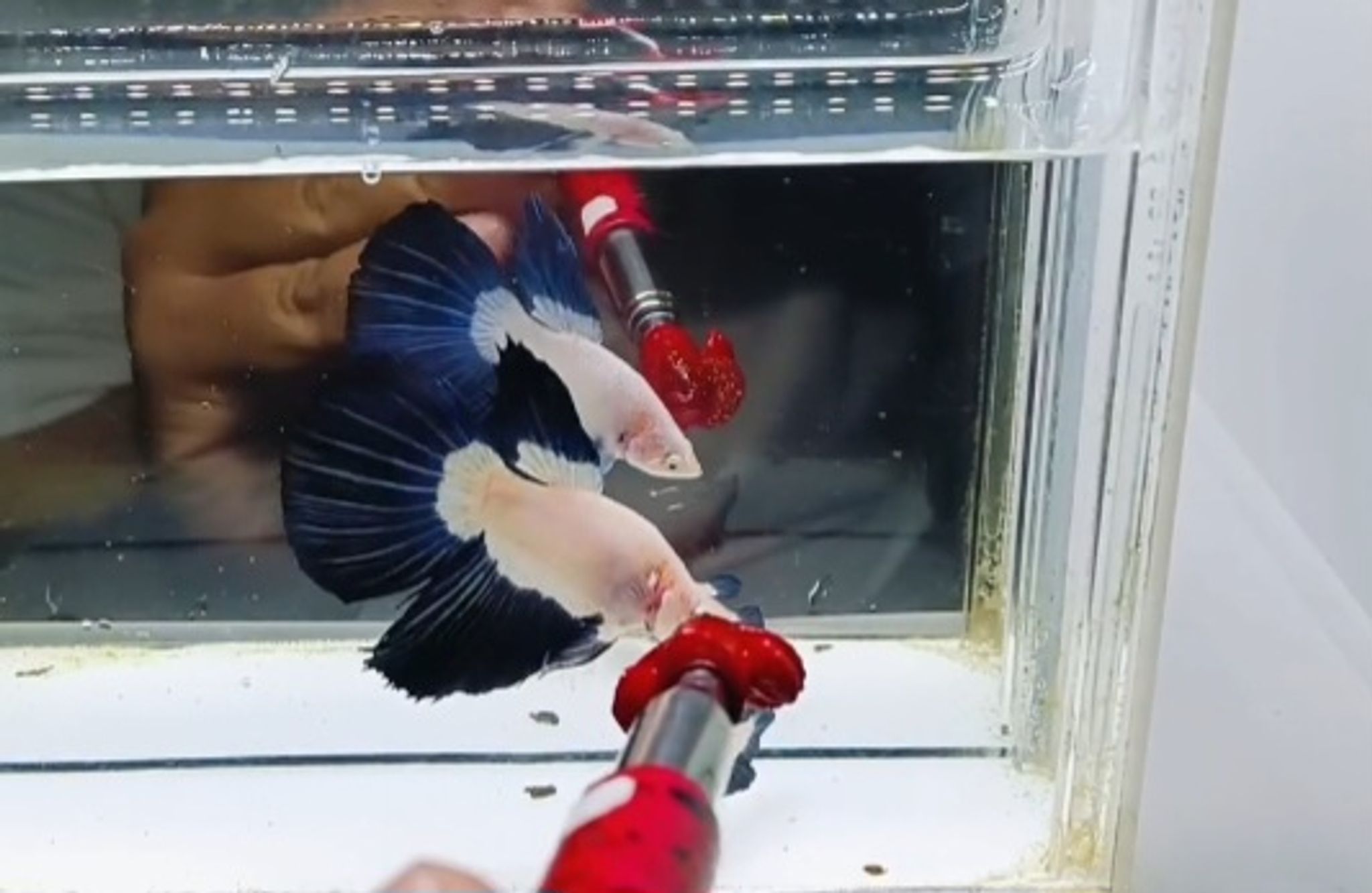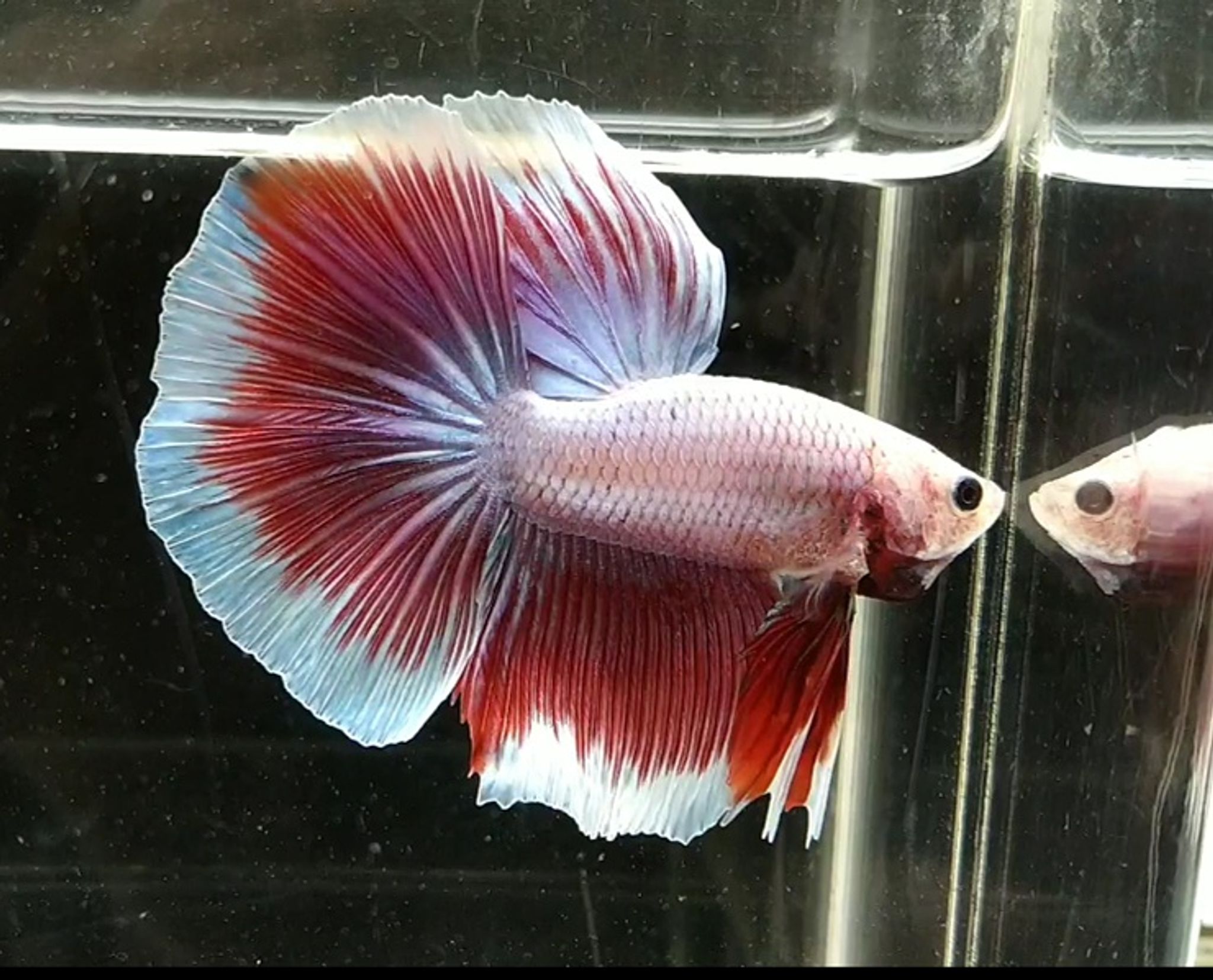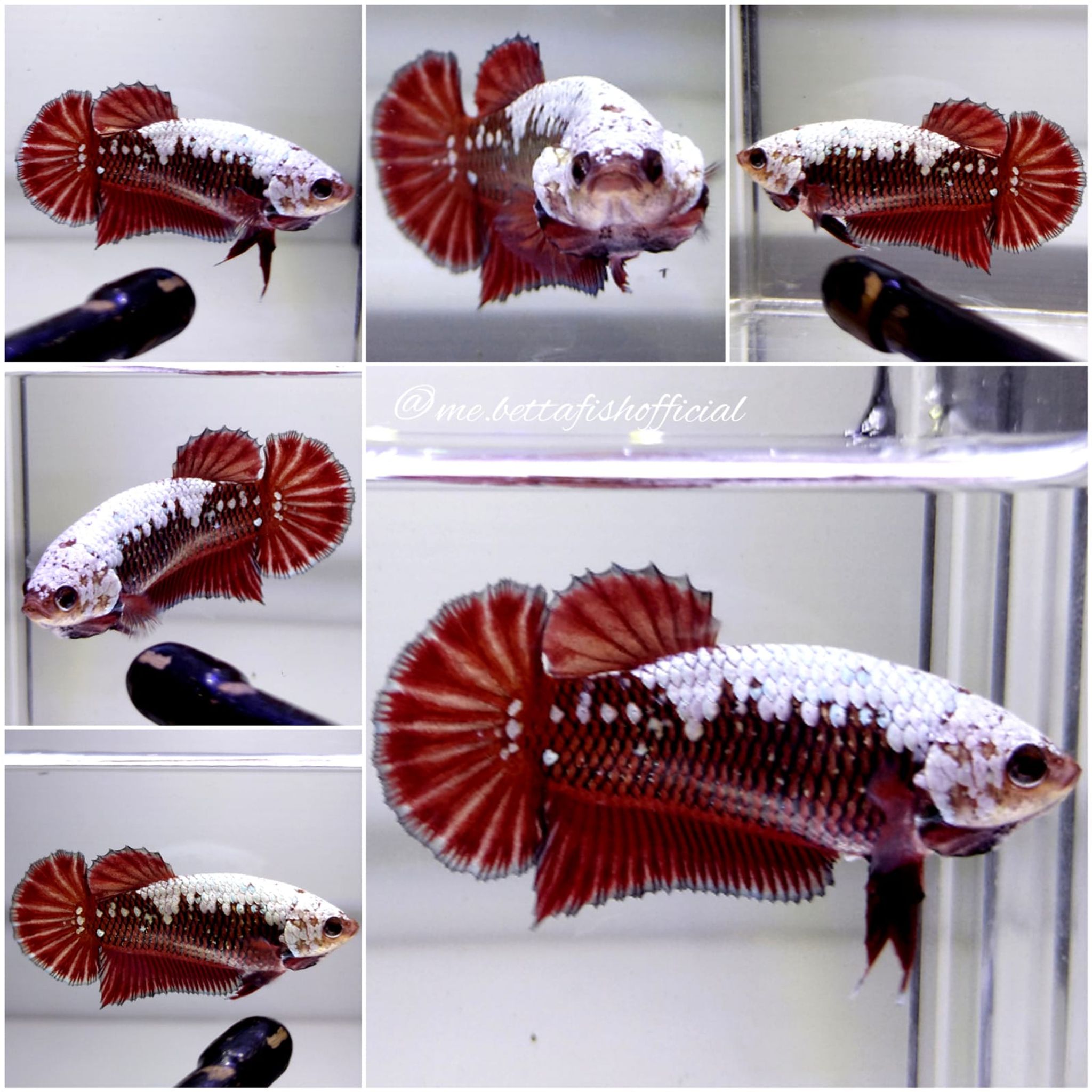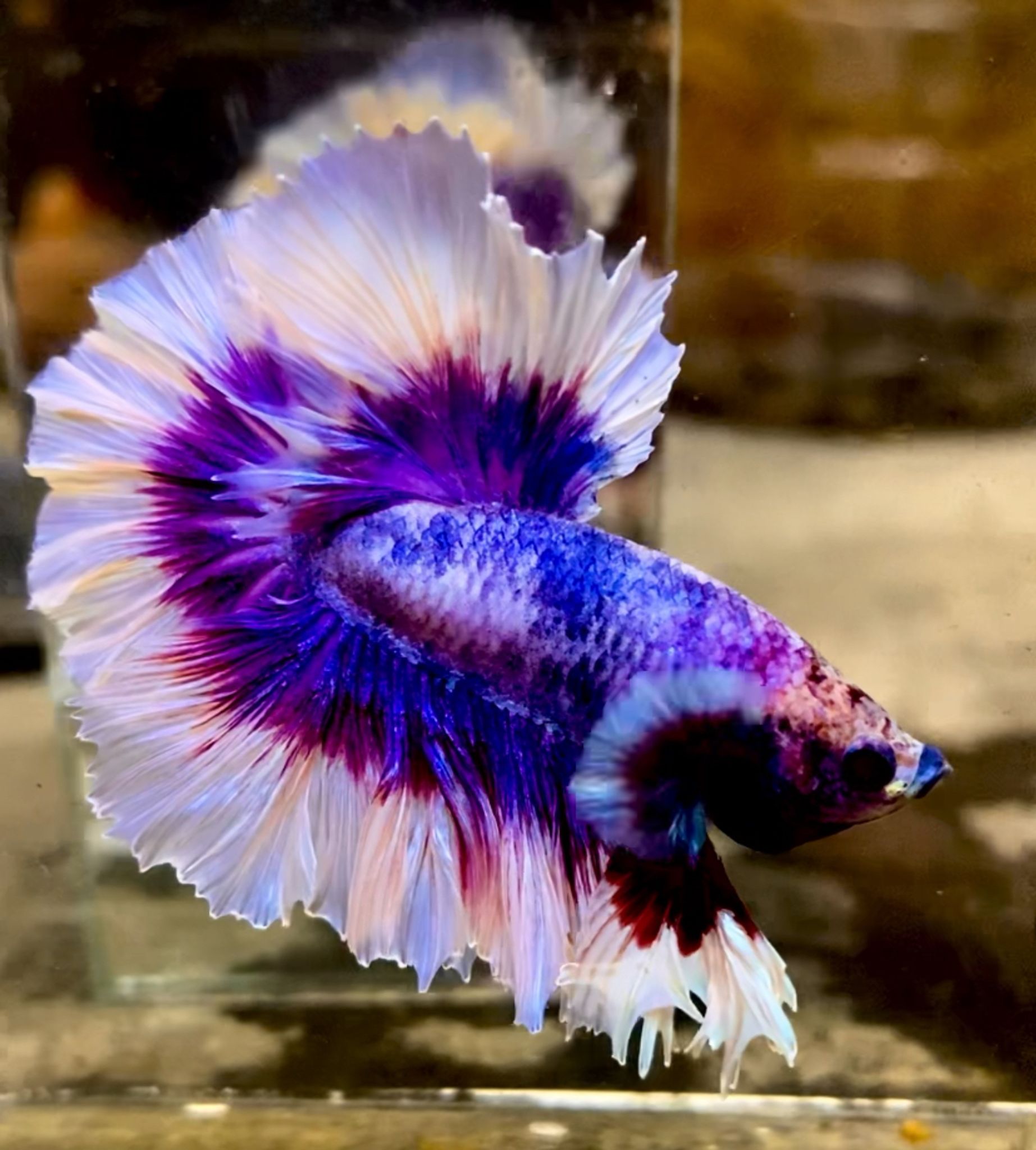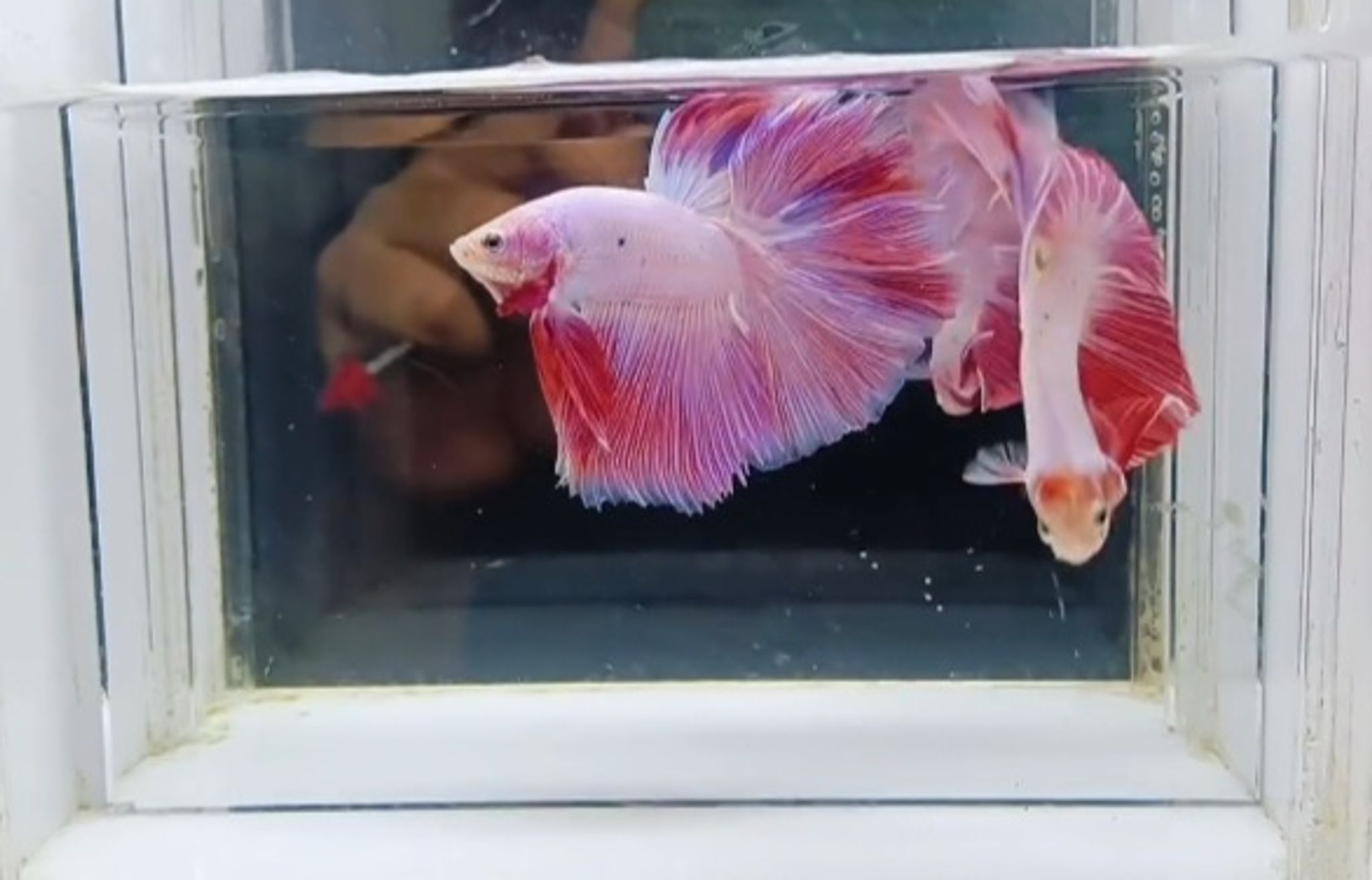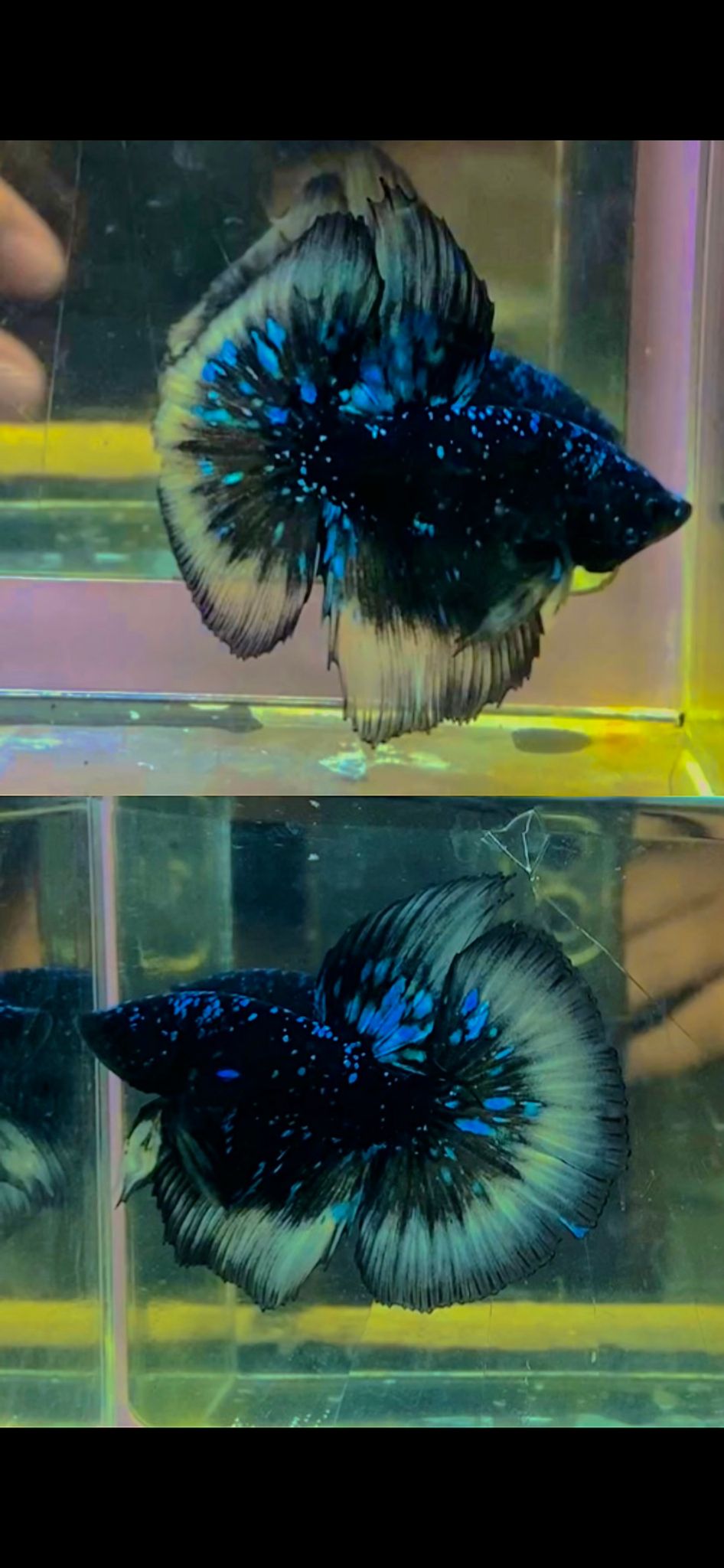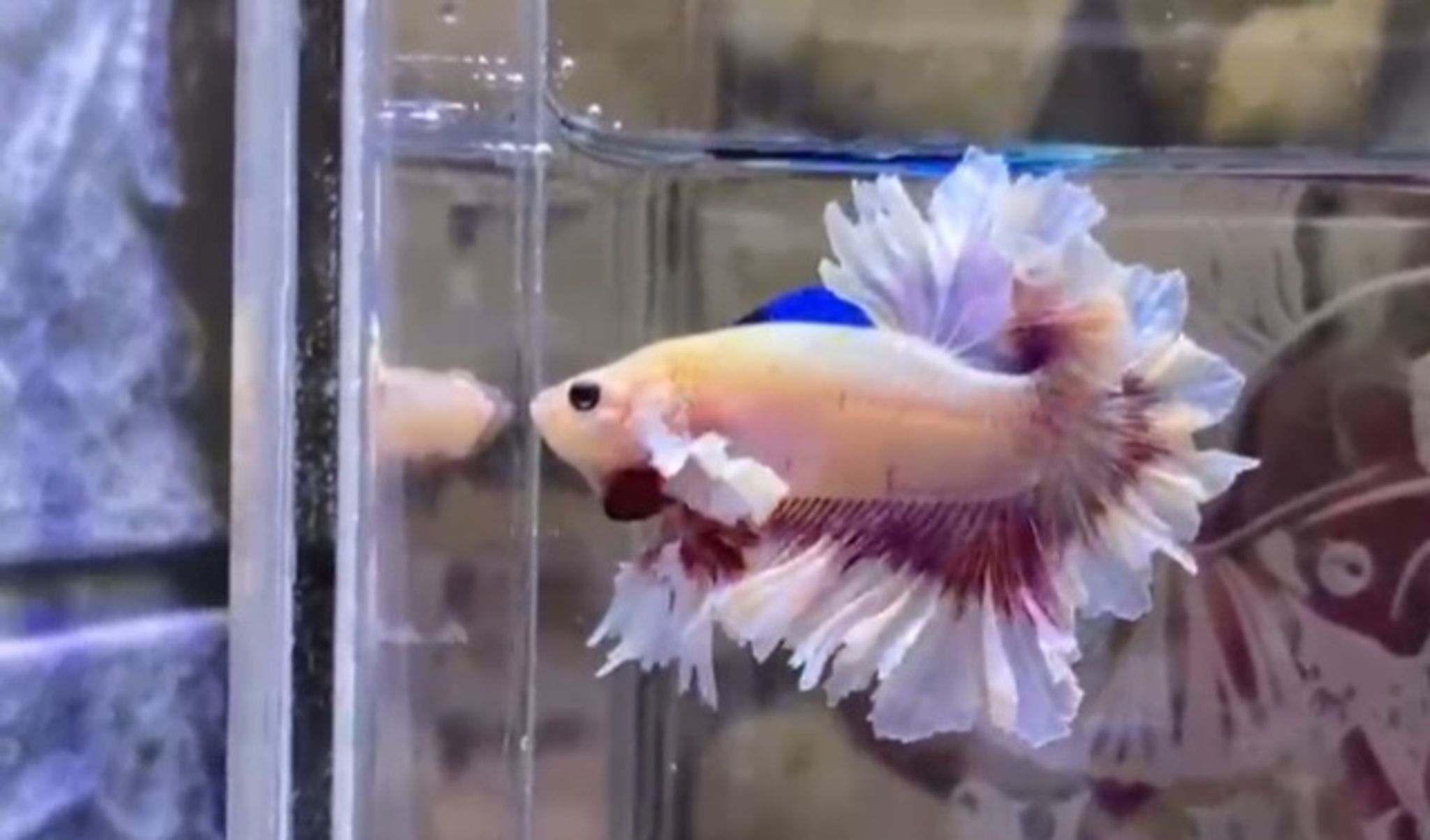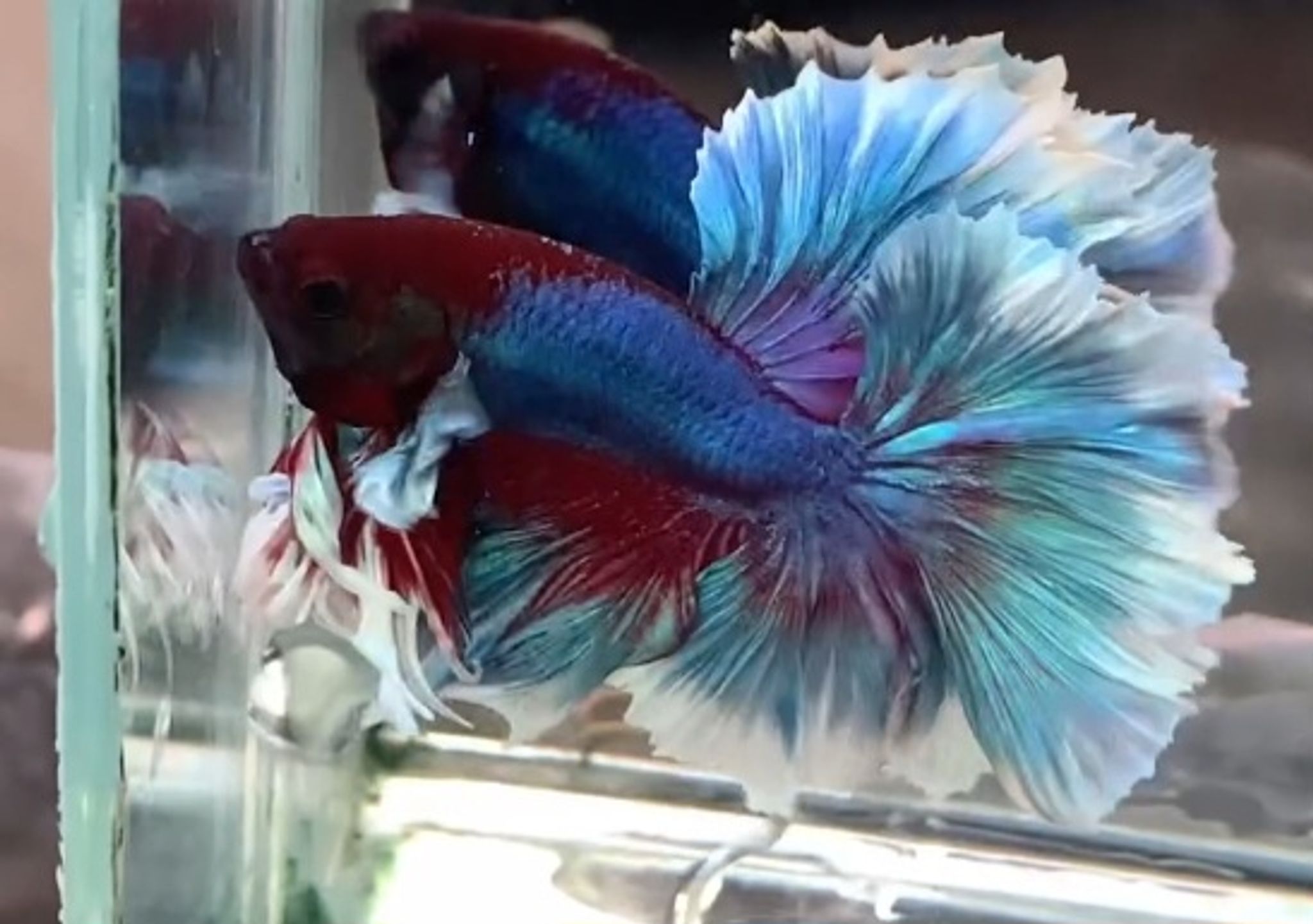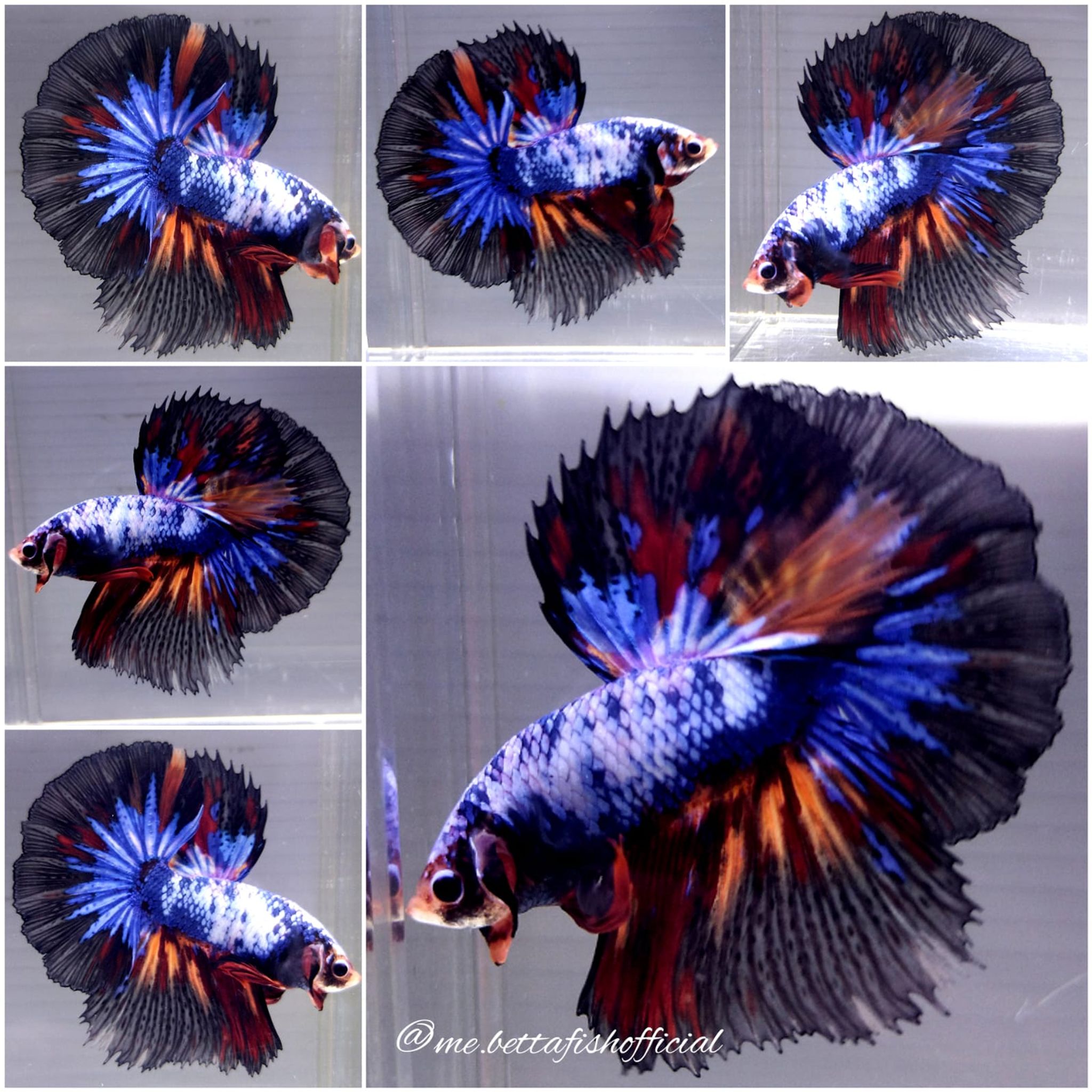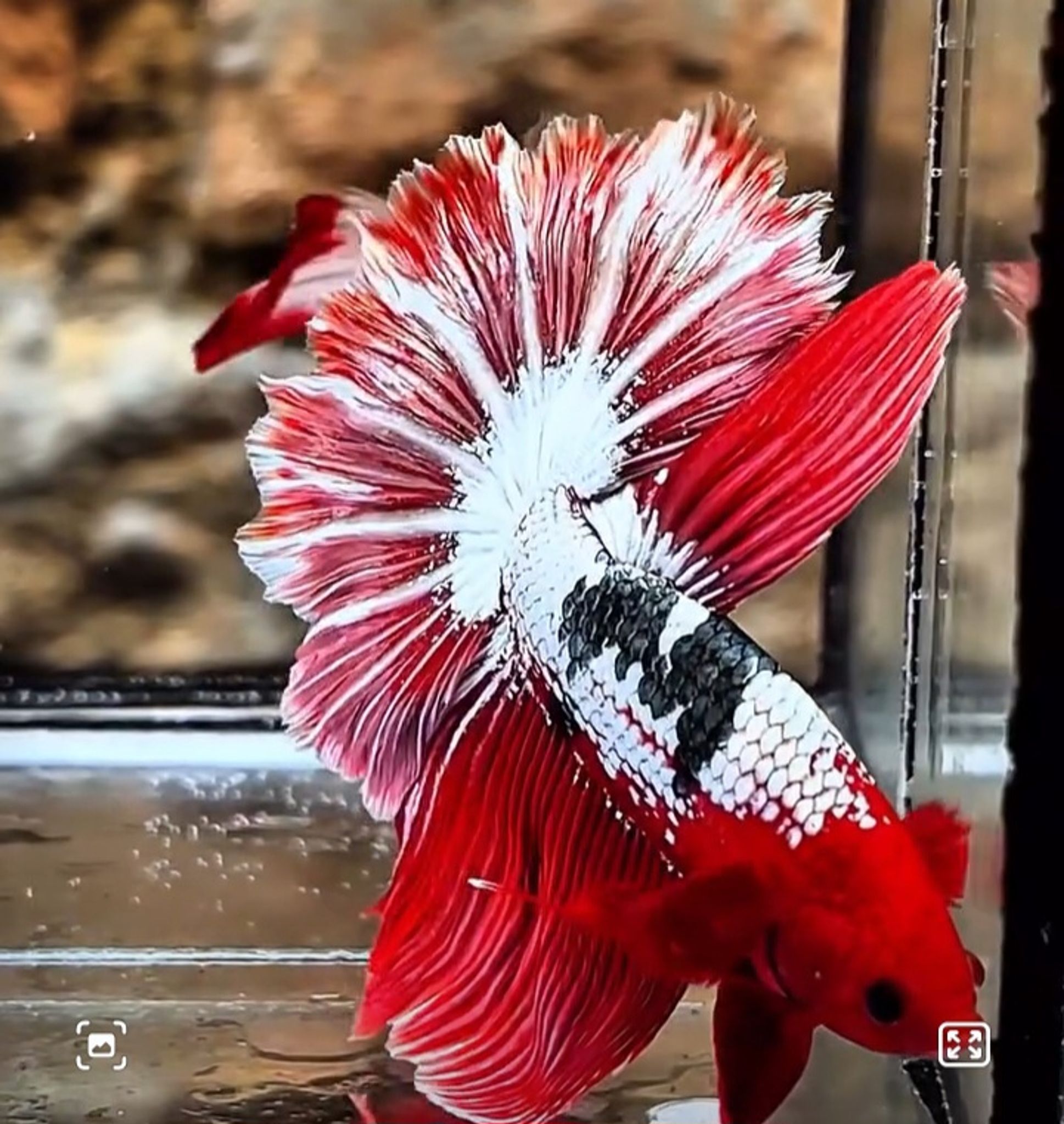
Rosetail FCCP
Click to enlarge

Unless otherwise stated, product might differ from image as image is representative of species and not of actual product

Rosetail FCCP

SGD 40.00

Product Variations

Quantity

Stock: 1

Product Details

Size

6cm - 7cm

Temperament

Aggressive

Water Condition

High PH

Product Description

Rosetail FCCP – premium aggressive betta with striking finnage, thriving in high-pH water. Sizes 6–7cm. Perfect for experienced aquarists.

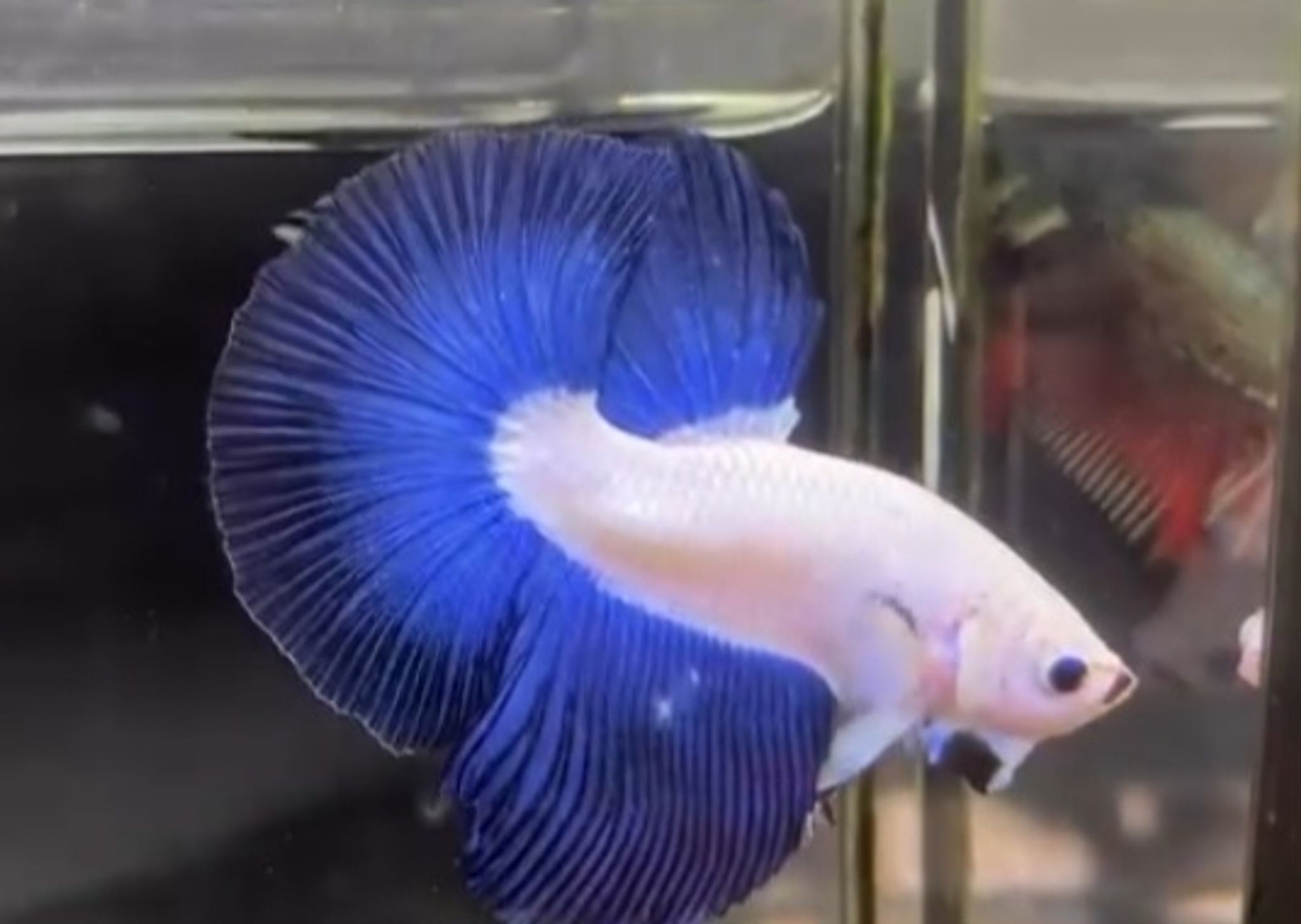
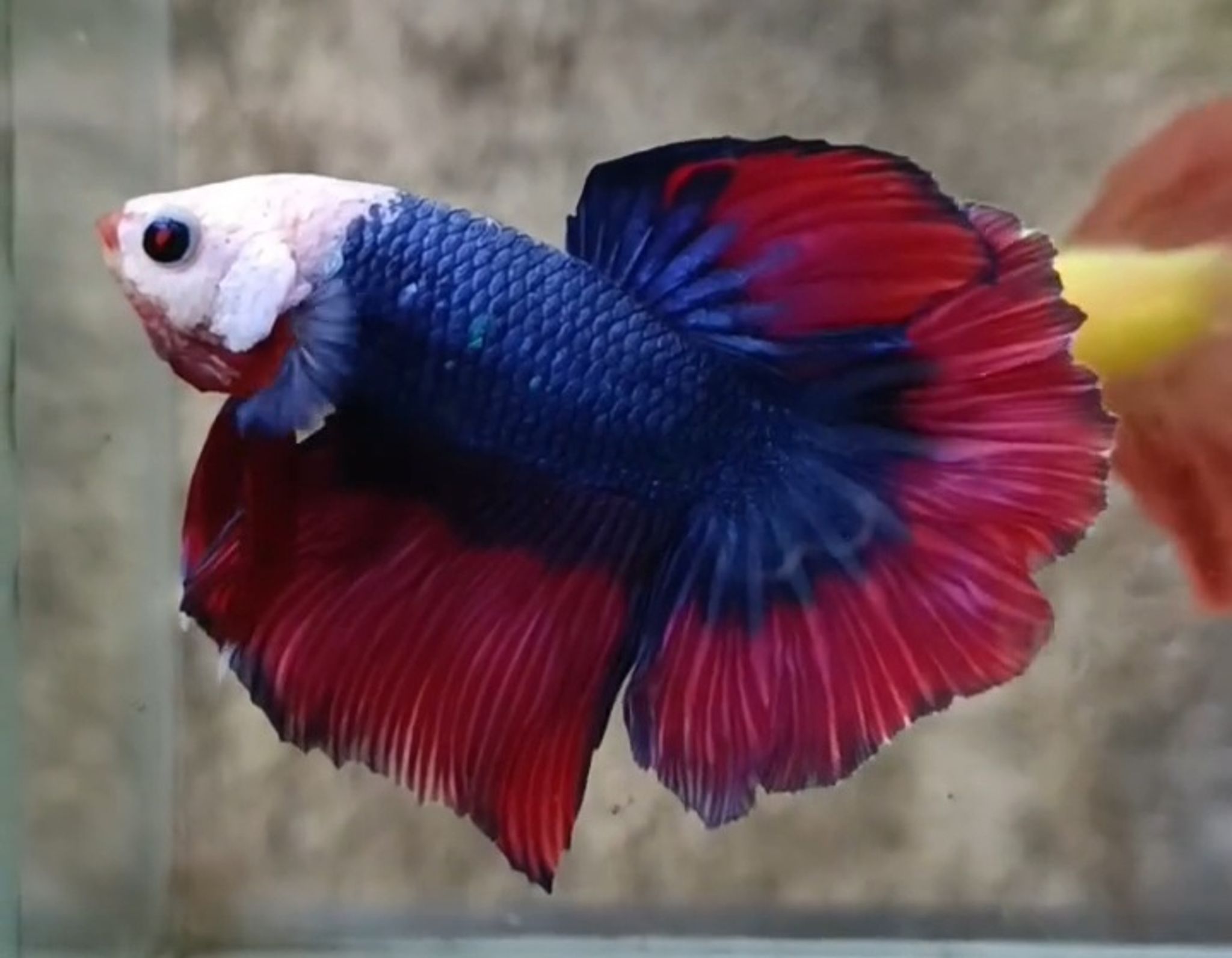
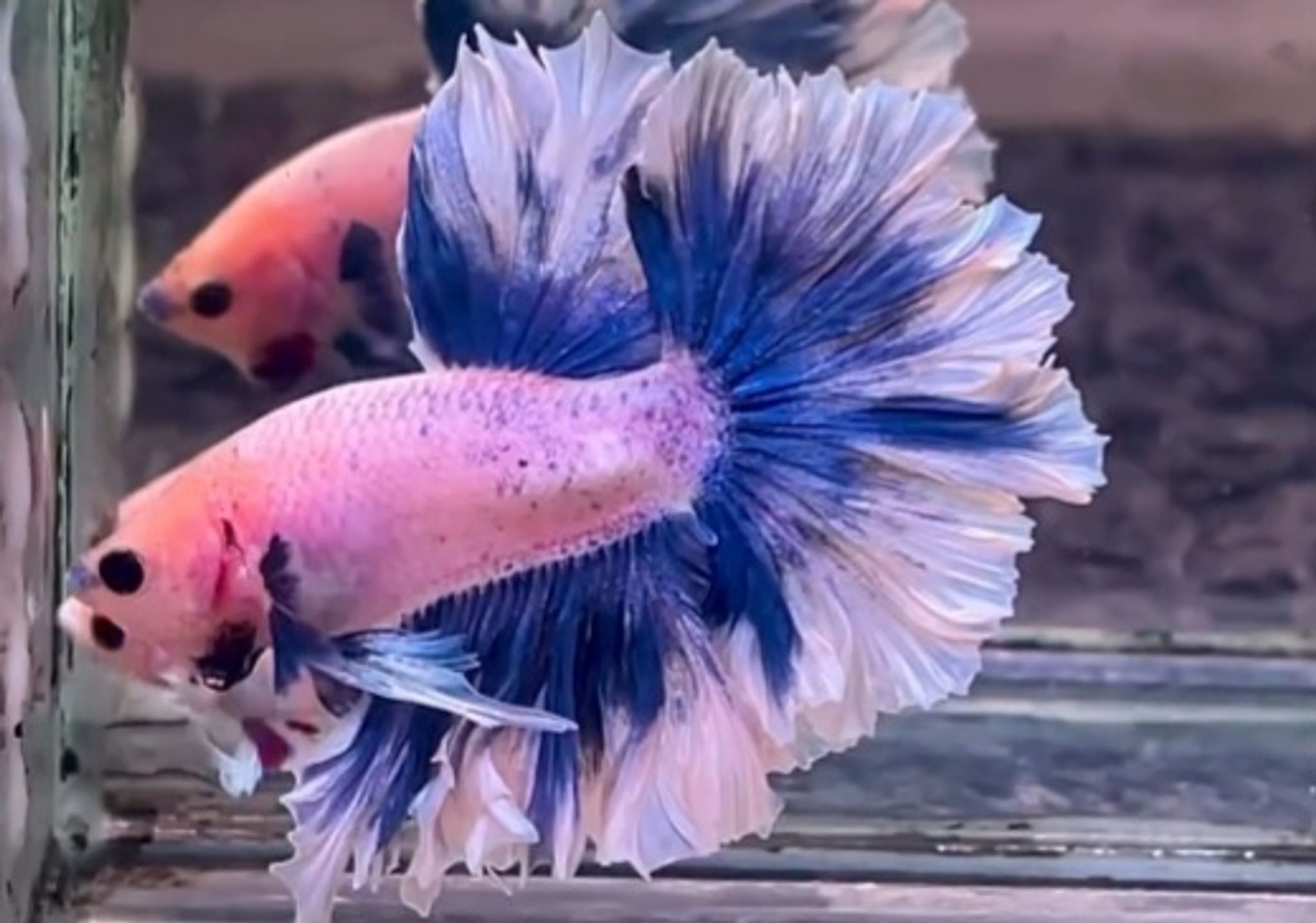
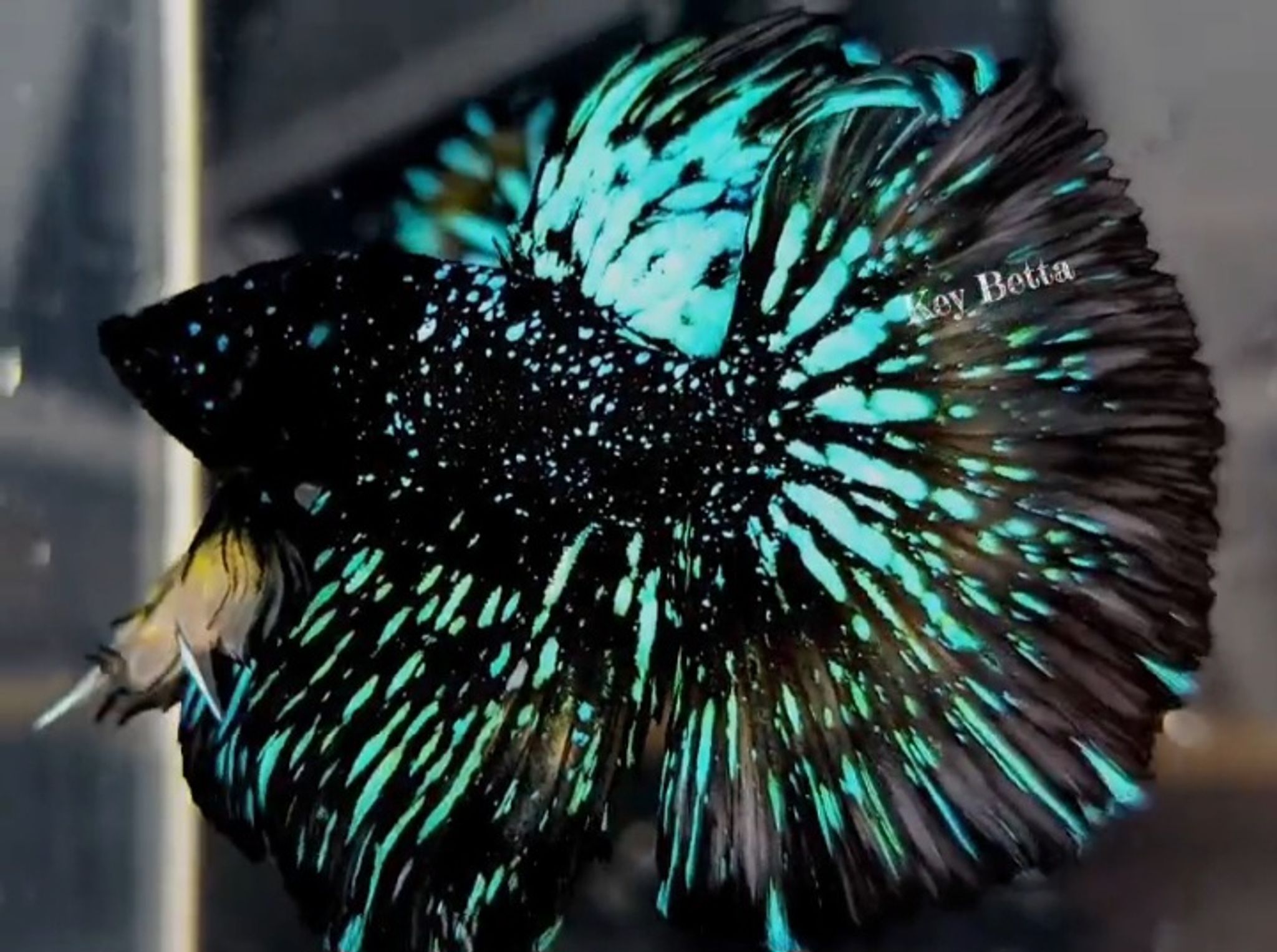
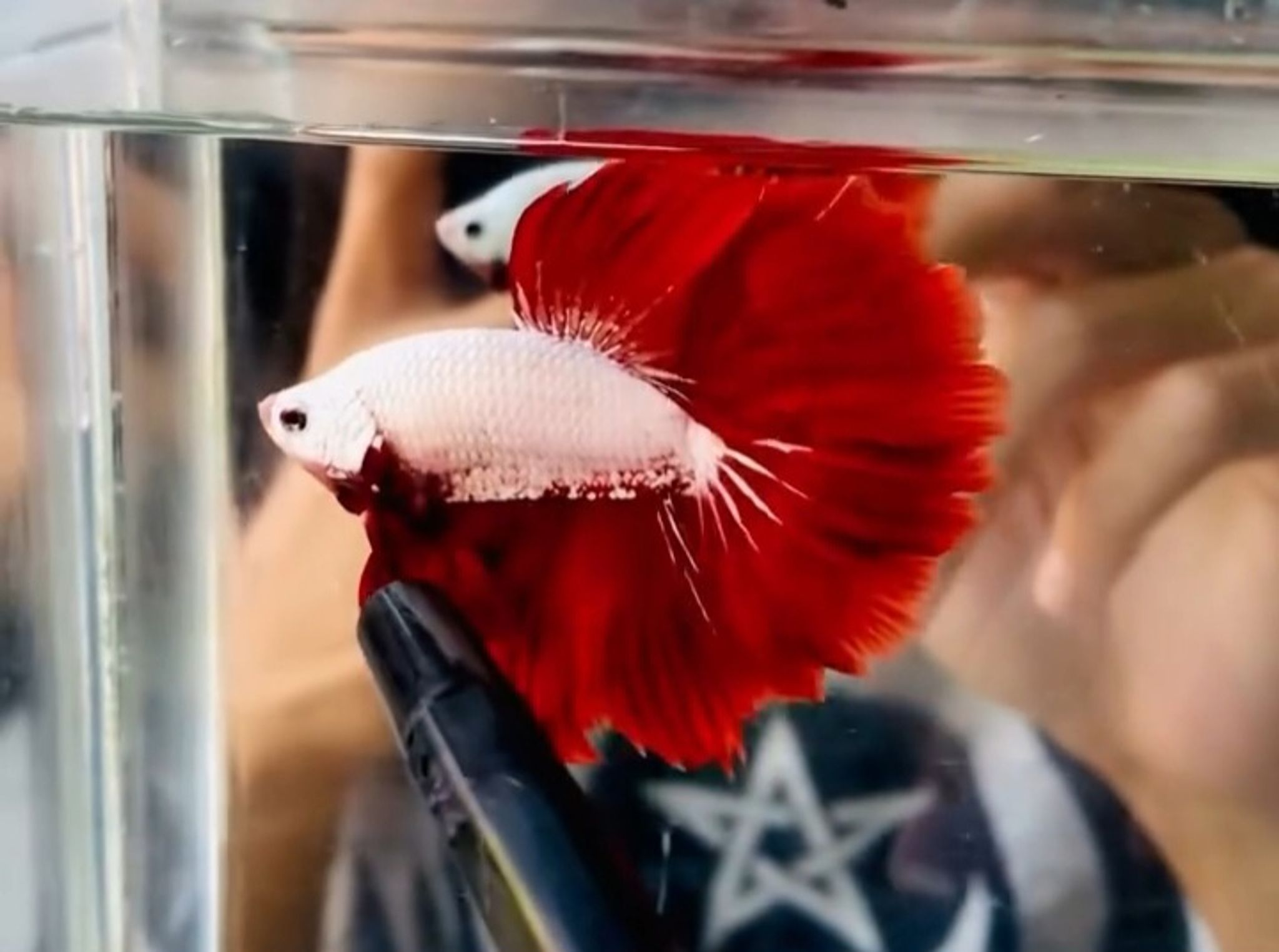
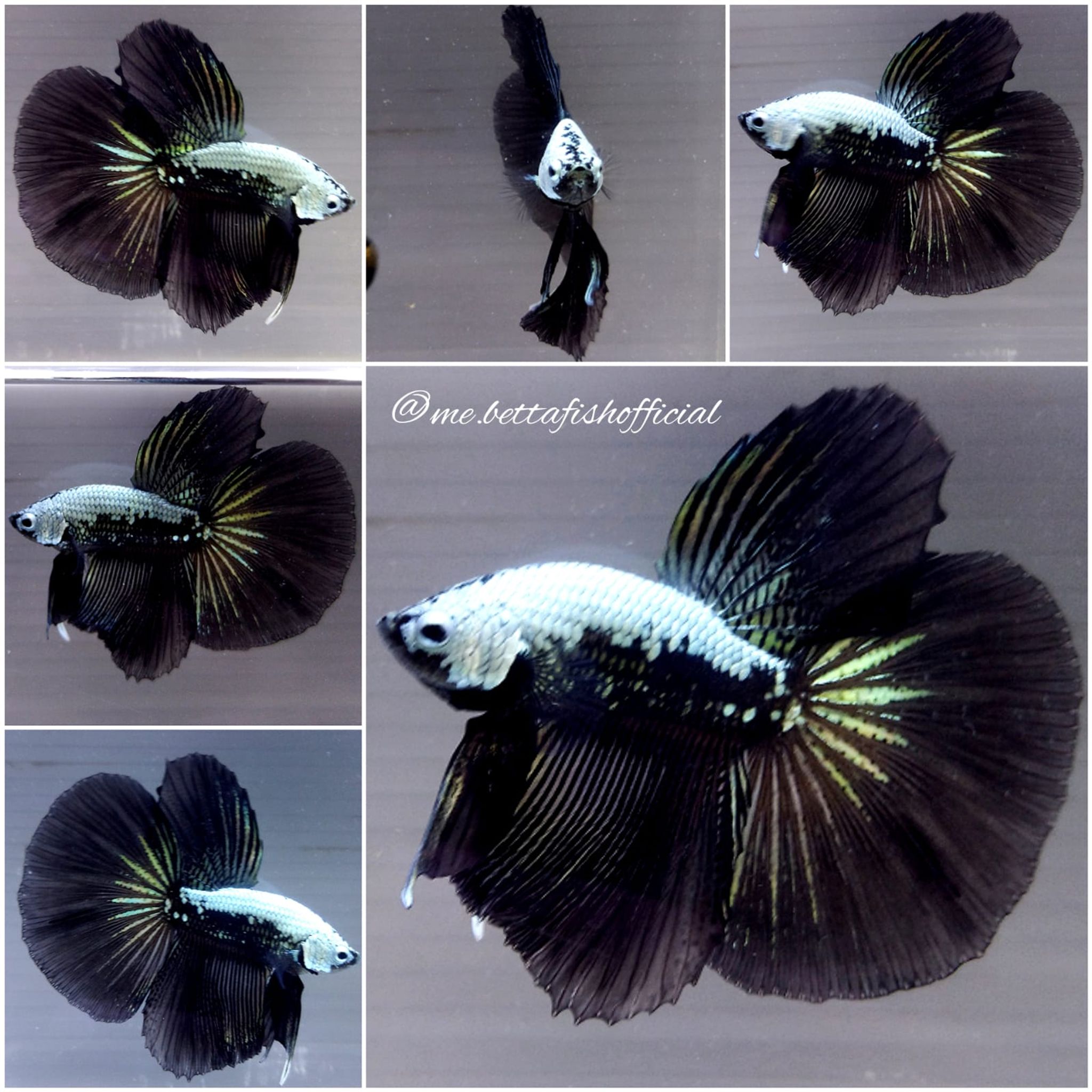
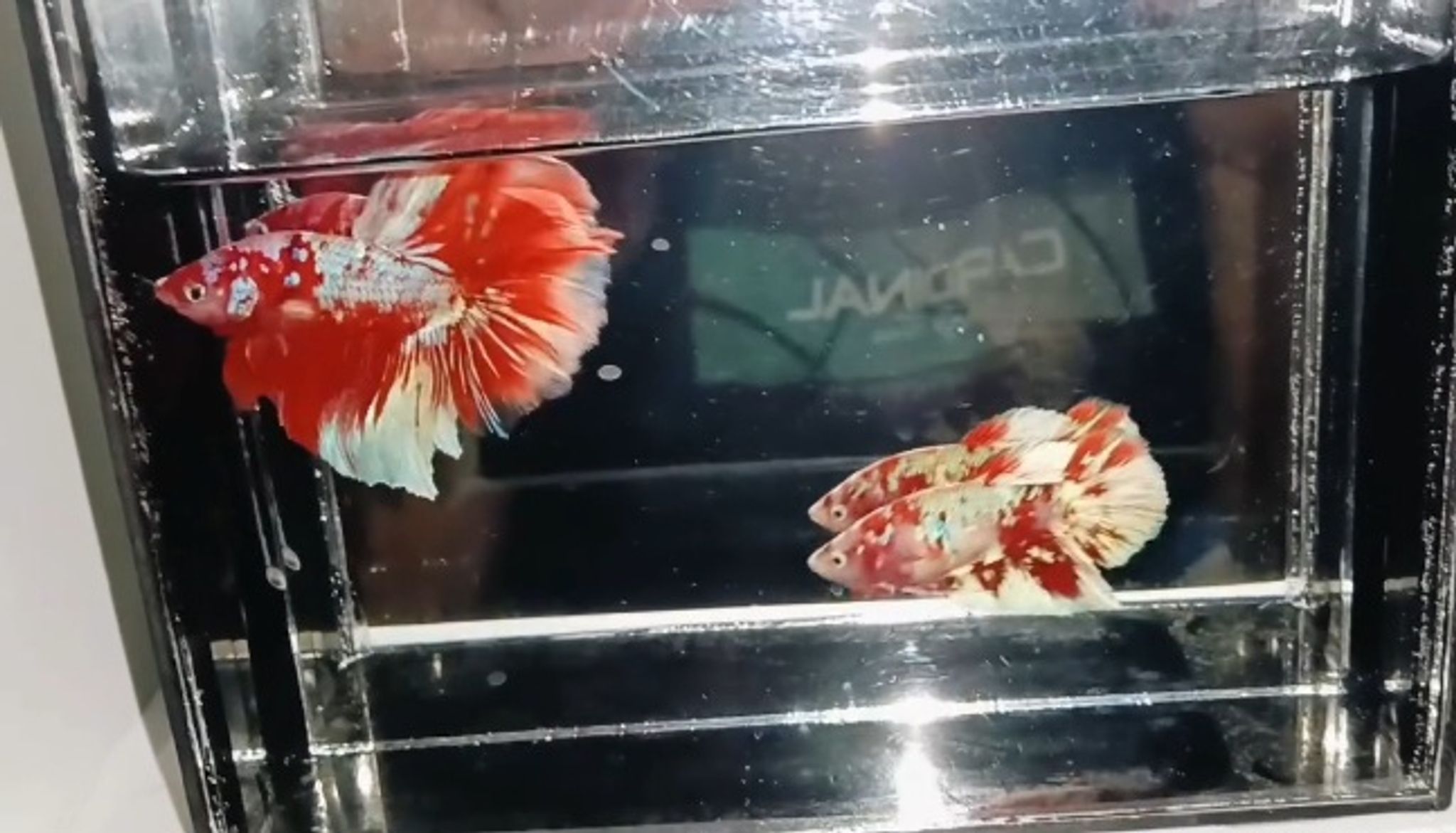
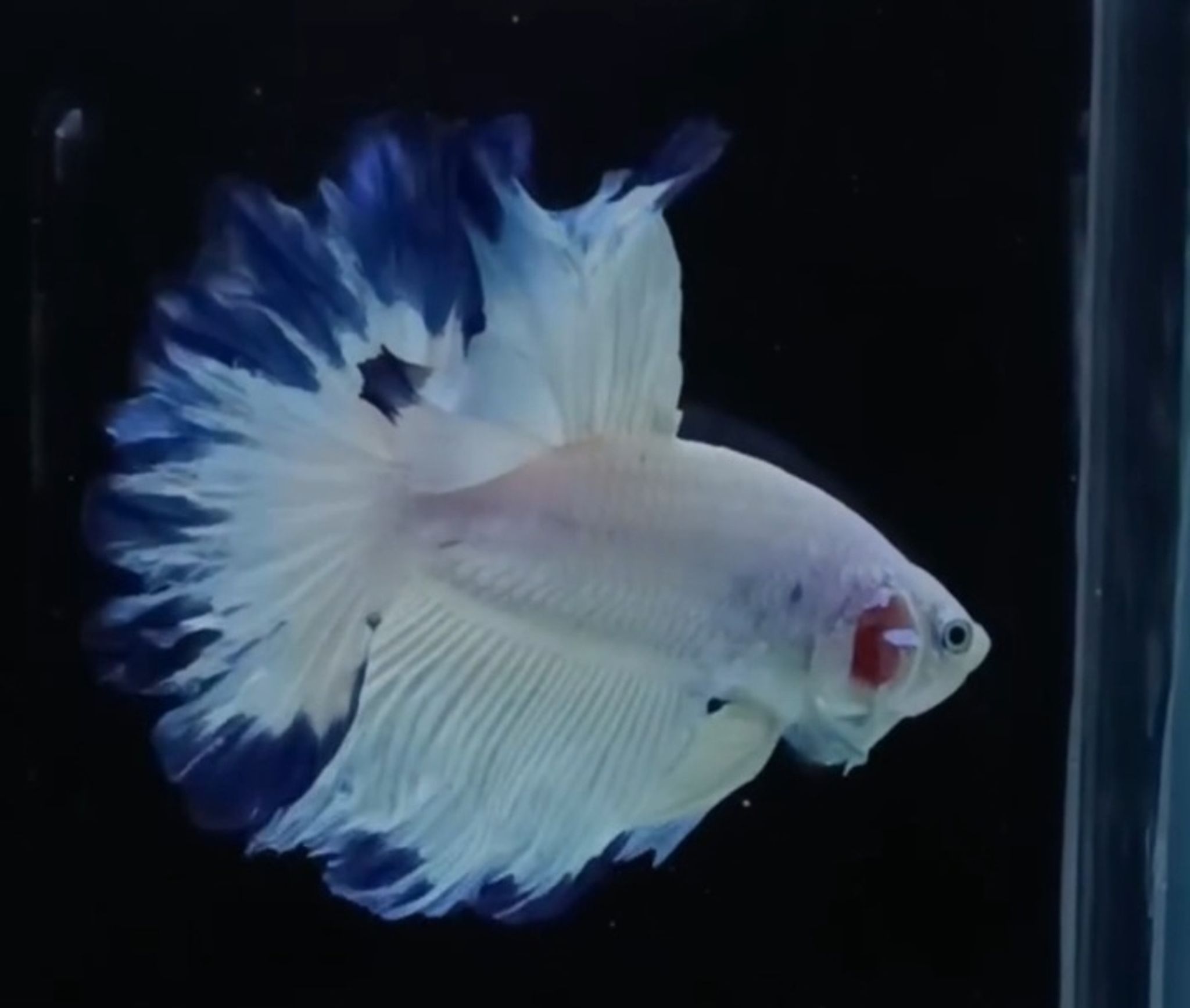
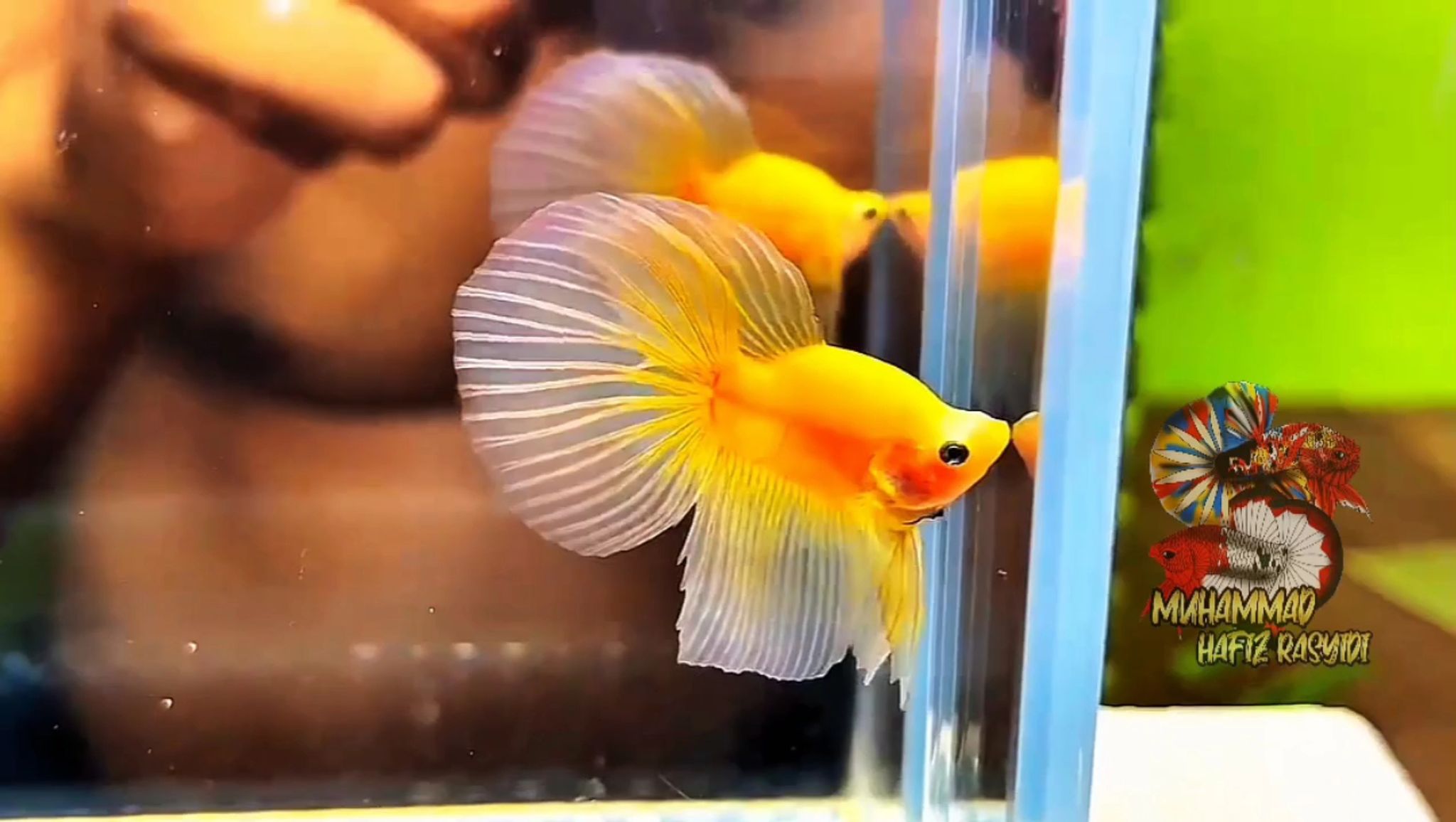
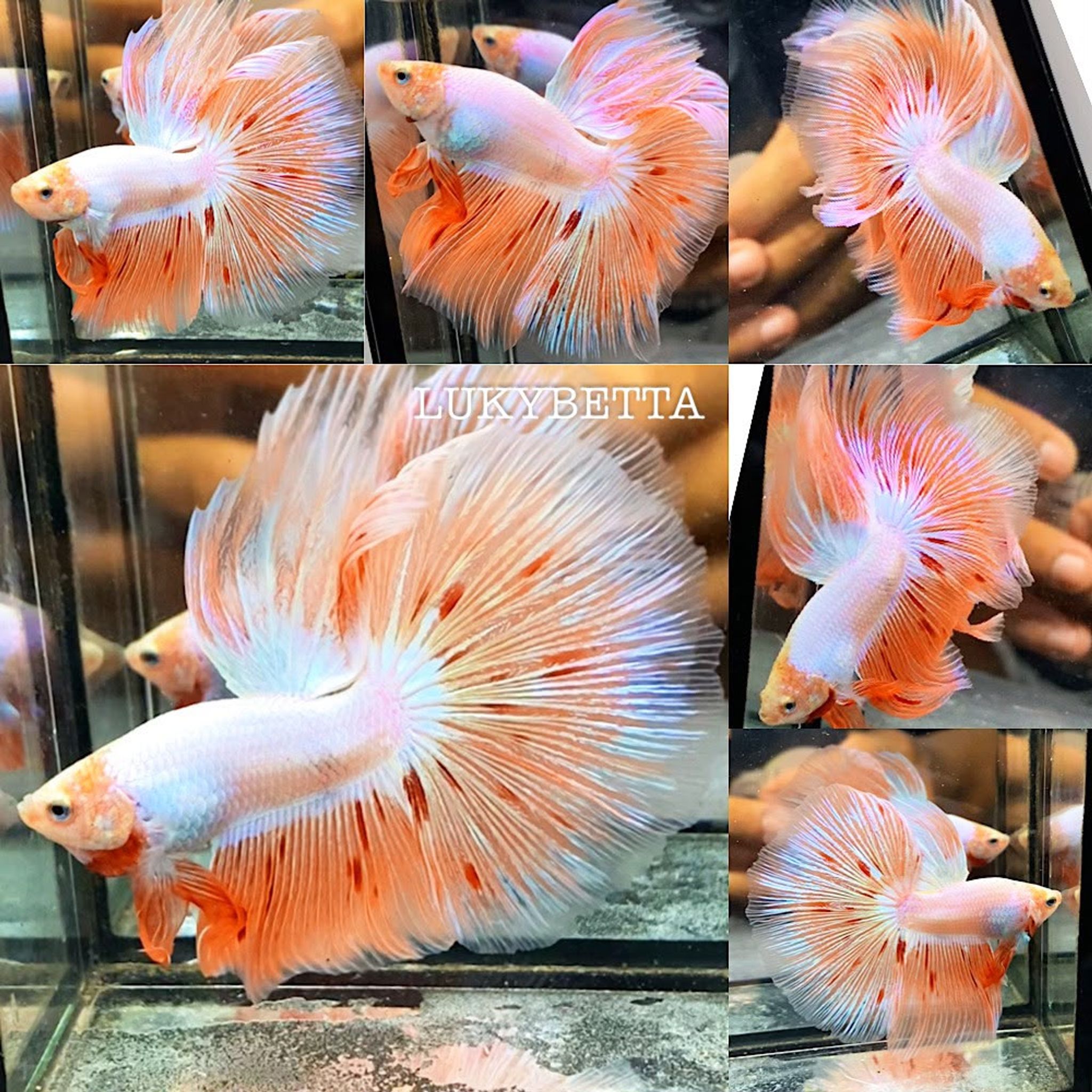
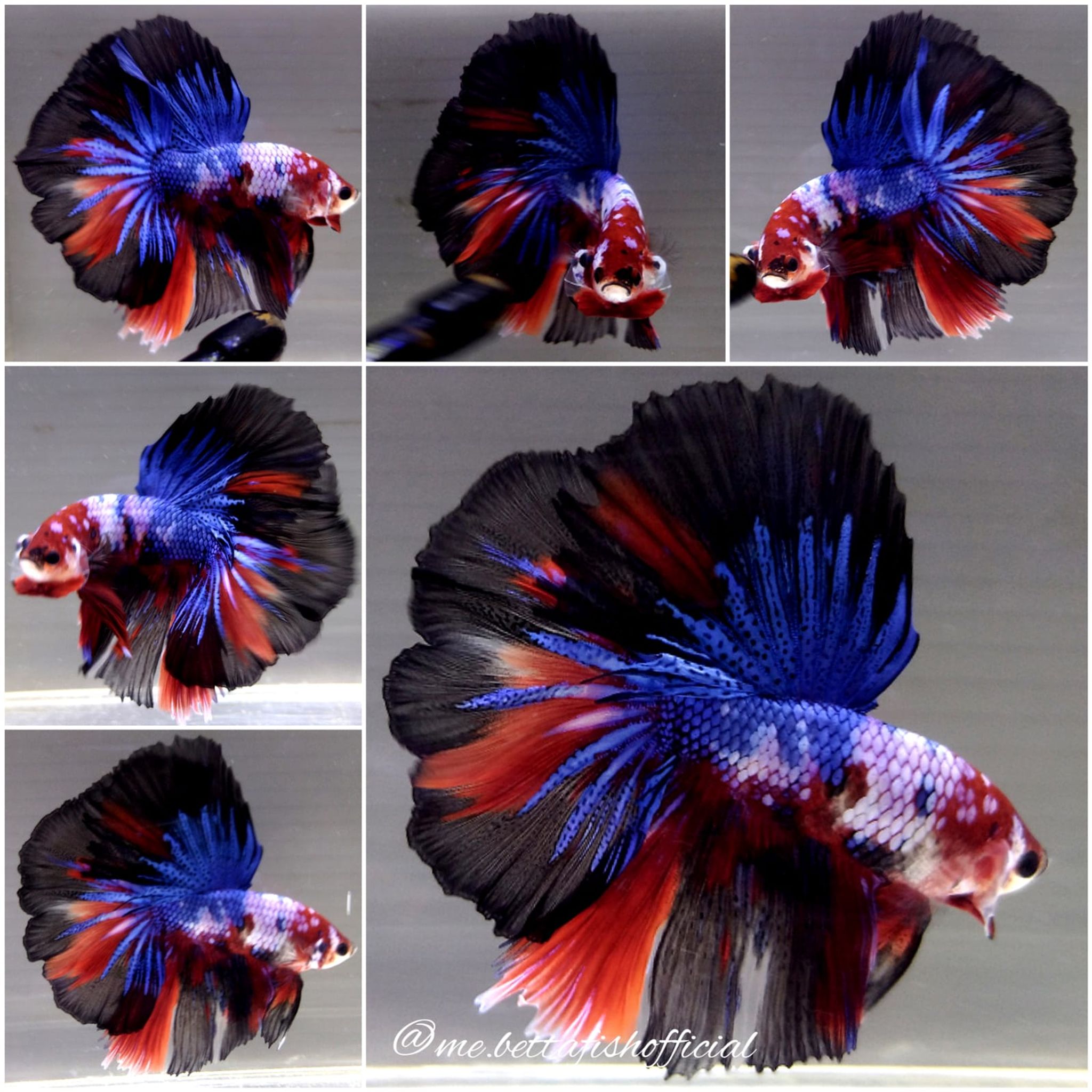
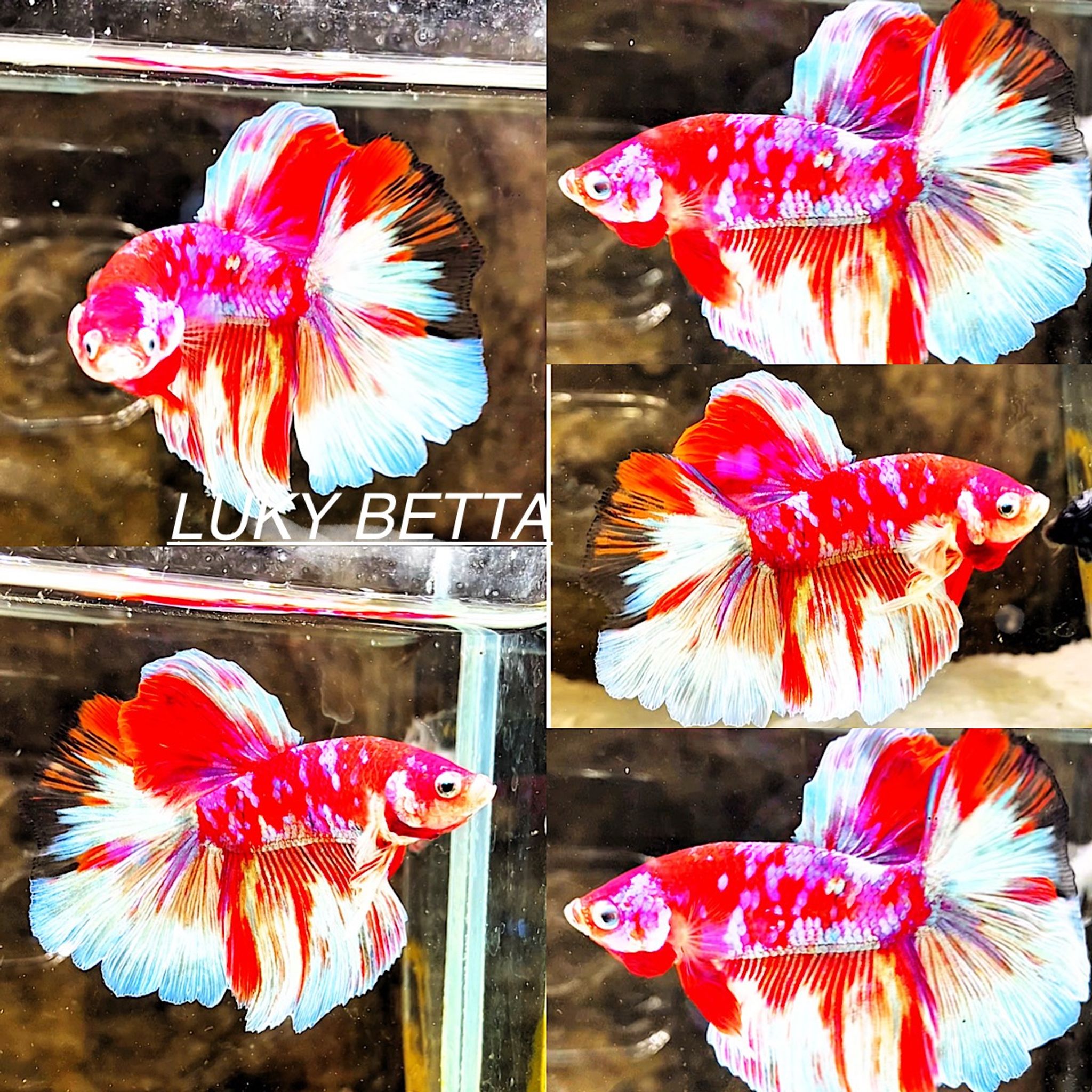
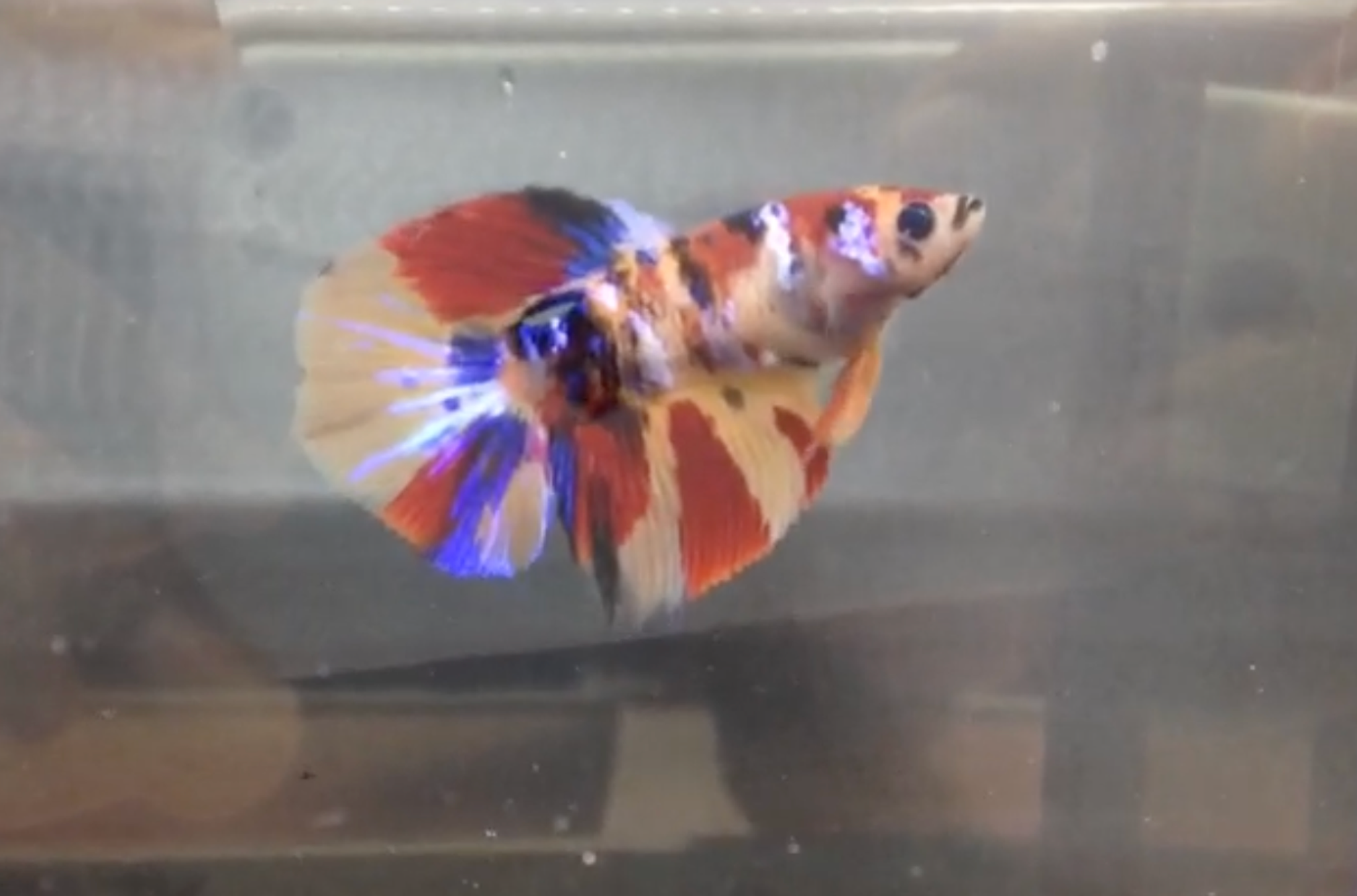
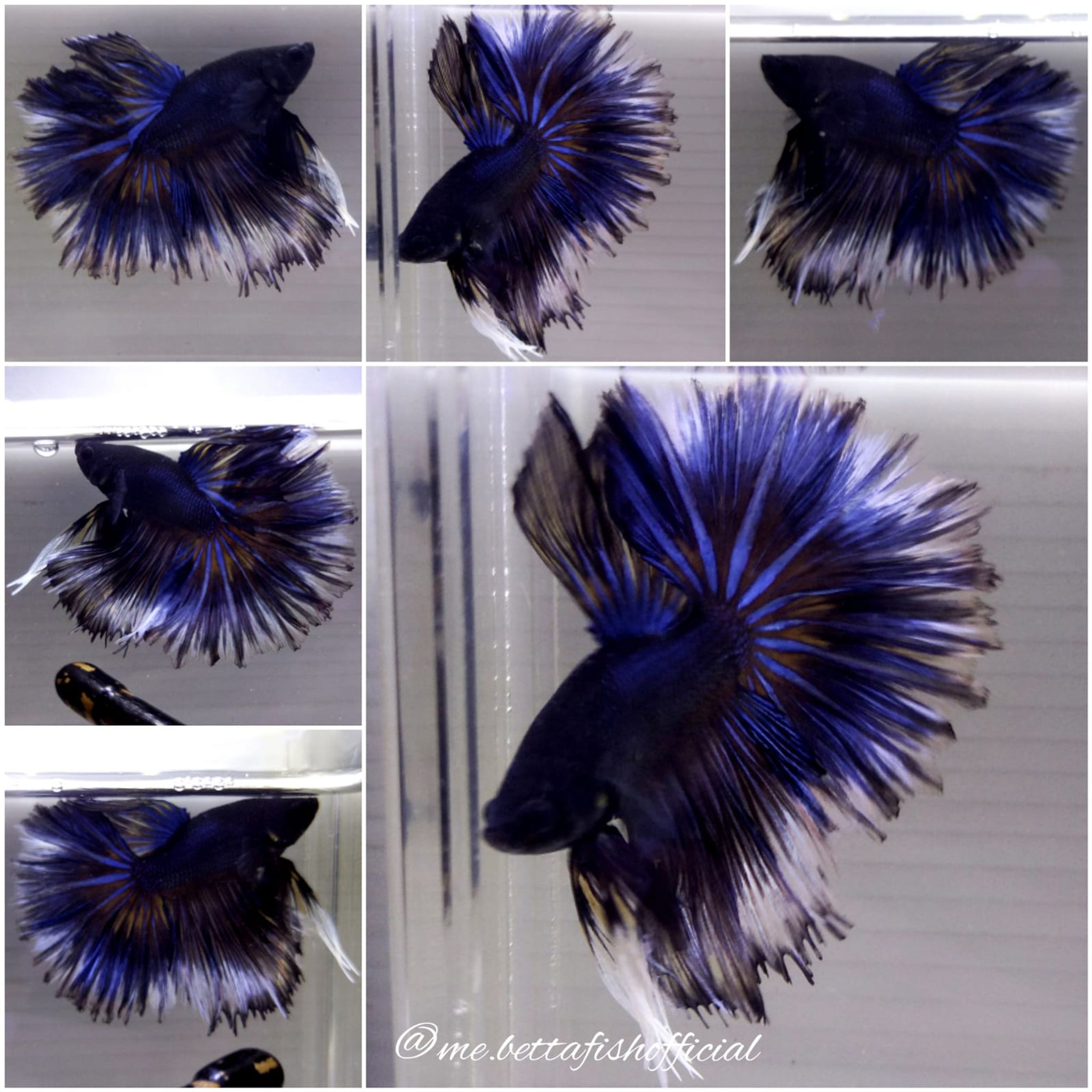
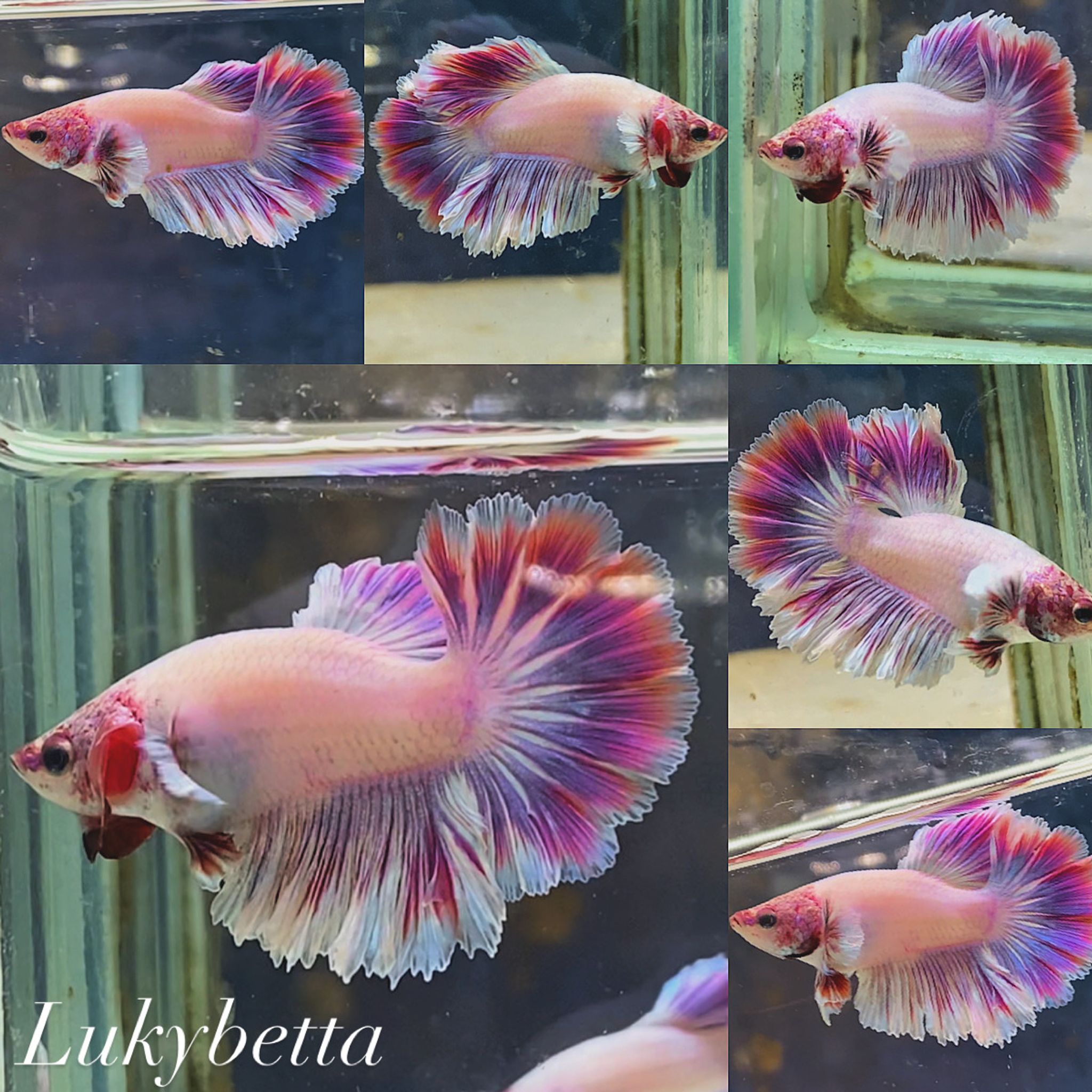
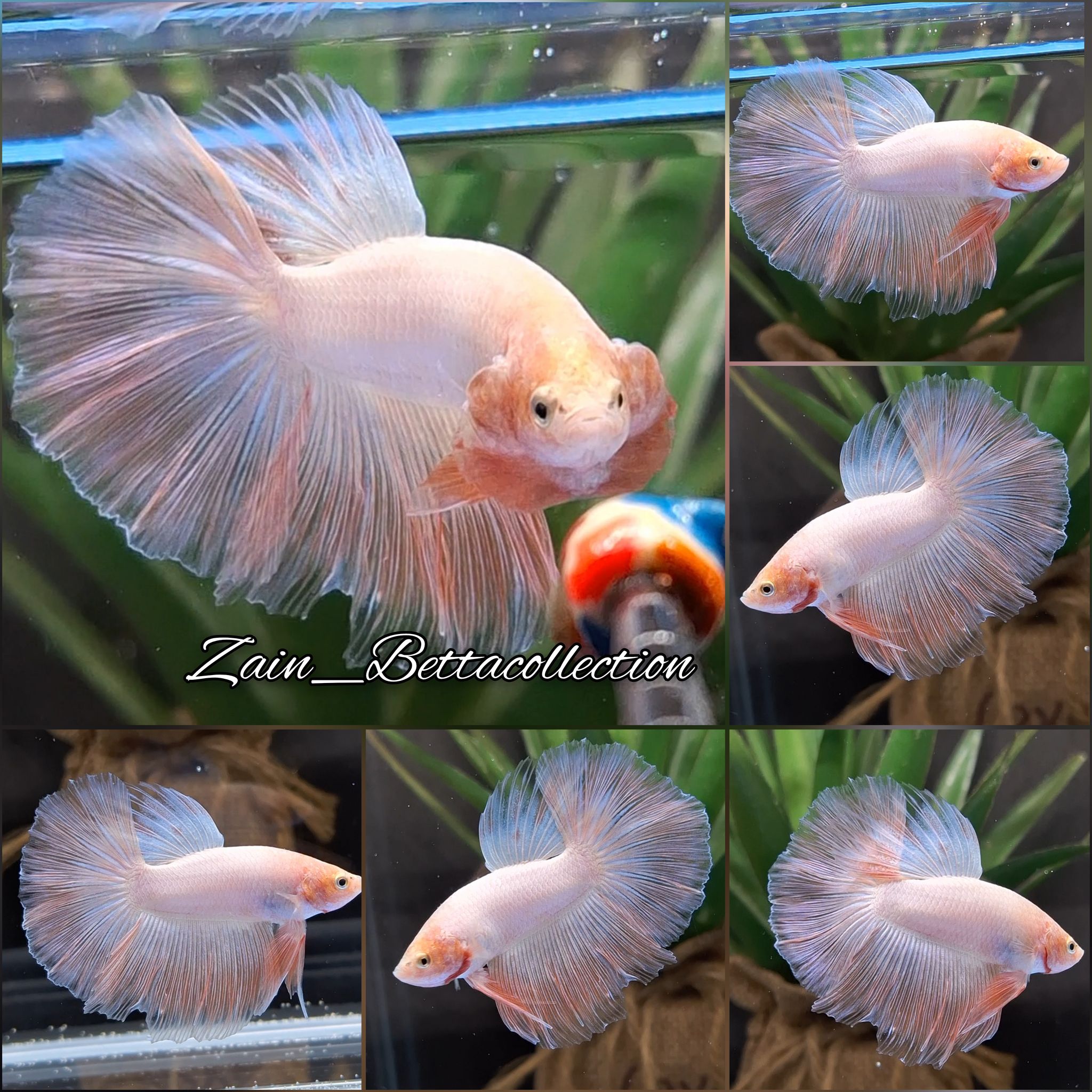
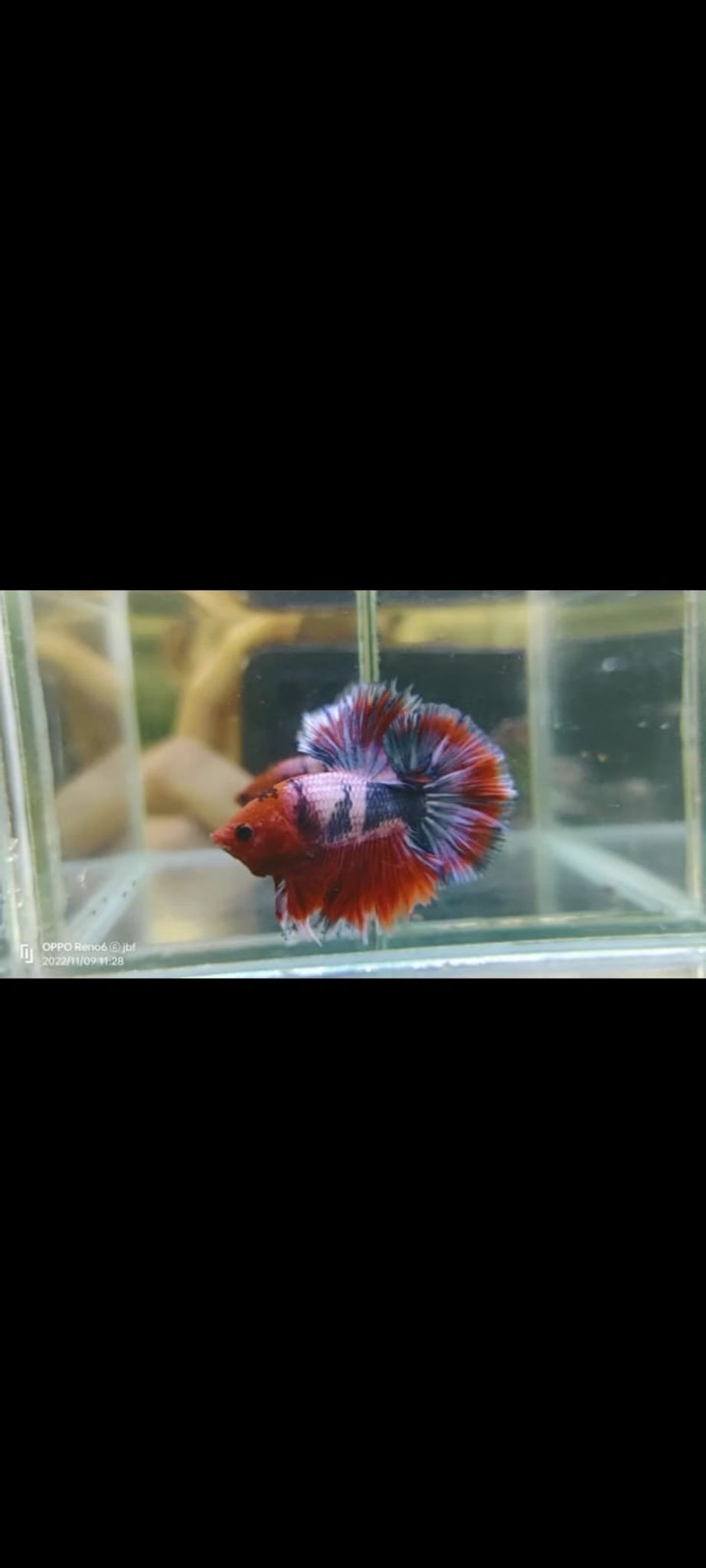
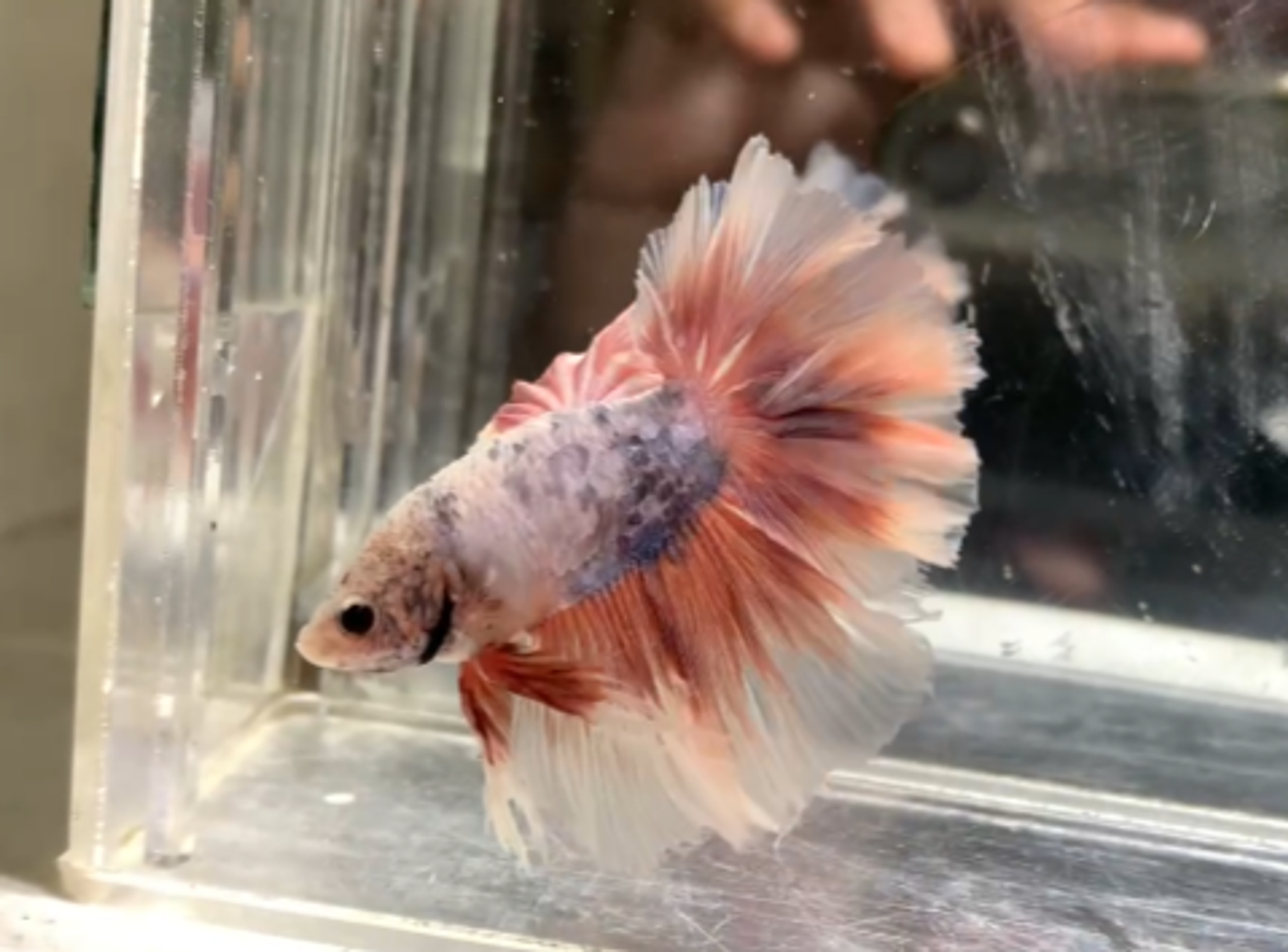
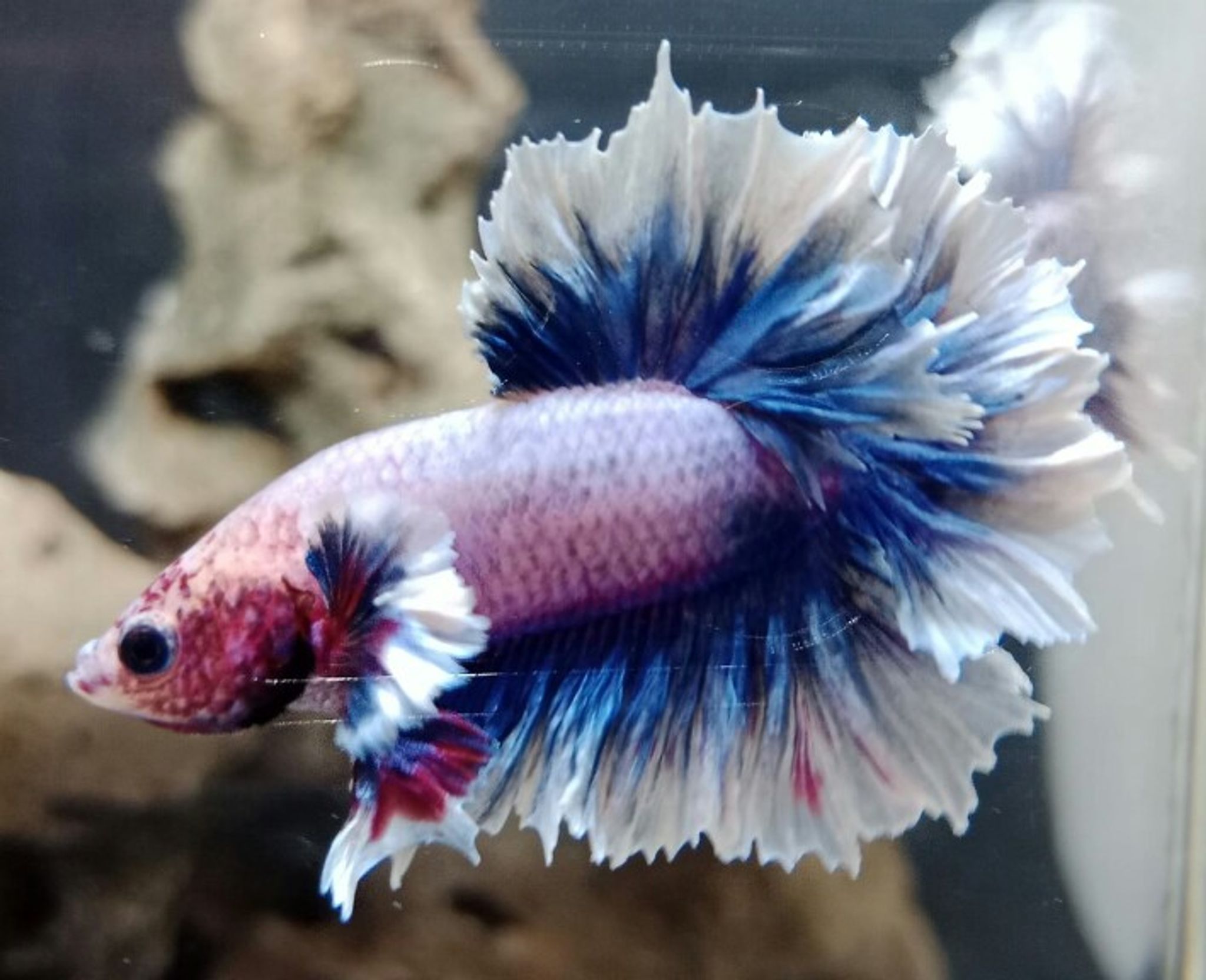
  • Distinctive Appearance & Strain Origins: The Rosetail FCCP is a visually spectacular fighter fish, admired for its exaggerated, ruffled caudal fin that resembles a blooming rose. Each ray of the tail branches extensively, creating an overlapping, frilly texture unique to the Rosetail variant. The "FCCP" designation refers to a selectively bred, high-grade lineage known for superior color intensity, fin density, and structural symmetry. At a mature size of 6 to 7 cm, these specimens command attention in any aquarium, displaying a palette that shifts between deep royal blues, fiery reds, and metallic teal under proper lighting. This extraordinary finnage, however, requires dedicated commitment to water quality due to its fragility.
  • Water Conditions – High pH Specialist: Unlike typical Betta splendens which prefer neutral to slightly acidic water, the Rosetail FCCP has been adapted to thrive in higher pH conditions. Maintain a stable pH between 7.5 and 8.2 to replicate its optimal environment, which supports vibrant coloration and reduces osmotic stress. Water temperature is critical — keep it consistently between 26°C and 29°C, using an adjustable heater and thermometer to prevent dangerous fluctuations. The water hardness should be elevated, with a general hardness (GH) of 12 to 18 dGH, sustained using mineral-rich substrates such as crushed coral or aragonite, or via a marine/brackish salt blend added at the recommended dosage. Given the massive tail surface area, ammonia and nitrite must remain at absolute zero; perform daily partial water changes of 20–30% with dechlorinated, pH-buffered water to keep nitrates below 20 ppm. Because this betta is sensitive to bacterial infections in warm, high-pH water, a robust biological filtration system with gentle flow (sponge filters recommended) is essential.
  • Temperament & Suitable Tank Mates: The Rosetail FCCP is inherently aggressive and cannot cohabitate with other male bettas or long-finned, slow-moving fish that may be mistaken for rivals. It should absolutely never be housed with fin-nipping species such as tiger barbs or serpae tetras, which will devastate its delicate extended rays. Ideal tank mates are fast-moving, surface-dwelling or bottom-dwelling dither fish that occupy separate niches, including larger danios, giant danios, or hardy rasboras that thrive in higher pH (like the Celebes rainbowfish). Bottom dwellers such as kuhli loaches, certain Corydoras species tolerant of harder water (e.g., Corydoras aeneus), and bristlenose plecos can coexist provided there is ample room to retreat. However, an invertebrate clean-up crew is vital — nerite snails and Malaysian trumpet snails are excellent algae grazers that the betta generally ignores. Avoid any shrimp, as the aggressive predation instinct will overwhelm them. Provide a tank of at least 20 gallons (75 litres) if housing with companions, and guarantee weighted live plants (Java fern, Anubias, and Cryptocoryne) plus dense wood décor to break the line of sight and create territorial boundaries. Housing this fish absolutely alone in a 5–10 gallon planted tank remains the safest, most stress-free option.
  • Feeding Habits & Nutritional Needs: As an insectivorous carnivore, the Rosetail FCCP requires a high-protein diet to support rapid fin regeneration and metabolic demands. Offer a varied menu including frozen or live foods such as bloodworms, daphnia, mosquito larvae, and brine shrimp three times per week for optimal growth and pigment development. High-quality betta pellets (minimum 40% crude protein) serve as a daily staple, but feed only two to three pellets per feeding due to slower digestion linked to its deep-bodied anatomy. Avoid overfeeding at all costs, as the species is prone to bloating and swim bladder disorders, particularly when holding heavy fin tissue. Soak dry pellets in a drop of water or liquid vitamin supplement before serving to prevent constipation. Remember that excess lipids in commercial flake foods cause liver degeneration, visible as faded colors and lethargy — prioritize fresh, frozen, or high-grade freeze-dried offerings. Due to small stomach capacity, feed two small meals daily rather than one larger meal; fast the fish one day per week to prevent internal contamination. Uneaten food must be siphoned immediately to preserve pristine water chemistry, given the elevated pH needed for this strain.
  • Care Requirements & Fin Maintenance: Caring for the Rosetail FCCP demands more effort than standard bettas due to massive finnage. Because large, branchy tails stress the spine and impede swimming agility, keep water flow minimal — use a baffled filter or sponge-type system to ensure your fish can still surface-breath comfortably, as it is an obligate air-breather. The extreme ray branching of Rosetail makes the tail prone to fraying or tearing, especially if décor has sharp edges; choose only smooth stones (river rocks), silk plants, or soft-leaved live plants, and inspect weekly for signs of physical damage. To protect against fin rot and bacterial blooms, perform water changes using pre-mixed water that matches salinity and pH indicators exactly; never pour fresh water directly onto the fish, as a drop in temperature will shock its sensitive physiology. Implement a gentle anti-fungal preventative (such as Indian almond leaf extract) monthly in the water; this also darkens the tank slightly, promoting greater security. High pH environments accelerate iodine depletion, so consider a drop of aquarium-safe iodine solution per 10 litres each week to combat thyroid and gill issues. Conduct regular inspections for white spot, velvet, or fungal tufts on the fin membrane edges, as the Rosetail's reduced circulation at tail peripheries invites infection. If issues occur, treat with half-doses of medication to account for the animal's increased sensitivity and slow healing in hard alkaline water.
  • Tank Setup & Environmental Enrichment: Provide a horizontal tank (wide footprint) rather than tall narrow aquariums to allow stable, unhampered cruising movement. A tight-fitting glass lid is mandatory because these fish are accomplished jumpers and will escape overnight tensions. Substrate choice impacts pH — choose crushed coral or limestone gravel to maintain alkalinity. Decorate by integrating tall PVC pipes or coconut caves as hiding shelters, while keeping a cleared section in front center for feeding observation. Instill a "betta hammock" of broad leaves near the surface (real or silk) where the fish can rest without dragging fins. Combat algae that blooms rapidly under high-pH bright light by introducing floating plants like frogbit or water lettuce, which also diffuse harsh light that can stress the fish. Routine weekly maintenance should include gentle debris vacuuming without churning substrate, plus replacing 20% of the water with an equal-temperature, pre-buffered saline batch. Keep a quarantine net-breeder in the tank as an emergency recovery chamber; with this exceptional strain of fish, early intervention is your greatest ally.
  • Ideal Stocking & Compatibility Warnings: If you choose community tank approach, never exceed one male Rosetail FCCP per 20 gallons, even with dithering fish present — its aggression will escalate when it mentally maps a larger territory. Do not keep two males in one tank at all, regardless of partition, as they will leak pheromones and remain stressed. Keeping this fish with females of any betta species is also ruled out during non-spawning periods; females will be attacked for their lateral colors. A single-species, species-only aquarium is strongly recommended for 90% of keepers, while dosing the water column with stress-coat electrolyte to mitigate anxiety caused by any territorial pressure.

More From This Merchant

Gold digger betta

Gold digger betta

View Store →

You May Also Like