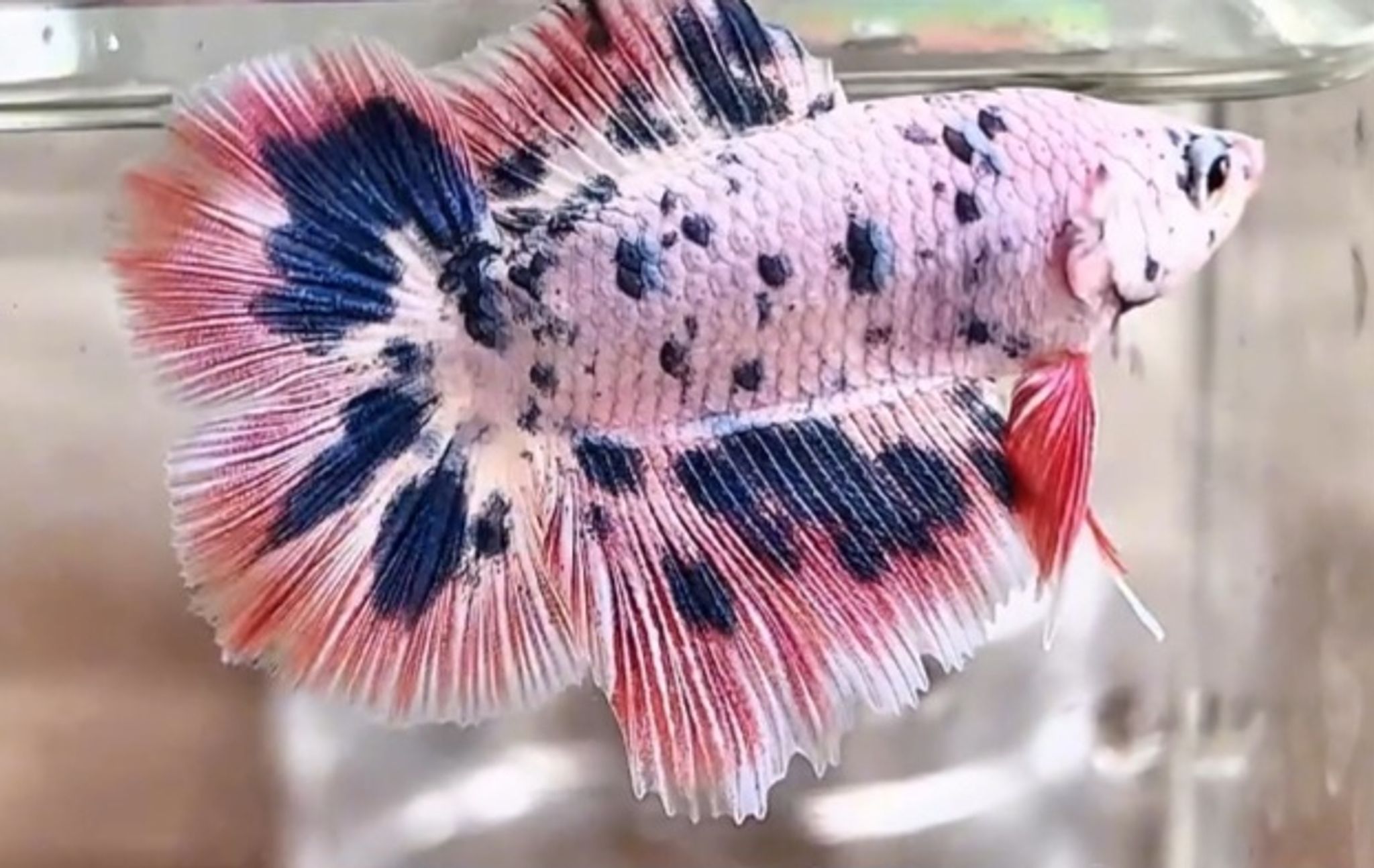
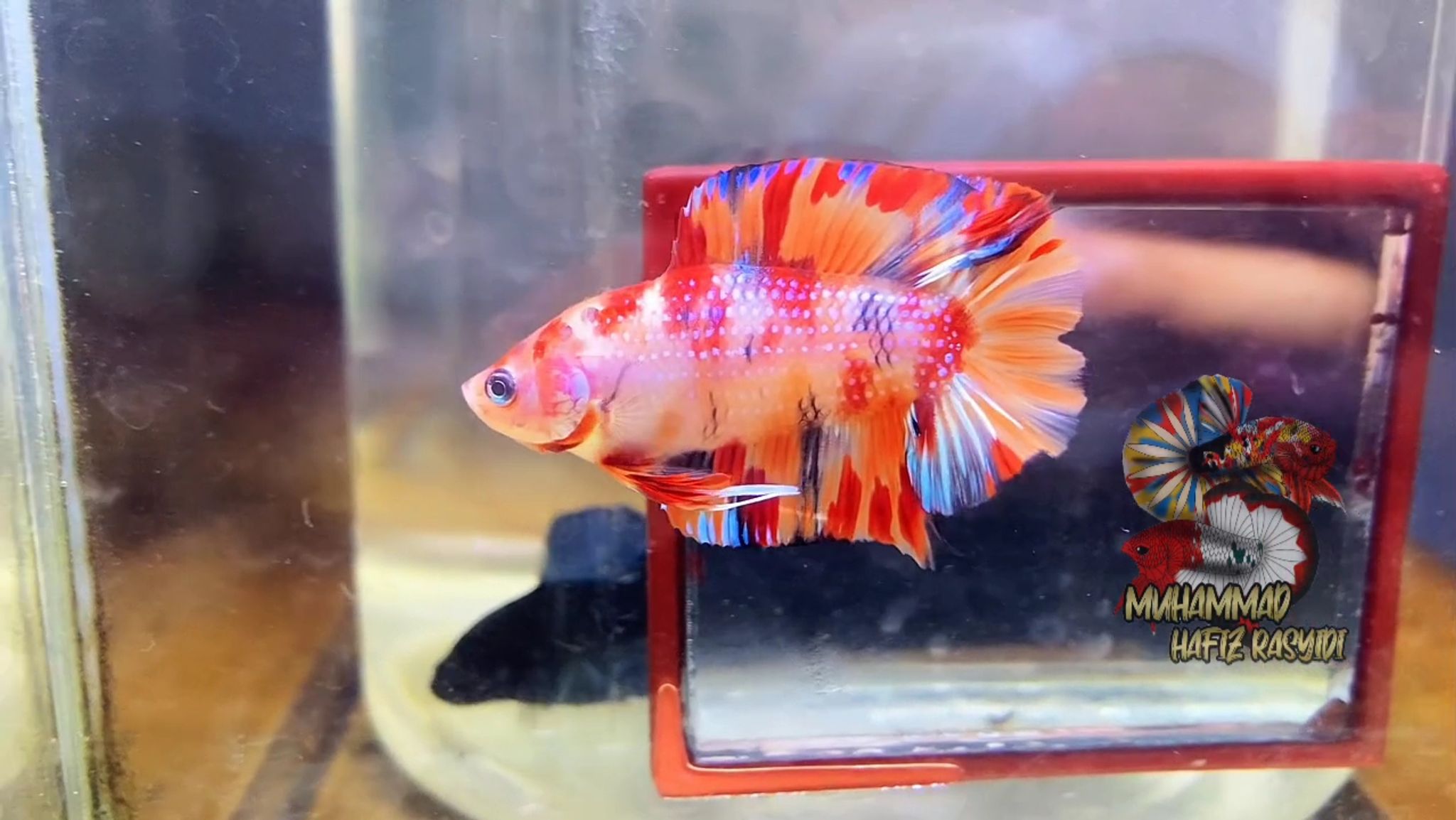
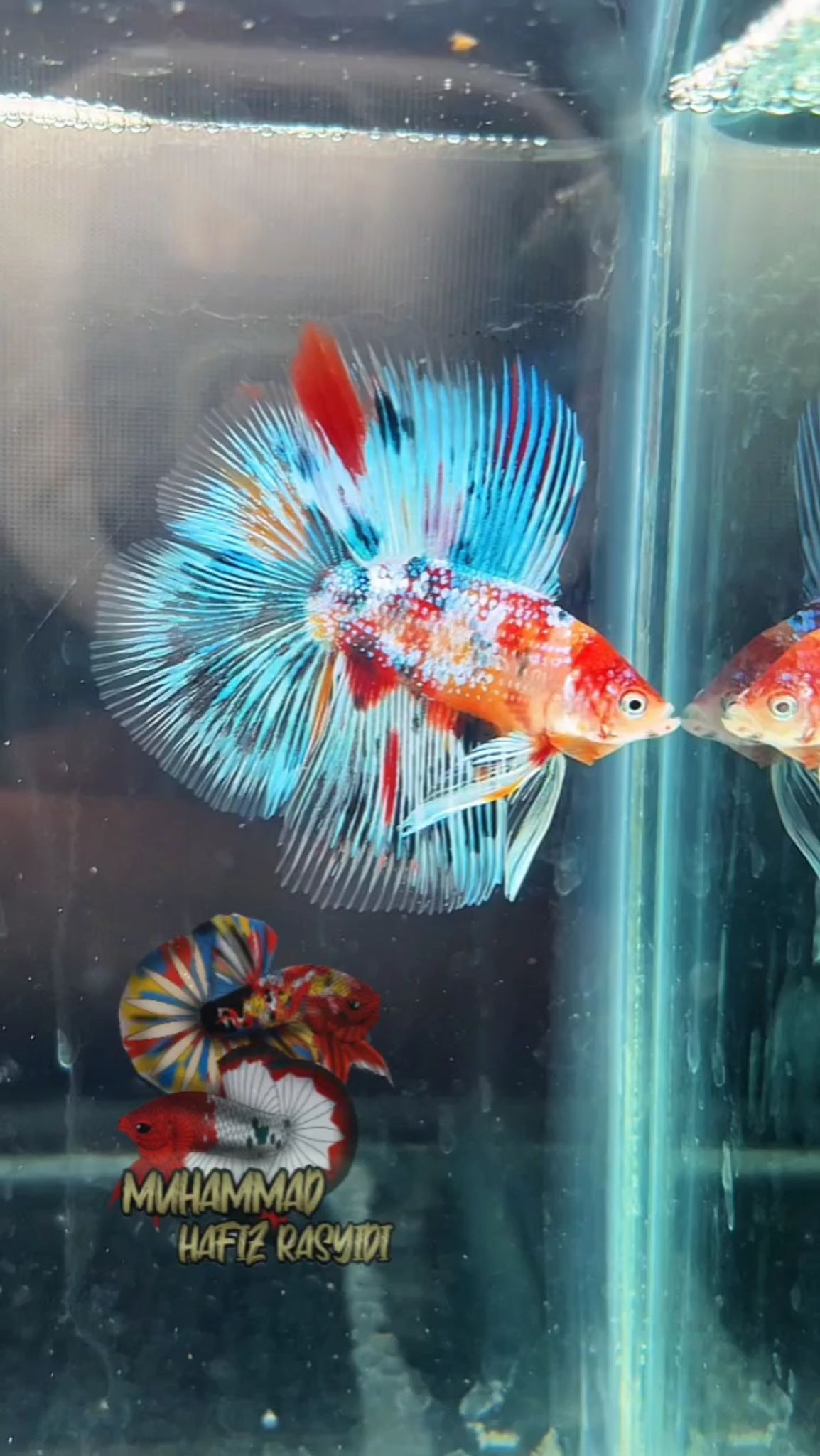
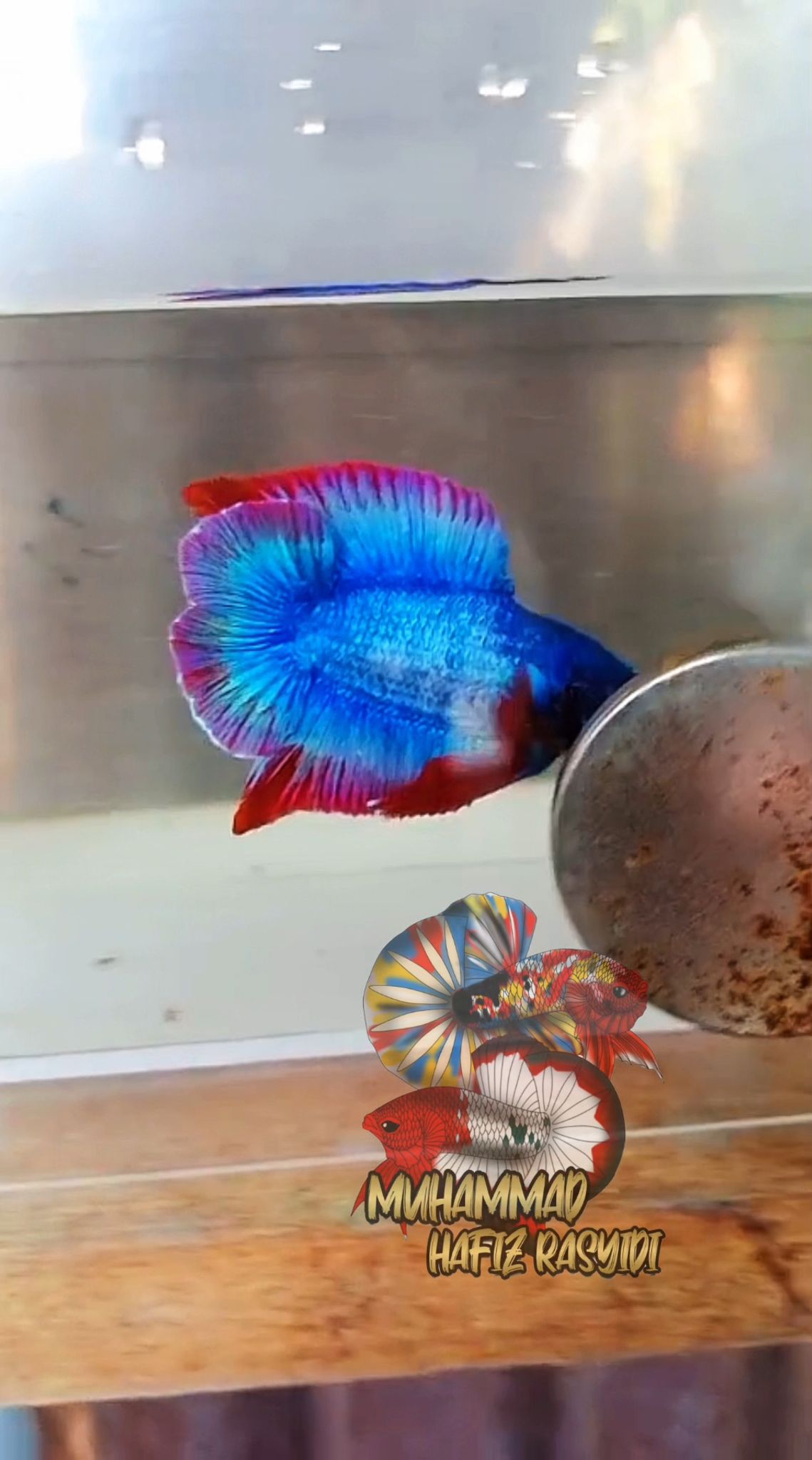
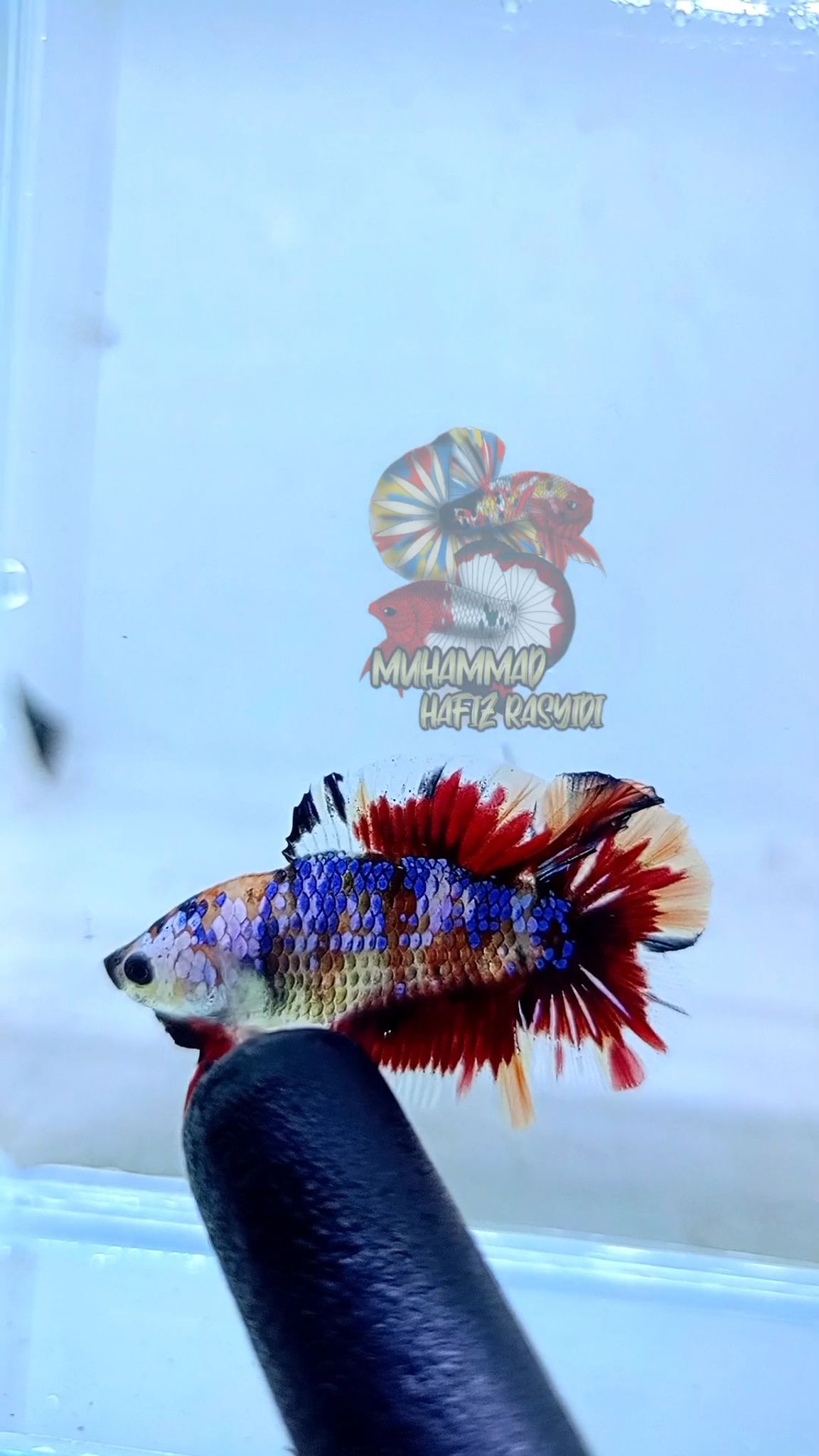
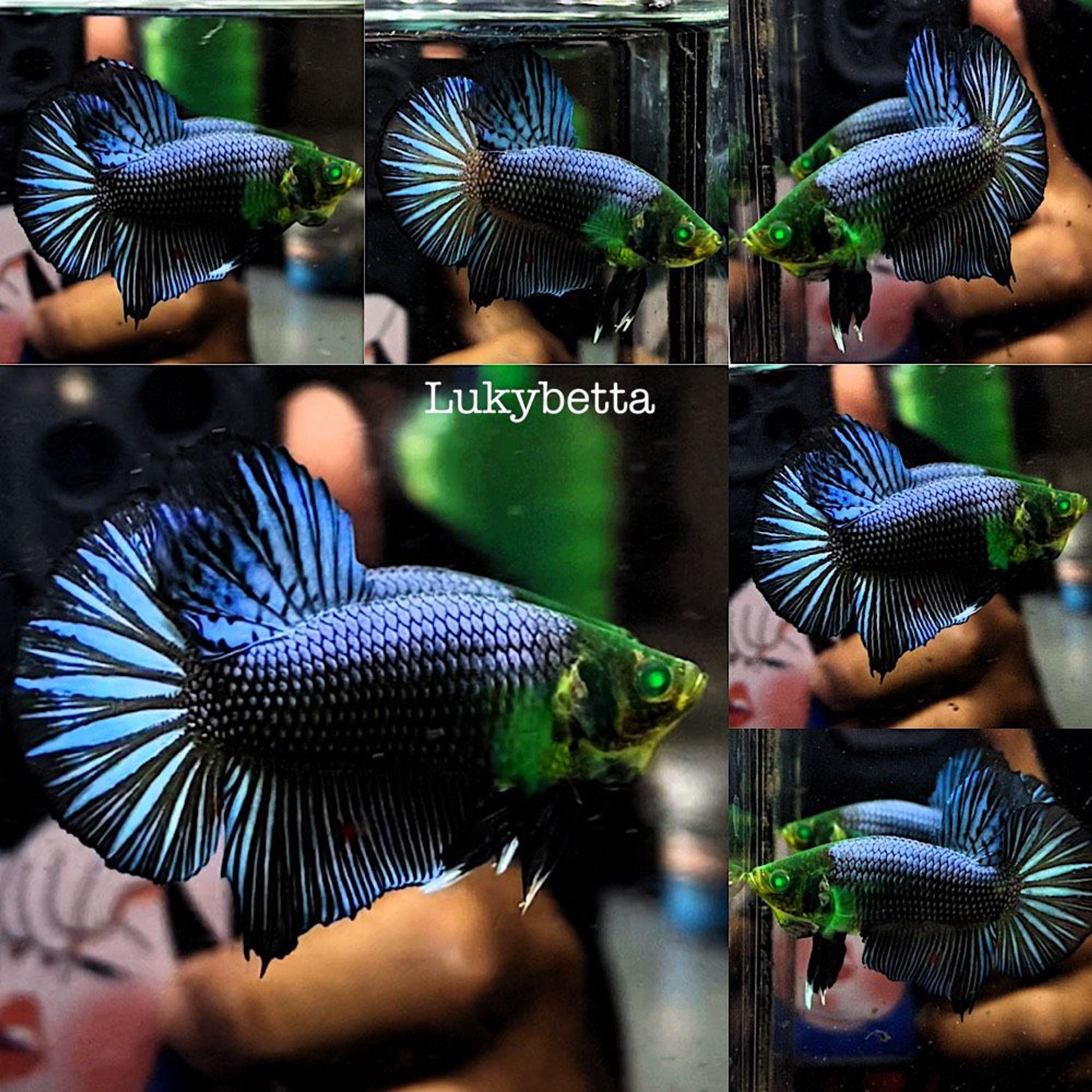
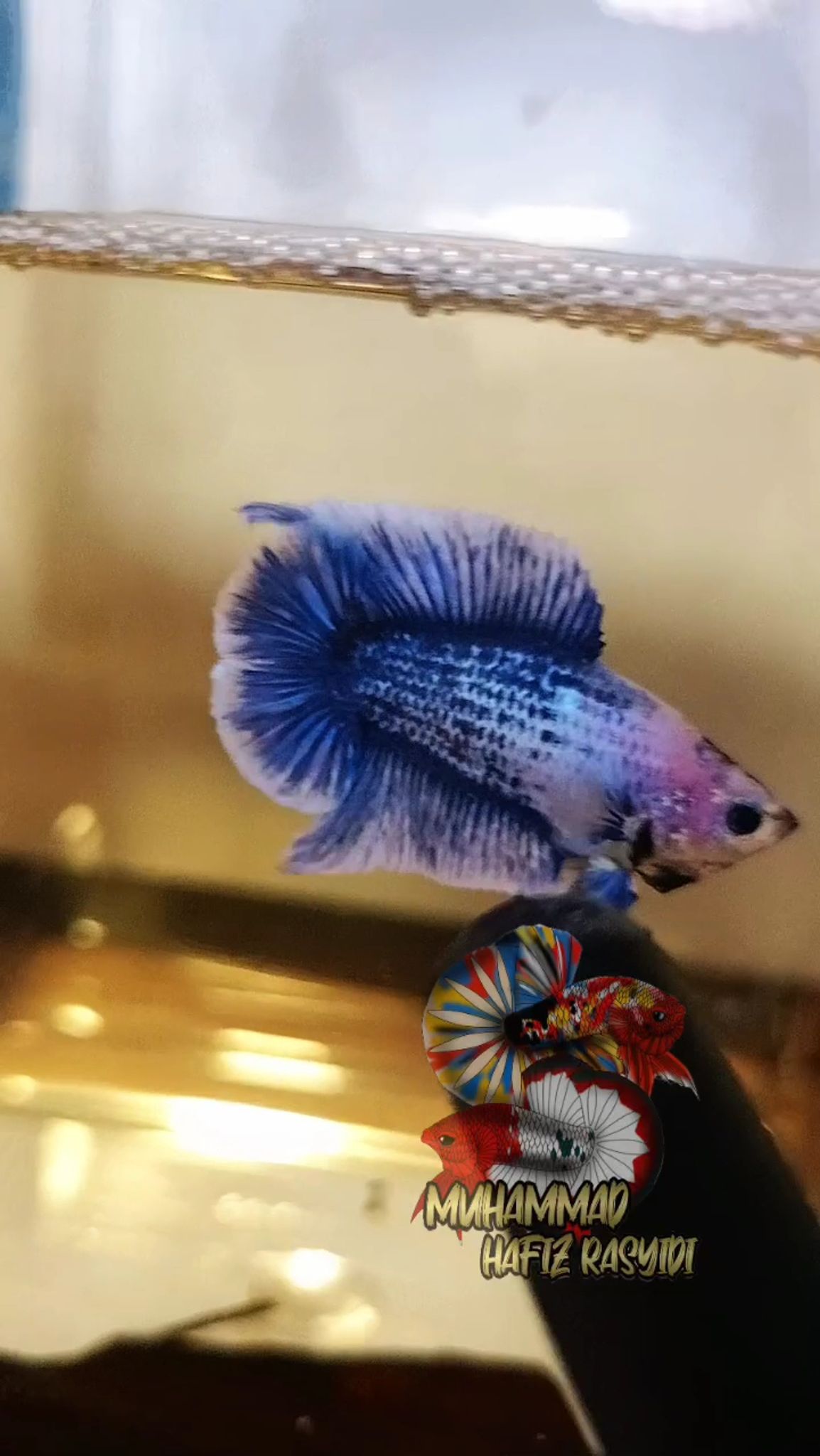
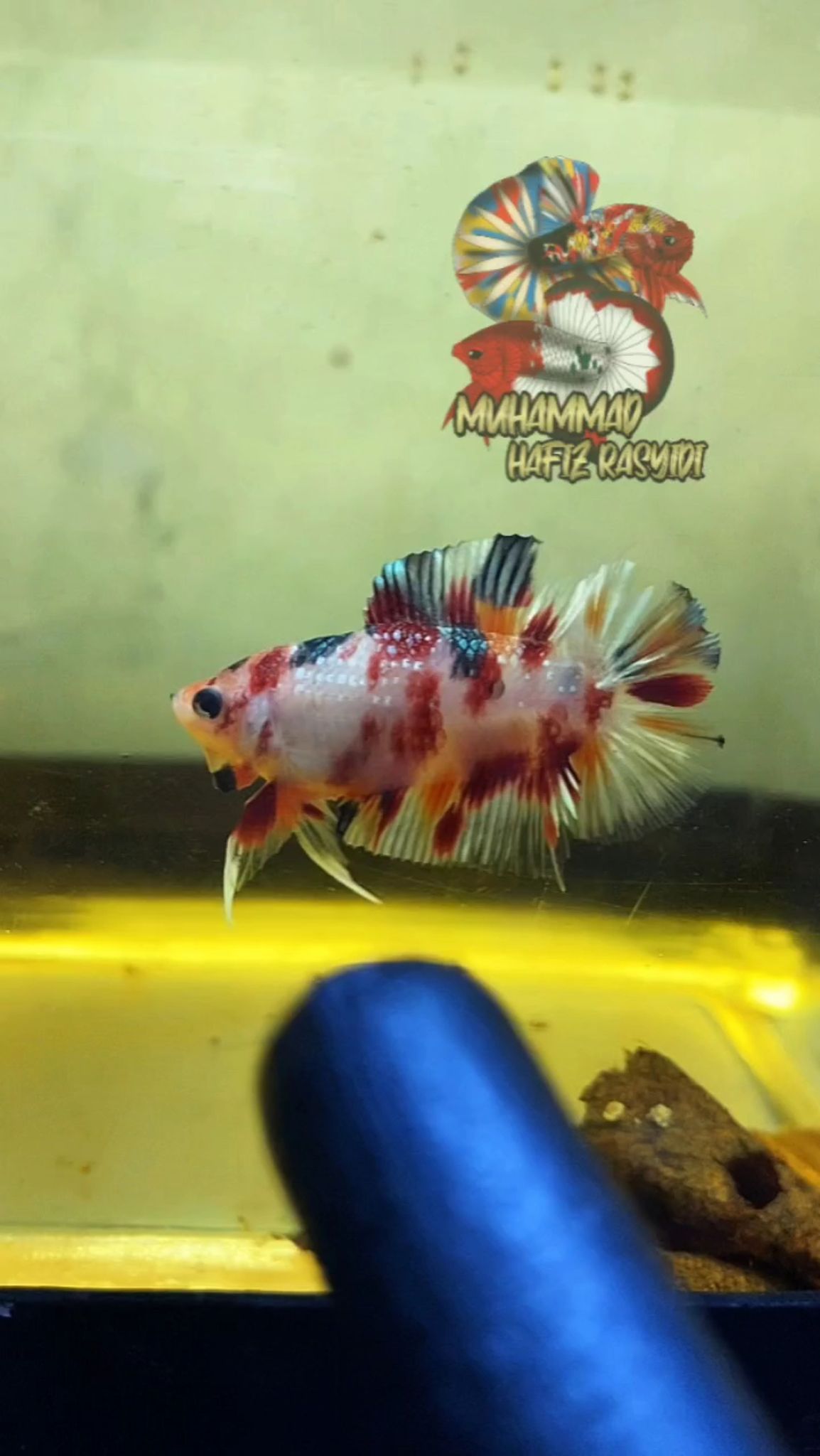
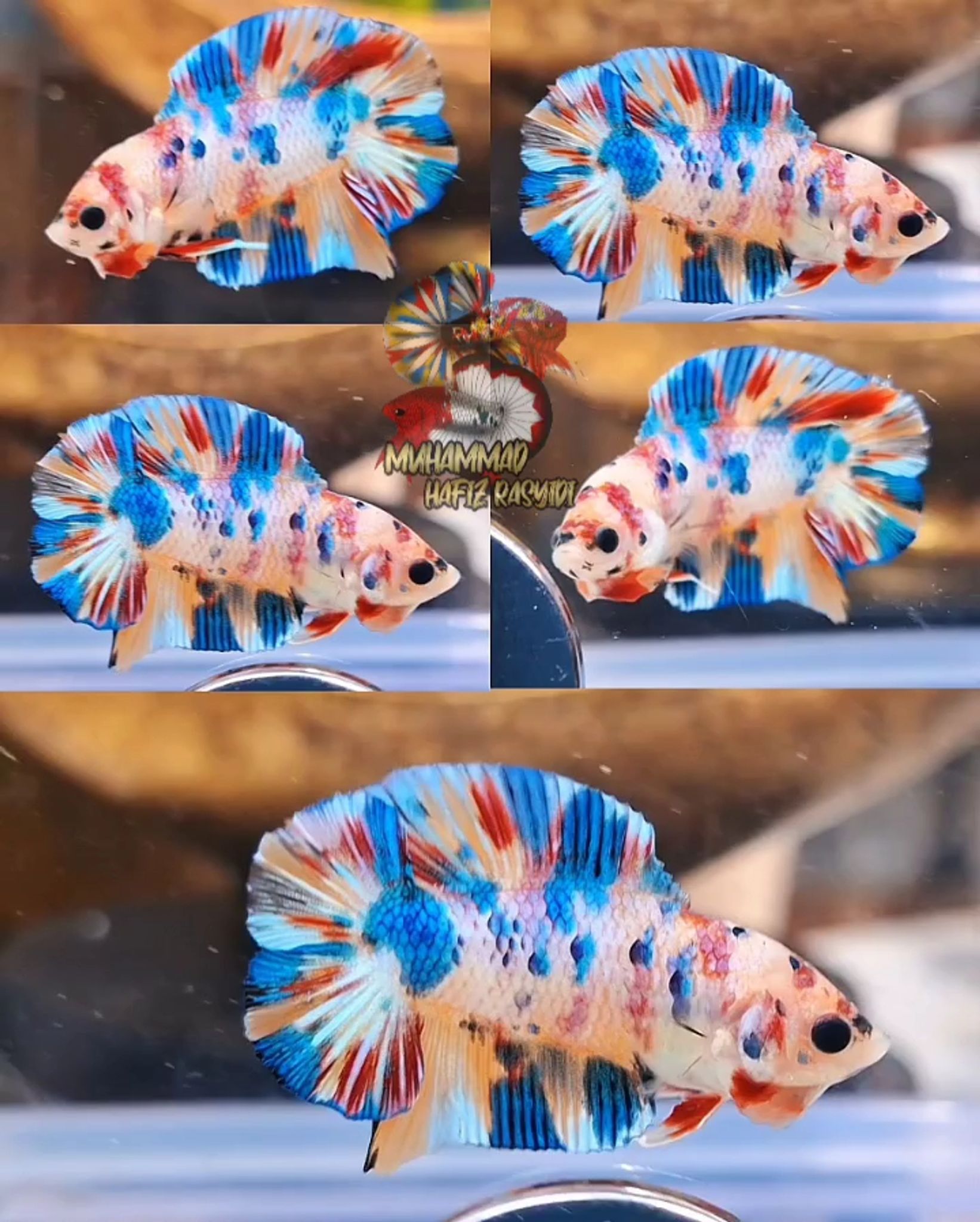
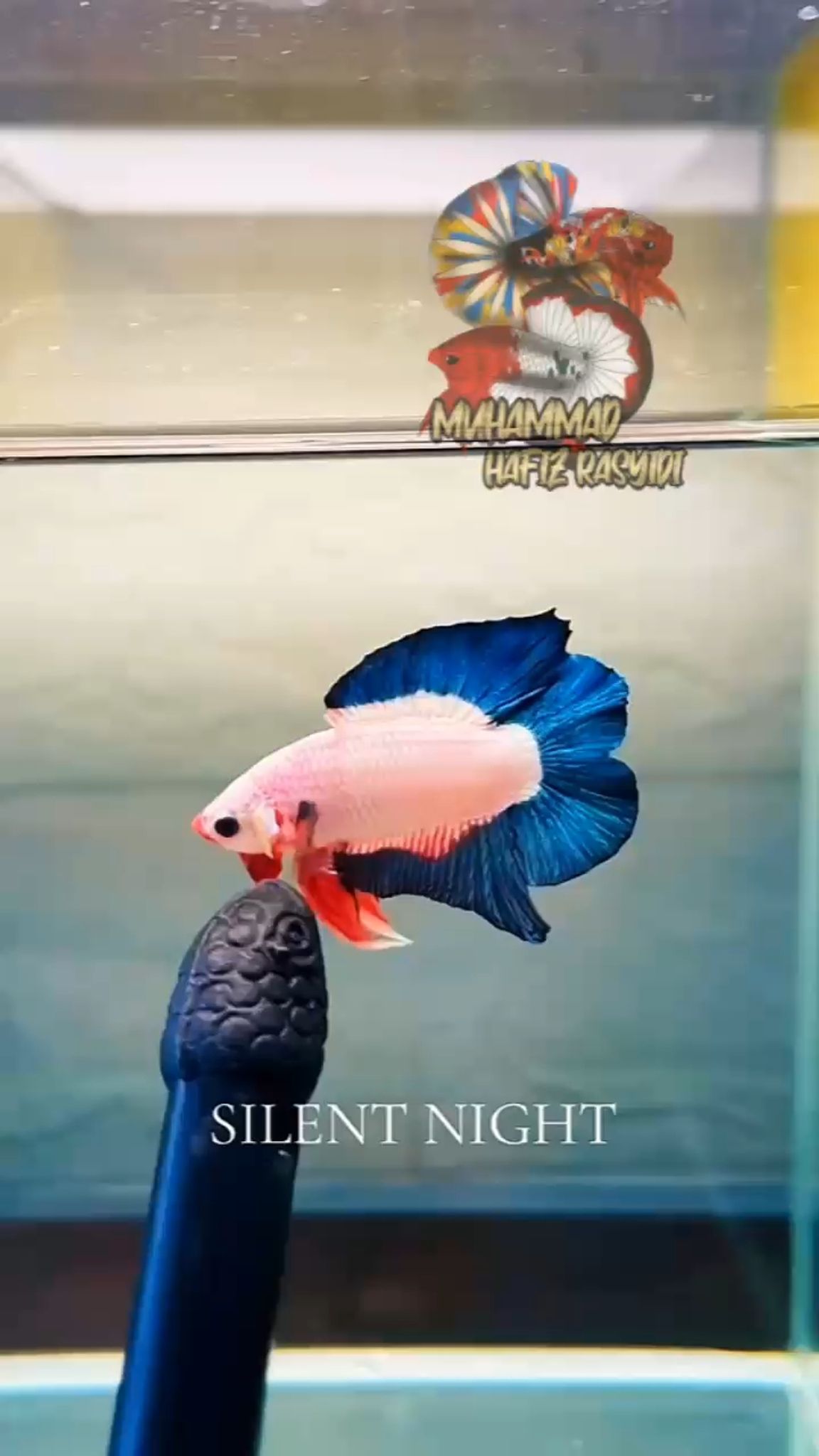
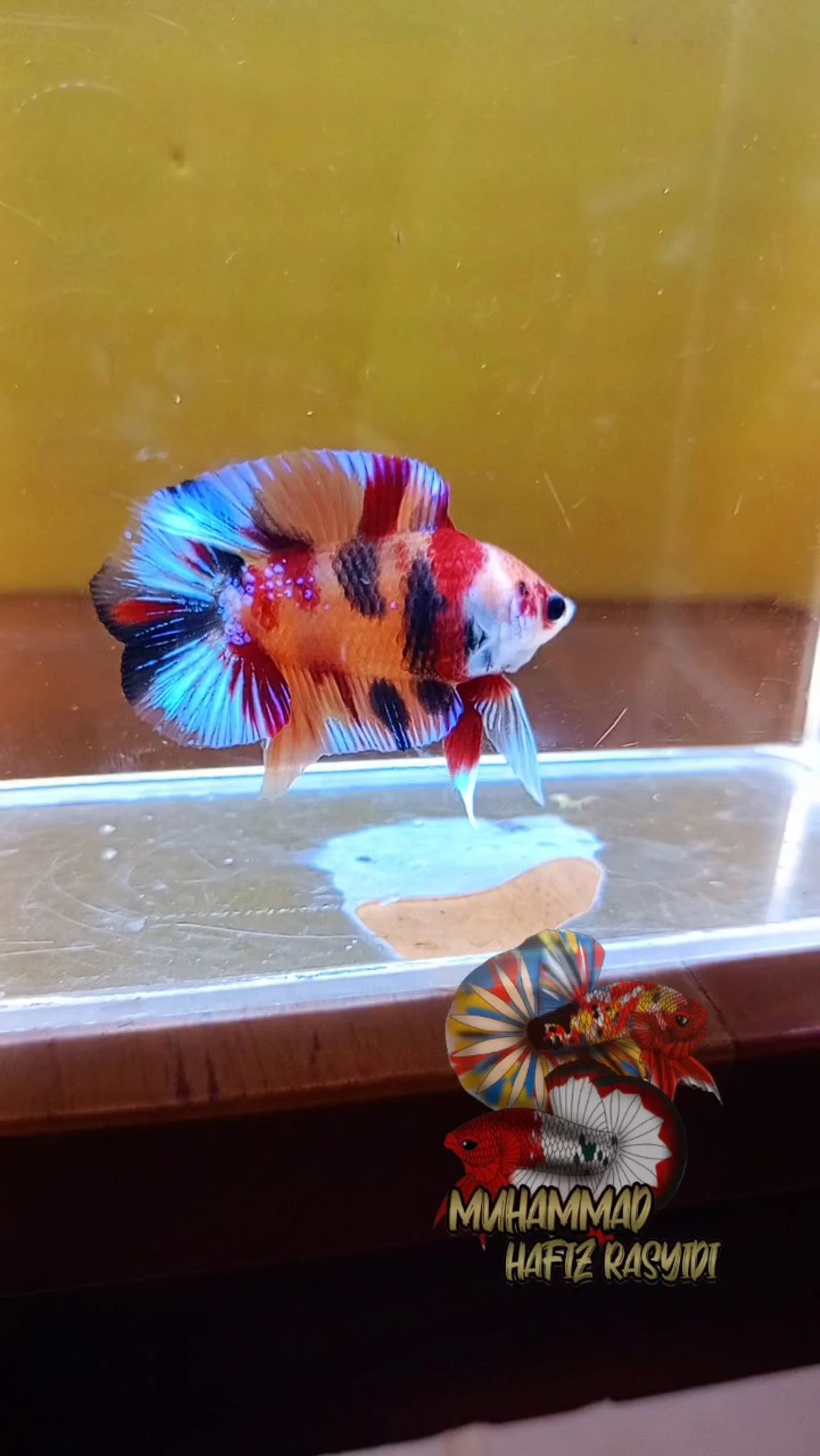
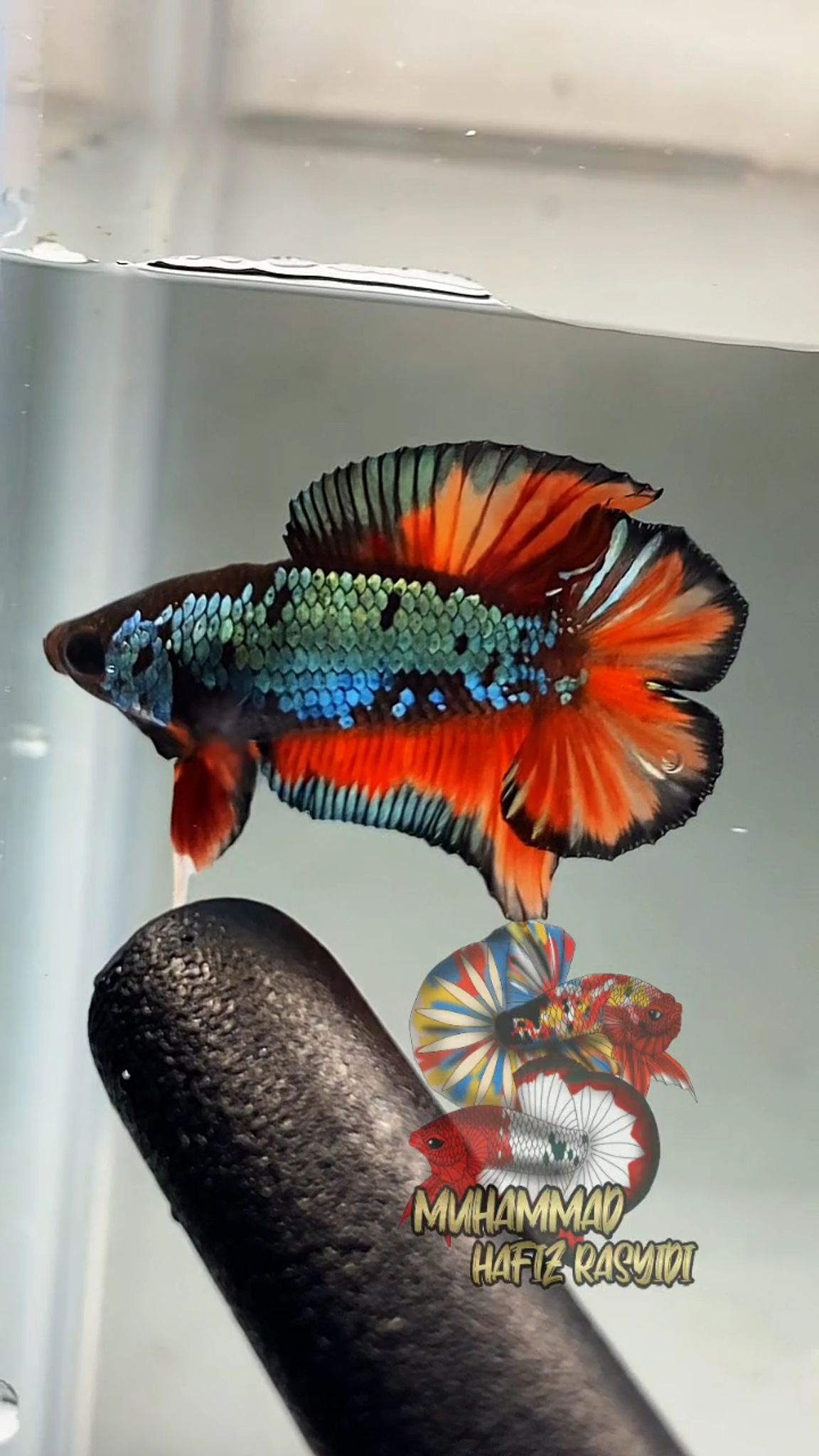
PKDT marble flamingo
Click to enlarge

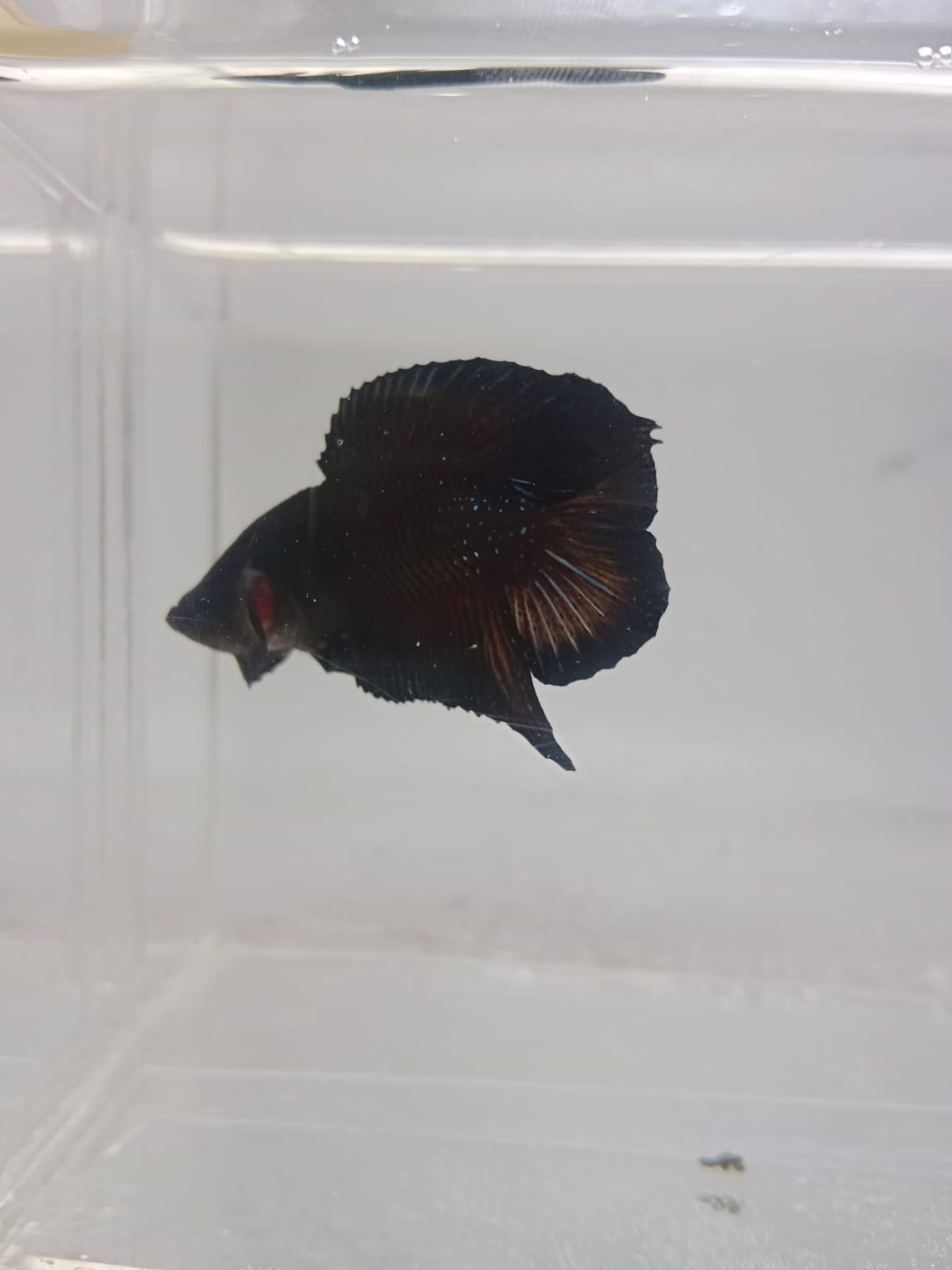
Unless otherwise stated, product might differ from image as image is representative of species and not of actual product

PKDT marble flamingo

SGD 50.00

Product Variations

Quantity

Stock: 1

Product Details

Size

4cm - 5cm

Temperament

Aggressive

Water Condition

High PH

Product Description

PKDT Marble Flamingo – an aggressive, high-pH-loving fighter with breathtaking marble-flamingo colouration. Perfect for advanced aquarists. 4–5cm size.

  • Water Conditions – High pH Priority: The PKDT Marble Flamingo demands a distinctly alkaline environment that sets it apart from many other ornamental fish. Maintain a pH range between 7.6 and 8.4, with an ideal target of 8.0 to ensure optimal physiological function and vibrant colour expression. Water hardness should be kept elevated, ideally between 10–20 dGH, using mineral-rich substrates, crushed coral, or aragonite buffers to stabilise carbonate hardness (KH). Temperature should remain consistently between 26°C and 29°C – these fish are tropical and will suffer if the mercury dips below 24°C. Filtration must be gentle yet efficient; these fish are not strong swimmers and will struggle against aggressive current. A sponge filter or a low-flow hang-on-back unit is recommended. Perform weekly water changes of 25–30%, using dechlorinated water that has been pre-adjusted to the same pH and temperature. Never subject the fish to sudden parameter swings; always acclimate slowly over 30–45 minutes using the drip method.
  • Tank Mates – A Delicate Balancing Act: Due to its pronounced aggressive temperament, particularly in males, the PKDT Marble Flamingo must be housed with extreme caution. It should ideally be kept solitary in a tank of at least 15 litres; a 20–30 litre aquarium allows for a more natural territory. If you wish to attempt community housing, only select fast-moving, robust, and non-fin-nipping species that also tolerate high pH. Suitable candidates include large tetras like Congo tetras, medium-sized rainbowfish, or bottom-dwelling catfish such as the bristlenose pleco (Ancistrus) or synodontis species. Avoid slow-moving, long-finned fish like guppies or angelfish, as they will become targets. Never house males together – they will fight to the death. If housing with females (one male to two or three females), provide dense planting and numerous hiding spots such as caves, driftwood, and floating plants to break sight lines and reduce aggression. Even then, constant observation is required as fatalities can occur without warning. Always introduce the most passive tank mates first and the PKDT last to disrupt established territories.
  • Feeding Habits – A Carnivorous Appetite: The PKDT Marble Flamingo is an obligate carnivore with a preference for live and frozen foods. Its diet in the wild consists primarily of insect larvae, small crustaceans, and zooplankton. Offer a varied rotation of high-quality protein sources to maintain health and intensify its fiery pigmentation. Live foods such as bloodworms, daphnia, brine shrimp (artemia), and blackworms are ideal and will stimulate natural hunting behaviours. Frozen equivalents – bloodworm, mysis shrimp, and cyclops – are excellent substitutes. Supplement with specially formulated betta pellets or high-meat-content granules, ensuring they sink slowly for easy capture. Feed small portions two to three times daily, offering only what the fish cannot consume in two minutes. Overfeeding is a leading cause of bloating, constipation, and swim bladder disorders – fast once a week to mimic natural feast-or-famine cycles and promote digestive health. Remove any uneaten food immediately to prevent ammonia spikes, which are particularly dangerous in high-pH water where ammonia becomes more toxic.
  • Care Requirements – Advanced Enthusiast Level: Successful husbandry of the PKDT Marble Flamingo demands experience and dedication. Its aggressive temperament means it requires a species-specific setup where it is the undisputed alpha. The tank should be furnished with dark, fine sand or smooth gravel to replicate its natural high-pH habitat, which often includes limestone-rich substrates. Live plants such as Java fern, Anubias, and Vallisneria can tolerate alkaline water and provide essential cover. Lighting should be moderate – dimmer conditions reduce stress and allow the marble-flamingo pattern to display more vividly. One of the most critical care elements is water chemistry management; test both pH and KH weekly and adjust buffers gradually. Watch for signs of stress such as clamped fins, loss of appetite, or faded colouration – all indicators of suboptimal water quality or aggressive tank dynamics. The fish is prone to external parasites and bacterial infections if water parameters are neglected, particularly in high pH where pathogens thrive. Quarantine all new additions for two weeks before introducing them. Perform regular visual health checks and maintain a strict cleaning schedule on filter media, using tank water during rinsing to preserve beneficial bacterial colonies.
  • General Behaviour and Handling – Expect territorial displays, fin flaring, and potential chasing at feeding times. Use a net with a soft mesh or handle the fish gently with a specimen container to reduce slime coat damage. Sizes range from 4cm to 5cm at sale, but with excellent care, individuals may reach 5.5cm. Provide space above the waterline with a tight-fitting lid – these fish are known jumpers. When transporting, use a high-oxygen bag and minimise travel time. Acclimatisation to your system's high-pH water is non-negotiable; drip-acclimatise over at least 45 minutes to prevent osmotic shock. Given the correct alkaline setup, a balanced diet, and scrupulous water management, the PKDT Marble Flamingo will reward you with years of dazzling colour, dynamic personality, and a commanding presence that only a true fighter can deliver.

More From This Merchant

Gold digger betta

Gold digger betta

View Store →