1–40 of 40
Showing 40 of 40 products
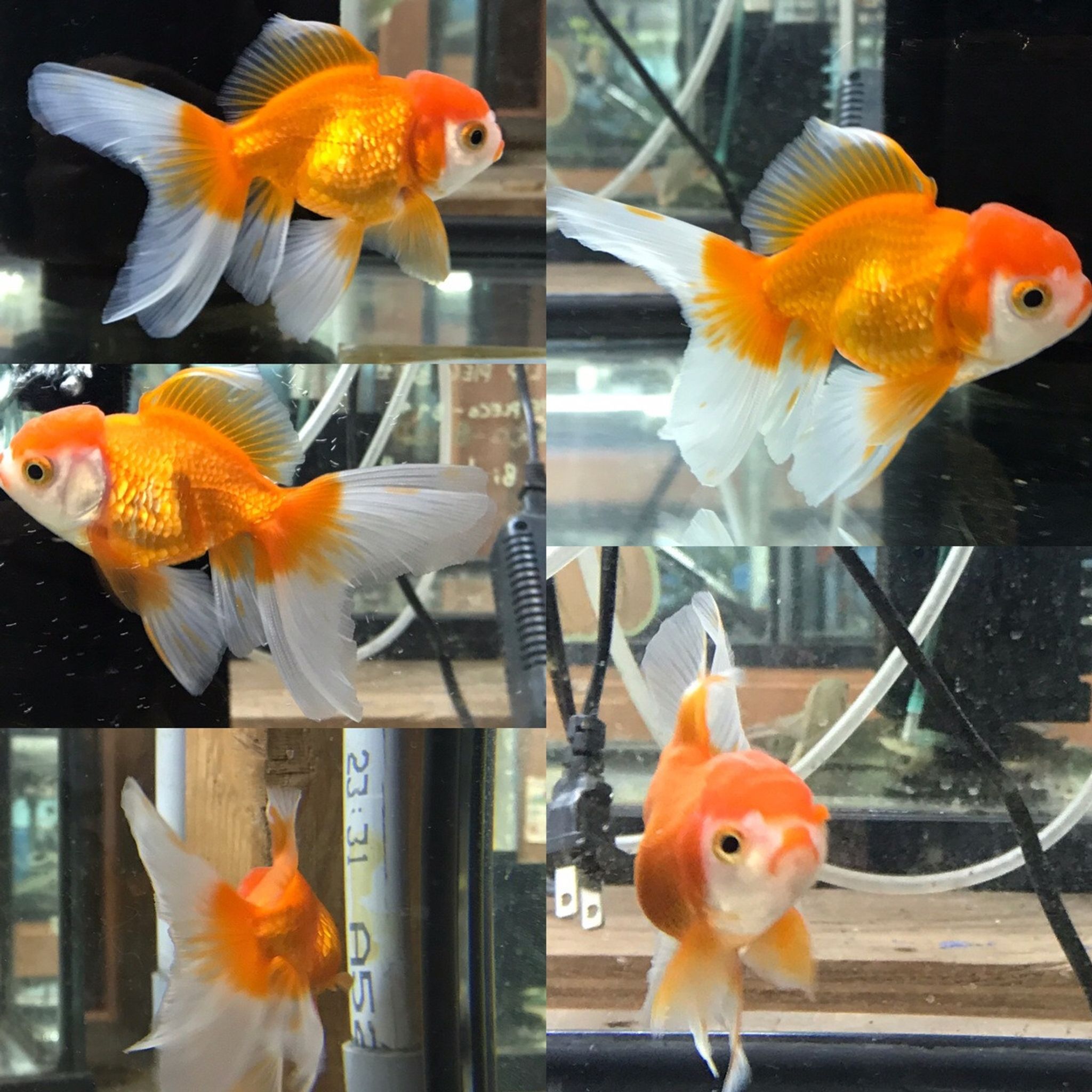
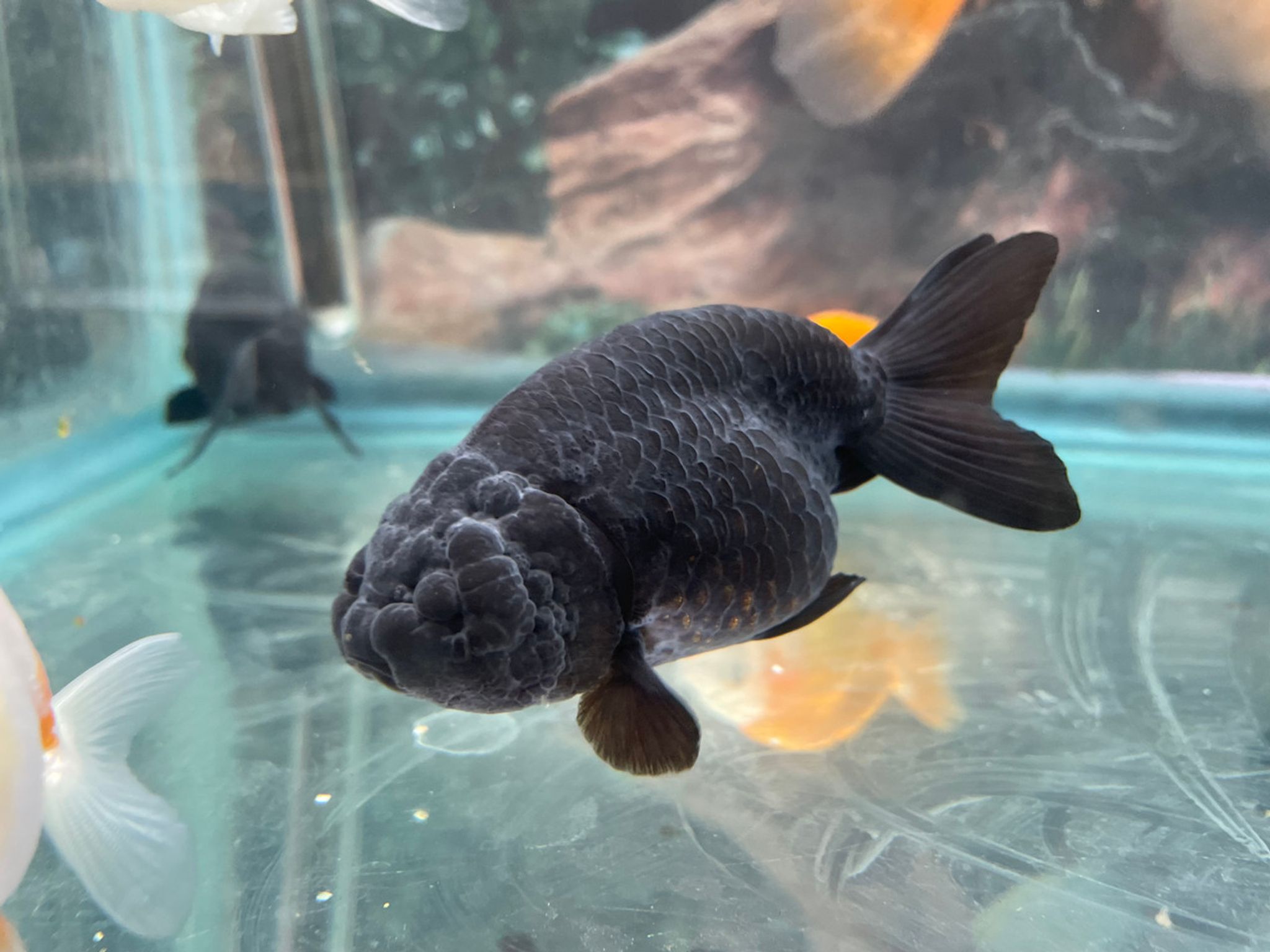
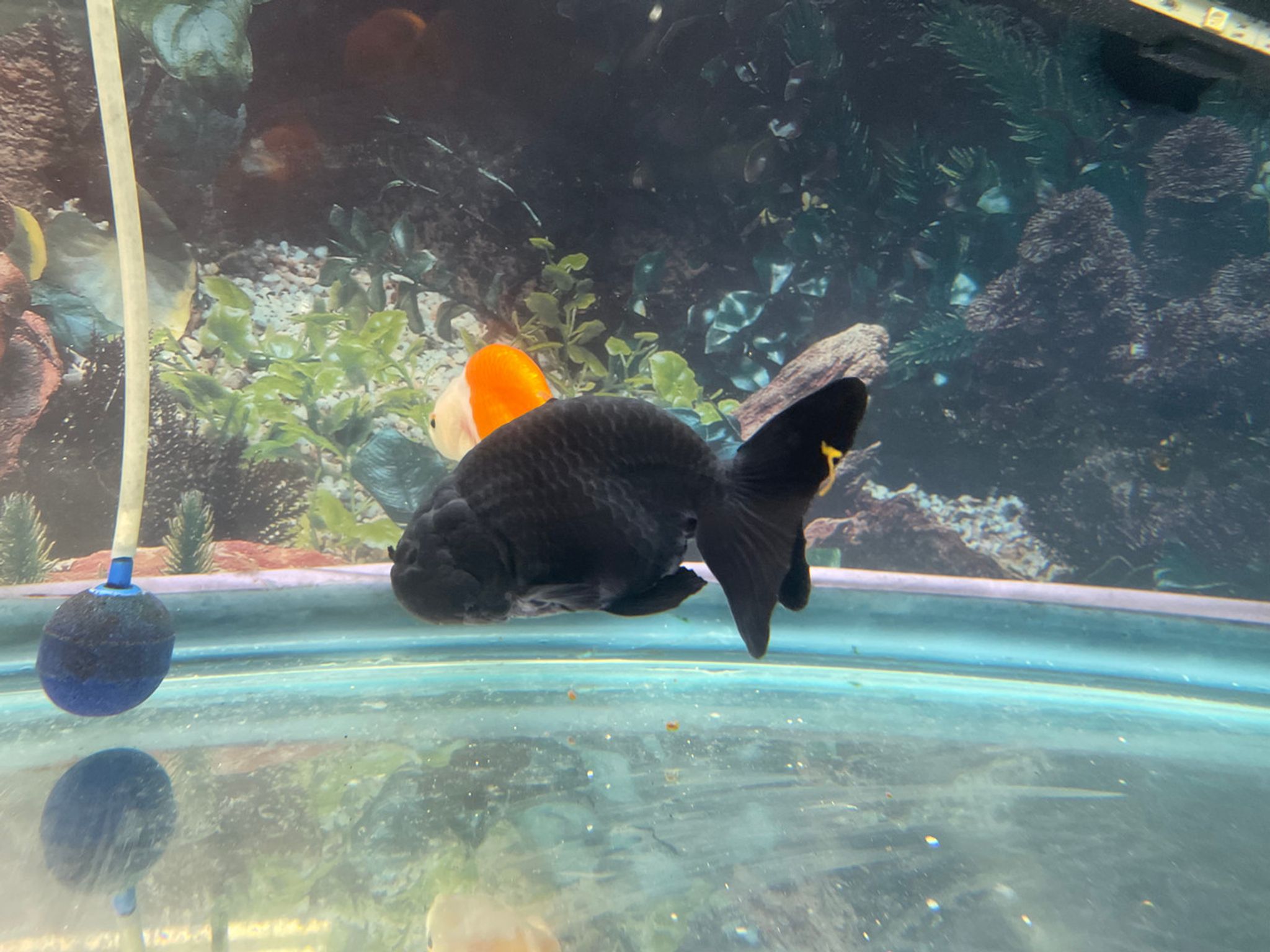
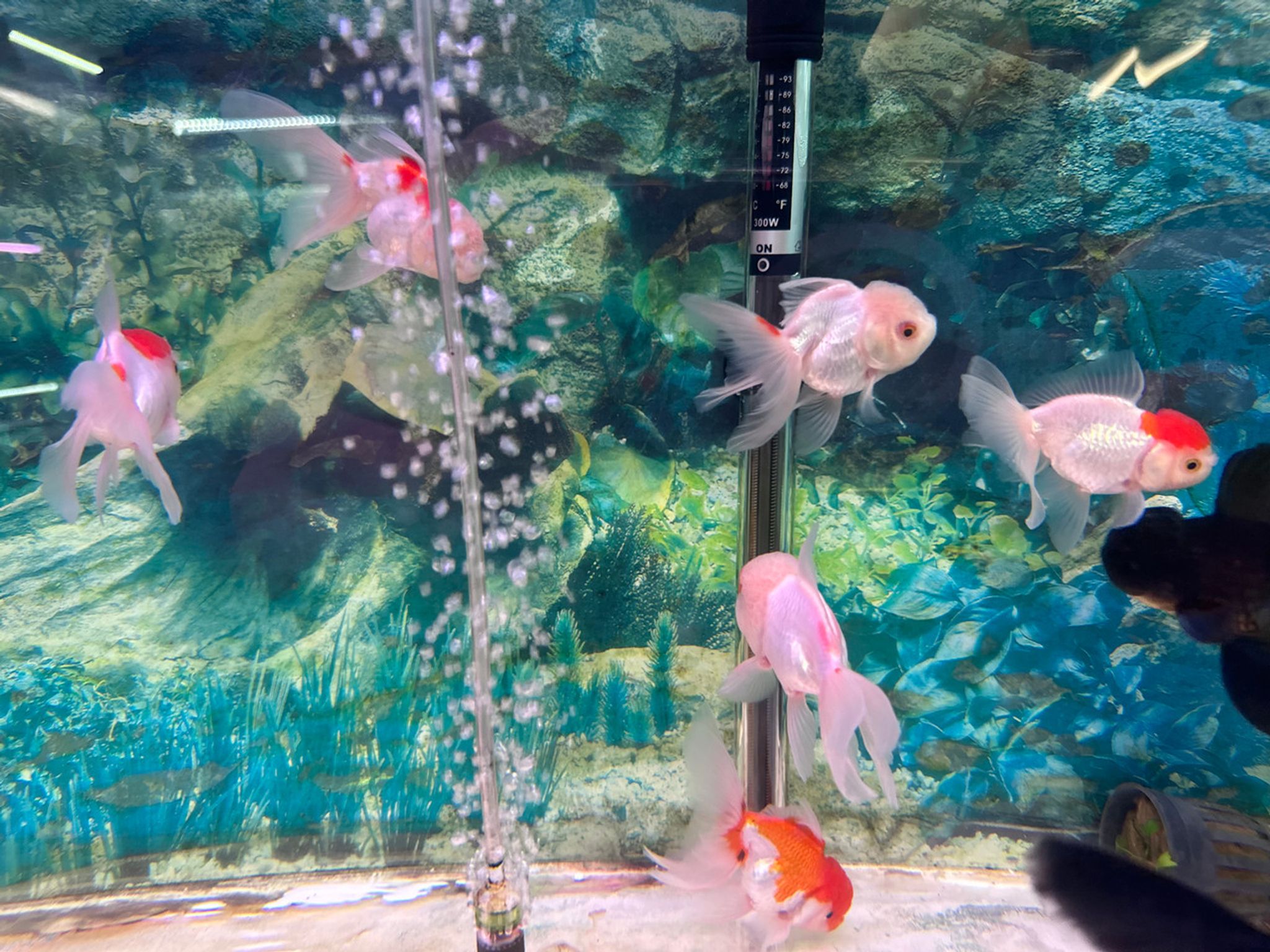
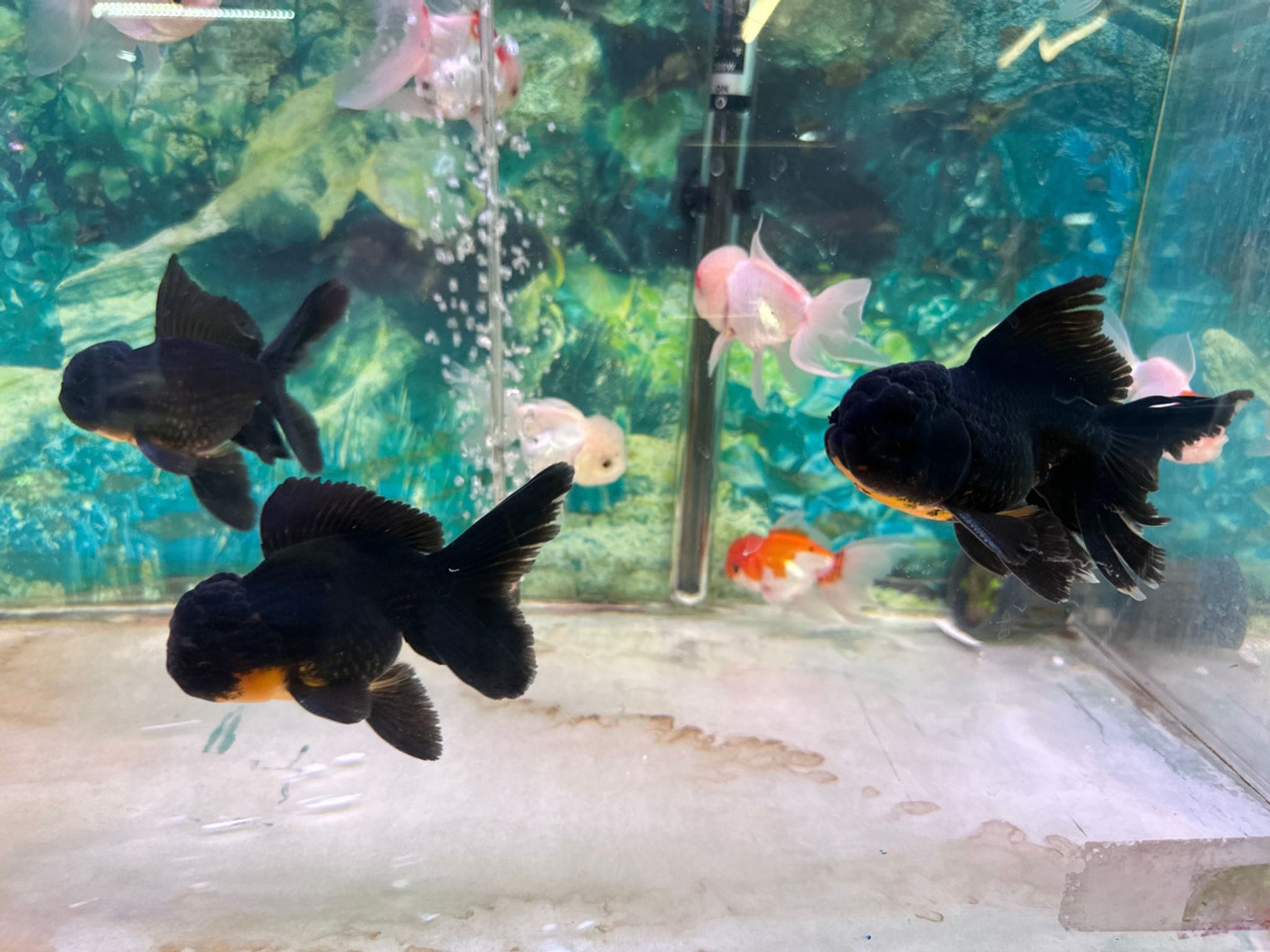
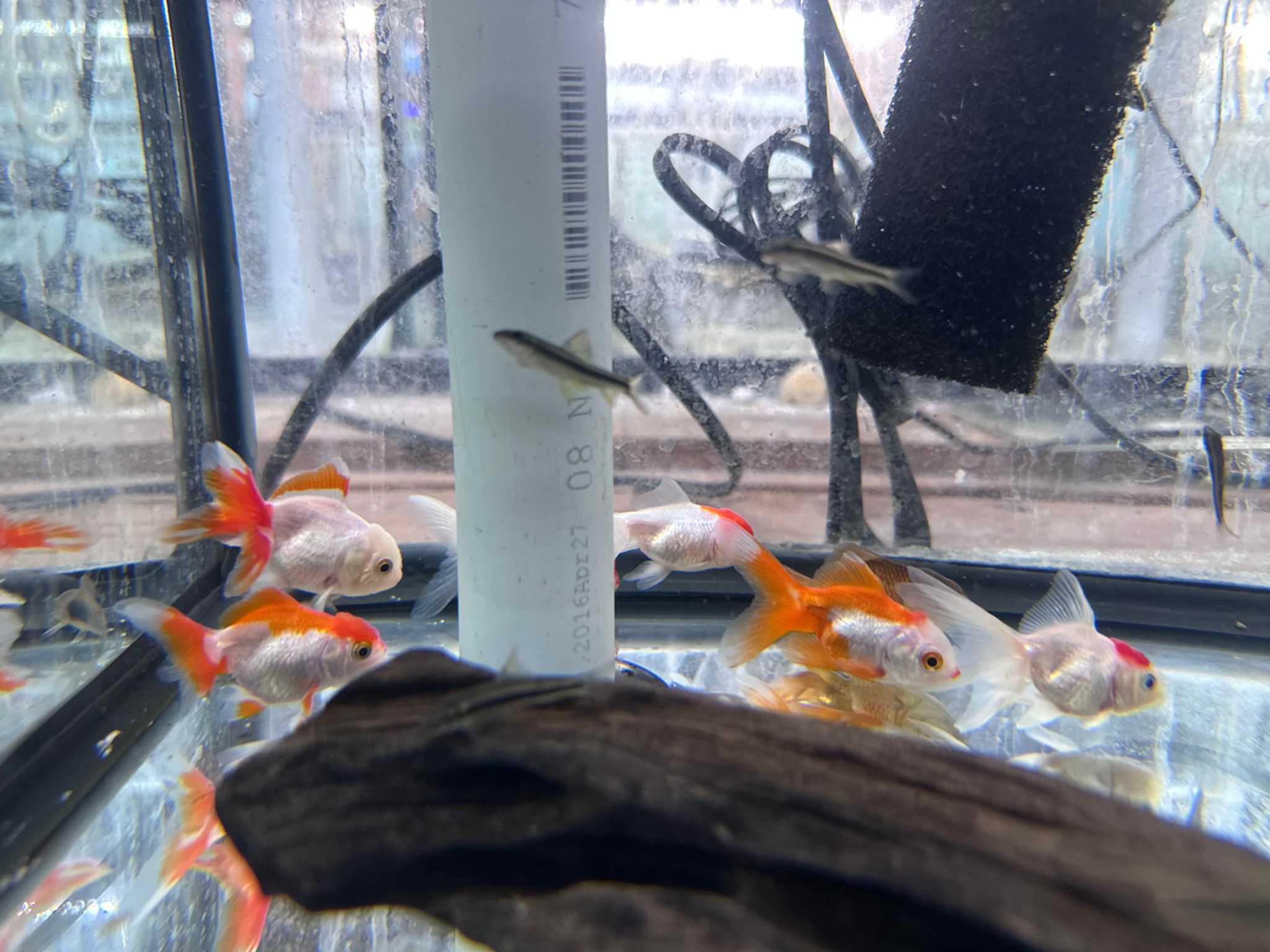
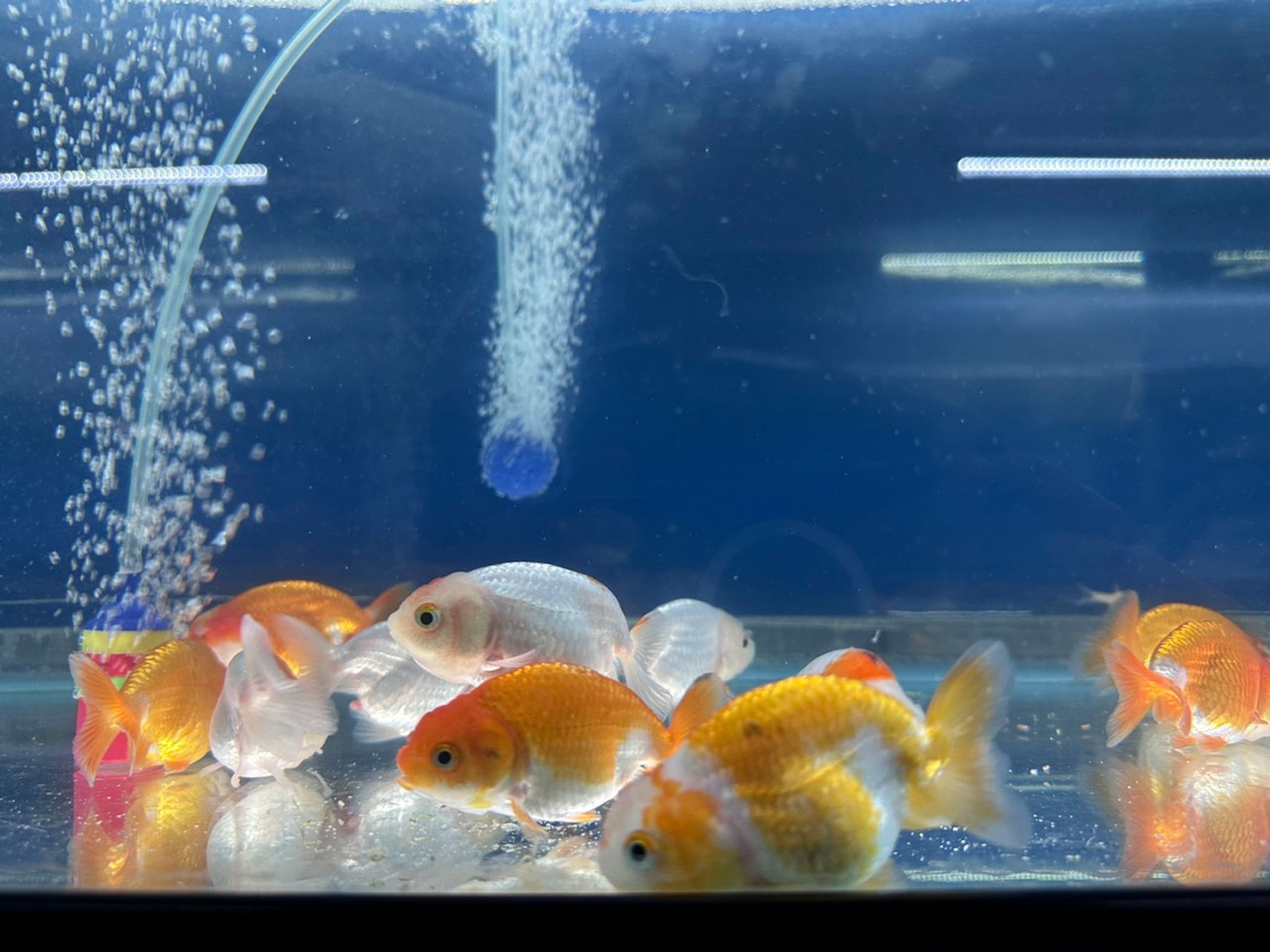
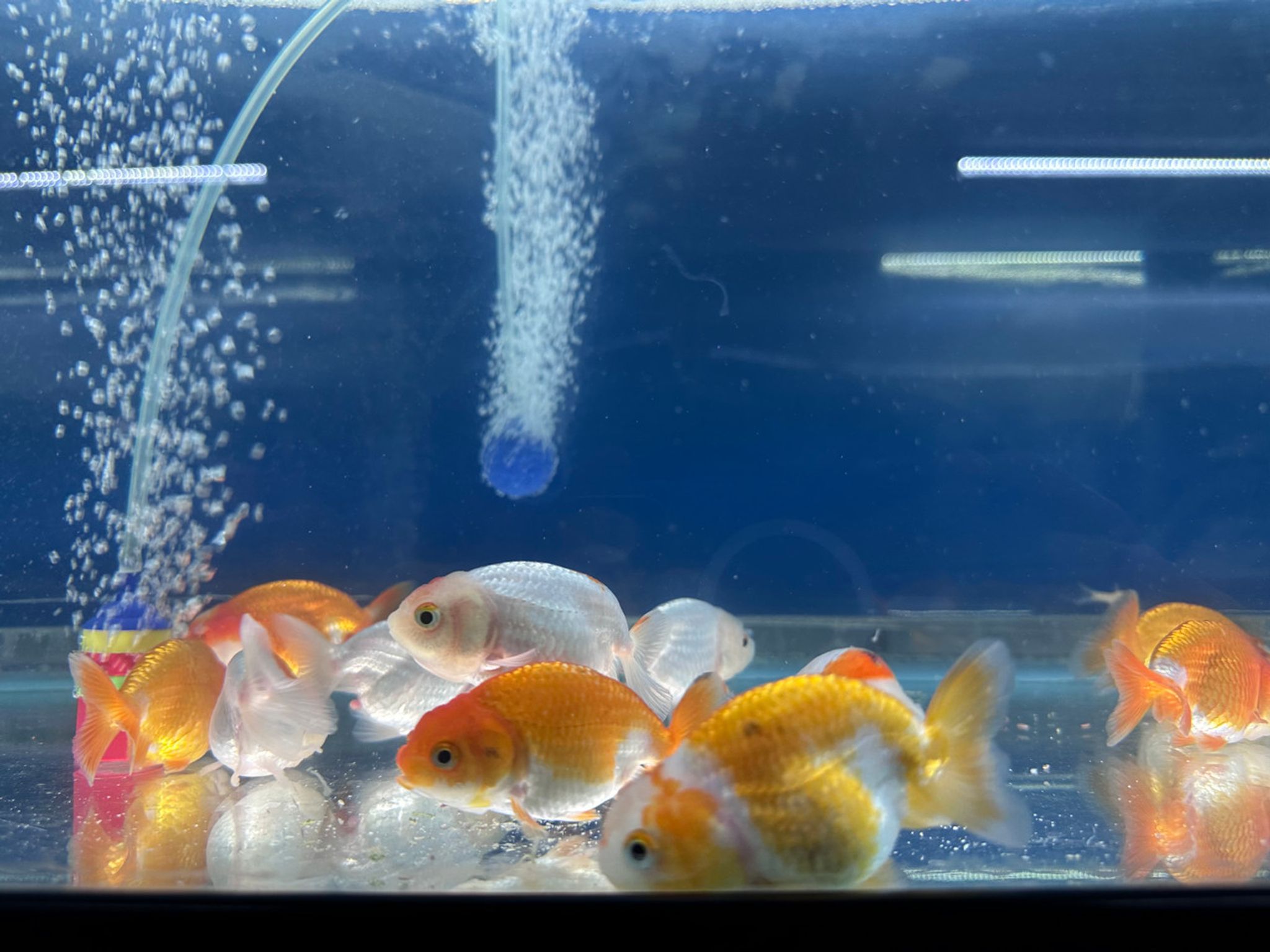
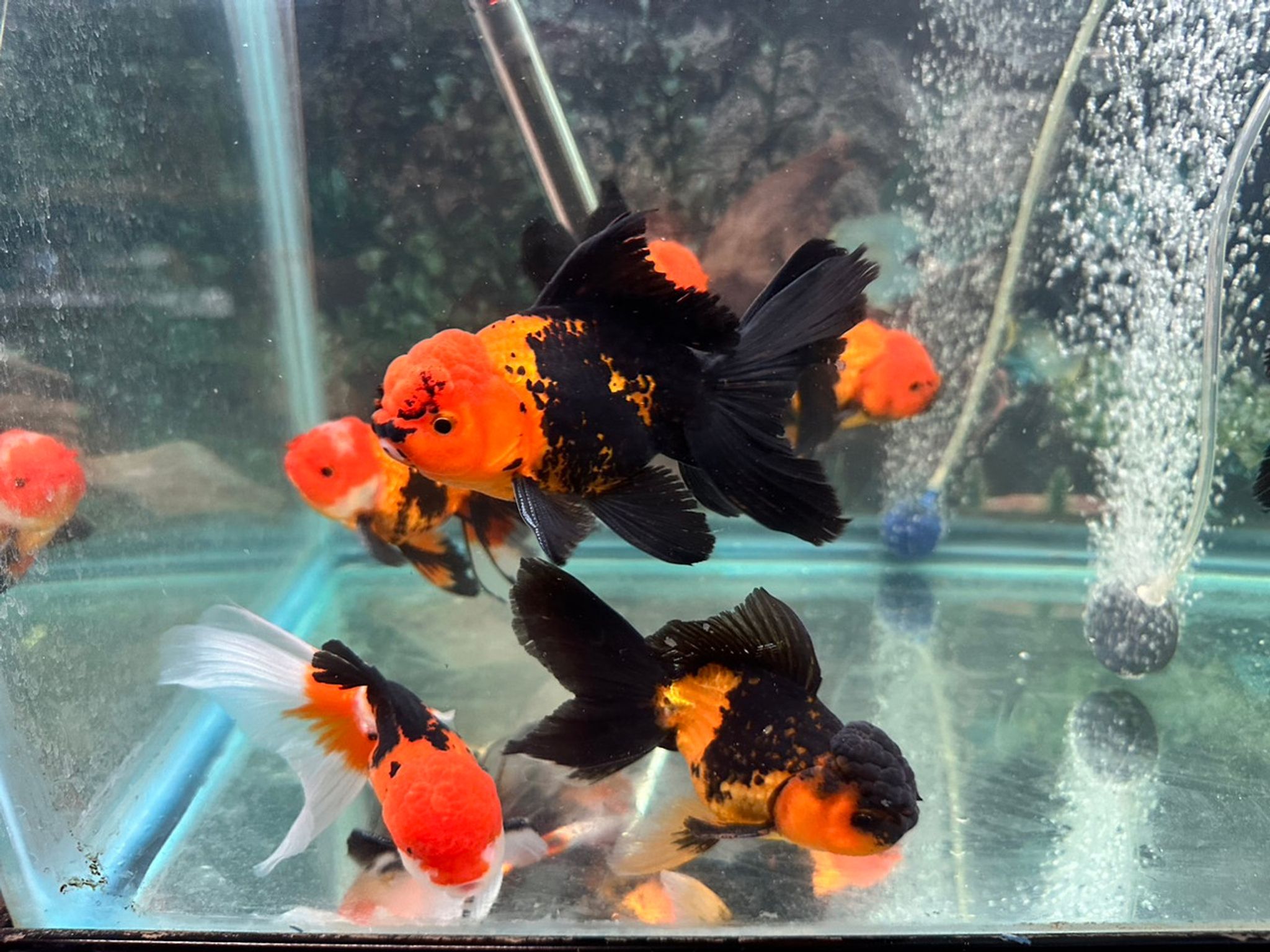
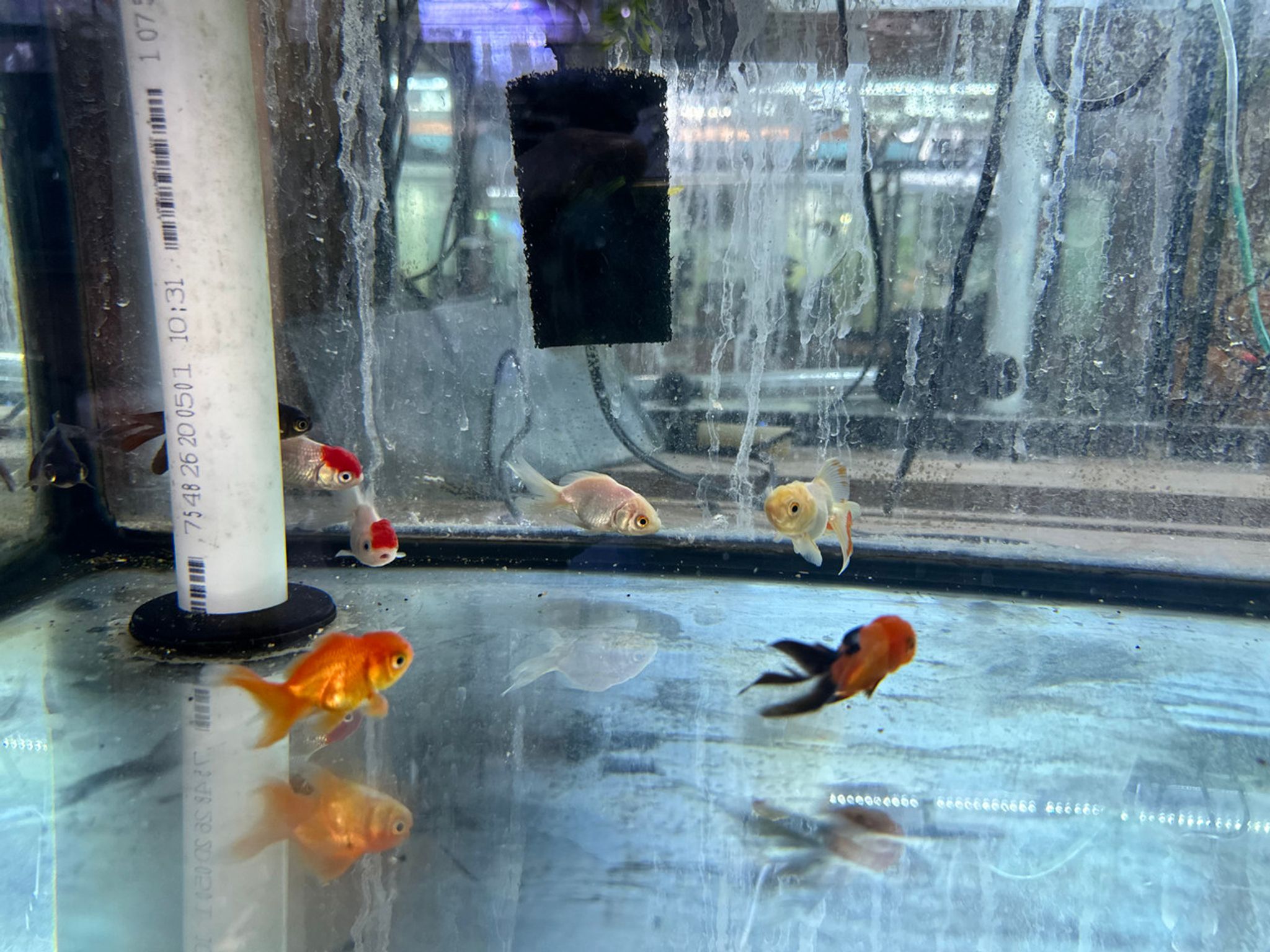
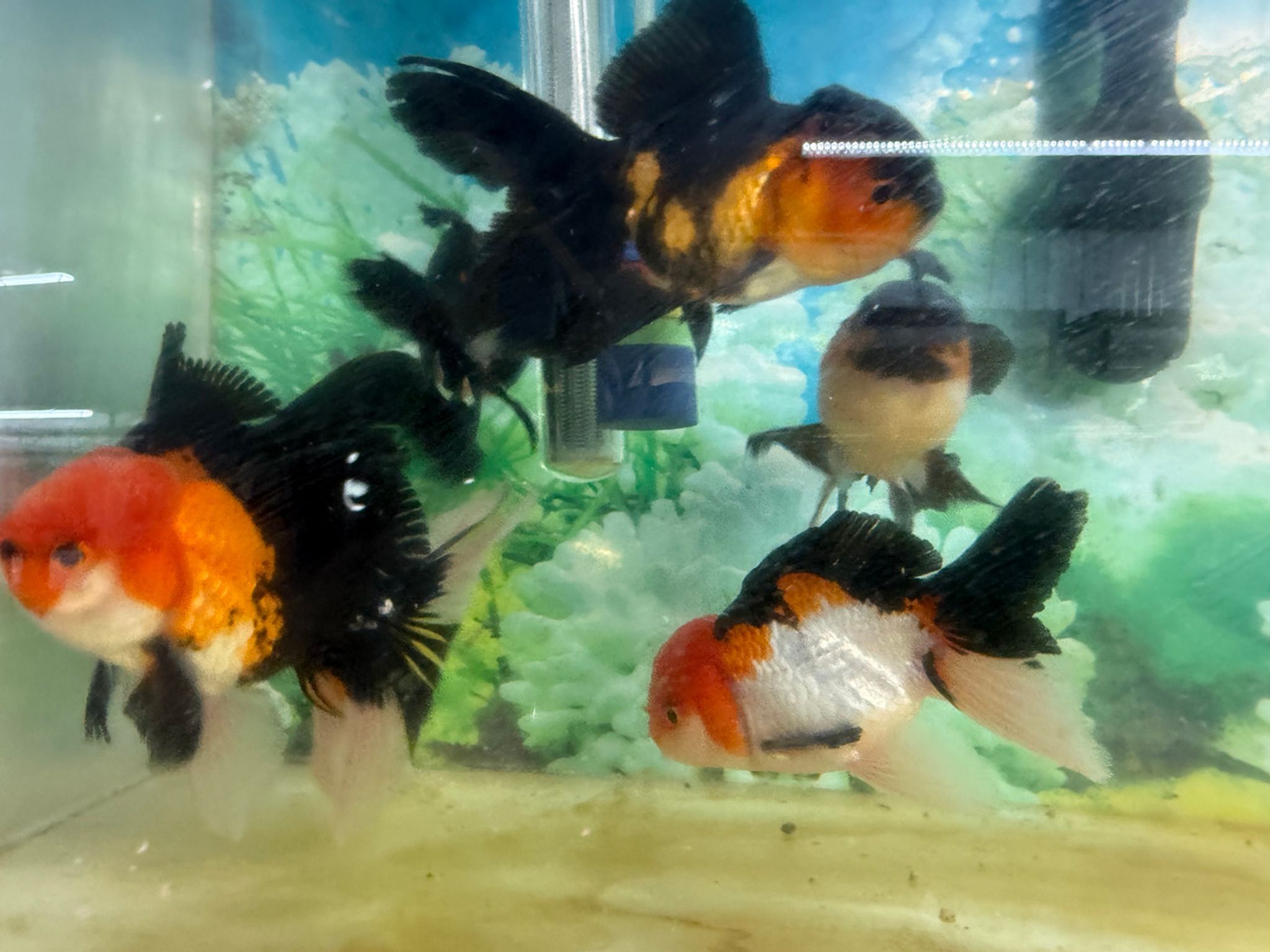
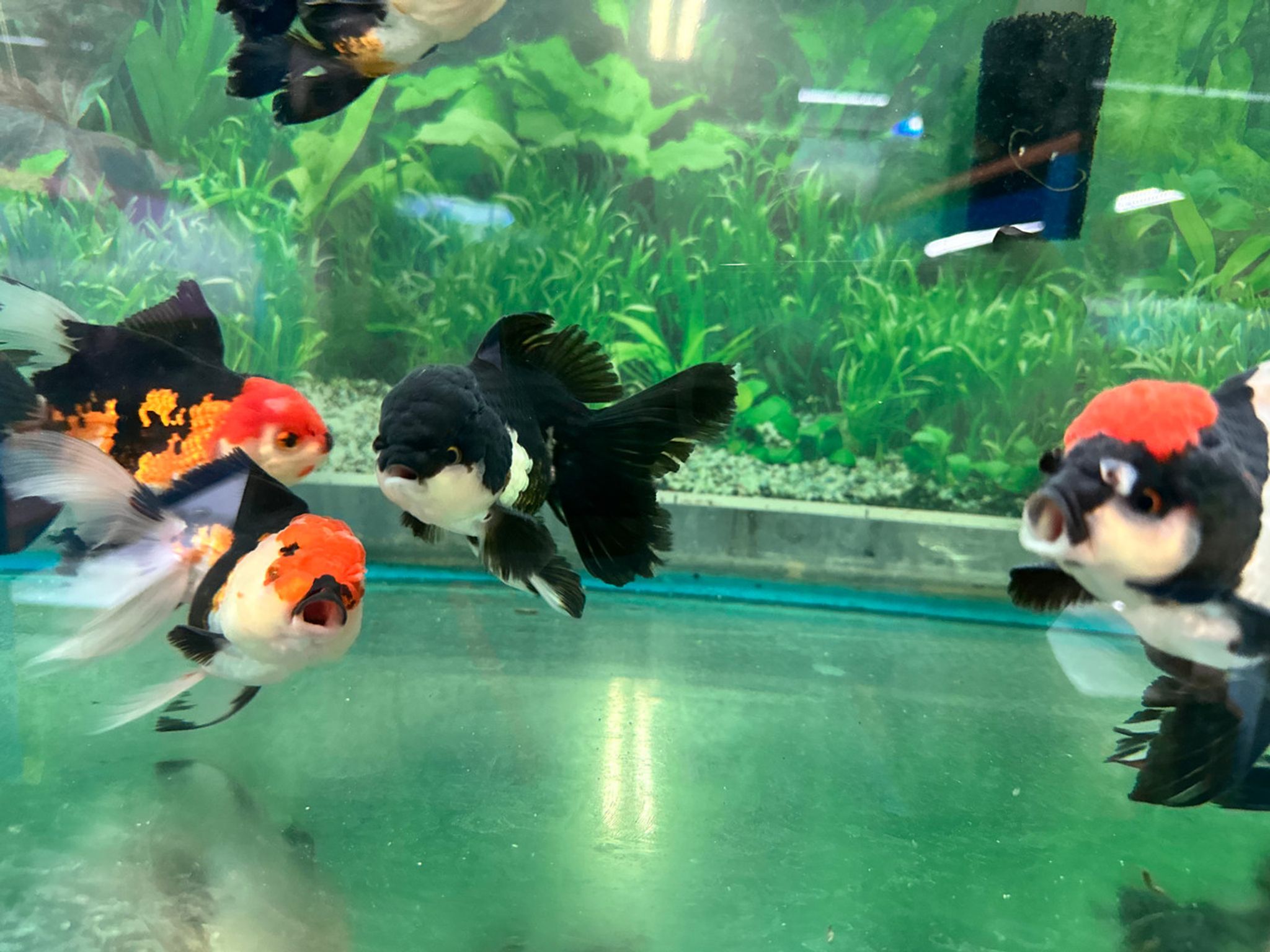
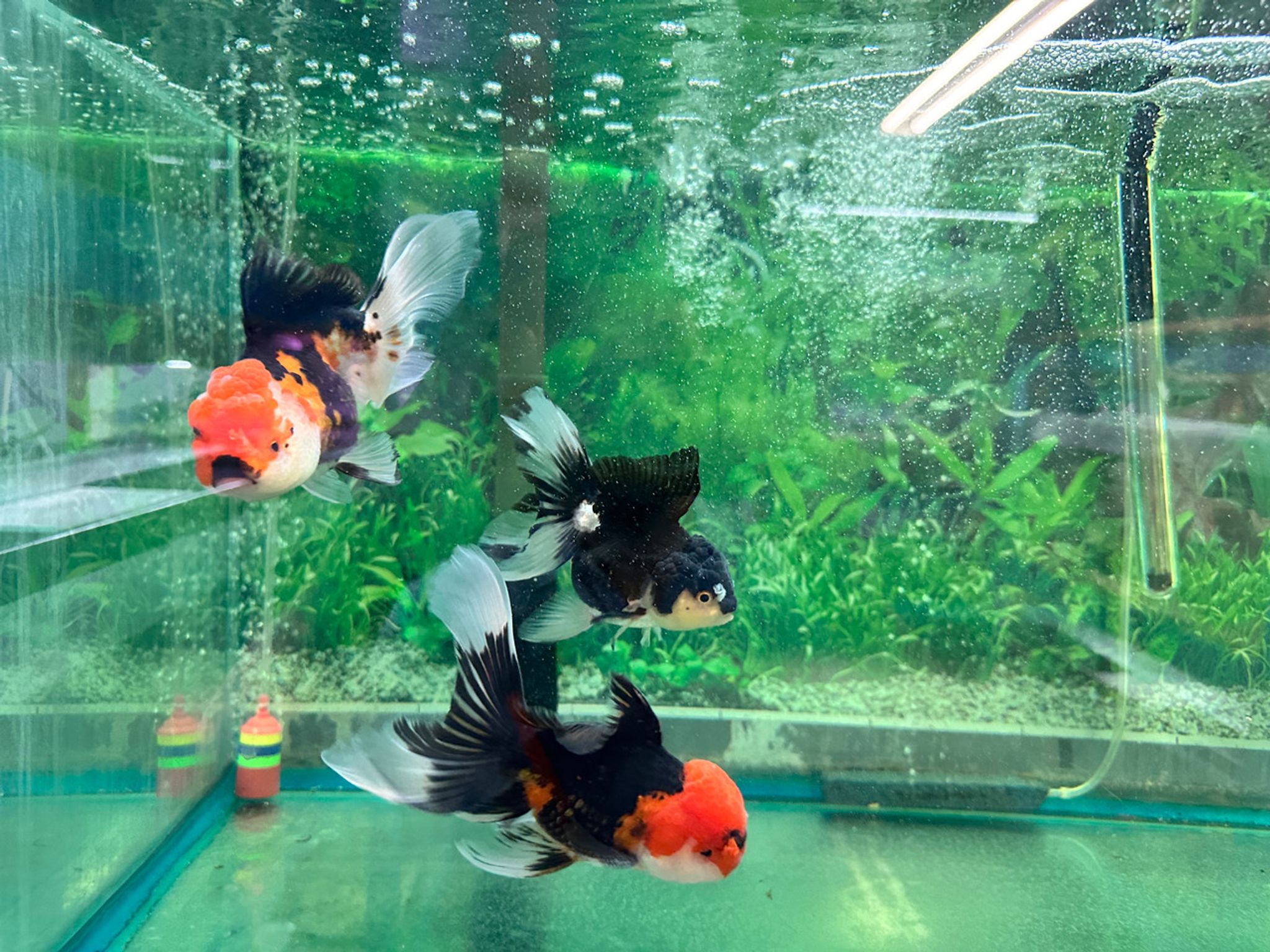
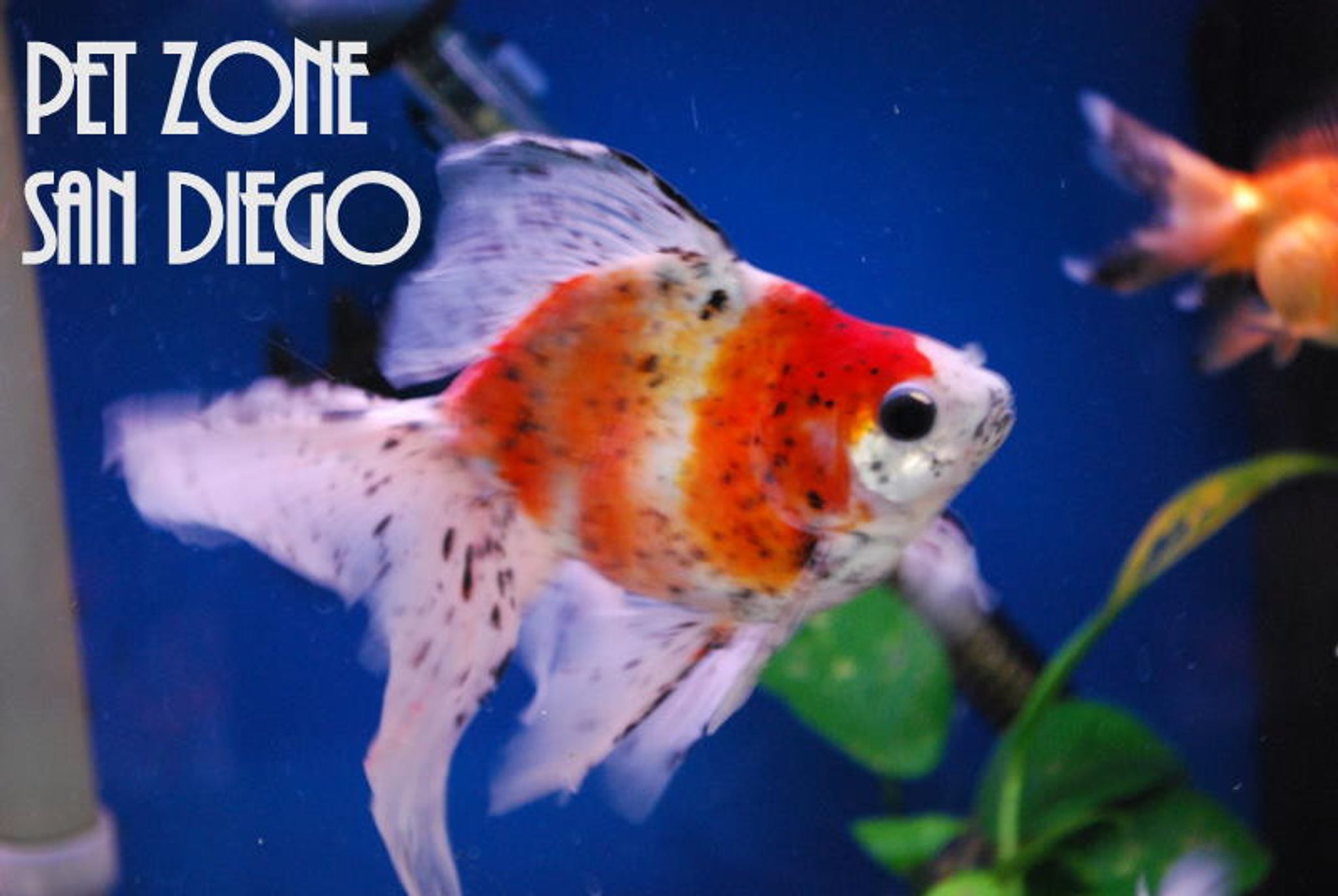
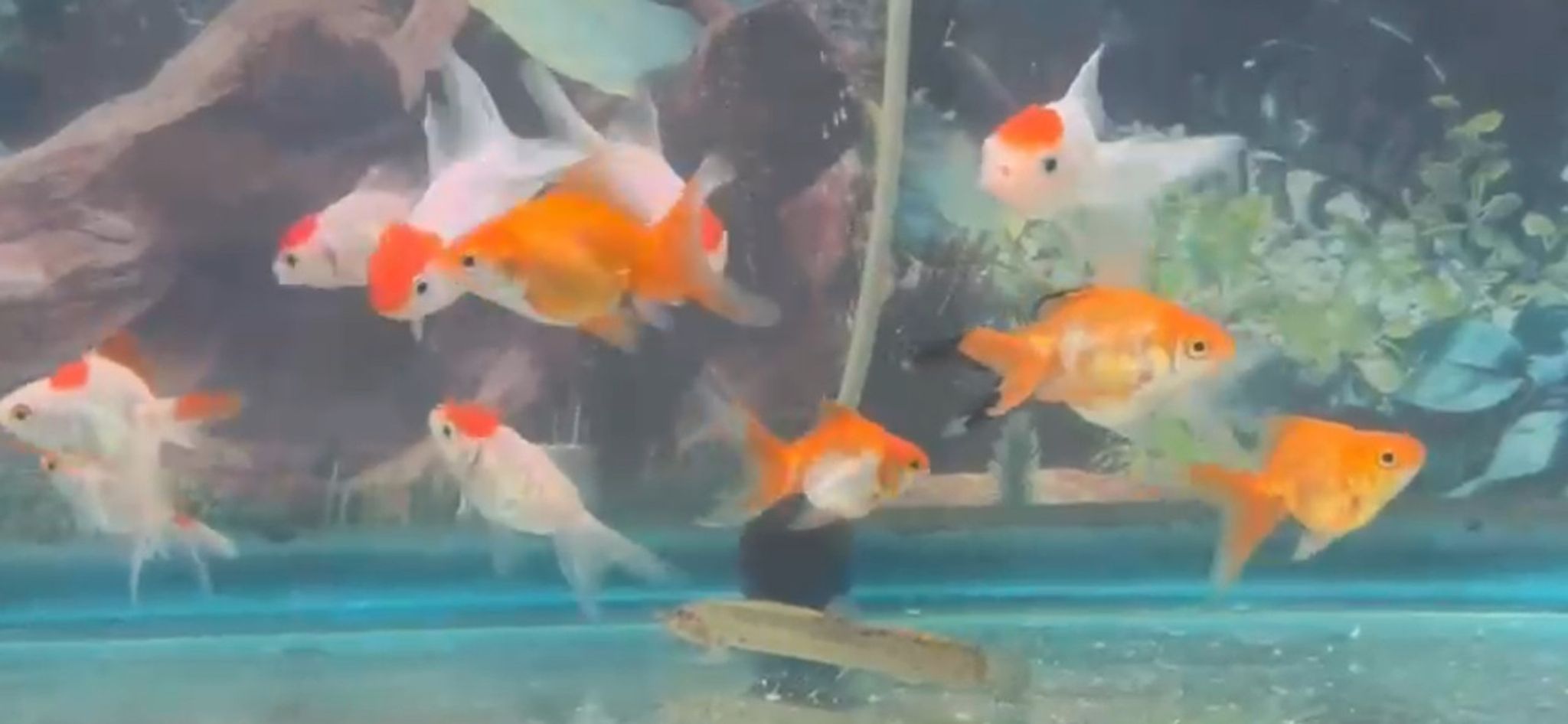
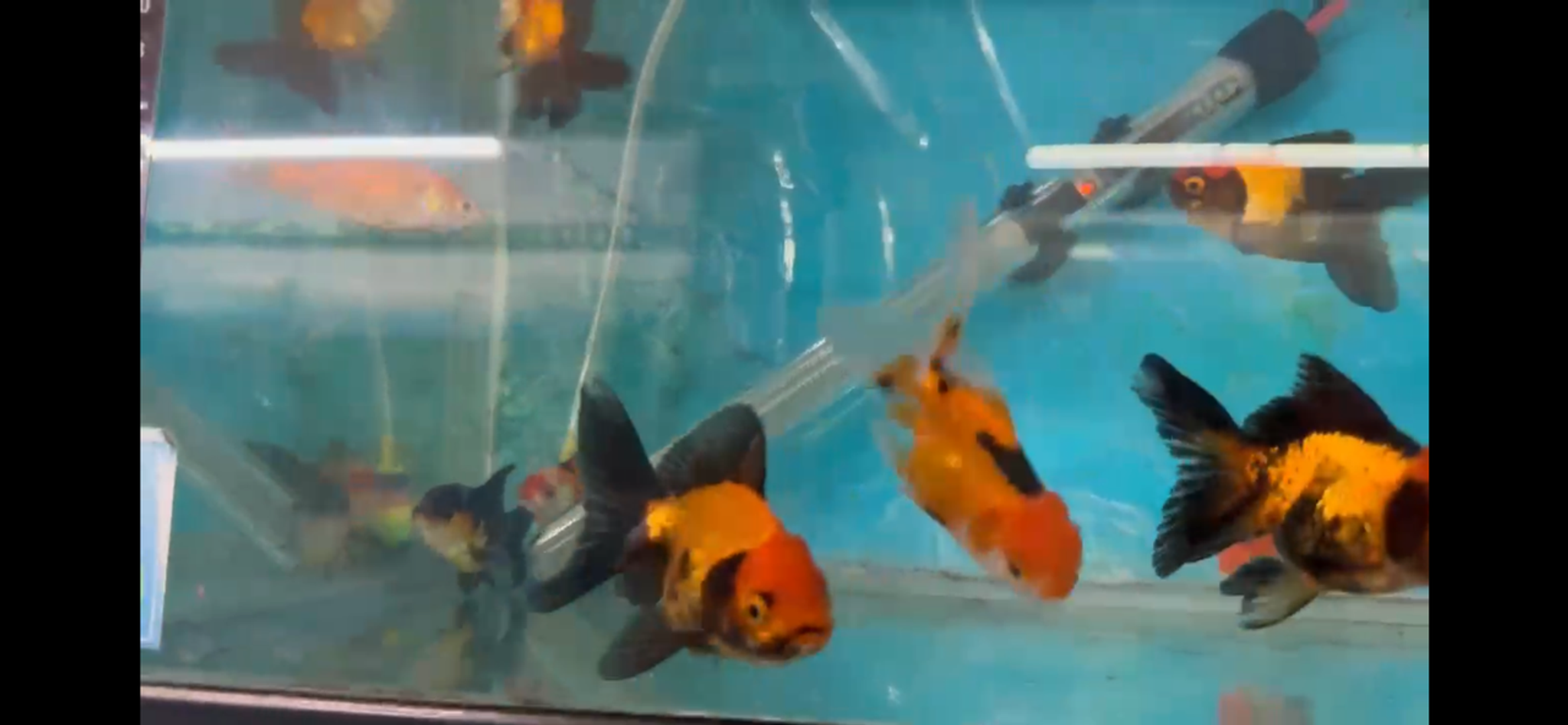
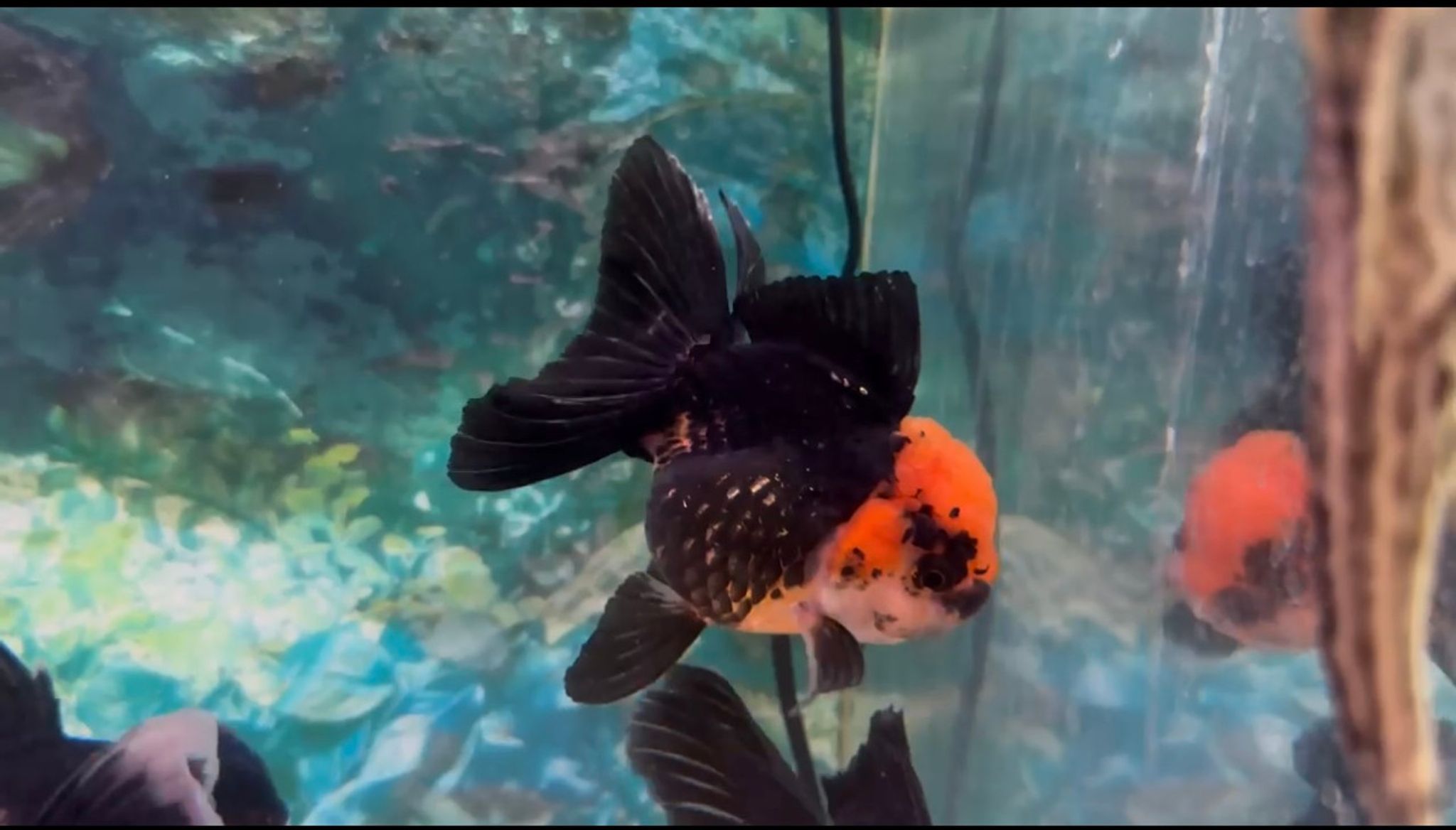
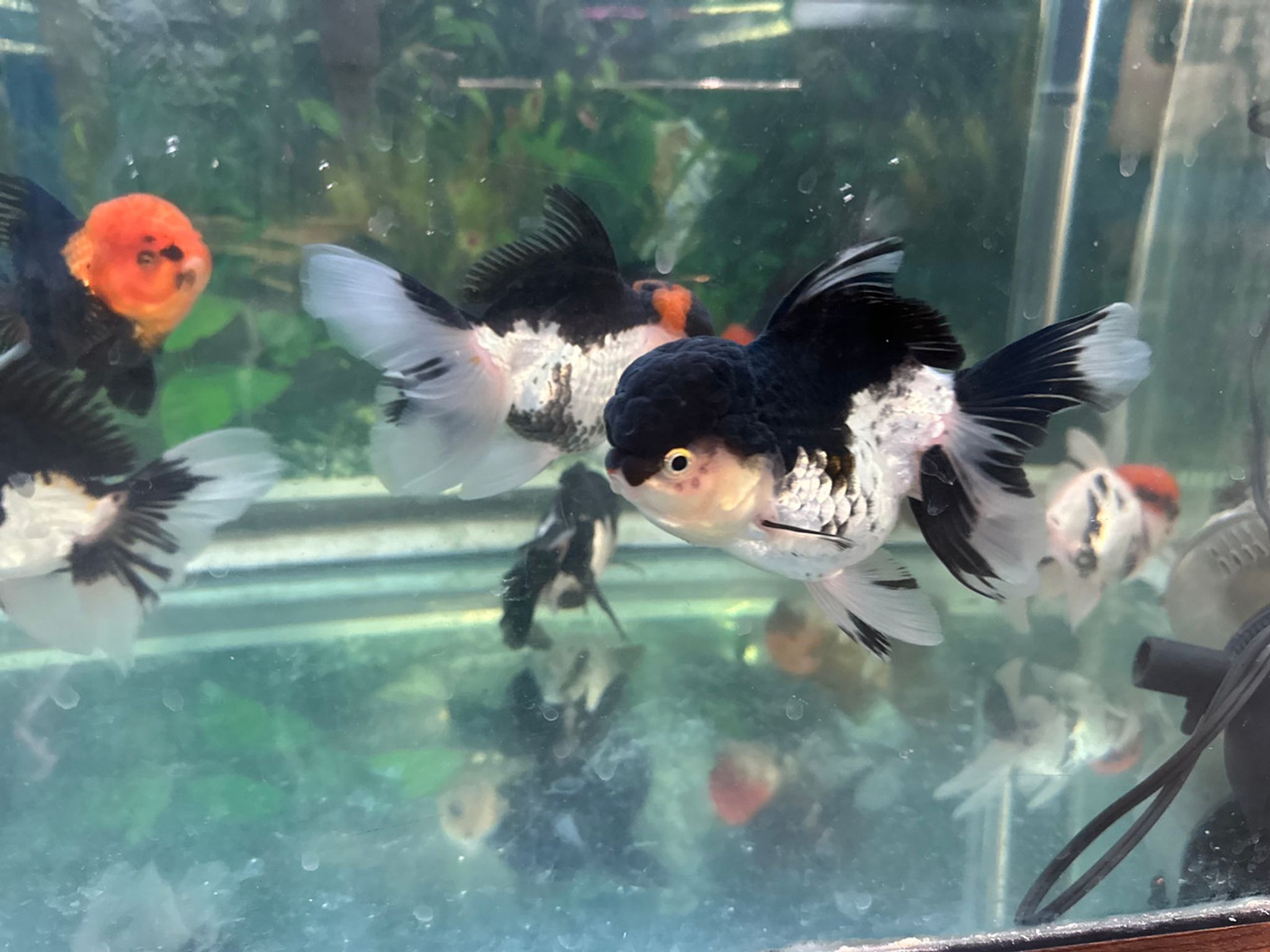
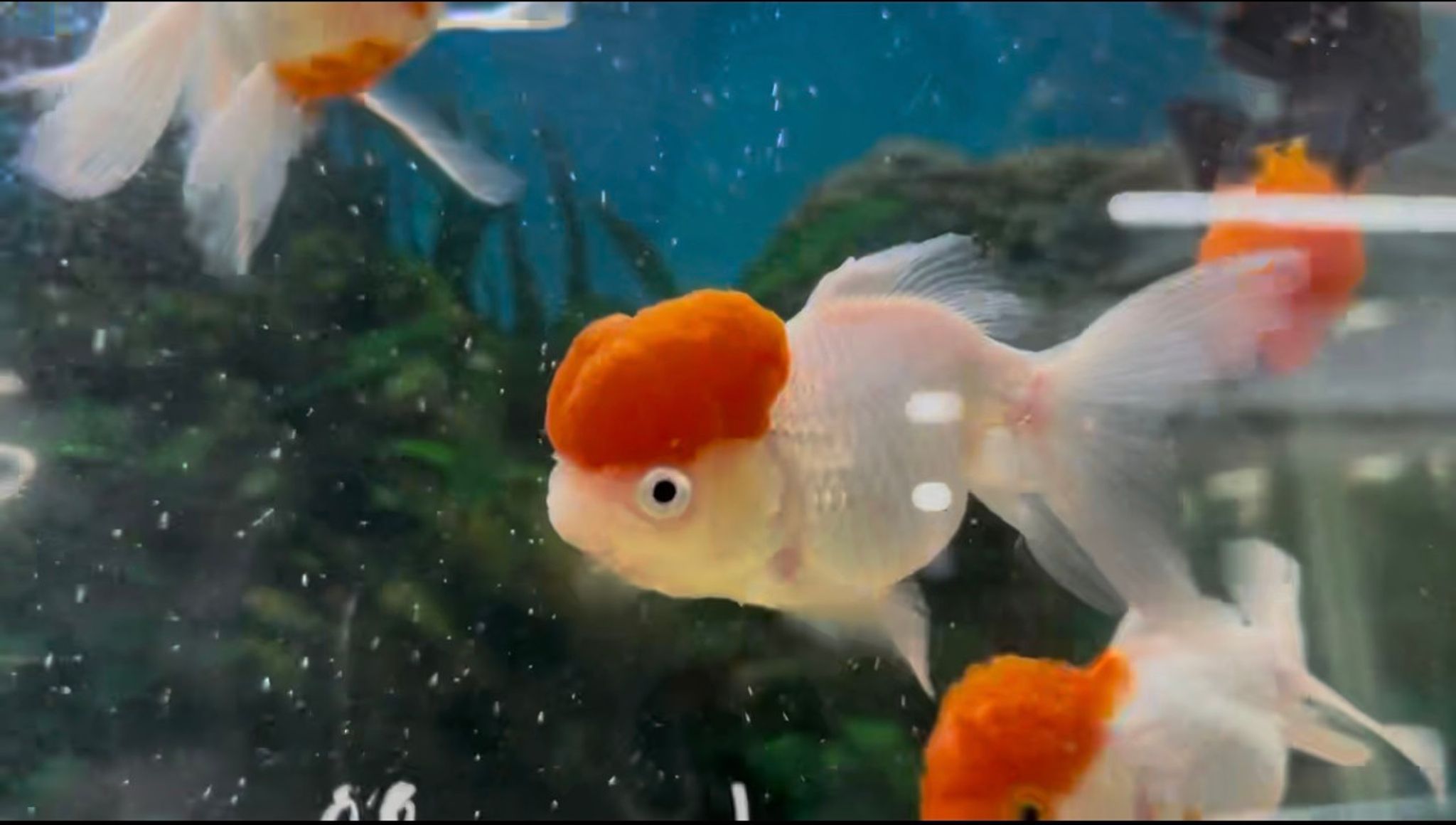
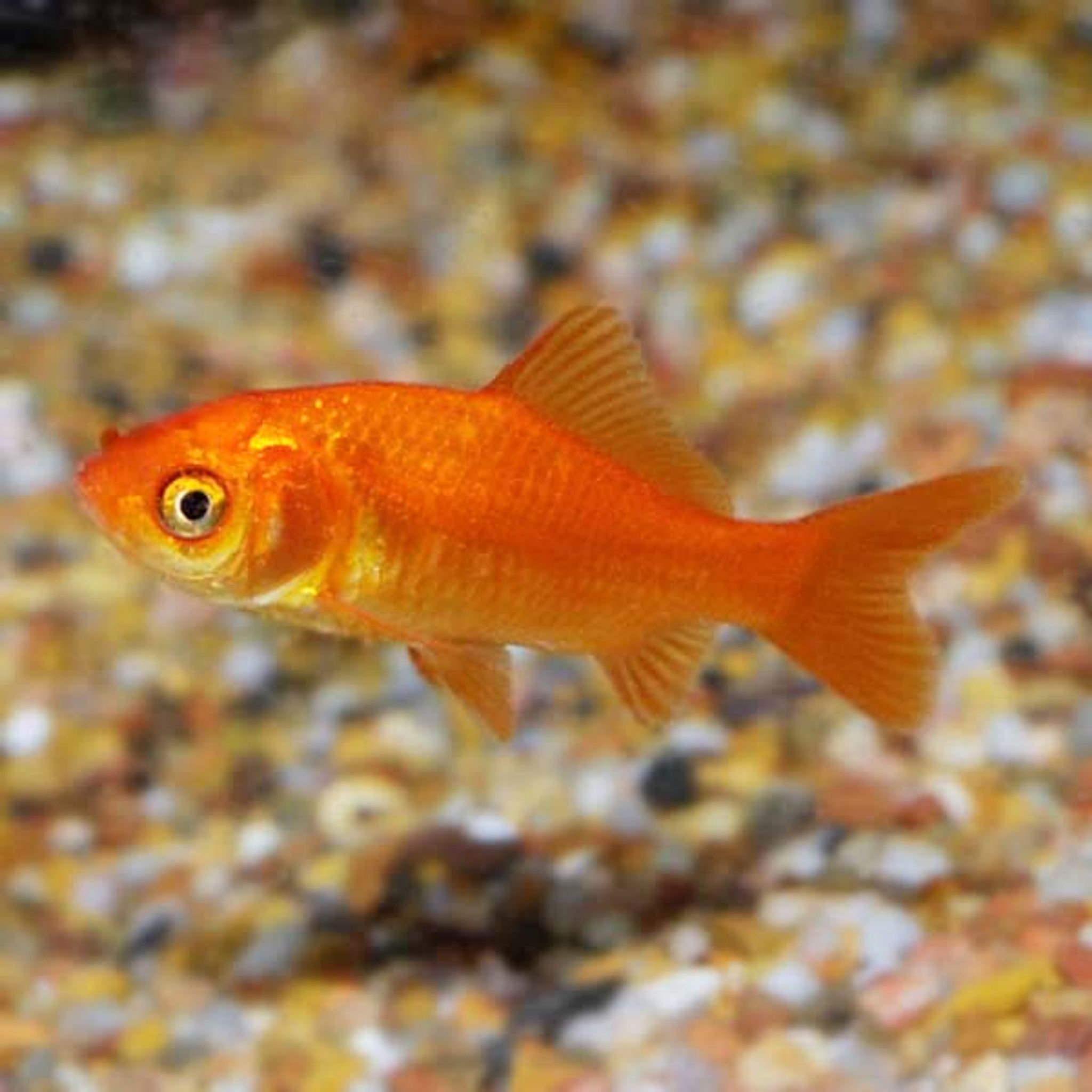
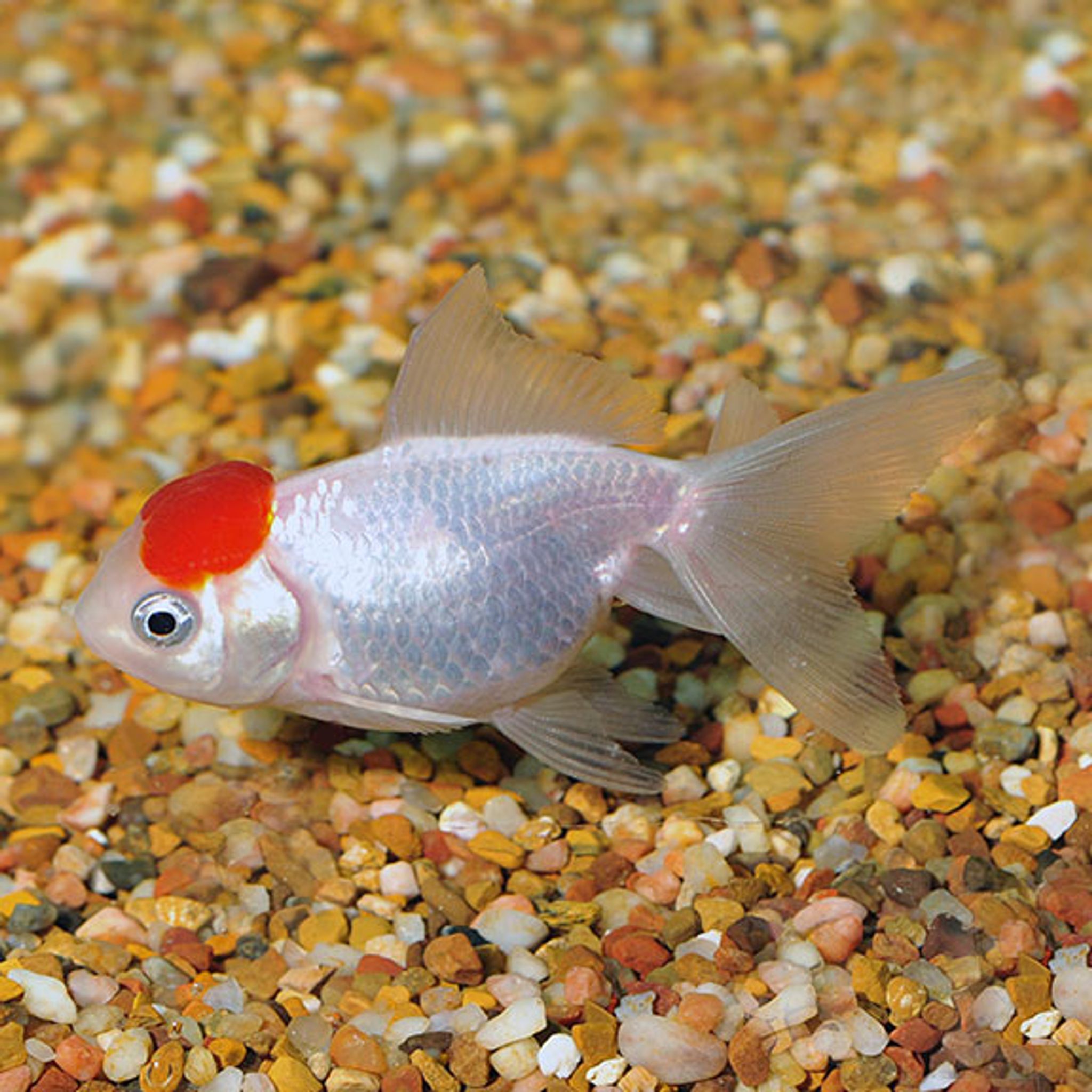
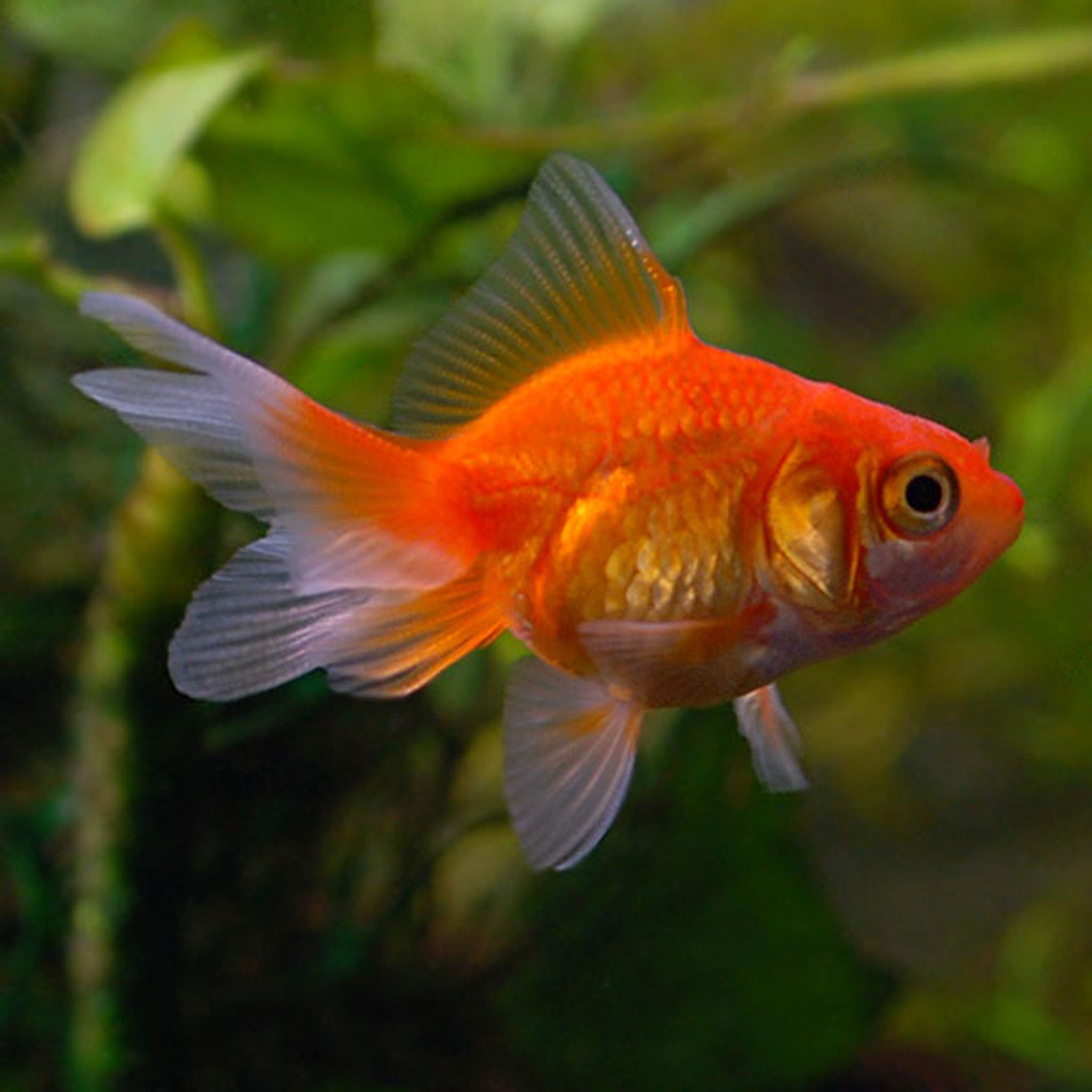
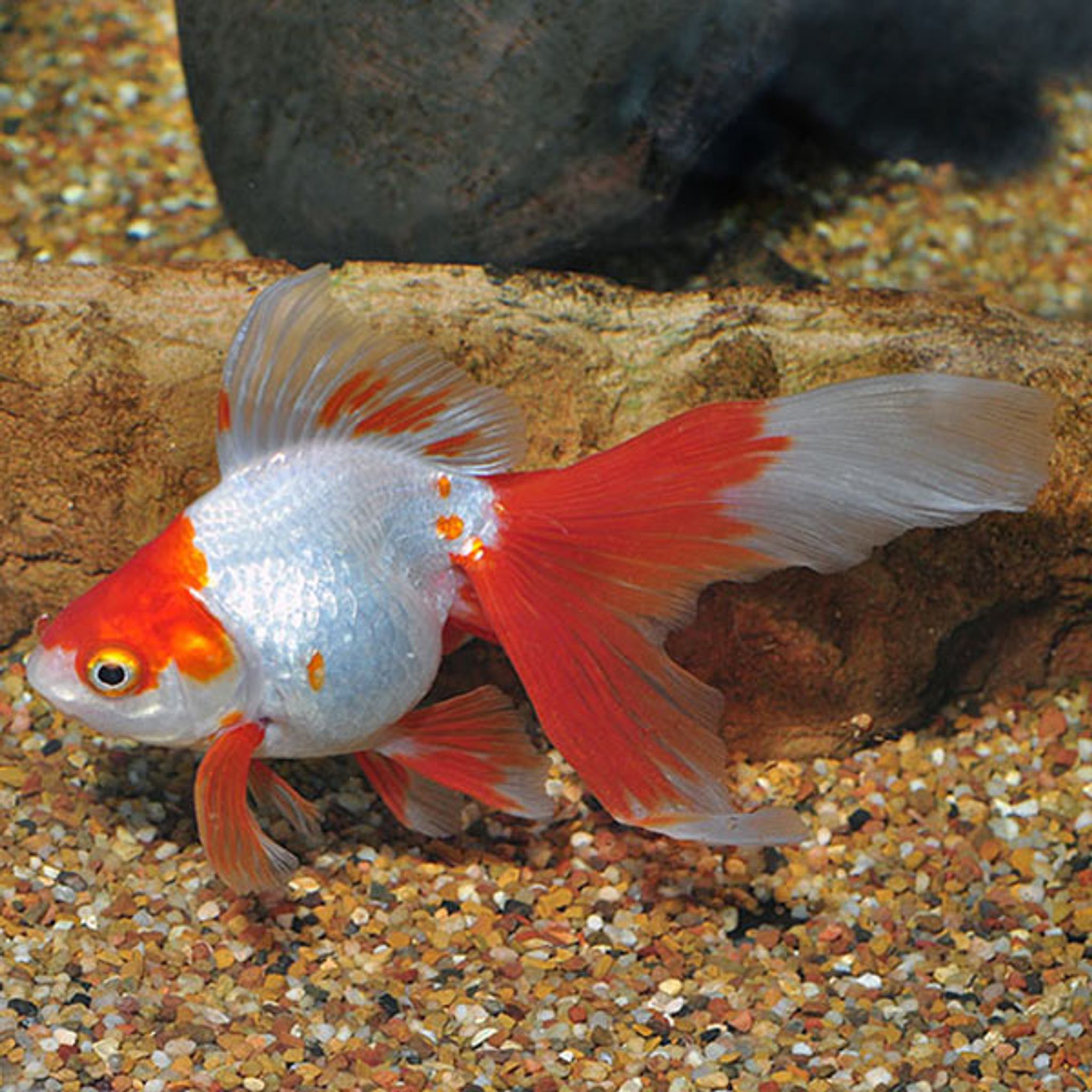
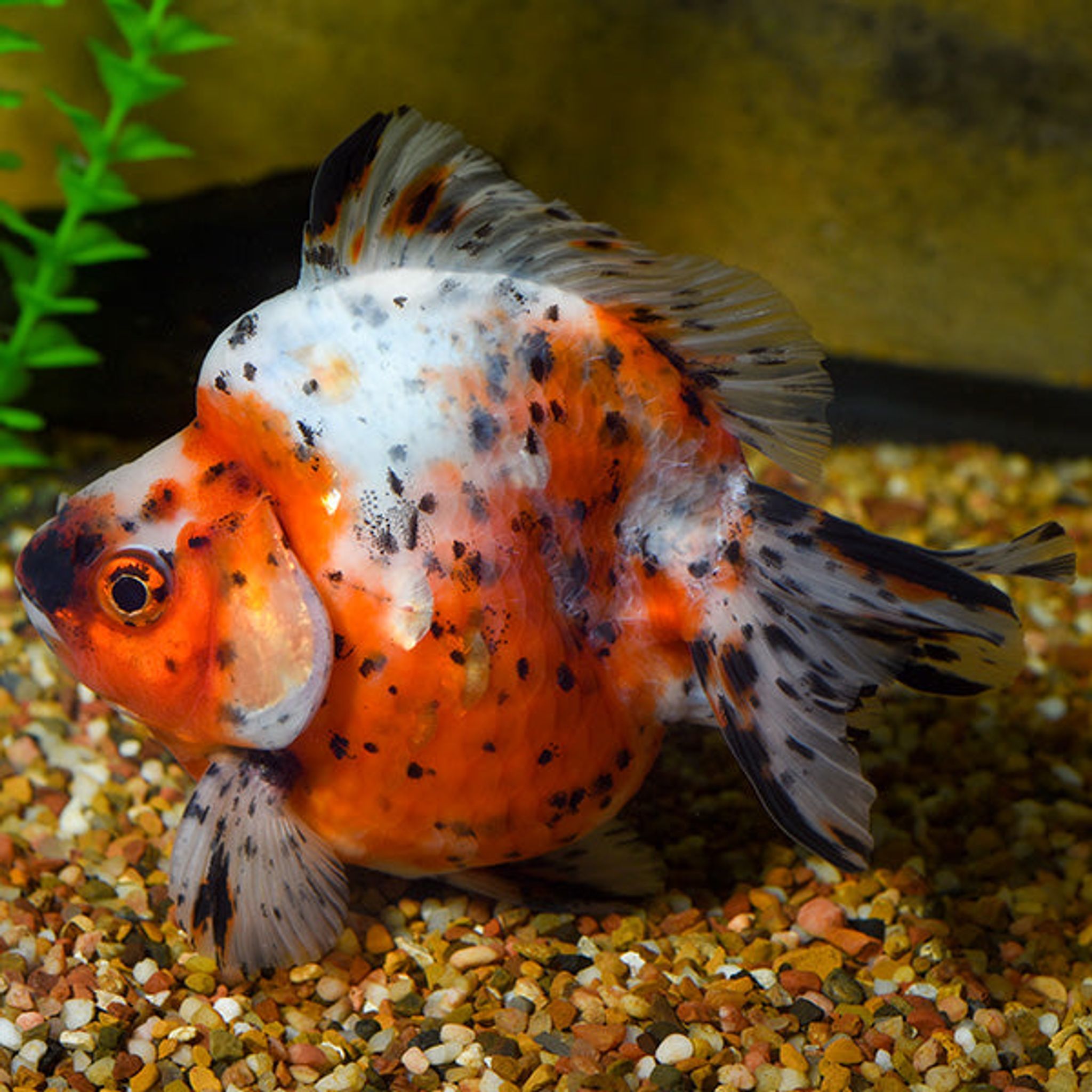
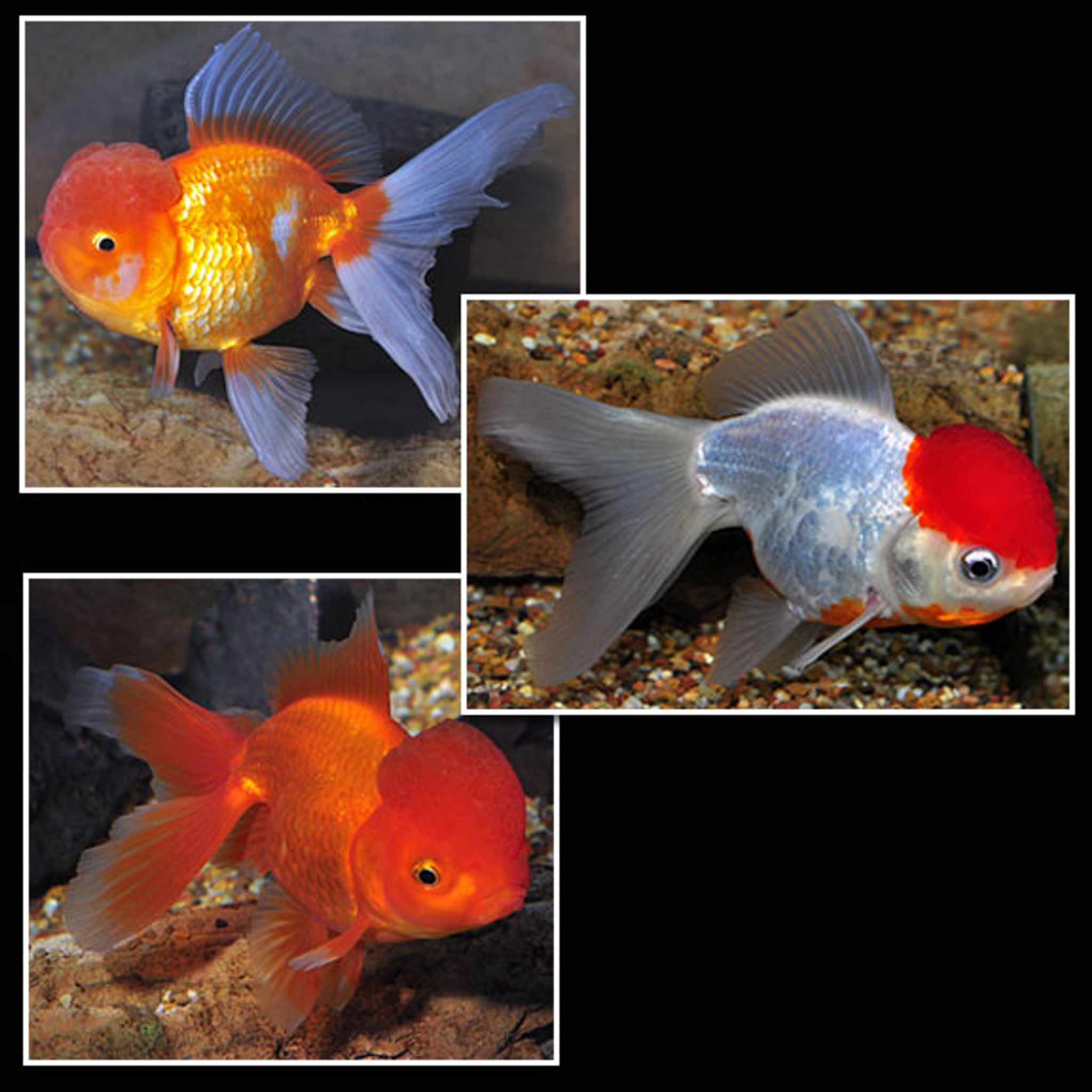
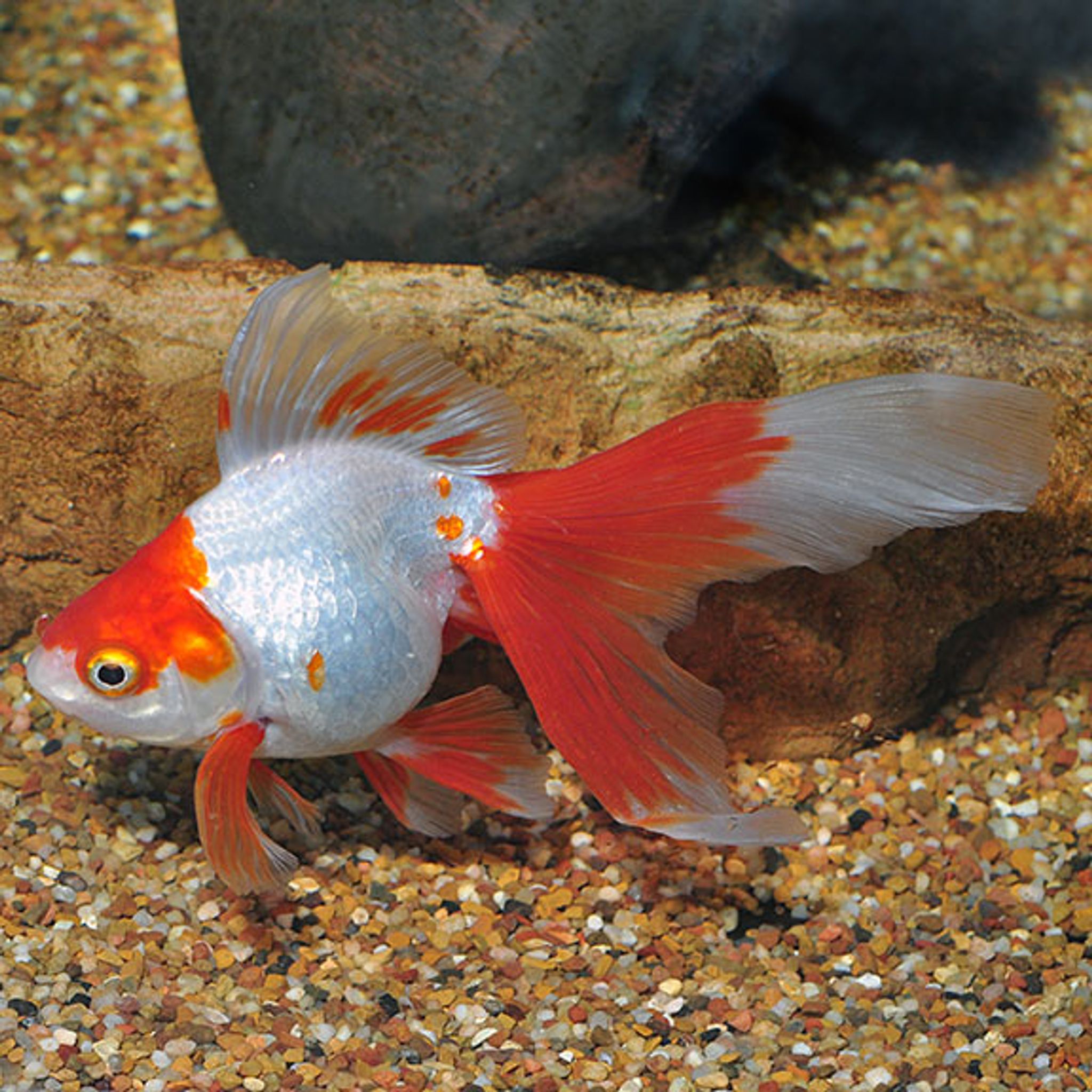
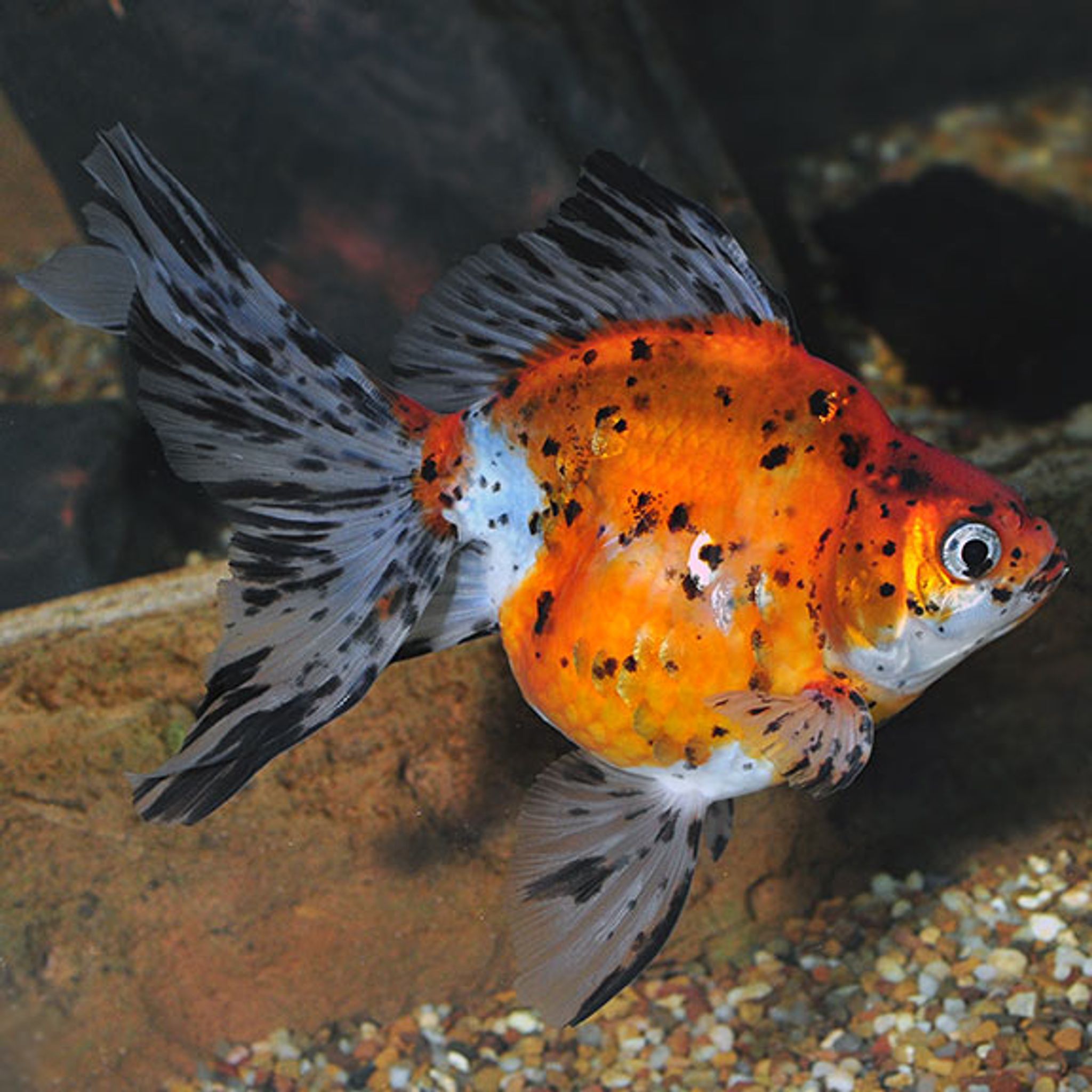
Shop Goldfish online from aquarium stores, breeders and specialist sellers across the United States on FishyHub. Compare Ranchu, Oranda, Ryukin, Fantail, Telescope, Black Moor, Lionhead, Shubunkin and other Goldfish varieties by size, body shape, color and seller.
Goldfish are one of the world’s best-known freshwater aquarium fish, with varieties ranging from streamlined pond fish to highly developed fancy forms. FishyHub helps U.S. hobbyists compare Goldfish from multiple sellers and breeders in one marketplace.
Buying Goldfish online gives hobbyists access to a broader selection of varieties, breeder lines and sizes than may be available from a single local aquarium store.
Compare body shape, fin type, coloration, current size, seller information and shipping options before choosing Goldfish for your aquarium or pond.
Popular Goldfish varieties include:
Fancy Goldfish are selectively bred for distinctive body shapes, fins, head growth, eye forms and coloration.
Popular fancy types include Ranchu, Oranda, Ryukin, Fantail, Telescope, Black Moor, Pearlscale and Lionhead Goldfish.
Ranchu Goldfish are prized for their rounded body, curved back, absence of a dorsal fin and developed head growth.
Body balance, head growth, tail shape and swimming quality are important when comparing Ranchu from different breeders.
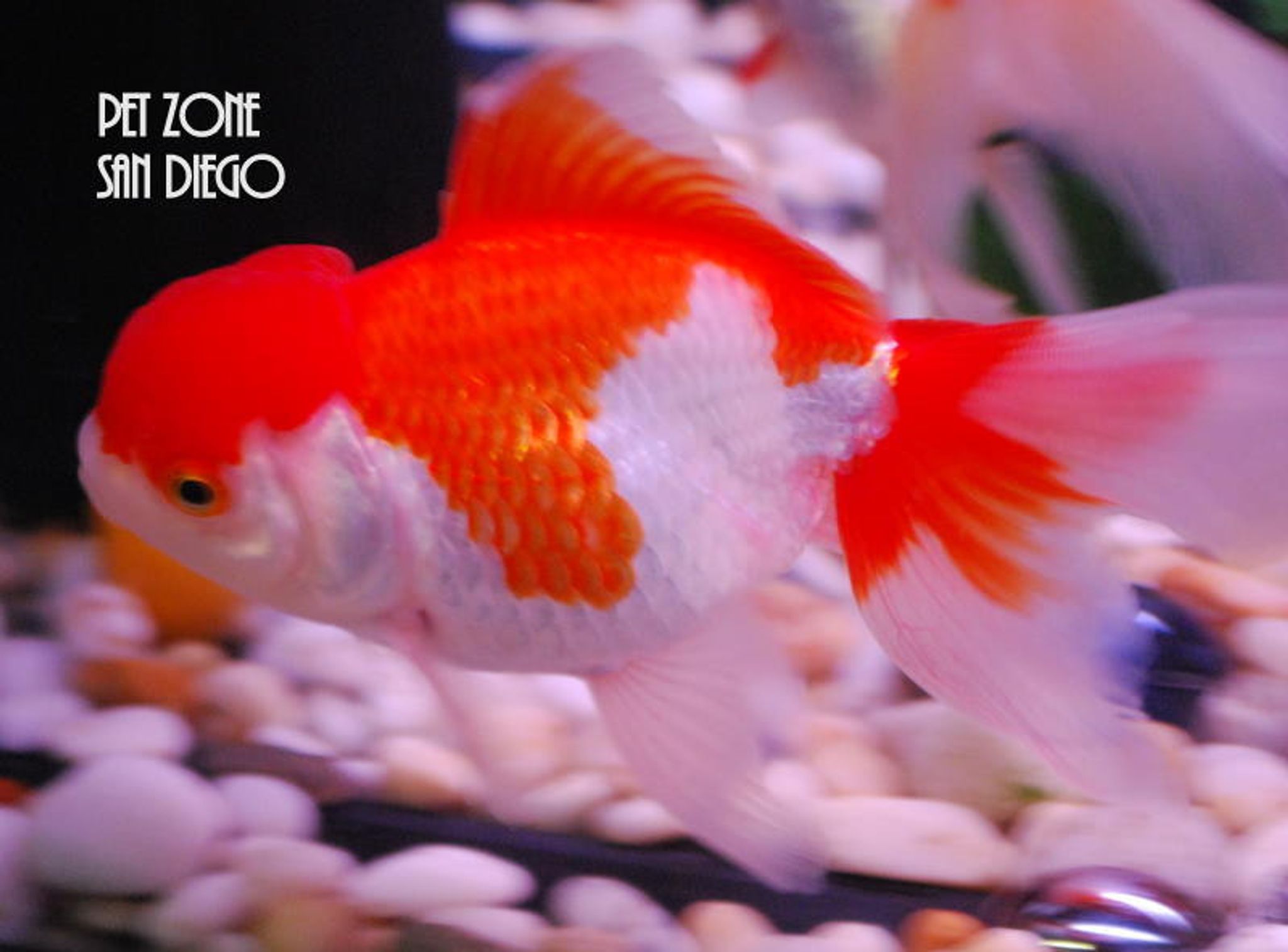
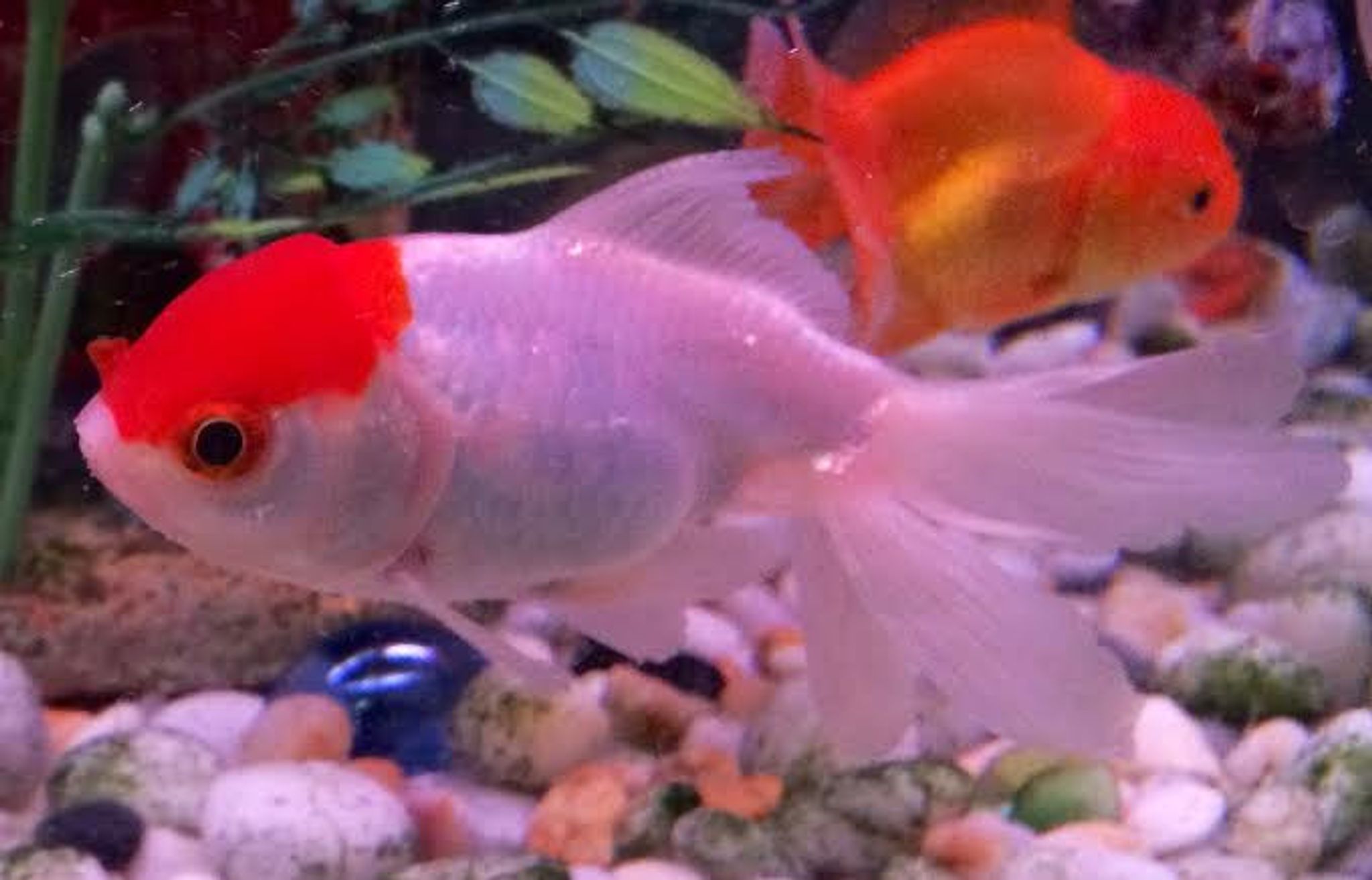
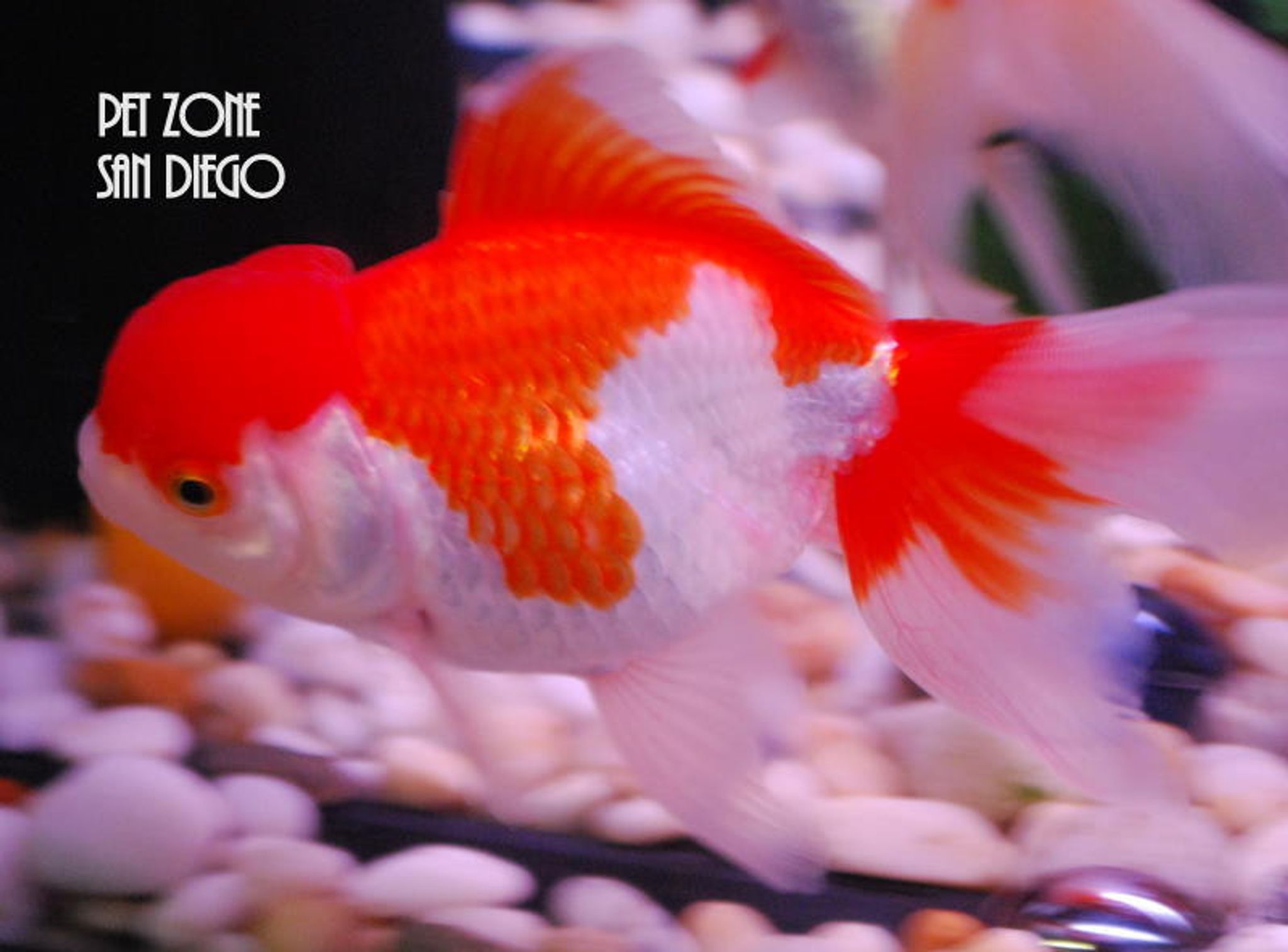
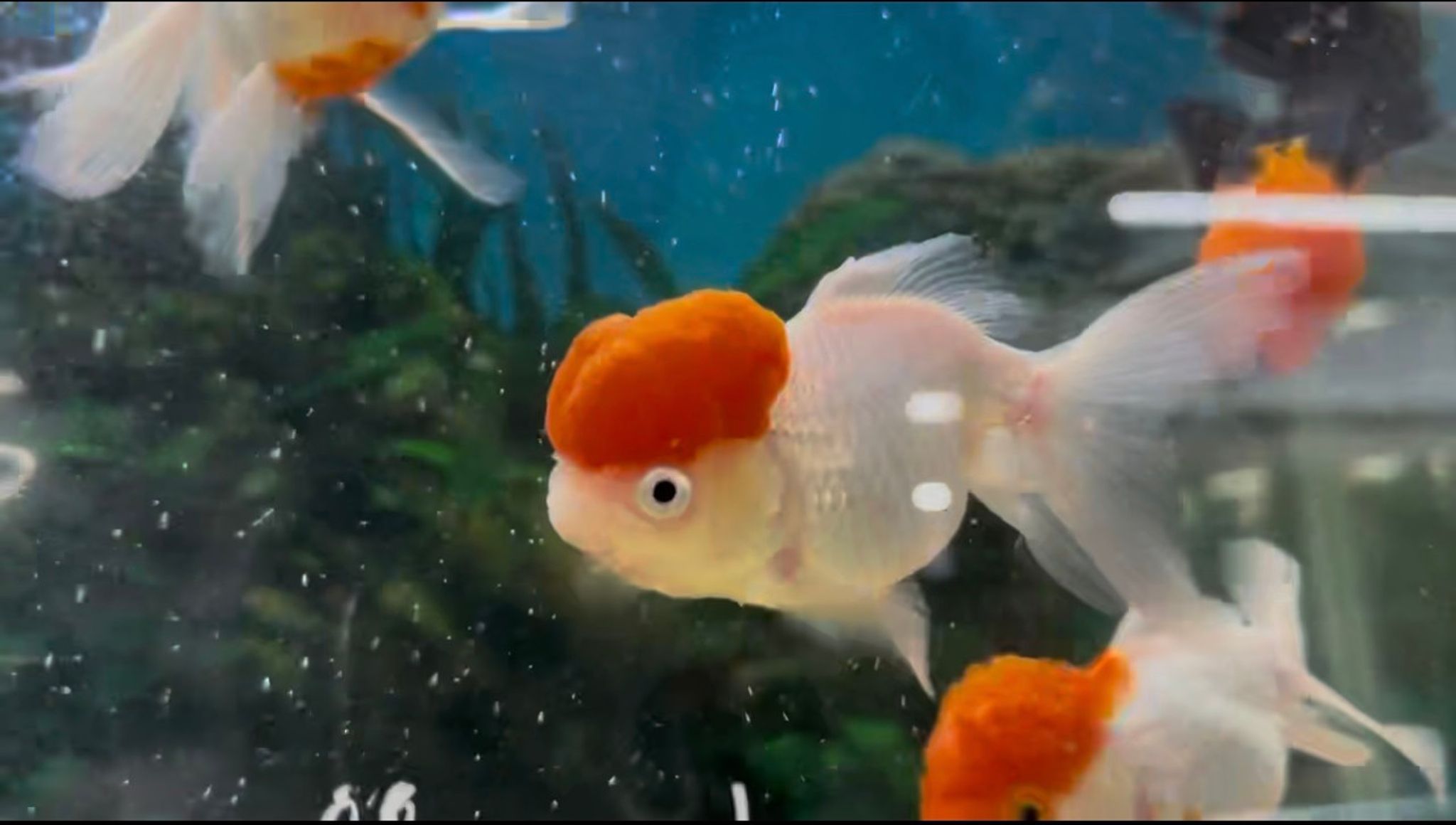
Oranda Goldfish are known for their rounded bodies, flowing fins and fleshy head growth known as a wen.
Orandas are available in many colors and patterns, including red cap, red and white, calico, black and metallic forms.
Ryukin Goldfish are recognized by their deep bodies, prominent shoulder hump and elegant fins.
They can be strong swimmers compared with some more delicate fancy varieties, though individual body shape and fin length vary by line.
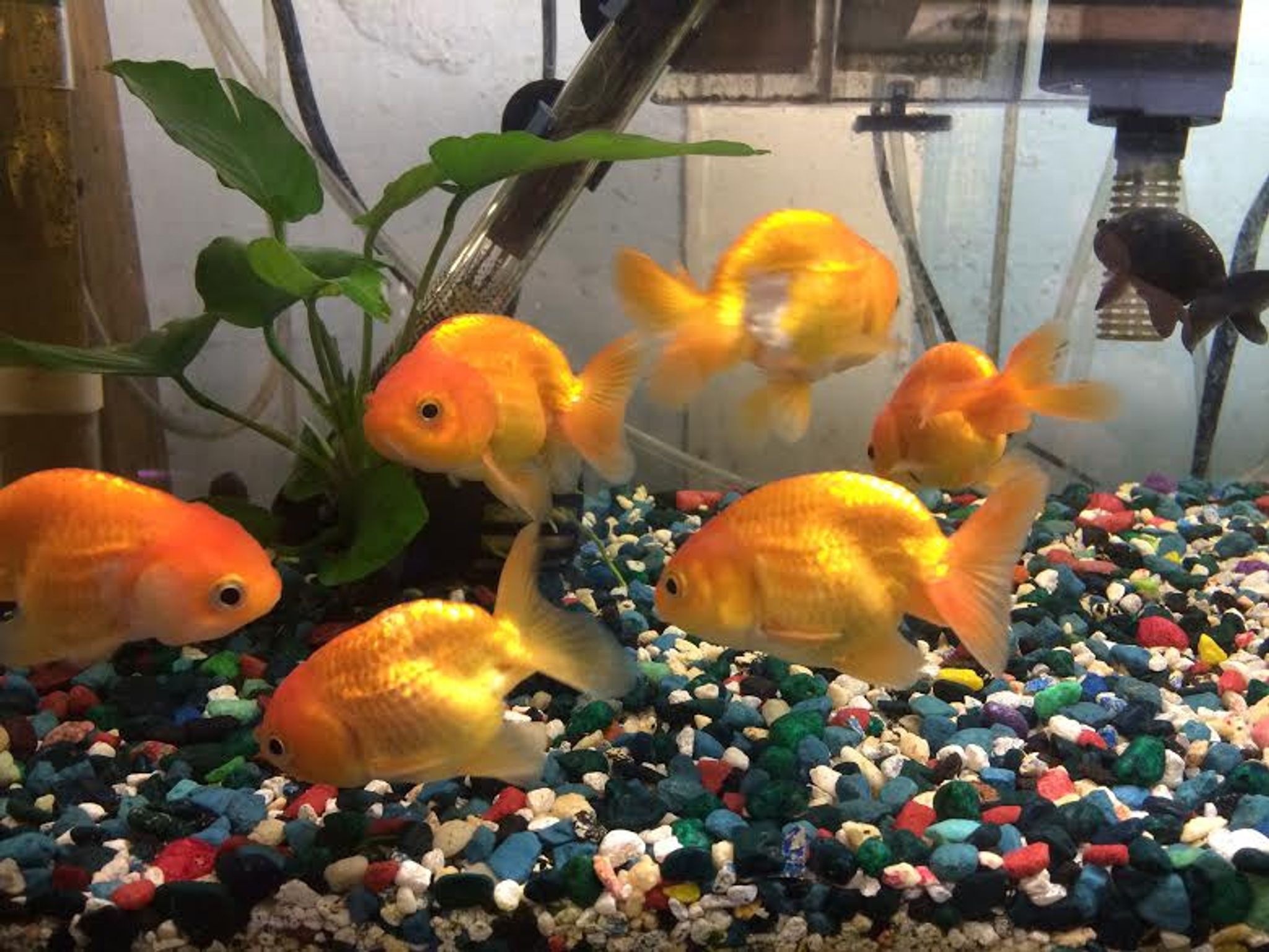
Fantail Goldfish have rounded bodies and paired tail fins and are one of the classic fancy Goldfish forms.
Their relatively straightforward body structure makes them popular with hobbyists entering the fancy Goldfish side of the hobby.
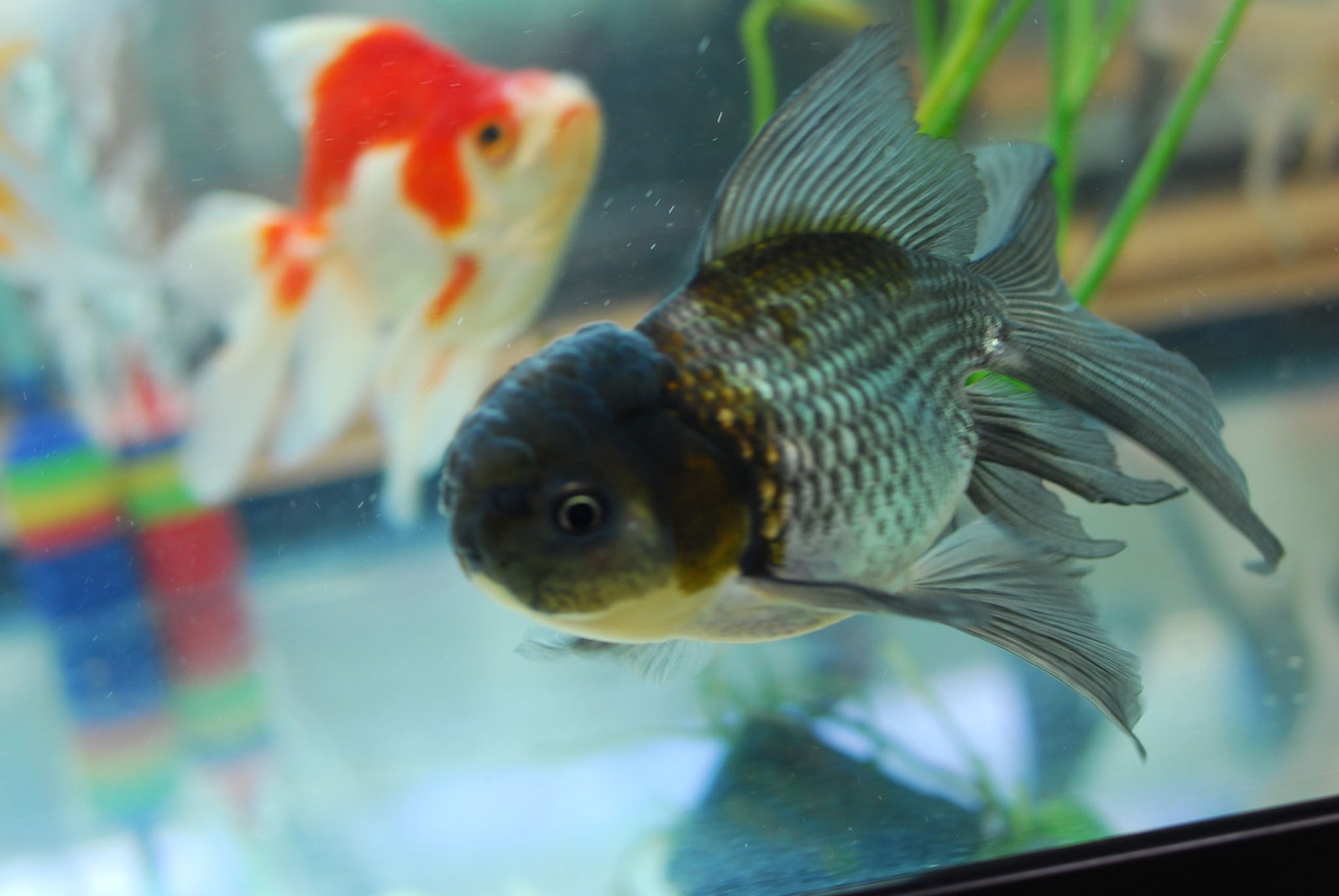
Telescope Goldfish are known for their enlarged protruding eyes and rounded fancy body shape.
Their vision may be more limited than that of standard Goldfish, so avoid sharp decor and highly competitive tankmates.
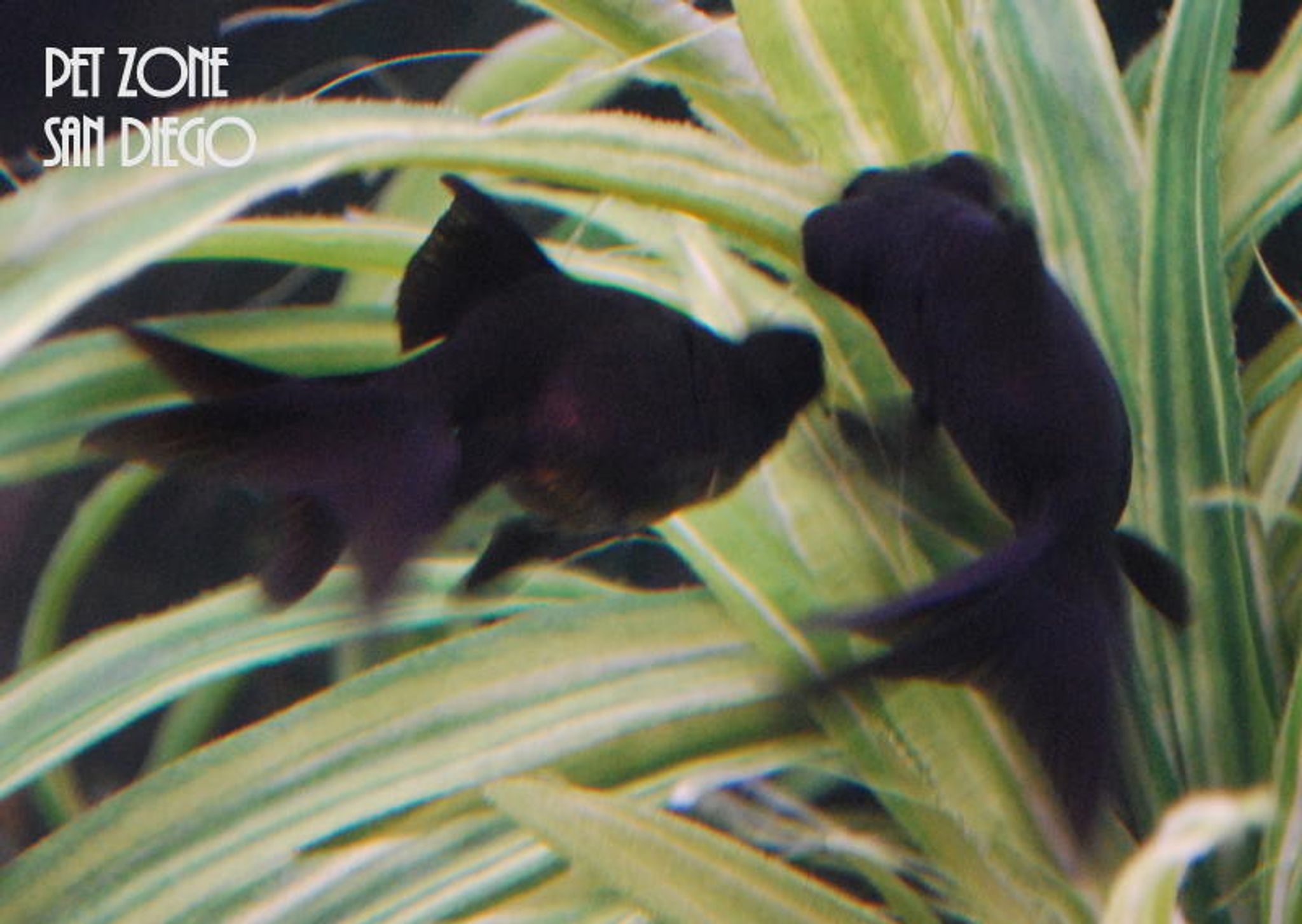
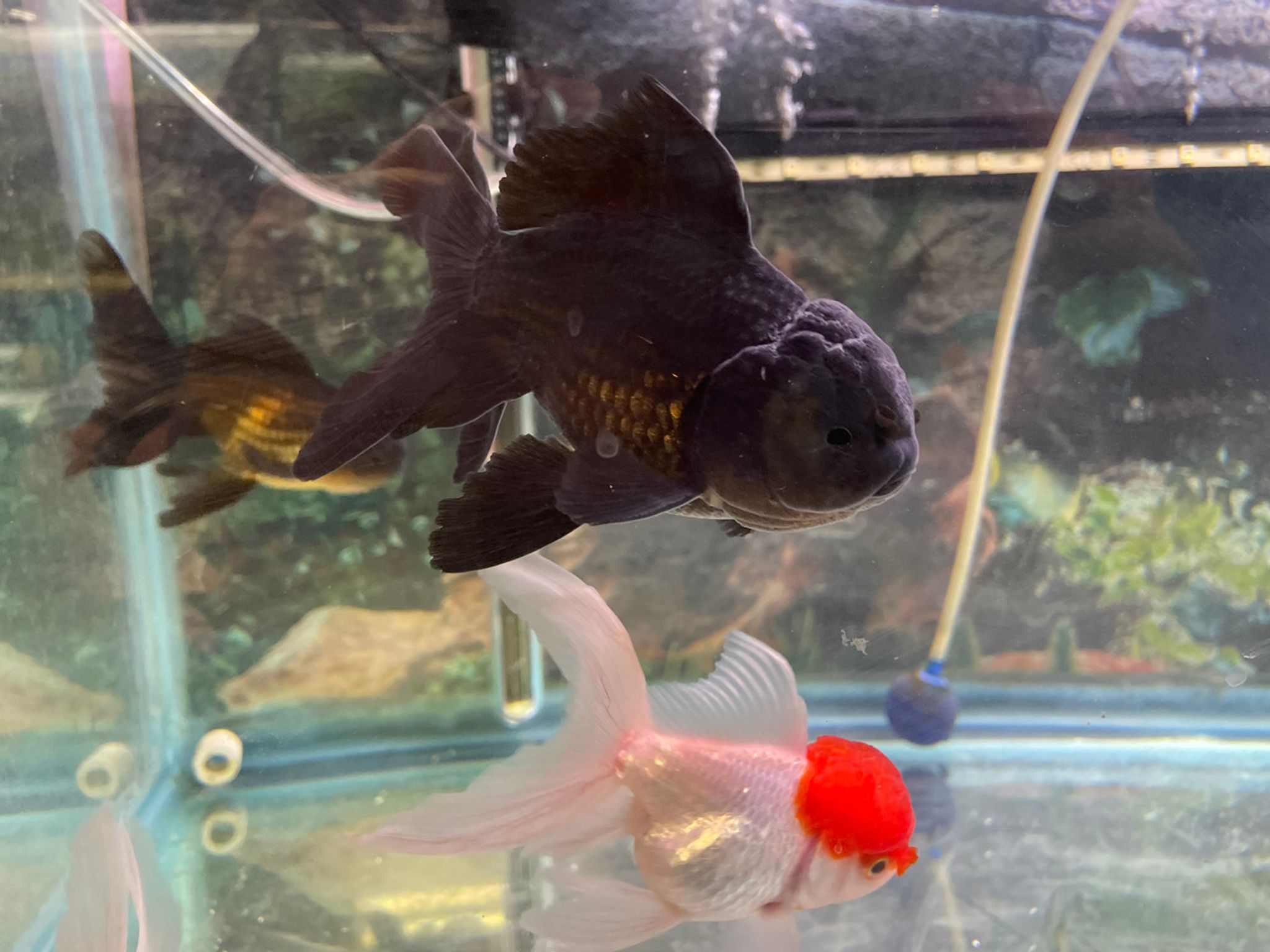
Black Moor Goldfish are a dark-colored Telescope variety with protruding eyes and a rounded body.
Young fish may display deep black coloration that can change with age, genetics and environmental conditions.
Lionhead Goldfish are dorsal-less fancy Goldfish developed for rounded bodies and prominent head growth.
They are related in appearance to Ranchu but differ in body profile, tail set and breeding standards.
Pearlscale Goldfish are known for their rounded bodies and raised, pearl-like scales.
Their compact shape makes them visually distinctive, but they should be kept with compatible Goldfish that do not outcompete them for food.
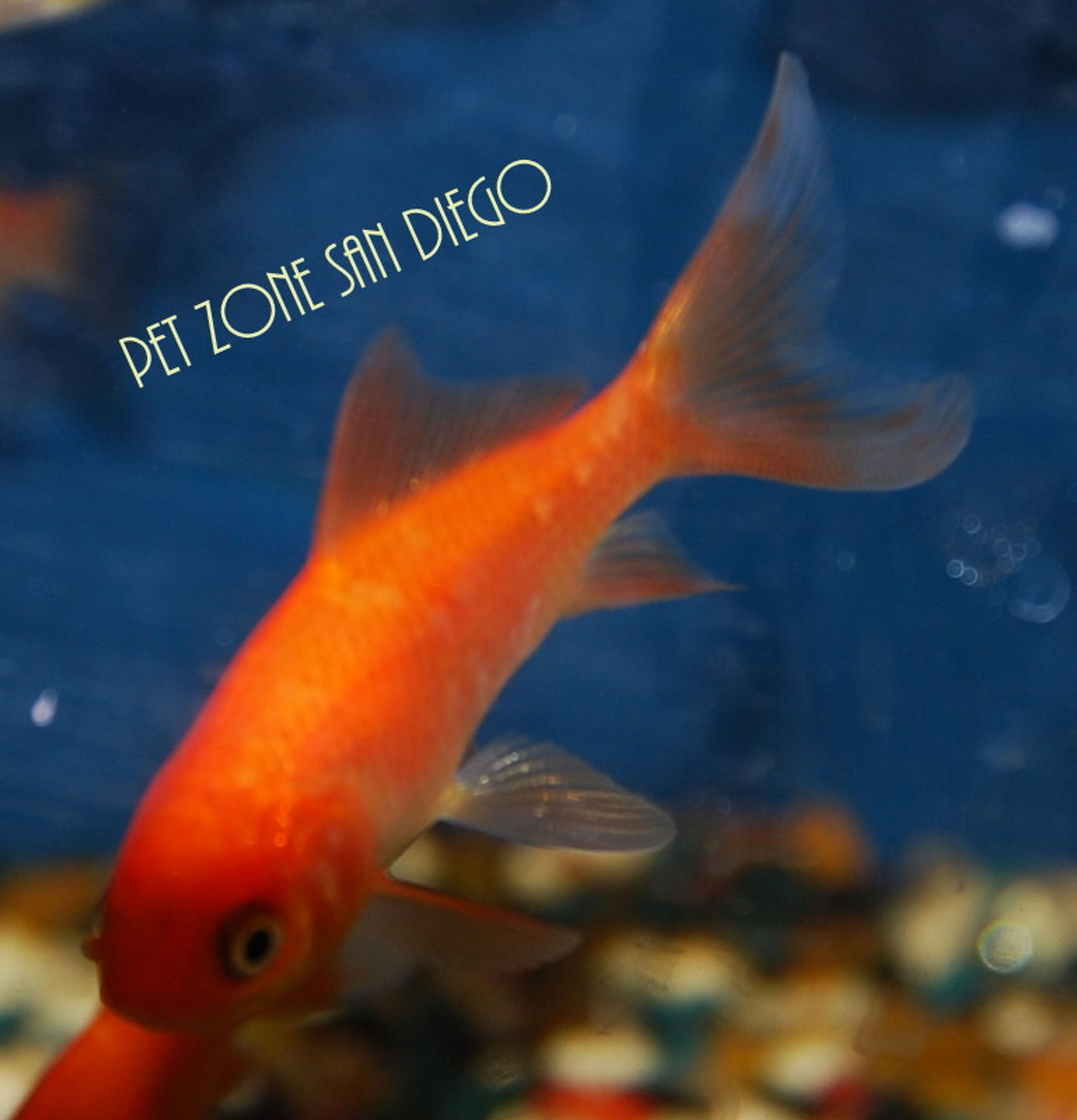
Common Goldfish have streamlined bodies and single tails and are very different in swimming ability from many fancy varieties.
They can grow large and are often better suited to spacious aquariums or ponds than small indoor tanks.
Comet Goldfish are active, streamlined Goldfish with long single tails.
Their adult size and strong swimming ability make them more suitable for larger systems than compact fancy Goldfish setups.
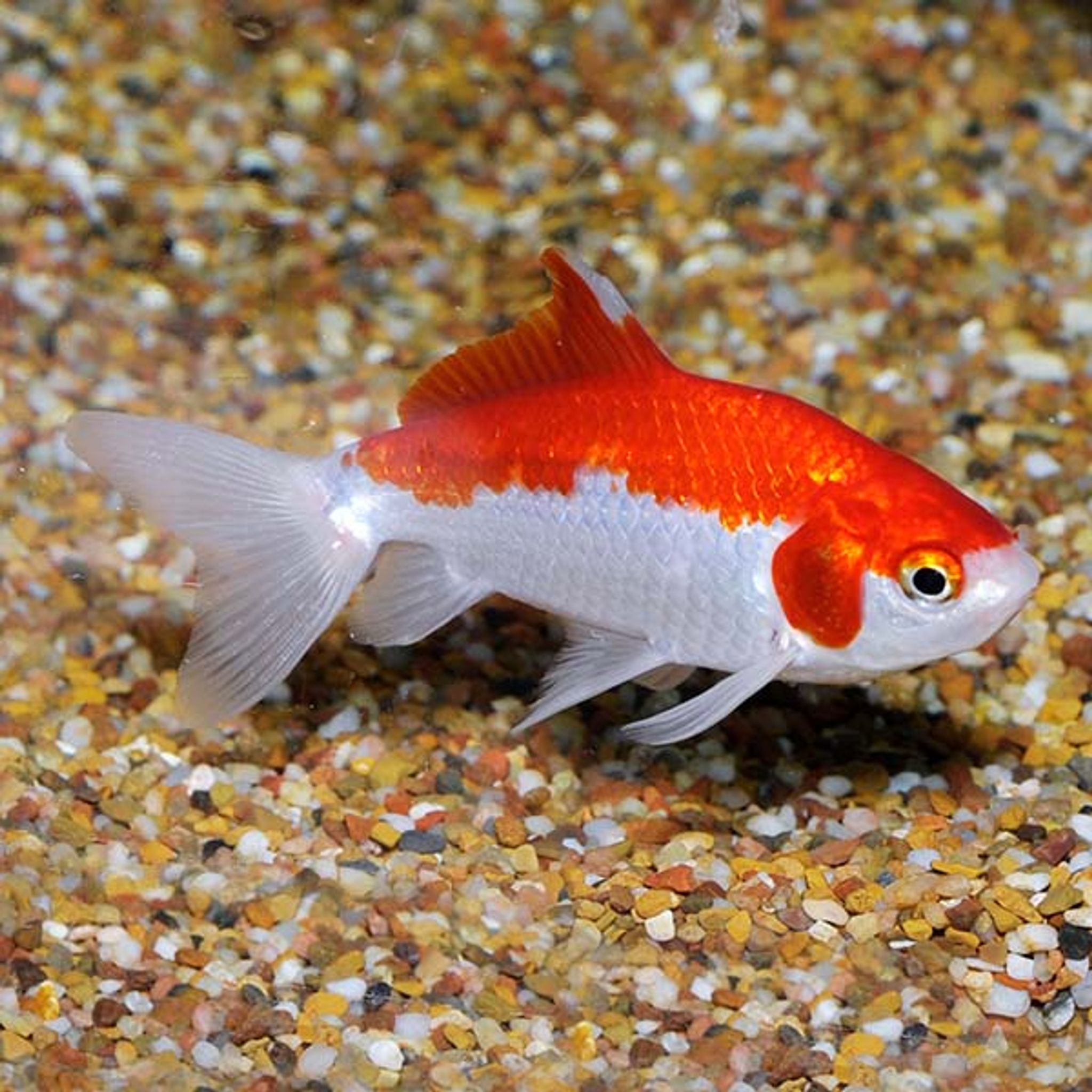
Shubunkins are single-tail Goldfish known for calico coloration that can include blue, red, orange, black and white.
They are active swimmers and are especially popular in larger aquariums and ponds.
Fancy Goldfish generally have deeper bodies and paired tail fins, while Common, Comet and Shubunkin Goldfish have more streamlined bodies and single tails.
Their swimming speed, adult size and space requirements can differ significantly, so these groups should not automatically be treated as interchangeable.
Goldfish can grow considerably larger than many people expect.
Adult size varies by variety, genetics and husbandry, so aquarium planning should be based on mature size rather than the size of juvenile fish offered for sale.
Goldfish need properly cycled aquariums with generous swimming space, stable water quality and strong filtration.
Decor should leave open swimming areas and should be chosen carefully for delicate fancy varieties with long fins, protruding eyes or limited mobility.
Goldfish are active feeders and can produce substantial waste.
Reliable biological and mechanical filtration, combined with routine maintenance, is important for keeping water quality stable.
Goldfish benefit from stable freshwater conditions with good oxygenation and consistent maintenance.
Avoid rapid changes in temperature or water chemistry and match husbandry to the exact Goldfish variety and local conditions.
Goldfish are generally kept cooler than many tropical aquarium fish, although exact preferences can vary between varieties and environments.
Stable temperature and good oxygenation are more important than repeatedly chasing a single exact number.
Common Goldfish, Comets and Shubunkins are especially popular for outdoor ponds because of their strong swimming ability and streamlined body shape.
Pond suitability depends on climate, depth, filtration, predator protection and the exact fish being kept.
Fancy Goldfish are commonly kept in indoor aquariums where their body shape, coloration and swimming behavior can be viewed closely.
Even fancy varieties need substantial space and should not be kept in small bowls or undersized containers.
Goldfish are usually best kept with compatible Goldfish or carefully selected cool-water species.
Avoid mixing them casually with tropical fish that require significantly different temperatures or with aggressive species that may nip fins.
Many fancy Goldfish can live together when body type, swimming ability and feeding competitiveness are reasonably matched.
Very slow or visually impaired varieties may struggle when housed with faster, more competitive fish.
This combination is often less ideal because Comets are much faster swimmers and can outcompete slower fancy Goldfish for food.
Their long-term space requirements also differ, so similar-bodied Goldfish are often easier to manage together.
Goldfish may uproot, nibble or disturb many aquarium plants.
Hardy plants, protected roots or alternative aquascaping approaches may work better than delicate planted-tank layouts.
Goldfish are omnivorous and benefit from a varied diet suited to their size and body type.
Suitable foods can include quality Goldfish pellets or other prepared foods along with appropriate plant-based and supplementary foods.
Fancy Goldfish can have different feeding abilities because of their compact body shapes and swimming styles.
Observe each fish during feeding to make sure slower individuals receive enough food without excessive overfeeding.
Fancy Goldfish with highly compact body shapes can be more prone to buoyancy or swimming difficulties than streamlined varieties.
Abnormal floating, sinking or loss of balance can have multiple causes, so persistent problems should be evaluated rather than assumed to be one specific condition.
Orandas, Ranchu, Lionheads and some related fancy Goldfish may develop fleshy head growth.
Keep water quality high and monitor the fish for injuries, irritation or excessive growth that may interfere with normal function.
Goldfish are egg-scattering fish and may spawn seasonally when mature and kept under suitable conditions.
Adults may eat eggs, so breeders often use separate spawning setups or protective structures when raising fry intentionally.
Sexing Goldfish can be difficult outside the breeding season, especially in young fish.
Mature fish may show differences in body shape and reproductive condition, but visual sexing is not always reliable from a listing photo alone.
FishyHub can feature Goldfish from aquarium stores and breeders across the United States, including sellers specializing in fancy varieties.
Domestic breeders may offer individual fish selected for body shape, pattern, color and variety-specific traits.
Fancy Goldfish are bred around the world, and some U.S. hobbyists seek imported Ranchu, Oranda and other specialty lines.
Where available, confirm seller origin information, import or transshipping arrangements, shipping terms and live-arrival policies before purchasing imported livestock.
When comparing Goldfish for sale, look for:
Newly shipped Goldfish may experience stress from transport and differences in water conditions.
Prepare a stable, cycled aquarium or pond before arrival and follow the seller's acclimation guidance for the livestock being introduced.
Quarantine and observation can help reduce the risk of introducing parasites or disease into an established Goldfish collection.
Monitor appetite, breathing, fins, skin, swimming behavior and waste before combining new fish with existing livestock.
Goldfish prices vary according to variety, size, body quality, coloration, breeder line, rarity and seller.
Common Goldfish and highly selected Ranchu, Oranda or other premium fancy varieties can differ substantially in price, so compare the individual fish, breeder information and seller terms rather than price alone.
FishyHub brings Goldfish listings from aquarium stores, breeders and specialist sellers together in one marketplace.
When comparing Goldfish online, consider:
Shipping availability depends on the seller, destination, fish size, weather and livestock-shipping policy.
Review packaging, delivery timing and live-arrival terms before ordering, and make sure the aquarium or pond is prepared before the Goldfish arrive.
Yes. Aquarium stores and breeders sell Goldfish online across the U.S., depending on seller shipping coverage and livestock policies.
Ranchu, Oranda, Ryukin, Fantail, Telescope, Black Moor, Lionhead and Pearlscale are among the most popular fancy varieties.
Adult size varies by variety, but Goldfish can grow much larger than their juvenile sale size, so long-term space should be planned accordingly.
Goldfish require filtered, cycled systems with adequate swimming space and should not be treated as bowl-sized pets.
It is often not ideal because Comets are faster swimmers and can outcompete slower fancy Goldfish for food.
Goldfish are generally kept at cooler temperatures than many tropical aquarium fish, but exact conditions should be matched to the variety, system and local environment.
No. Ranchu lack a dorsal fin and have a distinctive curved back, while Orandas retain a dorsal fin and are also known for developed head growth.
FishyHub helps U.S. hobbyists compare Goldfish listings from aquarium stores, breeders and specialist sellers in one marketplace.
Explore Goldfish for sale on FishyHub and compare Ranchu, Oranda, Ryukin, Fantail, Telescope, Black Moor, Lionhead, Shubunkin and other Goldfish varieties. Discover listings from aquarium stores and breeders across the United States, and compare variety, size, body shape, coloration, price and shipping options before choosing your next Goldfish.
