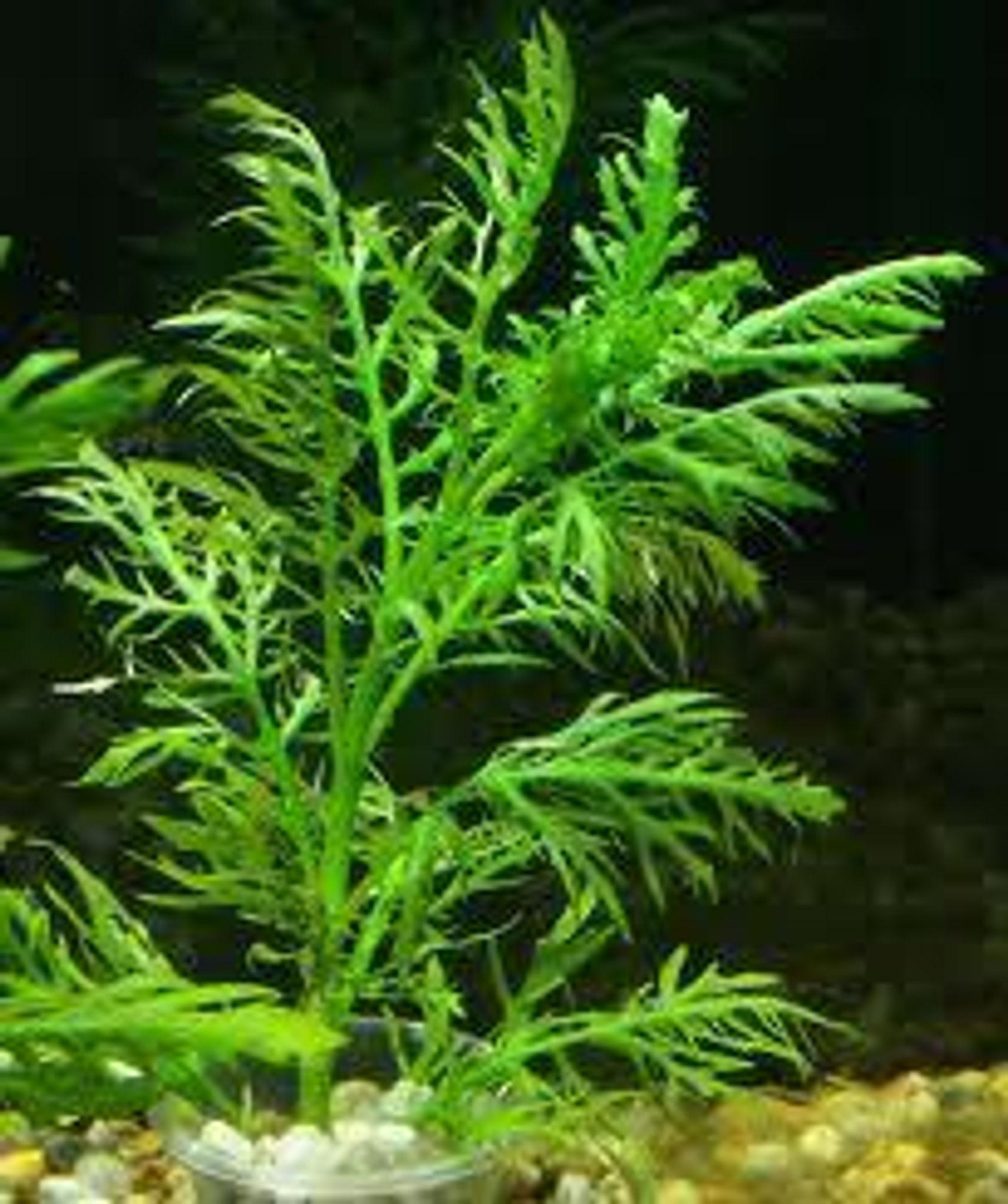
Why Is My Water Wisteria Melting or Turning Brown? Causes and Fixes
Watching newly planted water wisteria turn yellow, brown, or mushy is alarming, but in most cases it is not a sign your tank is failing. This guide explains what "melting" actually is, why it happens, and the exact steps to get your wisteria growing strong new leaves underwater.
What Melting Actually Means
Melting is the breakdown of leaf and stem tissue into a translucent, mushy state that falls apart when touched. It is different from ordinary aging.
- True melt: leaves turn glassy or see-through, feel slimy, and disintegrate at the slightest touch.
- Normal senescence: a few older, lower leaves turn yellow or brown one at a time while the rest of the plant stays firm.
- Pest or algae damage: leaves stay structurally intact but are coated in algae, have holes, or show chew marks — the tissue itself doesn't dissolve.
If you're only seeing a couple of yellowing leaves near the base while new growth pushes out at the top, that's not melt — that's a plant redirecting energy, which is completely normal.
Why Water Wisteria Melts After You Plant It
The Emersed-to-Submersed Transition
Most water wisteria (Hygrophila difformis) sold in stores is grown emersed — above water, nursery-style, in humid greenhouse trays. Emersed leaves have a thinner cuticle and different stomata (the pores that regulate gas and water exchange) than leaves grown fully underwater. Once submerged, those emersed-grown leaves simply aren't built for life underwater and begin to yellow, brown, and dissolve, usually within 1 to 3 weeks of planting.
This is a normal, expected transition — not disease. The plant is shedding leaves it can't use and replacing them with new submersed-form leaves that are thinner and better suited to growing underwater. As long as the stem and roots stay firm and white or green, this process is temporary.
Other Causes of Melting or Browning
Transition melt isn't the only explanation. These factors can trigger or worsen melting on their own, even in an established plant:
- Low or unstable lighting — too little light causes leggy stems, leaf drop, and stalled growth.
- Nutrient deficiency — especially potassium, nitrogen, or iron.
- Fluctuating water parameters — temperature, pH, or hardness shifting right after introduction.
- Insufficient CO2 relative to light intensity — high light without enough carbon can cause the plant to outpace its own nutrient uptake and decline.
- Poor planting depth or anchoring — loose stems rot at the cut end instead of rooting.
- Old, high-organic tank water — ammonia or nitrite spikes stress the plant directly.
- Sudden dosing or water-change changes — a big jump in fertilizer amount or an oversized water change right after planting.
Because both transition melt and these husbandry issues look similar at first, the safest approach is to treat the first 1–3 weeks as a normal adjustment window (stay patient, keep conditions stable) while also providing good light and complete fertilization from day one. That way, if the cause turns out to be a deficiency rather than simple transition, you're already fixing it instead of waiting to find out.
Ideal Conditions for Water Wisteria
| Parameter | Recommended Range |
|---|---|
| Temperature | 72–82°F (22–28°C) |
| pH | 6.5–7.5 |
| Hardness | Adaptable; moderate to soft-medium water works well |
| Lighting | Medium to high intensity |
| Water changes | 20–30% weekly, kept consistent |
| Planting depth | Bury stem base 1–1.5 inches (2.5–4 cm) in substrate |
Water wisteria is fairly forgiving on hardness, but low light is a common weak point — it causes leggy, sparse stems and leaf drop even outside of the melting process described above.
Fix Checklist: What To Do Right Now
- Trim and remove all melted or mushy tissue immediately. Decaying plant matter fouls the water and can spike ammonia, especially in a newer tank.
- Leave healthy stem and roots in place. Don't uproot the whole plant just because the top leaves melted — the base is often still alive.
- Keep parameters completely stable for 2–4 weeks. Avoid big swings in temperature, pH, or dosing while new leaves establish.
- Increase light to medium-high intensity, positioned directly over the plant rather than shaded by taller neighbors. A dedicated aquarium LED lamp makes it easier to give stem plants consistent, strong light.
- Dose a complete liquid fertilizer (macro + micro nutrients) 2–3 times per week rather than sporadically — inconsistent dosing can itself trigger melting.
- Add root tabs near the base. Wisteria is a heavy root feeder in addition to pulling nutrients from the water column.
- Consider CO2 injection or a liquid carbon supplement if growth stalls under higher light — more light without more carbon can cause deficiency-driven browning.
- Replant stems that rot at the base. Trim off the rotten section and replant the healthy top cutting; re-anchor it in substrate.
Planting Depth vs. Floating Stems
Burying stem bases 1–1.5 inches into substrate improves anchoring, supports root uptake, and reduces base rot at the cut end. That said, water wisteria can also grow perfectly well as a loose or floating stem plant if you're struggling to get it to root — it will simply draw more of its nutrition from the water column instead of the substrate. Either method works; buried stems just tend to establish faster and resist melting at the base.
Potassium: The Overlooked Deficiency
Potassium (K) is one of the "big three" macronutrients alongside nitrogen and phosphorus, and it's frequently the cause of unexplained spotting or browning even when nitrogen and iron levels look fine.
- Symptoms: pinholes, yellow or brown spotting, and necrotic patches concentrated on older leaves.
- Cause: heavier-light or heavily-planted tanks consume potassium quickly, and plants pull it preferentially from older leaves when supply runs short.
- Fix: dose a potassium supplement or a complete all-in-one liquid fertilizer weekly, following label dosing per gallon.
Overdosing potassium carries low risk compared to other nutrients, but it's still worth sticking to label guidance rather than guessing.
Choosing a Fertilizer for Water Wisteria
Aquarium plant fertilizers generally fall into two categories, and understanding the difference helps you dose correctly:
- Liquid/water-column fertilizers: absorbed mainly through the leaves, ideal for fast-growing stem plants like water wisteria.
- Root tabs/substrate fertilizers: buried near the base, feeding heavy root feeders directly through their roots.
For most beginners, an all-in-one liquid fertilizer covering nitrogen, phosphorus, potassium, and trace elements (iron, manganese) is the simplest starting point, paired with root tabs for extra support. Iron-rich supplements are more important for red-tinted or broad-leaf plants; water wisteria's core needs are simply light plus a balanced N-P-K supply. Whatever product you choose, dose it consistently — 2 to 3 times weekly — since irregular dosing is itself a common trigger for melting.
Common Mistakes to Avoid
- Uprooting the whole plant at the first sign of melt instead of trimming dead tissue and waiting it out.
- Leaving decaying leaves in the tank, which fouls water and raises ammonia — always siphon out melted debris promptly.
- Adding wisteria to a brand-new, uncycled tank, where ammonia and nitrite spikes compound the stress of transition.
- Keeping light too low, or letting taller plants shade it, causing leggy stems and leaf drop even without classic melt.
- Making big sudden water changes or large fertilizer dosing changes right after planting — stability matters more than perfection in the first few weeks.
- Not anchoring stems in substrate, letting them float freely and rot at the cut ends.
- Assuming all yellowing is nutrient-related and over-fertilizing in response, which can trigger algae blooms when the real cause was simple emersed-to-submersed transition.
When Melting Signals a Dying Plant
Most melting resolves with patience and stable care, but there are limits. Consider the plant genuinely failing — not just transitioning — if:
- The entire stem has turned to mush with no firm tissue remaining anywhere.
- There is no white or green base/root left to regrow from.
- No new growth appears after 4–6 weeks of stable conditions, adequate light, and fertilization.
If you hit all three, it's reasonable to remove the plant and start fresh with new stock rather than continuing to wait.
The "Growing Above Water" Look-Alike
In open-top tanks, water wisteria stems that reach the surface will often keep growing emersed again, poking leaves into open air. These emersed leaves can look different — sometimes tougher, sometimes discolored at the very tips — which can be mistaken for browning or dieback. In reality, this is just the plant switching growth forms at the waterline, not a health problem. Trimming stems back below the surface resolves the cosmetic difference if you'd rather keep growth fully submerged.
Frequently Asked Questions
Is it normal for water wisteria to melt after I plant it?
Yes, especially with store-bought stock that was grown emersed. Expect some yellowing or browning in the first 1–3 weeks after planting, and it typically regrows once the plant acclimates to underwater life.
Should I remove melted leaves or wait?
Remove melted or mushy tissue promptly, since decaying matter fouls the water and can raise ammonia. Leave the stem and roots in place as long as they're still firm and white or green.
Will my water wisteria come back after melting?
Usually yes, as long as the base and roots stay healthy and conditions remain stable. New leaves typically emerge from the stem nodes within a few weeks.
What light and fertilizer does water wisteria need?
Medium to high light along with a complete liquid fertilizer covering N-P-K and trace elements, plus optional root tabs. Low light or missing nutrients is one of the most common non-transition causes of browning.
Does water wisteria need CO2?
No — it grows well without CO2 injection in low-tech setups. Adding CO2 under higher light speeds up growth and reduces the risk of deficiency-driven browning.
Can water temperature or pH cause melting?
Yes. Sudden shifts outside roughly 72–82°F (22–28°C) or a pH of 6.5–7.5, or any large unstable swing right after introduction, can stress the plant into melting.
How do I tell melting apart from algae or disease?
True melting produces translucent, mushy tissue that falls apart at a touch, regardless of algae on the leaves. If leaves are structurally intact but covered in algae, that points to a light or algae problem rather than melt.
Can I plant water wisteria in gravel, or does it need special substrate?
It adapts to most substrates, including gravel, sand, and aquasoil. A nutrient-rich substrate or added root tabs help it establish faster and resist base rot, but no special substrate is required.
If your wisteria needs a boost of stable water conditions while it recovers, browse water conditioners and additives on FishyHub to support a smooth transition alongside the lighting and fertilizing steps above.

