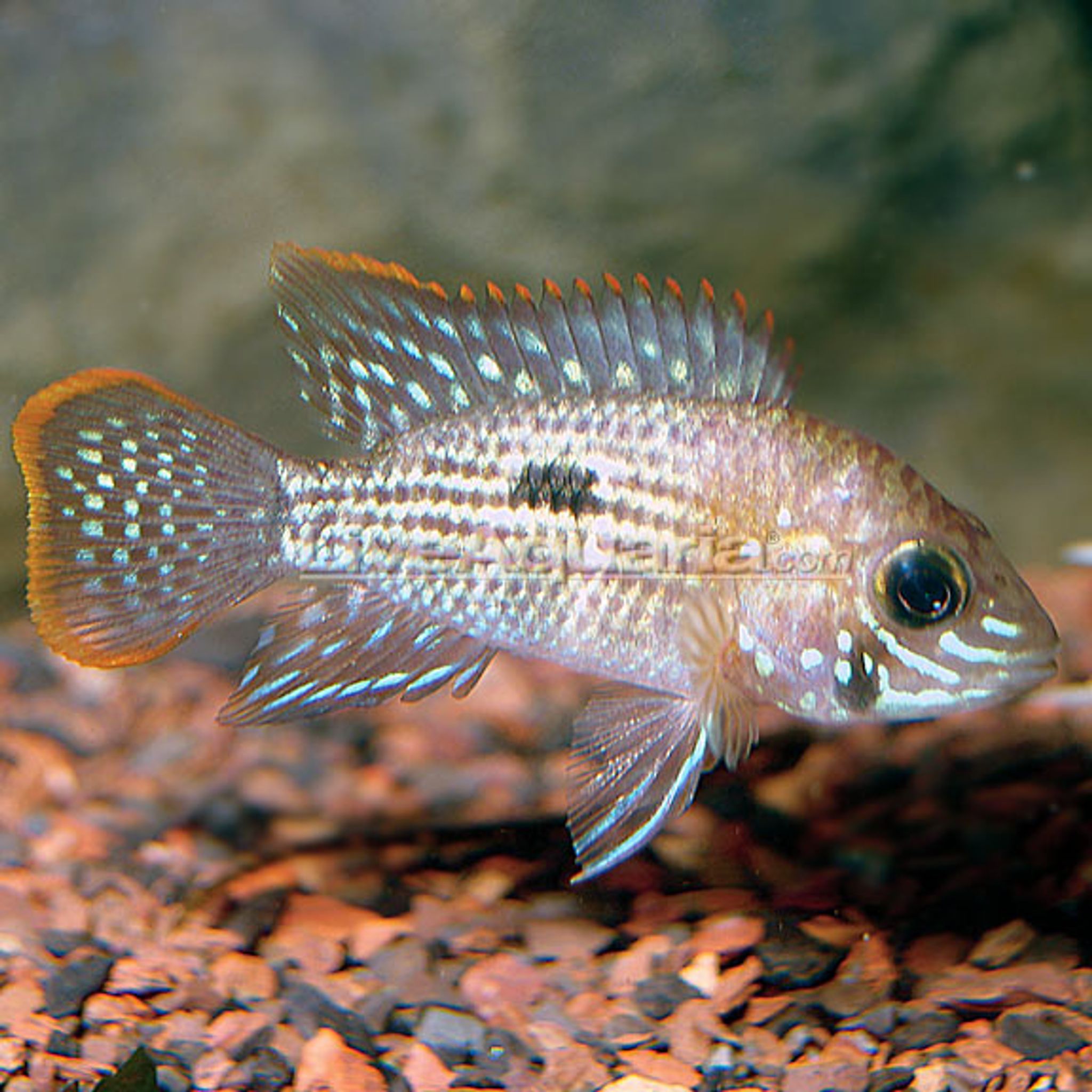
What Do Green Terror Eat? A Practical Feeding Guide
A Green Terror eats a mixed, protein-leaning diet built around a sinking cichlid pellet, supplemented with meaty frozen foods and the occasional vegetable. Getting the balance right by age and size is what separates a fast-growing, vividly colored adult from a stunted, aggressive, or bloated one. This guide breaks down exactly what to feed, how much, and how often at every stage.
Green Terror Quick Facts
The Green Terror (Andinoacara rivulatus, still labeled Aequidens rivulatus in some older references) is a South American cichlid native to Pacific coastal river drainages in Ecuador and Peru. It's a popular choice among cichlid keepers who want bold color without the extreme size of a true "monster fish."
| Trait | Detail |
|---|---|
| Adult size | Males 10–12 in (25–30 cm); females smaller, around 8 in (20 cm) |
| Lifespan | Roughly 10 years with good care |
| Minimum tank size | 55–75+ gallons (208–284+ L) as an adult |
| Temperament | Semi-aggressive, territorial, more so when paired or breeding |
| Diet type | Omnivore with a strong carnivorous lean |
Because they're territorial and grow large, feeding strategy has to account for both nutrition and tank dynamics — a hungry, dominant Green Terror will happily eat a subordinate tankmate's share.
Water Parameters That Support Good Feeding
Water quality and feeding are linked more tightly than most new keepers expect. Green Terrors do best at:
- Temperature: 72–78°F (22–26°C)
- pH: 6.5–7.8 (fairly adaptable)
- Hardness: moderate
Cichlids are messy, protein-heavy eaters, and overfeeding is one of the fastest routes to an ammonia spike. Strong filtration and weekly partial water changes of 25–30% should be treated as part of the feeding routine, not a separate chore — every extra bite of uneaten food is bioload that has to go somewhere.
What Do Green Terrors Eat in the Wild?
In their native rivers, Green Terrors forage across the substrate and among aquatic plants, eating aquatic insect larvae, small crustaceans, worms, occasional small fish, plus algae and plant debris they pick up while foraging. Gut-content studies of wild cichlids in this genus consistently show insects and detritus/algae material together, not a purely carnivorous diet. That's the model worth copying in the aquarium: a protein-heavy base with real plant matter mixed in, not treated as an afterthought.
Building a Feeding Plan
The Staple: Sinking Cichlid Pellets
Green Terrors feed mid-water and along the bottom, so sinking pellets or sticks work better than floating flakes, which they often ignore. Look for a cichlid-formula food with 35–40%+ protein, and size the pellet to the fish's mouth — a common mistake is offering pellets too small for a full-grown adult (they get ignored) or too large for a juvenile (they can't be eaten at all).
You can browse sized-appropriate cichlid diets and other prepared foods in FishyHub's Food & Supplements section, and pair the staple with a fish suited to a larger cichlid setup from the American Cichlids category if you're still stocking the tank.
Protein and Meaty Supplements (2–4x per week)
Rotate in richer foods a few times a week to round out the diet:
- Frozen or freeze-dried bloodworms
- Brine shrimp and mysis shrimp
- Chopped earthworms
- Krill
- Mussel or shrimp meat, or chunks of fish fillet
These are fattier than dry pellets, so treat them as supplements rather than the daily staple — feeding them every meal contributes to bloat over time. A quality option is stocked under Freeze Dried Food, which sidesteps the disease risk of live feeders entirely (more on that below).
Vegetables and Plant Matter
Because wild Green Terrors ingest plant debris and algae while foraging, occasional vegetable matter isn't optional extra credit — it supports digestion and helps maintain color. Offer:
- Blanched peas with the skins removed
- Blanched spinach or zucchini
- Spirulina-based pellets, flakes, or algae wafers
One or two vegetable-focused feedings a week is plenty.
Live Feeder Fish: Use Caution
Some older cichlid-keeping advice lists live feeder fish as a normal option, and Green Terrors will readily eat them. Current practice leans away from this: feeder fish are often malnourished themselves and carry a real risk of introducing parasites or disease (ich and internal parasites are common). If you do use them, quarantine feeders for at least two weeks first. For most keepers, frozen or freeze-dried bloodworms, shrimp, or silversides deliver the same enrichment and nutrition with far less risk.
Feeding Frequency and Portion Size by Life Stage
| Life stage | Size | Feedings per day | Notes |
|---|---|---|---|
| Fry | Under ~1 in (2.5 cm) | Multiple small feedings | Infusoria first, then baby brine shrimp |
| Juvenile | Under 2–3 in (5–7.5 cm) | 3x | Small amounts; fast growth needs frequent fuel |
| Sub-adult | 3–6 in (7.5–15 cm) | 2x | Transition toward adult portions |
| Adult | 6+ in (15+ cm) | 1–2x | One larger feeding plus fasting day, or two smaller feedings |
Sources genuinely split on adult frequency — some recommend twice daily in small portions, others say once daily is sufficient. A practical middle ground: feed once daily as your default, with an occasional second light feeding, and build in a weekly fasting day either way. Skipping food one day per week lets digestion reset and is standard practice among cichlid keepers to prevent obesity.
How Much Is "Enough"?
Forget precise gram measurements — the reliable rule is the 2–3 minute rule: offer only what your Green Terror can fully consume in that window. As a rough visual cue, a single feeding is roughly a pinch of pellets per 3–4 inches of fish, adjusted until nothing sits uneaten. It's better to underfeed slightly and add a bit more than to dump in excess that sinks, rots, and spikes ammonia.
Feeding frequency also ties to growth expectations: juveniles fed 3x daily on a protein-rich diet should show steady, visible growth month to month; if a young Green Terror seems to be stalling in size despite frequent feeding, water quality or an under-sized/under-protein diet is a more likely cause than genetics.
A Sample Weekly Feeding Schedule
| Day | Feeding focus |
|---|---|
| Monday | Sinking cichlid pellets |
| Tuesday | Frozen bloodworms or mysis shrimp |
| Wednesday | Sinking cichlid pellets |
| Thursday | Blanched peas or spirulina pellets |
| Friday | Frozen brine shrimp or krill |
| Saturday | Sinking cichlid pellets |
| Sunday | Fasting day (adults) |
Adjust portions and add feedings for juveniles, who need three smaller meals daily rather than this once-a-day adult template.
Feeding for Color
Green Terrors are prized for the blue, green, and orange coloring that develops with age, and that coloring is diet-sensitive. Natural pigment sources — shrimp, krill, spirulina, and color-enhancing pellet formulas — supply the carotenoids that support vivid color. A diet of flakes alone, fed long-term, commonly leads to duller coloring and nutritional gaps over time, even if the fish otherwise looks healthy.
Tank Setup and Feeding Behavior
Because Green Terrors forage along the substrate, sinking pellets suit their natural feeding style better than surface foods. Substrate choice matters too: fine sand or fine gravel reduces the risk of impaction if the fish incidentally ingests substrate while rooting around for food, compared to coarse gravel.
Breeding and Fry Feeding
Paired Green Terrors become noticeably more aggressive and territorial once they start guarding a spawn, and appetite can shift during this period — some pairs eat less while intensely guarding eggs or fry, so don't be alarmed by a temporary drop in feeding activity. Increasing protein-rich foods in the weeks leading up to spawning is a common practice to support egg production.
Once fry are free-swimming, they need very different food:
- Infusoria for the first few days
- Baby brine shrimp as they grow
- Crushed flake or pellet food once large enough to handle it
Feeding a Mixed Tank
Green Terrors are semi-aggressive and territorial, and a dominant individual — especially a breeding adult — will monopolize food if given the chance, leaving tankmates underfed. Compatible tankmates typically include other robust South American cichlids, larger tetras or barbs, and plecos, but feeding strategy matters as much as species choice:
- Feed at multiple points in the tank simultaneously so one fish can't guard the entire food source.
- Target-feed smaller or more timid tankmates directly if you notice they aren't getting enough.
- Watch body condition across all fish, not just the Green Terror, to catch a starving subordinate early.
Common Feeding Mistakes and Fixes
| Mistake | What happens | Fix |
|---|---|---|
| Overfeeding | Bloating, constipation, lethargy, ammonia spikes | Apply the 2–3 minute rule; add a weekly fasting day |
| Flakes/dry food only, long-term | Duller color, nutritional gaps | Rotate in frozen protein and vegetables weekly |
| Wrong pellet size | Food ignored (too small) or uneaten (too large) | Match pellet size to mouth size at each life stage |
| Live feeders, no quarantine | Parasites, disease introduction | Quarantine 2+ weeks or switch to frozen equivalents |
| Dominant fish hogging food | Subordinate tankmates go hungry | Feed at multiple spots; target-feed weaker fish |
| Bloat mistaken for illness | Diet-related bloat treated as disease | Skip a meal, then offer blanched peas |
Transitioning to a New Food
If you're switching a Green Terror from one staple food to another, mix the new food in with the old over 1–2 weeks rather than swapping cold turkey. Cichlids can be surprisingly picky about a sudden change, and a gradual blend avoids a fish that simply refuses to eat the new option.
Reliable filtration also matters more than most keepers realize once you're feeding a heavier protein diet — check out FishyHub's Filters selection if your current setup isn't keeping pace with a cichlid-sized bioload.
Frequently Asked Questions
How often should I feed my Green Terror cichlid?
It depends on age. Juveniles under 2–3 inches should be fed three times a day in small amounts to fuel fast growth, while adults do well on one to two feedings daily plus a weekly fasting day to prevent obesity.
What is the best staple food for Green Terrors?
A quality sinking cichlid pellet formulated for omnivorous or carnivorous South American cichlids, with 35–40%+ protein and sized to the fish's mouth, makes the best everyday staple. Sinking pellets suit their natural mid-to-bottom feeding style better than floating flakes.
Can Green Terrors eat vegetables?
Yes. Blanched peas with skins removed, spinach, zucchini, and spirulina-based foods offered a couple of times a week support digestion and help maintain color, mirroring the plant and algae matter they eat in the wild.
Do Green Terrors need live food?
No. Frozen or freeze-dried bloodworms, brine shrimp, and mysis shrimp provide the same nutritional benefits as live feeder fish with far less risk of introducing parasites or disease.
How much should I feed at each meal?
Offer only what your Green Terror can fully eat in about 2–3 minutes, and remove any excess. It's better to slightly underfeed and add a bit more than to overfeed and let leftover food foul the water.
Why is my Green Terror losing its color?
Diet is a common cause — too little variety, protein, or carotenoid-rich food like shrimp, krill, or color-enhancing pellets can dull coloring over time. Poor water quality and chronic stress can also contribute, so rule those out alongside diet.
Can Green Terrors be fed feeder fish?
They can and will eat feeder fish, but it's generally discouraged because feeder fish often carry parasites or disease and tend to be nutritionally poor themselves. Frozen or freeze-dried alternatives like krill, shrimp, and silversides are the safer default.
How do I feed a tank with a Green Terror and other fish?
Spread food across multiple locations in the tank at the same time so the Green Terror can't guard the entire supply, and target-feed smaller or shyer tankmates directly if needed. Watching body condition across all fish helps catch an underfed subordinate before it becomes a problem.
Ready to build out your cichlid setup? Browse sized, protein-rich diets and feeding supplies in FishyHub's Food & Supplements category.

