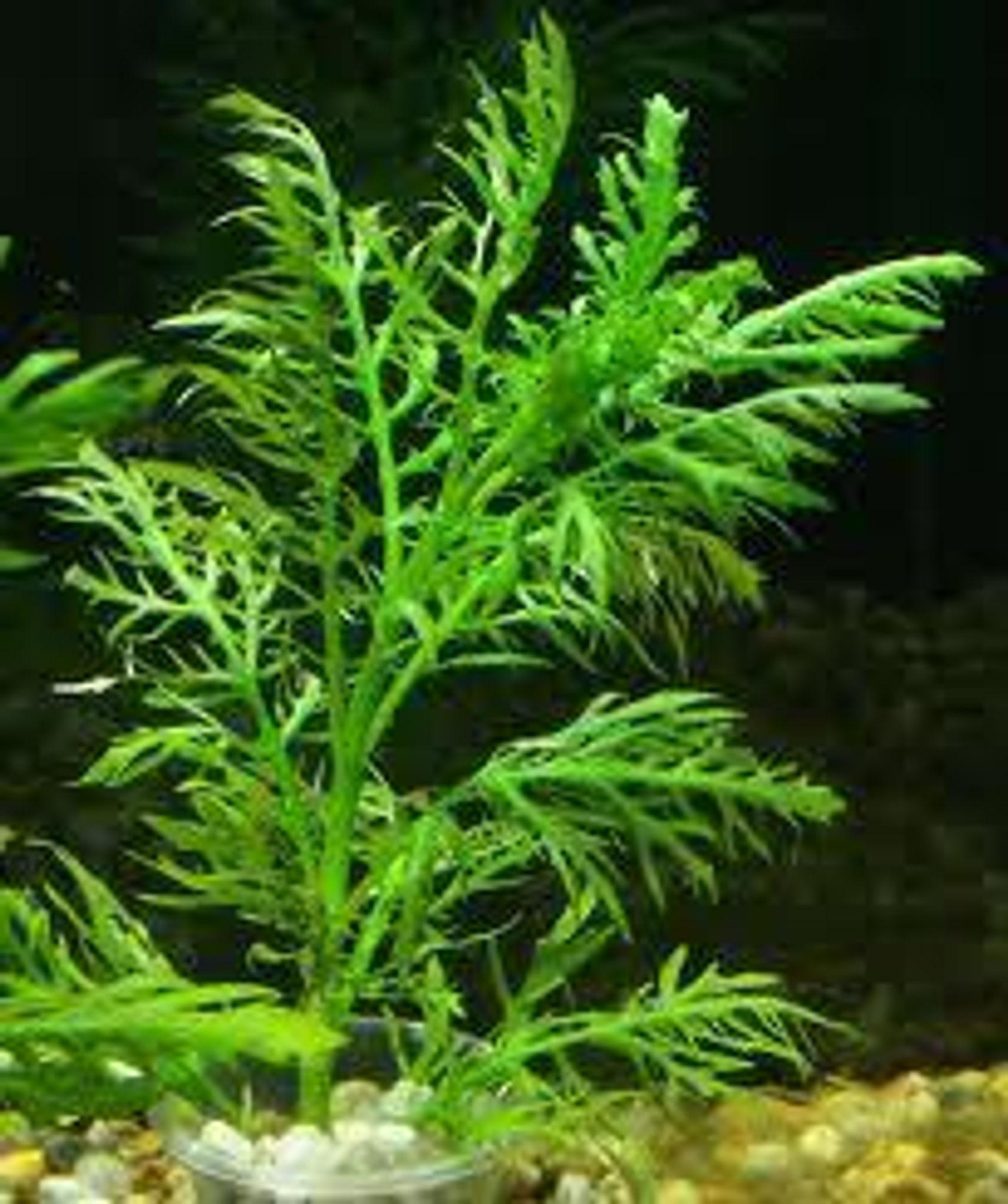
Water Wisteria Care Guide: Light, CO2, Substrate and Growth Tips
Water wisteria (Hygrophila difformis) is one of the most forgiving stem plants a freshwater aquarium can hold, tolerating everything from a bare low-tech tank to a fully injected CO2 setup. This guide breaks down exactly how much light, CO2, and substrate it actually needs, why newly planted specimens often yellow and drop leaves, and how to keep its fast growth from taking over the tank.
Species Background
Water wisteria is native to slow-moving waters across South and Southeast Asia. It's sold almost exclusively as a background or mid-ground stem plant, and most retail stock is grown emersed — above the waterline in a nursery tray — rather than fully submerged. That detail matters more than most buyers expect, because emersed leaves behave differently once the plant goes underwater (more on that below). It's a staple beginner plant precisely because it adapts to a wide range of lighting, substrate, and CO2 conditions without much fuss.
Light Requirements
Water wisteria tolerates low light and will survive under it, but that's a survival mode, not its best mode. Under medium-to-high light — roughly the equivalent of 2-4+ watts per gallon in older lighting terms, or about 30-50+ PAR from a modern LED — growth speeds up noticeably and leaves come in fuller, with the classic broad, lacy shape. Under low light, expect slower growth and a tendency toward leggy stems with wide gaps between leaves as the plant stretches toward the light source.
A practical way to frame it: low light is acceptable, not optimal. If your only goal is a background filler that survives, low light works. If you want dense, bushy growth that fills a tank quickly, aim medium-to-high.
Photoperiod matters as much as intensity. The consensus range is 8-12 hours per day, with most planted community tanks doing well around 8-10 hours. Running more hours or higher intensity than your nutrient and CO2 levels can support just feeds algae instead of the plant — duration and intensity both need to be matched to what else is going on in the tank.
CO2: Optional, Not Required
Water wisteria does not need injected CO2. It grows perfectly well in a low-tech tank relying on ambient CO2 alone. That said, adding pressurized or liquid carbon CO2 noticeably speeds growth, shortens the awkward emersed-to-submersed transition period, and produces denser, more colorful leaves with tighter internode spacing.
Here's a side-by-side of what to expect from each setup path:
| Setup type | Light level | CO2 | Typical growth rate | Leaf appearance |
|---|---|---|---|---|
| Low-tech | Low-medium | None (ambient only) | ~0.5-1 in/day | Thinner, more finely divided |
| Mid-tech | Medium | Liquid carbon (optional) | ~1-2 in/day | Fuller, moderately dense |
| High-tech | Medium-high | Injected/pressurized | ~2-3 in/day | Dense, broad leaves, strong color |
Pick the setup that matches your maintenance appetite — a low-tech tank needs less trimming and dosing, while a high-tech tank rewards more attention with noticeably faster, denser growth.
Substrate and Planting
Water wisteria isn't picky about substrate type. Fine gravel, sand, or a nutrient-rich planted substrate all work fine. The one thing to avoid is very coarse or large-grain gravel, which makes it hard for the plant's fine roots to anchor. Since it feeds through both its roots and its leaves, a nutrient-rich substrate or regular root tabs will give it an edge, especially in an inert substrate like plain gravel or sand — you can browse substrate options to match your setup.
Planting Depth and Spacing
- Bury the stem base 1-2 inches into the substrate — deep enough to anchor, but there's no real benefit to burying it as deep as possible.
- Space stems 1-2 inches apart to avoid self-shading, which causes lower leaves to melt as they get cut off from light.
- It can also be left floating, unplanted, with roots trailing in the water column — a valid option if you don't want to disturb the substrate or simply want extra surface cover.
Water Parameters
Water wisteria is adaptable, and stability matters more than hitting an exact number. Reasonable target ranges:
| Parameter | Range |
|---|---|
| Temperature | 68-82°F (20-28°C) |
| pH | 6.0-7.5 (neutral to slightly acidic preferred) |
| Hardness | ~2-10 KH/GH (soft to moderately hard) |
Sources vary slightly on the pH ceiling (some say 6.5-7.5), but the wider 6.0-7.5 range is the safer bet given how broadly adaptable this plant is in practice.
Growth Rate and Trimming
This is a fast grower — commonly cited at 0.5-3 inches per day under good conditions, which works out to well over an inch a week and sometimes several inches under strong light, CO2, and fertilization. Left untrimmed, it can reach 15-20 inches tall and about a foot wide.
That speed means it needs regular trimming or it will dominate the tank and shade out slower-growing plants. A simple weekly routine:
- Check height weekly. Once stems approach the surface, trim them back rather than letting them break through and sprawl.
- Trim above a node so the cut stem branches and regrows from that point.
- Dose fertilizer (liquid or root tabs) on a regular cadence — weekly liquid dosing is typical — since fast growth pulls nutrients down quickly.
- Remove floating trimmings promptly. Loose cuttings left in the tank will root wherever they settle and turn into unplanned extra plants.
Alternatively, let a few stems grow emersed above the waterline — under those conditions, water wisteria will actually flower, something it won't do fully submerged.
Propagation
Propagating water wisteria is about as easy as aquarium plants get:
- Cut a healthy 4-6 inch top section from an established stem.
- Strip the lowest set of leaves so the bare stem section can be buried.
- Replant the cutting directly into substrate, or simply let it float.
- The original base stem will branch out and regrow on its own.
Because it roots and grows so readily, one healthy plant can fill a modest tank within a few weeks — which is also why it works well as a nutrient sponge (see below).
Understanding the Emersed-to-Submersed Transition
Most store-bought water wisteria is grown emersed, out of water, and this creates one of the most common points of confusion for new owners. Within 1-3 weeks of being planted underwater, the original emersed leaves commonly yellow and drop while the plant grows new, thinner "true" submersed leaves. This is a normal adjustment, not disease.
What often goes uncalled-out elsewhere: the leaf shape itself changes, not just the color. Emersed leaves tend to be broader and less finely divided; the new submersed leaves that replace them are narrower and more deeply lobed or lacy. Recognizing this shift helps you tell normal conversion apart from an actual problem — if the plant is producing new, differently-shaped leaves even as old ones drop, it's adjusting, not dying. Keeping water parameters stable during this period shortens the adjustment.
Using Water Wisteria as a Nutrient Sponge
Because it grows so fast and draws down nitrogen, iron, and other micronutrients aggressively, water wisteria is a genuinely useful tool during tank cycling or in a newly set-up aquarium. Its rapid nutrient uptake competes directly with algae for the same resources, which is one reason it's often recommended as one of the first plants in a new tank rather than purely for looks.
Fish and Tankmate Compatibility
Water wisteria is compatible with most community fish, shrimp, and snails, and its dense stem structure makes excellent hiding cover for fry and shrimp. Avoid large plant-eating or substrate-digging species that will shred or uproot it, including goldfish, silver dollars, some cichlids, and crayfish. If you're stocking a shrimp or fry tank, the dense growth this plant produces is a genuine functional benefit, not just decoration.
Related Plant: Whorled Pennywort
If you like water wisteria's low-maintenance profile, whorled pennywort is worth considering as a companion or alternative. It shares a similar temperature and pH range (68-82°F, pH ~6.0-7.5), does well under medium light with an 8-12 hour photoperiod, and CO2 is optional though it does speed growth. Unlike water wisteria, it's much less substrate-dependent since it feeds mainly through its delicate roots as a column feeder — liquid fertilizer matters more than root tabs here.
Choosing Plants as a Beginner
When building a first planted tank, prioritize species like water wisteria that are hardy, tolerate a range of light and water parameters, and don't require injected CO2 or precise dosing. Fast growers are particularly useful early on because they outcompete algae for nutrients and forgive the inevitable early mistakes. Save high-tech, CO2-and-dosing-dependent species for after you've got the basics — lighting, fertilization, and a maintenance rhythm — down.
Lighting Basics for a Planted Tank
Matching photoperiod to your plant load is one of the most overlooked parts of algae control. Most planted community tanks do well with 8-10 hours of light daily. Full-spectrum LED fixtures rated for plant growth are generally a better fit than generic fish-only lights, since they provide the wavelengths plants actually use. Remember that intensity and duration both matter: too much of either without matching nutrients or CO2 feeds algae, not your plants. A quality LED fixture built for planted tanks makes it much easier to hit a consistent photoperiod.
Live Plants in a Freshwater Community Tank
Live plants do more than decorate — they help absorb ammonia and nitrate, give fry and shrimp places to hide, and reduce algae by competing for the same nutrients. A good starting mix combines easy stem plants like water wisteria with a few rosette plants, supported by root tabs or liquid fertilizer. Just be careful not to over-light a tank that only has a handful of plants in it, since unused light and nutrients tend to end up feeding algae instead.
Common Mistakes to Avoid
- Panicking at leaf drop. Yellowing and dropping of the original emersed leaves after planting is normal conversion, not a dying plant.
- Under-lighting the tank. Leads to leggy, thin stems with wide leaf spacing — increase duration or intensity, or move the plant closer to the light.
- Letting stems reach the surface unchecked. This shades lower plants and can make the tank look overgrown within a couple of weeks.
- Planting in inert substrate with no fertilization. Causes pale leaves, slow growth, and interveinal yellowing from nutrient deficiency.
- Housing with goldfish or other diggers/herbivores that will uproot or eat it.
- Overcrowding stems too closely, which causes self-shading and melting of lower leaves.
- Leaving floating trimmings in the tank, where they'll root and spread on their own.
Frequently Asked Questions
Does water wisteria need CO2?
No. It grows fine without it in a low-tech setup, but injected CO2 speeds growth and improves leaf density and color.
Can water wisteria grow floating, not planted?
Yes — it does well floating with its roots hanging in the water column, which also helps shade the tank and reduce algae growth.
Why is my new water wisteria turning yellow and dropping leaves?
It's usually adjusting from its emersed (grown-above-water) form to submersed growth. Keep water parameters stable and expect new, thinner leaves to appear within a couple of weeks.
How fast does water wisteria grow?
Very fast — often an inch or more per week, sometimes several inches per week under strong light, CO2, and good nutrients, so plan on regular trimming.
What fish or tankmates should I avoid with water wisteria?
Goldfish, silver dollars, and other large herbivorous or substrate-digging species that will eat or uproot it.
What substrate is best for water wisteria?
Fine gravel or sand both work fine. Avoid very coarse gravel, and add root tabs if the substrate isn't already nutrient-rich.
How do I propagate water wisteria?
Cut a several-inch top section, strip the lowest leaves, and replant the cutting in substrate or float it. The parent stem will branch and regrow on its own.
Will water wisteria flower?
Yes, but typically only when grown emersed with leaves above the waterline — not underwater.
Ready to add water wisteria to your setup? Browse freshwater livestock on FishyHub to find tankmates that will leave your plants alone.

