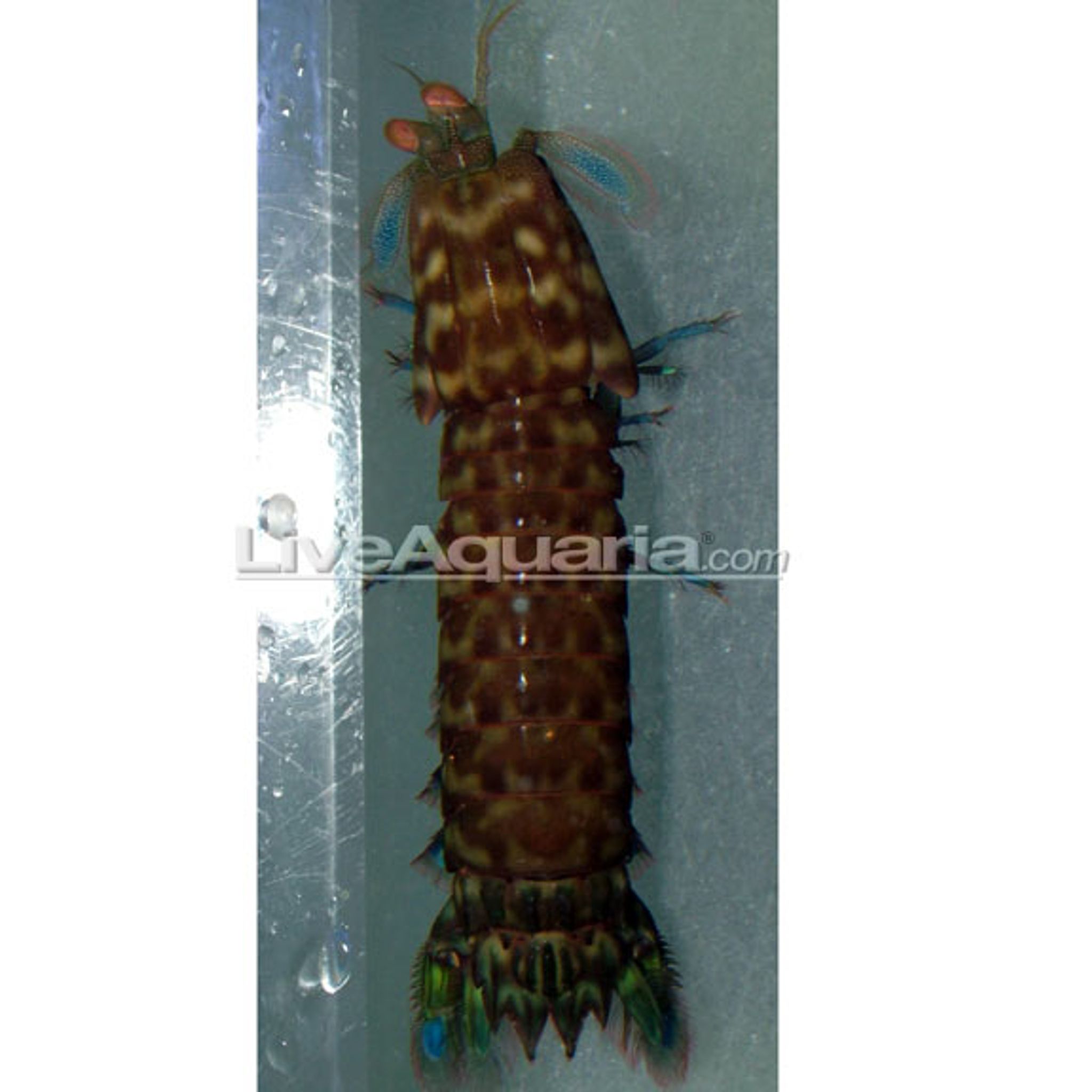

Vampire Shrimp Problems: Common Causes of Stress, Death and Poor Growth
Most vampire shrimp problems aren't disease at all — they're a mismatch between this species' unusual filter-feeding biology and the setup of a typical shrimp tank. If your vampire shrimp is hiding constantly, refusing food, losing color, or died soon after arriving, the cause is almost always traceable to current, feeding method, water stability, or acclimation. This guide walks through each cause like a checklist so you can pinpoint what's actually going wrong.
What You're Actually Keeping
The vampire shrimp (Atya gabonensis, also spelled A. gabonensis) is sold under several names — Gabon shrimp, fan shrimp, Gabon monster fan shrimp — and a few similar Atya species reach the trade under the same "vampire shrimp" label. They're native to West African rivers, grow much larger than typical dwarf shrimp (up to 6 inches/15 cm), and can live 3–5+ years with correct care. That size and lifespan mean mistakes compound slowly — poor growth or chronic stress can take weeks to become obvious, unlike the fast crashes seen with delicate dwarf shrimp.
The #1 Misunderstanding: They Are Filter Feeders, Not Scavengers
Nearly every vampire shrimp problem traces back to this single fact: they are obligate filter feeders, not algae-eaters or bottom scavengers like most aquarium shrimp. Instead of grazing surfaces, they perch in a current and sweep the water with fan-like front appendages, sieving out suspended particles.
This means:
- Sinking pellets and algae wafers are not a sufficient primary diet. A vampire shrimp may opportunistically pick at food on the substrate at night, but that's a bonus, not a substitute for filter-feeding.
- They need fine, suspended foods delivered into the current, such as powdered fry food, spirulina powder, baby brine shrimp, crushed flake, liquid fry food, or phytoplankton. Feed enough to create a light haze in the water column near their perch.
- A shrimp that looks thin or stalled in growth despite a "well-fed" tank is usually starving in plain sight because nothing edible is actually reaching it in suspended form.
Current Is Not Optional
Filter-feeding only works if there's water moving past the shrimp's fans. A vampire shrimp needs moderate-to-strong, steady current at whatever spot it chooses to perch — without it, the shrimp physically cannot feed, even in a tank with excellent water quality and plenty of food elsewhere. A powerhead or spray bar aimed at a favorite perch (near a cave, driftwood branch, or filter outflow) solves this. In an established community tank, you can often add a small supplemental powerhead angled at one quiet corner without disturbing existing fish or plants, giving the shrimp its own feeding zone.
Core Water Parameters
Vampire shrimp are more tolerant than pure water-parameter obsessing suggests, but stability matters more than hitting an exact number.
| Parameter | Ideal range | Tolerated extremes | Notes |
|---|---|---|---|
| Temperature | 72–82°F (22–28°C) | — | Avoid rapid swings |
| pH | 6.5–7.5 | 6.0–8.0 | Stability > precision |
| GH (general hardness) | 6–15 dGH | up to 20 dGH | Supports successful molting |
| KH (carbonate hardness) | 2–8 dKH | up to 15 dKH | Buffers pH swings |
| TDS | 150–250 ppm | — | Combined readout of GH+KH+other minerals |
| Ammonia / Nitrite | 0 ppm | 0 ppm always | Zero tolerance |
| Nitrate | under 20 ppm | — | Manage with water changes |
Specialist shrimp-keeping sources tend to favor the tighter GH 6–15 / KH 2–8 range as the practical target, while more generalist advice cites wider bands. Treat the wider figures as tolerated extremes rather than a goal — a vampire shrimp that experiences stable mid-range parameters will do better than one bounced between two "acceptable" numbers.
Quick Glossary
If you're troubleshooting without knowing what these terms mean:
- Ammonia/Nitrite — toxic byproducts of the nitrogen cycle; must always read 0.
- Nitrate — the less toxic end product of the cycle; keep it low through water changes.
- pH — the acid/alkaline scale of the water.
- GH — general hardness, the mineral content that affects molting and osmoregulation.
- KH — carbonate hardness, which buffers pH against sudden shifts.
- TDS — total dissolved solids, a combined reading of GH, KH, and other dissolved minerals.
Tank Setup Requirements
- Cycle the tank fully before adding shrimp. An uncycled or newly set up tank is one of the top causes of sudden death within days of purchase — the ammonia/nitrite spike from an immature nitrogen cycle is lethal fast.
- Minimum tank size: roughly 15–20 gallons (57–76 L).
- Keep them in small groups (4–5+). Vampire shrimp are shy, and having conspecifics nearby seems to encourage them to come out and feed more confidently.
- Use fine sand, not gravel. Coarse gravel can fray and damage the delicate setae on their fans over time, directly impairing their ability to filter-feed. You can browse suitable sand and fine gravel substrates sized for sensitive filter-feeding invertebrates.
- Provide caves, driftwood, and dense decor near the current zone so the shrimp feels secure while still able to catch flow — security and feeding access need to coexist in the same spot.
Shyness vs. Illness: Telling Them Apart
Vampire shrimp are naturally slow-moving and reclusive. Sudden movement, bright light, or a tank tap can send one into hiding for days — that's normal behavior, not sickness. The problem is that consumer articles rarely draw a clear line between "shy" and "declining." Use this comparison:
| Normal shy behavior | Red flags of a sick or dying shrimp |
|---|---|
| Hides most of the day, active at night or feeding time | Never emerges even during feeding, day or night |
| Fans tucked when disturbed, extended when calm | Refuses to extend fans into current at all |
| Consistent body color | Fading, cloudy, or white/patchy discoloration |
| Firm, intact shell | Melting or mushy shell texture, curled tail |
| Responsive antennae movement | Unresponsive antennae, no reaction to food or current |
If you're unsure, watch quietly from a distance at night with a dim light — a healthy but shy vampire shrimp will usually show antennae and fan movement even if it stays tucked in its cave.
Molting Problems
Vampire shrimp molt far less often than dwarf shrimp because of their larger size and slower metabolism. Right after a molt, the shell is soft and the shrimp is highly vulnerable — it needs an undisturbed hiding spot and should be left alone. Two issues come up repeatedly:
- Stuck or incomplete molts are usually linked to low GH or unstable mineral levels — sufficient general hardness and stable trace minerals support a shrimp fully working its way out of the old shell.
- Don't remove the shed shell. It's a valuable calcium and mineral source, and the shrimp (or others in the tank) will often consume it.
Tankmates and Predation Risk
Vampire shrimp do fine with peaceful, appropriately sized fish and other shrimp species. Avoid:
- Crayfish and crabs (direct competitors and potential predators)
- Large or aggressive fish
- Fin nippers or anything that will pick at a shrimp during its vulnerable post-molt window
Copper Sensitivity and Medications
Like all invertebrates, vampire shrimp have zero tolerance for copper. Many common dewormers, some ich and velvet treatments, and even certain plant fertilizers contain copper and will kill invertebrates in the same tank, often quickly.
A short reference for mixed tanks:
- Avoid: copper sulfate-based treatments, most general-purpose dewormers/anti-parasitics, and formalin-based products at full strength.
- Generally safer (with caution): most antibiotics used at reduced dosing, and treatments specifically labeled biofilm-safe or invertebrate-safe.
- Best practice: always research the specific active ingredient before treating a mixed tank, dose at half strength when a copper-free option isn't confirmed, or move fish to a separate hospital tank instead of medicating around your shrimp. You can review invertebrate-conscious treatment options before dosing anything in a tank that holds shrimp.
Acclimation: The Most Common Cause of Post-Purchase Death
New-purchase deaths are overwhelmingly linked to acclimation shock — abrupt temperature or pH shifts during transport and setup — rather than anything wrong with the destination tank's steady-state water. Vampire shrimp are sensitive to sudden parameter swings, so drip acclimate over 1+ hour rather than a quick float-and-dump.
First 48 Hours After Purchase
- Drip acclimate slowly, watching for the shrimp to become active rather than curled or lethargic.
- Keep lighting dim for the first day or two to reduce stress.
- Skip feeding on day one — let the shrimp settle and find a perch.
- Check for antennae and fan movement periodically as your basic health check; a shrimp holding still with fans extended and antennae twitching is settling in normally.
- Confirm your tank has completed its nitrogen cycle before the shrimp ever goes in — this is non-negotiable, not just a best practice.
Ongoing Water Quality Maintenance
Whole-system habits prevent most chronic problems:
- Weekly 10–20% water changes
- Regular substrate vacuuming, done carefully around shrimp and their perches
- Routine testing of ammonia, nitrite, nitrate, pH, GH, and KH
- Avoid overfeeding — rotting food spikes ammonia fast
- Avoid overcrowding and ensure good surface agitation/oxygenation
A reliable filter that also contributes to current is worth the investment here — browsing filters suited to steady flow can double as both biological filtration and the current source your shrimp needs to feed.
Related Problem: Rescued or Dropped Shrimp Eggs
This applies broadly across shrimp species and is a common secondary question for anyone keeping vampire shrimp alongside other shrimp. Eggs get dropped due to an inexperienced mother, poor water quality, sudden parameter swings, or the death of the mother herself. If you find dropped eggs:
- Use a fine mesh net, or build a simple DIY tumbler from airline tubing with gentle bubble flow to replicate the mother's fanning motion.
- Avoid powdered foods near the eggs — residue promotes fungus.
- Incubation typically takes about 3–4 weeks; watch for visible eyespots as hatching approaches.
A Note on Breeding
Vampire shrimp breeding in home aquariums is essentially impractical for hobbyists. While a rare, documented larval-rearing protocol exists, it requires a brackish-water larval stage that most home setups can't replicate. If you see a female carrying eggs, treat it as informational rather than a project — don't expect surviving offspring.
It's worth noting that repeated, back-to-back breeding cycles are physically taxing on female shrimp in general — less recovery time between molts and broods can stunt growth or shorten lifespan. This is mostly a concern for prolifically breeding dwarf shrimp like Neocaridina and Caridina species, not vampire shrimp, which breed rarely in captivity to begin with.
Frequently Asked Questions
Why is my vampire shrimp always hiding?
This is usually normal shyness, not illness. Vampire shrimp are naturally reclusive and need secure hiding spots near a current zone with minimal disturbance. It's only concerning if the shrimp never comes out, even at night or during feeding.
Why did my vampire shrimp die a few days after I got it?
This is almost always acclimation shock or an uncycled/immature tank rather than a problem with your steady-state water. Drip acclimate over at least an hour and confirm your tank has fully completed its nitrogen cycle before adding shrimp.
What do vampire shrimp actually eat?
They filter-feed on suspended microscopic particles caught by their fans — powdered or liquid fry foods and phytoplankton are their primary diet. Algae wafers or sinking pellets are not sufficient as a main food source.
Do vampire shrimp need strong water flow?
Yes. Moderate-to-strong current at their chosen feeding perch is essential; without it, they can't filter-feed even when plenty of food is present in the tank.
Can vampire shrimp live with fish?
Yes, with peaceful, appropriately sized tankmates. Avoid crayfish, crabs, and any fin-nipping or predatory fish, especially since vampire shrimp are extremely vulnerable during and right after a molt.
How often do vampire shrimp molt, and is it dangerous?
They molt less frequently than dwarf shrimp due to their size and slower metabolism. Right after molting they're soft-shelled and vulnerable, so leave them undisturbed and don't remove the shed shell — it's a useful mineral source.
Can vampire shrimp breed in a home aquarium?
Breeding to a surviving juvenile stage is extremely rare and impractical for hobbyists, since the larvae require a brackish-water stage most home tanks can't replicate. Treat any eggs you see as informational rather than a realistic breeding project.
What medications are safe to use with vampire shrimp in the tank?
Nothing containing copper — it's lethal to all invertebrates. Always research a medication's active ingredients before treating a mixed tank, and consider moving fish to a separate hospital tank rather than medicating around your shrimp.
If you're setting up a tank for one of these filter-feeding giants or troubleshooting an existing colony, you can browse available vampire and fan shrimp and other freshwater shrimp on FishyHub to compare stock before you buy.


