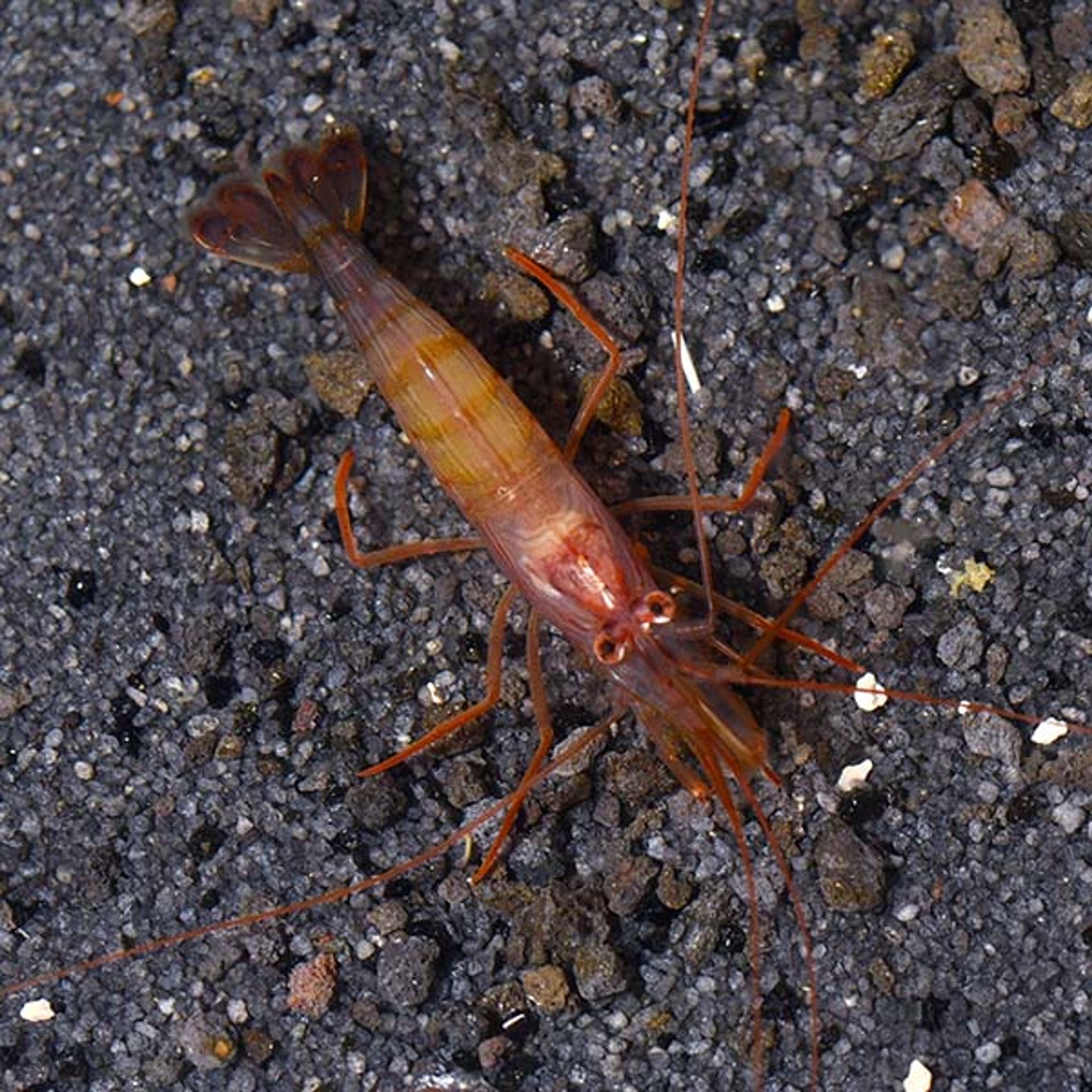
Peppermint Shrimp Care Guide: Tank Requirements, Feeding and Compatibility
Peppermint shrimp are a popular pick for reef tanks, valued as an easygoing scavenger and a possible natural check on Aiptasia anemones. This guide covers real tank requirements, feeding, compatibility, and breeding basics, plus an honest look at how reliable they actually are at pest control.
What Is a Peppermint Shrimp?
"Peppermint shrimp" is a trade name, not a single species. Several look-alike Lysmata species are sold under this label, most commonly Lysmata wurdemanni, Lysmata boggessi, and Lysmata rathbunae. Current understanding is that L. boggessi is the species most commonly turning up in the trade today, and it also tends to be the most reliable Aiptasia eater of the group.
For everyday care, the species-level distinction barely matters — water parameters, feeding, and tank setup are essentially identical across all three. It only matters if your primary reason for buying peppermint shrimp is pest control, since not every individual sold under this name will behave the same way toward Aiptasia. Don't expect a fish store employee to be able to tell you which species is in the tank; treat any peppermint shrimp purchase as a "probably, but not guaranteed" pest-control tool.
Tank Requirements
Peppermint shrimp are small, hardy, and forgiving of a range of reef setups, but they do have baseline needs.
Tank Size
- Minimum tank size: 10 gallons (38 L) for a pair or small starter group.
- Scaling up: add roughly 5 gallons (19 L) per additional shrimp beyond the first couple.
- Live rock or rubble is essential — peppermint shrimp need crevices to retreat into, especially during the vulnerable soft-shell period right after molting.
Water Parameters
Stability matters more than hitting an exact number. Sudden swings in salinity, pH, or temperature are far more dangerous to peppermint shrimp than being slightly outside the "ideal" range for a day.
| Parameter | Target Range |
|---|---|
| Temperature | 75–82°F (24–28°C) |
| pH | 8.1–8.4 |
| Specific gravity (salinity) | 1.023–1.025 |
| Alkalinity (KH) | 8–12 dKH |
| Ammonia / Nitrite | 0 ppm |
| Nitrate | Under ~20 ppm |
Ammonia and nitrite tolerance is essentially zero for this species — any detectable reading means the tank isn't ready for shrimp. Keep nitrate on the low side as well; peppermint shrimp aren't as sensitive to it as some corals, but chronically elevated nitrate stresses them over time.
Acclimation
Peppermint shrimp are notably sensitive to abrupt changes in salinity and pH, and rushed acclimation is a common cause of early deaths. Use a slow drip acclimation over roughly 60–90 minutes, adding small amounts of tank water gradually rather than dumping the bag water in all at once. Skipping this step, or rushing it because "shrimp are tough," is one of the most avoidable mistakes new keepers make.
Feeding
Peppermint shrimp are omnivorous scavengers. In an established reef tank they'll naturally graze on:
- Detritus and leftover fish food
- Algae film on rock and glass
- Biofilm on substrate and hardscape
That said, don't rely on them as your sole cleanup crew. Supplement feeding 2–3 times per week with:
- Sinking pellets
- Frozen mysis or brine shrimp
- Small pieces of fresh seafood
Occasional iodine or vitamin supplementation supports healthy molting and coloration. If your tank runs lean on leftover food (very clean feeders, low bioload), target-feed the shrimp directly so they aren't going hungry. A gel food or frozen food alternated into the rotation covers most of their nutritional needs alongside what they scavenge.
Aiptasia: The Reputation vs. Reality
Peppermint shrimp are widely known as an Aiptasia anemone eater, and it's a genuinely useful, low-cost option worth trying — but it isn't guaranteed. Individual shrimp vary quite a bit: some readily hunt and eat Aiptasia, while others, especially well-fed ones with plenty of other food available, largely ignore it. Smaller and juvenile Aiptasia polyps are targeted far more reliably than large, established colonies.
Practical tip: a short, controlled fast of other food sources (a day or two, not longer) can nudge shrimp toward hunting Aiptasia out of hunger. Feeding heavily right before you want them to earn their keep on pest control works against you.
Treat peppermint shrimp as one layer of a broader Aiptasia strategy, not a standalone fix — especially for a heavy infestation.
What Aiptasia Actually Looks Like
Aiptasia are small, anemone-like polyps that resemble miniature palm trees, usually translucent to light brown or tan. They multiply rapidly on live rock and aquarium glass and can sting neighboring corals and small fish. If you're seeing more of them every week, it's worth acting before the population gets ahead of you.
Other Aiptasia Control Options
Peppermint shrimp are just one tool among several for managing reef pests like Aiptasia, Majano anemones, bristleworms, and flatworms. Depending on infestation severity and tank livestock, other options include:
- Biological: Berghia nudibranchs, Aiptasia-eating filefish, or certain blennies
- Chemical: aquarium-safe calcium hydroxide (kalkwasser) paste or injection directly into the polyp
- Non-chemical injection: scalding hot RO water or concentrated lemon juice injected into the polyp
- Manual removal: scraping the polyp off the rock — effective, but careless technique can fragment the animal and spread the infestation, so pair manual removal with a follow-up chemical or predator method
A Berghia nudibranch is a specialist predator from a different genus entirely — it eats only Aiptasia, is slow-moving and nocturnal, and works well for a targeted cleanup. The catch: once the Aiptasia is gone, Berghia have no other food source and will starve, so they're a short-term tool rather than a permanent addition.
Choosing a Control Method
- Light, scattered Aiptasia, general reef tank: try peppermint shrimp first — low cost, low risk.
- Moderate infestation, want a targeted eater: Berghia nudibranch, understanding it needs Aiptasia present to survive.
- Large or dense infestation: combine manual removal or chemical injection with a predator as follow-up, rather than relying on one method alone.
- Experienced hobbyist, want zero collateral risk: direct injection (kalkwasser, hot water, or lemon juice) gives the most control over individual polyps.
Careless siphoning or physical disturbance while removing Aiptasia can fragment the animal and actually multiply the infestation, so slow, deliberate technique matters more than speed.
Compatibility
Peppermint shrimp are generally reef-safe and peaceful. They won't bother most corals, clams, or ornamental invertebrates.
Good Tank Mates
- Gobies and blennies
- Dragonets and mandarins
- Cardinalfish
- Tangs and angelfish
- Other peaceful shrimp and snails
Browse compatible options in marine invertebrates or check the broader marine fish selection when planning tank mates.
Fish and Inverts to Avoid
- Arrow crabs
- Coral banded shrimp
- Larger, aggressive wrasses
- Triggerfish
- Hawkfish
- Lionfish
- Any fish over roughly 6 inches that might view a shrimp as a snack
Keep peppermint shrimp in small groups rather than singly — they're gregarious and tend to do better socially. In an undersized tank, watch for territorial squabbles, particularly around limited hiding spots.
Lifespan
Peppermint shrimp typically live 1–2 years in a home aquarium. Buying younger, active, healthy-looking specimens with intact antennae and legs improves your odds of getting the full lifespan out of them.
Sensitivities to Watch
- Copper medications are lethal. Never treat a tank containing peppermint shrimp (or most invertebrates) with copper-based medication. If a tankmate needs treatment, move it to a separate quarantine tank.
- Strong intakes are dangerous. Powerheads and filter intakes without a sponge guard can injure or kill shrimp, particularly smaller or newly molted individuals.
- Post-molt vulnerability. Right after shedding, shrimp are soft-shelled and an easy target for tankmates. Adequate rockwork cover reduces losses during this window.
- Remove shed shells promptly — leaving them to decompose can foul water quality over time.
Breeding Basics
Peppermint shrimp are protandric simultaneous hermaphrodites: they mature first as males and later develop female reproductive traits. In a healthy, stable, well-fed tank, adults mate and carry eggs readily — a female will carry a visible clutch of up to a few hundred eggs for roughly 10–12 days before releasing free-swimming larvae.
Here's where expectations need adjusting: adult breeding behavior is genuinely easy and happens without any special effort. What's difficult is rearing the larvae to the juvenile stage. Success requires a separate rearing container, a progression of live foods (starting with rotifers or copepods, moving to baby brine shrimp), and weeks of dedicated care. Left in the main tank, larvae are almost always eaten by other tankmates before they get a chance to develop. Larval rearing has a low success rate even among experienced hobbyists, so don't expect casual home breeding to reliably produce juveniles.
Look-Alikes: Don't Buy the Wrong Shrimp
Misidentification at the store is a common source of disappointment, especially when someone buys a shrimp expecting reliable Aiptasia control and gets a different species entirely.
| Species | Looks Like Peppermint Shrimp? | Key Difference |
|---|---|---|
| Rhynchocinetes durbanensis (camelback/dancing shrimp) | Yes, closely | Different species; less reliable Aiptasia eating, slightly different care needs |
| Saron shrimp | Somewhat | Documented picking at coral polyps and anemones — risky in a reef tank |
| Harlequin shrimp | No (very different coloring) | Specialist starfish predator, far more sensitive to water quality and copper, needs live starfish as food |
Saron and camel (camelback) shrimp are both considered risky additions to a reef tank because they've been documented picking at coral polyps and anemones. They are not a substitute for a reef-safe peppermint shrimp — treat them as a "what not to add" note if reef safety is a priority, not an interchangeable option.
Harlequin Shrimp: A Different Animal Entirely
Harlequin shrimp are sometimes mentioned in the same breath as peppermint shrimp, but they're a much more advanced, specialized animal. They eat only starfish, need a dedicated live starfish food source to survive, and are considerably more sensitive to water quality swings and copper than peppermint shrimp. They're a fine choice for an experienced keeper with a specific goal, but not an alternative for general reef cleanup or Aiptasia control.
Common Mistakes to Avoid
- Expecting guaranteed Aiptasia elimination. Some individuals simply won't hunt it, especially in a well-fed tank.
- Overfeeding everything else. If fish and corals are getting plenty of food, shrimp have little incentive to hunt pests. A brief, controlled fast of other foods can help.
- Adding copper medication to a tank housing shrimp — this is fatal, not just harmful.
- Mixing with known predators like arrow crabs or coral banded shrimp, then being surprised by losses.
- Skipping drip acclimation, which invites salinity or pH shock in new arrivals.
- Letting shed shells sit too long, fouling water quality.
- Confusing peppermint shrimp with camelback or saron shrimp, then getting different — sometimes reef-unsafe — behavior than expected.
- Undersized tanks with no rock cover, leading to stress, aggression, or shrimp getting picked off after molting.
You can browse live specimens in the marine shrimp category when you're ready to stock a tank that meets the parameters above.
Frequently Asked Questions
Will peppermint shrimp really eat my Aiptasia?
Often, but it's not guaranteed. Success varies by individual shrimp and by how well-fed they are on other food sources. For a bad infestation, pair peppermint shrimp with another control method like manual removal or a specialist predator rather than relying on them alone.
How many peppermint shrimp should I keep together?
A small group of 2–4 or more generally does better than keeping a single shrimp, since they're social animals. Scale your tank size up by roughly 5 gallons (19 L) for each additional shrimp beyond the first pair.
Are peppermint shrimp reef safe?
Yes, for the vast majority of corals and invertebrates. They aren't known to harm typical reef livestock and are considered one of the safer ornamental shrimp options for a mixed reef tank.
Can peppermint shrimp live with clownfish or other common reef fish?
Yes, they're generally peaceful together. If anything, the risk runs the other direction — larger or more aggressive fish may see a peppermint shrimp as prey rather than the reverse.
What's the difference between peppermint shrimp and harlequin shrimp?
Peppermint shrimp are generalist scavengers and occasional Aiptasia eaters that are beginner-friendly and forgiving. Harlequin shrimp are specialist predators that eat only starfish, require a dedicated live food source, and demand a more advanced level of care.
How long do peppermint shrimp live?
Roughly 1–2 years in a home aquarium. Choosing younger, active, healthy-looking specimens at purchase tends to improve overall lifespan.
Can I breed peppermint shrimp at home?
Adults will mate and carry eggs readily in a stable, well-fed tank — that part is easy. Successfully rearing the free-swimming larvae to the juvenile stage is genuinely difficult and has a low success rate for most hobbyists, requiring a separate rearing setup and a progression of live foods.
Are peppermint shrimp sensitive to medications?
Yes. Copper-based treatments are lethal to peppermint shrimp and most other invertebrates. If a tankmate needs medicating, treat it in a separate quarantine tank instead of dosing the display tank.
Ready to add peppermint shrimp to your reef setup? Explore available specimens and other reef-safe options in FishyHub's marine invertebrates category.

