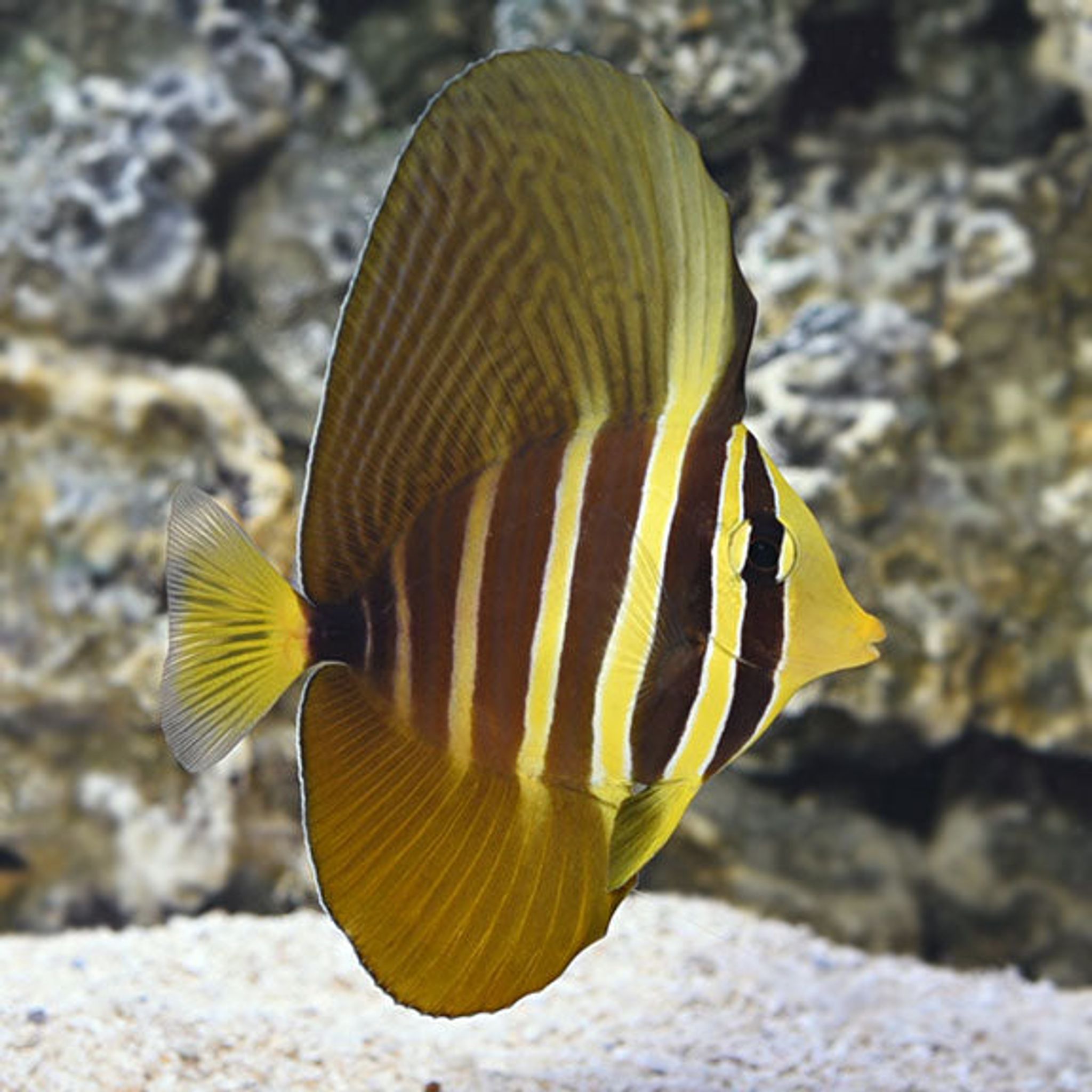
Is Sailfin Tang Reef Safe? Coral and Invertebrate Compatibility Explained
Yes, a Sailfin Tang is generally reef safe, but that verdict comes with real conditions, not a blanket guarantee. As a grazing herbivore rather than a coral predator, it poses very low risk to most reef inhabitants, though a hungry or bored individual can and does nip at certain fleshy corals. Understanding which corals and invertebrates are actually vulnerable, and why, lets you stock and feed with confidence instead of guessing.
The Short Answer: Reef Safe With Conditions
Sailfin Tangs are algae grazers by nature, spending their time in the wild picking film algae and diatoms off rock surfaces rather than hunting coral tissue. That biology is why most keepers report zero coral damage over years of ownership. The catch is that "reef safe" isn't an absolute trait baked into the species — it's a behavior that shifts with hunger, tank layout, and individual temperament.
Some general fish-compatibility guides state flatly that tangs "don't pick at living coral tissue." Species-specific reports on Sailfin Tangs tell a more complicated story, with documented nipping incidents on large-polyp stony (LPS) corals. Both are partly right: under normal husbandry with adequate grazing food available, a Sailfin Tang leaves coral alone. Underfed or stressed, the same fish will test fleshy coral tissue as a substitute food source. Treat reef safety as a management outcome you control through feeding and stocking order, not a fixed label.
Two Sailfin Tangs, One Compatibility Profile
Aquarium suppliers commonly sell two closely related fish under the "Sailfin Tang" name:
- Pacific/Indo-Pacific Sailfin Tang (Zebrasoma veliferum) — the standard Sailfin Tang, native to Indo-Pacific reefs.
- Red Sea Sailfin Tang / Desjardinii Sailfin Tang (Zebrasoma desjardinii) — a Red Sea and western Indian Ocean relative, often called the Desjardinii Tang.
Both belong to the same genus and share an identical reef-safety profile: herbivorous grazers with the same occasional-nipping risk toward LPS corals. The practical difference is size. Desjardinii Sailfin Tangs grow noticeably larger and deeper-bodied than standard veliferum, which matters more for tank planning than for coral compatibility. You can browse both types, along with other grazing surgeonfish, in FishyHub's Tangs & Surgeons category.
Adult Size and Tank Requirements
Sailfin Tangs are deceptively large-bodied fish. Adults reach up to 15–16 inches, and their exceptionally tall dorsal and anal fins make them look even bigger and require more vertical and lateral swimming room than their length alone suggests.
| Life stage / species | Minimum tank size | Notes |
|---|---|---|
| Young/standard veliferum | 125 gallons (473 L) | Absolute floor, not a long-term ideal |
| Adult veliferum, long-term | 180+ gallons (681+ L) | Accounts for body depth and active swimming |
| Desjardinii (any age heading to adult) | 180+ gallons (681+ L) | Larger adult size demands the bigger end of the range |
Tank-size advice varies across the hobby, with some general "tang" guidance citing figures as low as 100 gallons. That number applies to smaller tang species, not Sailfin Tangs specifically. Use 125 gallons only as a starting point for a juvenile veliferum, and plan for 180 gallons or more before the fish reaches full size — especially with a Desjardinii, where body depth, not just length, drives the space requirement. Buying a small juvenile without planning for a 15-inch adult is one of the most common mistakes reef keepers make with this species.
Water Parameters and Flow
Sailfin Tangs come from high-energy reef edges, so stable chemistry and strong movement both matter:
- Temperature: 72–78°F (22–26°C)
- pH: 8.1–8.4
- Specific gravity: 1.020–1.025
- dKH (alkalinity): roughly 8–12
- Water movement: strong, well-aerated, and varied rather than a single laminar stream
Powerhead and Flow Setup
Because Sailfin Tangs are active, constant swimmers, a single return-pump stream isn't enough. Multiple powerheads or a wavemaker producing turbulent, randomized flow better mimics their natural habitat and gives them room to swim without fighting a static current. As a rough guideline, aim for total flow of 10–20 times your tank volume in gallons per hour, adjusted for aquascape density and coral placement.
Good flow does double duty for reef safety: it supports coral health directly, and it keeps film algae and diatoms growing on rockwork, giving the tang a constant natural grazing source. Better circulation is one of the few compatibility levers hobbyists rarely connect to nipping behavior, but the link is straightforward — a tank with abundant natural grazing surfaces is a tank where a Sailfin Tang has less reason to test coral tissue.
Coral Compatibility by Type
Reef safety isn't uniform across coral types. Risk scales with how fleshy and exposed the coral tissue is.
LPS Corals: Highest Risk
Large-polyp stony corals — open brains, scolymia and scoly-type corals, chalices, and some acans — carry the greatest risk of nipping. Their soft, fleshy tissue can resemble a food item to an underfed tang, and most documented nipping incidents involve this group specifically. Nipping risk climbs sharply when algae is scarce or feeding is inconsistent. Browse LPS options, and consider adding them only after your tang is established and well-fed, in FishyHub's LPS Hard Corals category.
SPS Corals: Low Direct Risk, Some Indirect Contact
Sailfin Tangs rarely eat small-polyp stony coral tissue outright. The concern is proximity: tangs grazing film algae growing close to SPS branches can brush against or irritate polyps through repeated incidental contact, even without targeted predation.
Soft Corals and Zoanthids: Generally Safe
Predation risk toward soft corals and zoanthids is low. The main hazard is mechanical rather than dietary — vigorous foraging around the base of a colony can dislodge small or loosely attached frags before they've encrusted.
Clams: Usually Ignored, Individual Exceptions Exist
Tridacna clam mantles are typically left alone. Occasionally an individual fish develops a taste for fleshy mantle tissue and nips at the edges, so newly introduced tangs should be watched closely around clams for the first couple of weeks.
Invertebrate Compatibility
Sailfin Tangs are not predatory toward standard cleanup-crew invertebrates. They coexist well with:
- Cleaner shrimp
- Hermit crabs
- Snails
- Urchins
- Other typical reef cleanup animals
There's no dietary overlap or predatory instinct at play here — a Sailfin Tang's grazing behavior targets algae film on surfaces, not crustaceans or mollusks.
Diet: The Real Driver of Reef Safety
Feeding is the single biggest lever you have over nipping behavior. Sailfin Tangs are primarily herbivorous grazers, and a diet that mimics constant algae availability keeps them from looking elsewhere.
A practical daily feeding routine:
- Nori or seaweed sheets, clipped in the tank daily and left until fully grazed
- Spirulina-based pellets or flakes as a staple
- Frozen herbivore blends as a regular supplement
- Mysis or enriched brine shrimp occasionally, as a treat rather than a staple
Feed 2–3 small meals per day rather than one large feeding. An underfed tang, or one relying solely on whatever algae happens to grow in the display, is the fish most likely to test an LPS coral. Defining "underfed" this concretely — a specific feeding cadence rather than a vague warning — gives you something you can actually check against.
Risk-Reduction Protocol
Follow these steps to keep a Sailfin Tang and a showpiece reef compatible long-term:
- Keep the tang well-fed on algae-based foods so it isn't foraging out of hunger.
- Add supplemental nori or macroalgae even in tanks with established live rock.
- Mount and frag-glue corals securely so incidental contact from grazing doesn't dislodge them.
- Add the tang after showpiece corals and clams are settled and encrusted, not to a freshly stocked reef.
- Observe new additions for 1–2 weeks for repeated, targeted nipping at one specific coral versus incidental brushing.
- Act on habitual, targeted nipping by relocating either the coral out of reach or the fish — don't assume the behavior will stop on its own.
A related tip sources rarely mention: aquascape layout matters. Arranging open rockwork with visible algae film in areas away from prized coral placement gives the tang a preferred grazing zone, reducing incidental encounters with corals you'd rather it avoid.
Temperament and Tank Mates
Sailfin Tangs are semi-aggressive and territorial, particularly toward other tangs and similarly disc-shaped surgeonfish. They generally coexist well with clownfish, gobies, and wrasses. Avoid pairing them with large, aggressive triggerfish or similar bullies that can stress a tang into erratic behavior.
If you plan to keep multiple tangs in one system, add them simultaneously rather than one at a time, and provide generous swimming room — overstocking multiple tangs into too small a footprint is a common source of stress-driven aggression that can spill over into more erratic grazing.
Disease Risk and Quarantine
Like most tangs, Sailfin Tangs are susceptible to marine ich (Cryptocaryon irritans) and marine velvet (Amyloodinium), both often triggered by shipping stress or unstable water quality. Quarantine every new arrival for a minimum of 2–4 weeks before introducing it to a display reef.
Modern tools make prevention more accessible than it used to be:
- At-home water test kits catch chemistry shifts before they trigger stress-related outbreaks.
- Affordable mobile/smartphone-attachment microscopy lets hobbyists identify parasites like ich or velvet from a skin scrape without lab access.
- Hospital-tank protocols combining two broad-spectrum antibiotics can address secondary bacterial infections following an ich outbreak — but this belongs in a dedicated quarantine tank, not the display reef.
The larger point: prevention through quarantine and stable parameters beats treating an outbreak in a reef tank you can't easily medicate. You'll find relevant medications and water conditioners in FishyHub's Treatment category if quarantine support is needed.
Testing Reef Water Chemistry Accurately
Adding a bioload-heavy grazer like a Sailfin Tang makes stable water chemistry more important, not less. Handheld digital colorimeter-style checkers — which use a single reagent packet paired with a digital readout — give more precise alkalinity, phosphate, and nitrate readings than traditional color-card comparison kits. That precision matters because unstable parameters stress corals in ways that visually resemble nipping damage: tissue recession, bleaching at the margins, or polyp retraction.
Test alkalinity, phosphate, and nitrate regularly, and resist the urge to blame every bit of coral decline on the tang. Check for actual bite marks or localized tissue loss at one specific colony before assuming nipping is the cause — poor water quality or placement issues are just as likely culprits, and mistaking one for the other leads to the wrong fix.
Common Mistakes to Avoid
- Adding the tang before corals or clams have encrusted and stabilized, inviting exploratory nipping on "new" additions.
- Underfeeding, or relying solely on whatever algae happens to grow in the display.
- Misdiagnosing general coral decline as tang nipping (or vice versa) without checking for actual tissue damage.
- Overstocking multiple tangs in too small a footprint.
- Skipping quarantine and dealing with an ich or velvet outbreak in the display tank instead.
- Buying based on juvenile size without planning for a 15+ inch adult and the tank upgrade that comes with it.
Frequently Asked Questions
Will a Sailfin Tang eat my coral?
Not typically as prey. The realistic risk is limited to nipping at fleshy LPS corals when the fish is underfed, while SPS, soft corals, and zoanthids carry much lower risk of direct predation.
Is the Sailfin Tang safe with clams?
Usually yes — mantles are generally ignored. That said, monitor any newly introduced tang closely, since individual fish occasionally nip at mantle edges.
What's the difference between Sailfin Tang and Red Sea/Desjardinii Sailfin Tang for reef keeping?
They share the same reef-safety profile and same risk factors. The main practical difference is size: Desjardinii Sailfin Tangs grow larger and need more tank space long-term.
How big a tank does a Sailfin Tang need for a reef setup?
Plan for 125 gallons (473 L) as an absolute minimum for a young, standard veliferum, and 180 gallons (681 L) or more for a fish you intend to keep to adulthood, especially a Desjardinii.
Can Sailfin Tangs live with cleaner shrimp and snails?
Yes. They aren't predatory toward typical cleanup-crew invertebrates like cleaner shrimp, hermit crabs, snails, or urchins.
How do I stop a Sailfin Tang from nipping a specific coral?
Increase feeding frequency and algae availability first, since hunger is the most common driver. If nipping is habitual and targeted at one colony despite adequate feeding, relocate the coral out of reach or rehome the fish rather than waiting for the behavior to stop on its own.
Are Sailfin Tangs prone to disease in reef tanks?
They're susceptible to marine ich and marine velvet like most tangs, particularly under shipping stress or unstable water quality. Quarantine new arrivals for 2–4 weeks and maintain stable parameters to minimize outbreak risk.
What should I feed a Sailfin Tang to keep it reef-safe?
Offer daily nori or seaweed sheets, spirulina-based pellets or flakes, and occasional frozen herbivore blends, split across 2–3 small feedings per day. Consistent grazing food availability is the most effective way to prevent coral nipping.
Ready to plan your reef stocking list? Explore healthy, quarantine-appropriate options across FishyHub's Marine Invertebrates category to round out a cleanup crew that pairs safely with a Sailfin Tang.

