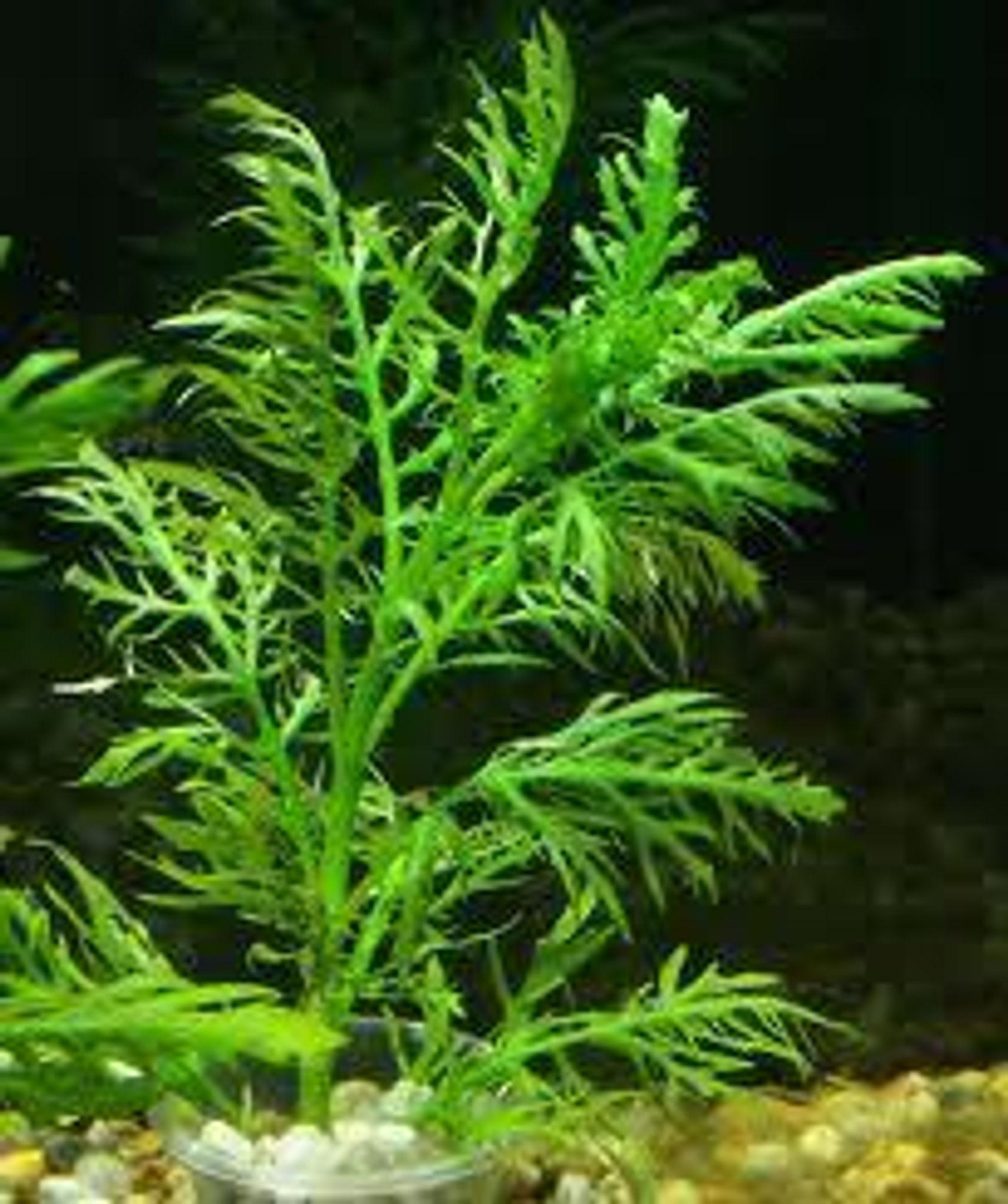
How to Plant and Propagate Water Wisteria in a Freshwater Aquarium
Water wisteria is one of the fastest, most forgiving stem plants you can put in a freshwater tank, and it multiplies easily once a few stems take root. This guide covers correct planting depth and spacing, day-to-day care, a step-by-step propagation method, and fixes for the mistakes that most often trip up new growers.
What Water Wisteria Actually Is
The plant's correct scientific name is Hygrophila difformis. It is frequently mislabeled as "water sprite" in stores and online listings, but true water sprite is a different plant entirely — a fern in the genus Ceratopteris with a distinct feathery frond structure and no true stem. Water wisteria is a true stem plant that roots in substrate or floats freely, and the naming mix-up matters because the two plants have different growth habits and propagation methods. If a listing shows a stem plant with a rooted base rather than a floating fern rosette, you're looking at water wisteria.
Ideal Water Parameters
Water wisteria adapts to a wide range of conditions, which is part of why it's such a reliable beginner plant.
| Parameter | Range | Notes |
|---|---|---|
| Temperature | 68–82°F (20–28°C) | Comfortable in most community tank setups |
| pH | 6.0–8.0 | Adaptable; growth is best in the mid-range around 6.5–7.5 |
| General hardness (GH) | 2–15 dGH | Tolerates both soft and moderately hard water |
| Lighting | Moderate to moderately-high | Low light works but slows growth and thins leaves |
| Photoperiod | 10–12 hours | Middle ground between shorter and longer recommendations |
Lighting: Water wisteria will survive under low light, but expect leggy stems and sparse leaves. Moderate to moderately-high light produces denser growth and better leaf color. A 10–12 hour photoperiod is a safe, consistent target — long enough to fuel fast growth without inviting algae from excess light hours.
pH range: You'll see narrower ranges cited (6.5–7.5) alongside the wider 6.0–8.0 figure. Both are reasonable — the plant tolerates the full wider range, but it grows most vigorously in the middle of it, so aim for 6.5–7.5 if you're setting parameters from scratch.
Substrate, CO2, and Fertilizer
Water wisteria will grow in any substrate, including plain gravel, because it also draws nutrients directly from the water column through its leaves. That said, it is a moderate root feeder, so a nutrient-rich planted substrate or root tabs placed near the root zone will noticeably speed growth and reduce yellowing between leaves. This is different from epiphyte plants like anubias or java fern, which should never get root tabs since their roots aren't meant to be buried — water wisteria, by contrast, roots directly into substrate and benefits from nutrients placed there.
CO2 injection isn't required. Without it, water wisteria still grows well; with injected CO2 and a liquid fertilizer, growth rate and leaf size both increase noticeably. Treat CO2 as an accelerator, not a requirement — a good starting point for anyone unsure whether to invest in a system, since you can add it later without disrupting the plant.
How to Plant Water Wisteria
- Separate the bunch. If the plant arrived banded together with a rubber band or rockwool base, remove that packaging completely and separate it into individual stems. Planting a whole uncut bunch causes rot at the base where the stems are compressed together.
- Trim the lower leaves. Strip any leaves that would end up buried, since leaves left underground rot and foul the water.
- Plant one stem at a time, spacing stems about 1 inch apart.
- Bury each stem 1 to 1.5 inches into the substrate. Too shallow and the stem floats free before roots form; too deep and the buried portion rots.
- Weigh down or support new plantings near a rock or piece of driftwood if fish or shrimp are active diggers, until roots anchor the stem (typically 1–2 weeks).
Planting vs. Floating: A Quick Decision Guide
Water wisteria doesn't have to be planted at all — it also grows well floating freely on the surface. Which approach makes sense depends on your goal:
- Want a bushy midground/background look? Plant rooted stems in substrate, grouped for fullness.
- Want surface cover for shrimp or fry, or shade for a betta? Let it float; it produces surface leaves quickly and provides cover without any substrate work.
- Setting up a new or cycling tank and want fast nutrient export? Floating stems grow fastest since they pull nutrients straight from the water column with no root establishment period.
How Many Stems to Start With
For a natural-looking, full group in a planted midground, a rough guide is 5–10 stems per 10-gallon (38 L) footprint of tank floor, planted in bunches of 5–7 stems spaced an inch apart. Scale proportionally for larger tanks, and remember the plant grows quickly enough that a sparse initial planting fills in within a few weeks.
Why the Leaves Change Shape
New owners often panic when leaves near the top of the tank look completely different from leaves lower down. This is normal and is called heterophylly — a physiological response some amphibious aquatic plants show when part of the plant grows underwater versus in open air.
- Submersed leaves (fully underwater) are lacy, feathery, almost fern-like.
- Emersed or surface-level leaves (grown at or above the waterline) turn broader, more solid, and arrowhead- or oak-leaf-shaped.
Neither shape indicates disease or a deficiency — it's simply the same plant expressing two different leaf forms depending on whether that part is submerged or exposed to air. If you don't want the broader leaf form, trim stems back before they reach the surface.
Growth Rate, Placement, and Trimming
Water wisteria is a fast grower, commonly adding 1–2 inches per week under good light and nutrient conditions, and reaching mature heights of 12–20+ inches. This makes it an effective nutrient sponge for tanks that are still cycling or running high bioloads.
Placement: Use it as a mid-to-background plant. It looks fullest bunched in groups of 5–7 stems rather than planted as single, isolated stems.
Trimming: Top-trim once a stem nears the surface or the base starts looking bare and leggy, cutting just above a leaf node. Replant the cutting for a fuller look, or leave the mother stem to branch and send out new side shoots below the cut. Regular trimming is also the main tool for controlling how much space the plant takes up — thin out excess stems and either give cuttings away or discard them.
How to Propagate Water Wisteria
Propagation is straightforward and doesn't require any special equipment.
- Select a healthy stem with several visible leaf nodes.
- Cut with clean scissors just below a node.
- Strip the lower 1–2 inches of leaves from the cutting so nothing rots once it's buried or floating.
- Replant the cutting directly into substrate (it roots readily) or simply let it float.
- Wait for roots — new roots typically appear within 1–2 weeks.
Meanwhile, the original mother stem doesn't just sit there: it branches and sends out new side shoots below the point where you cut, so a single stem can become several bushier stems over time.
Even Easier: Passive Propagation
You don't have to cut anything to get more plants. Side shoots and nodes that are simply left floating will root on their own, and any node that happens to touch the substrate can send down roots even without being cut from the parent stem. This makes water wisteria one of the easiest stem plants to multiply passively — a floating mat left alone for a few weeks will often root itself in several places.
Compatibility with Fish and Shrimp
Water wisteria is safe with the vast majority of community fish and shrimp. It's soft-leaved and non-toxic, making it a good choice for betta tanks and a useful grazing surface and fry-hiding spot for shrimp. The main exception is larger, herbivorous, or nippy species — some barbs and silver dollars, along with some larger cichlids, may nibble the soft leaves. Moderate water flow is fine, but avoid strong flow directed at newly planted stems, since it can uproot them before roots establish.
Common Mistakes and Troubleshooting
| Problem | Likely Cause | Fix |
|---|---|---|
| Base of stems rotting | Whole bunch planted with band/rockwool still attached | Separate into individual stems before planting |
| Stem floats up or rots | Planted too shallow (floats) or too deep (rots) | Bury 1–1.5 inches, no more, no less |
| Leaves suddenly look different | Heterophylly — normal submersed/emersed transition | No action needed; trim if you prefer the feathery form |
| Bare, leggy stems | No trimming; all growth concentrated at the top | Top-trim above a node and replant the cutting |
| Yellowing or melting after purchase | Transplant shock | Normal; expect healthy new growth within 1–2 weeks |
| Thin, spindly stems reaching upward | Insufficient light | Increase photoperiod or light intensity, or move plant closer to the source |
| New plantings get uprooted | Digging fish or shrimp | Anchor with a plant weight or tuck near rock/driftwood until rooted |
| Algae building on leaves | Excess light or nutrients relative to plant mass | Balance photoperiod length and fertilizer dosing |
Related Stem Plants Worth Comparing
If you're cross-shopping stem plants, two others commonly come up alongside water wisteria — though both are noticeably more demanding.
Mermaid Weed
Mermaid weed needs strong light (12–14 hours for its best red and yellow coloration), a temperature range of 60–86°F, and soft, slightly acidic water (pH 5.5–7.5). It's a heavy root feeder and does best in a deep, nutrient-rich substrate, with CO2 recommended for peak color. It propagates from stem cuttings, but more slowly and with fewer side shoots than water wisteria produces.
Shinnersia rivularis (Mexican Oak Leaf)
This plant tolerates moderate-to-high or low light, a wide temperature range of 60–86°F, adaptable pH of 6.0–8.0, and hardness from 2–16 dGH. It's a fast grower reaching 6–12 inches and needs frequent trimming to stay tidy. Propagation is straightforward from node cuttings planted 1–1.5 inches deep, making it another easy, fast-growing option to pair with or substitute for water wisteria.
Difficulty Comparison
| Plant | Light needs | CO2 needed for good results | Propagation ease |
|---|---|---|---|
| Water wisteria | Moderate | No | Very easy — cuttings root in 1–2 weeks, passive rooting too |
| Shinnersia rivularis | Low to moderate-high | No | Easy — node cuttings root readily |
| Mermaid weed | High | Yes, for best color | Moderate — slower, fewer side shoots |
Where Water Wisteria Fits Among Beginner Plants
Water wisteria belongs on any short list of low-difficulty aquarium plants, alongside java fern, anubias, amazon sword, java moss, and hornwort. These plants share a few traits that make them forgiving for new growers: tolerance for lower light, no requirement for injected CO2, and resilience to the water parameter swings common in a newly established tank. Among this group, water wisteria stands out specifically for its visible growth speed and how easily it propagates, making it a good pick when you want a planted look that fills in fast without much technique.
Frequently Asked Questions
Does water wisteria need CO2?
No. It grows well without injected CO2, but adding it speeds up growth and improves leaf density if you want faster results.
Can water wisteria float instead of being planted?
Yes. It grows well floating and can be left that way indefinitely, or moved into substrate later once it has developed roots.
Why do my water wisteria leaves look different at the top than the bottom?
This is heterophylly. Submersed leaves are feathery and lacy, while leaves grown near or above the surface turn broader — it's a normal response to being exposed to air, not a problem.
How fast does water wisteria grow?
Fast — often an inch or more per week under good conditions, which also makes it a useful nutrient sponge in newer tanks that are still stabilizing.
How do I stop water wisteria from taking over the tank?
Trim regularly and thin out excess stems. Cuttings can be replanted for a fuller look elsewhere, given away, or discarded.
Is water wisteria good for a betta or shrimp tank?
Yes. It's soft-leaved and non-toxic, and it gives shrimp a grazing surface and fry places to hide, while offering bettas gentle cover near the surface.
Ready to start a planted setup or round out your livestock list? Browse freshwater livestock and pair your new stem plants with substrate and LED lighting suited to a moderate-light planted tank.

