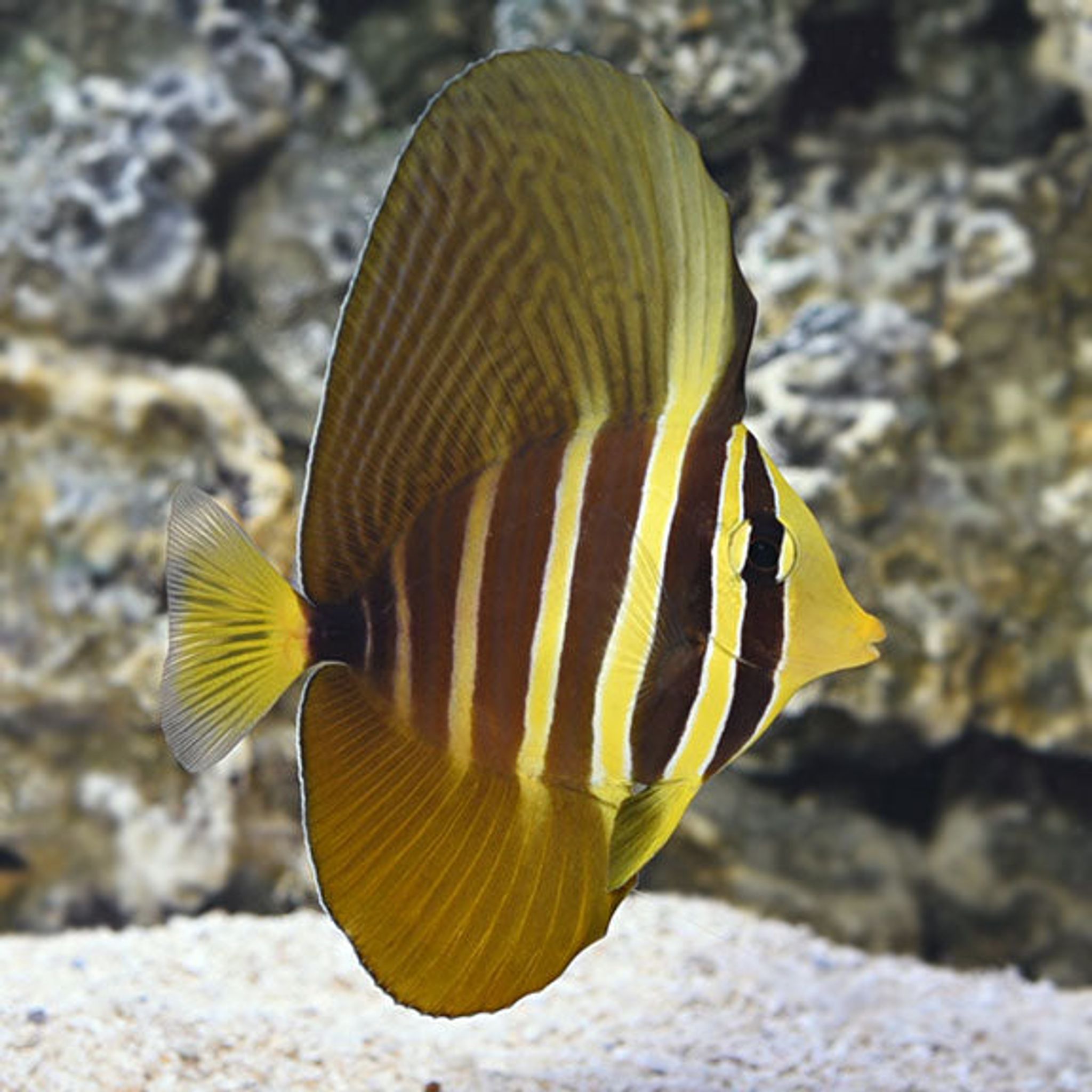
How to Feed Sailfin Tang: Foods, Frequency and Common Feeding Problems
A sailfin tang isn't built for two big meals a day — in the wild it grazes algae off rock almost constantly from sunup to sundown. Feeding one well means replicating that near-continuous grazing pattern in a closed system, not just dropping in flakes twice a day. This guide covers the right foods, a realistic feeding schedule, and the specific problems — starvation, HLLE, and feeding-time aggression — that show up when the grazing model gets skipped.
Think of Feeding as Grazing Management, Not Meal Delivery
Sailfin tangs (Zebrasoma veliferum and Zebrasoma desjardinii) are herbivores/omnivores that spend most daylight hours picking algae and detritus off live rock. A captive tang with no standing grazing option is essentially fasting between feedings, which raises stress and disease risk over time. The practical goal is to keep something edible available for several hours a day, supplemented by a couple of dedicated feedings, rather than treating feeding as a single event.
Zebrasoma veliferum vs. Zebrasoma desjardinii: these two species are often lumped together as "sailfin tang," but they're not identical. Z. veliferum (Pacific sailfin) tends to stay somewhat smaller, while Z. desjardinii (Indian Ocean/Red Sea sailfin) grows larger as an adult — both can approach 15–16 inches (38–41 cm) in a large system over time. The larger the adult size, the more swimming room and daily food volume it needs, so it's worth knowing which one you're keeping when you plan tank size and feeding volume.
Core Diet: What to Feed Daily
The staple diet should be algae-based, not protein-based. Build daily feeding around:
- Dried seaweed/nori sheets — green, red, or purple varieties, clipped to a veggie clip or rock
- Dried kelp
- Spirulina flakes or spirulina sheets
- Marine herbivore pellets or flakes formulated with algae/spirulina content
These foods should make up the bulk of what a sailfin tang eats week to week. You can browse dried seaweed, spirulina-based flakes, and herbivore pellet blends under Food & Supplements if you're building out a feeding rotation.
Vegetable Supplements
Fresh or blanched vegetables round out the algae-based diet and add variety:
- Blanched zucchini
- Romaine lettuce
- Spinach — occasional only, since spinach contains oxalates that can interfere with mineral absorption if overused
- Cucumber
Secure vegetables to a veggie clip, feeding clip, or magnet-mounted holder rather than letting them float free — this keeps the food where the tang can graze it and out of powerheads and pump intakes.
Protein and Meaty Extras
Sailfin tangs do need some protein, but it should stay a minority of the diet — roughly 10–20%, offered a few times a week rather than daily. Good options include:
- Mysis shrimp
- Enriched brine shrimp
- Frozen herbivore/omnivore blends
Feeding primarily meaty foods to a tang is a common mistake; it doesn't match their natural grazing biology and can contribute to nutritional imbalance over time.
How Often to Feed a Sailfin Tang
Given a sailfin tang's high metabolism and grazing nature, err toward more frequent, smaller feedings rather than fewer large ones:
| Food type | Frequency | Feeding style |
|---|---|---|
| Nori/dried seaweed sheet | Daily, available several hours | Clipped in tank, grazed slowly |
| Herbivore pellets/flakes | 2–3x daily, small portions | Feed only what's eaten in 2–5 minutes |
| Blanched vegetables | 3–5x weekly | Veggie clip or magnet feeder |
| Mysis/brine shrimp, frozen blends | 1–3x weekly, small amounts | Target-fed or scattered briefly |
| Vitamin/garlic soak | 1–2x weekly on any food | Soak food before feeding |
In an established reef aquarium with mature live rock, natural turf algae grazing supplements these meals, but it shouldn't fully replace them in most home tanks — only very large, mature reef systems produce enough standing algae to meaningfully offset formal feeding.
A practical rule for meaty and pellet foods: feed only what's consumed within 2–5 minutes. Nori is the exception — because it's grazed slowly, it can stay clipped in the tank for an hour or more without fouling the water the way uneaten meaty food does.
Vitamin Supplementation
Periodically soak foods — nori, pellets, or frozen items — in a vitamin or garlic supplement, with particular attention to vitamin A and vitamin C. These support immune function and skin/color quality, and a diet that skips supplementation in favor of a single dry food is one of the more common contributors to long-term deficiency problems in tangs.
Tank Size and Swimming Room
Feeding success is tied directly to tank size. Sailfin tangs are active swimmers that forage across open rockwork, and a cramped tank suppresses both natural grazing behavior and appetite. As a baseline:
- Minimum commonly cited: 100–125 gallons (380–475 L)
- Better for adults, especially Z. desjardinii: larger, given adult sizes up to 15–16 inches (38–41 cm)
- Include open swimming space plus rockwork with established algae turf for grazing
A tank that's too small for the adult size of the species reduces appetite and increases stress-linked disease risk — it's one of the more overlooked feeding-adjacent mistakes hobbyists make when they buy a juvenile without planning for the adult. Full-grown adults and actively growing juveniles both have real caloric needs; a juvenile that's underfed while growing carries that deficit forward.
Feeding a New or Shy Sailfin Tang
New arrivals — especially wild-caught individuals just out of quarantine — can be shy and slow to accept pellets or flakes at first. A reliable approach:
- Start with nori/seaweed sheets and let the fish graze live rock
- Once it's reliably eating nori, introduce pellets and frozen foods gradually
- Give it a few days before assuming illness — stress from shipping and acclimation is the most common cause of a slow start
Tank-raised or aquacultured specimens generally settle into a varied feeding response faster than wild-caught fish, which may need more patience and more grazing time before they'll take prepared foods confidently.
Common Feeding Mistakes and Troubleshooting
Overfeeding
Excess meaty or pellet food that goes uneaten breaks down into organic waste, feeding nuisance algae and cyanobacteria blooms. Fix it by feeding only what's eaten in under a minute for meaty foods, using a feeding clip to control where food lands, and keeping nutrient export (skimmer, GFO) running alongside a heavier feeding schedule this species requires.
Underfeeding or Relying on Tank Algae Alone
Once a tang picks a tank's rockwork clean of algae, it needs daily supplemental feeding — nori should go in every day even in algae-rich systems, not just when the rock looks bare.
Ignoring Diet Variety (HLLE Risk)
An all-flake or all-pellet diet with no rotation raises the risk of head and lateral line erosion (HLLE) — visible as pitting or white patches along the head and lateral line. HLLE is multifactorial: diet is one driver, but water quality and heavy use of activated carbon are also implicated. Rotate food types, add vitamin/garlic soaks, and keep water parameters stable rather than treating diet as the only variable.
New Tang Refusing Food
Don't assume illness immediately — try live rock grazing and nori first, and give a newly acclimated fish a few days before intervening further.
Feeding-Time Aggression
Tangs can become territorial toward other tangs or herbivores when food appears in one spot. Reduce conflict by using multiple, dispersed feeding stations or clips, and by thinking carefully about species combinations — avoid stocking similarly shaped tangs together in smaller systems, since that's when competition at feeding time is worst. Browsing options under Tangs & Surgeons before adding a second tang species can help you judge compatibility ahead of time.
Sunken Stomach or Pinched Profile
A visibly sunken belly or pinched-looking profile signals chronic underfeeding or, in some cases, intestinal parasites. Increase feeding frequency first; if weight loss continues despite more food, consider that parasites may be involved and evaluate accordingly.
Not Enough Swimming or Foraging Space
Beyond triggering stress, a cramped tank limits natural grazing behavior, which indirectly worsens nutrient uptake even when the diet itself is correct.
Frequently Asked Questions
How often should I feed a sailfin tang?
At least 2–3 dedicated feedings a day with small amounts, plus nori or seaweed sheet available for grazing through the day whenever possible. This matches their high metabolism and natural near-constant grazing pattern better than one or two large meals.
What is the best staple food for a sailfin tang?
Dried nori/seaweed sheets and herbivore-formula pellets or flakes with spirulina content should form the core of the diet. These should be offered daily, with vegetables and occasional protein rounding things out.
Do sailfin tangs eat meaty foods like shrimp?
Yes, but only in small amounts a few times a week — mysis shrimp, enriched brine shrimp, and frozen herbivore/omnivore blends work well as a supplement, not as the main diet. Protein should stay roughly 10–20% of total intake.
Can sailfin tangs get by on algae in the tank alone?
Only in very mature, large reef systems with abundant turf algae growth. Most home aquariums need daily supplemental feeding even when rockwork looks algae-covered, since a tang can graze a tank's natural supply down quickly.
Why does my sailfin tang have white patches or lateral line erosion?
This is usually linked to HLLE, which is tied to vitamin A/C deficiency, limited diet variety, and sometimes stray voltage or heavy activated carbon use. Improving diet variety with vitamin/garlic soaks and maintaining stable water quality are the main fixes.
What vegetables can I feed a sailfin tang?
Blanched zucchini, romaine lettuce, and cucumber work well, along with occasional spinach in moderation due to its oxalate content. Clip vegetables to the glass or a feeding clip rather than letting them float loose.
How much tank space does a sailfin tang need to feed and swim comfortably?
Typically 100–125 gallons (380–475 L) minimum, with more room needed as the fish reaches full adult size — up to 15–16 inches (38–41 cm), particularly for Zebrasoma desjardinii. Adequate swimming room supports both appetite and natural grazing behavior.
Why won't my new sailfin tang eat?
Stress from shipping and acclimation is the most common cause. Offer nori and let the fish graze live rock for a few days before introducing other foods, and hold off on assuming illness unless the refusal continues well beyond the initial adjustment period.
Getting a sailfin tang's diet right is really about matching a closed tank to an open-reef grazing habit — steady access to algae-based foods, a few controlled protein feedings, and enough room to forage naturally. If you're stocking a tank or adding a companion species, the Tangs & Surgeons category on FishyHub is a good place to compare options before you buy.

