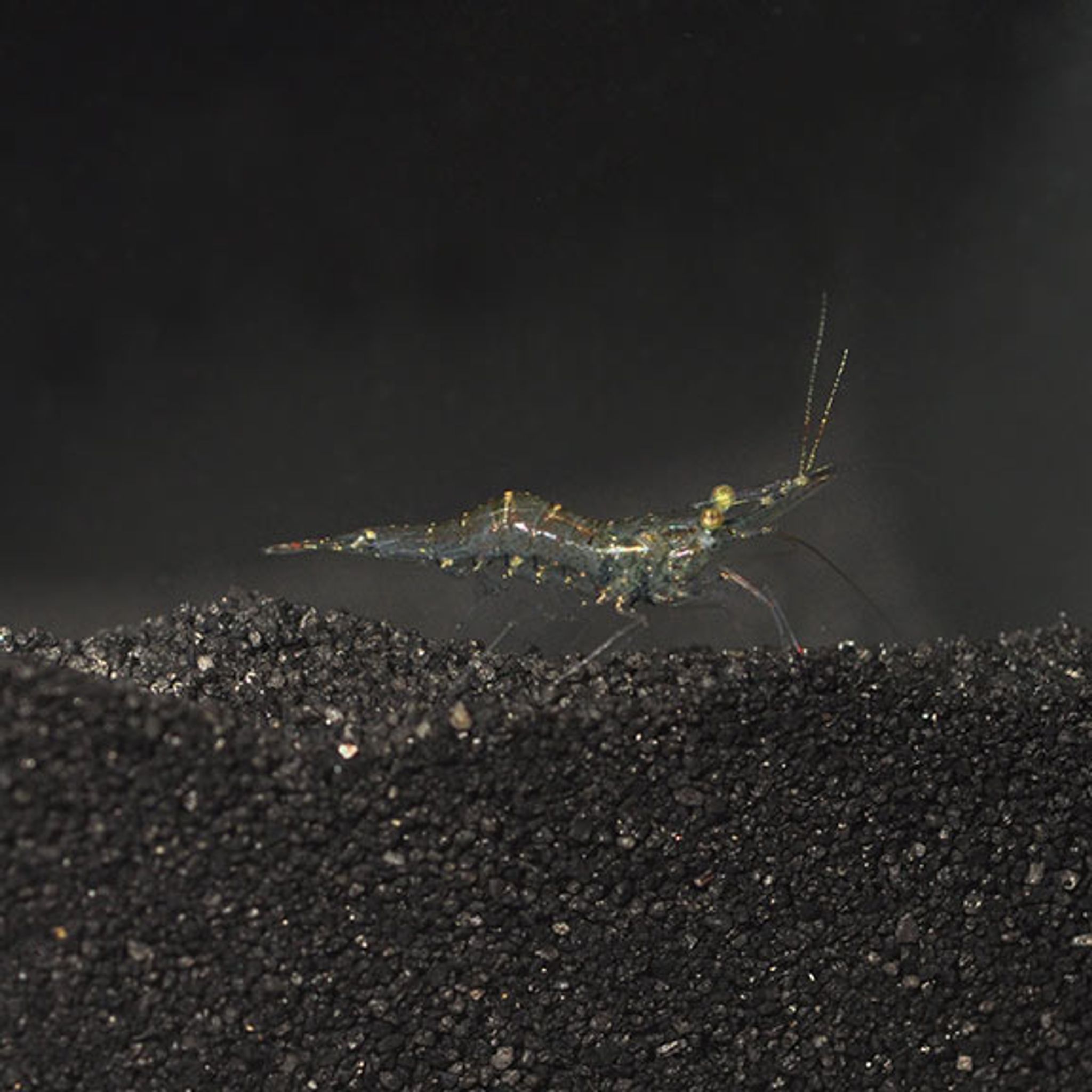
Ghost Shrimp Problems: Common Causes of Stress, Death and Poor Growth
Ghost shrimp are often sold as tough, disposable cleanup crew, but they are actually more sensitive to water chemistry swings than most community fish. If yours are dying suddenly, turning pale, or barely growing, the cause is almost always one of a handful of predictable issues — not bad luck. This guide walks through a practical triage process so you can pinpoint what's actually going wrong.
Why Ghost Shrimp Are More Fragile Than They Look
Ghost shrimp (Palaemonetes and Palaemon species) lack the chemical buffering tolerance that fish have. Fish can often shrug off a brief ammonia spike or a pH swing that would kill a shrimp outright within hours. Their exoskeleton, gills, and molting cycle all depend on stable, mineral-rich water — which is why shrimp are frequently the first animals in a tank to show trouble.
Target Water Parameters
| Parameter | Safe Range | Ideal / Notes |
|---|---|---|
| Temperature | 65–82°F (18–28°C) | Mid-70s°F (23–26°C) for longevity and breeding; higher temps speed metabolism and shorten lifespan |
| pH | 7.0–8.0 | Stability matters more than the exact number |
| Ammonia | 0 ppm | Any detectable reading is a red flag |
| Nitrite | 0 ppm | Any detectable reading is a red flag |
| Nitrate | Under ~20 ppm | Lower is better for long-term health |
| GH/KH | Moderate to high | Shrimp need calcium and minerals for shell formation |
New Tank Syndrome: The Top Killer
The single most common reason ghost shrimp "die for no reason" is that they were added to a tank that isn't fully cycled. In an uncycled or freshly cycled setup, waste from the shrimp (and any fish) spikes ammonia and nitrite before beneficial bacteria have built up to process it. Shrimp added to that environment often die within 24–72 hours.
Fix: Only add shrimp to a tank that has been established and cycled for at least 4 weeks, with confirmed 0 ppm ammonia and nitrite on a test kit.
Acclimation Mistakes
Skipping proper acclimation — floating the bag for a few minutes and dumping shrimp and bag water straight into the tank — is one of the most avoidable causes of death in the first day or two. Shrimp are extremely sensitive to sudden shifts in temperature, pH, and hardness between bag water and tank water.
Do this instead:
- Float the sealed bag for 15–20 minutes to match temperature.
- Drip acclimate over 30–60 minutes, slowly adding small amounts of tank water to the bag.
- Never pour bag water into the display tank — net the shrimp out and discard the bag water.
Copper, Chlorine, and Hidden Chemical Hazards
Copper is lethal to shrimp even in trace amounts that fish tolerate easily. Many fish medications, some liquid plant fertilizers, and even certain tap water sources contain copper. Before treating a shared tank or dosing fertilizer, always check the label.
A quick copper-safety checklist for shrimp keepers:
- Confirm any fish medication is labeled invertebrate-safe or copper-free before dosing a tank with shrimp.
- Choose copper-free fertilizers for planted shrimp tanks.
- Check your tap water source if copper plumbing is a possibility in your home.
- Be cautious with trace-element supplements not formulated for shrimp tanks.
Chlorine and chloramine in untreated tap water are also fast-acting killers. Always treat new water with a dechlorinator before it touches the tank, whether it's a full setup or a routine water change.
Molting: The Most Misunderstood Shrimp Behavior
Ghost shrimp molt every few weeks as they grow, shedding their entire exoskeleton in one piece. A fresh molt looks like a complete, translucent, empty "ghost" shrimp — legs, antennae, and all — and is very often mistaken for a dead animal.
How to Tell a Molt From a Dead Shrimp
- Check for completeness. A molt is one intact, hollow shell shape, usually including the head and eyestalks. A dead shrimp is typically a single body, not an empty husk.
- Look for weight and color. A molt is paper-thin and colorless; a dead shrimp keeps its body mass and may look discolored or decaying.
- Count your shrimp. If your shrimp count is unchanged after finding a shell, it was almost certainly a molt.
- Check for smell or fouling. A decaying shrimp left in the tank will cloud water and smell; leave a suspected molt in place for a day, since shrimp often eat their old shell for minerals.
During and right after molting, shrimp are soft-shelled and defenseless for about 24–48 hours. They hide during this window, so a tank without enough moss, plants, or caves puts freshly molted shrimp at much higher risk from tankmates or curious fish.
Failed Molts and Stuck Shells
"Molting death syndrome," where a shrimp gets stuck partway out of its old shell, usually traces back to low GH or unstable water rather than bad luck.
Fix a low-mineral tank:
- Add crushed coral to the filter or substrate to slowly raise GH/KH.
- Use a liquid mineral supplement or remineralizer formulated for shrimp, especially if you run RO or very soft tap water.
- Recheck GH with a test kit after a week and adjust gradually — sudden mineral swings are their own stressor.
Ghost Shrimp Turning White
This is one of the most searched shrimp symptoms, and it has two very different meanings depending on context.
Normal and not a concern:
- An empty, translucent shell left behind after a molt (see the molt-check steps above).
- A gravid female developing a visible "saddle" — a normal color shift as she carries eggs.
A red flag:
- A live, moving shrimp whose body — especially the tail muscle — turns opaque, cloudy white while it stays sluggish, stops eating, or hides constantly. This pattern is often described as muscle necrosis, and it's linked to stress, chemical shock, or prolonged poor water quality, and can be fatal.
If you see the concerning version: test ammonia, nitrite, nitrate, GH, and temperature immediately; do a moderate water change; and isolate the affected shrimp in a quarantine container with stable, mature water if possible. There's no direct cure once necrosis sets in, so the priority is stabilizing the rest of the colony.
Predation: The Overlooked Cause of Disappearing Shrimp
Many owners blame water quality every time shrimp numbers quietly drop, when the real cause is a predator picking them off one at a time. Common culprits include:
- Bettas
- Gouramis
- Larger or more aggressive tetras
- Cichlids
- Crayfish
- Other ghost shrimp themselves — they're opportunistic and will eat weak, molting, or dead tankmates
If shrimp vanish steadily with no bodies or shells found and water parameters test clean, suspect a tankmate before assuming a water problem. Ghost shrimp generally do fine with small, peaceful community fish; you can browse freshwater livestock for shrimp-compatible options, but it's worth researching any species before adding it to a shrimp tank.
Stress Signs to Watch For
- Erratic swimming or jumping
- Staying at the surface
- Color loss or an unusual opaque, white-blue cast (outside of molting or a saddle)
- Lethargy or hiding constantly
- Refusing food
- Red or swollen gills
Parasites and Disease
True disease is less common than water-quality or husbandry issues, but a few things are worth knowing:
- Camallanus and other internal worms: These use crustaceans as an intermediate host in their life cycle, which makes shrimp tanks relevant even if the worms are usually noticed in fish first — thin red or white threads protruding from a fish's vent are the classic sign. Treatment is typically a levamisole-based dewormer, followed by a water change about 24 hours later, with a repeat treatment in 2 weeks to catch newly hatched eggs. Always confirm the medication is copper-free before dosing a tank with shrimp.
- Vorticella and external protozoan/fungal infections: These show up as white, cotton-like or fuzzy patches on the shrimp's body.
- Scutariella: Small, worm-like parasites that attach near the eyes and rostrum, specific to shrimp.
If you suspect real disease, quarantine the affected animal and research the specific treatment rather than dosing the main tank blind.
Detritus Worms in the Tank
Small, thread-like white worms wriggling in the substrate or on the glass alarm a lot of new keepers, but they're usually detritus worms — harmless scavengers that feed on excess organic waste, not shrimp predators. A visible bloom means the tank is being overfed relative to its bioload.
Fix with husbandry, not medication: reduce feeding, vacuum the substrate, and do a water change or two. Treating harmless detritus worms with medication is unnecessary and can stress your shrimp for no benefit.
Water Mites in the Tank
Tiny mites occasionally seen crawling on the glass or at the water's surface are, like detritus worms, generally harmless scavengers rather than a threat to shrimp. Their presence signals the same thing: excess organic matter. Improve maintenance and feeding habits rather than reaching for a chemical treatment.
A Note on Triops (Tadpole Shrimp)
Some beginners searching for "shrimp problems" are actually dealing with triops, also called tadpole shrimp — a shield-shelled crustacean with a long tail that looks nothing like a ghost shrimp up close. Triops are an unrelated species, typically kept as a short-lived novelty pet with a very different life cycle and care routine. If your animal has a broad shield-like carapace instead of a small, transparent shrimp body, the advice in this article won't apply — you're looking at a different animal entirely.
Chronic Poor Growth: It's Rarely Sudden
Unlike sudden die-offs, stunted or slow-growing shrimp almost always point to a chronic issue rather than a single event:
- Inconsistent water quality: Even parameters that never spike to lethal levels can slow growth if they drift constantly.
- Insufficient food supply: Shrimp graze biofilm and algae between feedings, and in an overly clean, low-biofilm tank with no supplemental feeding, "water quality" die-offs are sometimes actually slow starvation.
- Overcrowding: Too many shrimp competing for the same grazing surface and food limits everyone's growth.
- Low calcium/mineral levels: Without enough GH, shrimp can't build a proper new shell after each molt, leading to smaller, weaker growth over successive molts.
Overfeeding: A Frequent Root Cause
Because ghost shrimp are so small, it's easy to overestimate how much food they need. Excess uneaten food fouls the water, spikes ammonia, and fuels the same detritus worm and pest blooms discussed above.
Feeding guideline: offer only what's eaten within 2–3 minutes, a few times a week, for a lightly stocked shrimp tank. Between feedings, shrimp will graze biofilm and algae on decor, glass, and plants — this grazing is a meaningful part of their diet, not a sign they're being starved.
Old Age: Sometimes It's Just Their Time
Ghost shrimp naturally live only about 1 to 1.5 years. If a small number of older shrimp die off gradually with no other symptoms, and the rest of the colony is active and molting normally, that's likely just natural attrition rather than a tank problem.
Water Changes: Small and Consistent Beats Big and Rare
Sudden or oversized water changes — more than 25–30% at once, or ones that shift temperature or pH sharply — can shock shrimp just as much as neglect can. Aim for smaller, regular changes of about 10–20% weekly, with replacement water matched closely to tank temperature.
Quarantine New Arrivals
Shrimp sold as cheap "feeder" stock are often kept in crowded, poorly maintained conditions before sale and can arrive already stressed or carrying disease. New shrimp — and new plants, which can carry hitchhiking parasites or planaria — should spend a couple of weeks in a separate quarantine setup before joining an established colony.
Easy Tips for Long-Term Water Quality
- Cycle the tank fully before adding any shrimp.
- Test water regularly, more often while a tank is still cycling.
- Avoid overfeeding; let shrimp graze biofilm between meals.
- Vacuum substrate during water changes to remove waste buildup.
- Don't overstock relative to your filtration and tank size.
- Always dechlorinate tap water, for both new setups and routine changes.
- Favor consistent partial water changes over big, infrequent ones.
Water Testing on a Budget
A liquid master test kit covering ammonia, nitrite, nitrate, and pH costs more upfront than test strips but works out cheaper per test over time and gives more accurate readings — a worthwhile investment for anyone keeping shrimp long-term. Test strips are a perfectly reasonable low-cost starting point for beginners just getting oriented. Test daily or every few days while a tank is cycling, then weekly once parameters are stable. You can find test kits and other essentials in FishyHub's treatment and water conditioning category.
Frequently Asked Questions
Why do my ghost shrimp keep dying for no reason?
There's almost always a reason, even if it isn't obvious. Check for an uncycled tank and ammonia/nitrite spikes first, then review your acclimation process, possible copper exposure from medications or fertilizers, and whether a tankmate could be preying on them.
Is it normal for ghost shrimp to turn white?
Yes, in two specific cases: an empty shed shell left after a molt, or a gravid female developing a normal egg-carrying "saddle." It's a concern when a live, moving shrimp's body or tail turns cloudy-white while it stays lethargic — that pattern points to stress-related muscle necrosis rather than a normal molt.
How long do ghost shrimp live?
About 1 to 1.5 years under good conditions. Natural die-off of older shrimp in an otherwise healthy tank isn't necessarily a sign of a tank problem.
What temperature and water parameters do ghost shrimp need?
A safe range is roughly 65–82°F (18–28°C), with the mid-70s°F (23–26°C) ideal for health and breeding. Keep pH between 7.0 and 8.0, ammonia and nitrite at 0 ppm, nitrate under about 20 ppm, and hardness moderate to high.
Can I keep ghost shrimp with fish?
Yes, ghost shrimp generally do well with peaceful small community fish. Avoid known predators such as bettas, larger cichlids, and other aggressive species that will pick off shrimp over time.
Why isn't my ghost shrimp growing?
Poor growth is usually chronic rather than sudden. Check that you're feeding enough (shrimp also graze biofilm between meals), that water quality is consistently stable rather than just "not lethal," and that GH/mineral levels support proper molting.
Are the worms I see in my tank harmful to my shrimp?
Most visible thread-like worms in the substrate or on the glass are detritus worms — harmless scavengers linked to overfeeding, not shrimp predators. True parasitic worms, like camallanus, are less common in a free-living form and are usually spotted in fish rather than roaming the tank.
Do ghost shrimp need special water conditioning?
Yes. Always dechlorinate tap water before it touches the tank, and avoid any copper-containing fertilizers, medications, or supplements, since copper is lethal to shrimp even in trace amounts that fish tolerate.
Whether you're troubleshooting an existing colony or starting fresh, healthy ghost shrimp start with stable, cycled water and the right supplies on hand. Browse FishyHub's shrimp category to find shrimp and the water care essentials to keep them thriving.

