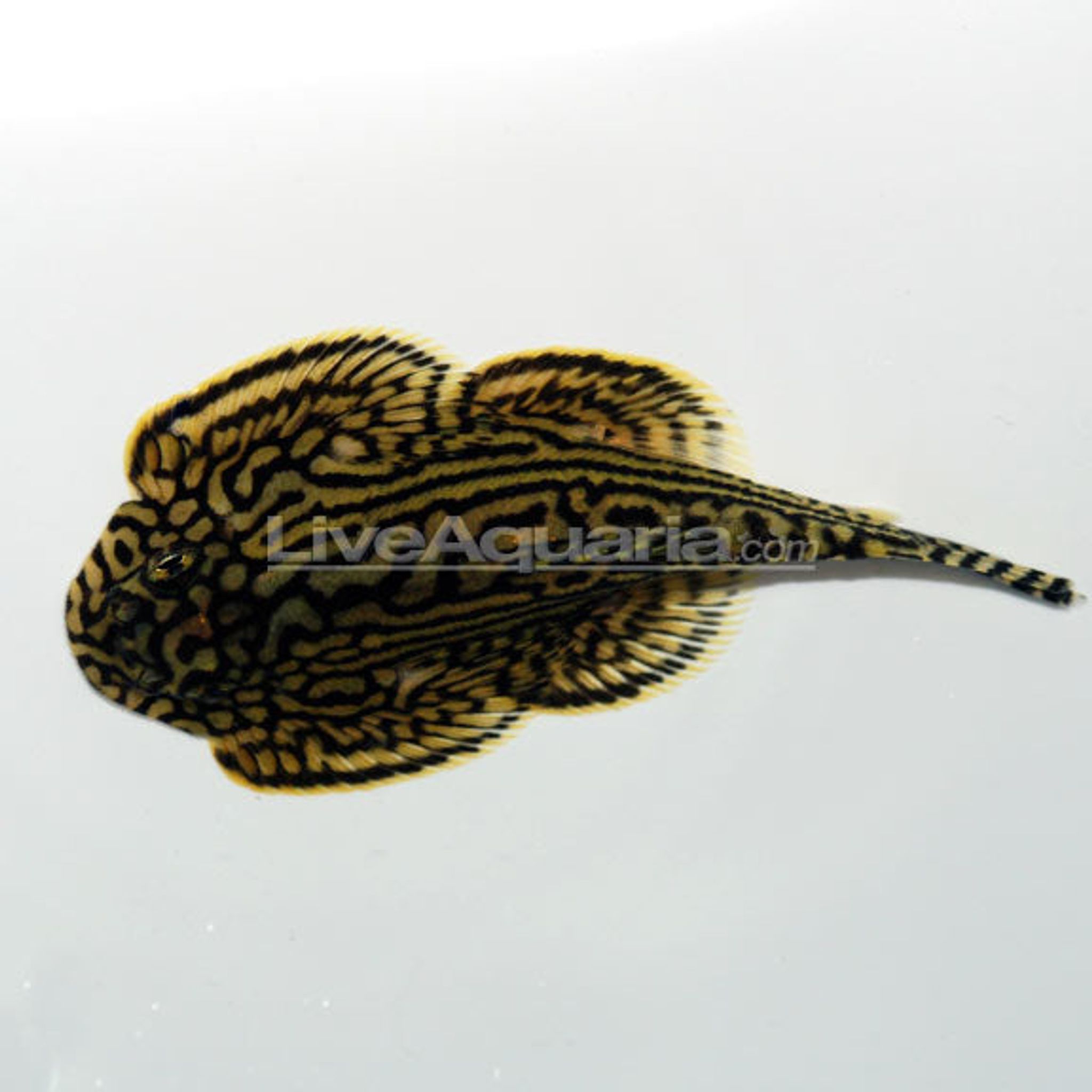
Best Tank Mates for Hillstream Loach: Compatible Fish and Species to Avoid
The best hillstream loach tank mates are cool-water, current-loving fish such as white cloud mountain minnows, small danios and hardy rasboras, plus dwarf shrimp and nerite snails. Warm-water tropicals (bettas, discus, most gouramis), aggressive bottom fish and weak, long-finned swimmers are the ones to avoid. The deciding factor is water, not only temperament: every pick below has to handle 68–75°F, strong flow and some competition for the bottom.
What a "Hillstream Loach" Actually Is
"Hillstream loach" is a trade name for several flat-bodied, sucker-shaped genera, not a single species:
- Sewellia — often sold as reticulated or tiger hillstream loaches.
- Gastromyzon — commonly labeled Borneo suckers.
- Beaufortia — the butterfly hillstream loach.
Their needs overlap but differ slightly, so check which genus you are buying. Adults reach about 2–3 inches (5–7.5 cm) and can live roughly 8–10 years. They are peaceful toward other species but territorial toward their own kind and anything that looks like them, which shapes every stocking decision.
The Water They Need (and Their Tank Mates Must Share)
| Parameter | Target | Notes |
|---|---|---|
| Temperature | 68–74°F (20–23°C) ideal | Tolerates ~65–80°F, but treat 76°F+ as stress territory |
| pH | Neutral to slightly alkaline, ~6.5–8.0 | Stability matters more than the exact number |
| Hardness | ~3–15 dGH | Moderate |
| Ammonia / nitrite | 0 ppm | Non-negotiable |
| Nitrate | Under ~20 ppm | Regular water changes |
| Filter turnover | ~10–15x tank volume per hour | Filter plus a powerhead or river-manifold setup |
Sources disagree on the temperature ceiling (72°F, 75°F or 80°F). A 68–74°F target is the safe middle, and it automatically rules out fish that want 78°F or warmer.
Flow and Oxygen
Most keepers insist on a powerhead; some say any adequate filter is enough. The practical answer: strong, one-directional current is best practice, but high dissolved oxygen is the non-negotiable part. Oxygen is usually the real limiting factor, so eliminate stagnant corners and keep the surface moving. Every tank mate you choose must be comfortable swimming in that current. Put a sponge cover on filter intakes, since loaches and small fish can get pulled against or into them.
Tank Shape and Decor
A long, low footprint beats a tall tank. Recommended minimums vary from about 20 to 50 gallons across sources; a reasonable approach is:
- 20-gallon long (76 L) for one loach or a trio with nano schoolers.
- 40–55 gallons (150–210 L) for a group plus a community, especially with other bottom dwellers.
Use smooth river rock, slate and driftwood as grazing surfaces, and fit a tight lid — hillstream loaches climb glass and can escape or wander into filters.
Feeding: Why Bottom Competition Matters
Hillstream loaches graze biofilm and algae, but they cannot live on algae alone. Supplement with:
- Sinking algae wafers
- A gel food made for grazers
- Blanched zucchini or spinach
- Small frozen foods such as bloodworms and brine shrimp
Only add them to a mature tank with established biofilm. Any tank mate that vacuums up wafers competes directly with them, which is why bottom dwellers come with caveats below.
Best Tank Mates for Hillstream Loach
Here is a shortlist filtered through temperature, flow tolerance and bottom-space competition, roughly ranked from best to "works with care."
| Species | Comfortable temp | Swimming level | Handles flow? | Verdict |
|---|---|---|---|---|
| White cloud mountain minnow | Cool, overlaps fully | Top / midwater | Yes | Top pick |
| Zebra, leopard and small danios | Cool to moderate | Top / midwater | Yes, strong swimmers | Excellent |
| Celestial pearl danio (galaxy rasbora) | Cool to moderate | Midwater, planted | Moderate | Good in planted tanks |
| Harlequin, lambchop rasboras | Moderate | Midwater | Moderate | Good |
| Chili rasbora | Moderate | Midwater | Needs calm pockets | Good with sheltered zones |
| Neon and other small cool-tolerant tetras | Warm edge, ~74–76°F compromise | Midwater | Moderate | Acceptable compromise |
| Platies | Tolerate cooler water well | Mid / top | Reasonable | Good |
| Endler's, short-finned guppies | Moderate | Top | Reasonable | Good |
| Cherry (neocaridina) shrimp | Cool to moderate | Bottom / surfaces | Yes | Safe |
| Nerite and other algae snails | Wide | Surfaces | Yes | Safe |
| Kuhli, zebra loaches; peppered cory | Cool to moderate | Bottom | Moderate | Caution: larger tanks only |
| Bristlenose pleco | Moderate | Bottom | Yes | Caution: larger tanks, ample food |
Top and Midwater Schoolers
- White cloud mountain minnows are a near-perfect temperature match, hardy and they stay out of the loach's space.
- Danios are fast, current-loving fish that treat a powerhead as a playground. Celestial pearl danios suit planted setups.
- Rasboras (harlequin, lambchop, chili) are small and peaceful; chilis need calmer pockets behind rock or plants.
- Small tetras like neons work on the warm-edge compromise around 74–76°F, not in a truly cool tank.
You can browse suitable schoolers in FishyHub's small community fishes section.
Livebearers
Endler's, guppies and platies are hardy and handle current reasonably. Platies tolerate cooler water best. Skip fancy guppies with long, heavy tails in strong flow.
Invertebrates
Dwarf shrimp and nerite snails are safe. The loaches compete mildly for biofilm, and they may graze or outcompete tiny shrimplets, so add moss for cover if you want a breeding colony.
Bottom Dwellers (With Caution)
Opinions split here: some keepers happily mix corys, kuhlis and plecos; others avoid all benthic competitors. The balanced approach is to add kuhli loaches, zebra loaches, small corydoras (the peppered cory prefers cooler water) or a bristlenose pleco only in larger tanks, and to target-feed so the hillstream loaches actually eat.
Species to Avoid
- Warm-water fish — discus, most rams, many gouramis and bettas want 80°F or warmer. Generic lists sometimes include discus, dwarf gouramis and mollies; they are poor choices on temperature grounds.
- Aggressive or semi-aggressive fish — most cichlids, oscars, large barbs, and red-tail or rainbow sharks, which claim the bottom.
- Fin-nippers — tiger barbs and serpae tetras.
- Fish big enough to eat or harass a 2-inch loach — large angelfish and large catfish.
- Other hillstream or sucker loaches and look-alike flat bottom fish in small tanks — expect territorial disputes. Avoid heavy bottom-feeder stocking in general.
- Weak swimmers — long-finned bettas and fancy guppies struggle in heavy current.
- Goldfish — the temperature fits, but their size and waste load are a bad match, and they will eat small foods and possibly shrimp.
How Many Hillstream Loaches to Keep
Keep one alone or three or more, and avoid exact pairs, where one often bullies the other. Recommendations range from 3–4 per 50 gallons to 6+; scale the number to the amount of rock territory you can provide. More loaches need more rocks and broken sightlines.
Sample Stocking Plans
20-Gallon Long (76 L)
- 1 hillstream loach, or a trio if rockwork is generous
- 8–10 white cloud mountain minnows or chili rasboras
- Cherry shrimp colony and 2–3 nerite snails
- No other bottom fish
40-Gallon Breeder (150 L)
- 3–4 hillstream loaches (same genus)
- 10–12 zebra or leopard danios
- 6 peppered corydoras or 6 kuhli loaches, with target feeding
- Nerite snails
55-Gallon (210 L)
- 4–6 hillstream loaches spread across multiple rock zones
- A school of white clouds plus a school of danios or harlequin rasboras
- One bristlenose pleco or a group of kuhlis, with food in several spots
- Shrimp in mossy areas
Introducing Tank Mates Safely
- Quarantine new fish for 2–4 weeks.
- Add hillstream loaches only to a cycled, aged tank with visible biofilm.
- Add mid and top schoolers first (or alongside the loaches); add other bottom dwellers last.
- Watch feeding time for the first few weeks to confirm the loaches get their share.
US Summer Heat and Mate Choice
Many US homes climb well above 74°F in summer, which is when hillstream tanks struggle. Warm water holds less oxygen, so:
- Add an airstone or more surface agitation.
- Run a fan across the surface, or use a chiller in hot rooms.
- Check that the heater is not stuck on and watch the room temperature.
This is also why warm-water mates fail: running a tank at 78–80°F to suit tropicals leads to lethargic, gasping loaches and more disease. For flow, a sponge filter plus a powerhead is a common combination; FishyHub's filters category is a place to compare options.
Common Mistakes and Troubleshooting
- Brand-new tank: loaches starve without biofilm. Wait until the tank matures, or feed daily.
- Tank kept at 78–80°F: lower the temperature or rehome the tropical mates.
- Gasping in summer: boost aeration and surface movement.
- Loaches not eating: corys or plecos are grabbing the wafers. Feed after lights out and in multiple spots.
- One loach chasing another: add rocks to break sightlines, raise the group to three or more, or separate them.
- Missing loach: check the filter intake and sponge, behind the tank and the floor.
- Shrimplet losses: add moss and dense cover.
Frequently Asked Questions
Can hillstream loaches live with bettas?
Generally no. Bettas want 78–82°F and calm water, while hillstream loaches need cooler, fast-moving water. One of them will always be kept outside its comfort zone.
Can hillstream loaches live with goldfish?
The temperature overlaps, but goldfish grow large, produce heavy waste and eat small foods and shrimp. It could only work in a very large, cool, well-filtered tank, and it is still not recommended.
Are hillstream loaches safe with shrimp?
Yes for adult shrimp. Some baby shrimp may be eaten or outcompeted for biofilm, so dense moss helps a colony keep breeding.
Can I keep two hillstream loaches?
It is better to keep one or three or more. Pairs often end with one loach bullying the other, while a larger group spreads out the aggression across more rock territory.
Do hillstream loaches need a heater?
Often not, if the room stays around 68–74°F. Use a heater only to hold a stable low-70s temperature, and watch summer heat more closely than winter cold.
Can they share a tank with kuhli or zebra loaches, and will they eat plants?
Kuhli and zebra loaches work in larger tanks with target feeding; avoid other flat sucker loaches in small tanks. Hillstream loaches will not eat your plants; they graze algae off surfaces and are plant-safe.
Build Your Cool, Fast-Water Community
Choose companions that share the cold, oxygen-rich current first, then check temperament and bottom competition. When you are ready to stock, browse FishyHub's freshwater livestock range, including loaches and other bottom dwellers, to plan a hillstream setup that stays calm and healthy.

