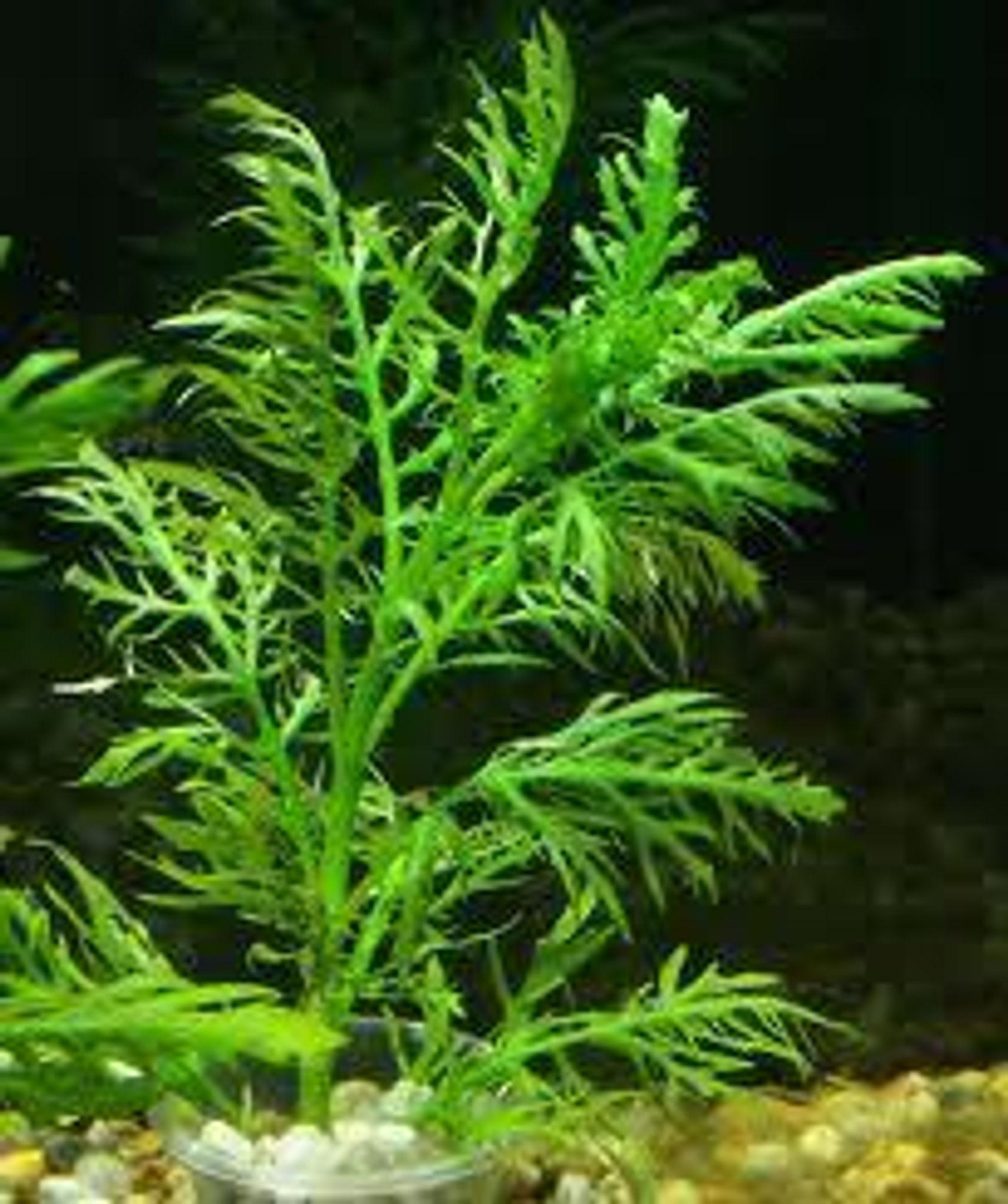
Best Tank Mates and Aquascaping Uses for Water Wisteria
Water wisteria (Hygrophila difformis) is one of the easiest stem plants to build a community tank around, but two questions trip people up: which fish and inverts will actually leave it alone, and how to use its lacy growth in a layout instead of letting it turn into a green mop. This guide answers both with a straight compatibility list and step-by-step placement instructions.
What Water Wisteria Is and Why It's So Forgiving
Native to South and Southeast Asia (India, Bangladesh, Nepal, and the surrounding Thailand region), water wisteria is a fast-growing stem plant known for its feathery, deeply lobed submerged leaves. Left untrimmed, it can reach 18–24 inches tall and 8–12 inches wide, so give it real vertical room or plan on regular pruning.
It tolerates a wide range of conditions once established:
| Parameter | Range |
|---|---|
| Temperature | 70–85°F (21–29°C) |
| pH | 6.0–7.5 |
| Hardness | Soft to moderately hard (roughly 2–8 KH) |
| Lighting | Low to high |
| CO2 | Optional |
| Minimum tank size | 10 gallons (38 L) |
That tolerance, combined with fast nutrient uptake, is why it's often recommended as a first stem plant: it acts as a nitrate and ammonia "sponge," competing with algae for the same nutrients and helping new tanks settle in.
Best Tank Mates for Water Wisteria
Because it isn't fussy about water chemistry and holds up under moderate flow, water wisteria works with almost any peaceful community setup.
Good tank mates:
- Bettas
- Tetras (including neon tetra)
- Rasboras
- Danios
- Cherry and other peaceful barbs
- Corydoras catfish
- Kuhli loaches
- Dwarf gourami and most gouramis
- Guppies, mollies, and swordtails
- Freshwater shrimp (cherry, amano, and similar species)
- Most peaceful community cichlids
Shrimp keepers in particular like it as a background plant: browse freshwater shrimp options that will graze biofilm off the leaves without damaging them, and pair it with small community fish like tetras for a low-stress mixed tank.
Fish and Inverts to Avoid or Watch
- Goldfish — most guidance treats goldfish as incompatible long-term; they eat water wisteria quickly and will uproot the rest. One view frames goldfish as simply "tolerant," but the safer read for a lasting scape is to treat them as an avoid — though offering a few leaves as an occasional snack in a goldfish tank is fine.
- Silver dollars and rainbow fish — known plant grazers that will shred soft-leaved stems like this one.
- Large or destructive cichlids (oscars and similar) — tend to dig and uproot rather than eat, which is just as damaging.
- Snails — results vary by species and individual. Assassin snails are the safest choice since they don't graze plants. Nerite snails are inconsistent: some leave plants alone, others nibble the leaves, especially if other food is scarce. Larger mystery or apple snails carry a similar modest risk.
Best Placement in an Aquascape
Water wisteria's flexibility means it can fill three very different roles in the same tank.
| Placement | How it works | Pro | Con |
|---|---|---|---|
| Background/midground | Rooted stems planted upright at the back or sides | Tall, quick vertical cover; hides equipment | Needs trimming to avoid shading the tank |
| Carpet | Stems laid on their side, partially buried | Dense low cover for bottom dwellers, no true substrate needed | Not as tight or even as dedicated carpet plants |
| Floating | Left untethered on the surface | Trailing roots shelter fry and shrimp; diffuses harsh light | Can block light and gas exchange if overgrown |
Rooted Background or Midground Plant
Plant stems 1–2 inches deep, spaced 1–2 inches apart, along the back or sides of the tank. Regular trimming can pull it forward into a midground role instead of letting it dominate the back wall.
Carpet Effect
Lay cut stems horizontally on their side and partially bury the stem itself — not the leaves. Only the upward-facing leaves will keep growing, producing a dense, low mat that gives bottom dwellers like corydoras or loaches cover. It won't match the tight, even look of a dedicated carpeting plant like dwarf hairgrass, but it's a fast, low-effort alternative.
Floating Plant
Simply let it float. It develops long, trailing roots that shelter fry and shrimp and soften intense lighting for plants below. Cap coverage at roughly 40–50% of the surface so lower plants and fish still get adequate light and the water surface keeps exchanging gas properly.
Pairing With Aquascape Styles and Hardscape
In a Dutch-style layout, water wisteria works well as one row in a stem-plant "street," trimmed flat-topped and kept distinct from neighboring species by spacing rows a few inches apart to limit nutrient competition. In a jungle or nature-style scape, let it grow taller and looser behind driftwood or rockwork — the lacy texture contrasts nicely against solid hardscape lines and helps visually layer the background against a stone or wood centerpiece.
It also makes solid spawning cover: livebearers like guppies and swordtails will use dense floating or background growth to hide fry from adult tankmates, and egg-scattering species benefit from the same shelter during and after spawning.
How to Plant Water Wisteria Step by Step
- Prep the substrate. A nutrient-rich sandy or fine gravel substrate with root tabs isn't mandatory — this is a water-column feeder first — but it noticeably improves fullness and anchoring for rooted placements. Avoid coarse, large-grain substrate, which blocks root penetration.
- Trim the base. Remove any mushy, brown, or overly thin stem before planting.
- Plant at the right depth. Bury roughly 1 inch of stem, spacing stems 1–2 inches apart to leave room for the fast growth to come.
- Weight fresh cuttings. New cuttings often float before rooting. Anchor them with a small rock or piece of decor, or plant slightly deeper than usual until roots take hold.
- Be patient with new growth. Roots typically establish within one to two weeks under stable conditions.
Emersed vs. Submersed Leaves: Dealing With Die-Back
Plants sold in stores are usually grown emersed (above water) and have broader, sturdier leaves. Once submerged, those old leaves commonly yellow and melt while the plant redirects energy into new, fine, lacy submerged leaves. This transition can take two weeks to two months. It's a normal adjustment, not disease — trim off the dying leaves as they go rather than pulling the whole plant.
Lighting and CO2 Needs
Water wisteria adapts across the lighting spectrum:
- Low light produces slower growth with larger, broader leaves.
- High light produces bushier, more compact growth.
CO2 is optional. It isn't required for healthy growth, and one view even treats added CO2 as risky in small tanks because it can push overgrowth faster than you can trim. The more practical take: beginners can skip CO2 entirely, while more experienced scapers can inject it for denser growth as long as they increase trimming frequency and fertilizer dosing to match. Either way, avoid raising light intensity without also increasing nutrients or CO2 — mismatched light invites algae to outcompete the plant instead of speeding it up.
Trimming and Pruning Routine
Given growth rates commonly cited at 0.5–3 inches per day under good conditions, expect to trim roughly every 1–2 weeks in a well-lit tank.
- Cut just above a node to encourage branching from that point.
- Trim floating mats regularly so they don't creep past the recommended surface coverage or get pulled into filter intakes.
- Cuttings with healthy leaves can be replanted, given away, or offered as supplemental food for herbivorous fish and shrimp — a low-cost use for trimmings instead of tossing them.
Propagation Methods
- Stem cuttings: Cut a top section roughly 4–6 inches long, above a node, keeping leaves intact. Replant directly in substrate about 1 inch deep, spaced away from the parent stem so neither shades the other.
- Regrowth from the base: The cut base of the parent stem will typically send out new shoots on its own.
- Leaf or lateral shoot propagation: Less common but possible — a single leaf or lateral shoot can sometimes root and establish as a new plant given time and stable conditions.
New cuttings generally take one to two weeks to root once anchored.
Nutrient Deficiency Symptoms
| Symptom | Likely cause |
|---|---|
| Yellowing leaves | Iron or nitrogen deficiency |
| Holes in leaves | Potassium deficiency |
| Stunted or slow new growth | General nutrient deficiency |
Tie these signs back to your fertilizing routine — a light or root tab dose adjustment usually resolves them within a week or two of new growth.
Common Mistakes to Avoid
- Buying weak stock: skip stems with mushy or brown bases, yellowed leaves, or thin, pale stalks.
- Panic-removing melting leaves: trim dead leaves during the emersed-to-submersed transition instead of discarding the whole plant.
- Over-lighting without matching nutrients: this feeds algae more than the plant.
- Letting floating coverage run unchecked: it starves lower plants of light and reduces surface gas exchange.
- Planting cuttings too close together or too close to the parent stem: causes shading and nutrient competition as growth accelerates.
- Skipping trims: leads to leggy, bare-based stems that shade the whole tank within weeks.
- Not anchoring new cuttings: they'll float free until a rock, decor piece, or slightly deeper planting holds them down.
A Note on Disposal
Water wisteria can flower when grown emersed, and like many fast-growing aquatic plants, it's treated as a regulated or invasive species in some US states. Never release plant trimmings into ponds, lakes, or waterways — compost them, offer them as fish food, or dispose of them in household trash instead.
Frequently Asked Questions
Is water wisteria good for beginners?
Yes. It tolerates a wide range of water parameters, doesn't need CO2, and grows fast enough to show visible results quickly while forgiving minor care mistakes.
Does water wisteria need CO2 or special fertilizer?
No. It grows without injected CO2 or liquid fertilizer, just more slowly. Adding either will speed growth and improve leaf density for those who want denser scapes.
Why are my water wisteria's leaves melting or turning brown after planting?
This is the normal transition from store-grown emersed leaves to submerged growth. Trim the dying leaves and expect new, finer leaves to appear within a few weeks.
Can I float water wisteria instead of planting it?
Yes. It grows well floating and develops long root systems that shelter fry and shrimp, but keep coverage under about half the surface so light still reaches plants and fish below.
Will my fish or snails eat water wisteria?
Most community fish leave it alone, but goldfish, silver dollars, and other plant-grazing species will eat it. Snail behavior varies — assassin snails are safest, while nerite and larger snails may nibble depending on the individual and available food.
How often should I trim water wisteria?
Roughly every 1–2 weeks in a well-lit tank, since growth rates can exceed an inch a day under good conditions.
Can water wisteria be used as a carpet plant?
Yes, by laying stems horizontally and partially burying them so only the top leaves grow upward. It won't be as dense or even as a dedicated carpet plant, but it's an easy, low-cost cover option.
What tank size does water wisteria need?
A 10-gallon tank is a reasonable minimum given its fast growth and mature size, and it scales up well as a background plant in larger aquascapes.
Ready to stock a tank around it? Browse freshwater livestock on FishyHub to find compatible fish, shrimp, and bottom dwellers for your next planted setup.

