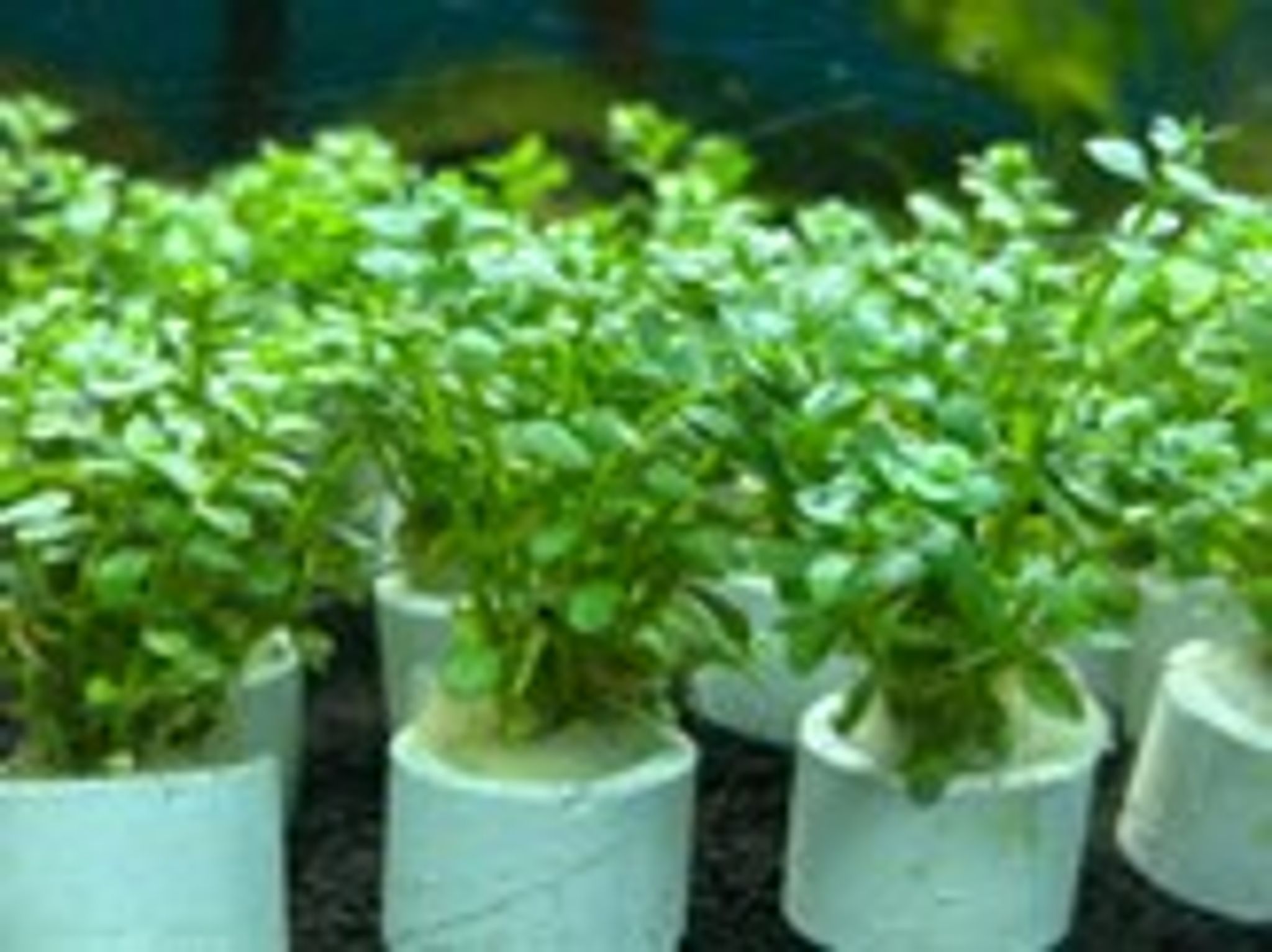
Best Tank Mates and Aquascaping Uses for Rotala Rotundifolia
Rotala rotundifolia (roundleaf toothcup) is one of the most forgiving stem plants a beginner aquascaper can plant, but choosing the wrong tank mates or layout can leave it shredded, leggy, or stubbornly green. This guide covers which fish, shrimp, and snails actually work with it, how to use it in a layout, and the common mistakes that keep it from looking its best.
Why Rotala Rotundifolia Is a Beginner-Friendly Stem Plant
Rotala rotundifolia tolerates a wide range of water conditions, which is exactly why it shows up in so many first aquascapes. It handles:
- Temperature: 68–82°F (20–28°C)
- pH: 6.0–7.5
- Hardness: soft to moderately hard water
That range covers most community tank setups without any special water treatment. The plant will survive in a low-tech tank with no injected CO2, but it will grow slower and stay mostly green. Under medium-to-high light with iron and nitrogen supplementation — and ideally injected CO2 — the new growth turns pink, red, or orange, which is the look most people are chasing when they buy it.
It's also a fast grower. In strong light with good nutrients, it can need trimming every 1–2 weeks to stay in shape; in a low-tech setup, every 2–3 weeks is more typical. That speed is a practical benefit beyond looks: a stand of fast-growing stems pulls a meaningful amount of nitrate and ammonia out of the water column as it grows, which helps offset the bioload from messier or heavier-feeding fish and reduces the nutrient surplus that feeds algae.
The Decision Framework: Light + CO2 + Tank Size
Before buying, it helps to know what outcome to expect based on your setup:
| Light Level | CO2 | Expected Color | Expected Growth |
|---|---|---|---|
| Low-medium | None | Green to olive | Slow, still healthy |
| Medium-high | None | Green with slight blush at tips | Moderate |
| Low-medium | Injected | Green to light pink | Moderate-fast |
| Medium-high (~2–3+ watts/gallon equivalent, 30–50+ PAR) | Injected | Strong pink/red/orange | Fast, needs frequent trimming |
Tank size matters less for the plant's health than light and CO2 do, but it does affect how the plant is used in the layout — more on that below.
Choosing Tank Mates for a Rotala-Heavy Tank
The core rule is simple: pick peaceful fish and invertebrates that don't graze on soft plant tissue and don't dig around the base of the stems. Small, active schooling fish are ideal because they swim through the plant mass without damaging it.
Good Tank Mates
- Small schooling fish: neon, ember, rummy-nose, and cardinal tetras, harlequin and chili rasboras
- Small livebearers: guppies, endlers, platies
- Dwarf gouramis
- Bottom dwellers: corydoras and other gentle substrate sifters that don't dig aggressively
- Invertebrates: cherry shrimp and other neocaridina shrimp, nerite snails, mystery snails
- Community-friendly bettas — most individuals leave stem plants alone, provided the tank has enough light for the plant to thrive
A practical, US-friendly starting point: a 20-gallon long with a rotala background, a dozen rummy-nose tetras for mid-water movement, a handful of cherry shrimp working the leaf surfaces, and a couple of nerite snails for algae control. It's a combination that's easy to source and forgiving for a first planted tank.
Tank Mates and Animals to Avoid
- Large herbivorous or omnivorous fish: goldfish, silver dollars — both will graze soft stem plants down to bare stalks
- Large or digging cichlids: many uproot substrate and knock plantings loose
- Crayfish: will clip and carry off stems
- Common plecos in small tanks: their weight can rest on and crush stems
- Species needing hard, alkaline water: African rift lake cichlids and similar fish live outside rotala's comfortable water parameters entirely, so the plant struggles even before any physical damage happens
Shrimp and snails are frequently blamed for plant damage they didn't cause — they graze algae and biofilm on the leaf surface, not the leaf tissue itself, so they're safe and often beneficial additions to a rotala tank.
Using Rotala Rotundifolia in a Layout
As a Background or Midground Plant
In small-to-medium tanks, rotala works best as a background plant, planted in bunches rather than single stems. A single stem looks thin and tends to float loose before it roots; a tight bunch anchors itself and reads as a solid mass of color. In larger scapes, it can be trimmed low and repeated as a foreground group, but that requires more frequent maintenance to keep the height down.
As a Color Contrast Plant
Rotala's pink-to-red coloration works as a backdrop against green plants — Java fern, anubias, or green cryptocoryne all make the red tones pop by contrast. This is one of the simplest ways to add visual interest to a scape without adding more plant species to manage.
Dutch-Style Rows
In Dutch-style aquascaping — a plant-forward layout style with no dominant hardscape — plants are grouped into dense rows by height and color, tallest at the back and shortest at the front. Rotala rotundifolia is a classic "red row" plant in this style. To build one:
- Plant in terraced rows, tallest varieties toward the back glass.
- Keep each row's planting tight so it reads as one solid block of color rather than individual stems.
- Leave a clear, open "street" at the front third of the tank — this open path is a hallmark of the Dutch look and keeps the layout from feeling cluttered.
- Trim regularly to keep row edges sharp and prevent one row from shading out the one behind it.
Gradient and Nature-Style Uses
Rotala also works outside formal Dutch rows. In a nature or jungle-style tank, plant it as a single color anchor point rather than a full row — a cluster of rotala among otherwise green plants draws the eye without turning the whole tank into a color block. You can also build a gradient effect deliberately by growing rotala under varying light intensity across the tank: stems closest to the light source color up red, while stems further away stay greener, creating a natural-looking fade.
Propagation for Density
Rotala propagates the way most stem plants do: cut the top few inches, then replant that cutting directly into the substrate. For the dense "wall" look aquascapers want, keep planting spacing tight from the start — close-planted stems fill in and thicken much faster than sparse ones, and dense growth also shades out algae before it gets established.
Common Mistakes and How to Avoid Them
- Panicking over melt after planting. Rotala is often sold emersed (grown out of water). Lower leaves commonly melt after submersion — this is a normal transition, not plant failure. New submersed growth typically appears within 1–2 weeks.
- Planting single, sparse stems. They look thin and float free. Plant in small bunches with the stem base buried securely.
- Expecting red color under low light with no fertilizer. Without stronger light and iron/micronutrient dosing, the plant stays green or olive no matter how long you wait.
- Letting stems grow leggy. Unpruned stems lose their lower leaves and look bare and stringy. Regular topping keeps growth bushy from the substrate up.
- Picking the wrong tank mates. Large goldfish, silver dollars, and digging cichlids or crayfish will shred stems or uproot the bed entirely.
- Overcrowding hardscape around the plant. Piling driftwood or rocks too close blocks light and reduces flow, slowing growth and inviting algae.
Aquascaping Myths Worth Ignoring
- "More light always means better growth." Excess light without matching CO2 and nutrients doesn't grow better plants — it feeds algae instead. Increase light and fertilization together.
- "CO2 is required for every planted tank." False for a plant like rotala. It survives fine in a low-tech setup; it just won't develop the strong color a CO2-injected, high-light tank produces.
- "Bigger tanks are harder to aquascape." In practice, larger volumes are often easier to keep stable — parameter swings are slower and there's more room to space out fast-growing stems like rotala.
- "You need expensive substrate for healthy plants." Root tabs in an inert substrate can substitute for a nutrient-rich aquasoil for undemanding stem plants like rotala rotundifolia.
Decorations and Hardscape in a Rotala Tank
Decorations should support the plant, not compete with it. A few working rules:
- Keep total hardscape and decor under roughly 40% of tank volume so plants and swimming space aren't crowded.
- Use driftwood and rocks for territory and hiding spots, not just visual filler.
- Inspect any ornament for rough edges or unsafe paint or resin before adding it.
- Balance visual weight — mix tall pieces with low ones rather than clustering everything at one height.
- For a rotala-heavy layout specifically, keep hardscape minimal near the plant mass so it doesn't shade the stems or block the flow they need.
Avoiding Lookalike Confusion When Shopping
Rotala rotundifolia is often confused with other stem plants at the point of purchase. "Rotala Green" is a separate, less colorful cultivar that won't redden the same way under light and ferts. Ludwigia species have a similar reddish look but different leaf shape and growth habit, and care requirements can differ slightly. Checking the label or asking before buying saves a rebuild later if the color or growth pattern doesn't match what you planned for.
Frequently Asked Questions
Is rotala rotundifolia easy for beginners?
Yes. It tolerates a wide range of water conditions and grows fine in a low-tech setup with no injected CO2. The trade-off is color — a low-tech tank keeps it mostly green, while stronger light and CO2 bring out the pink and red tones.
Does rotala rotundifolia need CO2?
No, but injected CO2 noticeably boosts both growth rate and red or pink coloration. Without it, the plant survives and grows, just more slowly and with less color.
Will shrimp and snails eat rotala rotundifolia?
No. Shrimp and snails graze algae and biofilm off the leaf surfaces rather than eating the plant tissue itself, which makes them generally safe and even beneficial tank mates for a rotala-heavy tank.
Can rotala rotundifolia go in a betta tank?
Yes, as long as the betta isn't an aggressive plant-shredder — which is rare — and the tank has enough light for the plant to grow well.
How often should I trim rotala rotundifolia?
Roughly every 1–3 weeks, depending on light, CO2, and fertilizer levels. Trim before it reaches the surface to keep the plant bushy rather than letting it grow leggy.
Why is my rotala rotundifolia green instead of red or pink?
Insufficient light intensity and a lack of iron or micronutrient fertilization are the usual causes. Increasing light and dosing ferts consistently should trigger the color change over the following weeks.
What fish will eat or damage rotala rotundifolia?
Large herbivorous or omnivorous fish like goldfish and silver dollars, along with some large cichlids that dig or uproot substrate, are the main risks. Avoid stocking these species if your scape depends on this plant staying intact.
Once you've settled on a stocking plan and layout, you can browse compatible fish and invertebrates in FishyHub's freshwater livestock category to start building out your rotala rotundifolia tank.

