1–40 of 316
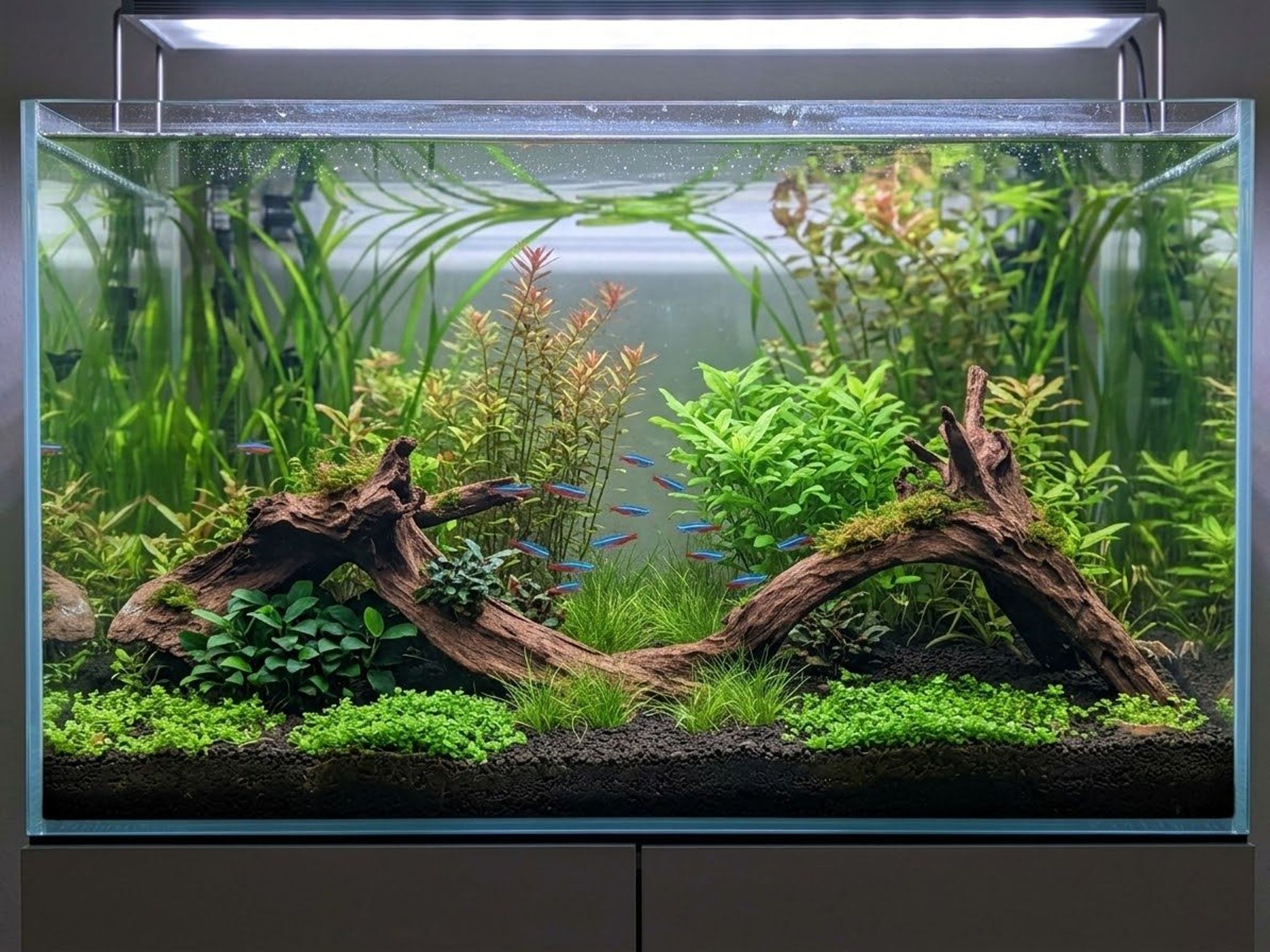
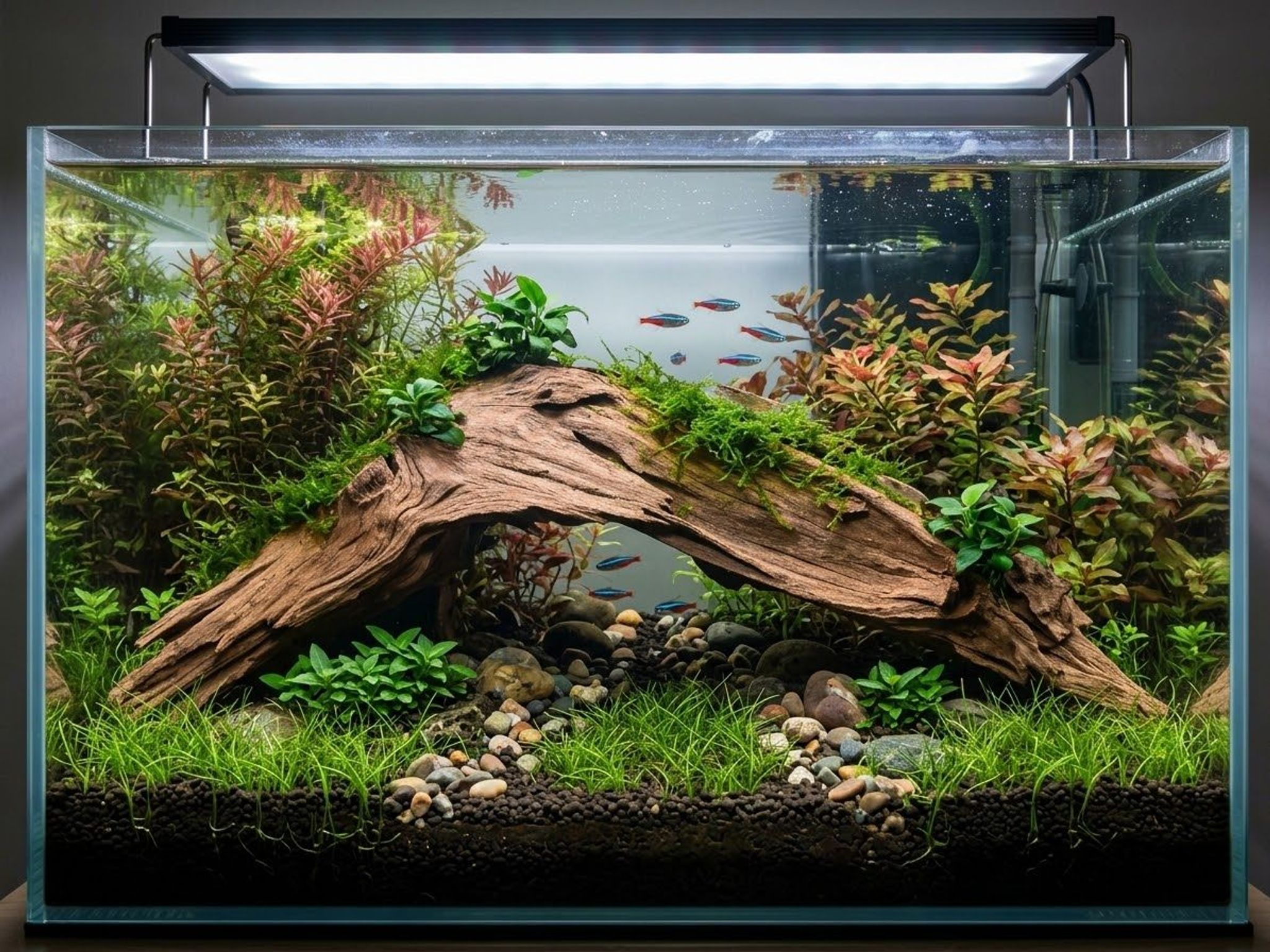
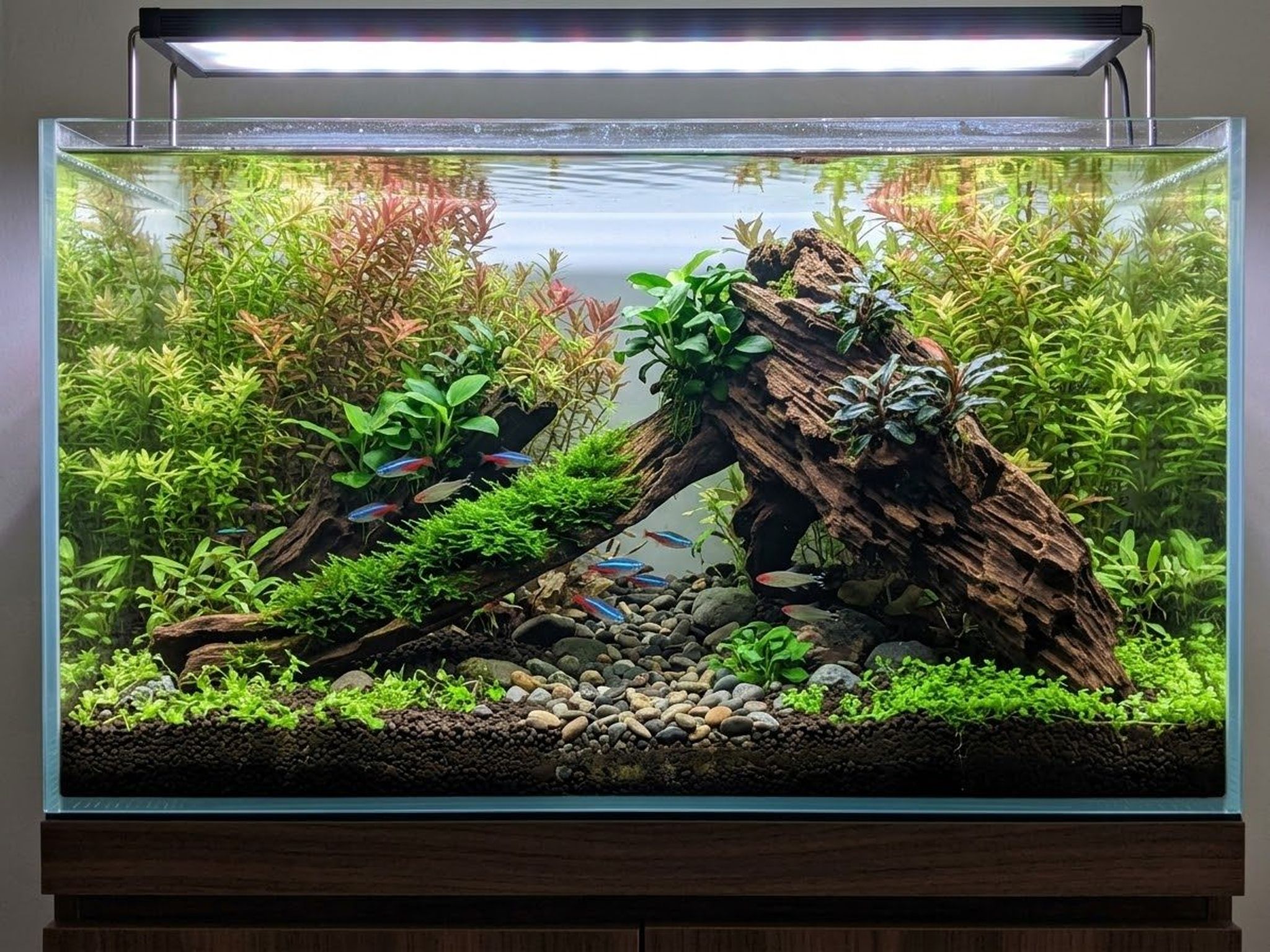
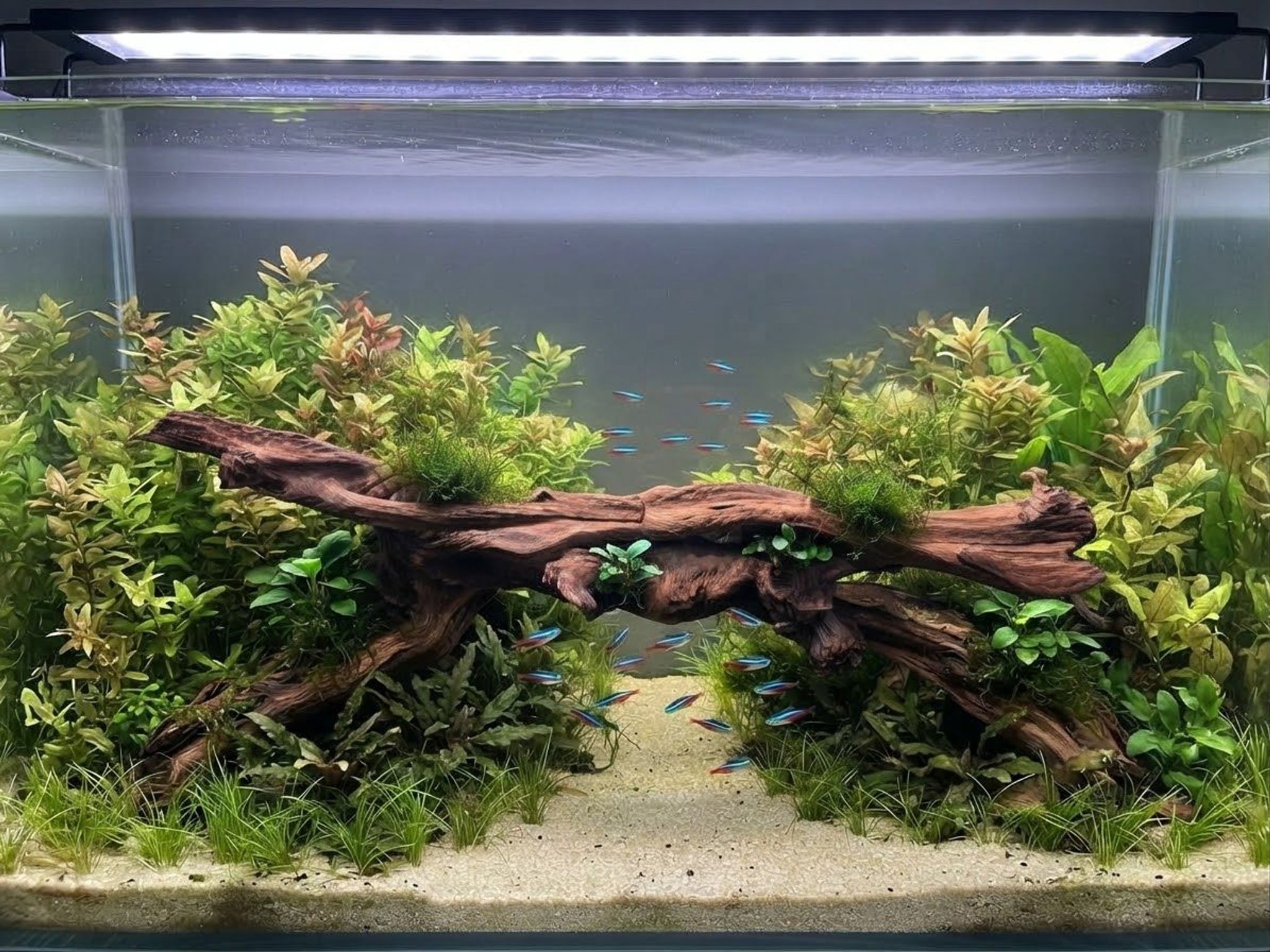
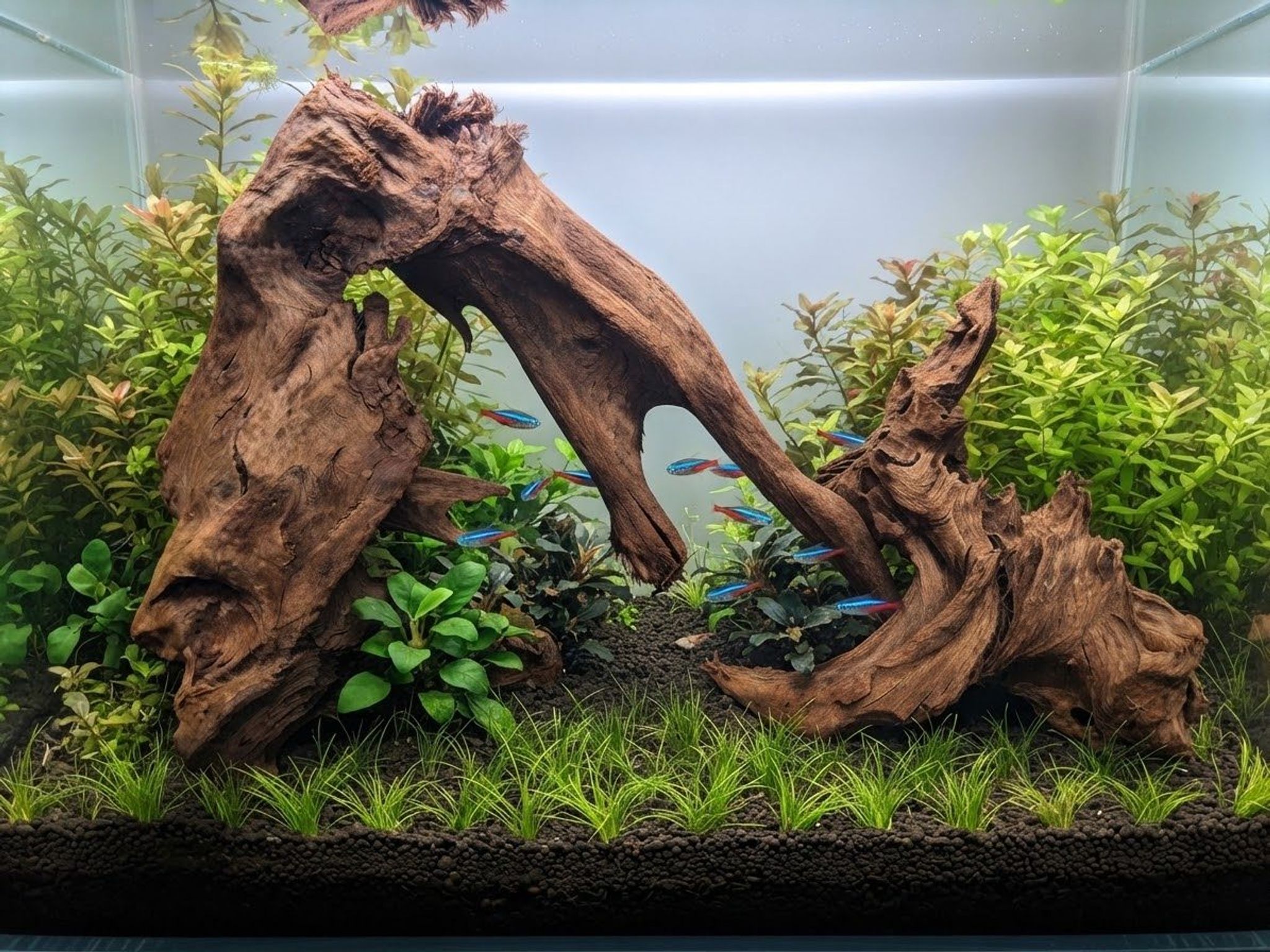
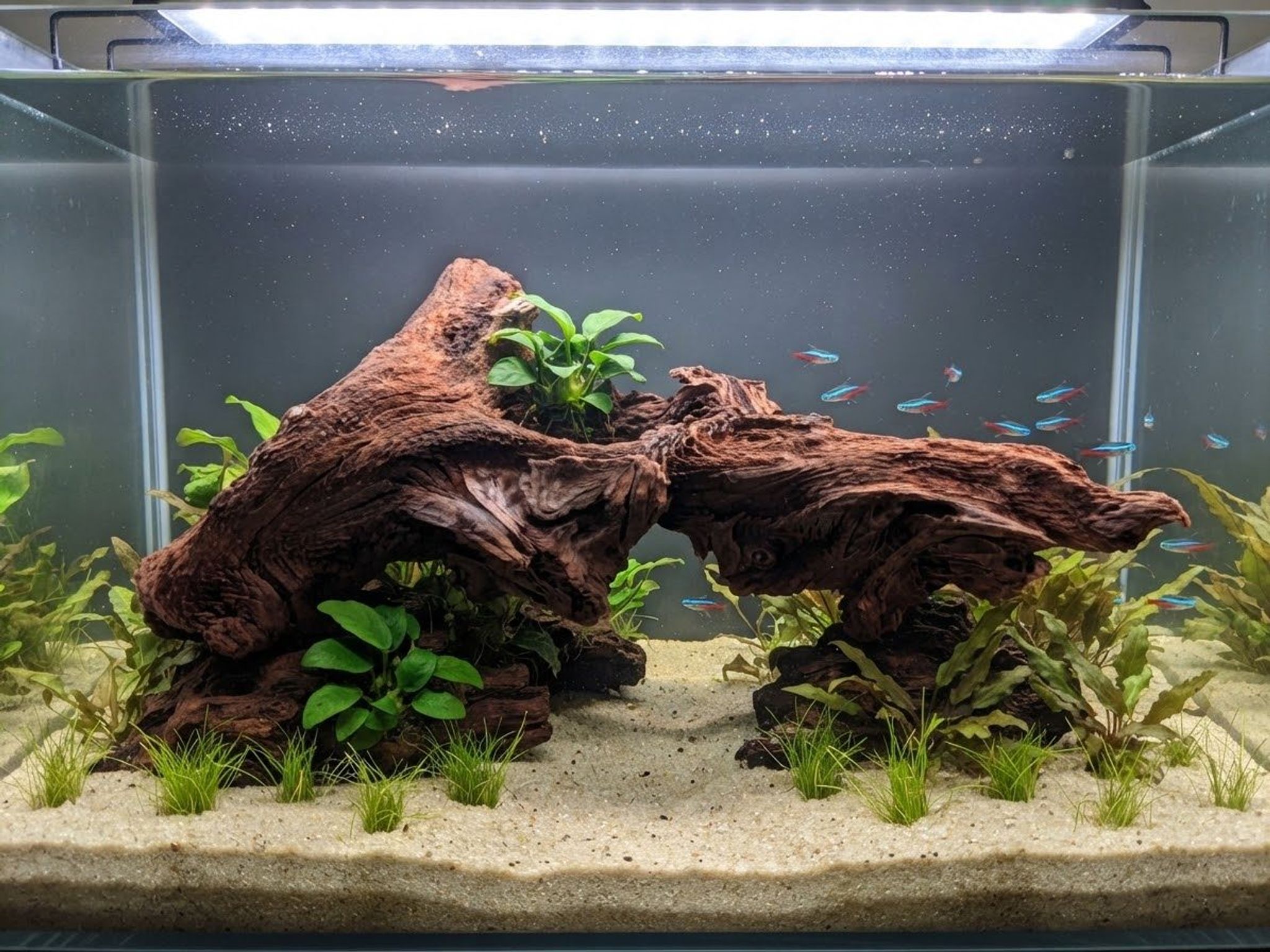
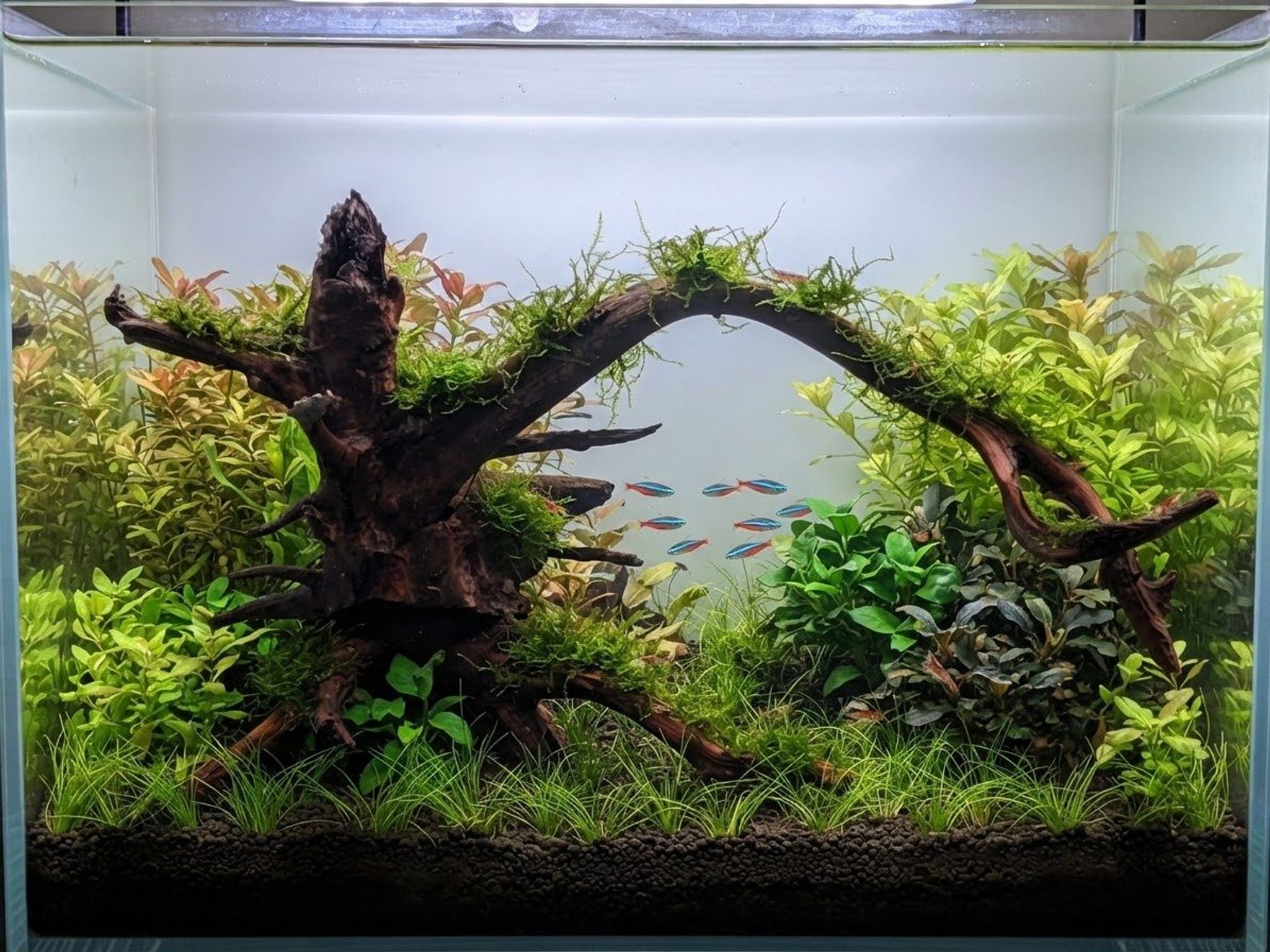
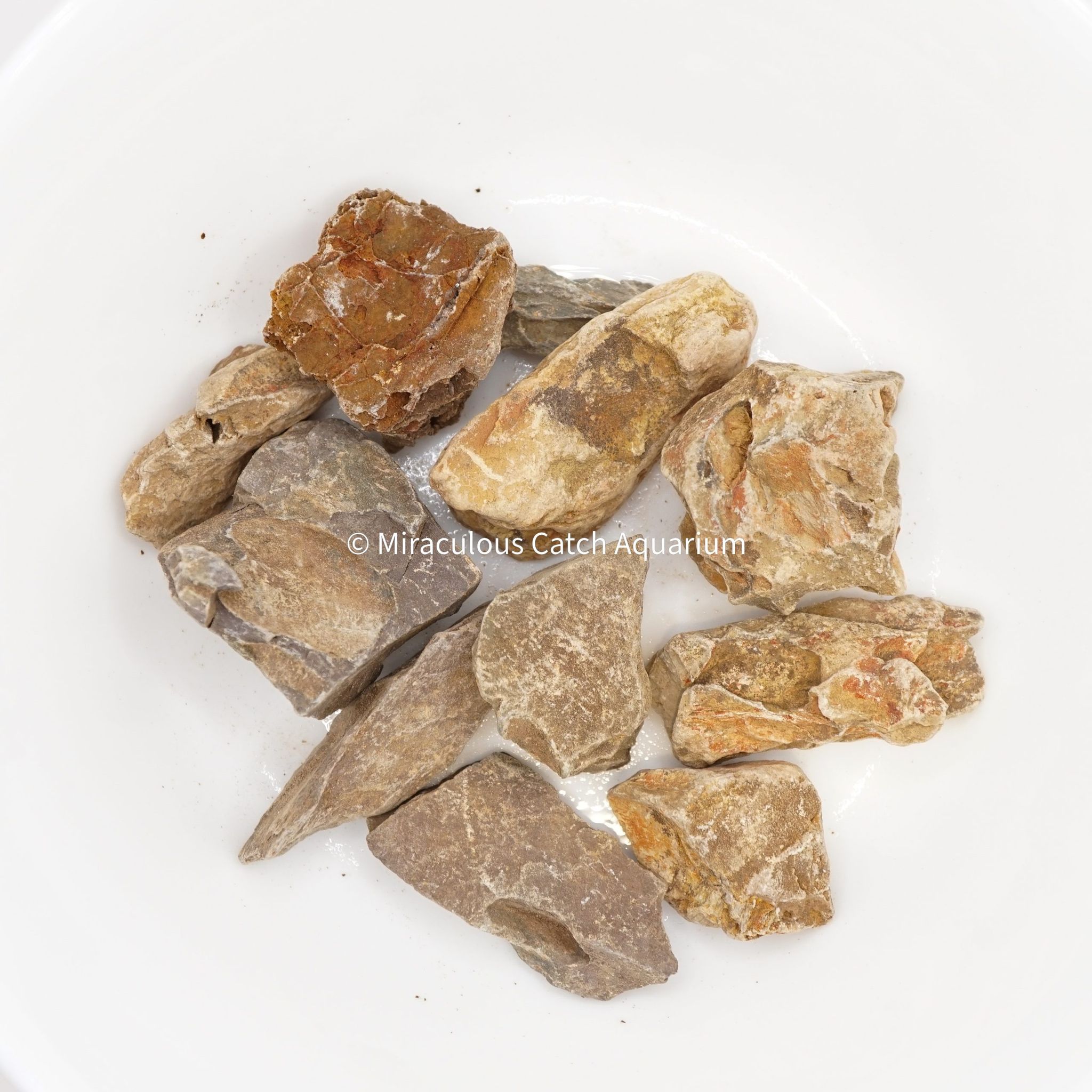
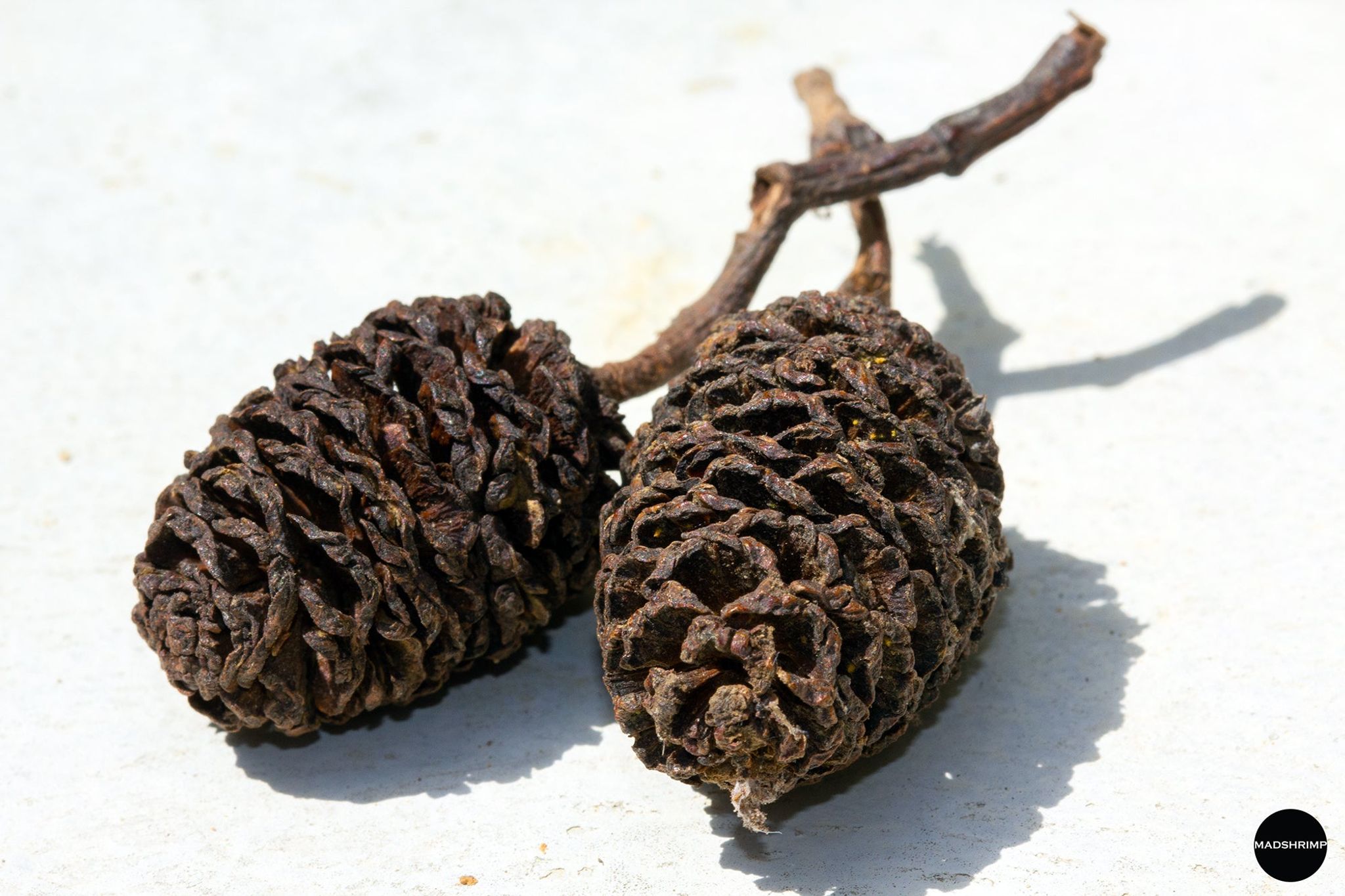
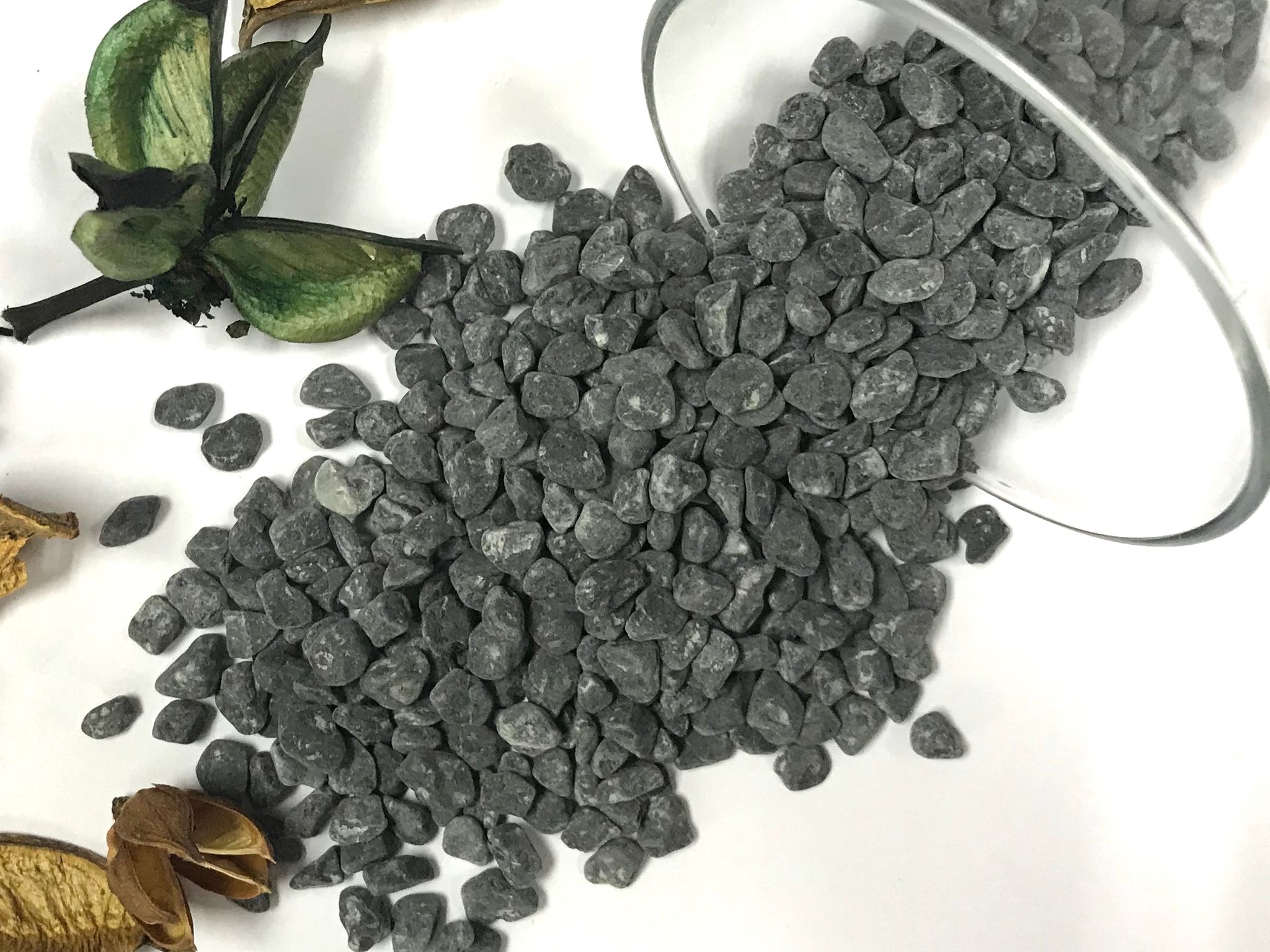
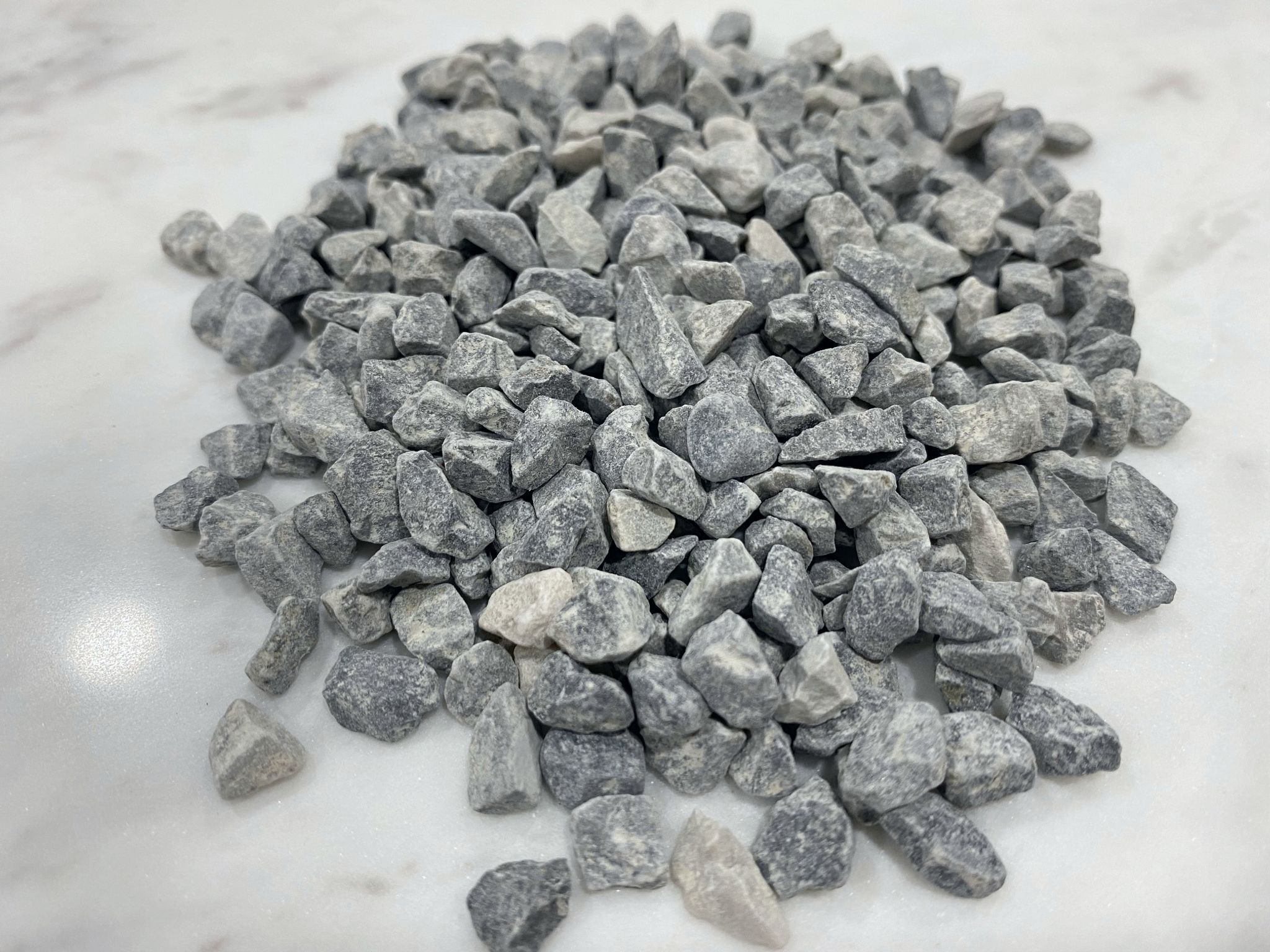
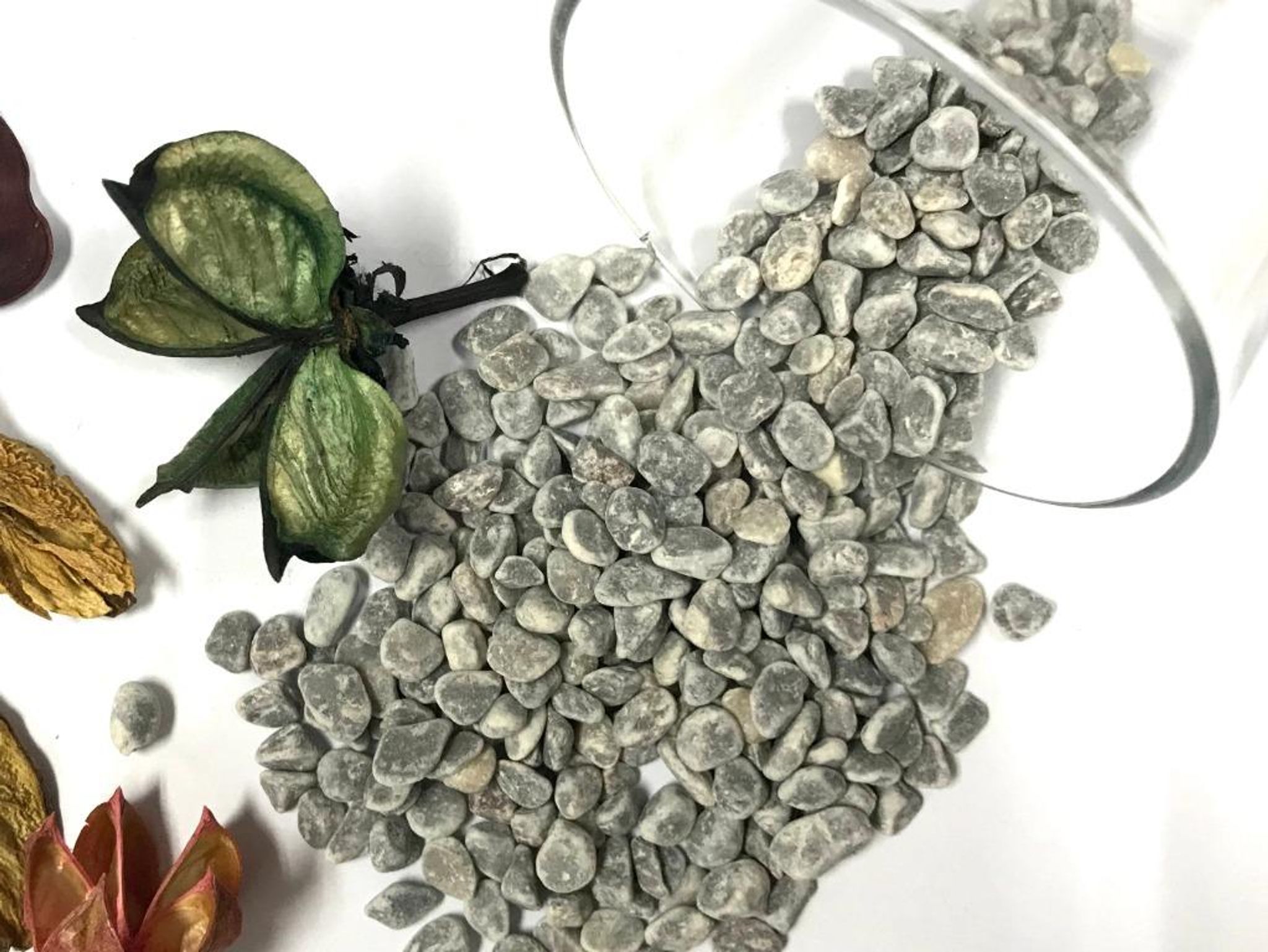
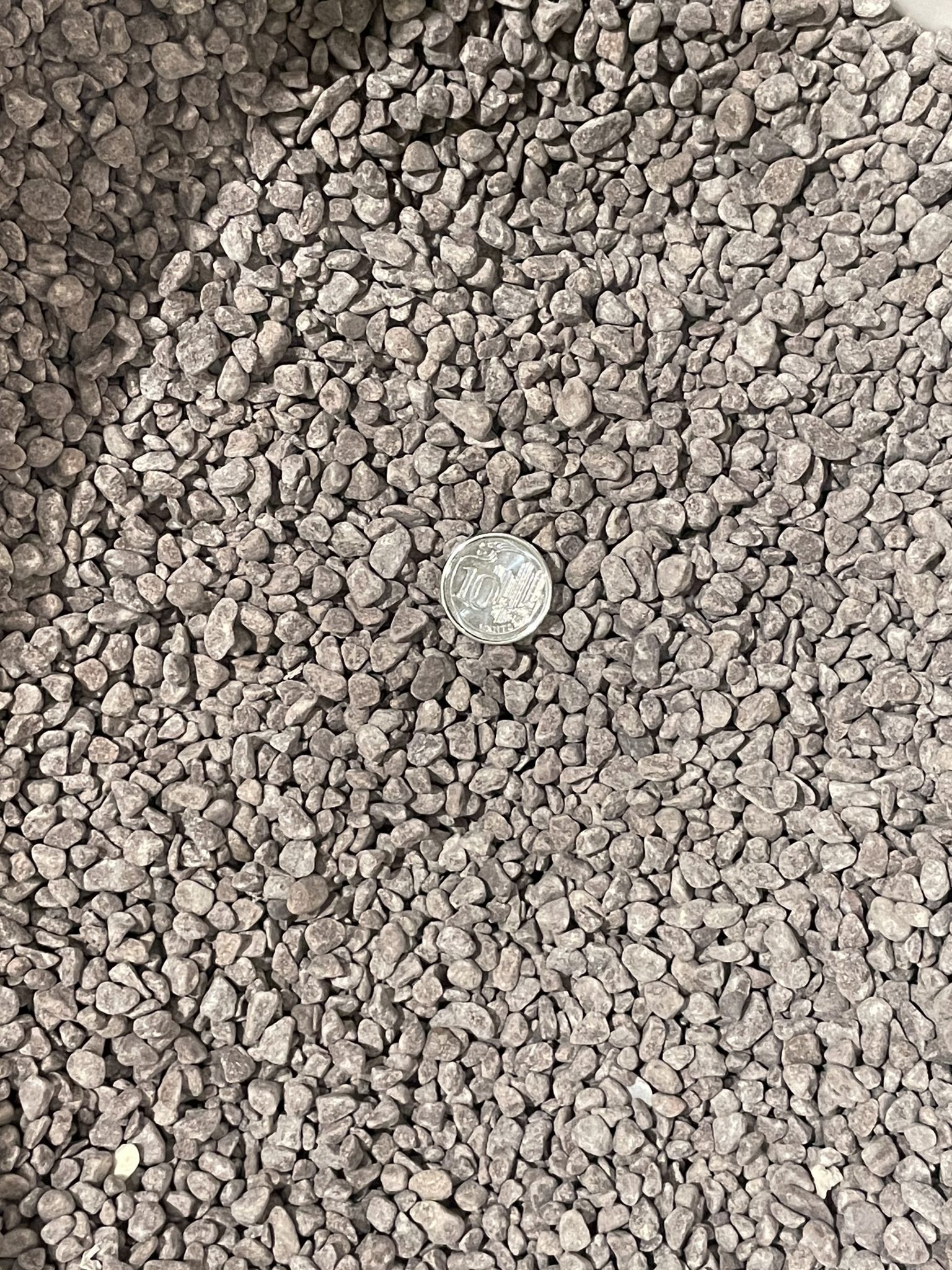
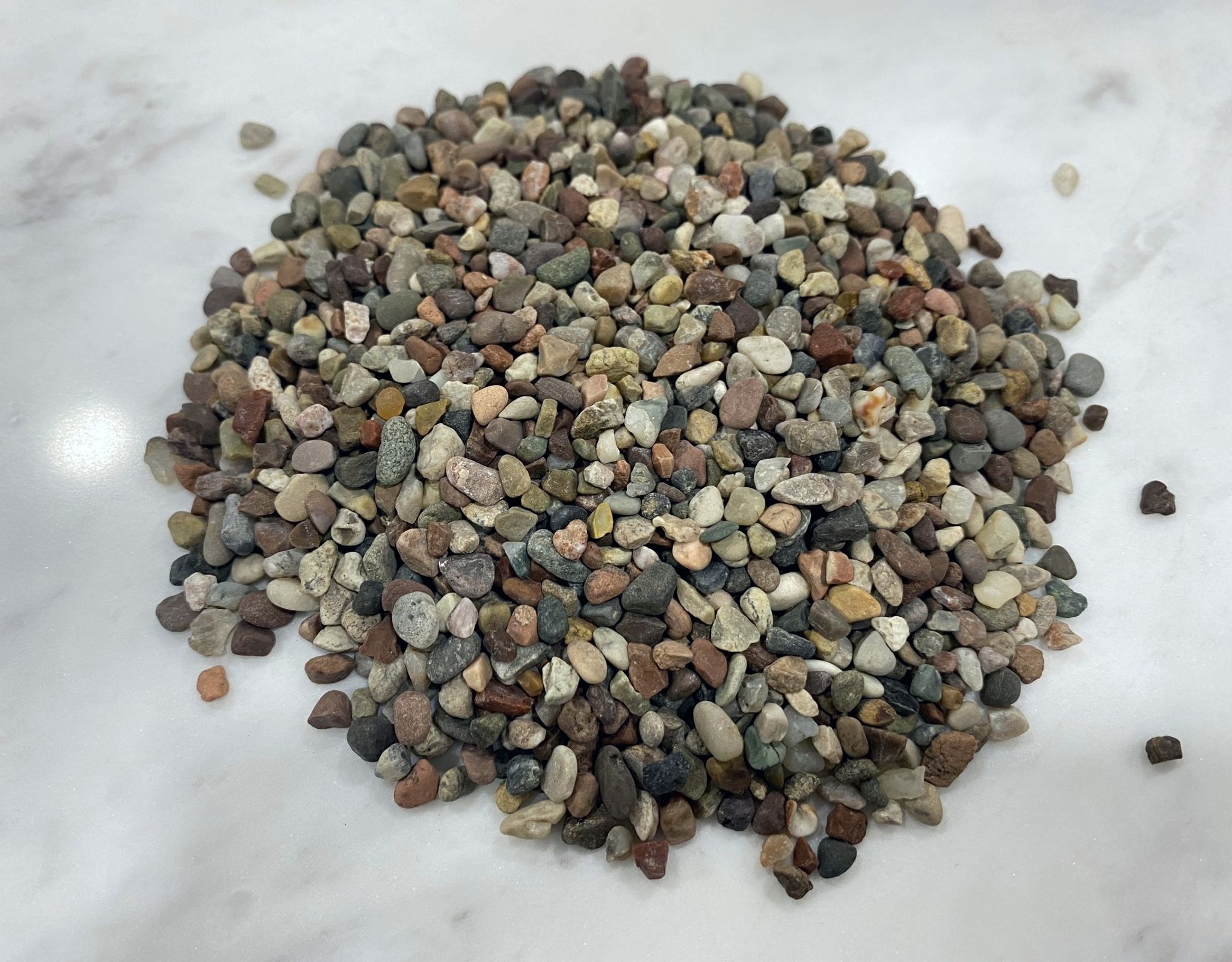
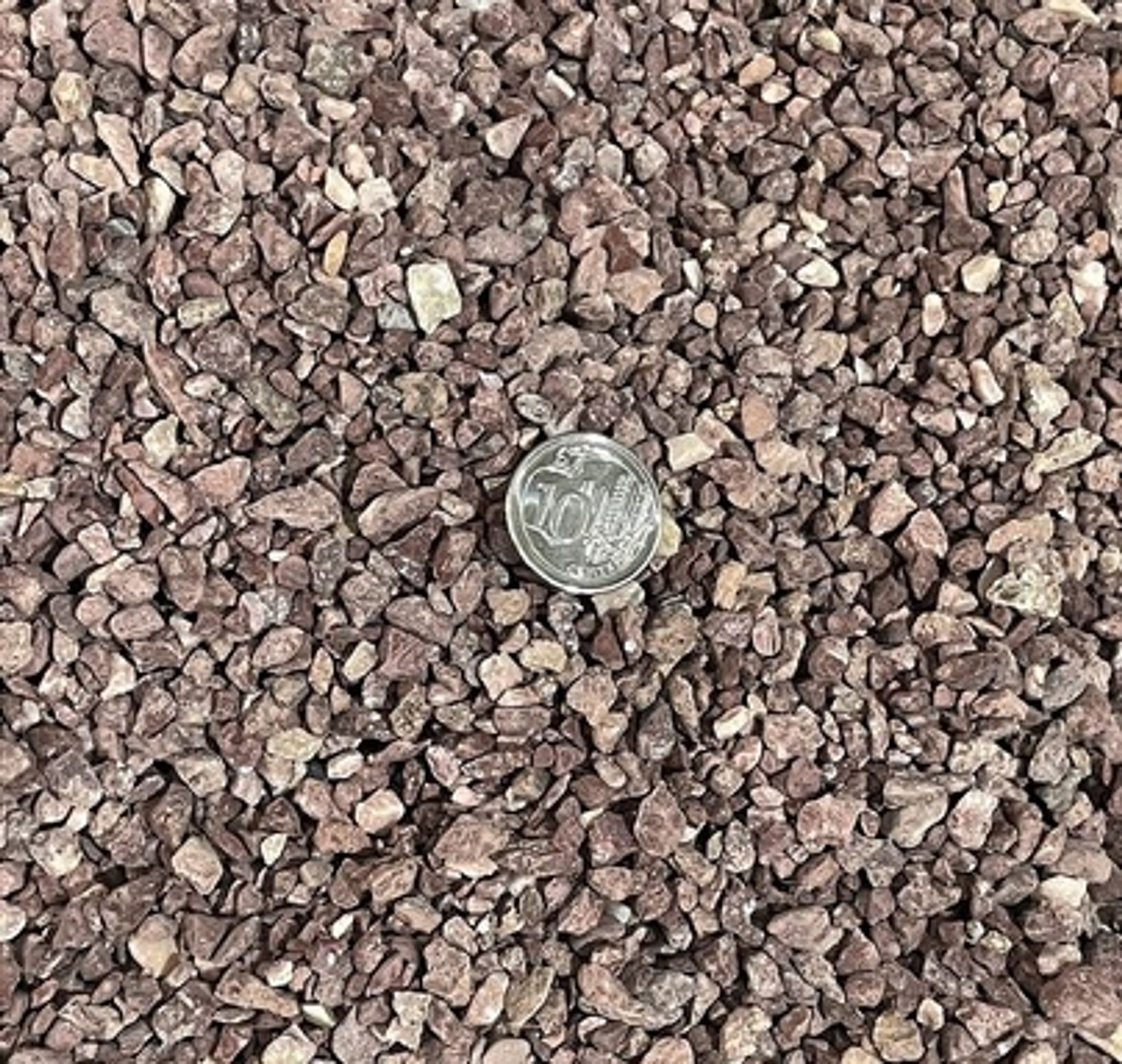
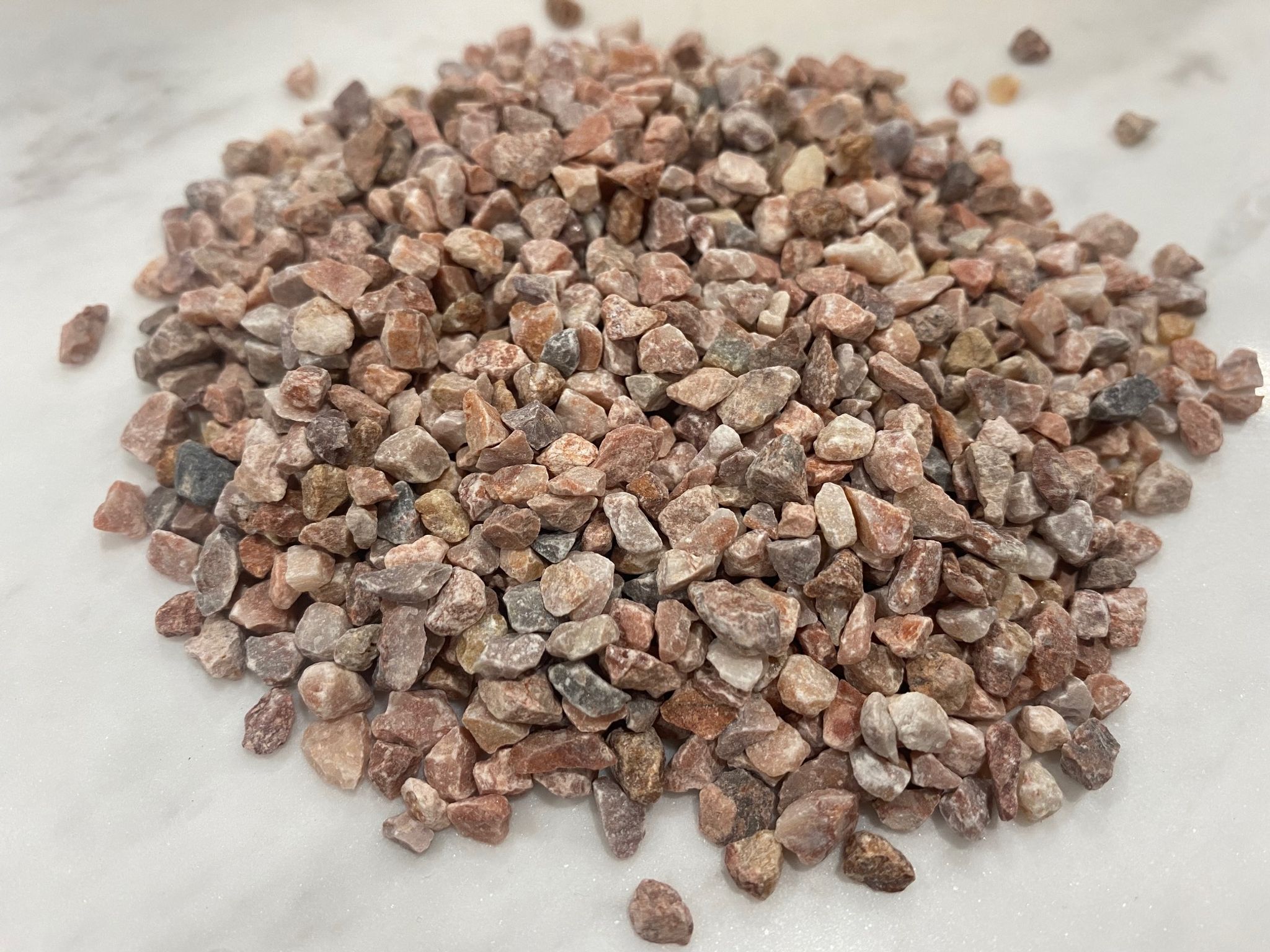
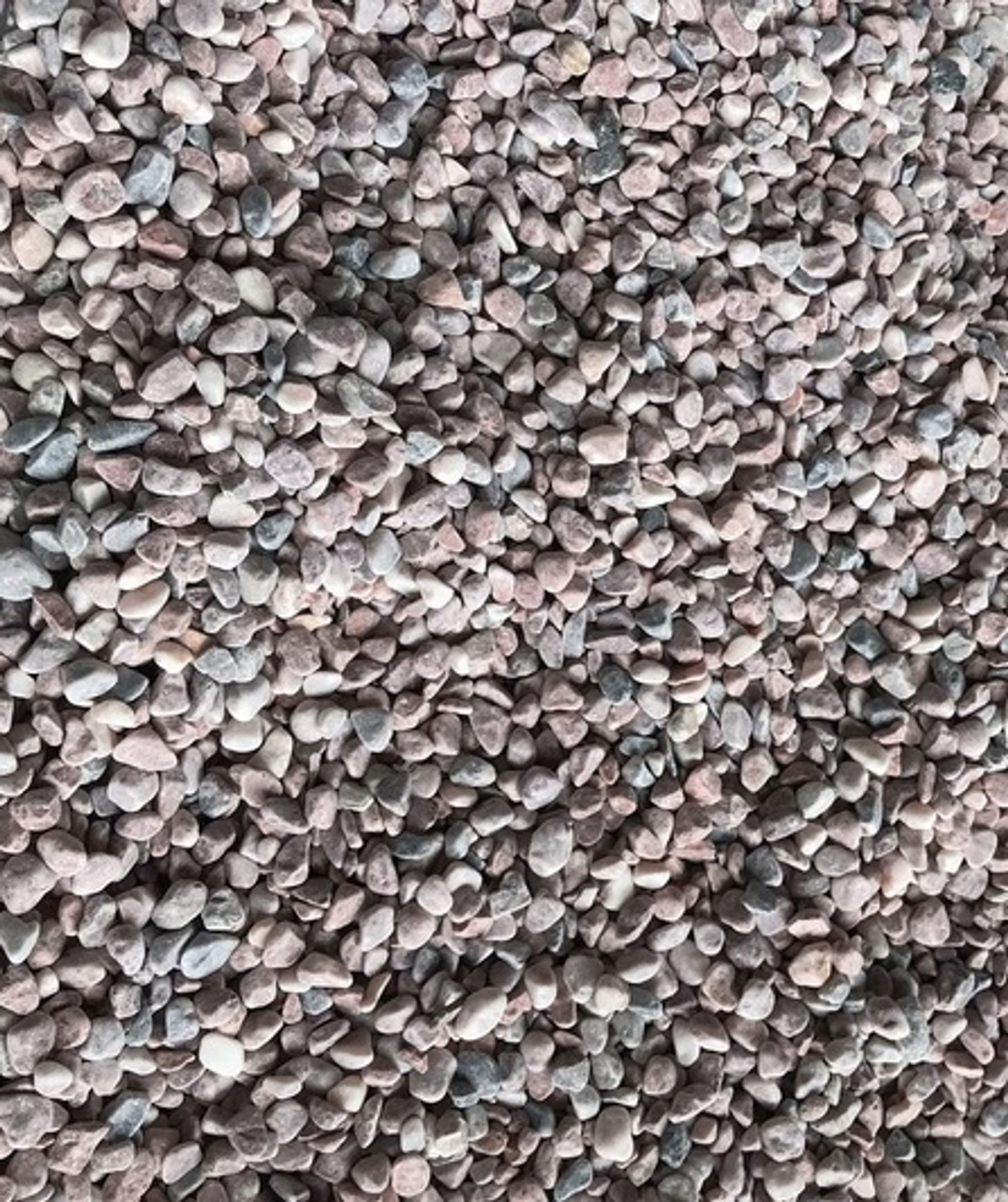
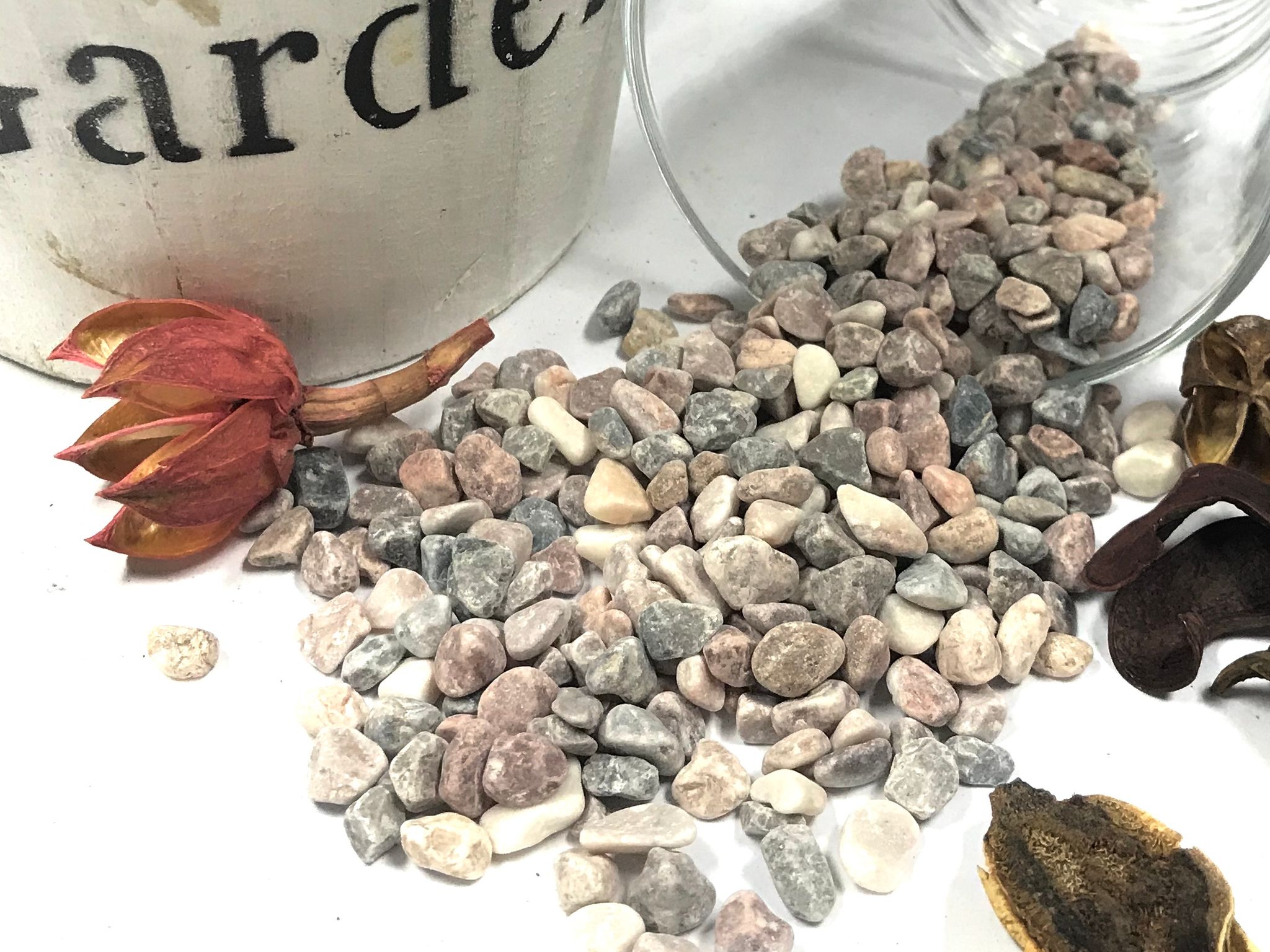
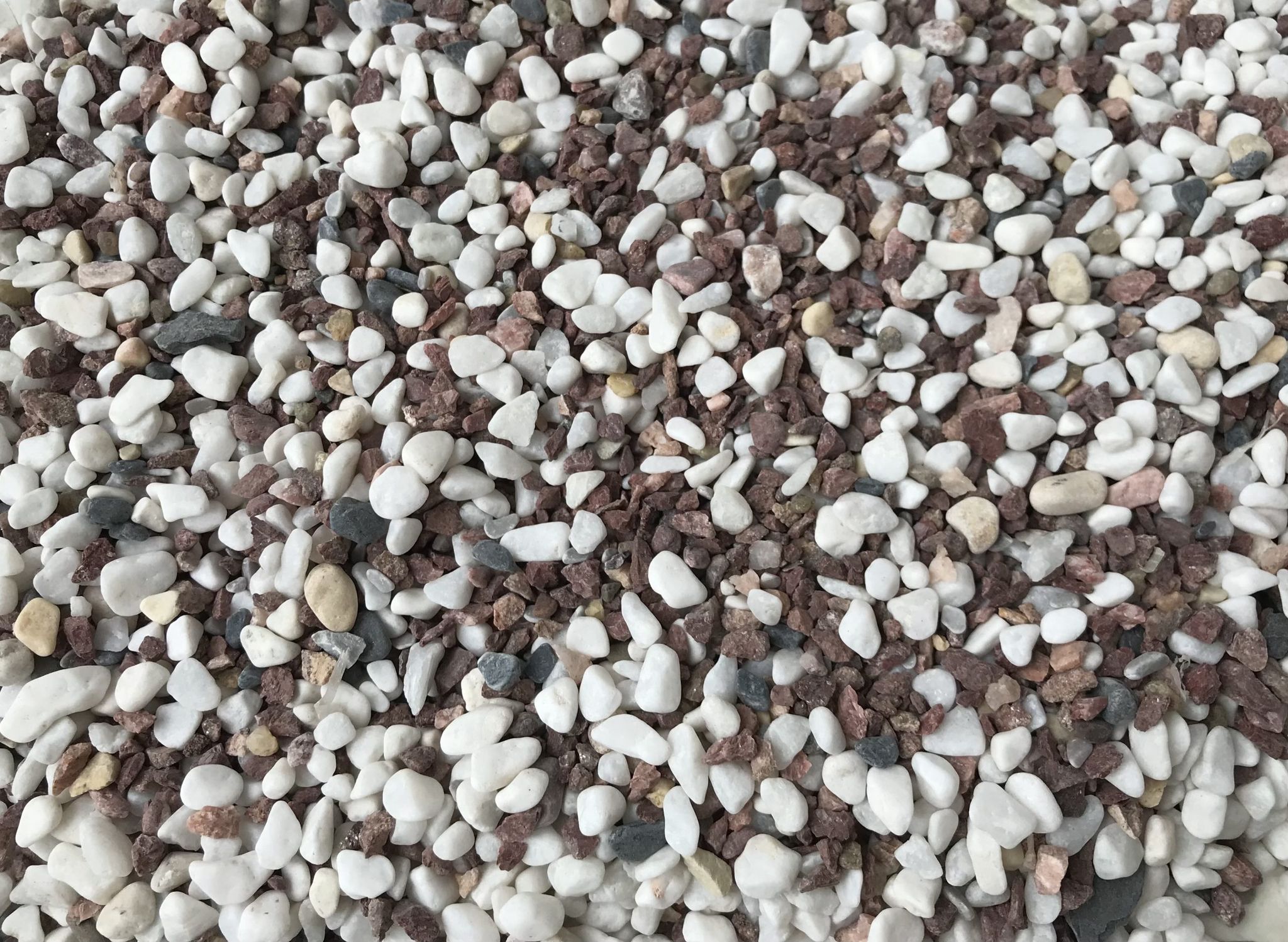
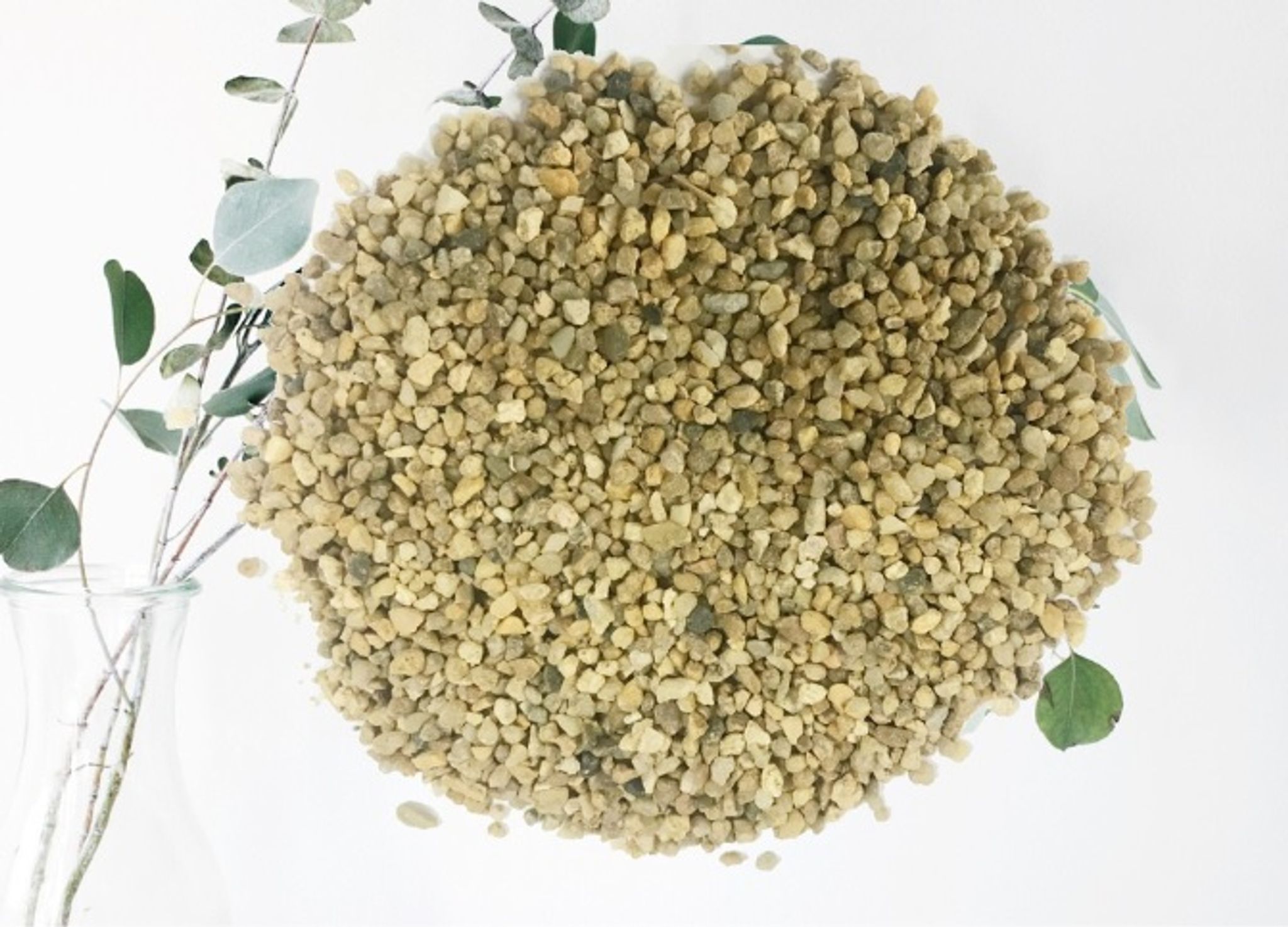
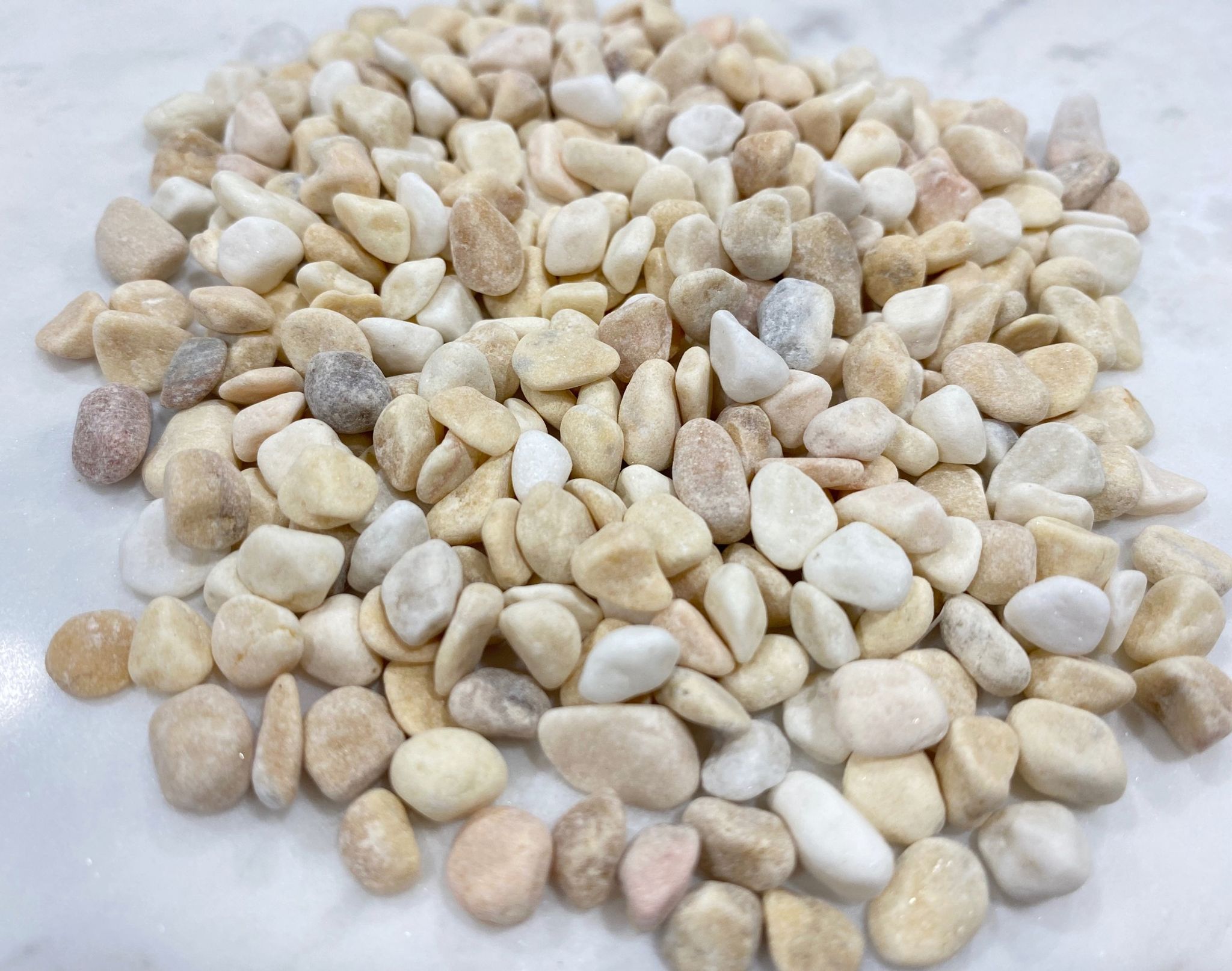
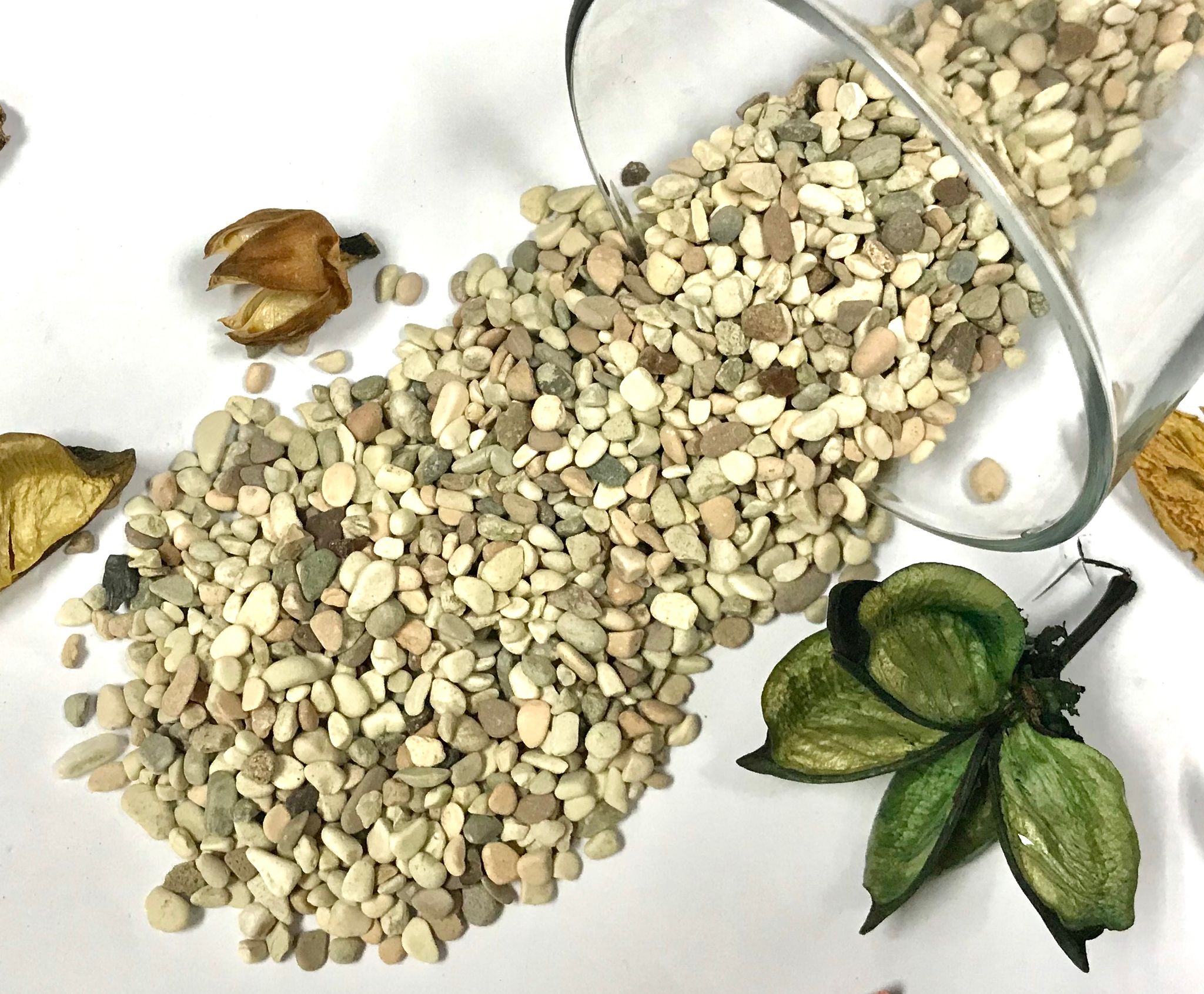
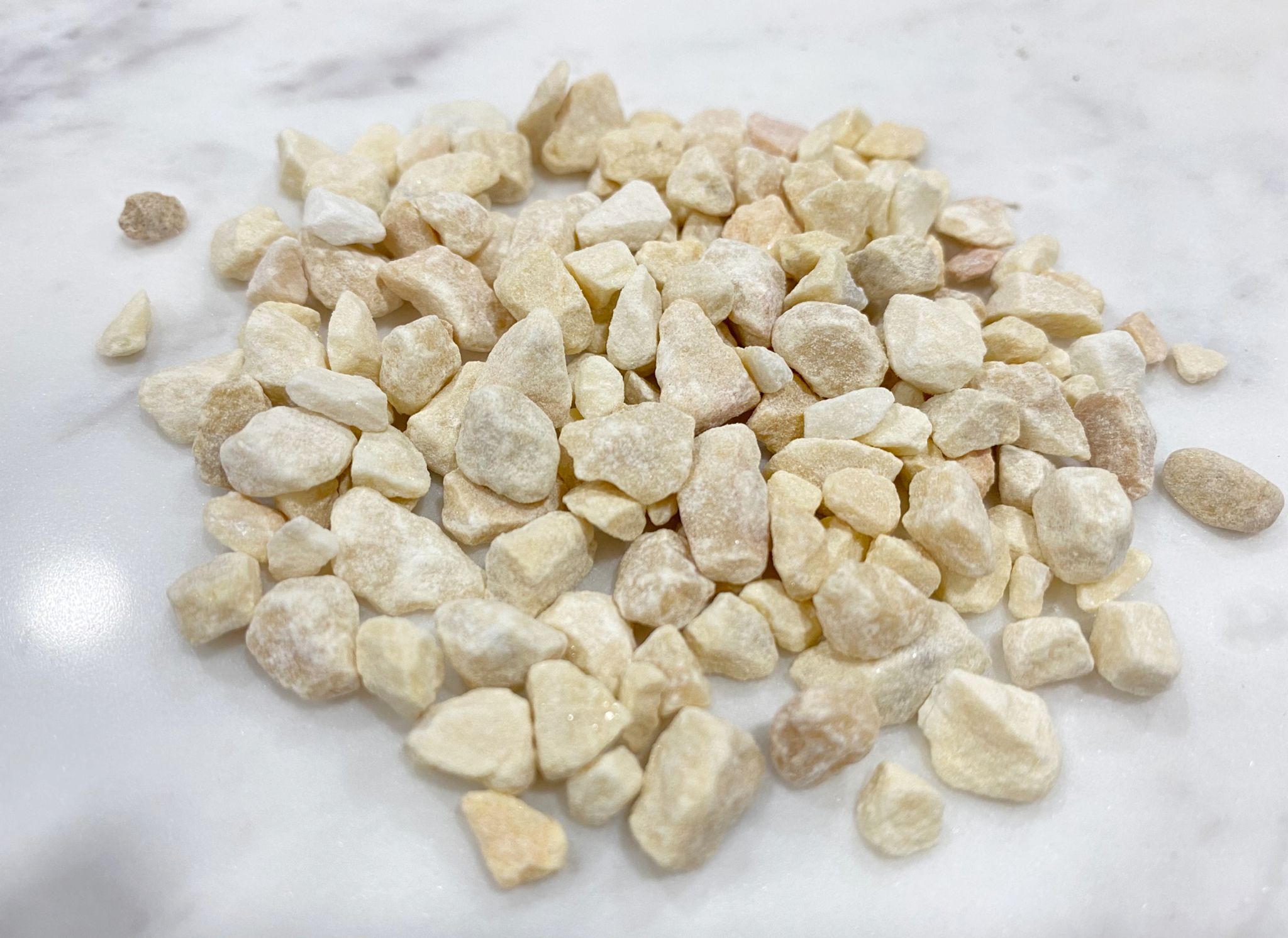
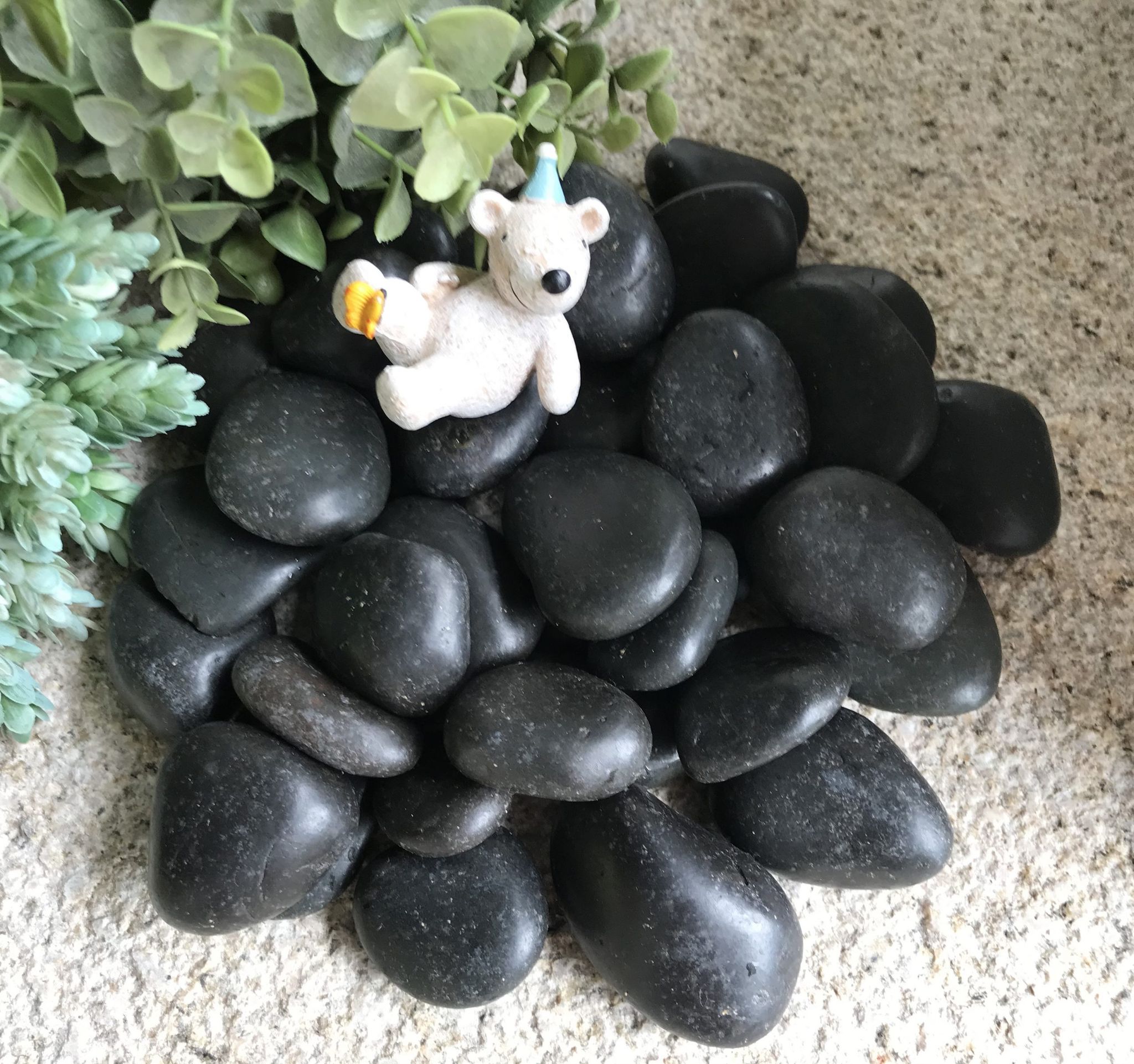
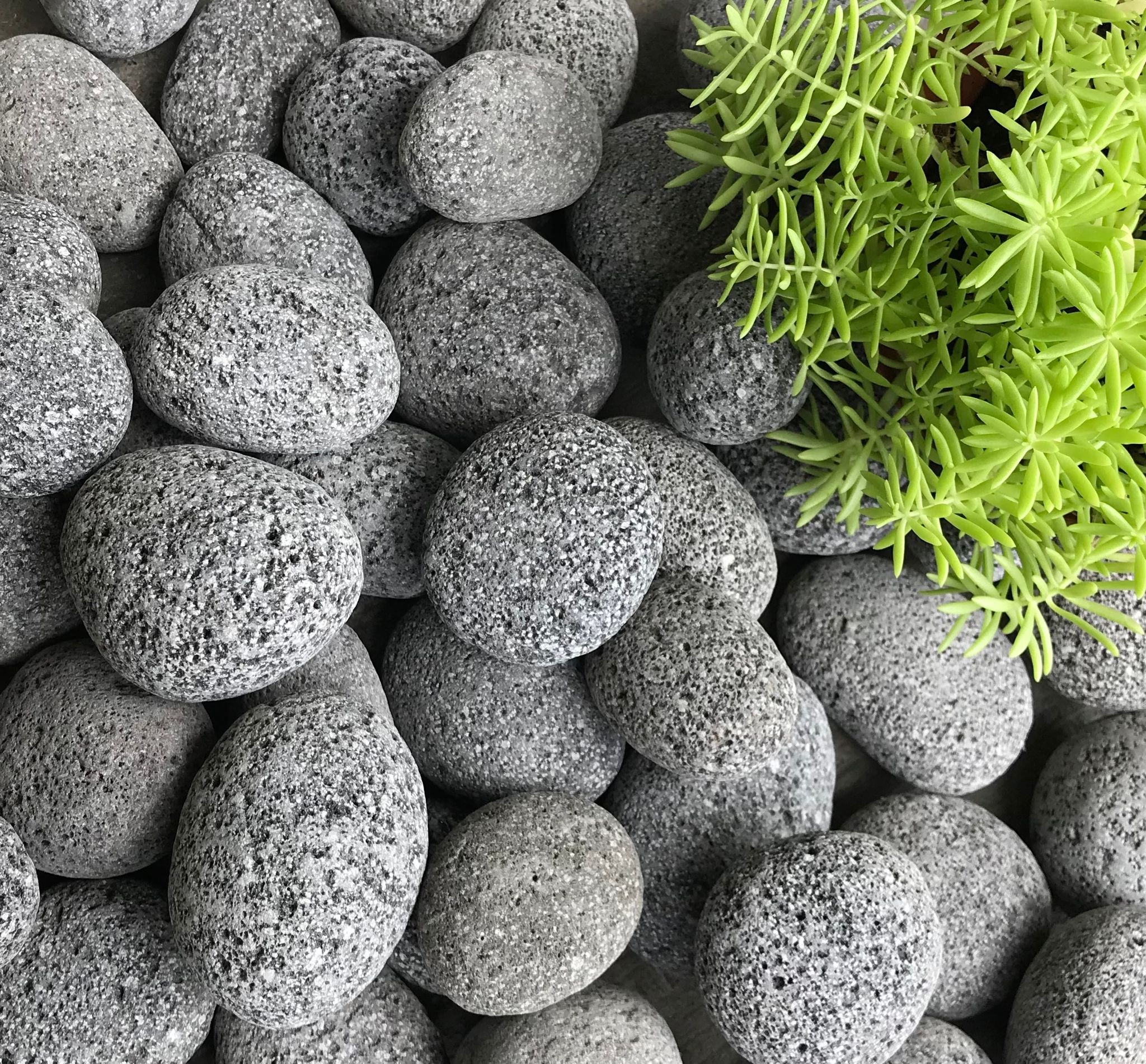
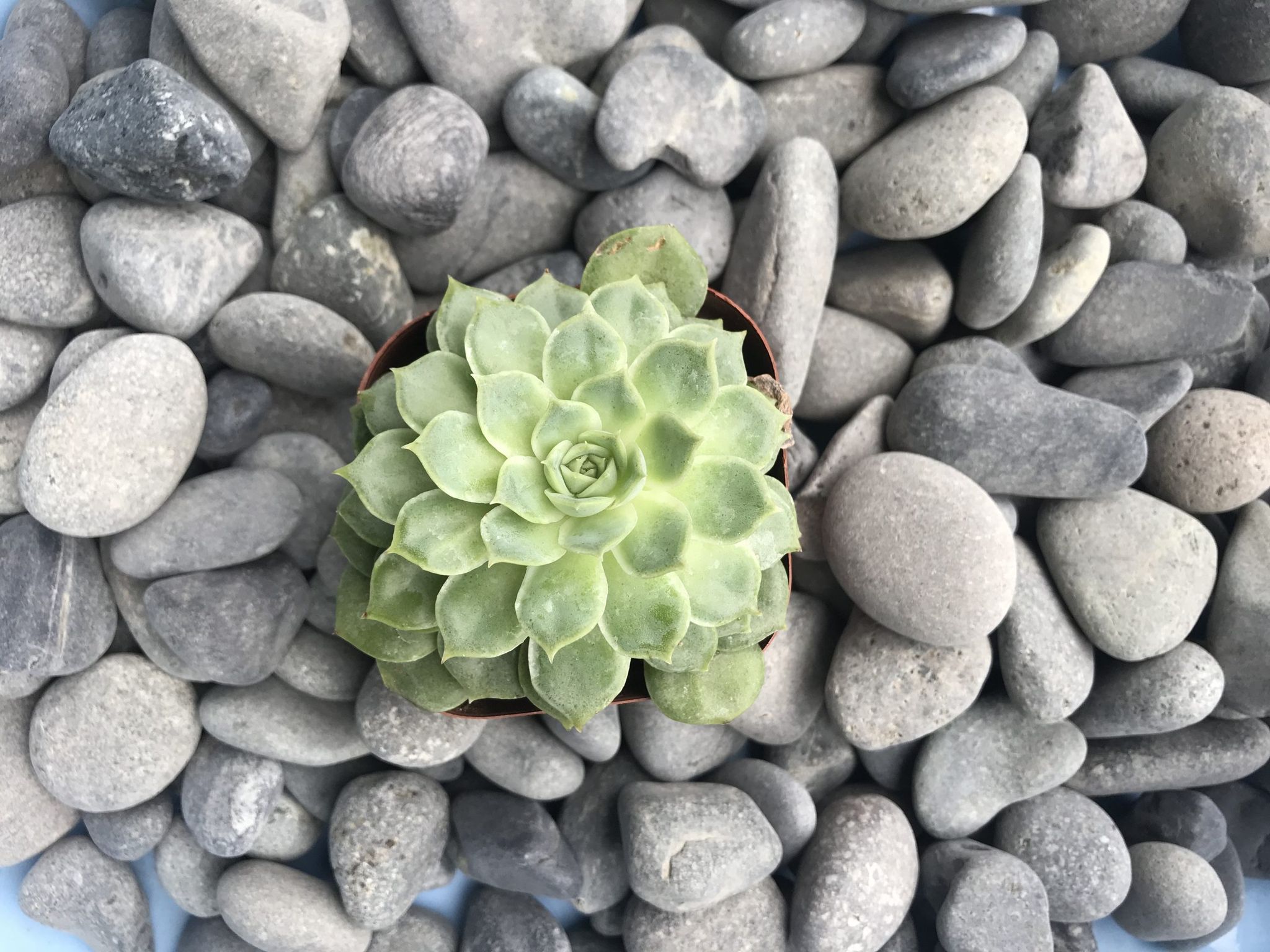
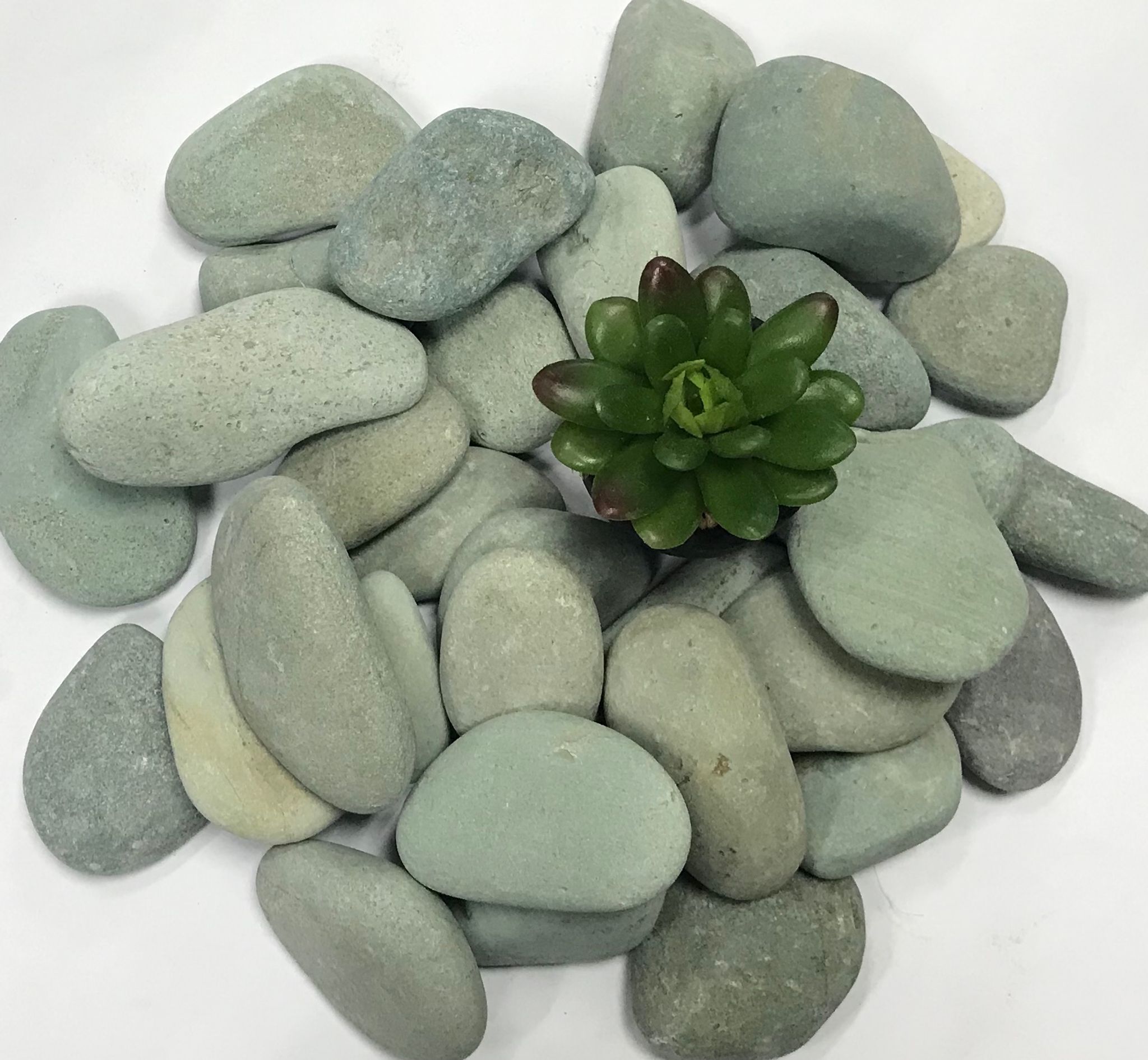
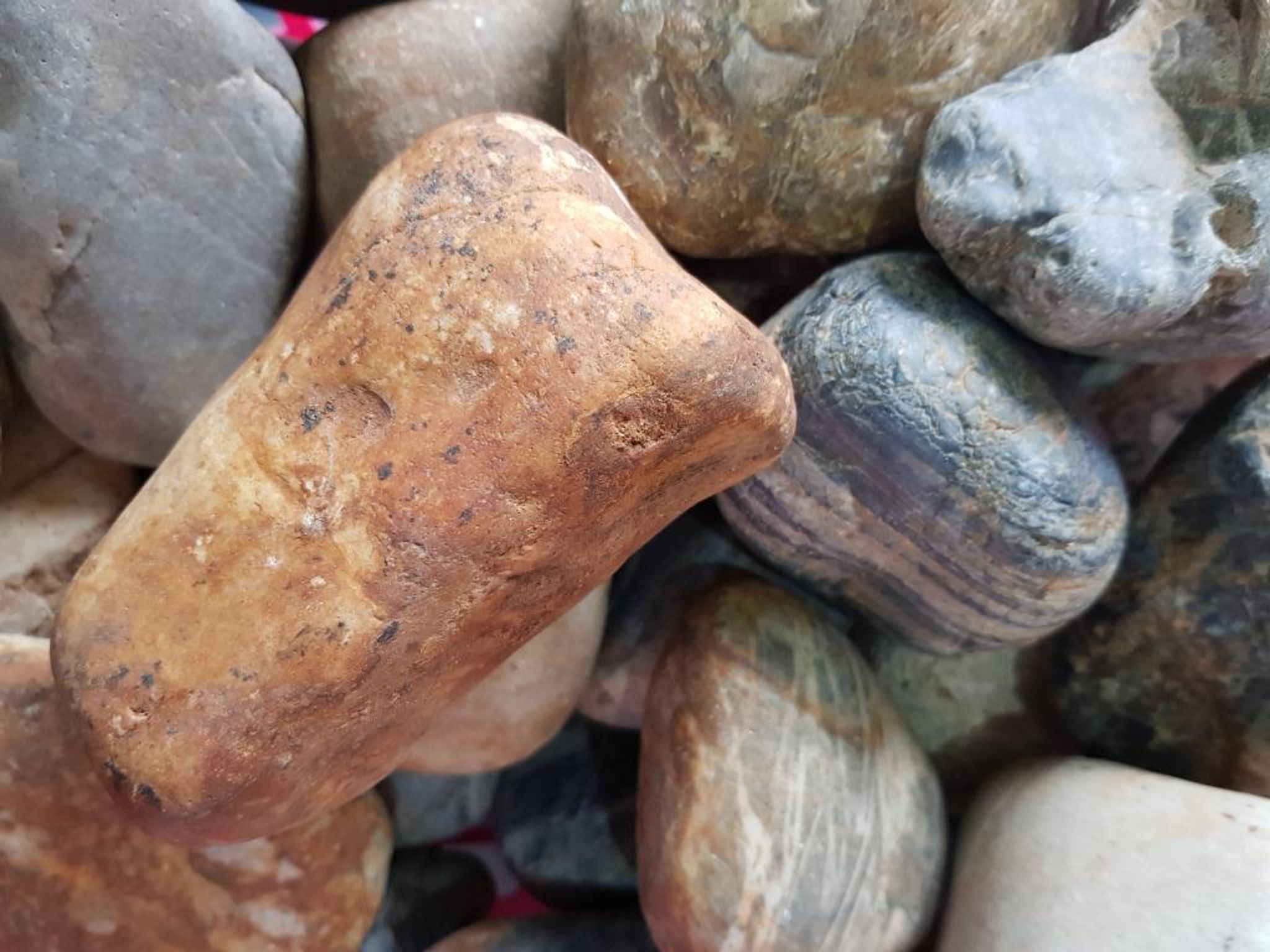
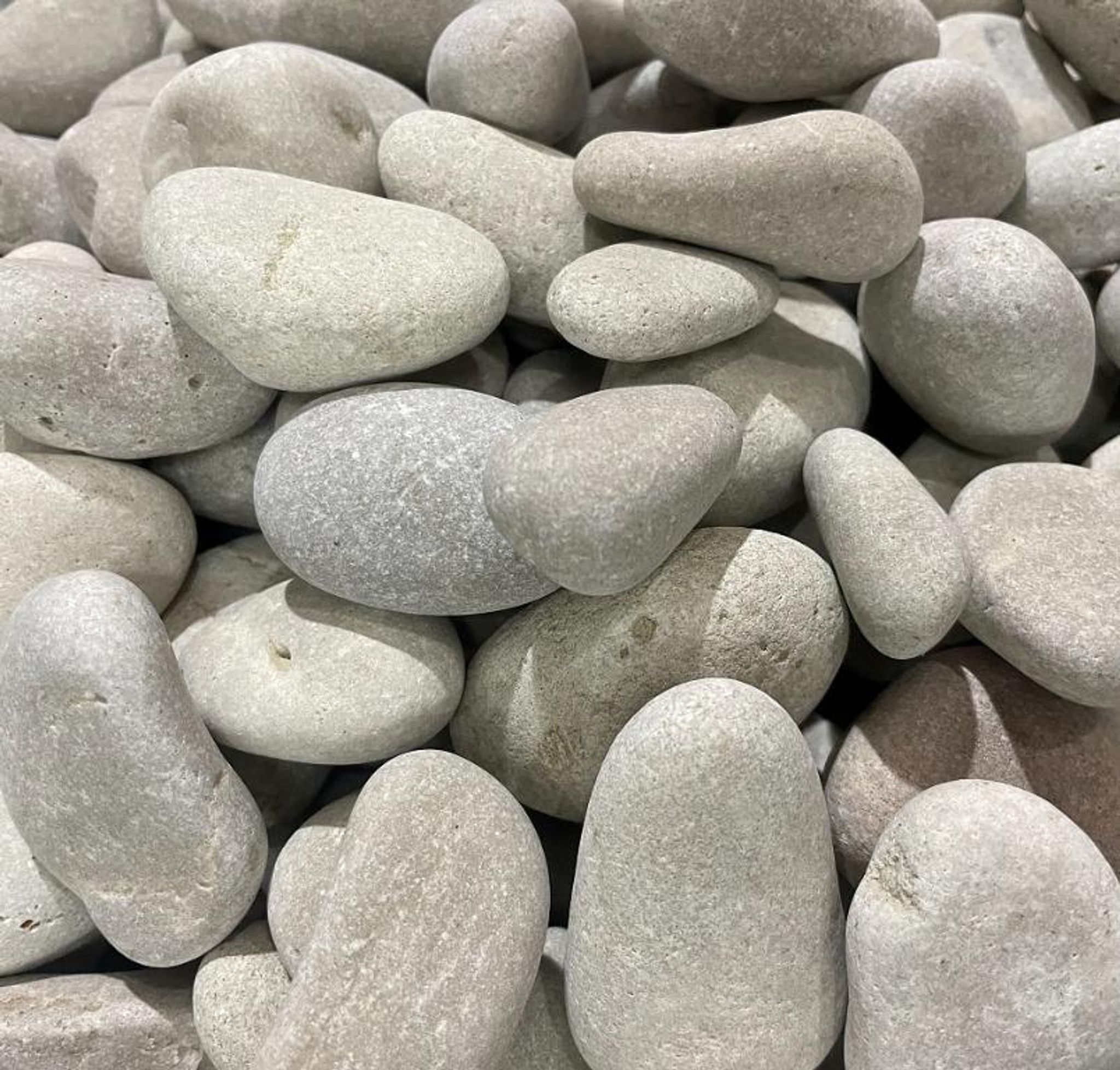
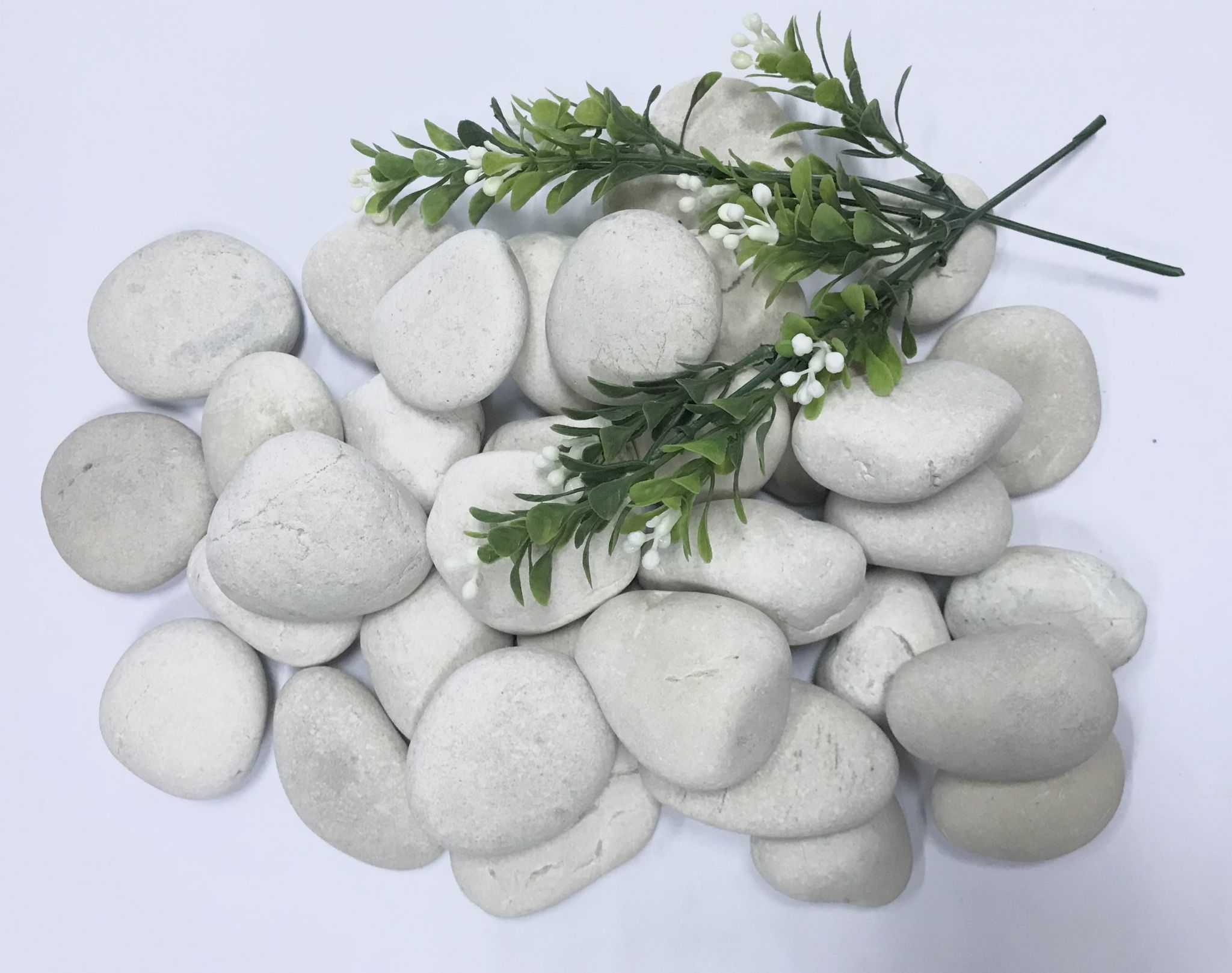
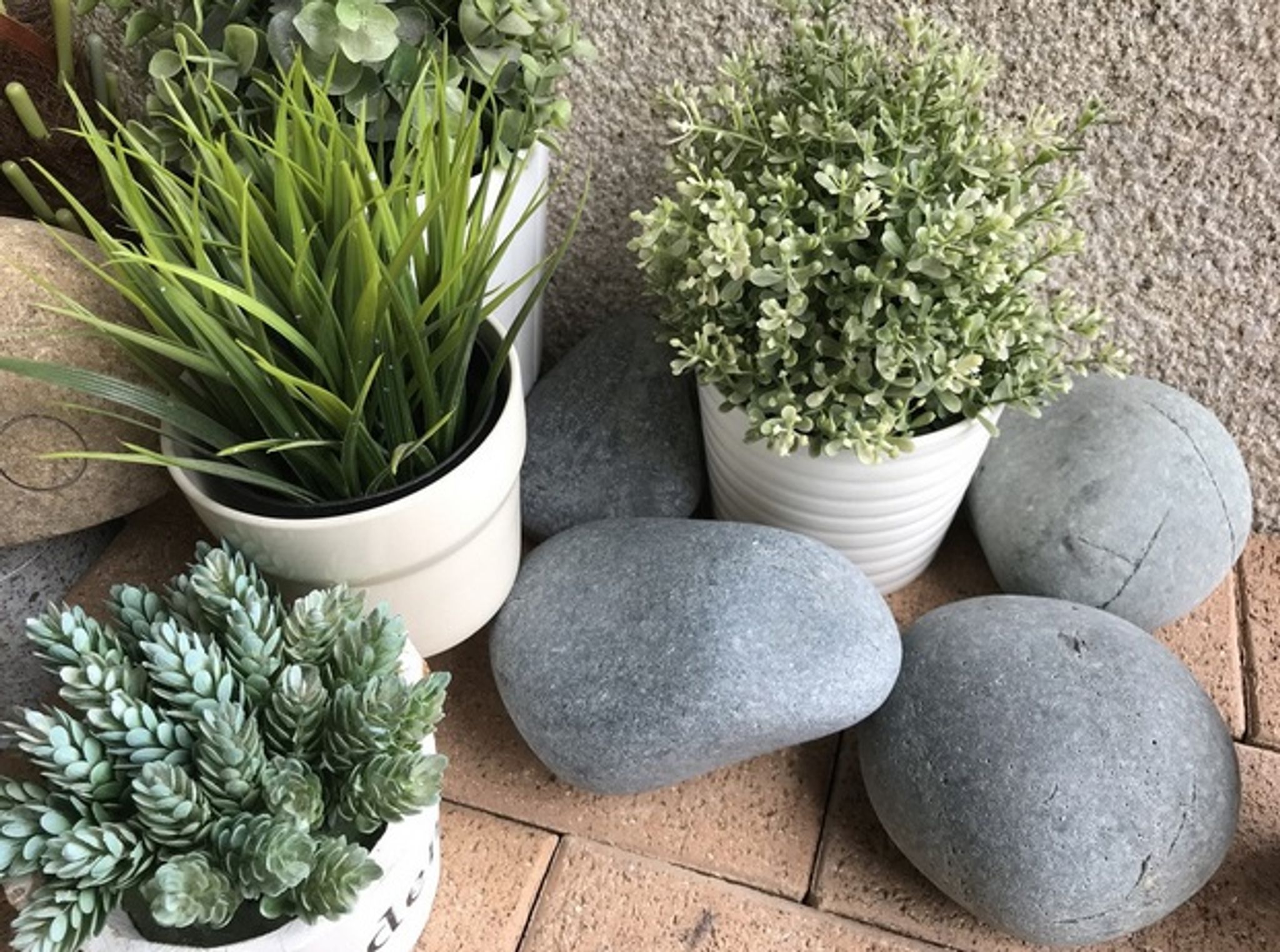
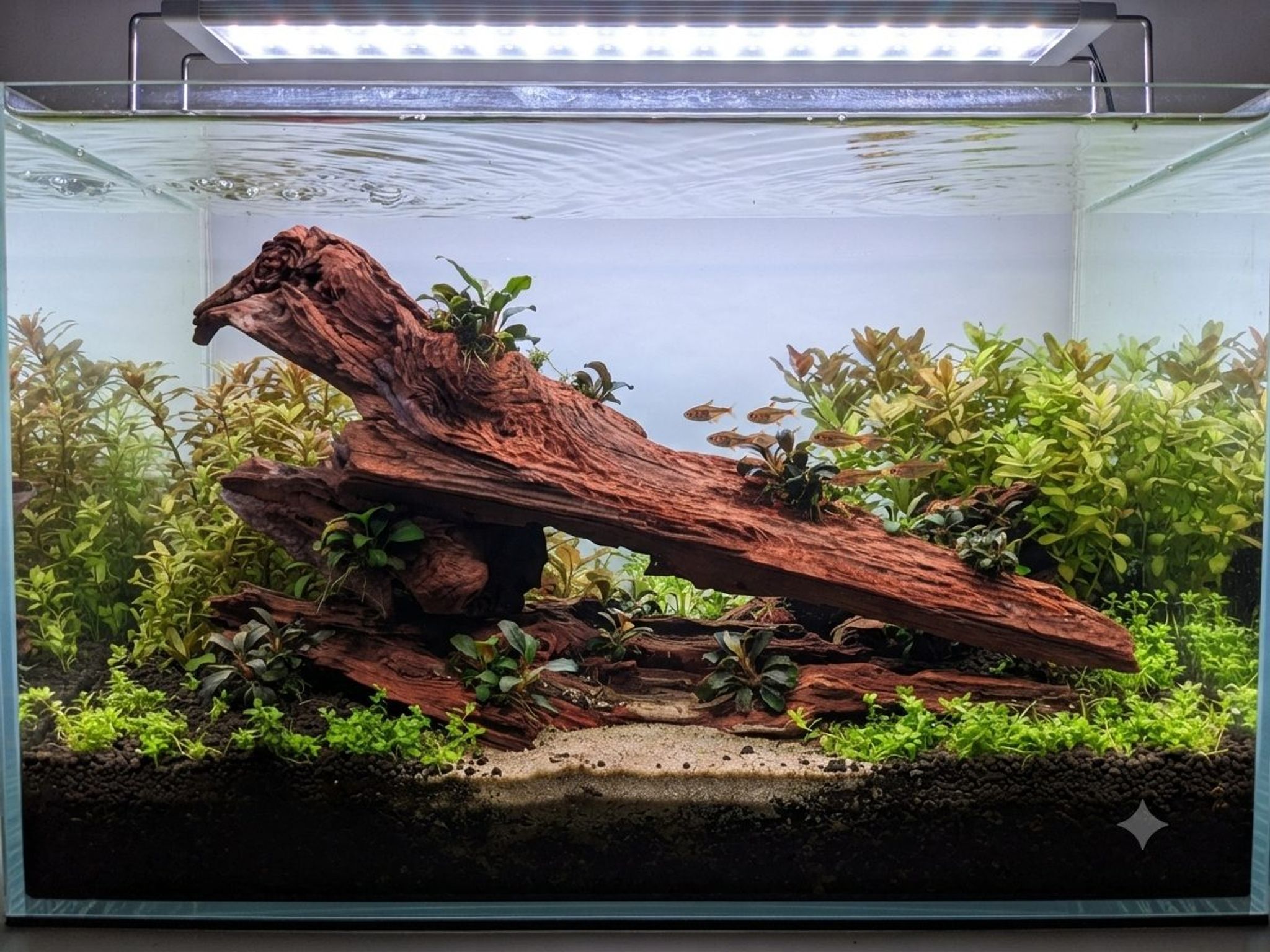
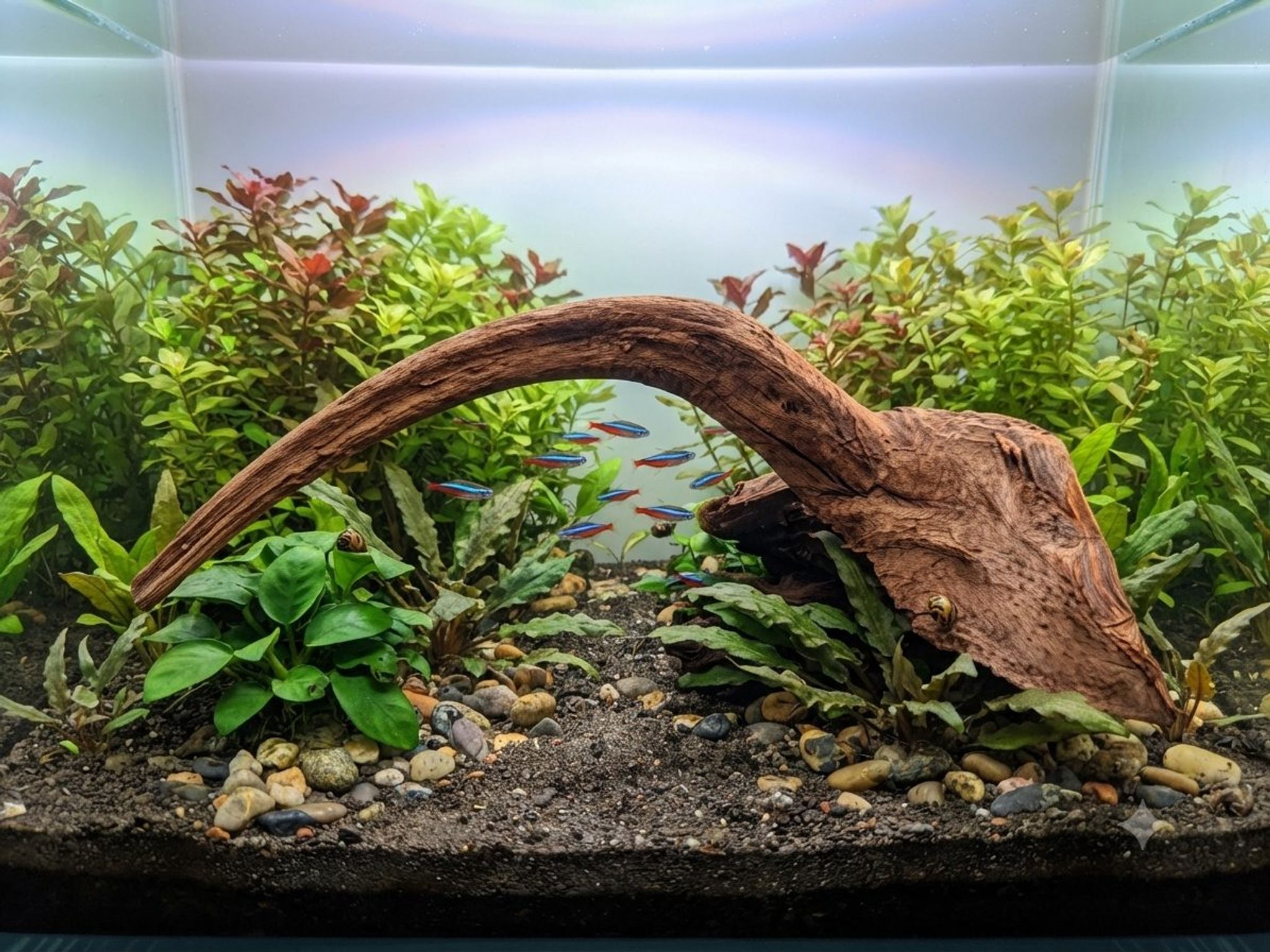
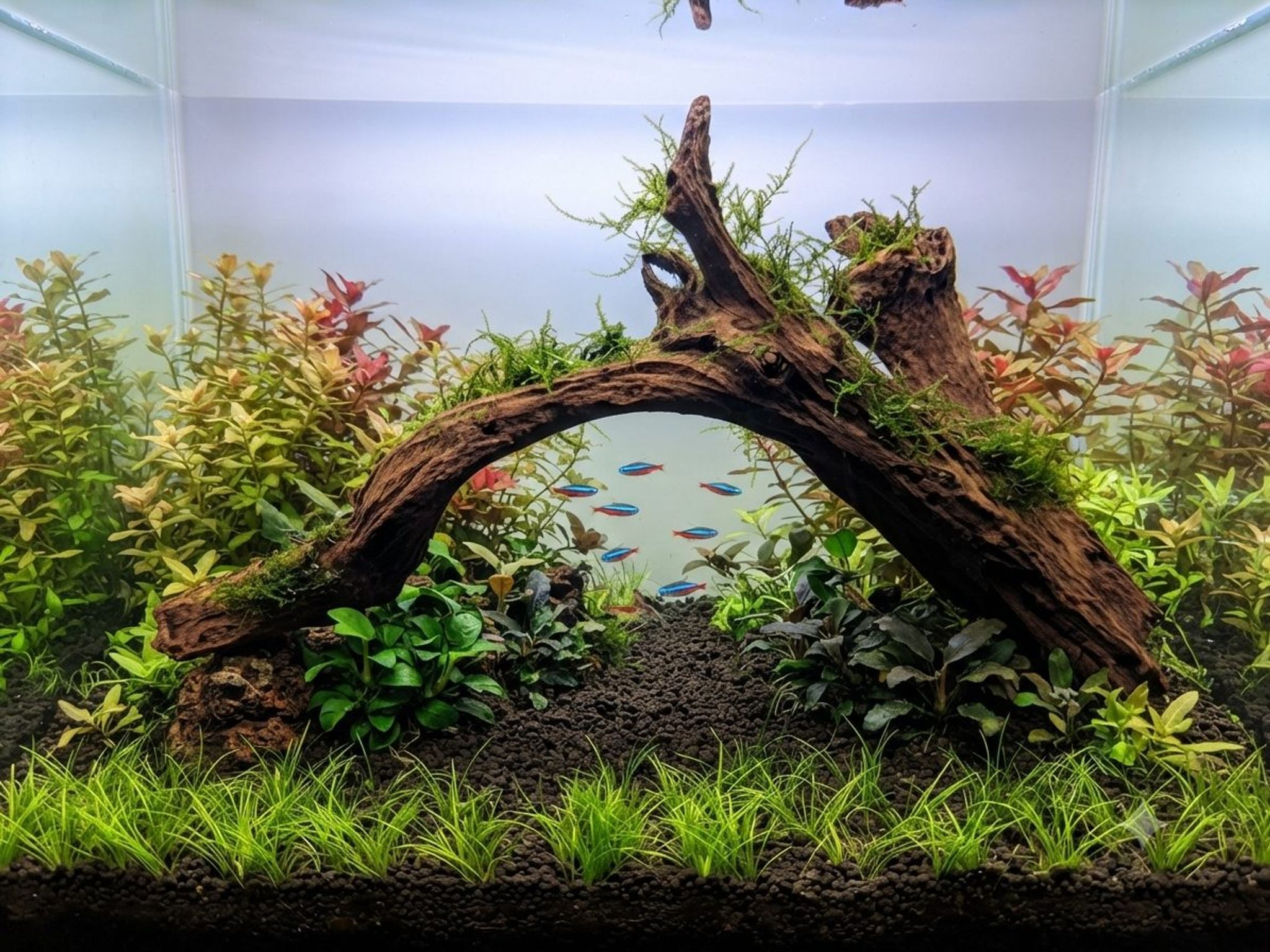
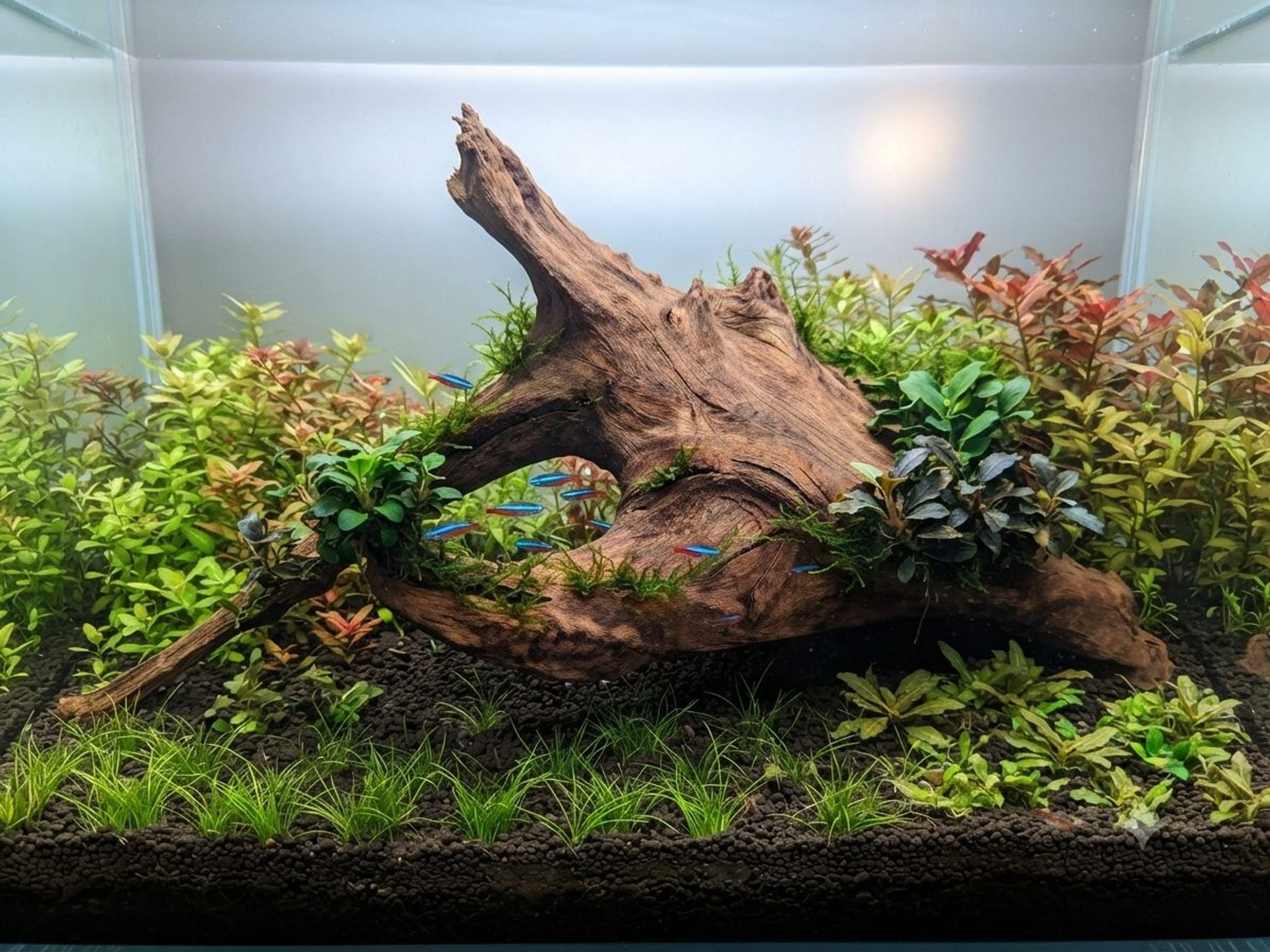
Explore aquarium driftwood, rocks and stones for sale in Singapore from aquarium shops, aquascaping stores and specialist sellers on FishyHub. Compare natural wood, decorative stones and hardscape materials for planted tanks, shrimp aquariums, cichlid setups and other freshwater aquascapes.
Driftwood and stone form the structural foundation of many aquascapes. They can create focal points, caves, terraces, natural borders and surfaces for plants while giving fish and shrimp more places to explore and shelter.
Hardscape refers to the non-living structural elements of an aquascape, especially rocks, stones and wood.
A good hardscape can define the shape of the aquarium before any plants are added. It helps create depth, movement and natural-looking spaces throughout the tank.
Driftwood is popular for planted aquariums because every piece has a different shape, texture and branching pattern.
It can be used as a central feature, combined with stones or covered with epiphyte plants and mosses to create a more established natural appearance.
Depending on seller availability, aquarium wood may include:
Shape and size often matter as much as wood type, especially when building a specific aquascaping composition.
Rocks and stones can be used to create mountains, cliffs, caves, terraces and natural-looking borders in an aquarium.
Different stone types vary in colour, texture, density and potential effect on water chemistry, so the exact material should be considered before use.
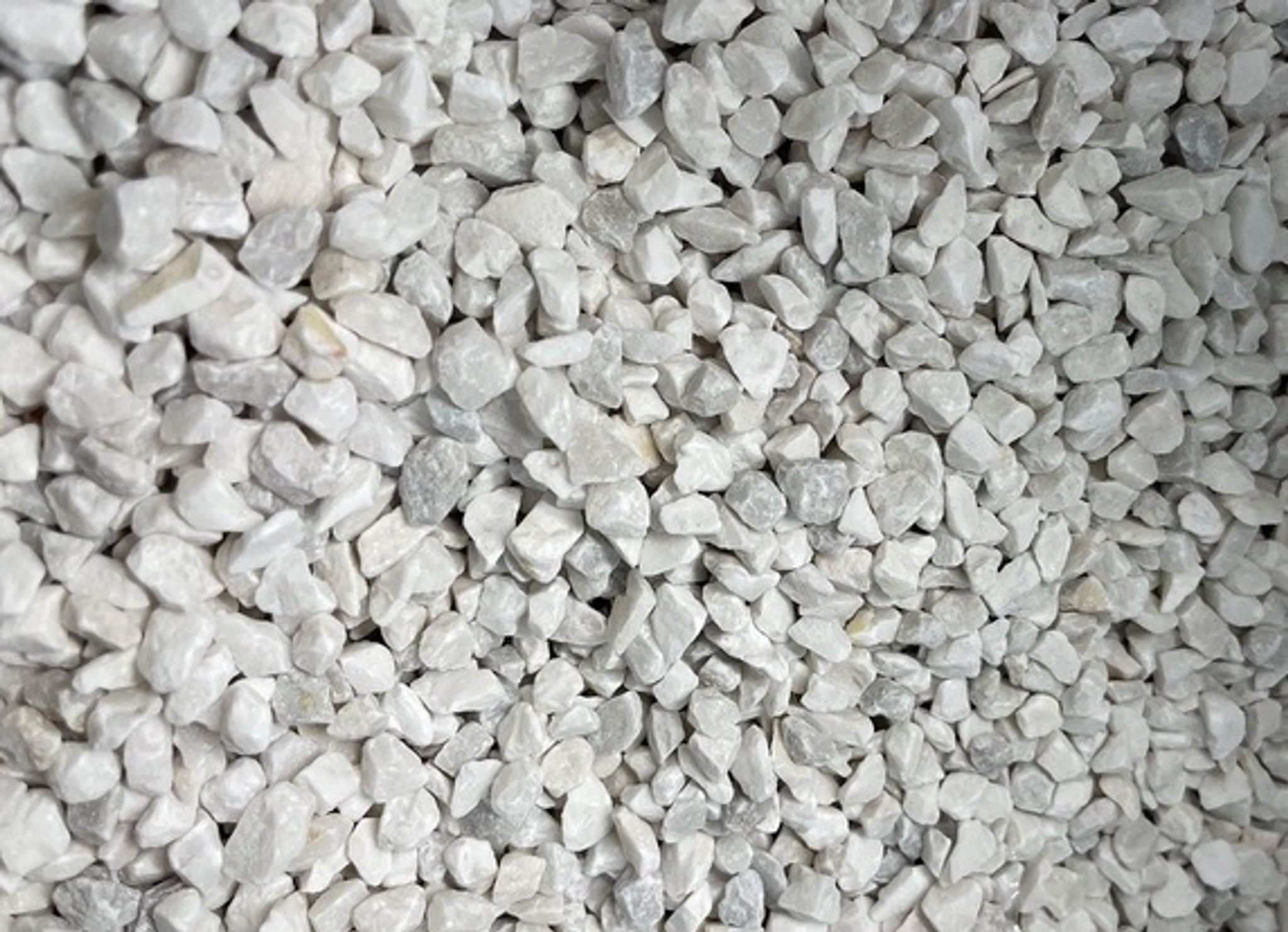
Seiryu-style stone is popular in Iwagumi and nature aquascapes because of its dramatic texture, sharp lines and mountain-like appearance. Some calcareous stones can increase hardness, so suitability should be checked for the livestock being kept.
Dragon Stone is known for its layered texture and earthy appearance. It works well in planted layouts where a rugged but natural stone is desired.
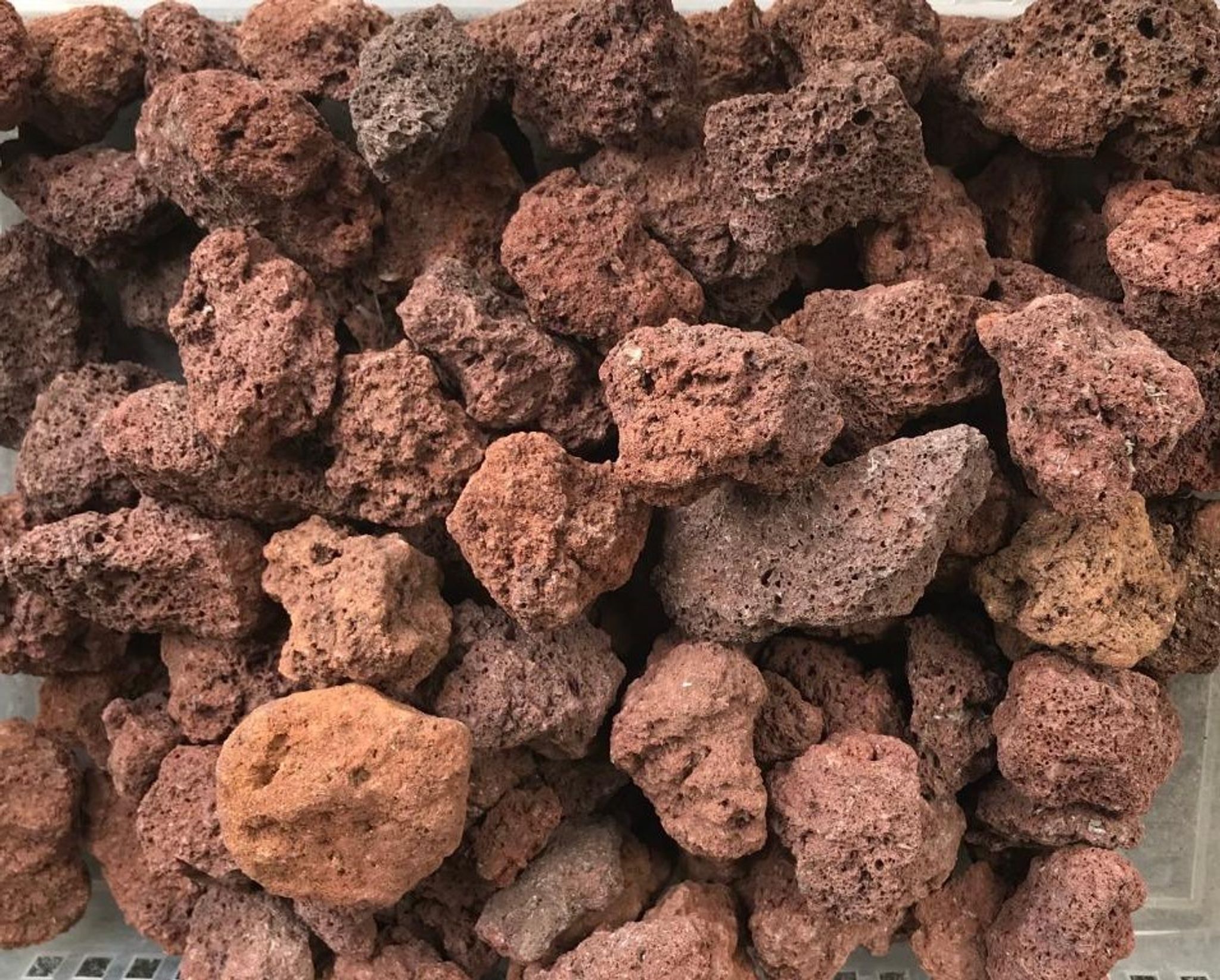
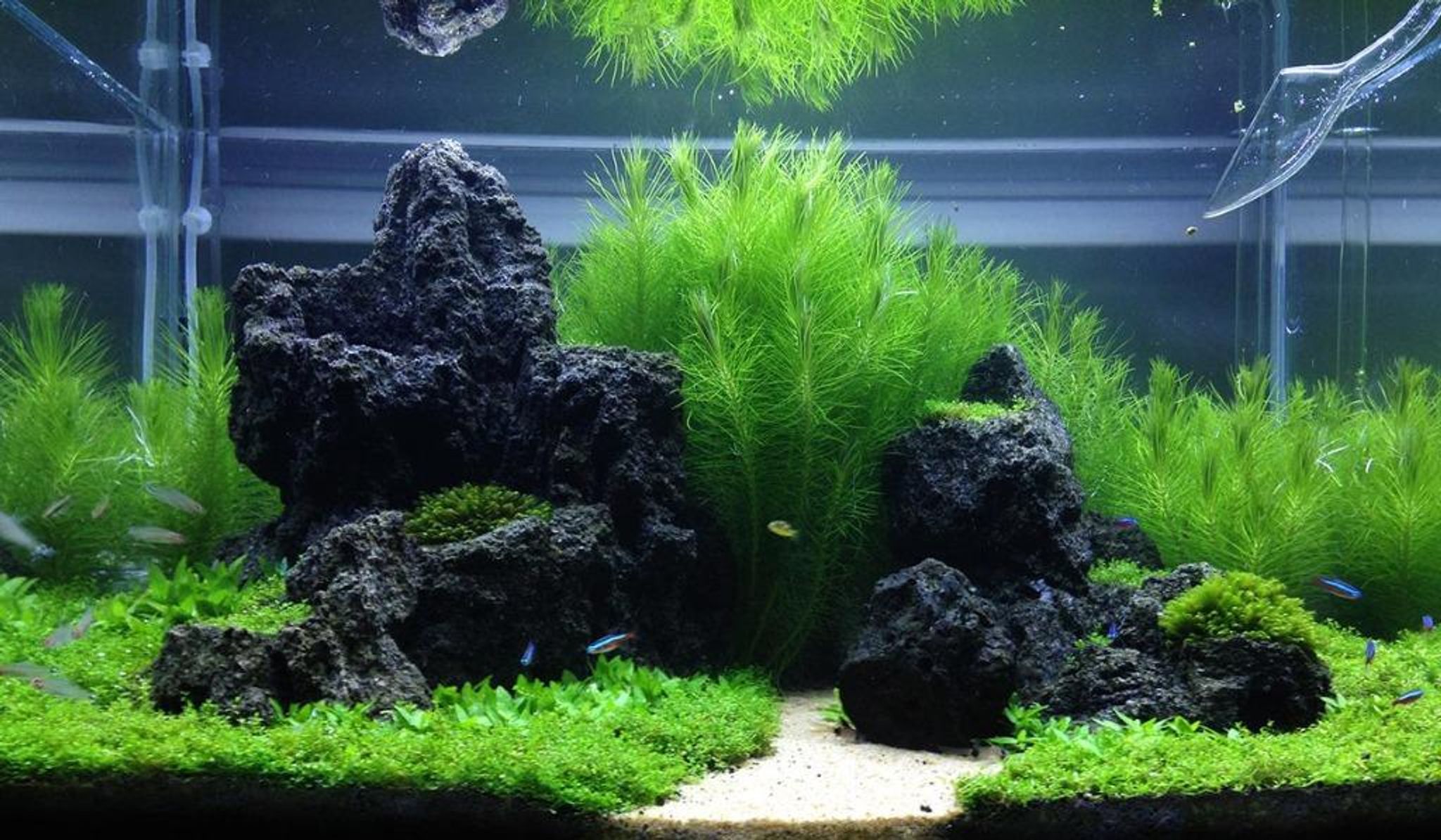
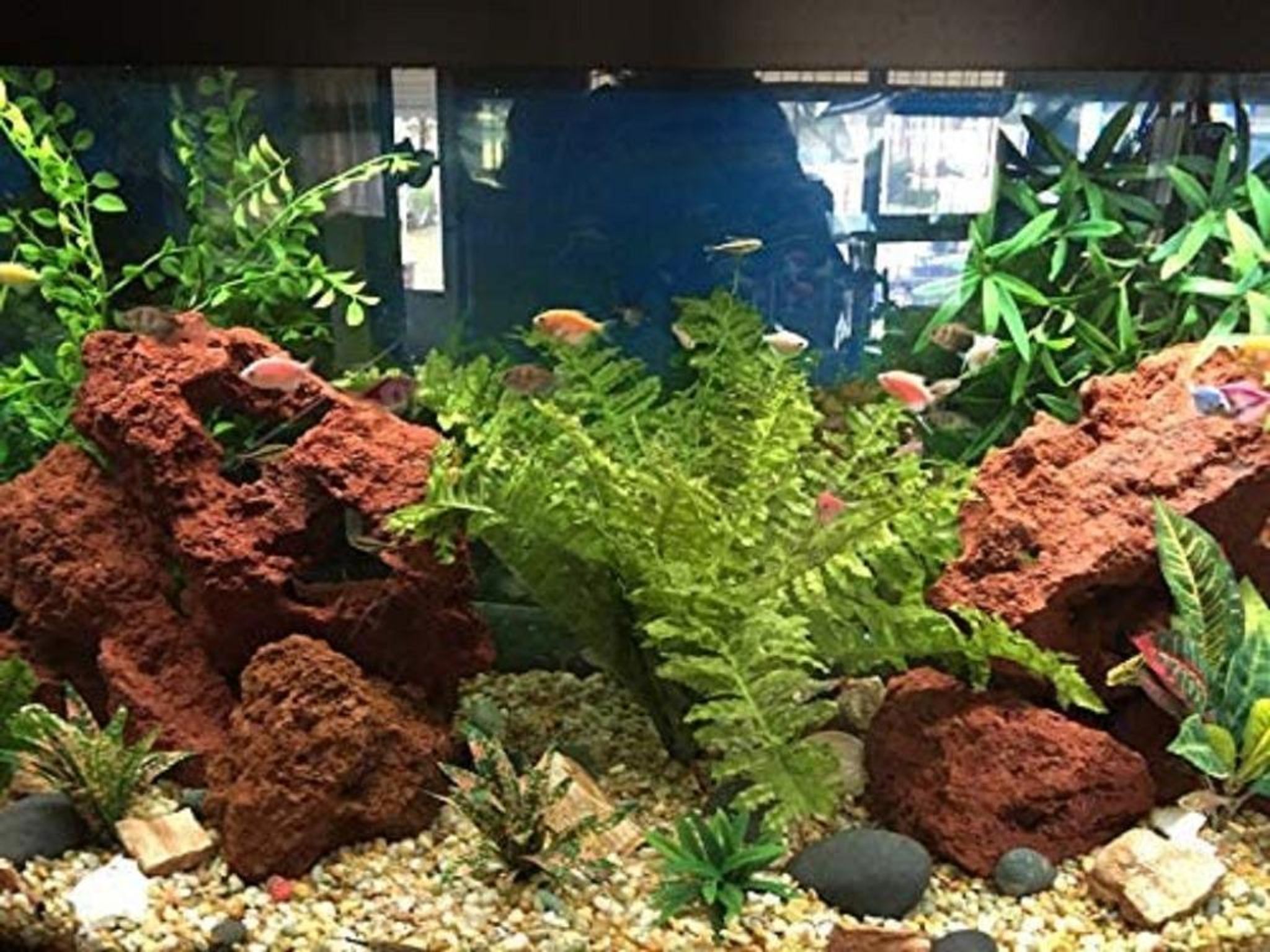
Lava rock is lightweight and porous, making it useful for building height and supporting other hardscape materials. Its textured surface can also provide useful areas for biofilm and plant attachment.
Other stone varieties may be available depending on seller inventory. Compare texture, colour, size and water-chemistry effects before choosing a rock for your aquarium.
Driftwood works especially well in planted tanks because it creates natural anchor points for aquatic plants.
Anubias, Bucephalandra, Java Fern and mosses can be attached to wood, helping create layered plant growth without filling the entire substrate.
Stones can create height and contrast against green plants while helping define the shape of the aquascape.
They are commonly combined with carpeting plants, midground plants and background stems to create a sense of scale and depth.
Iwagumi aquascapes rely primarily on stone placement rather than wood.
The layout usually uses a dominant stone supported by smaller stones with similar texture, surrounded by low-growing plants or open substrate.
Nature-style aquascapes often combine rocks, wood and plants to recreate the feeling of forests, riverbanks or natural landscapes.
Mixing different sizes of hardscape can help create perspective, with larger pieces acting as focal points and smaller details adding depth.
Jungle-style aquariums often use branching wood and irregular stones beneath dense plant growth.
Hardscape may eventually become partly hidden by plants, creating a mature and overgrown appearance.
Wood can be particularly useful in freshwater shrimp aquariums because its textured surface provides additional grazing areas.
Biofilm can develop on submerged wood, while moss and epiphyte plants attached to it can create additional shelter for young shrimp.
Driftwood is commonly used in Pleco aquariums as shelter and hardscape.
Some Pleco species interact closely with wood, but care requirements differ greatly between species, so wood should be part of a broader species-appropriate setup rather than treated as a substitute for proper nutrition.
Rocks can create territories, visual barriers and hiding places for cichlids.
Because some cichlids dig or move substrate, larger stones should be positioned securely so the structure remains stable.
Small pieces of smooth wood and stone can add structure and support plants in Betta aquariums.
Avoid sharp edges or narrow gaps that could damage fins or trap the fish, and preserve easy access to the water surface.
Small aquariums benefit from hardscape that is appropriately scaled to the tank.
Fine branches and smaller stones can create an impression of depth without using up too much swimming or planting space.
When choosing aquarium wood, consider:
Natural pieces vary individually, so viewing the actual shape and dimensions can be especially important when buying hardscape.
When comparing aquarium stones, consider:
Using stones from the same type or visual family can often make an aquascape feel more natural and cohesive.
Some rocks can gradually release minerals into the water and affect hardness or pH.
Whether this is desirable depends on the fish, shrimp and plants in the aquarium, so identify the stone where possible before using large quantities.
Some aquarium wood releases tannins after being submerged.
Tannins may give the water a yellow, tea-coloured or amber appearance. This is not automatically a problem and is intentionally used in some natural and blackwater-style aquariums.
New driftwood should be cleaned and prepared before being placed into an established aquarium.
Depending on the wood, soaking can help remove loose debris, release some tannins and allow pieces that initially float to become waterlogged. Preparation requirements vary by wood type and size.
Some dry wood contains enough trapped air to remain buoyant when first submerged.
Soaking may eventually allow it to sink naturally, while some pieces may need to be securely attached to rock or another stable base during the initial period.
New aquarium wood can sometimes develop a pale or white biofilm after being submerged.
This commonly appears during the early stages of submersion and may reduce over time. It can be manually removed if its appearance is undesirable.
Epiphyte plants can be attached directly to wood using suitable methods such as aquarium-safe glue, thread or fishing line.
Anubias, Bucephalandra, Java Fern and mosses are commonly used this way. Rhizome plants should not have their main rhizome buried or completely covered.
Rocks can also act as mounting surfaces for epiphytes and mosses.
Attaching plants to smaller stones can create movable planted features that can be repositioned as the aquascape develops.
Rock arrangements often look more natural when they vary in size but share similar colour and texture.
Partially burying the base of appropriate stones can help them appear integrated with the landscape rather than sitting loosely on top of the substrate.
Perspective can make an aquarium appear deeper than its actual dimensions.
Larger hardscape near the front, smaller pieces toward the back, sloping substrate and carefully placed open areas can all contribute to a stronger sense of depth.
Heavy stones should be arranged carefully so they cannot shift, fall against the glass or become unstable if fish disturb the substrate.
Complex or heavy structures should be tested for stability before the aquarium is filled and livestock is introduced.
Hardscape can gradually collect algae and debris after being placed in an aquarium.
Light cleaning can be performed as part of regular aquarium maintenance. Avoid household detergents or cleaning chemicals that could leave harmful residues.
Prices vary according to wood or stone type, size, weight, shape, rarity and seller.
Smaller hardscape pieces may be relatively affordable, while large statement driftwood, carefully selected stones or substantial quantities of premium aquascaping rock can cost more.
FishyHub brings aquarium hardscape listings from aquarium shops, aquascaping stores and specialist sellers across Singapore together in one marketplace.
When comparing hardscape, consider:
Natural hardscape is highly individual, so available shapes, sizes and patterns can change whenever sellers add new pieces.
Use wood sold or confirmed for aquarium use. Avoid unidentified wood or timber that may have been treated with chemicals, preservatives or coatings.
Soaking can help waterlog dry wood, remove loose debris and release some tannins before the piece is added to the aquarium.
Some wood releases tannins that create an amber or brown tint. This is common with natural driftwood and is not automatically harmful.
Seiryu-style stone, Dragon Stone, lava rock and other aquascaping stones are popular choices. The best option depends on the desired layout and water chemistry requirements.
Some mineral-rich or calcareous rocks can increase hardness or influence pH over time, while others have much less effect.
Yes. Anubias, Bucephalandra, Java Fern and mosses are commonly attached to aquarium wood.
Unknown rocks may affect water chemistry or contain contaminants, so aquarium-specific or properly identified stone is generally the safer choice.
There is no universal amount. It depends on aquarium dimensions, stone size and whether you want an open layout, a single focal point or a rock-heavy aquascape.
Explore aquarium driftwood, rocks and stones for sale on FishyHub and compare natural wood, Seiryu-style stone, Dragon Stone, lava rock and other aquascaping hardscape from sellers across Singapore. Find pieces suited to planted tanks, shrimp aquariums, Iwagumi layouts, nature aquascapes and other freshwater setups.